


10 facts: The link between the liver and the feet πŸ¦ΆπŸΌ

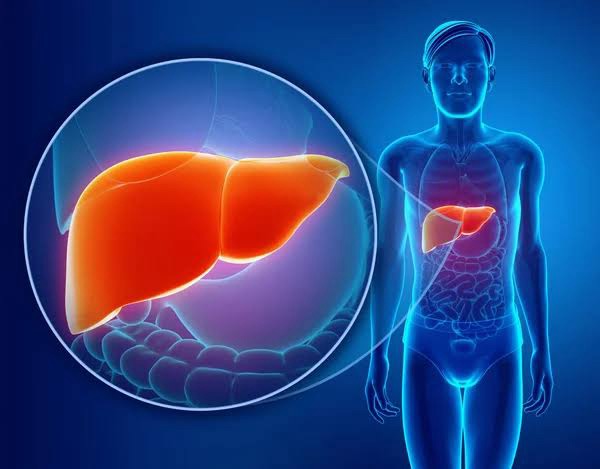
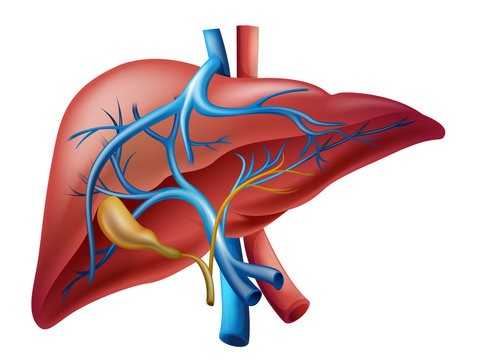
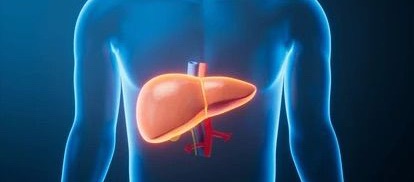
1. Though the entire body- the organs and the cells is interconnected, likewise the feet are very much connected to the liver through the nerve endings. The liver helps filter toxins, produces bile to aid fat absorption, and supports protein processing and blood clotting. Whenever the liver is not functioning properly, there are simple signs in the feet which are physically manifested as the alarming signals for liver attention. These signs, when manifested in the feet, can help in the early diagnosis of a liver problem, making its further management easier.

2. Medically, there is no direct anatomical connection between the liver and the feet. But, like all other organs, the liver is also interconnected with the rest of the body, especially the lower extremities, by nerve endings. In alternative science like Reflexology, the liver is situated on the right side of the body, so the ball and the arch of the right foot connect to the liver. Physiologically, when liver functions are irregular, the changes are reflected in the feet through fluid retention, circulatory changes, nerve endings sensations and vitamin deficiencies. Physical manifestations of secondary symptoms of the feet do reveal the presence of underlying liver disease or even any systemic diseases (like Diabetic neuropathy).

3. Liver problems and chronic liver diseases at early stages may not be known, or the physical symptoms may go unnoticed. But the body does send signals through the feet as well as the skin, which should not be neglected. Though the signals may not always indicate a liver issue, they should not be neglected either. Some of the findings are:

β€’ Nighttime itching of the feet.

β€’ Dryness without any known reason.

β€’ Swelling in the feet and ankles.

β€’ Red and brown dots in legs and feet.

β€’ Deep heel cracks.

β€’ Yellowish discolouration of the skin, including the feet.

4. When some of the signs are worsening and persistent for weeks, those signs can be a warning of urgent evaluation from medical experts. These warning signs can be:

β€’ When itching is very severe.

β€’ Swelling in the feet and around ankles. Low albumin due to a weak liver causes the fluid to leak and accumulate in the ankles and feet.

β€’ Deep heel cracks.

β€’ Spider veins due to a sick liver can cause hormonal imbalance, which results in small blood vessels with a spider-like appearance in the legs and feet.

β€’ Yellowish skin.

β€’ Excessive dryness in the feet.

Spider veins

5. Apart from the alarming signs of the feet, there are other accompanying physical symptoms which are sure signs of impending liver disease. Some of the physical signs of the body are:

β€’ Fluid accumulation in the abdominal cavity (ascites).

β€’ Weight loss or weight gain.

β€’ Swelling in the feet as well as in the legs. (Peripheral oedema)

β€’ Yellow discolouration of eyes and skin (jaundice).

β€’ Redness of the palm.

β€’ Brain fog.

β€’ Numbness in the feet (Paresthesia)

β€’ Pain around the joints and feet.

6. When such warning signs appear, it is best to book urgent medical help. Early intervention can be the key to diagnosing potential underlying liver problems and help to alleviate the foot symptoms as well as the success of treatment in liver disease. There is a long list of liver diseases which can be even genetic and autoimmune in origin. However, some of the common issues which are reported are:

β€’ Hepatitis.

β€’ Fatty liver disease (alcoholic or non-alcoholic)

β€’ Cirrhosis.

β€’ Hemochromatosis.β€’ Wilson disease.

β€’ Hepatocellular carcinoma.

7. Apart from the secondary symptoms of the feet, other physical symptoms which are easily missed for an underlying liver issue for which urgent medical attention is required:

β€’ Feeling tired, weak and fatigued without any reason.

β€’ Abdominal discomfort, especially on the right side of the belly, below the lower ribs.

β€’ Sudden loss of appetite.

β€’ Unexplained weight loss.

β€’ Feeling of fullness during a meal, nausea, vomiting.

β€’ Pale, yellow urine.

β€’ Yellowish skin discolouration and itchiness.

β€’ Puffiness of eyes, feet, belly area.

8. Like liver diseases, other systemic diseases whose secondary symptoms can be displayed in the feet include:

β€’ Gout – Excess uric acid in the body is usually manifested as swelling, redness, and pain in the phalangeal joints of the big toe.

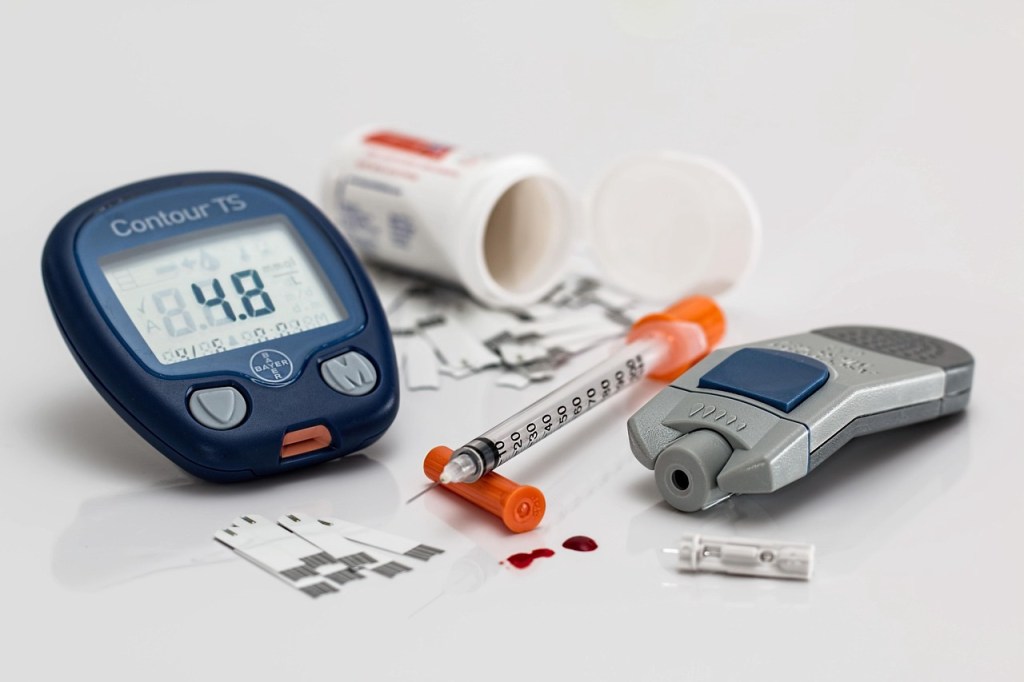
β€’ Diabetic Neuropathy: Damaged nerves due to high blood sugar can lead to loss of sensation and numbness in the feet.

β€’ Peripheral vascular disease: The blood flow is usually restricted to the feet, causing gangrene and eventually leading to amputation of the foot.

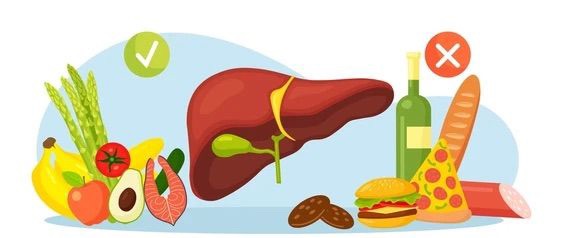
Liver friendly diet

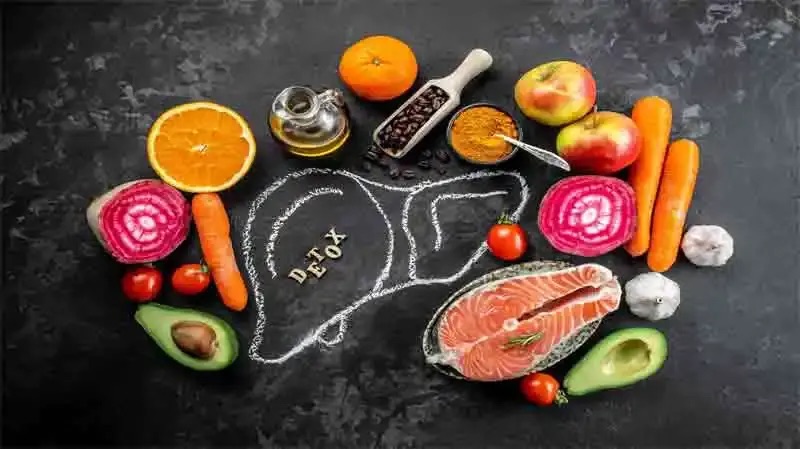
9. Liver cleansing: Focusing on liver support regularly is mandatory for liver health and its normal functioning. Some of the routine practises are:

β€’ Restricting alcohol as much as possible.

β€’ Avoiding refined, processed food, sugary and fried foods.

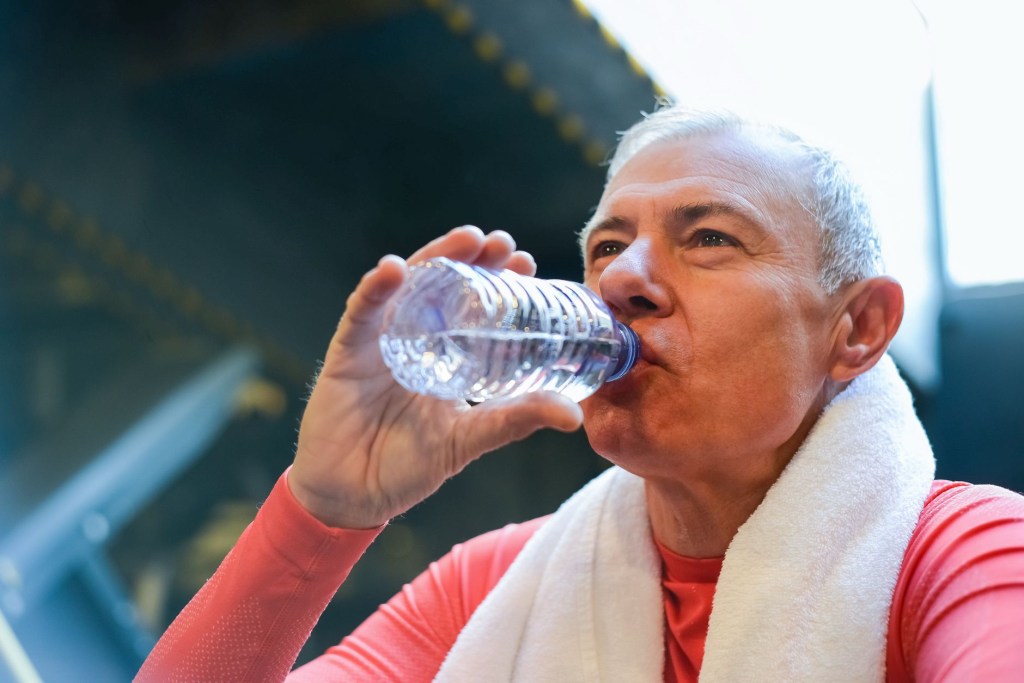
β€’ Drinking water 8-10 glasses/day to flush toxins.

β€’ Maintaining a healthy weight by regular exercise.

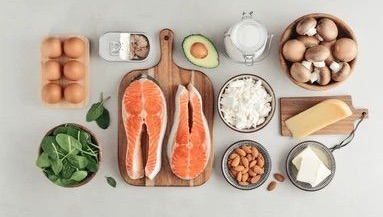
β€’ A liver-friendly diet includes lean proteins, whole grains, and plenty of green leafy vegetables.

β€’ Avoid unnecessary medications and supplements to lessen liver load.

Staying hydrated

10. In a nutshell, it is evident that early stages of liver issues are manifested as physical signs in the feet. Changes in the feet like swelling, spider veins, cracked heels, white nail beds, and yellowish skin are most likely signs of underlying liver issues, which should be given urgent medical attention. These signs should never be treated as minor and neglected. Early diagnosis and treatment of liver diseases can be more reversible than attending to it at a late stage, which can be difficult to treat and sometimes life-threatening.

Thanks for reading πŸ™

Peace and love.

10 facts : Why sea buckthorn has gained popularity?

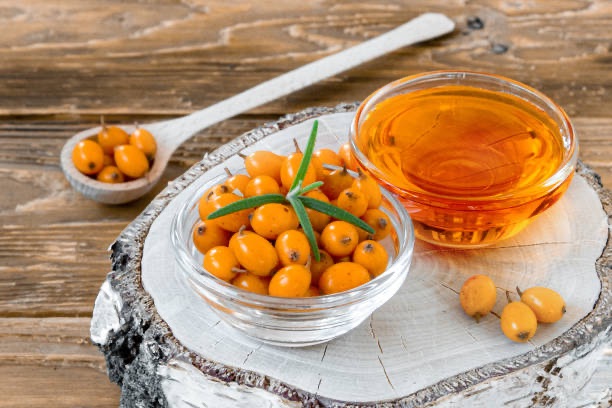
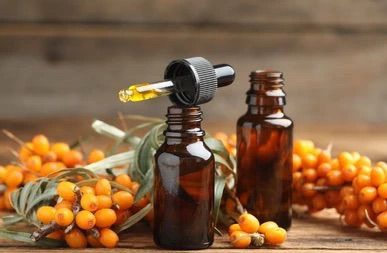
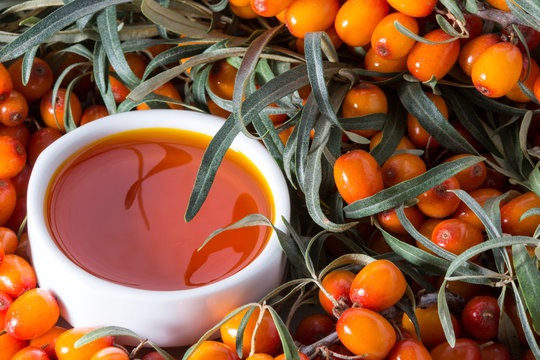
1.Sea Buckthorn (Hippophae rhamnoides) is a shrub with yellowish-orange berries, a native of Southeast Asia and Europe. Other names used are sea berry, sand thorn and Siberian pineapple. Recent research has highlighted the tremendous health benefits of the fruit berries grown on this high-altitude shrub, which has been quite common on the Himalayan steep slopes for centuries. This shrub and its fruits are not new to the natives living in those regions. But, suddenly, it has gained much popularity due to its label as β€œSuper food” by the recent scientific studies. The berries of this shrub are identified to have about 190 flavonoids and polyphenols, rich in Omega fatty acids and 15 times more vitamin C than oranges.

2. Sea Buckthorn’s nutritional profile stands out among many fruits and berries provided by the plant kingdom. It is considered a β€œsuperfood” for its amazing nutritional value.

β€’ These berries have a rich supply of fat-soluble vitamin A, such as Beta-carotene (due to the orange colour), lycopene and Zeaxanthin.

β€’ Vitamin E includes 8 natural variants, the tocotrienols.

β€’ Vitamin K2 in natural form, which is quite rare in plants.

β€’ Plant-based Omega 3, 6, 9, which is a complete omega fatty acid profile.

β€’ Omega 7, which is Palmitoleic acid, is a rare variant.

β€’ Vitamin C, which is 15 times more than that of a typical orange.

β€’ Multiple bioactive compounds like flavonoids, phytosterols, organic acids and Tanins.

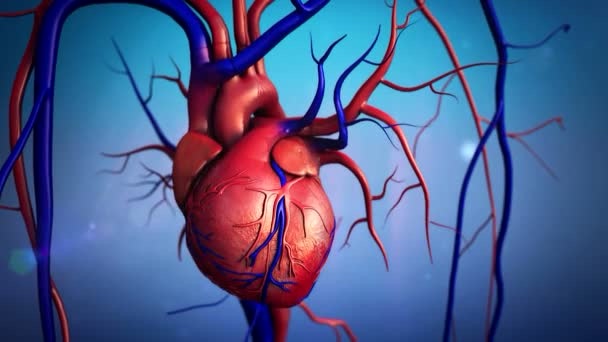
3. Heart-friendly: One of the main reasons for Sea Buckthorn berries’ attraction is their profound benefit to cardiovascular health.

β€’ The Omega profile and bioactive compound help to lower LDL cholesterol, prevent plaque buildup, and lower blood pressure.

β€’ Improve Cholesterol: Phytosterols reduce cholesterol absorption, LDL and triglycerides in the gut and maintain the level of good cholesterol, HDL.

β€’ Relaxes the blood vessels and lowers the blood pressure.

β€’ The antioxidant properties prevent LDL plaques from being deposited on the arterial wall and lower the risk of atherosclerosis.

β€’ Reduces the risk of thrombosis by thinning the blood due to antiplatelet aggregation properties.

4. Diabetes: Studies have proven that sea buckthorn berries, due to their powerful antioxidant profile, help in the management of type 2 diabetes. Here are some of the potential benefits:

β€’ These berries improve the metabolic function and lower the fasting blood sugar levels.

β€’ Helps the body to improve insulin sensitivity and lower the resistance in due course.

β€’ Its anti-inflammatory properties help to fight inflammation and prevent organ damage, which is a characteristic of diabetic progression.

β€’ Reduce the damage to the beta cells of the pancreas, which produce insulin.

β€’ Promotes heart health, which is otherwise a cardiovascular risk for diabetics.

β€’ Boost immunity, which is important for diabetics or anyone with a chronic illness.

5. Metabolic disorder: Collectively, metabolic disorders include obesity, hyperglycaemia, high blood pressure, and dyslipidemia. The different ways of managing metabolic syndrome can be controlling blood sugar, lowering insulin resistance, improving dyslipidemia, reducing abnormal lipogenesis, lowering blood pressure and also improving gut health. The rich nutritional profile of sea buckthorn, which contains various flavonoids, omega fatty acids, and vitamins, helps to promote a positive impact on metabolic activities and prevent complications in metabolic pathways in such individuals.

6. Other amazing benefits :

β€’ Aids cancer therapy: Studies have shown that flavonoids such as quercetin, kaempferol, and isorhemnetin present in sea buckthorn berry juice and oil extract can induce a cytotoxic response and prevent cancer cells from multiplying.

β€’ Skin / cosmetic uses: Due to their rich nutritional profile of vitamins and omega fatty acids, these berries promote skin health, promote hair growth, increase blood circulation and reduce signs of ageing.

β€’ Effective in promoting gut health and liver health by lowering liver inflammation, fibrosis and scarring.

β€’ Disease prevention: Sea buckthorn, due to flavonoids and antioxidants, prevents free radical damage, reduces oxidative stress and lowers the risk of chronic diseases.

7. Interaction: Sea buckthorn berries are usually safe, and there is no evidence of adverse side effects. But due to its rich content of various nutrients, there may be drug interactions, and precautions are necessary:

β€’ People with bleeding disorders and those undergoing surgery should avoid situations where there is a risk of slowing blood clotting, bruising and bleeding.

β€’ Anticoagulant and antiplatelet drugs can interact with sea buckthorn and pose a risk of bleeding.

β€’ People on high blood pressure medication should avoid it as they can further lower their BP.

8. Uses: The raw berries are sour and acidic in taste. So, it is not usually consumed raw; instead, it is converted into functional foods.

β€’ Juices and pulp: They are diluted in water before drinking and used in pies, desserts, jams and herbal teas.

β€’ Oils are used in the form of capsules as a vegan Omega fatty acid source, used in hair and skin wellness.

β€’ Powders: As supplements in drinks, smoothies and teas.

9. Availability: Sea buckthorn berries are available in local markets specific to the native regions of Asia -Pacific where they are grown. Otherwise, they are available as products in supermarkets, stores, and retail in different brands. It is important to buy from known, reputable brands for safety issues.

They are available in juices (cold-pressed is best), pulps, dried berry powder, gummies, tablets, capsules and in oil extract. Due to their nutritional value, the products are widely used and have been quite popular.

10. Takeaway: Sea buckthorn berries have been used for centuries by the native people of mainly Asia, especially in the Himalayan regions, Ladakh, China and European regions. But recent scientific studies and research have identified its rich nutritional profile, which has attracted the attention of health enthusiasts. Therefore, these tiny berries have become popular, and the products are selling widely nowadays. No doubt, sea buckthorn is, indeed, a super fruit and its intake in moderation, in whatever form, can be helpful for overall health and wellness.

Thanks for reading.

Peace and love πŸ™

10 facts : Although honey 🍯 is similar to sugar, why it is still considered a healthier option ?

1. Honey is about 80% sugar, mostly fructose and glucose and is considered a natural sweetener. Since it is a derivative of plant nectar, it is a storehouse of bioactive compounds like polyphenols, flavonoids, vitamins, minerals and antioxidants. It is a blend of many natural substances, depending upon the different varieties of flowers whose nectar is collected by the bees. Because of its nutritional profile, honey has tremendous health benefits and is considered a healthy sweetener.

Beehives

2. Though honey is rich in sugar, it is a powerhouse of nutritional content in raw, unprocessed form. Depending upon the sources, the nutritional content can vary. Pasteurised honey is processed, filtered and can have a lesser quantity of flavonoids and polyphenols. Besides the antioxidant properties, honey includes calcium, potassium, vitamins, copper, iron and zinc. It also contains a trace amount of protein. Depending upon the varieties of flowers’ nectar, climatic conditions, examples of honey varieties are:

β€’ Clover honey

β€’ Wildflower honey

β€’ Orange blossom honey

β€’ Alfaalfa honey

β€’ Buckwheat honey

β€’ Rare variety like Manuka honey, found in New Zealand

3. Sources: Honey is the only natural sugar source which is produced by insects that humans consume. It is best when consumed raw and unrefined. Supermarket honey available is usually processed, pasteurised honey. Honey should be best sourced from local markets and local farmers, where the content is β€œpure honey” without any additives. These types of honey are lighter in colour and consistency. Darker varieties are stronger in flavour and nutritionally rich. Honey should be preserved in a glass bottle or plastic airtight container, below 32 degrees F.

4. Crystallisation: This is a natural process of honey where it is transformed from a liquid to a solid state depending upon the temperature and how it is stored. Crystallisation of honey doesn’t mean that the honey is spoiled. Honey with a higher content of sugar (fructose, glucose) is quickly crystallized like Alfalfa and clover types. Crystallisation happens as the dense sugar molecules start to hold the water permanently, which is, in fact, a sign of pure, unadulterated honey. The honey can be restored to its liquid form by putting the honey jar in a warm water container. Boiling water should be avoided as the nutritional content can be compromised.

5. Storage: Honey doesn’t require refrigeration. Its shelf life is around 2 years. Refrigeration and cold temperatures can lead to crystallisation of honey. It can be stored at room temperature at 20 to 25 degrees C or around 60 degrees F, ideally in an airtight glass container. It can also be stored in a food-grade plastic container. In the kitchen, it can be placed in a dry, dark place or pantry, avoiding direct sunlight.

6. Health benefits: As honey is rich in sugar, it should be consumed in small quantities rather than in large amounts. For centuries, the latest research has shown that honey has promising health benefits and healing properties. Some of them:

β€’ Antioxidant rich so consuming raw, unrefined honey on regular basis can have anti-inflammatory benefits.

β€’ Promote balance of blood sugar levels than regular refined sugar.

β€’ Improves heart health by maintaining blood pressure, regulate heart beats.

β€’ Since it has anti-bacterial properties , it can promote wound healing.

β€’ Suppress sore throat and cough and support respiratory health.

β€’ Supports gut health and is helpful in case of irritable bowel disease.

β€’ Anti-fungal, anti-bacterial & anti-cancer.

7. Brain health: Research suggests that honey has amazing benefits for brain health and can prevent neurodegenerative diseases. Manuka honey is the best for brain health. Some of the neurological benefits of honey are:

β€’ Unlike a refined sugar rush, honey can provide a natural, steady energy flow to neurons.β€’ Flavonoids and phenolic acids can prevent free radical oxidative stress and cell damage in neurons.

β€’ Supports memory by protecting brain cell mitochondria and elevates BDNF (brain-derived neurotrophic factor).

β€’ Studies show honey is neuroprotective and prevents cognitive decline.

β€’ Honey naturally contains melatonin, which supports sleep, and naturally removes toxins from the brain that build up while awake.

8. Alleviate cough: Studies have shown that honey is effective in soothing a cough. Drinking honey with a little warm water during a cough can help to form a coating in the throat. Its anti-bacterial and anti-inflammatory properties help as a healing aid for infections. Moreover, honey is safer as a home remedy than over-the-counter medications. It can be given to all age groups except children below 1 year of age, when there is a risk of food poisoning. Research shows that honey is far better than medicines like diphenhydramine (anti-histamine) and has a similar effect to drugs like dextromethorphan (cough suppressant ) and Salbutamol ( asthma drug).

9. Though honey is a natural sugar alternative, it is usually safe and healthy for daily consumption in moderation. There is no such standard recommendation, but experts suggest that 6-7 teaspoons daily should not be exceeded. WHO guidelines suggest that daily consumption of free sugar should not exceed 10% of daily intake. Since it has therapeutic benefits, its daily consumption can be beneficial for both gut health and the immune system. While using honey as a sugar substitute, other refined sugar food items should be completely avoided, as there are chances of weight gain (due to extra calories), sugar spikes in insulin-sensitive diabetics.

10. Takeaway: Research has shown for decades that honey is healthy with tremendous therapeutic effects when consumed in moderation as a wellness habit. Honey can replace the intake of refined sugar in several ways, such as:

β€’ For dessert, yoghurt or breakfast bowls.

β€’ Herbal teas, green teas.

β€’ Morning, on an empty stomach with warm water as an aid to digestion and immunity.

β€’ Honey should be avoided in boiling water or while cooking, as it may damage its nutritional value.

Thanks for reading.

Peace and love πŸ™

10 facts : Cumin, a robust spice πŸ™Œ

1. Cumin is a common spice, scientifically known as Cumin cyminum, mostly used in Indian,South Asian, and Middle Eastern cooking for a variety of dishes and also used for tempering with lentil soups and blending with other herbs. It has been used for centuries, but apart from adding aroma, taste and flavour to meals, people were not so aware of its composition and tremendous health benefits until widespread scientific research was carried out in recent years. Studies have shown that cumin is rich in nutrients, antioxidants, and iron and has a long list of health benefits. Its most important health benefit is that it improves digestion by stimulating digestive enzymes.

2. Nutritionally, cumin contains flavonoids, which are antioxidants and prevent many illnesses. The primary earthy flavour of cumin comes from a compound called cuminaldehyde. Cumin is used both as whole seeds and in powdered form. Usually, three types: white cumin, black cumin and brown variety. All the varieties are rich in vitamins B, C, A, E, and K, as well as minerals such as iron, magnesium, copper, and manganese. Cumin oil is used in cosmetics, perfumes and as an essential oil for its antibacterial activity and aroma.

3. Cumin as antioxidants: Naturally, cumin contains substances like apigenin and luteolin, which are bioactive compounds that damage free radicals and keep the healthy cells free from oxidative stress. In some studies, cumin is found to have anti-cancer properties and keeps the cancer cells from multiplying. Like curcumin, cumin has been shown to have purgative qualities which possess potential benefits from treating tumours to simple ailments like the common cold. They are found to be effective against various types of cancers, including stomach, colon and liver.

Blood sugar levels

4. Cumin and diabetes: Several studies have shown promising results that can aid in diabetes treatment. When excess blood sugar in the bloodstream leads to the formation of advanced glycation end products (AGEs), it causes harm to body cells, including damage to kidneys, eyes, nerves and small blood vessels. Cumin, on regular use, is found to lower AGEs. Routinely using cumin as a seasoning as well as a supplement has been found to lower blood sugar in diabetics.

Cholesterol levels

5. Cumin and cholesterol: Many clinical studies have shown that cumin can improve the levels of blood cholesterol in individuals who suffer from high cholesterol. Cumin contains phytosterols, which naturally inhibit cholesterol absorption in the body. It is found to increase the level of HDL, β€˜good’ cholesterol, which is protective against atherosclerosis. Studies have shown regular intake of cumin lowers harmful triglycerides and total cholesterol.

Gas/ bloated

6. Cumin as a digestive aid: Cumin has been traditionally used as a digestive aid for centuries. Now, several studies have proved that cumin stimulates the digestive enzymes and facilitates digestion. It helps in the release of bile and helps in the digestion of fats. Clinical studies have shown that regular intake of cumin in concentrated form has been shown to reduce the symptoms of irritable bowel syndrome. Cumin is iron-dense and is a good source of iron in children and women.

7. Other potential powerful benefits of cumin include:

β€’ Cumin helps in weight loss in obese and overweight individuals.

β€’ Cumin acts as an anti-stress agent due to its effective antioxidant properties.

β€’ Cumin supports the immune system because of its antioxidant properties and vitamin C.

β€’ Cumin water intake causes detoxification, releases toxins and gives a healthier looking skin, preventing wrinkles. Due to its anti-bacterial properties, it prevents acne.

β€’ Cumin supports respiratory health by reducing congestion and improving breath quality.

β€’ Cumin has anti-inflammatory properties and improves several symptoms in cases of many chronic inflammatory diseases, like pain and swelling in chronic arthritis.

8. Side effects of Cumin: Cumin can be used in everyday cooking, and it is very beneficial and does not cause any harmful effects. But, a very concentrated extract in supplements or excessive consumption can cause side effects:

β€’ Digestive discomfort such as belching, gas, bloating, and heartburn.

β€’ Blood sugar drops, especially in diabetics using blood sugar medication.

β€’ Slow blood clotting, bruising or bleeding risk when taken along with anti-coagulants.β€’ Physical /mental stress: Heavy doses of cumin can cause drowsiness, mental clouding and strain to the liver and kidneys.

β€’ Allergic reactions.

9. Dosing: Dietary cumin used in everyday cooking, around 1-2 teaspoons, is always harmless and beneficial to human health. But, if prescribed as a supplement, it should be used under a healthcare professional’s guidance. There is no guideline for recommended doses, but it can depend on the age, general health, pre-existing health conditions, and the kind of product used. Not all natural products found in supermarkets or pharmacies are necessarily good and safe.

10. Takeaway: Cumin is a warm, healthy aromatic spice, used both in whole and powdered form. It is full of essential nutrients and beneficial to health. For centuries, cumin has been used in traditional as well as modern cooking, and has always enhanced not only the taste, but also proved to be very significant to health. It improves metabolism, boosts digestion, supports the immune system, and is protective of overall health wellbeing and prevents chronic health issues.

Thanks for reading.

Peace and love πŸ™

10 facts : Nitric oxide (NO) is body’s power source πŸ’ͺ

1.Nitric oxide is a gas that is naturally produced by our body. Its basic function is to relax the blood vessels, which in turn transport the blood, oxygen and nutrients to the different organs and cells of the body to function smoothly. Nitric oxide is a vital nutrient as it protects the layers of cells in the blood vessels. It regulates the cardiovascular system, immune system, and nervous system. When nitric oxide is scarce in the body, it leads to a condition called endothelial dysfunction, which can risk the cardiovascular system.

2. Nitric oxide, as a powerful molecule, has many protective health benefits and is vital to human health. The potential benefits are:

β€’ Cardiovascular system: Since it is a vasodilator, it lowers the blood pressure, relaxes the blood vessels, ensuring a smooth transportation of blood throughout the body.

β€’ It lowers the inflammation in the body as it acts as an antimicrobial agent, a free radical agent.

β€’ Neurological system: It is a neurotransmitter and helps in communication between nerve cells.

β€’ It helps in exercise endurance as an oxygen delivery agent and improves athletic performance.

β€’ It helps in treating erectile dysfunction.

3. Diverse physiological role: The NO (nitric oxide) molecule is synthesised from L-arginine in the tissues of the body by using the iso-forms of nitric oxide synthase. As mentioned before, NO gas is important in maintaining the endothelial layers of the blood vessels, as well as the blood flow through the vessels, and also inhibiting the activation of blood platelets. NO activates an iron- containing protein and helps to bind with haem. It regulates the immune system as a primary defense mechanism against attack by microorganisms. It acts as a neurotransmitter for nerve cells of certain types. NO activates several cellular activities.

4. Physical endurance and Nitric oxide: Research studies have clearly shown that Nitric oxide (NO) plays an active role in vasodilation, improves and enhances blood flow through blood vessels, organs and in mitochondrial respiration. Thereby, it promotes sports performance, endurance and aids in the healing and recovery of tissues. Nitric oxide and physical activity are very closely related. Evidence-based studies have shown that exercise helps to increase the level of nitric oxide, so it is highly recommended for athletes and patients with cardiovascular disorders.

5. Nitric oxide and erectile dysfunction: Erectile dysfunction is mainly caused by impaired nitric oxide bioactivity. The nerves and endothelial cells release nitric oxide when stimulated, which causes vasodilatation of blood vessels and relaxation of smooth muscles. When there is low nitric oxide production, it results in impaired vasodilation and endothelial dysfunctions, causing erectile dysfunction. Common risk factors are high blood pressure, diabetes, smoking and aging.

6. Nitric oxide as a neurotransmitter: Since it is a gas, it acts as a free radical and is synthesised in response to neural activity rather than stored in synaptic vesicles. It can diffuse rapidly through cell membrane barriers and can reach several neuronal and non-neuronal cells in multiple locations. It can act in intracellular targets on both pre-synaptic and post-synaptic neurones to stimulate neurotransmitter release and enhance synaptic plasticity. But excess nitric oxide can cause neurotoxicity, like in Alzheimer’s and Parkinson’s disease.

7. Sources: Nitric oxide naturally releases from oceans, soil bacteria, and the atmosphere by oxidation of ammonia and animal wastes. Some other sources are forest, wild vegetation, fertilizers, fossil fuels combustion and other industrial processes.

The primary source in the human body is the conversion of L-arginine (an amino acid) by enzymes, which releases nitric oxide internally. The different food sources of Nitric oxide are Beetroot, garlic, meat, poultry, leafy green vegetables, citrus fruits, nuts and seeds.

8. Nitric oxide supplement: A healthy, balanced diet rich in vegetables, poultry, and meat is enough to provide the necessary nitrites and nitrates to produce enough nitric oxide for the body’s requirements. If the body’s nitric oxide levels are low, your health care provider might give you nitric oxide supplements. They usually contain the synthetic version of the compounds, which can help the body to produce the optimal level of nitric oxide. Supplements are generally safe when taken under expert supervision and in an appropriate dosage.

9.Side-effects: Nitric oxide supplements, as mentioned above, are considered safe when taken under medical guidance. Overexposure and overdosing may cause side effects:

β€’ Physical symptoms include nausea, vomiting, headache, and stomach upset.

β€’ Heart palpitation, dizziness, lightheadedness, sudden drop of blood pressure.

β€’ Interaction with other medications, such as blood pressure medication and erectile dysfunction medication, can cause a serious risk.

β€’ Overexposure can cause coughing, shortness of breath, and lung injury.

10. Some of the known nitric oxide supplements are:

β€’ Arginine

β€’ Citrulline

β€’ Nitrates

β€’ Vitamin C, flavonoids, and polyphenols make nitric oxide easily available for the body for different purposes.

Doses depend on the individual requirements and the compounds of the supplement.

Thanks for reading.

Peace and love πŸ™

10 facts: Which type of cocoa is healthiest ? β˜•οΈπŸ«

1.Like chocolate, cocoa powder is a common item which sits in the pantry of most households. It is widely used for either baking or having a chocolate drink. But what is cocoa powder? Cocoa beans are usually ground into a paste called chocolate liquor, which is later sweetened or added with other ingredients to make different types of chocolate. The paste or chocolate liquor is rich in cocoa butter, which can be de-fatted by further pressing and made into a finely ground powder, called natural cocoa powder.

2. Cocoa powder is of different types depending on the method of processing:

β€’ Natural cocoa powder is de-fatted, finely ground cocoa nibs. This way they retain the original acidity, flavours and aromas. They appear light brown in colour.

β€’ Raw cocoa powder is produced by cold pressing the cocoa beans without any chemicals being used. This has the highest nutritional value and antioxidant levels.

β€’ Dutch-processed cocoa powder is processed by alkalizing the cocoa nibs with potassium carbonate. In this process, the colour deepens, and acidity reduces. This is how dark chocolaty colour and flavour are gained.

β€’ Black cocoa is achieved by further alkalizing the cocoa nibs with a heavy dose of potassium carbonate, which gives the characteristic black colour famously used in Oreo cookies.

Different types of cocoa powder

3. Cacao powder v/s cocoa powder: Though both of them have the same source as cocoa beans but the treatment of processing are different. Cacao powder is processed from unroasted cocoa beans at low temperatures, so they appear lighter, bitter in taste and pure. They retain the highest nutritional content and are very rich in antioxidants. Whereas, cocoa powder is ground from roasted cocoa beans, so it appears darker, less bitter in taste and has less nutritional content. Therefore, cacao powder is actually healthier than cocoa powder as far as health benefits are concerned.

4. Caffeine in cocoa: Cocoa beans naturally contains 0.1 -0.7% caffeine. About 0.3% caffeine is also present in the skin surrounding the cocoa beans, so at least 1.2 % caffeine is present altogether in cocoa beans, less than dry tea leaves, which is around 3-4%. Other stimulants like theobromine and phenylethylamine are also found in cocoa beans, which can influence the mood and energy levels in a mild way. But compared to coffee, the stimulant effect on the brain and body is much less.

5. Nutritional facts: Cocoa powder is a nutritional powerhouse of many healthy compounds and antioxidant properties.

β€’ Cocoa butter, which is present in cocoa beans, is a combination of oleic acid, stearic and palmitic acid. Oleic acid is a monounsaturated fatty acid and is heart-friendly.

β€’ Minerals: Cocoa powder is rich in minerals like magnesium, iron, calcium and potassium. It is also rich in vitamin B.

β€’ Anti-oxidants: Rich in polyphenols, especially flavonoids, which protect the body from free radical damage.

β€’ Fibre: Cocoa powder is rich in plant-based fibre, good for gut health.

6. Though cocoa is famous for its chocolate and chocolate-based products, research shows that the compounds found in cocoa, like polyphenols and flavonoids, have antioxidant and anti- inflammatory properties and are beneficial for the human body. But the processing and different treatments used in the manufacturing process of chocolate and its products might lower the beneficial and nutritional properties. Heating and processing cause loss of antioxidants and anti- inflammatory properties. Further, adding sweetening agents, artificial flavouring agents while processing can damage the valuable content of natural or raw cocoa and may no longer prove to be useful in terms of health. Therefore, not all types of chocolate or chocolate products can be termed healthy in today’s times.

7. Potential benefits of cocoa powder, natural and raw form, produced by crushing cocoa beans, can have various health benefits:

β€’ May lower the risk of cardiovascular diseases, heart attack and stroke.

β€’ May lower the high blood pressure by lowering the nitric oxide levels.

β€’ Improves blood circulation in the brain and nervous system, elevates the mood.β€’ Improve symptoms of type 2 diabetes.

β€’ May contain cancer-preventive properties.

β€’ May boost the immune system due to the presence of minerals.

β€’ It may help in weight management.

8. Side effects of cocoa powder:

β€’ Caffeine: Having too much caffeine in cocoa can lead to irritability, a fast heartbeat and tremors.

β€’ Medicine interaction: Cocoa can interfere with blood thinners (Warfarin) and may increase bleeding risk.

β€’ Allergy: Cocoa can cause digestive issues, allergic reactions like hives, itching or migraine in some individuals, though quite rare.

β€’ Heavy metals: Some brands of dark chocolate may contain high levels of lead and cadmium, which can be harmful to the brain, especially in pregnant women and children.

β€’ Kidney stones: Regular intake should be avoided by individuals who are prone to calcium oxalate stones. It is important to avoid the daily intake of dark chocolate due to its high oxalate content.

9. Cocoa beans are fermented, dried, roasted, and then ground into fine powder, which is why adding cocoa powder to the diet can be a better option than having dark chocolate bars or chocolate varieties available commercially. Cacao and cocoa powder can be incorporated in the diet to avail the potential health benefits, though in moderation –

β€’ Adding to breakfast cereals, smoothies, yoghurt, or having a hot chocolate drink.

β€’ Using raw cocoa powder in baking recipes like cookies, cakes, granolas, and brownies.

β€’ Eating dark chocolate bars that have 70-80 % cocoa, which have no heavy metals used, can be a healthy treat as well.

β€’ Adding cocoa powder to your face mask, in your daily skin routine, can reduce hyperpigmentation, moisturise the skin, and reduce acne.

10. Takeaway: Yes, natural and raw cocoa powder, cacao powder are healthy in terms of their rich nutritional contents like polyphenols and flavonoids. But, diverse chocolate varieties and chocolate bars commercially still contain a significant amount of sugar, additives, artificial flavoring agents, fats, and heavy metals, which, otherwise, can be more harmful than useful to the human body. So, it is important to consume cocoa products in moderation and to properly read the labels before buying. Since there is such a wide variety of dark chocolate and even different types of cocoa powder available, moderation is the key. A recommended dose of about 20-30 grams per day of dark chocolate can give the essential benefits. Due to its caffeine content, consuming cocoa products late in the evening should be avoided as it can cause sleeplessness and irritability.

Thanks for reading.

Peace and love πŸ™

10 facts: Is hojicha tea β˜•οΈ healthier than matcha πŸ΅?

1. Hojicha tea has become a popular trend online, but what exactly is it? Hojicha is a type of Japanese green tea made from bancha, sencha, and kukicha leaves that are roasted at high temperatures and then ground into a fine powder. This roasting process gives hojicha its characteristic light brown colour and toasty flavour, although it also means that some of its antioxidant properties are diminished. Despite this, hojicha still contains beneficial compounds such as L-theanine, catechins, and polyphenols, which can help lower cholesterol levels, particularly LDL, and improve blood circulation. Additionally, the roasting method enhances the presence of pyrazines, which have a calming effect on the brain and nervous system.

2. Hojicha has become quite popular in recent times, mainly because of its low caffeine content, flavour, taste and calming effect on the nervous system. Hojicha tea is distinctive from other varieties of green teas as it is a mixture of leaves, twigs, and stems of the tea plant, which are roasted at a high temperature of 150 C. Due to roasting, it has a light brown colour, nutty taste and toasty flavour, unlike the vegetative tone of other green teas.

3. It has gained popularity in recent times due to its low caffeine content, which is milder than that of other green teas. So, it is quite safe for children as well as the elderly. In Japan, it is mostly an after-meal tea, in the evening, which has a calming effect on the nervous system, brain, reduces anxiety, stress and ensures a good night’s sleep. Hojicha infusion is quite popular as it is often used in smoothies and yoghurt.

4. Though hojicha tea has a great taste and flavour, as far as health benefits are concerned, matcha is still healthier than hojicha because of its rich, concentrated properties of antioxidants. Matcha is a rich source of chlorophyll, L-theanine, polyphenols, catechins and natural caffeine. Compared to hojicha, matcha has a great amount of health benefits like preventing cellular damage, reducing inflammation, supporting brain health, heart health, liver health, improving brain function, help prevent cancer and promote weight loss.

5. Like matcha, hojicha does contain anti-oxidants and amino acids, but in significantly less quantity as compared to matcha, which is made from tencha raw leaves, not stems or twigs, which are ground into fine powder. On the other hand, matcha is rich in chlorophyll, which helps in liver detoxification and flushes out toxins from the body. Due to the presence of natural caffeine, which is quite high in matcha, it can be stimulating to the nervous system rather than calming. Too much drinking of matcha can lead to high caffeine intake, which can sometimes cause heart palpitations.

6. Hojicha contain a compound, Pyrazine, unlike matcha, which is formed due to the roasting process. Pyrazine gives a distinctive toasty flavour and scent to hojicha, which allows a pleasant aroma just like brewing coffee. Some of the health benefits of pyrazine:

β€’ Calming and relaxation effect due to balance in the nervous system.

β€’ Improving the quality of sleep due to low caffeine content.

β€’ Improving blood flow in the body due to the vasodilator effect of pyrazine.

β€’ GABA secretion is improved in the brain, which helps in reducing anxiety and depression.

β€’ Promote skin health by improving skin hydration.

7. In addition to the above benefits, due to the presence of antioxidants, hojicha tea has other health benefits, such as:

β€’ Improves digestion by promoting metabolism

β€’ Reduces inflammation, especially in arthritis, by lowering pain and swelling

β€’ Strengthen the immune system and prevent cold and cough

β€’ Promote heart health by enhancing blood flow and lowering blood pressure

β€’ Improves oral hygiene due to anti-bacterial properties

8. Unlike matcha, which has a raw, grassy and slightly bitter taste, hojicha has a nutty taste, toasty flavour and is not bitter. Therefore, it can be used in various ways:

β€’ Extensive use as beverages, lattes, smoothies, and milk teas.

β€’ Baking dishes like cake, cookies, macarons, and mochi

β€’Ice cream, frozen treats

β€’ Savoury dishes, meat, pastas, roasted veggies.

9. Traditionally, in Japan, hojicha is used as evening tea as it has a low caffeine content and has a calming effect on the nervous system and aids in metabolism. It helps to improve good quality sleep. It also has a warming effect due to enhanced blood flow, and so it is ideal for nighttime. Since it has a sweet, nutty flavour, it has become very popular for its uses in a wide variety of desserts, puddings, cocktails, and beverages. Commercially, hojicha tea is available everywhere in supermarkets and malls due to its demand, taste and benefits.

10. Hojicha has received global recognition for its versatility and uniqueness in taste and flavour. Like brewing coffee, it has a distinctive toasty aroma which is very inviting. On top of it, hojicha has low caffeine content, a variety of uses, making it popular among all age groups, including children. It has a natural sweetness, so using it as an ingredient in dishes requires less sugar. It tastes great in savoury dishes too. Overall, it’s a hit among the masses.

Thanks for reading.

Peace and love πŸ™

10 facts: Sleep wake cycle linked to cortisol πŸ‘

1.Cortisol is a stress hormone released from the adrenal glands, which is ideally secreted during a fight-or-flight response. However, in today’s world, our daily lives are filled with stressful situations, such as competition, comparisons, peer pressure at work, negative people, and relationships stress. As a result, cortisol is released not just in short bursts but remains chronically elevated. This persistent high level of cortisol keeps the body in a constant state of stress, leading to chronic inflammation, sleep problems, and various diseases.

2.Cortisol plays essential role in the body for survival. But when cortisol is elevated for a longer period of time can lead to health issues like weakened immunity, metabolic syndrome and mental health issues. The functions of cortisol are :

– Maintaining blood pressure

– Elevating blood sugar levels

– Regulating the circadian rhythm

– Facilitating the utilisation of energy from carbohydrates, proteins, and fats

– Reducing inflammation

3. Sleep-wake cycle follows a synchronised rhythm with the night and daytime. During the sleep phase, the body goes through different stages, such as:

β€’ Non-REM stage: The phase where the body and mind, being awake, slowly move to a calmer state before falling asleep. Followed by a stage where the body’s core temperature drops, brain waves slow down. After this, a stage emerges where the heartbeat, breathing, and brainwaves slow down, entering a deep state of relaxation.

β€’ REM state: This stage occurs normally after the deep sleep phase. In this phase, people have vivid dreams, and intense dreaming appears. There is weakened muscle activity similar to temporary paralysis. This stage is important as the brain is cleaning out the buildup of waste and toxins.

4. HPA axis: The hypothalamic-pituitary-adrenal axis is responsible for the neuroendocrine regulation. Hormones like melatonin and cortisol from the HPA axis modulate the sleep-wake cycle. When there is disruption of this axis disturb the sleep cycle. Studies show that there are reciprocal interactions between sleep regulation and the HPA axis. Stressful situations like PTSD, emotional trauma, and chronic workload can lead to long-standing sleep issues like insomnia, sleep deprivation, and lack of restorative sleep, which in turn lead to disruption of the HPA axis and vice versa.

Insomnia

5. The HPA axis and sleep have a significant interconnection. Good quality sleep, deep sleep causes an inhibitory effect on the HPA axis, whereas hyperactivation of the HPA axis leads to overload of glucocorticoids, wakefulness, and loss of sleep. Sleep disorders related to HPA dysfunction are:

β€’Insomnia is a common sleep disorder which is found to have a connection with an increase in ACTH and consistent cortisol levels and arousal of the central nervous system.

β€’Obstructive sleep apnea or daytime sleepiness has been associated with elevated pro- inflammatory cytokines, IL-6 and TNF.

Weight gain

6. Elevated cortisol level: Studies show that sleep deprivation has a direct connection to elevated cortisol levels, long hours of wakefulness in the daytime, glucocorticoid overload, and disruption in the HPA axis. These directly affect the well-being of the individual and increase the risk of obesity and type 2 diabetes. Other symptoms of elevated cortisol levels are:

β€’ Weight gain

β€’ High blood pressure

β€’ Weakness of bones

β€’ Muscle weakness

Stressed

7. Cortisol level: Normally, there is a spike of cortisol level in the morning, known as the awakening response, and it continues for about 60 minutes thereafter. Then, gradually the level-starts dropping and reaches the lowest level towards the evening/midnight. The factors which can affect the cortisol levels are:

β€’ Stress

β€’ Disturbed routine sleep schedule

β€’ Morning light may cause the surge

β€’ Cushing’s syndrome

Overworked/ stressed

8. Stress and cortisol level: Cortisol is a steroid hormone which is released from the adrenal glands in the body’s response to stress. Cortisol also releases sugar from the liver to combat stress. In addition to this, sleep and stress are also closely linked. Prolonged stress can lead to sleep disorders like acute insomnia. The types of stress when cortisol is secreted are:

β€’Short-term stress

β€’Long-term stress

β€’Trauma, both psychological and physical.

Dark chocolate

9. Food and cortisol: Certain foods can support gut health, reduce stress and lower the cortisol level naturally:

β€’ Whole grains and natural fibres – Whole grains are rich in polyphenols, which can support gut health and reduce stress and cortisol. Fibrous foods like vegetables, fruits, and berries contain both polyphenols and antioxidants that help reduce cortisol levels.

β€’ Dark chocolate (70 – 80%) – Flavonoids in dark chocolate can lower the stress response and cortisol from the adrenal glands.

β€’ Green tea contains polyphenols, catechins, and L-theanine, which can lower stress reactivity.

β€’ Probiotics/Prebiotics are linked to healthy gut health, reduce stress and cortisols.

β€’ Healthy fats in nuts, fatty fish, and seeds rich in omega3-fatty acids reduce stress and support mental health.

β€’ Water – Consuming water throughout the day prevents dehydration and controls the cortisol level.

Meditation
Community/ kindness/ volunteer work

10. Natural habits that can keep the cortisol level under control:

β€’ Good sleep routine – Firstly, keep away from cell phone or any kind of distraction at least 1 hour before bedtime, avoiding alcohol, caffeine intake and nicotine 5-6 hours before bedtime, maintain a bedtime schedule; going to bed and waking up the same time every day is important for sleep hygiene.

β€’ Daily routine exercise, nature bathing, walking or any kind of physical activity.

β€’ Practise deep breathing techniques like Pranayama, mindfulness breathing, Meditation, yoga, tai-chi.

β€’ Maintaining your mental health by managing your personal relationships, staying away from negative people and a negative environment, cultivating hobbies, laughing, and listening to music.

β€’ Spirituality – believing in spiritual faith, attending spiritual workshops, meditation, community spirit, kindness /charity /voluntary works, helps maintain cortisol levels.

Thanks for reading.

Peace and love πŸ™

10 facts:Microplastics/Nanoplastics impact on human health πŸ˜’

1. Microplastics are small plastic particles, less than 5mm in size, while nanoplastics are extremely small, less than 100 nanometers, and are found in the whole environment, everywhere, in the air, water, and soil. The greatest impact of these small particles on aquatic life has been a trending topic in recent times. The potential hazard to human lives is a great concern, too. Microplastics come from many sources. Tiny particles produced from polyethene plastic are used in many cosmetic products, even in health products, as an exfoliate. Plastic pollution is seen in both food and drink product packaging, the most hazardous being the bottled water. The direct effects of plastic particles, especially chemicals like BPA, on human health are still the subject of ongoing research widely carried out.

Microbeads

2. Microplastics have been used in many industrial and cosmetic products as microbeads. They are also used in toothpaste, as vectors for drug delivery, cleaning agents, plastic packaging in food and drinks, and manufacturing products. Some examples of primary and secondary uses of microplastics:

β€’ Personal care /cosmetics like toothpaste, facial scrubs, and cleansers.

β€’ Agricultural products are used as coatings in fertilisers and in seeds.

Industrial products such as paints, textiles, tyre materials, and many types of machinery.

β€’ Sports like synthetic turf.

β€’ Secondary microplastics are released from packaging and fragmentation of bottles, bags and debris, produced by fragmentation and weathering due to exposure to UV lights, weather and mechanical activity.

3. Microplastics as a global threat has become an issue of grave concern because of their impact on all compartments of the environment, that is, air, water and soil. The most common concern is the food packaging on major food items such as mineral water, drinks, dairy, snacks, meat, fish, and frozen products. The contact of contamination is between the food item and the container/ the outer package is actually the cause of mutual transfer between the content and the plastic. Besides these, microplastics are also found in sediments in freshwater, the ocean, soil ecosystems, and on beaches, becoming a threat to not just humans but also other life on earth, including aquatic animals.

4. Microplastic pollution: Over the years, the growing presence of microplastics in the environment has increased day by day. The microplastics have high polymer content, so they remain non-perishable, non-degradable in soil, and insoluble in water. The direct impact on humans can be:

β€’Consumption of bottled water and plastic packaged drinks.

β€’Food packaging of different items.

β€’Indirect effect of microplastics from consuming aquatic foods like seafood, fish, and crustaceans.

β€’Personal care items like fabrics ( sportswear), toothpaste, face scrubs, and exfoliating products through micro beads.

β€’Industrial products.

5. Accumulation in the human body: Microplastics/ Nanoplastics easily accumulate in the human body through different sources :

β€’ Ingestion through the food supply chain.

β€’ Inhaled through air pollution.

β€’ Ingested through drinks and water.

β€’ Microplastics can enter the human body through dermal contact via sweat, wounds, an indirect route like unfiltered sewage plant, seawater, and seafood.

6. Recent studies have detected microplastics/nanoplastics in different human tissues and organs, including the brain. Traces are found in blood, liver, kidneys, lungs, and saliva. They mainly enter into different organs and tissues through the respiratory and gastrointestinal tracts. Nanoplastics, which are even smaller ( less than 1micrometer ), are more dangerous as they can infiltrate the human cells. Microplastics have also been found in human breast milk, placenta, meconium, and an infant’s first stool.

Health concerns

7. Impact on human health:

β€’Oxidative damage: Microplastics can cause oxidative damage, DNA damage and changes ingene activity.

β€’ Reproductive effects can be ovarian scarring, low sperm count, and metabolic disorders in offspring.

β€’ Deposits of BPA, phthalates, and heavy metals can cause damage to the brain, nervous system, reproductive, gastrointestinal and respiratory systems.

β€’ Other effects can be inflammation, cell death, changes in hormone and lipid metabolism, and an altered gut microbiome.

8. Research shows that potential health risks due to absorption, inhalation and ingestion of microplastics and nanoplastics are an alarming public health issue. The most important key effects can be:

β€’ Regular or frequent exposures can cause chronic inflammation in the gastrointestinal system, endocrine disruptions, and a weakened immune system.

β€’ Accumulation in the respiratory system can cause lung inflammation, chronic asthma, chronic obstructive lung diseases and lowered lung function.

β€’ The reproductive system can be affected, leading to low sperm count and infertility.

β€’ Accumulation in organs like the liver, kidneys, spleen, and placenta can lead to scarring and functional irregularities.

β€’ Increased risk of cancers and cardiovascular issues.

Glass bottle
Ceramic/wooden

9. Supporting the body’s natural detoxification process can be useful in removing microplastics to some extent. Some of the proven ways by which microplastics can be removed from the body are:

β€’ Drinking plenty of water helps flush out toxins.

β€’ Sweating it out by physical exercise, running, or walking.

β€’ Consumption of gut-healthy food like fermented food, prebiotics and probiotics.

β€’ Antioxidant-rich foods like flaxseeds, chia seeds, berries, and cruciferous vegetables.

β€’ High fibre vegetables for forming bulk and binding the waste to be disposed of from the body.

Fibrous diet
Cotton fibre

10. The use of plastic is a global environmental hazard which has been taken seriously worldwide. Some important steps taken are:

β€’ Minimal use of plastics in food supply chains and industrial uses.

β€’ Use of plastic alternatives like bamboo, wood, seaweed, metal, and glass packaging.

β€’ Replacing household items like/with silicon food bags, ceramic, glass utensils, stainless steel containers, wooden utensils.

β€’ Using reusable materials derived from sugarcane, wheat, seaweed, packaging materials like cardboard, paper, plant-based wraps, and foams.

β€’ Natural fibres like jute, organic cotton, and wool.

β€’ Extensive research for the environmental clean-up of plastics and recycling plastics is ongoing in many countries. Plastic-eating bacteria (Ideonella sakaiensis), microbes like Pseudomonas, and Bacillus have been identified which have biodegradable capacity to break down plastics.

Thanks for reading.

Peace and love πŸ™

Silent Sunday πŸƒπŸŒž

Peace and love πŸ™