
10 facts : Why sea buckthorn has gained popularity?

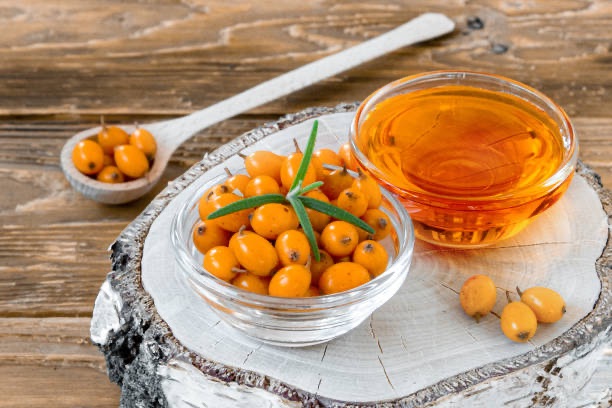
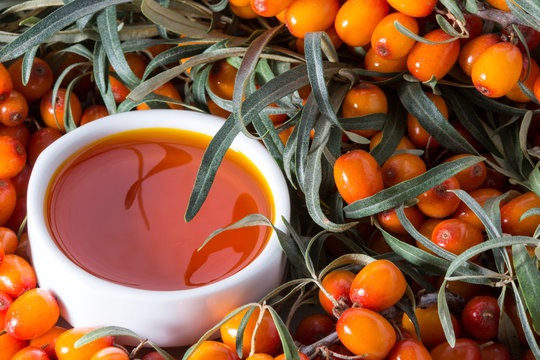
1.Sea Buckthorn (Hippophae rhamnoides) is a shrub with yellowish-orange berries, a native of Southeast Asia and Europe. Other names used are sea berry, sand thorn and Siberian pineapple. Recent research has highlighted the tremendous health benefits of the fruit berries grown on this high-altitude shrub, which has been quite common on the Himalayan steep slopes for centuries. This shrub and its fruits are not new to the natives living in those regions. But, suddenly, it has gained much popularity due to its label as β€œSuper food” by the recent scientific studies. The berries of this shrub are identified to have about 190 flavonoids and polyphenols, rich in Omega fatty acids and 15 times more vitamin C than oranges.

2. Sea Buckthorn’s nutritional profile stands out among many fruits and berries provided by the plant kingdom. It is considered a β€œsuperfood” for its amazing nutritional value.

β€’ These berries have a rich supply of fat-soluble vitamin A, such as Beta-carotene (due to the orange colour), lycopene and Zeaxanthin.

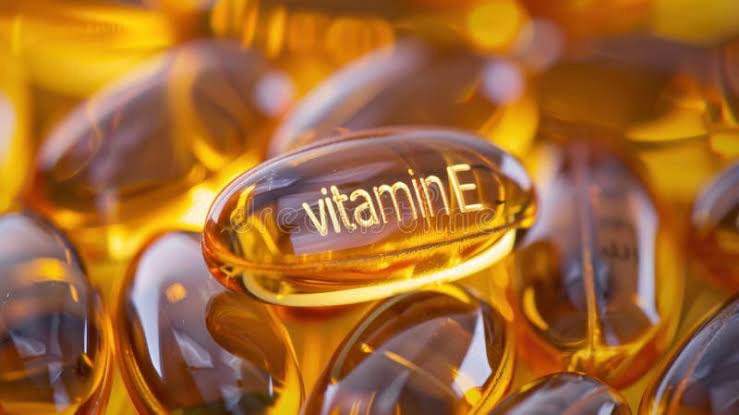
β€’ Vitamin E includes 8 natural variants, the tocotrienols.

β€’ Vitamin K2 in natural form, which is quite rare in plants.

β€’ Plant-based Omega 3, 6, 9, which is a complete omega fatty acid profile.

β€’ Omega 7, which is Palmitoleic acid, is a rare variant.

β€’ Vitamin C, which is 15 times more than that of a typical orange.

β€’ Multiple bioactive compounds like flavonoids, phytosterols, organic acids and Tanins.

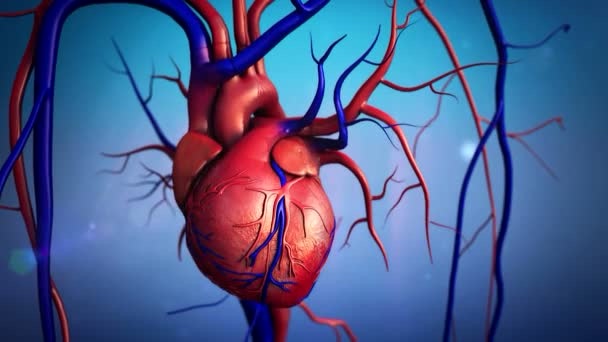
3. Heart-friendly: One of the main reasons for Sea Buckthorn berries’ attraction is their profound benefit to cardiovascular health.

β€’ The Omega profile and bioactive compound help to lower LDL cholesterol, prevent plaque buildup, and lower blood pressure.

β€’ Improve Cholesterol: Phytosterols reduce cholesterol absorption, LDL and triglycerides in the gut and maintain the level of good cholesterol, HDL.

β€’ Relaxes the blood vessels and lowers the blood pressure.

β€’ The antioxidant properties prevent LDL plaques from being deposited on the arterial wall and lower the risk of atherosclerosis.

β€’ Reduces the risk of thrombosis by thinning the blood due to antiplatelet aggregation properties.

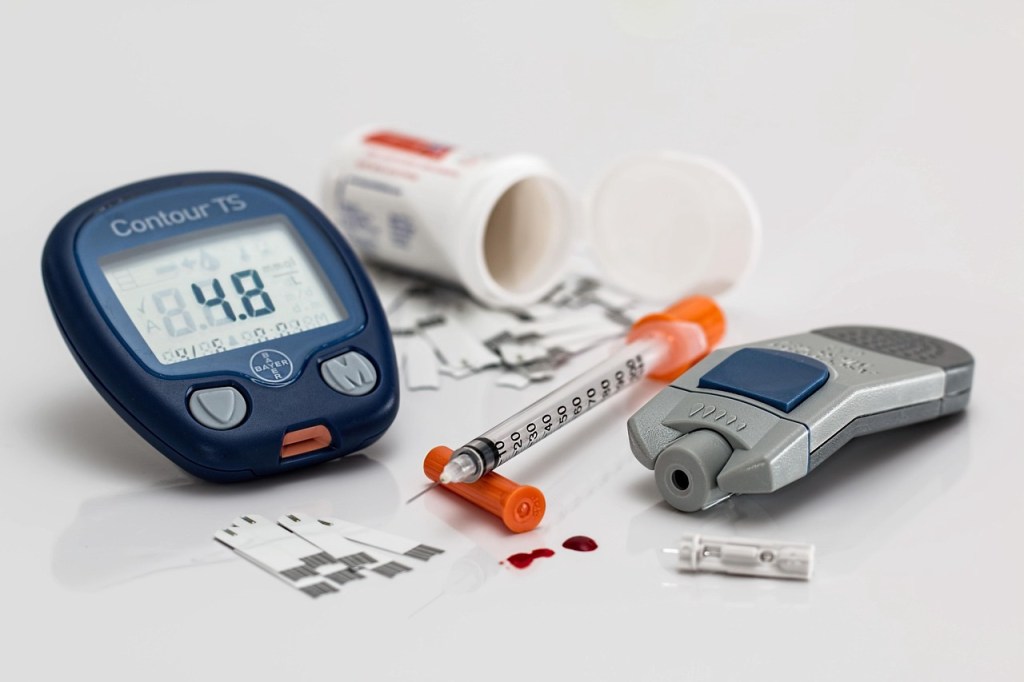
4. Diabetes: Studies have proven that sea buckthorn berries, due to their powerful antioxidant profile, help in the management of type 2 diabetes. Here are some of the potential benefits:

β€’ These berries improve the metabolic function and lower the fasting blood sugar levels.

β€’ Helps the body to improve insulin sensitivity and lower the resistance in due course.

β€’ Its anti-inflammatory properties help to fight inflammation and prevent organ damage, which is a characteristic of diabetic progression.

β€’ Reduce the damage to the beta cells of the pancreas, which produce insulin.

β€’ Promotes heart health, which is otherwise a cardiovascular risk for diabetics.

β€’ Boost immunity, which is important for diabetics or anyone with a chronic illness.

5. Metabolic disorder: Collectively, metabolic disorders include obesity, hyperglycaemia, high blood pressure, and dyslipidemia. The different ways of managing metabolic syndrome can be controlling blood sugar, lowering insulin resistance, improving dyslipidemia, reducing abnormal lipogenesis, lowering blood pressure and also improving gut health. The rich nutritional profile of sea buckthorn, which contains various flavonoids, omega fatty acids, and vitamins, helps to promote a positive impact on metabolic activities and prevent complications in metabolic pathways in such individuals.

6. Other amazing benefits :

β€’ Aids cancer therapy: Studies have shown that flavonoids such as quercetin, kaempferol, and isorhemnetin present in sea buckthorn berry juice and oil extract can induce a cytotoxic response and prevent cancer cells from multiplying.

β€’ Skin / cosmetic uses: Due to their rich nutritional profile of vitamins and omega fatty acids, these berries promote skin health, promote hair growth, increase blood circulation and reduce signs of ageing.

β€’ Effective in promoting gut health and liver health by lowering liver inflammation, fibrosis and scarring.

β€’ Disease prevention: Sea buckthorn, due to flavonoids and antioxidants, prevents free radical damage, reduces oxidative stress and lowers the risk of chronic diseases.

7. Interaction: Sea buckthorn berries are usually safe, and there is no evidence of adverse side effects. But due to its rich content of various nutrients, there may be drug interactions, and precautions are necessary:

β€’ People with bleeding disorders and those undergoing surgery should avoid situations where there is a risk of slowing blood clotting, bruising and bleeding.

β€’ Anticoagulant and antiplatelet drugs can interact with sea buckthorn and pose a risk of bleeding.

β€’ People on high blood pressure medication should avoid it as they can further lower their BP.

8. Uses: The raw berries are sour and acidic in taste. So, it is not usually consumed raw; instead, it is converted into functional foods.

β€’ Juices and pulp: They are diluted in water before drinking and used in pies, desserts, jams and herbal teas.

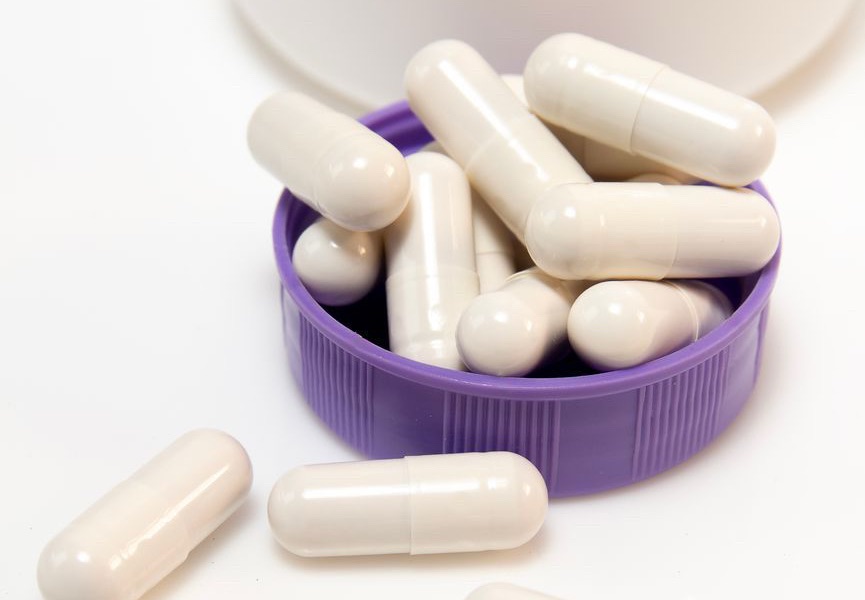
β€’ Oils are used in the form of capsules as a vegan Omega fatty acid source, used in hair and skin wellness.

β€’ Powders: As supplements in drinks, smoothies and teas.

9. Availability: Sea buckthorn berries are available in local markets specific to the native regions of Asia -Pacific where they are grown. Otherwise, they are available as products in supermarkets, stores, and retail in different brands. It is important to buy from known, reputable brands for safety issues.

They are available in juices (cold-pressed is best), pulps, dried berry powder, gummies, tablets, capsules and in oil extract. Due to their nutritional value, the products are widely used and have been quite popular.

10. Takeaway: Sea buckthorn berries have been used for centuries by the native people of mainly Asia, especially in the Himalayan regions, Ladakh, China and European regions. But recent scientific studies and research have identified its rich nutritional profile, which has attracted the attention of health enthusiasts. Therefore, these tiny berries have become popular, and the products are selling widely nowadays. No doubt, sea buckthorn is, indeed, a super fruit and its intake in moderation, in whatever form, can be helpful for overall health and wellness.

Thanks for reading.

Peace and love πŸ™

10 facts : Although honey 🍯 is similar to sugar, why it is still considered a healthier option ?

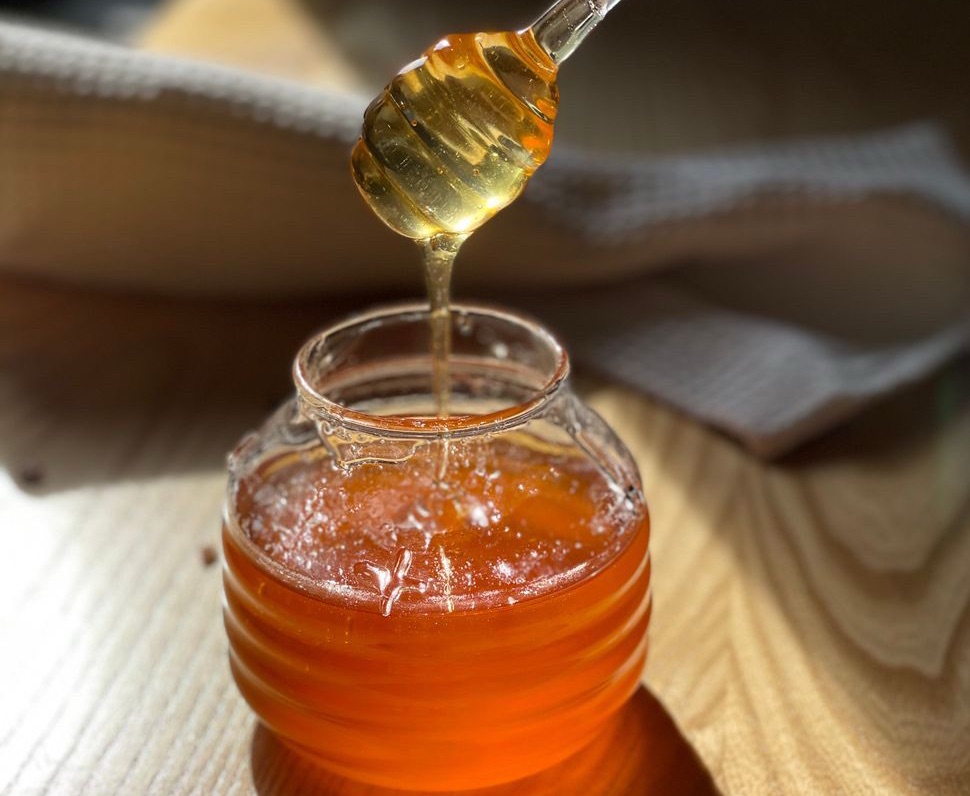
1. Honey is about 80% sugar, mostly fructose and glucose and is considered a natural sweetener. Since it is a derivative of plant nectar, it is a storehouse of bioactive compounds like polyphenols, flavonoids, vitamins, minerals and antioxidants. It is a blend of many natural substances, depending upon the different varieties of flowers whose nectar is collected by the bees. Because of its nutritional profile, honey has tremendous health benefits and is considered a healthy sweetener.

Beehives

2. Though honey is rich in sugar, it is a powerhouse of nutritional content in raw, unprocessed form. Depending upon the sources, the nutritional content can vary. Pasteurised honey is processed, filtered and can have a lesser quantity of flavonoids and polyphenols. Besides the antioxidant properties, honey includes calcium, potassium, vitamins, copper, iron and zinc. It also contains a trace amount of protein. Depending upon the varieties of flowers’ nectar, climatic conditions, examples of honey varieties are:

β€’ Clover honey

β€’ Wildflower honey

β€’ Orange blossom honey

β€’ Alfaalfa honey

β€’ Buckwheat honey

β€’ Rare variety like Manuka honey, found in New Zealand

3. Sources: Honey is the only natural sugar source which is produced by insects that humans consume. It is best when consumed raw and unrefined. Supermarket honey available is usually processed, pasteurised honey. Honey should be best sourced from local markets and local farmers, where the content is β€œpure honey” without any additives. These types of honey are lighter in colour and consistency. Darker varieties are stronger in flavour and nutritionally rich. Honey should be preserved in a glass bottle or plastic airtight container, below 32 degrees F.

4. Crystallisation: This is a natural process of honey where it is transformed from a liquid to a solid state depending upon the temperature and how it is stored. Crystallisation of honey doesn’t mean that the honey is spoiled. Honey with a higher content of sugar (fructose, glucose) is quickly crystallized like Alfalfa and clover types. Crystallisation happens as the dense sugar molecules start to hold the water permanently, which is, in fact, a sign of pure, unadulterated honey. The honey can be restored to its liquid form by putting the honey jar in a warm water container. Boiling water should be avoided as the nutritional content can be compromised.

5. Storage: Honey doesn’t require refrigeration. Its shelf life is around 2 years. Refrigeration and cold temperatures can lead to crystallisation of honey. It can be stored at room temperature at 20 to 25 degrees C or around 60 degrees F, ideally in an airtight glass container. It can also be stored in a food-grade plastic container. In the kitchen, it can be placed in a dry, dark place or pantry, avoiding direct sunlight.

6. Health benefits: As honey is rich in sugar, it should be consumed in small quantities rather than in large amounts. For centuries, the latest research has shown that honey has promising health benefits and healing properties. Some of them:

β€’ Antioxidant rich so consuming raw, unrefined honey on regular basis can have anti-inflammatory benefits.

β€’ Promote balance of blood sugar levels than regular refined sugar.

β€’ Improves heart health by maintaining blood pressure, regulate heart beats.

β€’ Since it has anti-bacterial properties , it can promote wound healing.

β€’ Suppress sore throat and cough and support respiratory health.

β€’ Supports gut health and is helpful in case of irritable bowel disease.

β€’ Anti-fungal, anti-bacterial & anti-cancer.

7. Brain health: Research suggests that honey has amazing benefits for brain health and can prevent neurodegenerative diseases. Manuka honey is the best for brain health. Some of the neurological benefits of honey are:

β€’ Unlike a refined sugar rush, honey can provide a natural, steady energy flow to neurons.β€’ Flavonoids and phenolic acids can prevent free radical oxidative stress and cell damage in neurons.

β€’ Supports memory by protecting brain cell mitochondria and elevates BDNF (brain-derived neurotrophic factor).

β€’ Studies show honey is neuroprotective and prevents cognitive decline.

β€’ Honey naturally contains melatonin, which supports sleep, and naturally removes toxins from the brain that build up while awake.

8. Alleviate cough: Studies have shown that honey is effective in soothing a cough. Drinking honey with a little warm water during a cough can help to form a coating in the throat. Its anti-bacterial and anti-inflammatory properties help as a healing aid for infections. Moreover, honey is safer as a home remedy than over-the-counter medications. It can be given to all age groups except children below 1 year of age, when there is a risk of food poisoning. Research shows that honey is far better than medicines like diphenhydramine (anti-histamine) and has a similar effect to drugs like dextromethorphan (cough suppressant ) and Salbutamol ( asthma drug).

9. Though honey is a natural sugar alternative, it is usually safe and healthy for daily consumption in moderation. There is no such standard recommendation, but experts suggest that 6-7 teaspoons daily should not be exceeded. WHO guidelines suggest that daily consumption of free sugar should not exceed 10% of daily intake. Since it has therapeutic benefits, its daily consumption can be beneficial for both gut health and the immune system. While using honey as a sugar substitute, other refined sugar food items should be completely avoided, as there are chances of weight gain (due to extra calories), sugar spikes in insulin-sensitive diabetics.

10. Takeaway: Research has shown for decades that honey is healthy with tremendous therapeutic effects when consumed in moderation as a wellness habit. Honey can replace the intake of refined sugar in several ways, such as:

β€’ For dessert, yoghurt or breakfast bowls.

β€’ Herbal teas, green teas.

β€’ Morning, on an empty stomach with warm water as an aid to digestion and immunity.

β€’ Honey should be avoided in boiling water or while cooking, as it may damage its nutritional value.

Thanks for reading.

Peace and love πŸ™

10 facts : Nitric oxide (NO) is body’s power source πŸ’ͺ

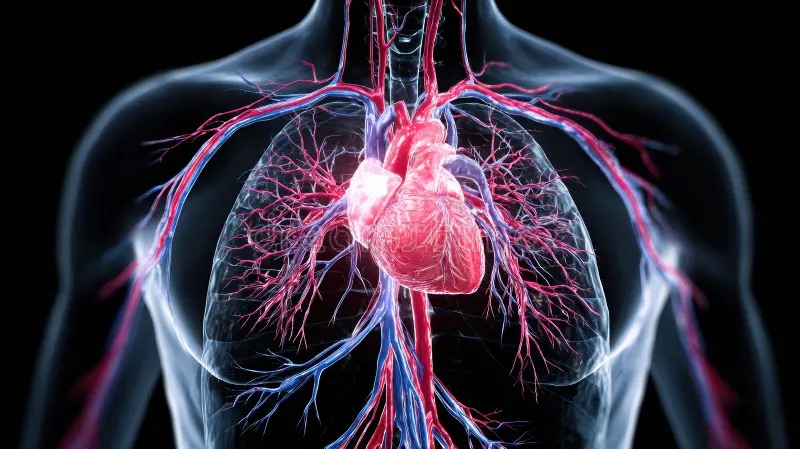
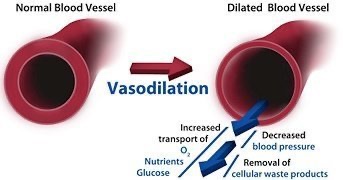
1.Nitric oxide is a gas that is naturally produced by our body. Its basic function is to relax the blood vessels, which in turn transport the blood, oxygen and nutrients to the different organs and cells of the body to function smoothly. Nitric oxide is a vital nutrient as it protects the layers of cells in the blood vessels. It regulates the cardiovascular system, immune system, and nervous system. When nitric oxide is scarce in the body, it leads to a condition called endothelial dysfunction, which can risk the cardiovascular system.

2. Nitric oxide, as a powerful molecule, has many protective health benefits and is vital to human health. The potential benefits are:

β€’ Cardiovascular system: Since it is a vasodilator, it lowers the blood pressure, relaxes the blood vessels, ensuring a smooth transportation of blood throughout the body.

β€’ It lowers the inflammation in the body as it acts as an antimicrobial agent, a free radical agent.

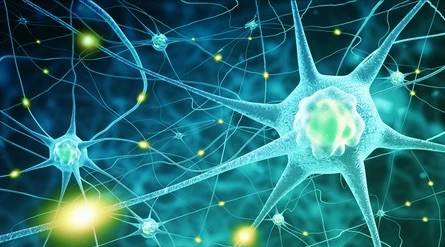
β€’ Neurological system: It is a neurotransmitter and helps in communication between nerve cells.

β€’ It helps in exercise endurance as an oxygen delivery agent and improves athletic performance.

β€’ It helps in treating erectile dysfunction.

3. Diverse physiological role: The NO (nitric oxide) molecule is synthesised from L-arginine in the tissues of the body by using the iso-forms of nitric oxide synthase. As mentioned before, NO gas is important in maintaining the endothelial layers of the blood vessels, as well as the blood flow through the vessels, and also inhibiting the activation of blood platelets. NO activates an iron- containing protein and helps to bind with haem. It regulates the immune system as a primary defense mechanism against attack by microorganisms. It acts as a neurotransmitter for nerve cells of certain types. NO activates several cellular activities.

4. Physical endurance and Nitric oxide: Research studies have clearly shown that Nitric oxide (NO) plays an active role in vasodilation, improves and enhances blood flow through blood vessels, organs and in mitochondrial respiration. Thereby, it promotes sports performance, endurance and aids in the healing and recovery of tissues. Nitric oxide and physical activity are very closely related. Evidence-based studies have shown that exercise helps to increase the level of nitric oxide, so it is highly recommended for athletes and patients with cardiovascular disorders.

5. Nitric oxide and erectile dysfunction: Erectile dysfunction is mainly caused by impaired nitric oxide bioactivity. The nerves and endothelial cells release nitric oxide when stimulated, which causes vasodilatation of blood vessels and relaxation of smooth muscles. When there is low nitric oxide production, it results in impaired vasodilation and endothelial dysfunctions, causing erectile dysfunction. Common risk factors are high blood pressure, diabetes, smoking and aging.

6. Nitric oxide as a neurotransmitter: Since it is a gas, it acts as a free radical and is synthesised in response to neural activity rather than stored in synaptic vesicles. It can diffuse rapidly through cell membrane barriers and can reach several neuronal and non-neuronal cells in multiple locations. It can act in intracellular targets on both pre-synaptic and post-synaptic neurones to stimulate neurotransmitter release and enhance synaptic plasticity. But excess nitric oxide can cause neurotoxicity, like in Alzheimer’s and Parkinson’s disease.

7. Sources: Nitric oxide naturally releases from oceans, soil bacteria, and the atmosphere by oxidation of ammonia and animal wastes. Some other sources are forest, wild vegetation, fertilizers, fossil fuels combustion and other industrial processes.

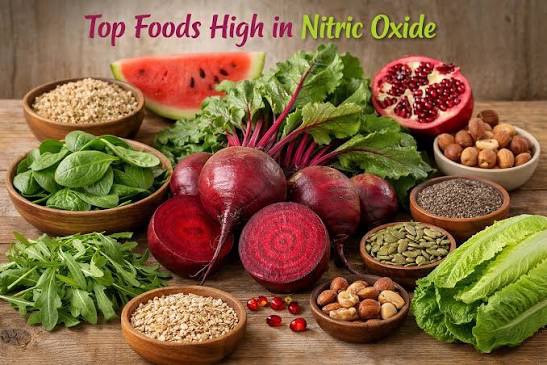
The primary source in the human body is the conversion of L-arginine (an amino acid) by enzymes, which releases nitric oxide internally. The different food sources of Nitric oxide are Beetroot, garlic, meat, poultry, leafy green vegetables, citrus fruits, nuts and seeds.

8. Nitric oxide supplement: A healthy, balanced diet rich in vegetables, poultry, and meat is enough to provide the necessary nitrites and nitrates to produce enough nitric oxide for the body’s requirements. If the body’s nitric oxide levels are low, your health care provider might give you nitric oxide supplements. They usually contain the synthetic version of the compounds, which can help the body to produce the optimal level of nitric oxide. Supplements are generally safe when taken under expert supervision and in an appropriate dosage.

9.Side-effects: Nitric oxide supplements, as mentioned above, are considered safe when taken under medical guidance. Overexposure and overdosing may cause side effects:

β€’ Physical symptoms include nausea, vomiting, headache, and stomach upset.

β€’ Heart palpitation, dizziness, lightheadedness, sudden drop of blood pressure.

β€’ Interaction with other medications, such as blood pressure medication and erectile dysfunction medication, can cause a serious risk.

β€’ Overexposure can cause coughing, shortness of breath, and lung injury.

10. Some of the known nitric oxide supplements are:

β€’ Arginine

β€’ Citrulline

β€’ Nitrates

β€’ Vitamin C, flavonoids, and polyphenols make nitric oxide easily available for the body for different purposes.

Doses depend on the individual requirements and the compounds of the supplement.

Thanks for reading.

Peace and love πŸ™

10 important facts about tocotrienols πŸ™Œ

Tocotrienol complex

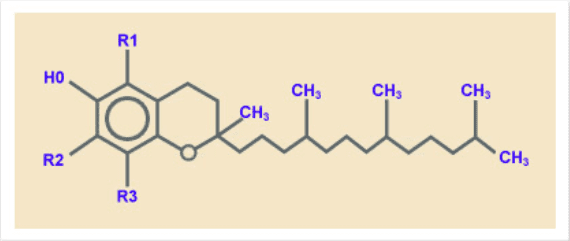
1. Vitamin E is actually a complex of 8 different compounds, which include 4 tocopherols and 4 tocotrienols , each of which can be further divided into alpha, beta, gamma, and delta forms. While tocopherols have been the focus of most research, tocotrienols have not received as much attention. Consequently, many vitamin E supplements available in the market predominantly feature tocopherols, leaving the full potential benefits of tocotrienols yet to be explored.

2.Many Vitamin E supplements on the market primarily contain tocopherol as their main ingredient, which means that their full benefits for the body are not realized. Recent research has shown that tocotrienols are powerful antioxidants with various health benefits. They possess neuroprotective properties, help reduce cholesterol levels, promote skin and hair growth, protect the liver, prevent strokes, and may even help prevent sterility. Additionally, tocotrienols are known to combat inflammation.

3.Actually, tocotrienols help significantly in the body to lower inflammation. Studies have shown that tocotrienols are five times more potent than tocopherols in reducing inflammation. Research has shown that tocotrienols are available in different forms: Delta tocotrienols and gamma tocotrienols, of which delta tocotrienols have five times more potency than tocopherols to fight inflammation in the body. In fact, tocotrienols are far more potent than tocopherols in the prevention of oxidative stress.

4. The widespread benefits of tocotrienols can be summed up as :

β€’ Powerful antioxidant.

β€’ Powerful antimicrobial

β€’ Neuro-protective.

β€’ Anti-cholesterol effect.

β€’ Anti-tumour, anti-cancer,

β€’ Prevents stroke

β€’ Anti-inflammatory, prevents autoimmune diseases.

β€’ Protective to the cardiovascular system, hepato-protective, and promotes hair growth.

β€’ Promotes bone health, especially for menopausal women.

Palm fruits

5. Extensive studies have been carried out on the neuroprotective role of tocotrienols, which have shown very positive results on people with stroke, nerve disorders and neurodegenerative diseases. Studies have revealed that astrocytes play an important role in restoring neuronal cells and protect neurons against oxidative stress. Tocotrienols help in preventing glutamate-induced injury and prevent the death of astrocytes. Therefore, tocotrienols are crucial in minimizing neurodegenerative diseases and stroke.

Annatto

6. There are several studies and clinical trials showing evidence of anti-inflammatory effects of tocotrienols by controlling the inflammatory mediators. Research suggested that tocotrienols block the activation of nuclear factor kappa-light-chain-enhancer of activated B cells (NF-kB), one of the main regulators of inflammatory response. Supplementation of tocotrienols is found to reduce tumour necrosis factor alpha (TNF-alpha), interleukin-1 and phorbol ester. It is a potential agent with significant anti-inflammatory effects in atherosclerosis, thyroid diseases, and autoimmune diseases.

7. Research shows that tocotrienols are usually safe for healthy individuals at a minimum dosage. But they do have anti-coagulant properties, so people with blood disorders should avoid taking them. Some contraindications:

β€’ Individuals allergic to any compound of Vitamin E should strictly avoid it.

β€’ As mentioned already, people with bleeding disorders, or anyone who will undergo surgery, should avoid it as it may slow blood clotting.

β€’ Tocotrienols may interact with medicines like anticoagulants and antiplatelets and increase the risk of bleeding.

β€’ Overdosing should be avoided as it may cause physical symptoms like headache, fatigue and GI symptoms.

β€’High doses of tocopherol can interfere with the efficacy and absorption of tocotrienols.

8.Tocotrienols are generally safe when taken by mouth. There is no standard medical recommendation for dosage. However, under medical supervision, the typical dose of tocotrienols in adults is 100mg – 200mg per day. Dosage can vary depending on the specific health requirement. Supplements are mainly derived from palm and annatto derivatives. They are fat- soluble and best absorbed along with a meal.

Edible oils

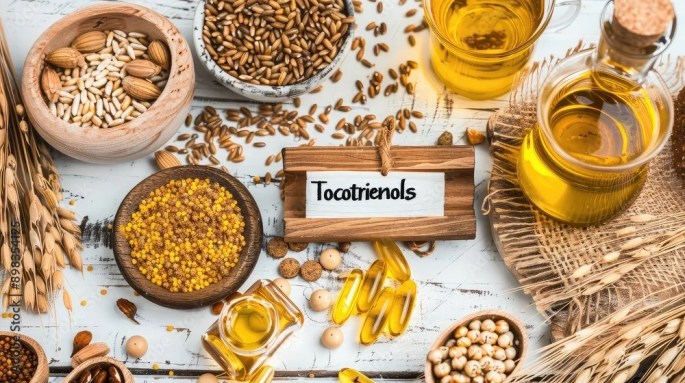
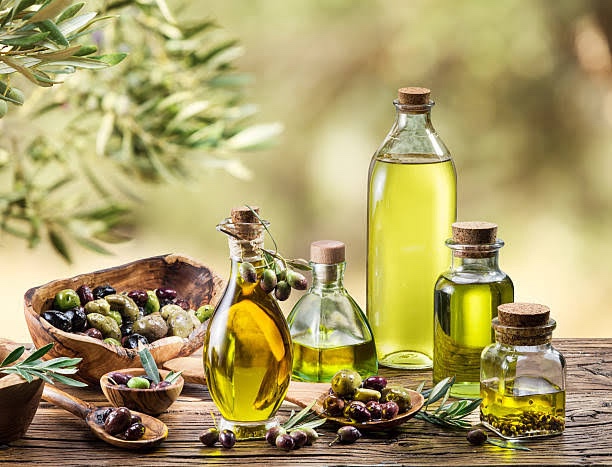
9. Food sources: Generally, tocotrienols are rarely found in nature. Even if some food sources are available, they are available in very low quantities. Palm oil has the most concentrated and natural source of tocotrienols, but at a very low level, which is not sufficient for potential health benefits. Other food sources are annatto ,edible oils like rice bran oil, grape seed oil, castor oil, coconut oil, peanut oil, linseed oil, cod liver oil, hazelnuts, oats, olive oil, maize, wheat germ, nuts and barley. Fish like salmon, trout, fruit like avocado, mango, vegetables like red pepper, greens, turnip, and squash are rich in vitamin E and its compounds.

10. Takeaway is that tocotrienols are the least known compound of the Vitamin E family, yet they are the most potent antioxidant and have strong evidence of widespread health benefits. Newest studies show that this compound has senolytic properties, a strong immune response, and apoptosis. They can slow down the process of ageing, reduce oxidative stress, and lower malignant potential. Though in small quantities, regular intake of natural sources of tocotrienols is sufficient for a healthy individual. Supplementation is required when medically prescribed.

Thanks for reading.

Peace and love πŸ™

8 facts: Broken Heart Syndrome πŸ’”

1.Broken heart Syndrome is a temporary heart condition known as Takotsubo cardiomyopathy, as it was first described in Japan in 1990. This condition of the heart weakens the left ventricular muscles, making blood pumping difficult. The condition is associated with a severe emotional episode, extreme physical stress, loss of a loved one, sudden illness, or a serious accident.

2.Broken heart syndrome symptoms may mimic the classic symptoms of a heart attack like pain in the chest, severe pressure or heaviness in the chest, shortness of breath, fatigue and cold sweats. Pathologically, there is no actual blockage in the coronary arteries. Research shows that extreme emotional, and traumatic stress, the rise of catecholamines and stress hormones like adrenaline causes the heart muscles or the coronary arteries to stun the heart temporarily, preventing the left ventricle from pumping blood effectively.

Ballooning of left ventricle

3. Studies show about 90% of the cases are women and many of them recover without any long-term damage. The exact cause is still not known. But the common causes which are found to be:

β€’ Sudden loss of a loved one.

β€’ Severe physical pain.

β€’ Sudden illness.

β€’ Domestic violence.

β€’ Serious accident.

β€’ Huge financial loss.

β€’ Intense fear.

4. Though physical symptoms and ECG changes like ST segment elevation can misdiagnose a heart attack, other imaging studies are required to rule out a heart attack. The most common diagnosis of Broken heart syndrome is no evidence of blockages in coronary arteries which on the other hand, is a classical sign of a heart attack. In the echocardiogram, there is a bulging of the lower part of the left ventricle seen in Broken heart syndrome, which resembles a tako-tsubo (a Japanese octopus trap pot), hence the name is derived. This is quite a confirmatory sign of Broken heart syndrome or Takotsubo cardiomyopathy.

5. To sum up the differences between Broken heart syndrome and heart attack are:

β€’ The angiogram shows no signs of blockage of coronary arteries.

β€’ Blood work, especially enzyme levels shows no sign of heart damage.

β€’ An echocardiogram shows abnormal bulging or ballooning of the lower part of the left venticle so, also known as Balloning heart syndrome.

β€’ Recovery is faster within days to a couple of weeks.

6. Broken heart syndrome is not usually fatal, and under treatment and observation, the individual recovers within weeks to a month. The prognosis is good and there is also less risk of such episodes in future. But in rare cases, it may become fatal causing severe short-term heart muscle failure. Research continues to learn more about the diagnosis and treatment of cases of Broken heart syndrome.

7. There is no standard treatment for Broken heart syndrome and is mainly individual-specific. Medication is required to reduce the stress on the heart muscles. Medications like Angiotensin-converting enzyme inhibitors (ACE), Beta-blockers, diuretics, and blood thinners are used to heal the heart muscles and prevent further episodes. Complete recovery is likely within a month or so.In addition to this, management of stress is also required to prevent such episodes in future.Regular follow-ups are required for the individual.

8. Broken heart syndrome or Takotsubo syndrome has been researched to have certain general pre-disposing risk factors like smoking, hypertension, obesity, diabetes, pulmonary diseases, malignancies, neurological diseases and psychological disorders. Evidence also shows higher prevalences in females compared to males. Although routine checkups, ECG, blood work and echocardiograms are necessary at regular intervals, it is important to work on stress factors like meditation, yoga, deep breathing and mindfulness techniques.

Thanks for reading.

Peace and love πŸ™

10 facts to know why cold pressed oil is a healthier option πŸ™Œ

Hi everyone !

  1. Any edible oil is cold-pressed oil when it is produced by precipitation, by pressing the seeds at room temperature without using heat for extraction. Unlike refined oil, the process of extraction of cold-pressed oil and filtration is done without using any harmful chemicals and heat. It is produced by the natural method of extraction from seeds by pressing at room temperature so found to be more natural and nutrient-dense.
  2. How the cold-pressed oil is different from other oils? Refined oil extraction involves machinery with different steps of refining, by using chemicals, heat and sometimes bleaching agents so the oil has a high smoking point. Hot-pressed oil involves applying heat during extraction but no chemicals. Vegetable oils are usually hot-pressed oil. Virgin oil involves the extraction of oil from fresh fruits or seeds like virgin olive oil or virgin coconut oil. In some cases, it may differ from cold- pressed oil as the oil is extracted from the fruits or seeds from drying them earlier so the oil retains its nutrients and antioxidants.

3.From a health point of view, out of all cooking oils, cold-pressed oil and virgin oil have the maximum benefits. Both the oil extraction and filtration processes have been made to preserve the maximum nutrients, antioxidants and healthy fats. Even after extraction, these oils are rich in healthy fats like omega 3 and 6, vitamins, and minerals like zinc, magnesium and potassium. These nutrients are very essential for health as anti-inflammatory, and anti-cancer properties and are good for the cardiovascular system.

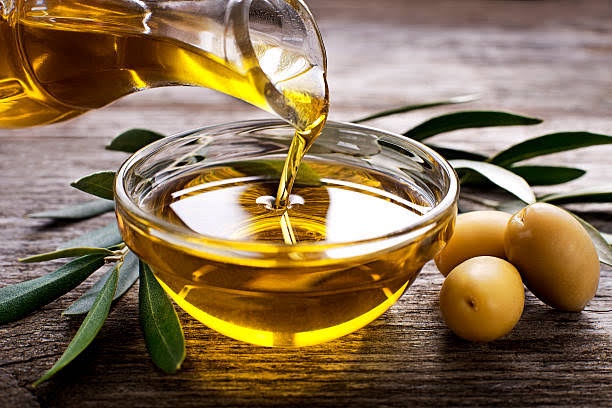
4.The cold-pressed oil of any variety, restores the natural flavour and physical characteristics of the oil like colour, taste and smell. Apart from having immense health benefits, the oil is light and good for cooking depending on the variety of oil used as per taste buds. Extra virgin olive oil is considered the healthiest as it is extracted from the freshest olives by cold pressed method.

5.Depending on the cooking culture and taste buds, there are a wide variety of cold pressed oil types in the Supermarket like olive oil, soybean, canola, cottonseed, palm, peanut, coconut, sesame, mustard, sunflower and avocado oil. Out of them all, olive oil and coconut oil are among the healthiest varieties as a cooking medium. Extra virgin olive oil, avocado oil and walnut oil varieties have been used as dressing for salads.

6.The reason of the disadvantage of cold-pressed oil is due to its low yielding while extraction and short shelf life of 3-4 months. To increase the volume of the cold-pressed oil, the raw material has to be crushed several times. The method of extraction is usually manual or simple mechanical tool of crushings used at room temperature. Then, the oil is filtered to remove precipitates or any toxins. Due to low production, the cost is usually high.

7.Nowadays, cold-pressed oil is preferred for its environmentally friendly method of extraction. Moreover, the oil is nutrient-rich with tremendous health benefit properties of lowering the risk of heart disease by reducing bad cholesterol, anti-cancer properties and anti-ageing benefits. These oils are rich in polyunsaturated fatty acids which are necessary for brain function and heart health.

8.Another important benefit of cold-pressed oil is that it can aid in the weight loss process. Since it has a high metabolic rate it can facilitate in burning of fat. It is also easier to digest due to its low cholesterol content. But, using excess oil while cooking may overshadow these benefits.

9.Some variety of cold-pressed oil has some special benefits in particular. Like groundnut oil, olive oil improves insulin sensitivity and helps in better control of blood sugar. Lignan is a powerful antioxidant found in cold-pressed sesame oil which helps in lipid peroxidation and thereby lowers blood pressure. There is strong evidence that shows that consumption of olive oil lowers the risk of cancers like breast and GI tracts cancers.

10.It is very essential to switch to a healthy type of cooking medium like cold pressed oil and use them in moderate quantities for cooking daily to lower the health risk. Nutrient-dense, high-calorie- rich oil helps make you feel fuller after eating and reduce your hunger. Together with everyday exercise and considerable hours of fasting between meals can help to maintain overall well-being.

Thanks for reading.

Peace and love πŸ™

10 facts to know about your gut flora πŸ™Œ

Hello everyone πŸ€—

  1. The gut flora is mainly composed of trillions of gut microbiomes which are mainly bacteria, fungi, viruses and archaea. This is unique to every individual and develops in his/her lifetime, as distinctive as the fingerprint. Initially, the intestinal tract of a newborn at birth is sterile. The newborn’s gut is first colonised by the mother’s bacteria during the process of vaginal delivery. Environmental bacteria also start colonising in the baby’s gut as soon as it is exposed after birth. Then, slowly the child’s gut starts developing into a unique microbiome flora depending upon the different food intake and environmental exposures with time.
  2. The gut starts having both good and bad bacteria with different kinds of food and environmental exposures. Good bacteria mainly help in the digestion and absorption of the food and nutrients. They strengthen the immune system and produce several beneficial amino acids and vitamins. The more, the good bacteria population, the healthier the person and the stronger the immunity, in his lifetime. They are simply the protectors of our health and well-being.

3. There are bad bacteria also in our intestinal gut flora. As long as they are low in level, they remain harmless. But then, when we take antibiotics or develop unhealthy food choices and habits, smoking, drinking alcohol and so on, the good bacterial flora is at risk and starts eliminating. In such cases, bad bacterial flora starts flourishing causing havoc in the immune system leading to various diseased states. Chronic inflammation starts progressing leading to autoimmune diseases, cancers, and inflammatory bowel diseases.

4. As research has progressed, studies have found links between bacterial species in the gut to certain types of diseases. Metabolic diseases like obesity and type 2 diabetes are found to be linked with the presence of certain bacterial species of Lactobacillus.
New studies have shown strong evidence of gut kidney connection. Certain species of bacteria in the gut microbiome result in uremic toxins while digesting protein which may be a factor in developing chronic kidney diseases. Several studies have shown a link of depression to the gut microbiome. Various bacterial species like Eggerthella and Sellimonas are found at high levels in individuals with depressive symptoms.

5.The gut-brain connection plays an important role in a person’s well-being. That is why the gut is known as the β€œsecond brain”. The gut nervous system can be called the Enteric Nervous System, which has around 100 million nerve cells from the oesophagus to the anal opening. The main functions of this system are digestion, absorption of nutrients, and release of enzymes for food breakdown. Studies show that irritation in the GI tract may trigger the central nervous system to change moods. The gut microbiome also produces hormones like serotonin, and norepinephrine which are important for mood changes. Therefore, there is a strong connection between depression and anxiety in people who deal with gut issues like irritable bowel diseases, stomach upset, pain, and constipation.

6.The signs of a healthy gut are the regular pooping habit, which may be 2-3 times a day to 3-4 times a week, the range can vary with every individual. There is no pain, no bloating after eating, and no discomfort during bowel movement. Symptoms like bloating, diarrhoea, stomach pain, feeling of fullness after eating or malnutrition can be the signs of an unhealthy gut or tigger for slowly increase in bad bacteria. In such cases, clinical attention is required to investigate and diagnose any bowel issues.

Sugar rich foods

7.The common triggers which may lead to an unhealthy gut can be too much stress, constant fatigue, sleep disturbances, ultra-processed food, a sugar-rich diet, and too little intake of fluids. The frequent use of antibiotics has a link to an unhealthy gut. Therefore, these lifestyle habits need to be avoided as practically as possible. Skin conditions like psoriasis do have a link to an unhealthy gut too.

Natural foods

8. The common ways that we can take care of our gut health and improve the good bacteria count are by having a fibre-rich diet with plenty of vegetables and fresh fruits. A diet rich in whole grains, legumes, pulses, nuts and sea fishes. Lowering the sugar-rich foods, limiting the everyday stress, and remaining hydrated as possible. Intermittent fasting is beneficial too for gut health and flora.

Fermented foods

9. Another important food for our gut health is fermented food as they are rich in probiotics. Plain yogurt, buttermilk, kimchi, sauerkraut and kombucha to name in the list. There can be other varieties of fermented food too which can be local or region-specific around the globe. Any food which is fermented or sprouting can be excellent for gut health as it increases the lactobacilli and keeps the growth of bad bacteria checked.

Walking in nature
Gratitude journal

10. So, the simple tips to take care of gut health are to have more and more fibres and probiotics daily, curtail sugar as much as possible, stay hydrated, keep out of stress, meditate to calming mind like walking in nature or listening to music, exercising, mild to moderate ways, practising gratitude journal every day increases happy hormones and trying to maintain a sleep routine. Ultimately, the best way to live a longer and healthier life is to live in harmony with nature.

Thanks for reading.

Peace and love πŸ™

Tuesday musings 🌻

‘Don’t think what went wrong in the past, don’t plan too much for the future, just think and act at present’ ….

Thanks for reading πŸ™

Peace and love πŸƒ

10 hard facts about Taurine πŸ™Œ

Hello everyone ,

1. Amino Acid :Taurine is found naturally in our body. Chemically, it’s an amino acid or more precisely amino sulphonic acid. Since it is naturally available in the body, it plays a significant part in different bodily functions like metabolism, immunity, nervous system, electrolyte balance, biliary system.

2. Nervous system :Taurine as an abundant amino acid support building up the nervous system, helps in storing memory. As ageing progresses, it’s bodily reserve reduces with age. Due to its decreased levels can be responsible for neurodegenerative diseases like Alzheimers’ or memory deficits.

3. Liver :The liver is supported by taurine mainly to break down cholesterol into bile salts. Bile salts play a crucial role in the digestion and metabolism of fat in the body.

4. Lifespan: Researches show that high taurine levels do have anti-aging effects. From its lower levels contribute to inflammation, diabetes, obesity, hypertension, so, with improved levels of taurine, these risk factors are significantly reduced. Food supplementation of taurine and exercise do contribute to the lifespan.

5. Cell protective agent: Taurine plays a vital role in regulating cell volume, calcium homeostasis, sweeping free radicals and stabilizing the cell membrane.

6. Heart : Studies show that taurine reduces the risk of heart failure by lowering the progression of atherosclerosis. It has a potential vasodilating effect. Taurine supplement in people who have a history of heart failure shows lower levels of cholesterol. Low Taurine levels may be a significant factor in the development of cardiomyopathy.

7. Eye :Studies have shown that taurine is abundant in the retina of the eye. Reduced levels of taurine is linked to eye disorders like glaucoma, retinal degeneration like diabetic retinopathy.

8. Muscle :Studies show that taurine helps to improve muscle power and strength. Taurine appears to help restore muscle injuries, damage, pain and reduce progress in people with muscular dystrophy.

9. Food : Taurine is found in dairy and high sources are mainly meat, chicken and fishes. As for plant based diet, seaweed is a good source of taurine.

10. Dosage : Taurine supplementation is not usually recommended as it is naturally available in the body and in our diet. If prescribed clinically, evidence shows that consumption of 3 gms per day works well without the risk of side effects. Taurine has also been an essential component in energy drinks in case of physical performance. Some infant formulas contain taurine because it is not naturally found in babies as it is in adults.

Thanks for reading.

Peace and love πŸ™

10 quick facts of ginger🫚

Ginger is an ingredient common to our cuisine for centuries. It is widely used in most of the culinary dishes. Besides adding the zing in our taste buds, it has immense medicinal and health benefits.

  1. Ginger contains gingerol that imparts its unique taste and flavour to cooking. This compound gingerol is a natural antioxidant and anti-inflammatory. Hence, ginger helps to cure common cold, flu, seasonal rhinitis and fungal infections.
  2. Previous studies have shown that ginger has played an important role in controlling blood sugar levels in people with type 2 diabetes. Researches also show that regular intake of ginger helps to reduce the levels of LDL cholesterol and triglycerides, thereby reducing the risk factors of cardiovascular diseases. It is also effective in weight loss.
  3. Ginger is highly effective against swelling, itchiness and minor skin allergies such as hives. Having ginger juice along with jaggary powder can be consumed to reduce skin allergies and itching.
  4. Ginger is an effective pain reliever. Consuming ginger slices or ginger juice can help to reduce joint pain, body ache and earache.
  5. Consuming ginger or raw ginger juice has helped in improving many digestive issues. Eating raw ginger slices before a meal will help to stimulate digestion and improves the appetite. A person having indigestion, belching, bloating will be relieved after having ginger juice along with lemon juice or ginger slices. Problems like nausea, vomiting, diarrhea can all be relieved after consuming ginger. So, it can be used during Morning sickness. People taking chemotherapy may use ginger to alleviate post-drug side effects.
  6. Ginger is very effective when used freshly, but also beneficial when consumed as a powder for juices or tea. A common spice used in various cuisines.
  7. Ginger is effective against degenerative diseases like multiple sclerosis, Parkinson’s disease, Alzheimer’s disease due to the presence of compounds like 6-gingerol and 6- shogoal.
  8. Ginger is grown especially in tropical areas. Ginger roots are mainly used for cooking and healing purpose. It can be stored in dried or powdered form for a long time. Ginger supplements are available in capsules or liquid extracts. Ginger oil as essential oil is used in beauty products.
  9. Ginger is rich in dietary fibre and in vitamins like B3, B6 and C. It is rich in folate, magnesium, phosphorus and zinc.
  10. Ginger is usually safe, but it must be used in moderation as part of a healthy diet. Too much consumption or concentrated higher doses may lead to heartburn, stomach upset or loose motion.

Thanks for reading.

Peace and love πŸ™