
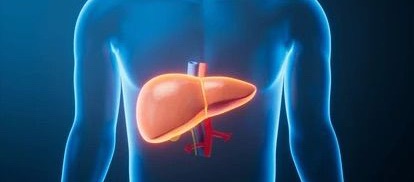
10 facts: The link between the liver and the feet 🦶🏼

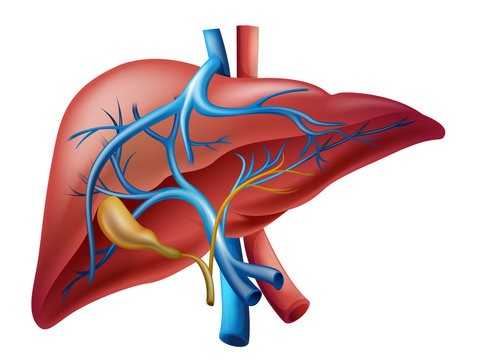
1. Though the entire body- the organs and the cells is interconnected, likewise the feet are very much connected to the liver through the nerve endings. The liver helps filter toxins, produces bile to aid fat absorption, and supports protein processing and blood clotting. Whenever the liver is not functioning properly, there are simple signs in the feet which are physically manifested as the alarming signals for liver attention. These signs, when manifested in the feet, can help in the early diagnosis of a liver problem, making its further management easier.

2. Medically, there is no direct anatomical connection between the liver and the feet. But, like all other organs, the liver is also interconnected with the rest of the body, especially the lower extremities, by nerve endings. In alternative science like Reflexology, the liver is situated on the right side of the body, so the ball and the arch of the right foot connect to the liver. Physiologically, when liver functions are irregular, the changes are reflected in the feet through fluid retention, circulatory changes, nerve endings sensations and vitamin deficiencies. Physical manifestations of secondary symptoms of the feet do reveal the presence of underlying liver disease or even any systemic diseases (like Diabetic neuropathy).
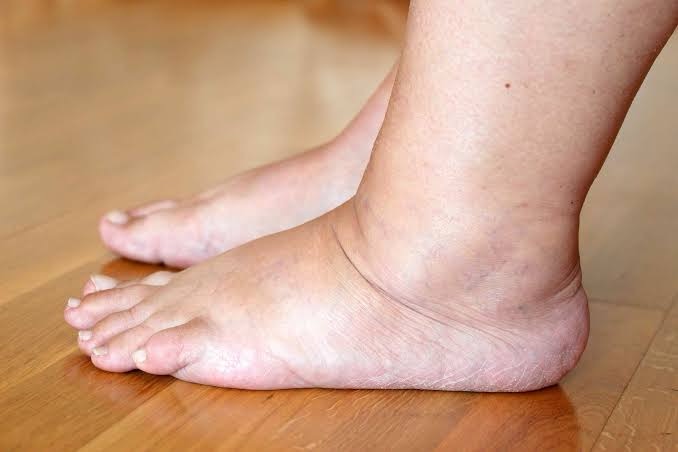
3. Liver problems and chronic liver diseases at early stages may not be known, or the physical symptoms may go unnoticed. But the body does send signals through the feet as well as the skin, which should not be neglected. Though the signals may not always indicate a liver issue, they should not be neglected either. Some of the findings are:

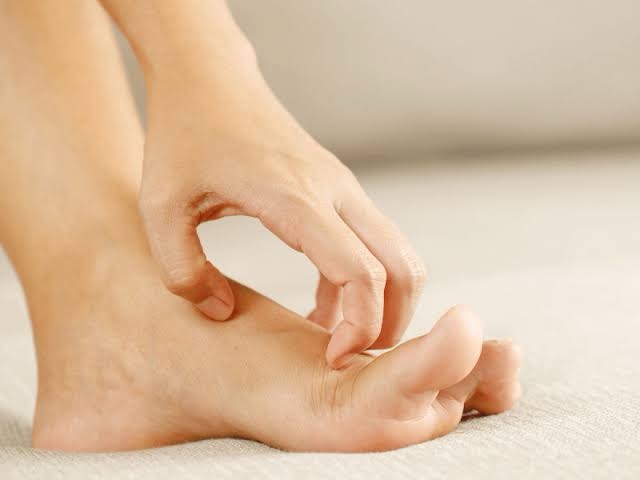
• Nighttime itching of the feet.

• Dryness without any known reason.

• Swelling in the feet and ankles.

• Red and brown dots in legs and feet.

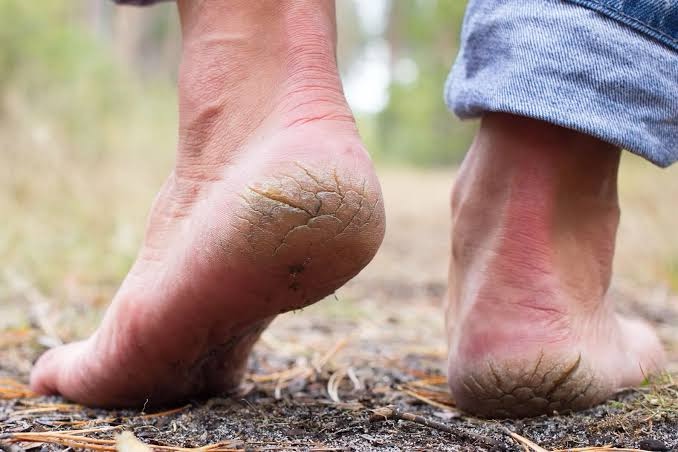
• Deep heel cracks.

• Yellowish discolouration of the skin, including the feet.
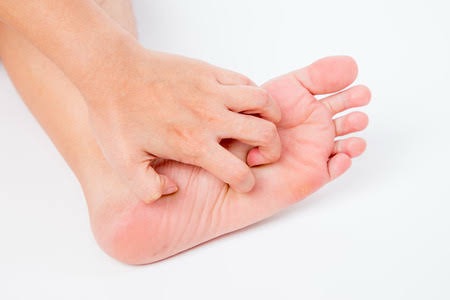
4. When some of the signs are worsening and persistent for weeks, those signs can be a warning of urgent evaluation from medical experts. These warning signs can be:

• When itching is very severe.

• Swelling in the feet and around ankles. Low albumin due to a weak liver causes the fluid to leak and accumulate in the ankles and feet.

• Deep heel cracks.

• Spider veins due to a sick liver can cause hormonal imbalance, which results in small blood vessels with a spider-like appearance in the legs and feet.

• Yellowish skin.

• Excessive dryness in the feet.
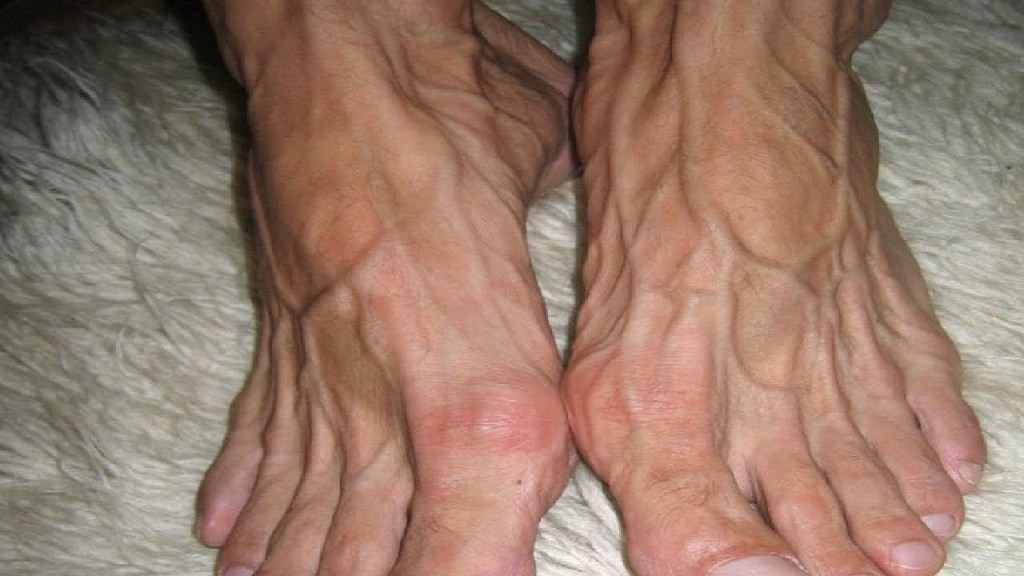
Spider veins

5. Apart from the alarming signs of the feet, there are other accompanying physical symptoms which are sure signs of impending liver disease. Some of the physical signs of the body are:

• Fluid accumulation in the abdominal cavity (ascites).

• Weight loss or weight gain.

• Swelling in the feet as well as in the legs. (Peripheral oedema)

• Yellow discolouration of eyes and skin (jaundice).

• Redness of the palm.

• Brain fog.

• Numbness in the feet (Paresthesia)

• Pain around the joints and feet.
6. When such warning signs appear, it is best to book urgent medical help. Early intervention can be the key to diagnosing potential underlying liver problems and help to alleviate the foot symptoms as well as the success of treatment in liver disease. There is a long list of liver diseases which can be even genetic and autoimmune in origin. However, some of the common issues which are reported are:

• Hepatitis.

• Fatty liver disease (alcoholic or non-alcoholic)

• Cirrhosis.

• Hemochromatosis.• Wilson disease.

• Hepatocellular carcinoma.

7. Apart from the secondary symptoms of the feet, other physical symptoms which are easily missed for an underlying liver issue for which urgent medical attention is required:

• Feeling tired, weak and fatigued without any reason.

• Abdominal discomfort, especially on the right side of the belly, below the lower ribs.

• Sudden loss of appetite.

• Unexplained weight loss.

• Feeling of fullness during a meal, nausea, vomiting.

• Pale, yellow urine.

• Yellowish skin discolouration and itchiness.

• Puffiness of eyes, feet, belly area.
8. Like liver diseases, other systemic diseases whose secondary symptoms can be displayed in the feet include:

• Gout – Excess uric acid in the body is usually manifested as swelling, redness, and pain in the phalangeal joints of the big toe.

• Diabetic Neuropathy: Damaged nerves due to high blood sugar can lead to loss of sensation and numbness in the feet.

• Peripheral vascular disease: The blood flow is usually restricted to the feet, causing gangrene and eventually leading to amputation of the foot.
Liver friendly diet

9. Liver cleansing: Focusing on liver support regularly is mandatory for liver health and its normal functioning. Some of the routine practises are:

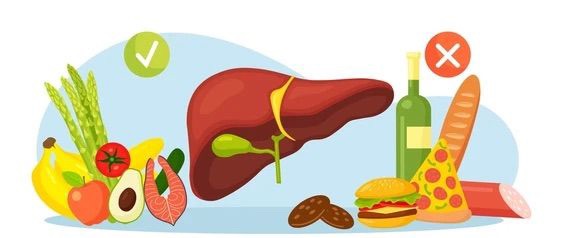
• Restricting alcohol as much as possible.

• Avoiding refined, processed food, sugary and fried foods.

• Drinking water 8-10 glasses/day to flush toxins.

• Maintaining a healthy weight by regular exercise.

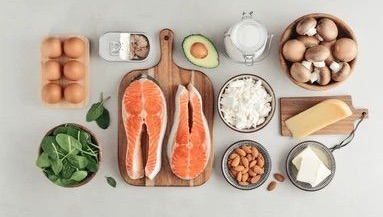
• A liver-friendly diet includes lean proteins, whole grains, and plenty of green leafy vegetables.

• Avoid unnecessary medications and supplements to lessen liver load.
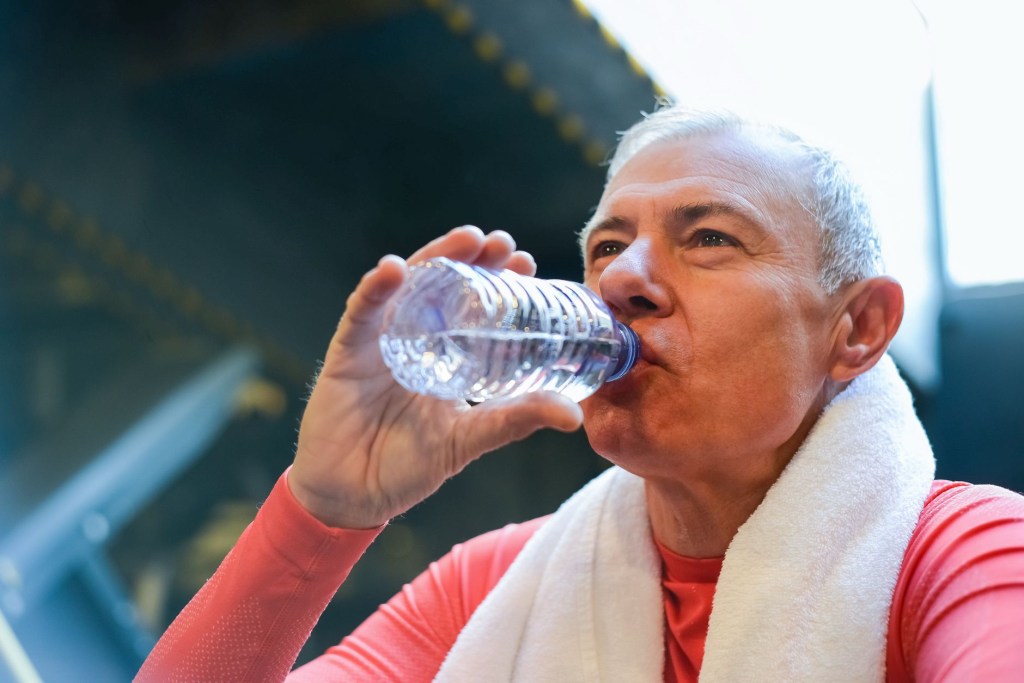
Staying hydrated

10. In a nutshell, it is evident that early stages of liver issues are manifested as physical signs in the feet. Changes in the feet like swelling, spider veins, cracked heels, white nail beds, and yellowish skin are most likely signs of underlying liver issues, which should be given urgent medical attention. These signs should never be treated as minor and neglected. Early diagnosis and treatment of liver diseases can be more reversible than attending to it at a late stage, which can be difficult to treat and sometimes life-threatening.

Thanks for reading 🙏

Peace and love.
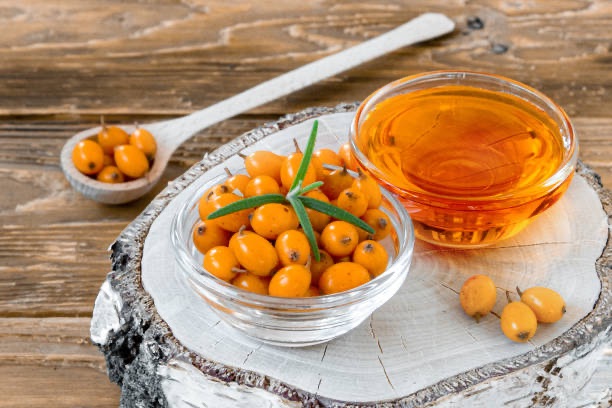
10 facts : Why sea buckthorn has gained popularity?

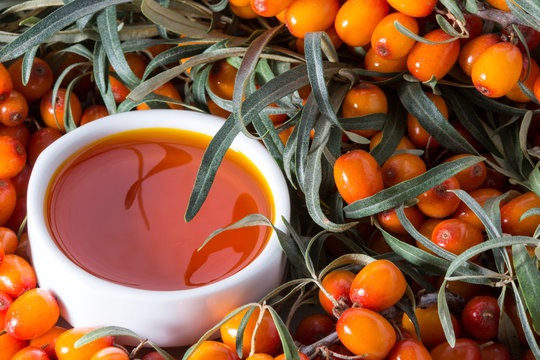
1.Sea Buckthorn (Hippophae rhamnoides) is a shrub with yellowish-orange berries, a native of Southeast Asia and Europe. Other names used are sea berry, sand thorn and Siberian pineapple. Recent research has highlighted the tremendous health benefits of the fruit berries grown on this high-altitude shrub, which has been quite common on the Himalayan steep slopes for centuries. This shrub and its fruits are not new to the natives living in those regions. But, suddenly, it has gained much popularity due to its label as “Super food” by the recent scientific studies. The berries of this shrub are identified to have about 190 flavonoids and polyphenols, rich in Omega fatty acids and 15 times more vitamin C than oranges.

2. Sea Buckthorn’s nutritional profile stands out among many fruits and berries provided by the plant kingdom. It is considered a “superfood” for its amazing nutritional value.

• These berries have a rich supply of fat-soluble vitamin A, such as Beta-carotene (due to the orange colour), lycopene and Zeaxanthin.

• Vitamin E includes 8 natural variants, the tocotrienols.

• Vitamin K2 in natural form, which is quite rare in plants.

• Plant-based Omega 3, 6, 9, which is a complete omega fatty acid profile.

• Omega 7, which is Palmitoleic acid, is a rare variant.

• Vitamin C, which is 15 times more than that of a typical orange.

• Multiple bioactive compounds like flavonoids, phytosterols, organic acids and Tanins.

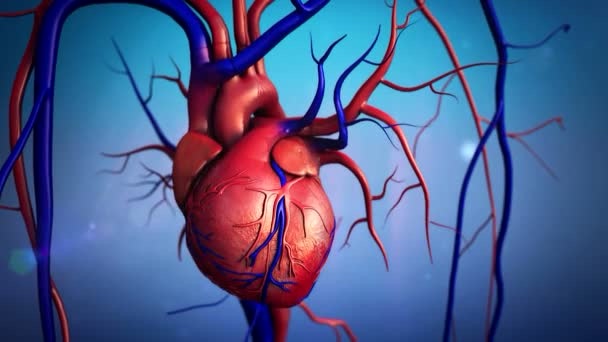
3. Heart-friendly: One of the main reasons for Sea Buckthorn berries’ attraction is their profound benefit to cardiovascular health.

• The Omega profile and bioactive compound help to lower LDL cholesterol, prevent plaque buildup, and lower blood pressure.

• Improve Cholesterol: Phytosterols reduce cholesterol absorption, LDL and triglycerides in the gut and maintain the level of good cholesterol, HDL.

• Relaxes the blood vessels and lowers the blood pressure.

• The antioxidant properties prevent LDL plaques from being deposited on the arterial wall and lower the risk of atherosclerosis.

• Reduces the risk of thrombosis by thinning the blood due to antiplatelet aggregation properties.

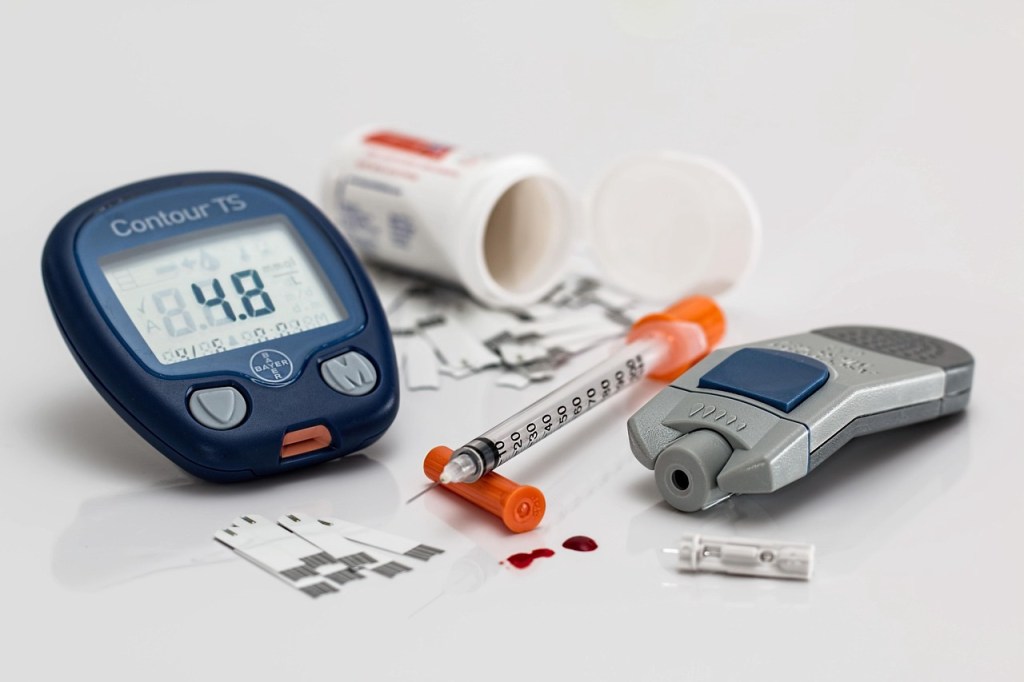
4. Diabetes: Studies have proven that sea buckthorn berries, due to their powerful antioxidant profile, help in the management of type 2 diabetes. Here are some of the potential benefits:

• These berries improve the metabolic function and lower the fasting blood sugar levels.

• Helps the body to improve insulin sensitivity and lower the resistance in due course.

• Its anti-inflammatory properties help to fight inflammation and prevent organ damage, which is a characteristic of diabetic progression.

• Reduce the damage to the beta cells of the pancreas, which produce insulin.

• Promotes heart health, which is otherwise a cardiovascular risk for diabetics.

• Boost immunity, which is important for diabetics or anyone with a chronic illness.

5. Metabolic disorder: Collectively, metabolic disorders include obesity, hyperglycaemia, high blood pressure, and dyslipidemia. The different ways of managing metabolic syndrome can be controlling blood sugar, lowering insulin resistance, improving dyslipidemia, reducing abnormal lipogenesis, lowering blood pressure and also improving gut health. The rich nutritional profile of sea buckthorn, which contains various flavonoids, omega fatty acids, and vitamins, helps to promote a positive impact on metabolic activities and prevent complications in metabolic pathways in such individuals.

6. Other amazing benefits :

• Aids cancer therapy: Studies have shown that flavonoids such as quercetin, kaempferol, and isorhemnetin present in sea buckthorn berry juice and oil extract can induce a cytotoxic response and prevent cancer cells from multiplying.

• Skin / cosmetic uses: Due to their rich nutritional profile of vitamins and omega fatty acids, these berries promote skin health, promote hair growth, increase blood circulation and reduce signs of ageing.

• Effective in promoting gut health and liver health by lowering liver inflammation, fibrosis and scarring.

• Disease prevention: Sea buckthorn, due to flavonoids and antioxidants, prevents free radical damage, reduces oxidative stress and lowers the risk of chronic diseases.

7. Interaction: Sea buckthorn berries are usually safe, and there is no evidence of adverse side effects. But due to its rich content of various nutrients, there may be drug interactions, and precautions are necessary:

• People with bleeding disorders and those undergoing surgery should avoid situations where there is a risk of slowing blood clotting, bruising and bleeding.

• Anticoagulant and antiplatelet drugs can interact with sea buckthorn and pose a risk of bleeding.

• People on high blood pressure medication should avoid it as they can further lower their BP.

8. Uses: The raw berries are sour and acidic in taste. So, it is not usually consumed raw; instead, it is converted into functional foods.

• Juices and pulp: They are diluted in water before drinking and used in pies, desserts, jams and herbal teas.

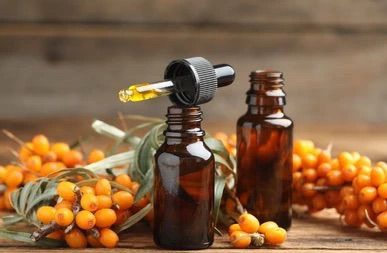
• Oils are used in the form of capsules as a vegan Omega fatty acid source, used in hair and skin wellness.

• Powders: As supplements in drinks, smoothies and teas.

9. Availability: Sea buckthorn berries are available in local markets specific to the native regions of Asia -Pacific where they are grown. Otherwise, they are available as products in supermarkets, stores, and retail in different brands. It is important to buy from known, reputable brands for safety issues.

They are available in juices (cold-pressed is best), pulps, dried berry powder, gummies, tablets, capsules and in oil extract. Due to their nutritional value, the products are widely used and have been quite popular.

10. Takeaway: Sea buckthorn berries have been used for centuries by the native people of mainly Asia, especially in the Himalayan regions, Ladakh, China and European regions. But recent scientific studies and research have identified its rich nutritional profile, which has attracted the attention of health enthusiasts. Therefore, these tiny berries have become popular, and the products are selling widely nowadays. No doubt, sea buckthorn is, indeed, a super fruit and its intake in moderation, in whatever form, can be helpful for overall health and wellness.

Thanks for reading.

Peace and love 🙏