


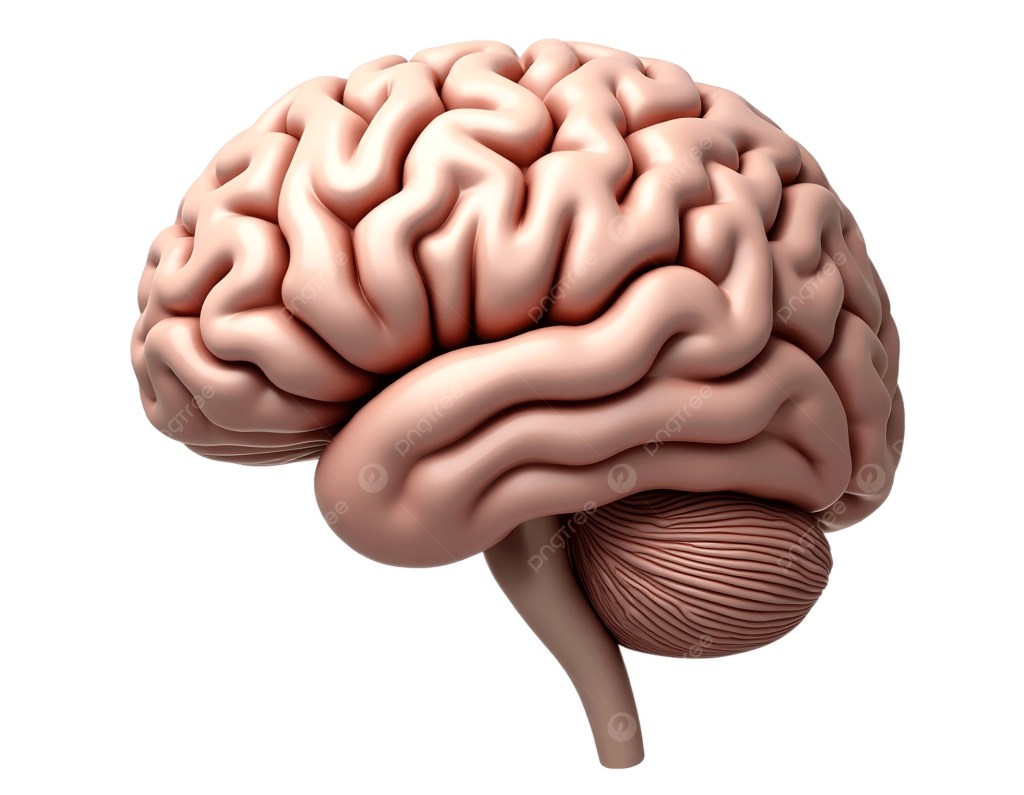
10 facts: The link between obesity and brain function 🧠

1.Research has already stated that obesity is a risk factor for neurocognitive decline. Obesity has become a widespread lifestyle disease that affects individuals regardless of age, gender, race, or culture. Many studies are being conducted on the relationship between obesity, defined as an excessive accumulation of fat, and brain function. Research has shown that structural changes in the brain are quite common among elderly obese individuals, particularly in the form of cerebral atrophy in grey matter and alterations in white matter volume. Notably, there is a reduction in the volume of the frontal lobe, hippocampus, thalamus, and anterior cingulate gyrus. Changes in brain structure can also occur in younger obese individuals.

2.BDNF (Brain-Derived Neurotrophic Factor): Adverse effects of Brain-Derived Neurotrophic Factor (BDNF) have been linked to lifestyle and diet choices. Low levels of BDNF, which affect neuronal plasticity, are associated with obesity and diets high in sugar or fat. Studies have shown that a high-fat diet, which leads to increased body weight, is related to reduced BDNF levels in the prefrontal cortex. This reduction can result in learning difficulties and impaired food intake control. Additionally, elevated serum leptin levels in obese individuals can lead to changes in the structure of the hippocampus and negatively impact memory performance.

3.Inflammation: When there in increased accumulation of fat tissues, they trigger chronic inflammatory responses, chemicals (cytokines) which crosses the blood brain barrier and reaches the brain cells, thus neuro-inflammation starts. The inflammation process spreads in the brain, damaging the cells, mitochondrial malfunctions which causes oxidative stress, brain immune cells (microglia) becomes hyperactive causing inflammation which can be localised or extensive. The hypothalamus, which controls appetite, is affected, creating a vicious cycle of weight gain. The hippocampus and Amygdala are affected, which causes issues in memory and emotion control.

4. Brain metabolism: Obesity can greatly affect brain metabolism by disturbing core functions such as :

• Obesity can disturb the brain’s insulin sensitivity, which in turn disrupts appetite control and impairs neuronal energy production.

• Mitochondrial dysfunction and low energy production in brain cells can increase oxidative stress and the release of harmful toxins, leading to cellular damage.

• Neuro-inflammation spreads due to the release of inflammatory chemicals like cytokines from visceral fat, leading to an increased risk of cognitive decline, dementia, depression, anxiety and diseases like Alzheimer’s disease.

5. Obesity and insulin resistance: In a healthy individual, insulin acts as an appetite-suppressing hormone on the brain. Studies show that obesity plays a key role in disrupting insulin sensitivity, causing impaired appetite control, resulting in metabolic disorders like type 2 diabetes. Studies have already linked obesity to diseases like heart attacks and cancers. Apart from appetite regulation, insulin in the brain helps in the co-ordination of fat distribution by promoting healthy subcutaneous fat storage instead of unhealthy visceral fat storage. Obesity leads to brain insulin resistance, causing an increase in visceral fat, increased food cravings, overeating, anxiety, depression and further weight gain.

6. Behaviour changes: Dealing with obesity is a gradual process which requires lifestyle changes, dietary changes, physical activity, counselling and a constant support system. Some of the key pillars are :

• Reduction of calories on a daily basis by 500 to 1000 calories. Switching to a calorie deficit diet like whole grains, vegetables, lentils and fish. Portion control and balanced meals are necessary.

• Gradually increasing the level of physical activity like walking, jogging, swimming, weight training.

• Counselling and a support system, including family and peers, to address emotional triggers, anxiety, and stress. A good quantity of sleep is important.

• Self-motivation, self-monitoring of daily calorie intake, routine weight assessment, monitoring physical activity levels and off-course mindfulness practices like meditation and nature bathing.

• Metabolic surgery in case of severe obesity, recommended by professionals.

7.Cognitive functions: In obesity, there are enough studies to show that there is a risk of cognitive decline. There are several ways to improve cognitive functions, such as:

• Controlling neuro-inflammation by medically managing any signs of systemic inflammation, controlling blood sugar levels and managing triggers like stress and anxiety.

• Dietary changes like avoiding high-sugar foods completely, processed foods and focusing on nutrient-rich, low-calorie foods.

• Exercises like cardio workouts to increase blood flow to the brain, which helps flush toxins, help to grow the size of the hippocampus to improve memory.

• Continuous physical activity by avoiding sitting for long hours; constant physical activity apart from routine exercise to clear brain fog. Weight training regularly, which helps to boost BDNF. Improving sleep quality.

• Trying to adopt intermittent fasting, which can help reduce brain inflammation.

8. Rewiring the brain for behavioural modification: To break a behaviour pattern which has been practiced for a long time is a difficult task, requiring patience and effort. Understanding and self – assessment are key pillars.

• Understanding the stress triggers, hunger signals, and habit loops to know the emotions behind them. To change neural pathways, repetition of a corrective behaviour pattern each time such a trigger arises is necessary to rewire the brain.

• Practising mindfulness to activate control of your brain to quiet the default false hunger signals and stress triggers.

• Changing eating habits to healthier options like whole grains, fibre-dense foods, portion control and cutting down on sugary or highly processed food to prevent dopamine spikes.

9. Managing hunger signals and habit loops: Not all hunger signals are real; some of them are false alarms just to activate your brain reward system. Some of the strategies are such as :

• Drinking water or sipping green tea or black coffee to fill the stomach.

• Eating small portions of meals every 3-4 hours instead of heavy meals.

• Practise physical activity throughout the day, like light exercise, walking and avoid sitting for long hours.

• Engage in activities and hobbies apart from routine chores or office work to keep the mind distracted from hunger signals.

• Lower stress by practising deep breathing exercises.

10. Takeaway: Research has shown that a high Body Mass Index (BMI) is associated with cognitive decline, reduced brain volume, and tissue atrophy in the frontal lobes and hippocampus. Excess weight also contributes to the degradation of the corpus callosum, which connects the two hemispheres of the brain. However, it is possible to reverse these effects by losing weight and making lifestyle changes, including adjustments to behaviour and eating habits. This process is gradual but rewarding and requires self-motivation, as well as support from family and peers, to break old habits and develop new neural pathways. In extreme cases, medical interventions such as anti-obesity medications or surgical procedures may be necessary if clinically recommended.

Thanks for reading.

Peace and love 🙏

10 facts: Why TUDCA is favorable? 🙌

Liver

1. TUDCA is tauroursodeoxycholic acid, which is naturally produced in the body as a short-chain bile acid that facilitates the breakdown of fats and helps in the absorption of nutrients. TUDCA is necessary for the metabolism of fats and oils that are consumed in the diet. Research has shown that TUDCA has amazing health benefits, promotes overall wellbeing by supporting the gut microbiome, and protects the nervous system, brain, heart and liver. Because of its health benefits, TUDCA is prescribed by health professionals, sometimes as a supplement. Though it was mentioned long before as traditional Chinese medicine, recent research studies have made it popular as a supplement for its tremendous health benefits.

Gut health

2. TUDCA for gut health: TUDCA is known to be hepatoprotective and prevents damage to liver cells. So, it shows promising results for those dealing with fatty liver, cirrhosis and hepatitis. As far as gut health is concerned, TUDCA has amazing benefits:

•It promotes the growth of good bacteria and maintains a balance in the biodiversity.

•It strengthens the immune system by promoting the growth of immune cells, of which around 80% are in the gut microbiome.

•It helps to tone down the inflammatory response in the gut and prevent chronic inflammatory conditions like leaky gut.

3. Other health-promoting benefits of TUDCA are:

• It protects the brain cells from damage by clearing toxins from neurons and supporting brain functions.

• It supports cardiovascular health by lowering LDL levels by breaking down and removing excess cholesterol.

• It lowers blood sugar levels by increasing the sensitivity of insulin in the cells and muscle tissues.

• It promotes free radical damage due to antioxidant properties, prevents cell damage and helps cell repair.

• Protects the liver from toxins from heavy metals, alcohol and medications.

• Support immune system by reducing inflammation.

Brain

4. TUDCA for brain: Research has shown many potential benefits to the brain and nervous

system, as it can cross the blood-brain barrier and can have antioxidant effects like cell repair, prevent cell damage and reduce inflammation. Some of the neuroprotective effects are:

• It can remove toxins, harmful amyloid-beta plaques and reduce the risk of Parkinsonism and Alzheimer’s disease.

• As already mentioned, it can reduce mitochondrial damage and neuronal cell death.

• Reduces neuronal stress by easing the Endoplasmic reticulum (ER) of the cells.

Eye health

5. TUDCA and eye health: Studies have shown that TUDCA can prevent retinal damage and help in restoring vision by protecting from photoreceptor degeneration and diabetic retinopathy.

TUDCA acts as a powerful neuroprotective agent on photoreceptors and retinal ganglion cells, which helps in visual processing. Loss of photoreceptors and retinal ganglion cells (RGCs) can slowly lead to visual dysfunction and visual loss. So, TUDCA have the potential to protect the photoreceptors and RGCs. Therefore, it can prevent the risk of many retinal disorders.

6. TUDCA food sources: TUDCA is naturally produced in small quantities in the liver. Actually, the liver produces bile salts and releases them in the intestines. In the gut, the good bacteria metabolise them into UDCA (ursodeoxycholic acid). They are released back to the liver, where they combine with taurine and become TUDCA. So, there is no direct food source of TUDCA. But there are food sources which can help the body to produce TUDCA. Some food sources are :

• Taurine-rich: Non-vegetarian foods like poultry, fish like salmon, tuna, and shellfish.

• Bile stimulators like beets, artichokes, ginger, turmeric, greens like arugula, dandelion, coffee, and citrus.

• Probiotics like fermented foods (Kimchi, kefir, yoghurt).

• Fibres like flaxseeds, chia seeds, oats.

Supplements

7. TUDCA supplement: Dietary supplements are water-soluble bile derivatives; synthetic TUDCA are used as a supplement. Commercial TUDCA are paired with Milk Thistle, which can have a dual action of liver-protective and regenerative support. The recommended dosage is 250 -1000mg/day. There are no severe side effects, but a high amount can cause diarrhoea or stomach upset. Commercially available in the form of pills, capsules and powdered form. Contraindications are for individuals with gallbladder disease, pregnant or lactating mothers and those taking diabetic drugs and insulin.

8. TUDCA and NAC: Another pairing of compounds as a supplement has been popular, such as TUDCA with NAC (N-Acetyl-L-Cysteine), which is a precursor of glutathione, an amino acid which is a potent antioxidant. Both compounds, as a pair, act as a powerful agent for free radical damage, oxidative stress, and the detoxification of cells from harmful toxins. It helps in the clearing of toxins, especially from the liver and kidneys. This combination also enhances the metabolism of dietary fat by improving the bioavailability of bile acids.

Bile salts

9. TUDCA supplement usage: TUDCA supplement is generally recommended by health care professionals mainly for liver health support, metabolic support and neurological health support for brain and eye health. Ideally, TUDCA supplement should be taken post-lunch or dinner, after a large, proper meal so that it can facilitate the smooth flow of bile salts and help in absorption. Start with a lower dose, then gradually increase the dose so that the tolerance level is assessed. Drink a full glass of water along with the dose, as it can be absorbed more smoothly. The standard dose limit should not be exceeded to prevent side effects.

10. Takeaway: TUDCA is a naturally occurring bile acid which has some amazing health benefits apart from supporting liver health. Studies have shown that it has antioxidant properties, such as reducing cellular stress, promoting cellular repair and regeneration, protecting brain and eye health, and supporting metabolic health by improving insulin sensitivity and glucose metabolism. Dietary sources and supplements are taken to increase the bioavailability and optimise the functions. It can also help to treat liver cholestatic diseases.

Thanks for reading.

Peace and love 🙏
10 facts: Is cinnamon diabetic-friendly? 🙌

1.Popularly known that cinnamon is a warm spice which is widely used in both savoury and sweet baked recipes. Basically, two types of Cinnamon used commonly: Ceylon Cinnamon, originally found in Sri Lanka and southern India. Cassia Cinnamon, dark in colour, native to Southeast Asia and China. The spice is derived from the dried bark of Cinnamomum trees. It has been used for centuries for both culinary and traditional medicine purposes. There has been much research on Cinnamon for its nutritional content for supplementation and medicinal purposes, but its effects on diseases are still not established.

2. Ceylon Cinnamon, also called “true cinnamon”, is now widely available in North America and Europe is a lighter, sweeter variety and is expensive. Cassia cinnamon is a darker, thicker variety, which has a richer and slightly bitter taste. While much research does show a wide range of health benefits due to the compound cinnamaldehyde, the dark side is that many cinnamon types also contain coumarin, which, when taken in large quantities, can cause liver damage. Meanwhile, Ceylon cinnamon doesn’t contain coumarin, and hence it is considered a safe variety.

3. Cinnamon has a unique flavour and aroma due to the oil present in the bark spice, which is rich in cinnamaldehyde. It is high in polyphenolic compounds, which are responsible for amazing benefits on health and digestion. These polyphenolic compounds are mainly responsible for antioxidant properties, which prevent the body from free radical oxidative damage. Because of the nutritional profile, it has been interpreted to have various health benefits like anti-inflammatory, antioxidant, anti-viral, heart-friendly, and diabetic friendly.

4. Cinnamon has polyphenols and powerful antioxidants, as it has been known to have a wide list of health benefits. Some important ones are:

• Prevent oxidative stress and protect against cell damage.

• Reduces chronic inflammation and prevents chronic diseases.

• Reduces bad cholesterol LDL and triglycerides, so supports the cardiovascular system.

• Supports brain health by reducing brain cell ageing.

• Anti-inflammatory, anti-viral, anti-fungal, anti-cancer.

• Protects gut health by supporting good bacterial colonies.

• Supports menstrual health.

• Supports skin health and dental health as it is anti bacterial and rich in antioxidant.

• Helps in weight loss by stabilising metabolism.

5. Diabetes: Research has shown promising benefits in the case of type 2 diabetes, as it can increase insulin sensitivity and help to lower blood sugar levels. But the effects cannot replace changes in lifestyle, diet and medication for diabetics. Therefore, cinnamon can be a supportive aid but not a replacement for treatment. Some of the research-backed benefits are:

• Studies have shown that cinnamon helps in blood sugar control. It helps to reduce blood sugar levels, both fasting and postprandial levels, and increases insulin sensitivity. It is also found to lower haemoglobin A1c.

• Cinnamon can act like insulin and help to move the sugar in the blood into the cells. Additionally, it reduces insulin resistance and helps move sugar into the cells easily, thereby reducing blood sugar levels.

• Research suggests that after a meal, the blood sugar normally spikes; cinnamon helps in slowing down gastric emptying and keeps the sugar levels in control while also reducing insulin resistance.

• Some studies state that it helps block digestive enzymes that break down carbohydrates and keeps the postprandial sugar levels in check.

6. Post-diabetic complications: In the case of diabetes, the high blood sugar levels can increase the risk of bacterial growth in cells, increase inflammation, elevate oxidative stress and overall increase the risk of chronic diseases like atherosclerosis, high blood pressure, heart diseases, kidney diseases, neurodegenerative diseases, and Alzheimer’s disease. Studies show that daily intake of cinnamon can keep blood sugar spikes in control, reduce blood sugar levels, increase insulin sensitivity and glucose tolerance, lower HbA1c and lipid profile so that the complications are considerably lowered. Therefore, with lifestyle changes, diet, medication and additional intake of cinnamon on a daily basis can be very beneficial in case of diabetic type 2.

7. Side effect: Cinnamon, as already mentioned, is naturally two main varieties – Cassia and Ceylon. 90 per cent of cinnamon production comes from Sri Lanka, India, China and other Southeast Asian countries. In the US, mostly the cassia variety is used. The downside of this very old spice is that along with beneficial compounds, it also contains coumarins. Coumarins have anticoagulant properties, which can lead to a risk of bleeding, delay wound healing in case of injury and liver distress. Prolonged consumption of heavy doses of cinnamon can pose a health risk. Higher coumarin levels are found in cassia type than in Ceylon type, which is a very negligible amount. A daily limit of 0.1 mg of coumarin per kg of body weight can be a safe limit.

8. Uses: Cinnamon is available in different forms of tubular-shaped whole spice, powdered and oil. There are various uses of cinnamon, mainly in global cuisines, desserts and household uses. Some of them are:

• Cooking: Used in both savoury meals like curries, stews and desserts like cakes and pastries.

• Beverages like tea, chocolate drinks, coffee

• Cinnamon oil is used in aromatherapy, mood-enhancing, mood enhancing as an essential oil.

• Dental care to fight bad breath in mouthwash, toothpaste.

• Used as a natural preservative.

9. Cinnamon dosage: Since cinnamon is not used as a medicine in modern science, there is no specific dose. Cassia cinnamon is the most common type available, which is found in supermarket aisles, whereas Ceylon cinnamon is quite rare and expensive as it is a safer variety and can be used as a supplement. Cassia cinnamon contains coumarin, which is a blood thinner, so a large quantity of consumption of this variety poses a health risk. Normally, 2-4gm/day of cassia can be a safe limit for an adult.

10. Takeaway: Cinnamon is an old spice which has been widely used over centuries because of the rich compounds like polyphenols and cinnamaldehyde. Studies have proven that such compounds have amazing health benefits. Cinnamon has been linked to diabetes, as it can imitate insulin and is found to be very beneficial for diabetics, as it can regulate blood sugar levels. But it is still not regarded as a replacement for diabetic treatment. It is considered a supportive therapy for diabetics. Moreover, it is a popular spice in both sweet and savoury dishes for its rich aroma and flavour.

Thanks for reading.

Peace and love 🙏

10 facts: Are Artificial flavouring substances safe?

1. Artificial flavouring substances are usually used in foods, beverages and some medicines too, to enhance the taste, aromas, natural-like flavours and to extend the shelf life. These artificial flavouring substances are chemical compounds produced in the laboratory to give characteristic taste and smell. Unlike natural flavours, which are naturally available, these chemical compounds are made from petroleum or synthetic agents and mixed with alcohol or propylene glycol, which acts as a solvent. The process of making and purifying artificial flavours has to maintain safety protocols, and the standards are approved by the Food and Drug Administration (FDA) and other Food authorities.

2. Laboratory-made chemical compounds are easy to extract, less expensive and can mimic the required taste and smell. Widely used in products like bakery items, processed food, candies, beverages, processed meat and dairy items. Some of the common examples of artificial flavours are:

• Ethyl vanillin, which mimics natural vanilla

• Ethyl propionate, which gives a fruity flavour

• Benzaldehyde, which gives a cherry flavour

• Diacetyl, which mimics a buttery flavour

• Smoke flavourings are smoke obtained from heated steam from wood, a mixture of carboxylic acids and phenolic compounds.

3. Natural flavouring /Artificial flavouring: Natural flavourings are nature-derived compounds from plants and animal sources, obtained by extraction and distillation through physical, enzymatic and various microbiological processes. Such as vanilla derived from natural vanilla pods, citral from lemongrass.

Artificial flavouring substances are synthetic chemical compounds which are nature-identical but not natural substances. They are produced in the laboratory by many chemical-engineered substances by flavouring preparations, thermal processes, distillation, smoke flavourings and flavouring precursors. Examples of artificial flavours are vanilla flavour derived from ethyl vanillin, Methyl anthranilate which mimics grape flavour, and isoamyl acetate, which mimics banana flavour. Artificial flavours are preferred more than natural flavours as they are cheap, easily available and easier to produce in a laboratory.

4. Artificial flavourings are safe as long as they meet strict safety regulations and are approved by different regulatory bodies and Food Safety International expert committees. Some of the well-known regulatory bodies are:

• US FDA (Food and Drug Administration)

• EFSA (European Food Safety Authority)

• International Expert Bodies like FEMA (Flavour and Extract Manufacturers Association), JECFA (Joint FAO/WHO Expert Committee on Food Additives).

• Country-specific authorities such as FSSAI (India’s Food and Safety Standards Authority), BfR (German Federal Institute of Risk Assessment).

5. Why artificial flavours? The main goal behind using artificial flavours in various food items, bakery products, and processed foods is to mimic a certain flavour, taste, smell, and crunchiness, which makes a person crave such items and stimulates the sensory organs. While consuming any kind of food, the taste receptors detect certain compounds in that particular food item and send a stimulus to the brain via nerves, which actually create the sensation of taste. So, artificial flavours are engineered in such a way that they can create a specific taste similar to a natural flavour and stimulate the taste receptors so that the person becomes addicted to that particular food item.

6. Artificial flavours and health: Though artificial flavours are safe in small quantities for consumption, some side effects are reported, such as allergic reactions, headache, fatigue, stomach pain, dizziness and chest pain. Some studies have shown a link between certain diseases and artificial flavours such as:

• Artificial flavouring compounds like diacetyl can be carcinogenic and pose a health risk.

• Artificial flavours and artificial sweeteners are found to disturb the gut bacterial flora. But more studies are required in this topic.

• Artificial colour (yellow) tartrazine is linked to allergic reactions.

• Artificial flavours and colours are linked to affecting brain health, memory and ADHD in children.

• Addiction and obesity are issues that have been linked to artificial flavours in some research and can affect the brain. The taste bud receptors send signals to the brain, which in turn releases dopamine to give pleasure. Some studies show that artificial sweeteners affect the hunger and satiety centre and lead to weight gain.

7. A wide range of products where artificial flavours are mostly used include:

• Snacks: Cookies, candies, shakers, chips and many snack items.

• Soft drinks and energy beverages.

• Bakery items.

• Dairy items like yoghurt, ice creams, flavoured milk.

• Processed meats.

• Sauces, mayonnaise, ketchups, dressings.

8. Common names of artificial flavours which should be known by individuals so that they can be aware and selective while buying snacks, bakery or processed food in a supermarket.

• Ethyl vanillin, ethyl maltol, ethyl propionate.

• Diacetyl

• Benzaldehyde

• L-menthol

The best way to avoid eating artificial flavours and colours is to select minimally processed food items, plain dairy products, whole foods, unprocessed meat items and preferably organic food items.

9. Safe quantity: There is no standard safe quantity of artificial flavours and colours worldwide. But there are international committees, food regulatory authorities, and other regulatory bodies in each country to regulate the quantity of artificial flavours used in each of the food items before they go for consumption. Acceptable Daily Intake (ADI) limits are set for compound-specific limits, which are standardised by local food safety authorities and are decided by strict testing and toxicity tests before approval.

Wholesome food/ Natural Foods

10. Takeaway: Artificial flavouring is very common in a wide range of food items. Realistically, you may not completely avoid food flavourings. But it is always a wise choice to prefer natural wholesome food items to processed flavouring food items as far as health is concerned. Moreover, both artificial and natural flavourings have similar effects on health, as one cannot rule out which is healthier or safer. Therefore, it is a matter of habit formation and lifestyle choices for individuals, parents and children to learn to make healthier choices for wholesome food and minimal use of processed food items.

Thanks for reading.

Peace and love 🙏

10 facts : Although honey 🍯 is similar to sugar, why it is still considered a healthier option ?

1. Honey is about 80% sugar, mostly fructose and glucose and is considered a natural sweetener. Since it is a derivative of plant nectar, it is a storehouse of bioactive compounds like polyphenols, flavonoids, vitamins, minerals and antioxidants. It is a blend of many natural substances, depending upon the different varieties of flowers whose nectar is collected by the bees. Because of its nutritional profile, honey has tremendous health benefits and is considered a healthy sweetener.

Beehives

2. Though honey is rich in sugar, it is a powerhouse of nutritional content in raw, unprocessed form. Depending upon the sources, the nutritional content can vary. Pasteurised honey is processed, filtered and can have a lesser quantity of flavonoids and polyphenols. Besides the antioxidant properties, honey includes calcium, potassium, vitamins, copper, iron and zinc. It also contains a trace amount of protein. Depending upon the varieties of flowers’ nectar, climatic conditions, examples of honey varieties are:

• Clover honey

• Wildflower honey

• Orange blossom honey

• Alfaalfa honey

• Buckwheat honey

• Rare variety like Manuka honey, found in New Zealand

3. Sources: Honey is the only natural sugar source which is produced by insects that humans consume. It is best when consumed raw and unrefined. Supermarket honey available is usually processed, pasteurised honey. Honey should be best sourced from local markets and local farmers, where the content is “pure honey” without any additives. These types of honey are lighter in colour and consistency. Darker varieties are stronger in flavour and nutritionally rich. Honey should be preserved in a glass bottle or plastic airtight container, below 32 degrees F.

4. Crystallisation: This is a natural process of honey where it is transformed from a liquid to a solid state depending upon the temperature and how it is stored. Crystallisation of honey doesn’t mean that the honey is spoiled. Honey with a higher content of sugar (fructose, glucose) is quickly crystallized like Alfalfa and clover types. Crystallisation happens as the dense sugar molecules start to hold the water permanently, which is, in fact, a sign of pure, unadulterated honey. The honey can be restored to its liquid form by putting the honey jar in a warm water container. Boiling water should be avoided as the nutritional content can be compromised.

5. Storage: Honey doesn’t require refrigeration. Its shelf life is around 2 years. Refrigeration and cold temperatures can lead to crystallisation of honey. It can be stored at room temperature at 20 to 25 degrees C or around 60 degrees F, ideally in an airtight glass container. It can also be stored in a food-grade plastic container. In the kitchen, it can be placed in a dry, dark place or pantry, avoiding direct sunlight.

6. Health benefits: As honey is rich in sugar, it should be consumed in small quantities rather than in large amounts. For centuries, the latest research has shown that honey has promising health benefits and healing properties. Some of them:

• Antioxidant rich so consuming raw, unrefined honey on regular basis can have anti-inflammatory benefits.

• Promote balance of blood sugar levels than regular refined sugar.

• Improves heart health by maintaining blood pressure, regulate heart beats.

• Since it has anti-bacterial properties , it can promote wound healing.

• Suppress sore throat and cough and support respiratory health.

• Supports gut health and is helpful in case of irritable bowel disease.

• Anti-fungal, anti-bacterial & anti-cancer.

7. Brain health: Research suggests that honey has amazing benefits for brain health and can prevent neurodegenerative diseases. Manuka honey is the best for brain health. Some of the neurological benefits of honey are:

• Unlike a refined sugar rush, honey can provide a natural, steady energy flow to neurons.• Flavonoids and phenolic acids can prevent free radical oxidative stress and cell damage in neurons.

• Supports memory by protecting brain cell mitochondria and elevates BDNF (brain-derived neurotrophic factor).

• Studies show honey is neuroprotective and prevents cognitive decline.

• Honey naturally contains melatonin, which supports sleep, and naturally removes toxins from the brain that build up while awake.

8. Alleviate cough: Studies have shown that honey is effective in soothing a cough. Drinking honey with a little warm water during a cough can help to form a coating in the throat. Its anti-bacterial and anti-inflammatory properties help as a healing aid for infections. Moreover, honey is safer as a home remedy than over-the-counter medications. It can be given to all age groups except children below 1 year of age, when there is a risk of food poisoning. Research shows that honey is far better than medicines like diphenhydramine (anti-histamine) and has a similar effect to drugs like dextromethorphan (cough suppressant ) and Salbutamol ( asthma drug).

9. Though honey is a natural sugar alternative, it is usually safe and healthy for daily consumption in moderation. There is no such standard recommendation, but experts suggest that 6-7 teaspoons daily should not be exceeded. WHO guidelines suggest that daily consumption of free sugar should not exceed 10% of daily intake. Since it has therapeutic benefits, its daily consumption can be beneficial for both gut health and the immune system. While using honey as a sugar substitute, other refined sugar food items should be completely avoided, as there are chances of weight gain (due to extra calories), sugar spikes in insulin-sensitive diabetics.

10. Takeaway: Research has shown for decades that honey is healthy with tremendous therapeutic effects when consumed in moderation as a wellness habit. Honey can replace the intake of refined sugar in several ways, such as:

• For dessert, yoghurt or breakfast bowls.

• Herbal teas, green teas.

• Morning, on an empty stomach with warm water as an aid to digestion and immunity.

• Honey should be avoided in boiling water or while cooking, as it may damage its nutritional value.

Thanks for reading.

Peace and love 🙏
10 facts : Nitric oxide (NO) is body’s power source 💪

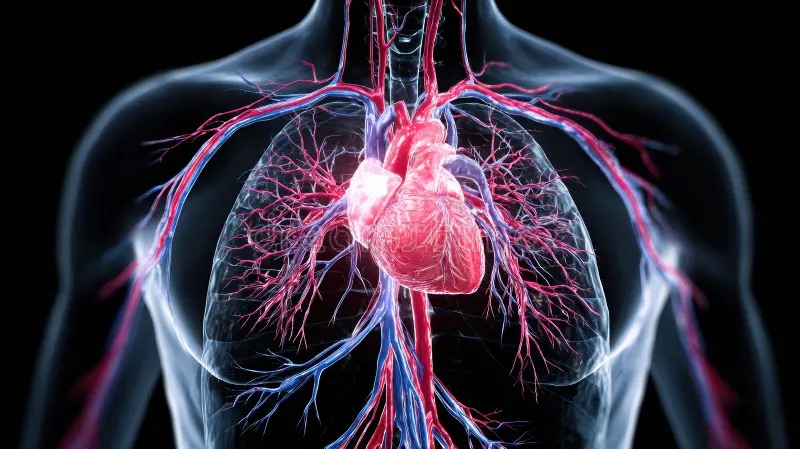
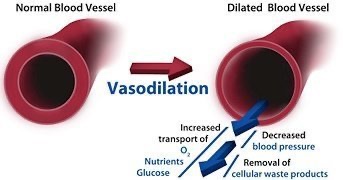
1.Nitric oxide is a gas that is naturally produced by our body. Its basic function is to relax the blood vessels, which in turn transport the blood, oxygen and nutrients to the different organs and cells of the body to function smoothly. Nitric oxide is a vital nutrient as it protects the layers of cells in the blood vessels. It regulates the cardiovascular system, immune system, and nervous system. When nitric oxide is scarce in the body, it leads to a condition called endothelial dysfunction, which can risk the cardiovascular system.

2. Nitric oxide, as a powerful molecule, has many protective health benefits and is vital to human health. The potential benefits are:

• Cardiovascular system: Since it is a vasodilator, it lowers the blood pressure, relaxes the blood vessels, ensuring a smooth transportation of blood throughout the body.

• It lowers the inflammation in the body as it acts as an antimicrobial agent, a free radical agent.

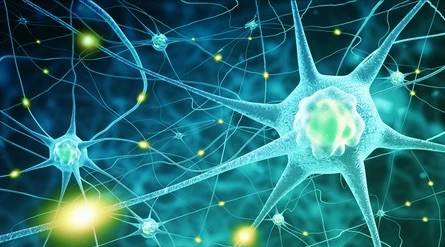
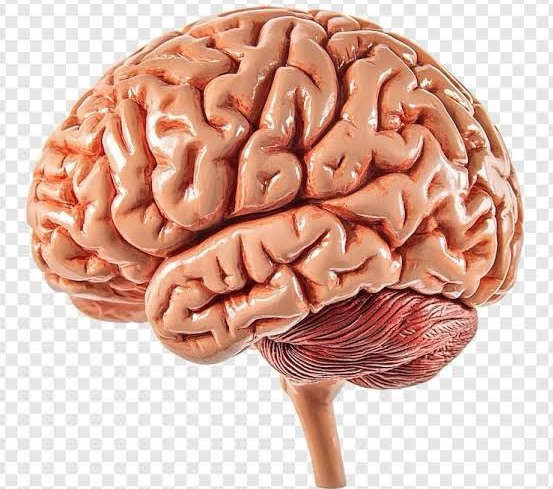
• Neurological system: It is a neurotransmitter and helps in communication between nerve cells.

• It helps in exercise endurance as an oxygen delivery agent and improves athletic performance.

• It helps in treating erectile dysfunction.

3. Diverse physiological role: The NO (nitric oxide) molecule is synthesised from L-arginine in the tissues of the body by using the iso-forms of nitric oxide synthase. As mentioned before, NO gas is important in maintaining the endothelial layers of the blood vessels, as well as the blood flow through the vessels, and also inhibiting the activation of blood platelets. NO activates an iron- containing protein and helps to bind with haem. It regulates the immune system as a primary defense mechanism against attack by microorganisms. It acts as a neurotransmitter for nerve cells of certain types. NO activates several cellular activities.

4. Physical endurance and Nitric oxide: Research studies have clearly shown that Nitric oxide (NO) plays an active role in vasodilation, improves and enhances blood flow through blood vessels, organs and in mitochondrial respiration. Thereby, it promotes sports performance, endurance and aids in the healing and recovery of tissues. Nitric oxide and physical activity are very closely related. Evidence-based studies have shown that exercise helps to increase the level of nitric oxide, so it is highly recommended for athletes and patients with cardiovascular disorders.

5. Nitric oxide and erectile dysfunction: Erectile dysfunction is mainly caused by impaired nitric oxide bioactivity. The nerves and endothelial cells release nitric oxide when stimulated, which causes vasodilatation of blood vessels and relaxation of smooth muscles. When there is low nitric oxide production, it results in impaired vasodilation and endothelial dysfunctions, causing erectile dysfunction. Common risk factors are high blood pressure, diabetes, smoking and aging.

6. Nitric oxide as a neurotransmitter: Since it is a gas, it acts as a free radical and is synthesised in response to neural activity rather than stored in synaptic vesicles. It can diffuse rapidly through cell membrane barriers and can reach several neuronal and non-neuronal cells in multiple locations. It can act in intracellular targets on both pre-synaptic and post-synaptic neurones to stimulate neurotransmitter release and enhance synaptic plasticity. But excess nitric oxide can cause neurotoxicity, like in Alzheimer’s and Parkinson’s disease.

7. Sources: Nitric oxide naturally releases from oceans, soil bacteria, and the atmosphere by oxidation of ammonia and animal wastes. Some other sources are forest, wild vegetation, fertilizers, fossil fuels combustion and other industrial processes.

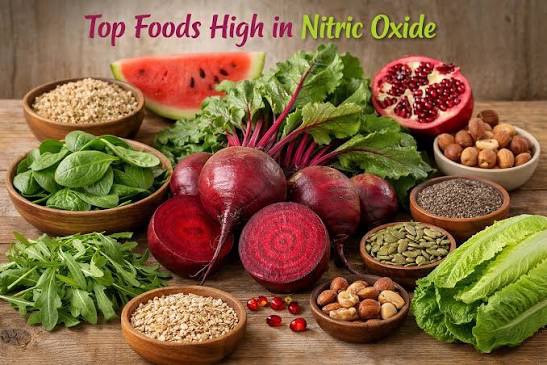
The primary source in the human body is the conversion of L-arginine (an amino acid) by enzymes, which releases nitric oxide internally. The different food sources of Nitric oxide are Beetroot, garlic, meat, poultry, leafy green vegetables, citrus fruits, nuts and seeds.

8. Nitric oxide supplement: A healthy, balanced diet rich in vegetables, poultry, and meat is enough to provide the necessary nitrites and nitrates to produce enough nitric oxide for the body’s requirements. If the body’s nitric oxide levels are low, your health care provider might give you nitric oxide supplements. They usually contain the synthetic version of the compounds, which can help the body to produce the optimal level of nitric oxide. Supplements are generally safe when taken under expert supervision and in an appropriate dosage.

9.Side-effects: Nitric oxide supplements, as mentioned above, are considered safe when taken under medical guidance. Overexposure and overdosing may cause side effects:

• Physical symptoms include nausea, vomiting, headache, and stomach upset.

• Heart palpitation, dizziness, lightheadedness, sudden drop of blood pressure.

• Interaction with other medications, such as blood pressure medication and erectile dysfunction medication, can cause a serious risk.

• Overexposure can cause coughing, shortness of breath, and lung injury.

10. Some of the known nitric oxide supplements are:

• Arginine

• Citrulline

• Nitrates

• Vitamin C, flavonoids, and polyphenols make nitric oxide easily available for the body for different purposes.

Doses depend on the individual requirements and the compounds of the supplement.

Thanks for reading.

Peace and love 🙏

10 facts: Sleep wake cycle linked to cortisol 👐

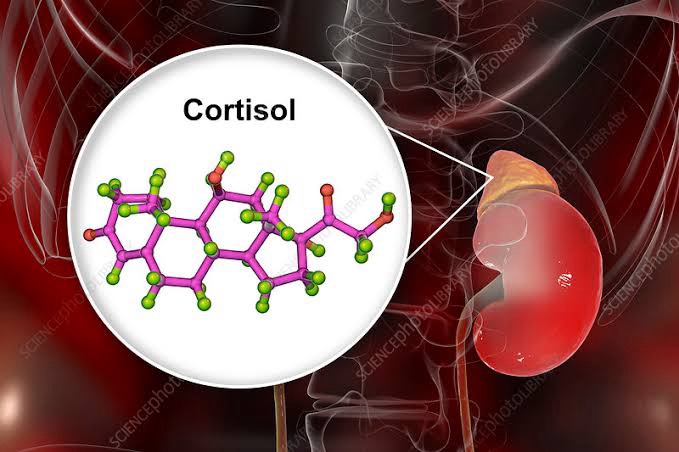
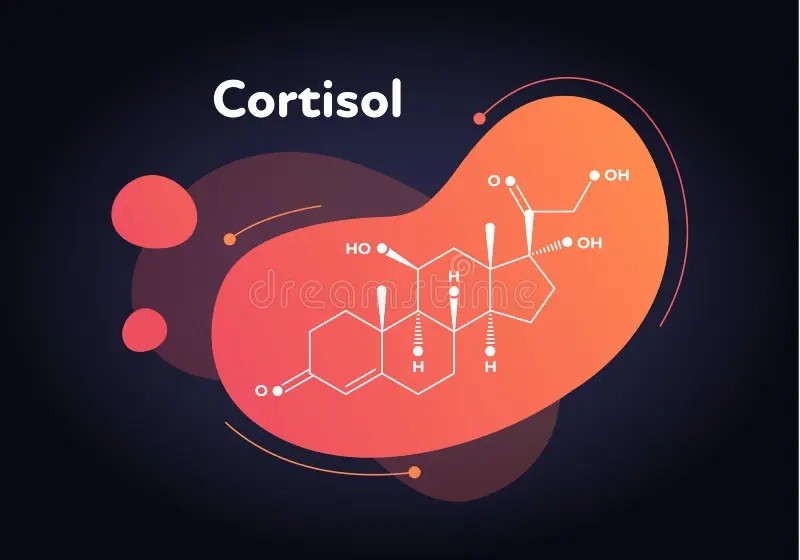
1.Cortisol is a stress hormone released from the adrenal glands, which is ideally secreted during a fight-or-flight response. However, in today’s world, our daily lives are filled with stressful situations, such as competition, comparisons, peer pressure at work, negative people, and relationships stress. As a result, cortisol is released not just in short bursts but remains chronically elevated. This persistent high level of cortisol keeps the body in a constant state of stress, leading to chronic inflammation, sleep problems, and various diseases.

2.Cortisol plays essential role in the body for survival. But when cortisol is elevated for a longer period of time can lead to health issues like weakened immunity, metabolic syndrome and mental health issues. The functions of cortisol are :

– Maintaining blood pressure

– Elevating blood sugar levels

– Regulating the circadian rhythm

– Facilitating the utilisation of energy from carbohydrates, proteins, and fats

– Reducing inflammation

3. Sleep-wake cycle follows a synchronised rhythm with the night and daytime. During the sleep phase, the body goes through different stages, such as:

• Non-REM stage: The phase where the body and mind, being awake, slowly move to a calmer state before falling asleep. Followed by a stage where the body’s core temperature drops, brain waves slow down. After this, a stage emerges where the heartbeat, breathing, and brainwaves slow down, entering a deep state of relaxation.

• REM state: This stage occurs normally after the deep sleep phase. In this phase, people have vivid dreams, and intense dreaming appears. There is weakened muscle activity similar to temporary paralysis. This stage is important as the brain is cleaning out the buildup of waste and toxins.

4. HPA axis: The hypothalamic-pituitary-adrenal axis is responsible for the neuroendocrine regulation. Hormones like melatonin and cortisol from the HPA axis modulate the sleep-wake cycle. When there is disruption of this axis disturb the sleep cycle. Studies show that there are reciprocal interactions between sleep regulation and the HPA axis. Stressful situations like PTSD, emotional trauma, and chronic workload can lead to long-standing sleep issues like insomnia, sleep deprivation, and lack of restorative sleep, which in turn lead to disruption of the HPA axis and vice versa.

Insomnia

5. The HPA axis and sleep have a significant interconnection. Good quality sleep, deep sleep causes an inhibitory effect on the HPA axis, whereas hyperactivation of the HPA axis leads to overload of glucocorticoids, wakefulness, and loss of sleep. Sleep disorders related to HPA dysfunction are:

•Insomnia is a common sleep disorder which is found to have a connection with an increase in ACTH and consistent cortisol levels and arousal of the central nervous system.

•Obstructive sleep apnea or daytime sleepiness has been associated with elevated pro- inflammatory cytokines, IL-6 and TNF.

Weight gain

6. Elevated cortisol level: Studies show that sleep deprivation has a direct connection to elevated cortisol levels, long hours of wakefulness in the daytime, glucocorticoid overload, and disruption in the HPA axis. These directly affect the well-being of the individual and increase the risk of obesity and type 2 diabetes. Other symptoms of elevated cortisol levels are:

• Weight gain

• High blood pressure

• Weakness of bones

• Muscle weakness

Stressed

7. Cortisol level: Normally, there is a spike of cortisol level in the morning, known as the awakening response, and it continues for about 60 minutes thereafter. Then, gradually the level-starts dropping and reaches the lowest level towards the evening/midnight. The factors which can affect the cortisol levels are:

• Stress

• Disturbed routine sleep schedule

• Morning light may cause the surge

• Cushing’s syndrome

Overworked/ stressed

8. Stress and cortisol level: Cortisol is a steroid hormone which is released from the adrenal glands in the body’s response to stress. Cortisol also releases sugar from the liver to combat stress. In addition to this, sleep and stress are also closely linked. Prolonged stress can lead to sleep disorders like acute insomnia. The types of stress when cortisol is secreted are:

•Short-term stress

•Long-term stress

•Trauma, both psychological and physical.

Dark chocolate

9. Food and cortisol: Certain foods can support gut health, reduce stress and lower the cortisol level naturally:

• Whole grains and natural fibres – Whole grains are rich in polyphenols, which can support gut health and reduce stress and cortisol. Fibrous foods like vegetables, fruits, and berries contain both polyphenols and antioxidants that help reduce cortisol levels.

• Dark chocolate (70 – 80%) – Flavonoids in dark chocolate can lower the stress response and cortisol from the adrenal glands.

• Green tea contains polyphenols, catechins, and L-theanine, which can lower stress reactivity.

• Probiotics/Prebiotics are linked to healthy gut health, reduce stress and cortisols.

• Healthy fats in nuts, fatty fish, and seeds rich in omega3-fatty acids reduce stress and support mental health.

• Water – Consuming water throughout the day prevents dehydration and controls the cortisol level.

Meditation
Community/ kindness/ volunteer work

10. Natural habits that can keep the cortisol level under control:

• Good sleep routine – Firstly, keep away from cell phone or any kind of distraction at least 1 hour before bedtime, avoiding alcohol, caffeine intake and nicotine 5-6 hours before bedtime, maintain a bedtime schedule; going to bed and waking up the same time every day is important for sleep hygiene.

• Daily routine exercise, nature bathing, walking or any kind of physical activity.

• Practise deep breathing techniques like Pranayama, mindfulness breathing, Meditation, yoga, tai-chi.

• Maintaining your mental health by managing your personal relationships, staying away from negative people and a negative environment, cultivating hobbies, laughing, and listening to music.

• Spirituality – believing in spiritual faith, attending spiritual workshops, meditation, community spirit, kindness /charity /voluntary works, helps maintain cortisol levels.

Thanks for reading.

Peace and love 🙏

10 facts:Microplastics/Nanoplastics impact on human health 😢

1. Microplastics are small plastic particles, less than 5mm in size, while nanoplastics are extremely small, less than 100 nanometers, and are found in the whole environment, everywhere, in the air, water, and soil. The greatest impact of these small particles on aquatic life has been a trending topic in recent times. The potential hazard to human lives is a great concern, too. Microplastics come from many sources. Tiny particles produced from polyethene plastic are used in many cosmetic products, even in health products, as an exfoliate. Plastic pollution is seen in both food and drink product packaging, the most hazardous being the bottled water. The direct effects of plastic particles, especially chemicals like BPA, on human health are still the subject of ongoing research widely carried out.

Microbeads

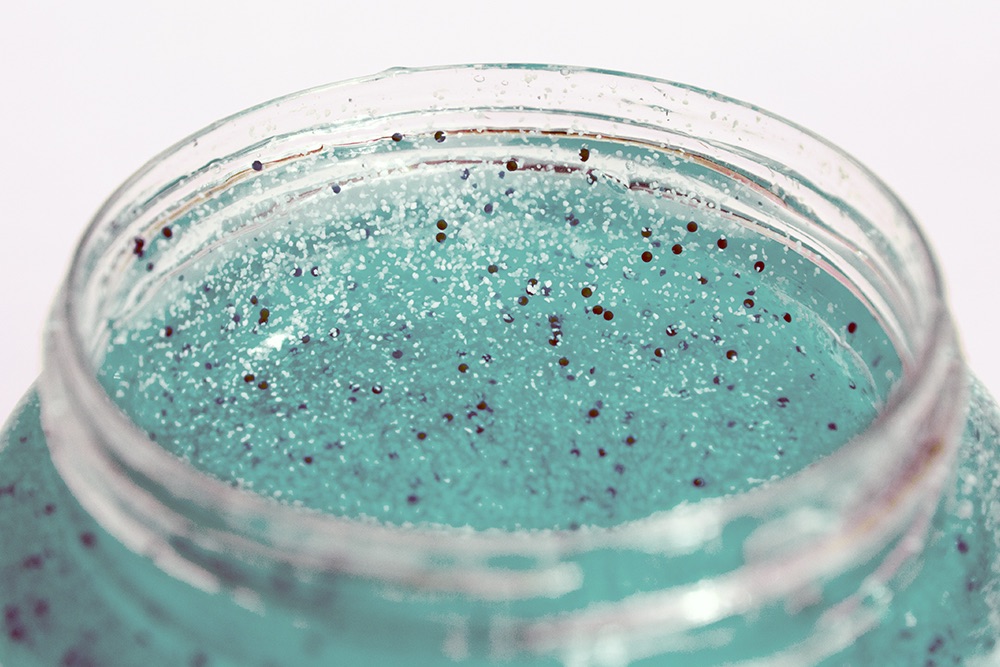
2. Microplastics have been used in many industrial and cosmetic products as microbeads. They are also used in toothpaste, as vectors for drug delivery, cleaning agents, plastic packaging in food and drinks, and manufacturing products. Some examples of primary and secondary uses of microplastics:

• Personal care /cosmetics like toothpaste, facial scrubs, and cleansers.

• Agricultural products are used as coatings in fertilisers and in seeds.

Industrial products such as paints, textiles, tyre materials, and many types of machinery.

• Sports like synthetic turf.

• Secondary microplastics are released from packaging and fragmentation of bottles, bags and debris, produced by fragmentation and weathering due to exposure to UV lights, weather and mechanical activity.

3. Microplastics as a global threat has become an issue of grave concern because of their impact on all compartments of the environment, that is, air, water and soil. The most common concern is the food packaging on major food items such as mineral water, drinks, dairy, snacks, meat, fish, and frozen products. The contact of contamination is between the food item and the container/ the outer package is actually the cause of mutual transfer between the content and the plastic. Besides these, microplastics are also found in sediments in freshwater, the ocean, soil ecosystems, and on beaches, becoming a threat to not just humans but also other life on earth, including aquatic animals.

4. Microplastic pollution: Over the years, the growing presence of microplastics in the environment has increased day by day. The microplastics have high polymer content, so they remain non-perishable, non-degradable in soil, and insoluble in water. The direct impact on humans can be:

•Consumption of bottled water and plastic packaged drinks.

•Food packaging of different items.

•Indirect effect of microplastics from consuming aquatic foods like seafood, fish, and crustaceans.

•Personal care items like fabrics ( sportswear), toothpaste, face scrubs, and exfoliating products through micro beads.

•Industrial products.

5. Accumulation in the human body: Microplastics/ Nanoplastics easily accumulate in the human body through different sources :

• Ingestion through the food supply chain.

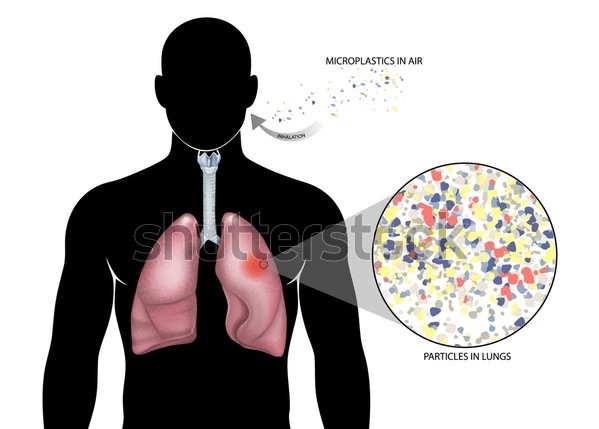
• Inhaled through air pollution.

• Ingested through drinks and water.

• Microplastics can enter the human body through dermal contact via sweat, wounds, an indirect route like unfiltered sewage plant, seawater, and seafood.

6. Recent studies have detected microplastics/nanoplastics in different human tissues and organs, including the brain. Traces are found in blood, liver, kidneys, lungs, and saliva. They mainly enter into different organs and tissues through the respiratory and gastrointestinal tracts. Nanoplastics, which are even smaller ( less than 1micrometer ), are more dangerous as they can infiltrate the human cells. Microplastics have also been found in human breast milk, placenta, meconium, and an infant’s first stool.

Health concerns

7. Impact on human health:

•Oxidative damage: Microplastics can cause oxidative damage, DNA damage and changes ingene activity.

• Reproductive effects can be ovarian scarring, low sperm count, and metabolic disorders in offspring.

• Deposits of BPA, phthalates, and heavy metals can cause damage to the brain, nervous system, reproductive, gastrointestinal and respiratory systems.

• Other effects can be inflammation, cell death, changes in hormone and lipid metabolism, and an altered gut microbiome.

8. Research shows that potential health risks due to absorption, inhalation and ingestion of microplastics and nanoplastics are an alarming public health issue. The most important key effects can be:

• Regular or frequent exposures can cause chronic inflammation in the gastrointestinal system, endocrine disruptions, and a weakened immune system.

• Accumulation in the respiratory system can cause lung inflammation, chronic asthma, chronic obstructive lung diseases and lowered lung function.

• The reproductive system can be affected, leading to low sperm count and infertility.

• Accumulation in organs like the liver, kidneys, spleen, and placenta can lead to scarring and functional irregularities.

• Increased risk of cancers and cardiovascular issues.

Glass bottle
Ceramic/wooden

9. Supporting the body’s natural detoxification process can be useful in removing microplastics to some extent. Some of the proven ways by which microplastics can be removed from the body are:

• Drinking plenty of water helps flush out toxins.

• Sweating it out by physical exercise, running, or walking.

• Consumption of gut-healthy food like fermented food, prebiotics and probiotics.

• Antioxidant-rich foods like flaxseeds, chia seeds, berries, and cruciferous vegetables.

• High fibre vegetables for forming bulk and binding the waste to be disposed of from the body.

Fibrous diet
Cotton fibre

10. The use of plastic is a global environmental hazard which has been taken seriously worldwide. Some important steps taken are:

• Minimal use of plastics in food supply chains and industrial uses.

• Use of plastic alternatives like bamboo, wood, seaweed, metal, and glass packaging.

• Replacing household items like/with silicon food bags, ceramic, glass utensils, stainless steel containers, wooden utensils.

• Using reusable materials derived from sugarcane, wheat, seaweed, packaging materials like cardboard, paper, plant-based wraps, and foams.

• Natural fibres like jute, organic cotton, and wool.

• Extensive research for the environmental clean-up of plastics and recycling plastics is ongoing in many countries. Plastic-eating bacteria (Ideonella sakaiensis), microbes like Pseudomonas, and Bacillus have been identified which have biodegradable capacity to break down plastics.

Thanks for reading.

Peace and love 🙏

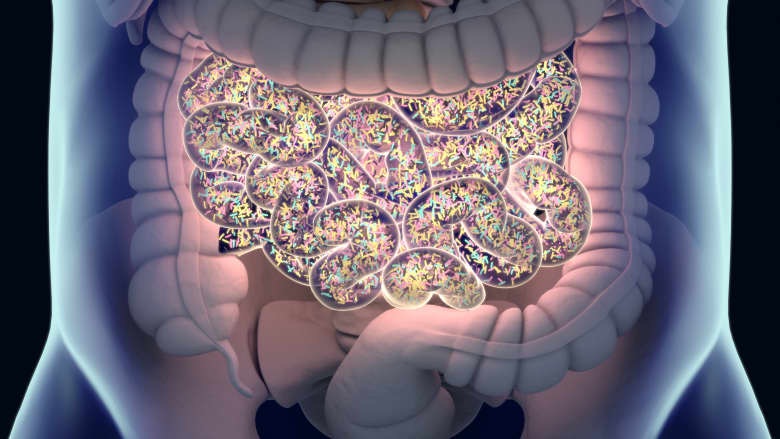
10 facts on the link between poor gut health and hormonal irregularities ✋

1. Poor gut health means poor metabolism, microbiome irregularities, digestive issues, chronic inflammation, built-up toxins, elevation of cortisol and hormonal issues. Therefore, a weak gut health profoundly affects the endocrine ecosystem. On the other hand, studies have confirmed that gut microbiota can be influenced by the hormonal environment. Some studies suggest that there is a connection between gut microbiome and sex-related diseases like polycystic ovarian disease, post-menopausal osteoporosis, ovarian cancer and type-1 diabetes.

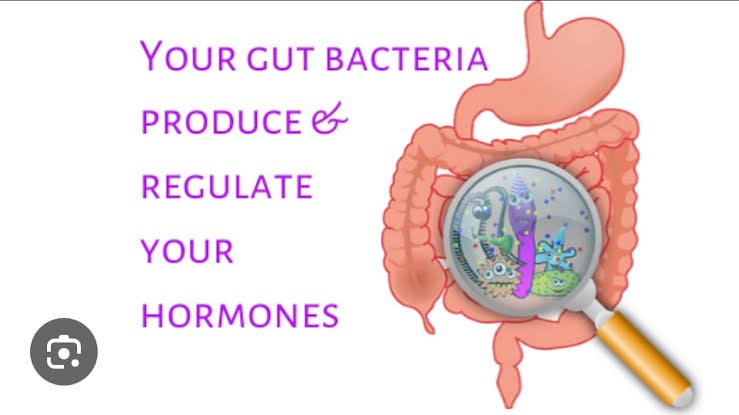
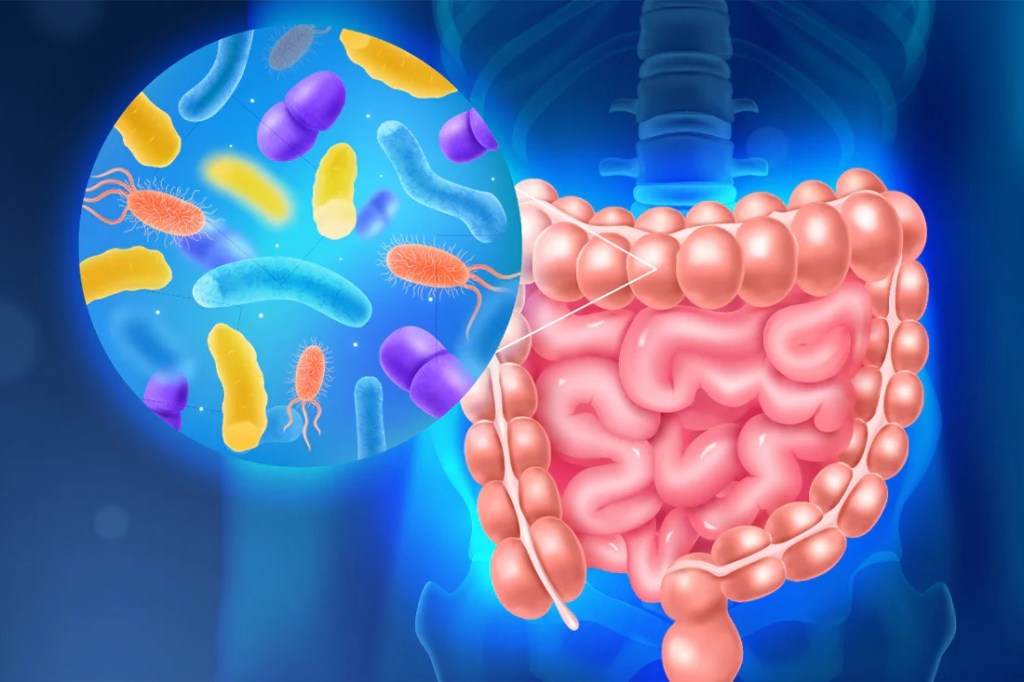
2. The gut microbiome normally maintains and regulates digestion, nutrient absorption, immune protection and hormonal regulation. In fact, a balanced gut microbiome is the key element in stabilizing hormones like oestrogen, cortisol, and insulin. When the gut microbiome and its ecosystem are in balance :

• Digestion is smooth

• Hormones are regulated

• Inflammation is low

• Mood and energy are improved

• The estrogen level is stable

3. Trouble arises when the gut microbiome goes out of balance and gut health is disturbed; the hormonal health is impacted as well. The common issues may appear:

• Body weight may fluctuate

• Estrogen levels may shoot up

• Other hormone levels may fluctuate rapidly

• Sugar cravings increase

• Toxin levels may rise

• Hair fall

• Irregular periods

• Trouble sleeping

Gut microbes

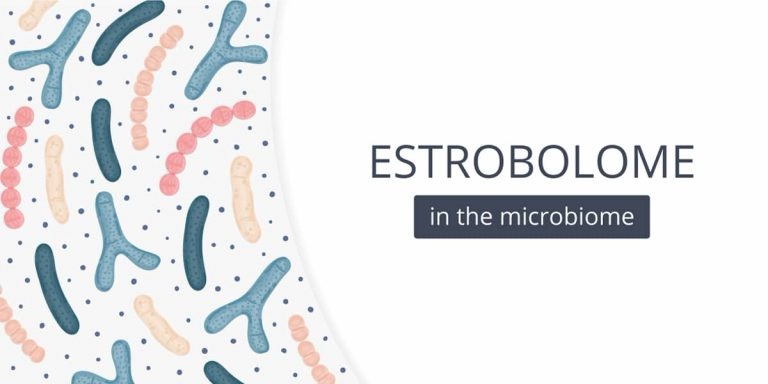
4. The gut microbiome and oestrogen link: A special group of gut microbiome named estrobolome maintains and regulates the oestrogen cycle in the body. The bacterium helps to clear out the excess oestrogen from the body and maintain the menstrual cycle:

When estrobolome functions properly,

• Menstrual cycle remains regular

• The oestrogen level is regulated

• PMS remain under control

• Acne and skin issues are absent

• Bloating and gas issues are nil

When estrobolome is unhealthy,

• Estrogen levels imbalances

• Instead of clearing, the oestrogen recirculates in the body

• Acne, bloating, and gas issues may arise

5. When gut health is optimised, the estrobolome produces enzymes like betaglucoronides which not only metabolise and maintain the optimal levels of oestrogen, but also help in breaking complex carbohydrates, absorption of bilirubins and flavonoids. Oestrogens are basically produced by the female ovaries and adrenal glands. In women, the hormone plays an important role in reproductive functions, regulating body fat, maintaining heart health, bone health and brain health. In men, this hormone helps to maintain libido and the maturation of sperm.

6. PCOS linked to gut health: Many women who suffer from PCOS usually have gut health issues, including slower metabolism and chronic inflammation. Other issues which are commonly seen are:

• Blaoting, gas issues

• Irregular digestion

• Sugar cravings• High insulin levels

• Depressions, mood swings

• Low energy

• Irregular periods

• Skin issues, acne

7. Holistic health approach: To maintain stability and balance between gut health and hormonal balance, changing lifestyle habits, nutritional habits, and daily physical activity are the major steps towards this goal. Developing routine habits includes:

• Changing nutritional habits to whole foods.

• Timely eating habits

• Manage routine stress

• Mindfullness

• Breathing techniques like Pranayama

• Regular physical activity

• Maintaining a sleep routine

• Avoid the intake of unnecessary antibiotics

8. Nutrition plays a significant role in shaping gut health and maintaining hormonal stability. The important steps are:

• Completely avoiding processed, junk, refined and sugary foods

• Maintaining hydration, drinking plenty of water

• Focus on whole grains, lentils, beans

• High-fibre vegetables

• Fermented foods

• Omega-3 rich foods

• Herbal teas

• Fresh fruits

Curd

9. Probiotics/Prebiotics: Both probiotic and prebiotic foods strengthen gut health and support hormonal health. When consumed routinely, it significantly impacts digestion, slows down inflammation, improves sleep, and helps in managing PMS and PCOS in women.

•Probiotics like fermented food, such as pickled vegetables, kombucha, kefir and curds.

•Prebiotics include whole grains, onions, garlic, and bananas.

10. The major takeaways in optimising gut health and maintaining hormonal balance are:

• Always be careful what you put into your body. Food not only curbs our hunger but they feed our cells.

• Routine exercise helps in the detoxification of the liver and reduces daily cortisol levels, regulate the levels of sex hormones. Activities like Yoga, mindfulness practises, and breathing exercises maintain an optimal environment for the balance of the gut-hormone axis.

• Curbing smoking and limiting alcohol can prevent toxins from building up, supporting the liver in the detoxification process, which is crucial for endocrine health.

• Avoiding unnecessary antibiotics as they can disturb the ecology of the gut microbiome and disrupt its functions.

Thanks for reading.

Peace and love 🙏

10 facts: Why mitochondrial health is of crucial importance?

1. Right from the biology textbooks in school, to higher levels of studies and research, the importance of mitochondria has been highlighted time and again. As previously mentioned, mitochondria are known as the ‘powerhouse’ of cells. They are the centre of energy production, metabolism, crucial for cellular functions, ranging from cellular activities, regulating vital functions and including cellular death. In other words, they are critical in maintaining overall health, preventing various diseases and increasing longevity.

2. Mitochondria have their own DNA and undergo a constant process of damage, repair, replacement, and distribution within cells of the body. Through mitochondrial dynamics, a damaged component or an impaired mitochondrion can be replaced, mitochondrial quality can be controlled, and mitochondrial functions can be maintained, thereby preventing disease processes and promoting overall health and well-being. So, continuous mitochondrial dynamics play a pivotal role in maintaining good health on the cellular level and overall longevity.

3. Mitochondria are an integral component of a cell that carries out a series of functions like cellular metabolism, energy production, fission, fusion, mitophagy, ion homeostasis, senescence and cell death (apoptosis). Studies have shown that mitochondrial dynamics play a pivotal role in diverse cellular functions, influencing the activation and functioning of cells and cell movement. Cell movement is the basis of vital processes like wound healing, tissue growth, the immune defence mechanism and disease-related processes like malignant metastasis. Therefore, mitochondrial health and functioning are fundamental to the body’s overall health at the cellular level.

Inflammation/chronic pain

4. Mitochondrial health impacts most of the vital systems of the body, including the immune system, bones, muscles, heart, neurological, cognitive and gut health. So, when mitochondria are dysfunctional or underperforming, the body will exhibit various symptoms like :

• Low immunity status.

• Metabolic syndrome

• Brain and cognitive disorder

• Fatigue syndrome

• Bone and muscle conditions like osteoporosis and sarcopenia.

• Inflammatory diseases.

• Chronic body pain.

Fatigued

5. Mitochondrial disorders are of two types: Inherited types and acquired types. Inherited Mitochondrial disorders can be caused by genetic mutations due to defective genes encoding the ETC (Electron Transport Chain) protein.

• Barth syndrome.

• Kearns- Sayre syndrome.

• Chronic progressive external ophthalmoplegia.

• Leigh syndrome.

• Ataxia.

Acquired types: Mitochondrial disease from external factors like toxins, drugs (mitotoxins), ageing, infections, inflammatory responses, secondary causes like cancer, Alzheimer’s disease, diabetes, Parkinson’s disease, long-standing COVID.

Body aches

6. Symptoms of mitochondrial disorders depend on the underlying factors, such as:

•Inherited types usually affect multiple organs, such as the brain, heart, liver, and muscles.

•People may have muscle fatigue, cognitive decline, hearing loss, vision loss, and GI issues.

•Secondary types can be the consequence of the primary causes, like type 1 diabetes, cancer, mental health disorders, and heart diseases.

•Environmental factors like toxins and drugs may result in mitochondrial dysfunctions.

Acquired types may have both the symptoms of inherited types and the underlying primary cause.

Tiredness

7. Diagnosis and treatment depend mainly on the underlying factors, triggering causes and the primary disease. The diagnosis relies mainly on many criteria, such as clinical, biochemical, tissue, and molecular specificity of clinical and laboratory findings.Treatment depends on the family history, clinical findings, laboratory findings, and metabolic/ molecular diagnosis. Treatments are usually antioxidant intakes, regular calorie intake, exercise, and specific treatment depending on the primary disease and definite mitochondrial dysfunction.

Supplements/ antioxidants

8. Commonly used agents for the treatment of both inherited and acquired types are:

• Electron transport chain support, like CoQ10 (ubiquinol)

• Electron carrier support, such as Niacin and Riboflavin.

• Fatty acid oxidation support, Biotin L-carnitine.

• Enzyme co-factors like Thiamine, Pantothenic acid, Biotin, and Alpha-lipoic acid.

• Anti-oxidants like Vitamin E, C, L-carnitine, and CoQ10.

Holistic health

9. Mitochondrial diseases have no cure, but a holistic lifestyle approach can improve the quality of life. The focus is mainly on energy preservation, nutrition, exercise, and stress management.

• Conservation of energy is essential to reduce fatigue, like planning out the daily and weekly schedule, taking rest in between normal chores, using assistive devices to minimise effort, and seeking help to reduce workload.

• Balanced diet of healthy protein, whole grains, fruits, vegetables, and healthy fats. Hydration and using supplements for health support.

• Exercise may include moderate activity, such as walking, swimming, or aerobic exercise.

• Prioritising sleep, avoiding toxins like quitting alcohol and smoking, managing stress like meditation, mindfulness tools, and nature bathing.

Whole Foods

10. In a nutshell, mitochondrial dysfunction is very complex in nature and still not completely understood. Mitochondrial dysfunction is differentiated as primary and secondary (acquired) types, and the diagnosis is again very complex. But there is the MDC scoring system, which is beneficial. Millions of people across the world suffer from some types of mitochondrial dysfunctions, which include diabetes, autism, cancer, blindness, heart, kidneys, liver or infertility issues, Alzheimer’s, Parkinson’s and chronic fatigue syndrome. Bringing out lifestyle changes can be helpful to improve the quality of life as well as mitochondrial health.

Thanks for reading.

Peace and love 🙏