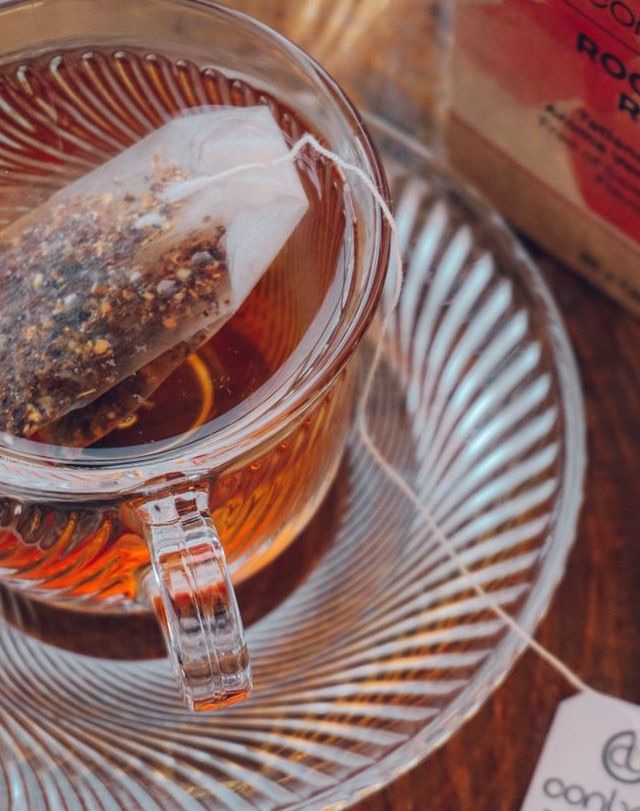
10 facts: All about rooibos tea ☕️

1. Rooibos, a caffeine-free, colourful tea produced from Aspalathus lineriaris, originated in South Africa and has been used for centuries in both fermented and unfermented forms. In recent times, this tea has attracted ample research studies for its nutritive profile of phenylphenols, flavones, flavonoid and several minerals. Because of its rich nutrients, this tea is known for its immune-boosting properties and has potent anti-inflammatory and antioxidant effects. It has plenty of phytochemical, which can prove to be very beneficial for humans and prevent chronic and lifestyle diseases. Therefore, this tea has been very popular worldwide.

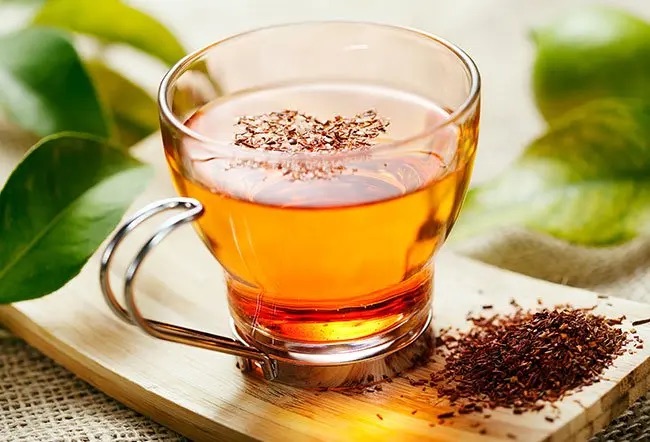
2. Rooibos is a caffeine-free herbal infusion tea that contains very low levels of tannins. Thanks to its flavonoids and phenolic acids, which have antioxidant properties, rooibos tea helps prevent the formation of reactive oxygen species (ROS). By neutralizing and reducing ROS, rooibos can potentially help prevent chronic and lifestyle diseases, such as diabetes and cardiovascular conditions. Additionally, rooibos is effective in converting harmful ROS into less damaging hydroxyl radicals. Due to these findings from animal studies, rooibos has become a popular herbal tea and dietary supplement.
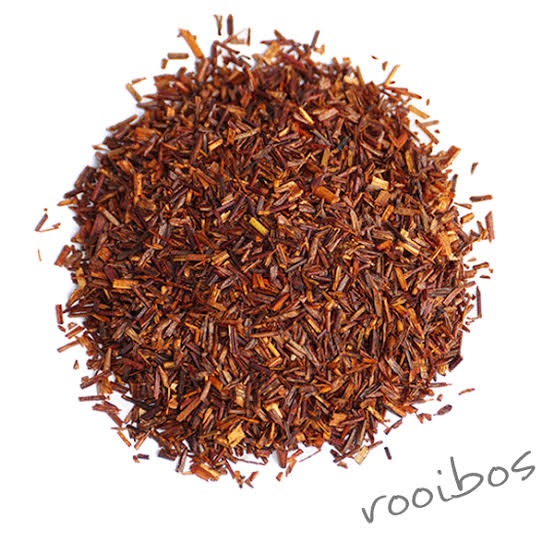
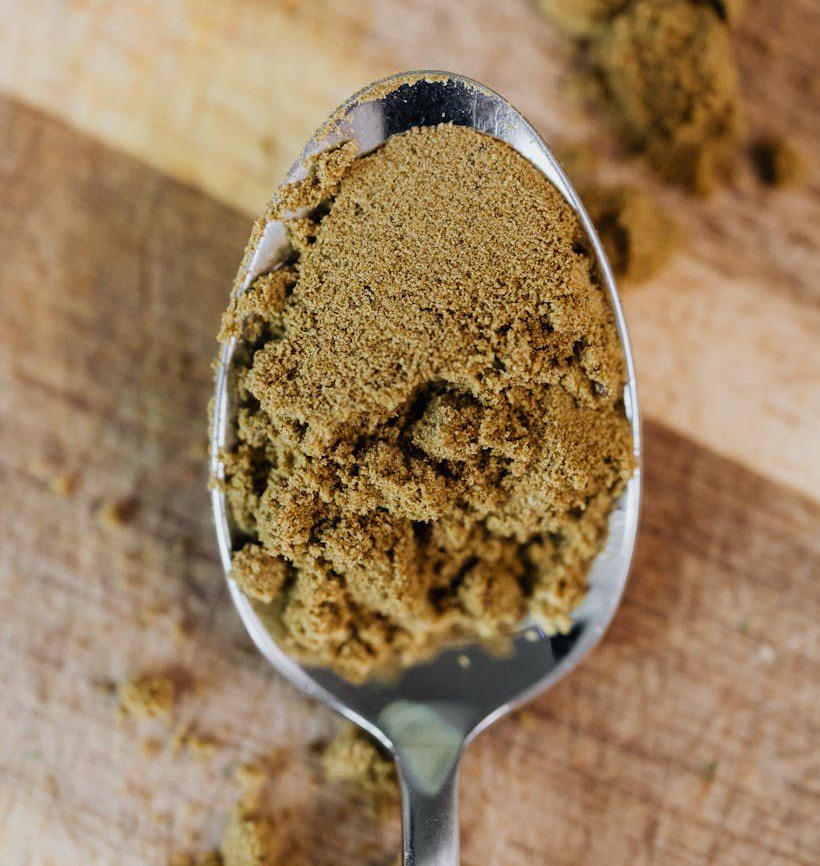
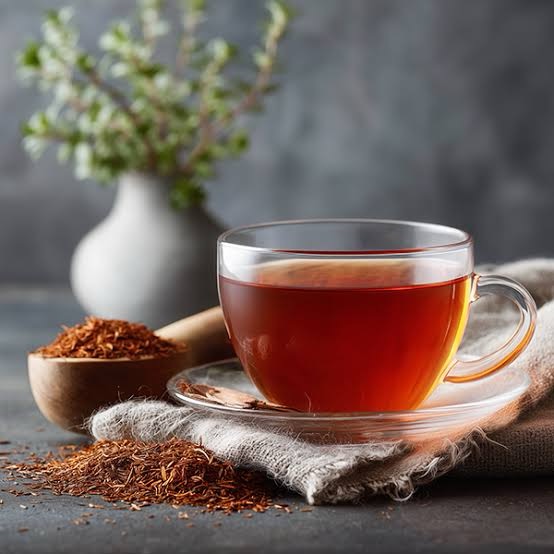
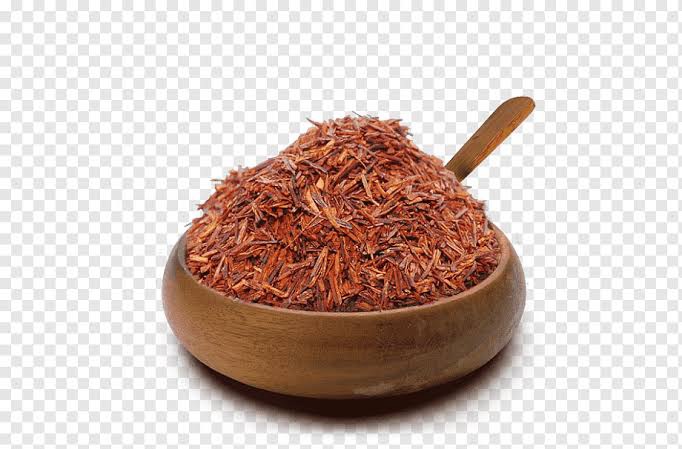
3. Rooibos tea is native to South Africa, grown originally in the mountains of Cederberg. But due to its popularity, it has been successfully grown worldwide. It is made from the bush of Aspalathus lineriasis. The loose leaves of the plant have the strongest flavour and the highest health benefits.

Though there are different varieties of rooibos, as already mentioned, loose leaves are most popular. Its taste is a little similar to green tea, with a strong nutty and sweet flavour and a pleasant aroma. Since studies have shown its amazing health benefits, and being caffeine -free, it can be taken 3-4 times daily, both day and night for overall wellness.

4. It has a potent list of amazing health benefits, namely :

• It has potent antioxidant properties which prevent oxidative stress and reduce cell-damaging radicals.

• Heart-friendly, as it can lower blood pressure by blocking ACE (angiotensin-converting enzyme). It also reduces cholesterol levels.

• It balances blood sugar levels and improves insulin sensitivity.

• It aids metabolism, and its anti-inflammatory effects help in reducing stomach cramps and bloating.

• It reduces skin irritation, prevent acne as rooibos contain Alpha -hydroxy acid and Zinc.

• Rooibos helps in strengthening bones as it is packed with minerals.

• It is a sleep aid due to its relaxing and soothing effects.

• It aids in weight loss.
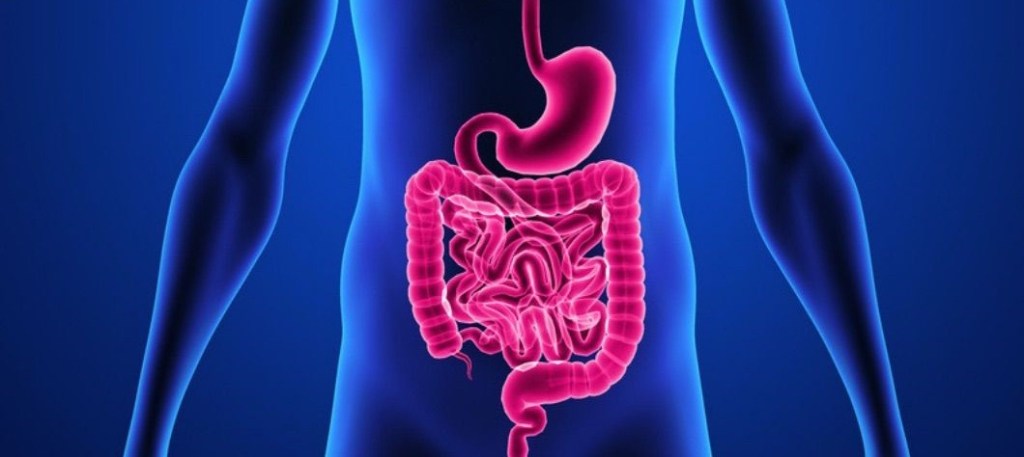
5. Digestive health: Rooibos is rich in flavonoids, phenolic acids and minerals, because of which it strongly supports gut health. It has a calming and gentle effect on the stomach. Among the many benefits for digestion, the important effects are :

• Relieves cramps and stomach pain due to its natural anti-spasmodic effect; it acts as a relaxant to stomach muscles.

• It strengthens the gut intestinal barrier and prevents leaky gut disorder. It helps in maintaining the intestinal lining. This effect is prominent with unfermented rooibos.

• Due to its anti-inflammatory effect, it reduces gut inflammation and lowers oxidative stress.

• It is soothing to the stomach and prevents acid reflux and iron absorption blockage due to its low tannin content.
6. Skin health: Rooibos has been consumed as a herbal infusion for centuries in both fermented and raw form. Because of research studies, in recent years, it has become very popular globally.

Due to its rich nutrients of polyphenols and minerals, it is considered an important ingredient in many herbal skin care products. It is considered as a valuable component in skin care for being anti-inflammatory, antioxidant, soothing, hydrating, moisture retention, hence used in many skin care products. Some of the amazing benefits to skin health are:

• Fights ageing and reduces wrinkles as it combats oxidative stress.

• Soothing to sensitive skin as it has a calming effect and prevents irritation.

• Prevents acne, reduces pores and gives clear skin.

• Protects the skin barrier, improves hydration, and helps reduce skin dryness• Reduces hyperpigmentation, promotes skin elasticity, giving firmer skin and a youthful appearance.

• Protects the skin from pollution and environmental damage.
7. Side effects: Overconsumption of any beneficial compound can lead to side effects too. Drinking rooibos tea in moderation is safe and has no severe side effects. But long-term heavy drinking of rooibos can lead to some side effects:

•Raised liver enzymes and liver toxicity in long-term use of high amounts of rooibos.

•Due to the presence of phytoestrogen which can mimic the natural oestrogen in the body can be an issue in case of hormone sensitive individual, women with breast cancer.

•Interact with medications like blood pressure medicine and cholesterol-lowering medication (statins). Due to its oxalate content, it can be problematic for kidney patients.
8. Dosage: Due to its tremendous benefits for balancing blood sugar, sleep, skin, hair, and immune-boosting properties, many people like to drink rooibos tea infusion. It is completely safe to drink every day, provided the daily intake is 2-4 cups or within 400-1200 ml/day. Overconsumption doesn’t really help in providing the benefits. Instead daily moderate intake slowly can uncover its amazing benefits to overall wellness. Studies show that a maximum limit of 4-6 cups can be tolerated as a healthy adult. Rooibos herbal infusion without sugar is healthy but adding sugar, heavy cream can increase the calorie content. It is suitable even for children and pregnant women too, in moderation.

9. Rooibos v/s other teas : Green tea, black tea contain caffeine while rooibos is caffeine free so can be taken anytime including night time. Other teas when brewed a little longer gives a bitter taste due tannin but rooibos has very low tannin and has sweet nutty taste and great aroma. Red rooibos is fermented, intense in flavour and colourful, while green rooibos is unfermented, looks similar to green tea and has high antioxidant levels.

10. Takeaway: There is no doubt that rooibos is a very beneficial herbal tea, known for its nutritional profile. It does promote overall wellness, backed by science-based studies. In recent times, it has become very popular worldwide, and not just in its origin, South Africa, but several other countries have started growing it due to its increasing demand. It can be taken every day due to its anti-inflammatory, antioxidant properties and rich mineral profile for overall health and well-being. Plain rooibos tea is zero-calorie and is the healthiest version, without sugar, additives or whipped cream.

Thanks for reading.

Peace and love 🙏
10 facts: Carcinogens and beauty products 🫪

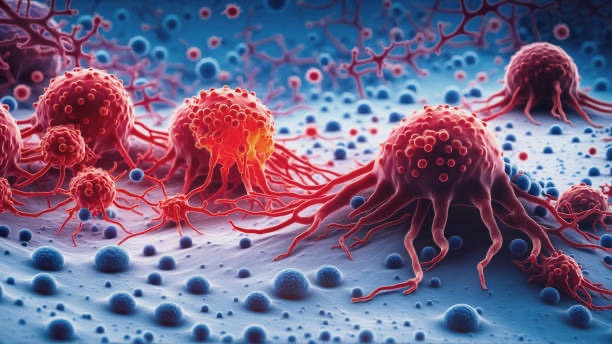
1.Carcinogens are chemicals which are found to increase the risk of cancer. According to WHO,1 in every 5 people develop cancer in their lifetime, which is quite alarming. Around 10 million people die every year world wide. Many strict regulations are already in place in various countries across the world, banning certain chemicals which are found to pose grave concerns to human health, including cancer risk. Personal care products including cosmetics use various chemicals and perfume to get the expected effects where some of the chemicals may result in health concern on long term use. Not all chemicals are tested properly, or they may not go through toxicity trials or animal testing. Research methods may sometimes differ from how the product is used by customers daily and in what quantity, it has been used. But, in spite of Regulations and Laws, it is important to have general awareness amongst individuals before purchasing any product.

2. IARC: The International Agency for Research on Cancer, depending upon the cancer risk, has classified different agents based on evidence-based research :

Group 1: proven to be carcinogenic, like Alcohol, tobacco smoking, asbestos, formaldehyde, Benzene, sunlight (UV radiation)

Group 2A: Probable carcinogen with evidence of association with cancer risk, such as occupational hazards in case of hairdressers, shift workers (disruption of circadian rhythm), refinery workers.

Group 2B Possibly carcinogenic where there are limited evidence of an association with cancer risk. These categories include professions like firefighters, regular exposure to magnetic fields, diesel fuel, dry cleaning, textile manufacturing.

Group 3: Categorised as not classified, meaning that it is not possible to classify as carcinogenic based on evidence. Some examples include chlorinated drinking water, hair dyes, fluorescent light, and electric field exposure.

Group 4: Not carcinogenic, such as caprolactam used in the manufacture of synthetic fibres.

3. Many studies are carried out and are still going on in different countries for daily-use products like personal care and beauty care products. Some chemicals are banned from using in products which gave strong evidence of cancer risks. There is no specific product which has been proven to cause cancer presently in the commercial space for personal care. But, as far as consumers are concerned, there are products which should be avoided as they can be a health hazard. Some of them are:

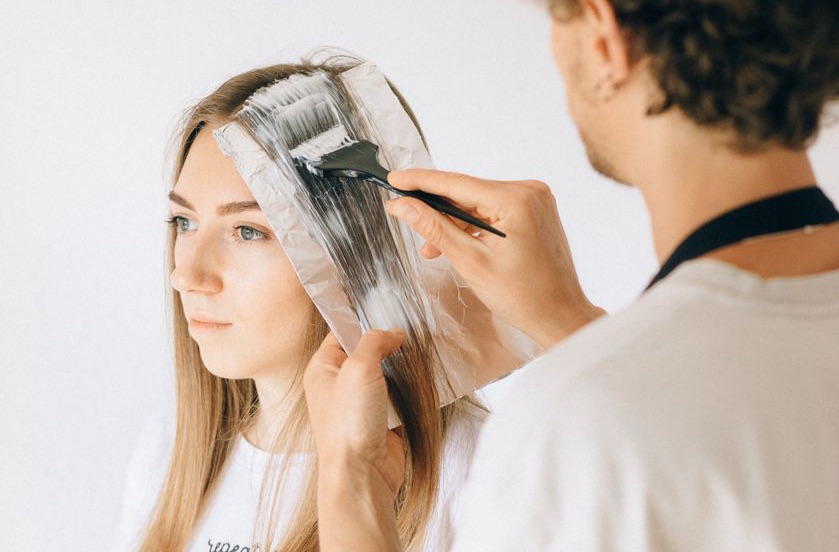
• Hair dyes which contain coal tar derivatives, phenylenediamines.

• Hair straightening treatments which can release formaldehyde gas.

• Nail polish, which contains formaldehyde or formaldehyde-releasing preservatives.

• Shampoos containing traces of benzene.

• Talc powder, blushes and face powder containing traces of asbestos.

4. Formaldehyde: According to IARC, formaldehyde is categorised as a Group 1 carcinogen, meaning that it has been proven to be a carcinogen by evidence-based studies. It has been linked to various cancers like the nasal cavity, paranasal sinuses and nasopharynx. Also associated with blood and bone cancers. Formaldehyde is used in cosmetics, beauty products as preservatives which in course of time breakdown and emit formaldehyde releases. Products containing formaldehyde, and labels of items which contain DMDM hydantoin, diazolidinyl urea, quaternium-15, bronopol, sodium hydroxymethylglycinate should be completely avoided. Common products which contain formaldehyde or its derivatives include:

• Hair products like dyes, shampoo, hair straightening agents, conditioners.

• Make-up items.

• Nail polish, face creams, eyelash glue, false eyelashes.

• Body lotion, body wash (water-based products)

5. Apart from formaldehyde and its releases, other chemicals which are definitive proof of carcinogens such as :

• Benzene, which can be a trace contaminant in products like sunscreen, dry shampoos.

• Coal tar found in anti-dandruff products, hair colours.

• Talc, where traces of asbestos are found.

• Phenacetin is used as a stabiliser in products like hair colours, facial bleach, and depilatories.

• Ethylene oxide is prohibited in cosmetics but commonly exposed in tobacco smoke and automobile exhaust. It is commonly used to sterilise medical instruments.

• Heavy metals like chromium, cadmium, and arsenic (as a contaminant) are found in facial lotion, cream, shampoo, and foundation.

6. Mineral oils: Mineral oils are crude oils which can be refined and unrefined, used in various personal care products. Mildly treated mineral oils contain PAH (polycyclic aromatic hydrocarbons), which are categorised as carcinogens, especially benzopyrene. PAHs can damage DNA when entered in the body, they are reactivated by the enzymes and bind with DNA causing mutation. Then cells can rapidly multiply and can cause tumours. Long-term exposure can cause skin, bladder, and lung cancers. Beauty products where mineral oil can be used include hair colors, hair styling products, lipstick, lip gloss, facial bleach, moisturiser, blushes, concealer, and eye shadow.

7.1,4 Dioxane: This compound has been found in traces in cosmetic products, detergents, emulsifiers, and foaming agents. It is not intentionally added but instead used as a byproduct of manufacturing these items. This compound has been proven to be a potential carcinogen by agencies like the FDA. To find 1,4-dioxane, look at the labels of products that contain the “word” like “-eth-“ or “-oxynol-“, PEG, Polyethene, Polyethene glycol, Polyoxyethylene.

8. Endocrine disruptors: Certain substances used in many personal care products may disturb the endocrine functions in the body, which can lead to cancers like breast, ovarian and prostate cancers. These substances disturb the levels of oestrogen, progesterone and testosterone in the body. Substances like Pthalates, Parabens, Benzene, and Bisphenol A (BPA)

9. Safety: Beauty and personal products should always be purchased with proper certification like COSMOS or Ecocert. Any unregulated product should be avoided. Most beauty brands do follow the regulations and Laws of the Regulatory Bodies of the particular country of origin. Some of the tips are:

• Usually, plant-based products with fewer ingredients are preferred.

• Use products which are labelled scent- free and fragrance-free.

• Use powders or blushes using rice starch, bamboo silica and arrowroot powder.

• Instead of petroleum pigments, use mineral oil pigments like zinc and iron oxide.

Any product containing formaldehyde, or its releases like DMDM hydantoin, imidazolidine, coal tar, Pthalates, benzene should be avoided.

10. Takeaway: Studies have already shown that beauty and personal care products do contain many chemicals which are not just hazardous but carcinogenic to human health. It is important to discard all the toxic products that you have already purchased. Instead, look out for plant-based, clean products which are known to be safer. Always prefer products with natural, simple ingredients. It is important to read the label before buying any product, and not be satisfied with marketing gimmicks like “natural” or “organic” written on the front of the item. Always do a skin test ( patch test) before directly using a new product on the skin, face or body.

Thanks for reading.

Peace and love 🙏
Silent Sunday 🌞

Peace and love 🙏

10 facts: The link between the liver and the feet 🦶🏼

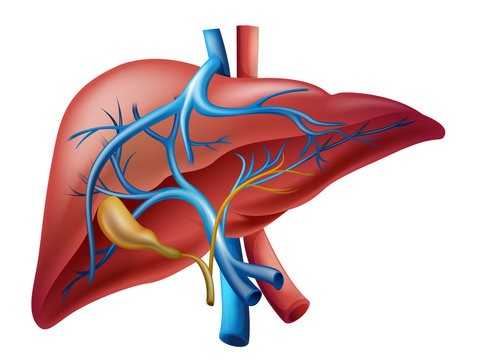
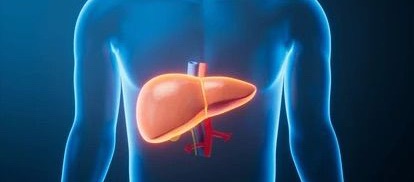
1. Though the entire body- the organs and the cells is interconnected, likewise the feet are very much connected to the liver through the nerve endings. The liver helps filter toxins, produces bile to aid fat absorption, and supports protein processing and blood clotting. Whenever the liver is not functioning properly, there are simple signs in the feet which are physically manifested as the alarming signals for liver attention. These signs, when manifested in the feet, can help in the early diagnosis of a liver problem, making its further management easier.

2. Medically, there is no direct anatomical connection between the liver and the feet. But, like all other organs, the liver is also interconnected with the rest of the body, especially the lower extremities, by nerve endings. In alternative science like Reflexology, the liver is situated on the right side of the body, so the ball and the arch of the right foot connect to the liver. Physiologically, when liver functions are irregular, the changes are reflected in the feet through fluid retention, circulatory changes, nerve endings sensations and vitamin deficiencies. Physical manifestations of secondary symptoms of the feet do reveal the presence of underlying liver disease or even any systemic diseases (like Diabetic neuropathy).

3. Liver problems and chronic liver diseases at early stages may not be known, or the physical symptoms may go unnoticed. But the body does send signals through the feet as well as the skin, which should not be neglected. Though the signals may not always indicate a liver issue, they should not be neglected either. Some of the findings are:

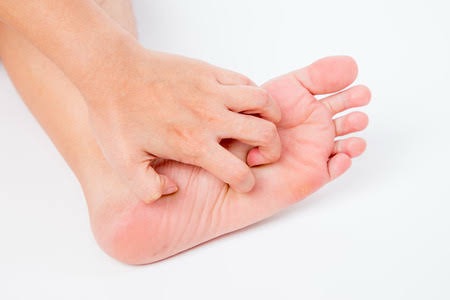
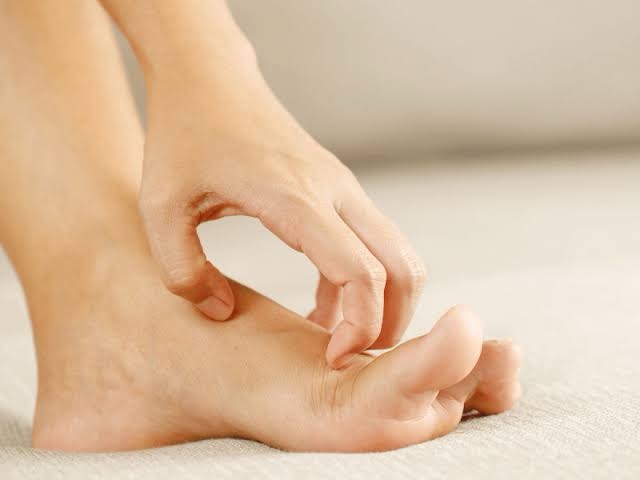
• Nighttime itching of the feet.

• Dryness without any known reason.

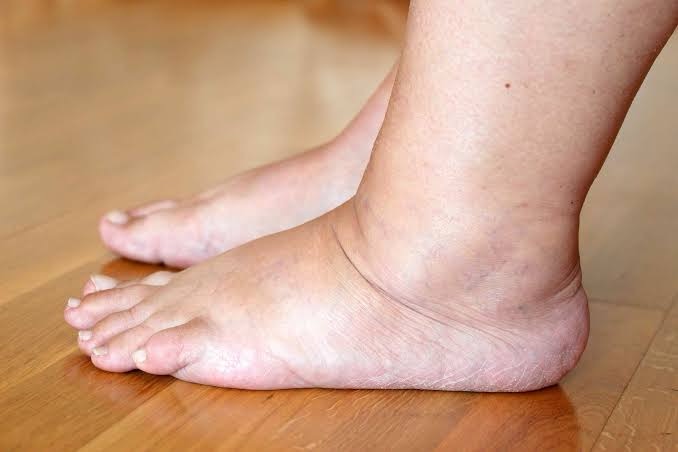
• Swelling in the feet and ankles.

• Red and brown dots in legs and feet.

• Deep heel cracks.

• Yellowish discolouration of the skin, including the feet.

4. When some of the signs are worsening and persistent for weeks, those signs can be a warning of urgent evaluation from medical experts. These warning signs can be:

• When itching is very severe.

• Swelling in the feet and around ankles. Low albumin due to a weak liver causes the fluid to leak and accumulate in the ankles and feet.

• Deep heel cracks.

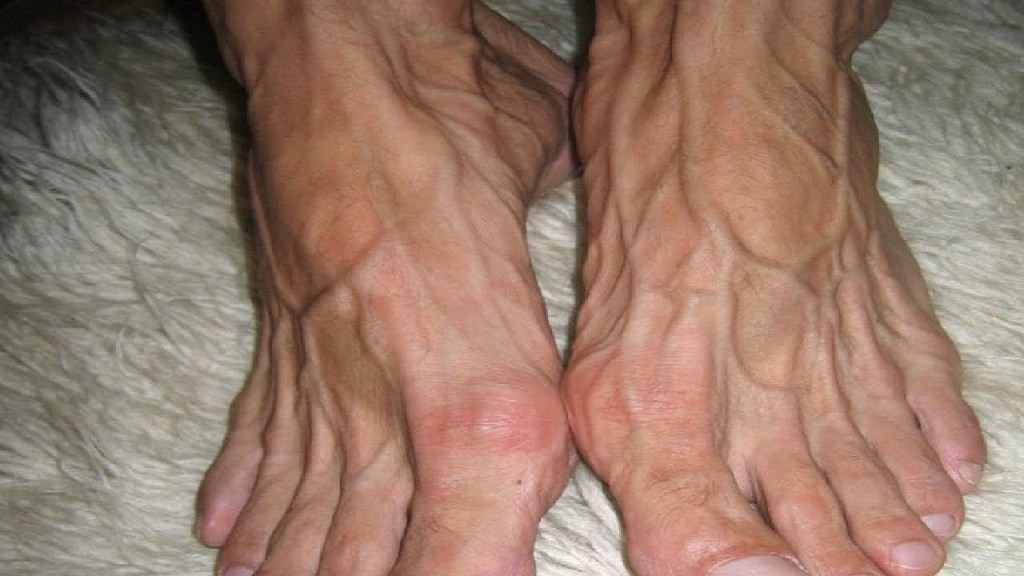
• Spider veins due to a sick liver can cause hormonal imbalance, which results in small blood vessels with a spider-like appearance in the legs and feet.

• Yellowish skin.

• Excessive dryness in the feet.

Spider veins

5. Apart from the alarming signs of the feet, there are other accompanying physical symptoms which are sure signs of impending liver disease. Some of the physical signs of the body are:

• Fluid accumulation in the abdominal cavity (ascites).

• Weight loss or weight gain.

• Swelling in the feet as well as in the legs. (Peripheral oedema)

• Yellow discolouration of eyes and skin (jaundice).

• Redness of the palm.

• Brain fog.

• Numbness in the feet (Paresthesia)

• Pain around the joints and feet.

6. When such warning signs appear, it is best to book urgent medical help. Early intervention can be the key to diagnosing potential underlying liver problems and help to alleviate the foot symptoms as well as the success of treatment in liver disease. There is a long list of liver diseases which can be even genetic and autoimmune in origin. However, some of the common issues which are reported are:

• Hepatitis.

• Fatty liver disease (alcoholic or non-alcoholic)

• Cirrhosis.

• Hemochromatosis.• Wilson disease.

• Hepatocellular carcinoma.

7. Apart from the secondary symptoms of the feet, other physical symptoms which are easily missed for an underlying liver issue for which urgent medical attention is required:

• Feeling tired, weak and fatigued without any reason.

• Abdominal discomfort, especially on the right side of the belly, below the lower ribs.

• Sudden loss of appetite.

• Unexplained weight loss.

• Feeling of fullness during a meal, nausea, vomiting.

• Pale, yellow urine.

• Yellowish skin discolouration and itchiness.

• Puffiness of eyes, feet, belly area.

8. Like liver diseases, other systemic diseases whose secondary symptoms can be displayed in the feet include:

• Gout – Excess uric acid in the body is usually manifested as swelling, redness, and pain in the phalangeal joints of the big toe.

• Diabetic Neuropathy: Damaged nerves due to high blood sugar can lead to loss of sensation and numbness in the feet.

• Peripheral vascular disease: The blood flow is usually restricted to the feet, causing gangrene and eventually leading to amputation of the foot.

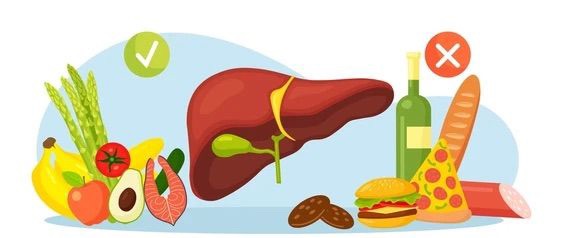
Liver friendly diet

9. Liver cleansing: Focusing on liver support regularly is mandatory for liver health and its normal functioning. Some of the routine practises are:

• Restricting alcohol as much as possible.

• Avoiding refined, processed food, sugary and fried foods.

• Drinking water 8-10 glasses/day to flush toxins.

• Maintaining a healthy weight by regular exercise.

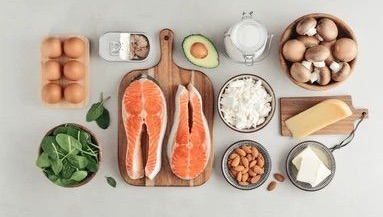
• A liver-friendly diet includes lean proteins, whole grains, and plenty of green leafy vegetables.

• Avoid unnecessary medications and supplements to lessen liver load.

Staying hydrated

10. In a nutshell, it is evident that early stages of liver issues are manifested as physical signs in the feet. Changes in the feet like swelling, spider veins, cracked heels, white nail beds, and yellowish skin are most likely signs of underlying liver issues, which should be given urgent medical attention. These signs should never be treated as minor and neglected. Early diagnosis and treatment of liver diseases can be more reversible than attending to it at a late stage, which can be difficult to treat and sometimes life-threatening.

Thanks for reading 🙏

Peace and love.

10 facts : Why sea buckthorn has gained popularity?

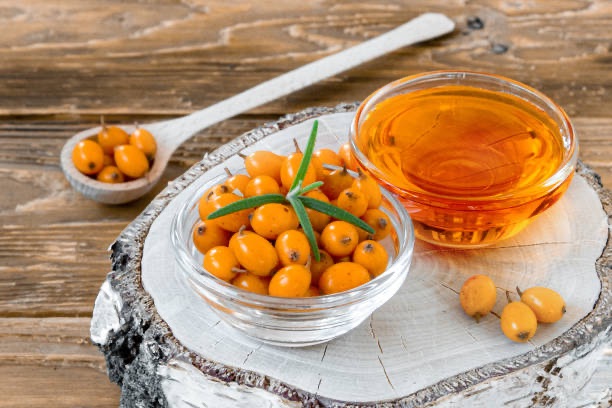
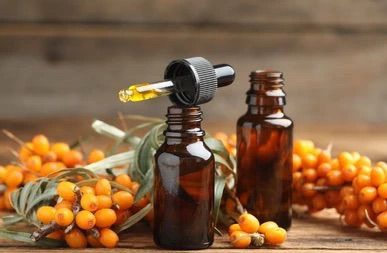
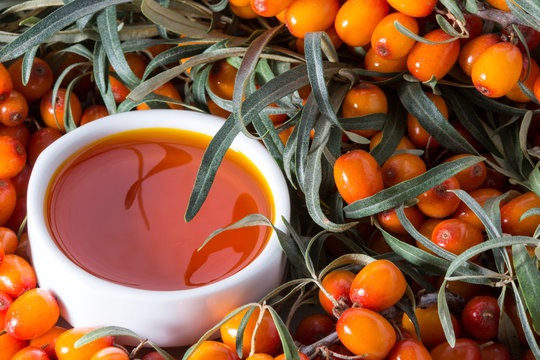
1.Sea Buckthorn (Hippophae rhamnoides) is a shrub with yellowish-orange berries, a native of Southeast Asia and Europe. Other names used are sea berry, sand thorn and Siberian pineapple. Recent research has highlighted the tremendous health benefits of the fruit berries grown on this high-altitude shrub, which has been quite common on the Himalayan steep slopes for centuries. This shrub and its fruits are not new to the natives living in those regions. But, suddenly, it has gained much popularity due to its label as “Super food” by the recent scientific studies. The berries of this shrub are identified to have about 190 flavonoids and polyphenols, rich in Omega fatty acids and 15 times more vitamin C than oranges.

2. Sea Buckthorn’s nutritional profile stands out among many fruits and berries provided by the plant kingdom. It is considered a “superfood” for its amazing nutritional value.

• These berries have a rich supply of fat-soluble vitamin A, such as Beta-carotene (due to the orange colour), lycopene and Zeaxanthin.

• Vitamin E includes 8 natural variants, the tocotrienols.

• Vitamin K2 in natural form, which is quite rare in plants.

• Plant-based Omega 3, 6, 9, which is a complete omega fatty acid profile.

• Omega 7, which is Palmitoleic acid, is a rare variant.

• Vitamin C, which is 15 times more than that of a typical orange.

• Multiple bioactive compounds like flavonoids, phytosterols, organic acids and Tanins.

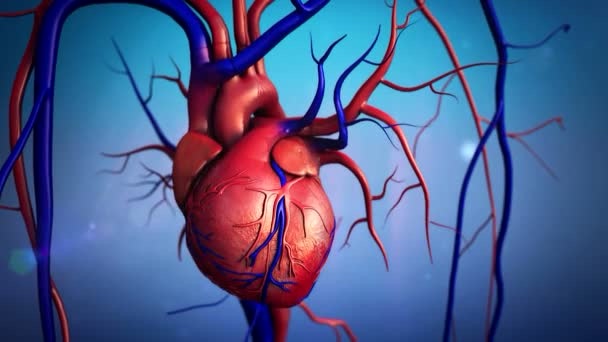
3. Heart-friendly: One of the main reasons for Sea Buckthorn berries’ attraction is their profound benefit to cardiovascular health.

• The Omega profile and bioactive compound help to lower LDL cholesterol, prevent plaque buildup, and lower blood pressure.

• Improve Cholesterol: Phytosterols reduce cholesterol absorption, LDL and triglycerides in the gut and maintain the level of good cholesterol, HDL.

• Relaxes the blood vessels and lowers the blood pressure.

• The antioxidant properties prevent LDL plaques from being deposited on the arterial wall and lower the risk of atherosclerosis.

• Reduces the risk of thrombosis by thinning the blood due to antiplatelet aggregation properties.

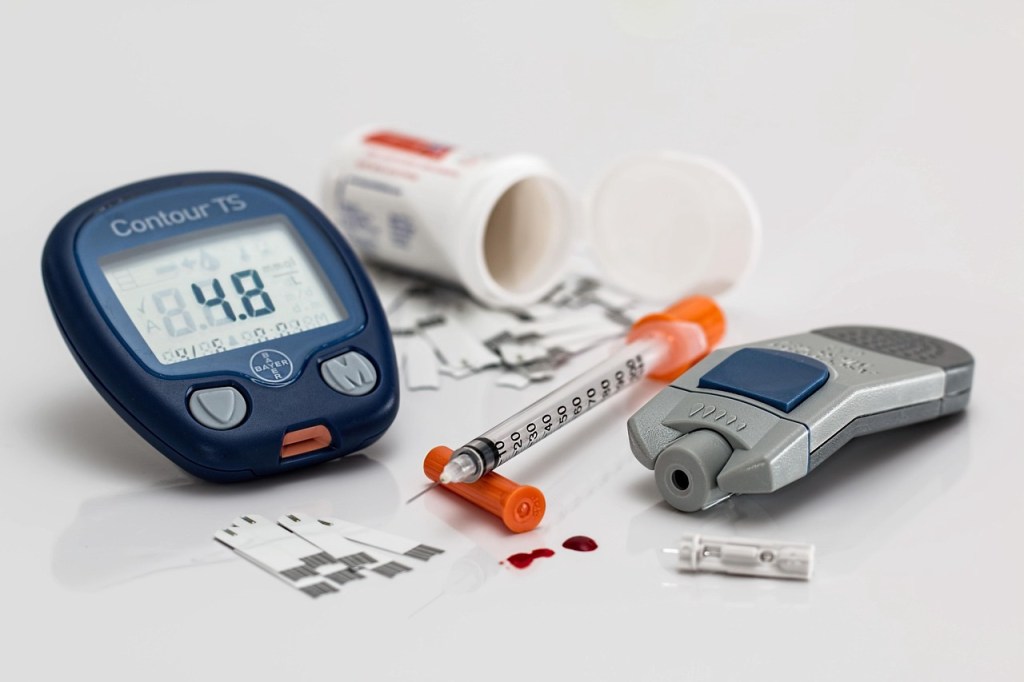
4. Diabetes: Studies have proven that sea buckthorn berries, due to their powerful antioxidant profile, help in the management of type 2 diabetes. Here are some of the potential benefits:

• These berries improve the metabolic function and lower the fasting blood sugar levels.

• Helps the body to improve insulin sensitivity and lower the resistance in due course.

• Its anti-inflammatory properties help to fight inflammation and prevent organ damage, which is a characteristic of diabetic progression.

• Reduce the damage to the beta cells of the pancreas, which produce insulin.

• Promotes heart health, which is otherwise a cardiovascular risk for diabetics.

• Boost immunity, which is important for diabetics or anyone with a chronic illness.

5. Metabolic disorder: Collectively, metabolic disorders include obesity, hyperglycaemia, high blood pressure, and dyslipidemia. The different ways of managing metabolic syndrome can be controlling blood sugar, lowering insulin resistance, improving dyslipidemia, reducing abnormal lipogenesis, lowering blood pressure and also improving gut health. The rich nutritional profile of sea buckthorn, which contains various flavonoids, omega fatty acids, and vitamins, helps to promote a positive impact on metabolic activities and prevent complications in metabolic pathways in such individuals.

6. Other amazing benefits :

• Aids cancer therapy: Studies have shown that flavonoids such as quercetin, kaempferol, and isorhemnetin present in sea buckthorn berry juice and oil extract can induce a cytotoxic response and prevent cancer cells from multiplying.

• Skin / cosmetic uses: Due to their rich nutritional profile of vitamins and omega fatty acids, these berries promote skin health, promote hair growth, increase blood circulation and reduce signs of ageing.

• Effective in promoting gut health and liver health by lowering liver inflammation, fibrosis and scarring.

• Disease prevention: Sea buckthorn, due to flavonoids and antioxidants, prevents free radical damage, reduces oxidative stress and lowers the risk of chronic diseases.

7. Interaction: Sea buckthorn berries are usually safe, and there is no evidence of adverse side effects. But due to its rich content of various nutrients, there may be drug interactions, and precautions are necessary:

• People with bleeding disorders and those undergoing surgery should avoid situations where there is a risk of slowing blood clotting, bruising and bleeding.

• Anticoagulant and antiplatelet drugs can interact with sea buckthorn and pose a risk of bleeding.

• People on high blood pressure medication should avoid it as they can further lower their BP.

8. Uses: The raw berries are sour and acidic in taste. So, it is not usually consumed raw; instead, it is converted into functional foods.

• Juices and pulp: They are diluted in water before drinking and used in pies, desserts, jams and herbal teas.

• Oils are used in the form of capsules as a vegan Omega fatty acid source, used in hair and skin wellness.

• Powders: As supplements in drinks, smoothies and teas.

9. Availability: Sea buckthorn berries are available in local markets specific to the native regions of Asia -Pacific where they are grown. Otherwise, they are available as products in supermarkets, stores, and retail in different brands. It is important to buy from known, reputable brands for safety issues.

They are available in juices (cold-pressed is best), pulps, dried berry powder, gummies, tablets, capsules and in oil extract. Due to their nutritional value, the products are widely used and have been quite popular.

10. Takeaway: Sea buckthorn berries have been used for centuries by the native people of mainly Asia, especially in the Himalayan regions, Ladakh, China and European regions. But recent scientific studies and research have identified its rich nutritional profile, which has attracted the attention of health enthusiasts. Therefore, these tiny berries have become popular, and the products are selling widely nowadays. No doubt, sea buckthorn is, indeed, a super fruit and its intake in moderation, in whatever form, can be helpful for overall health and wellness.

Thanks for reading.

Peace and love 🙏
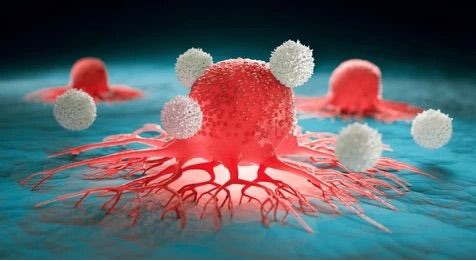
10 facts: The effect of Humming Bee 🐝 sounds on health 🙌

1. A humming bee sound made by a person is defined as a low-frequency sound made with the mouth closed and the throat open. This sound causes the air to be forced through the vocal cords, vibrating the chest and the head. This sound is usually a voluntary noise which can be made by the person while exhaling. If it is not a voluntary noise made by a person, it can be linked to low-frequency tinnitus, which can cause significant distress. Otherwise, this humming sound voluntarily made causes some amazing benefits to human health, both physically and psychologically.

2. Humming is a low-pitched sound made by an individual voluntarily with the mouth closed. Such a sound is usually made by monks and yogis as a routine meditation practice. This sound has the capability of impacting both emotional and mental health. Studies have shown that humming can promote a state of calmness, peace, and stability. Humming as a mindful practise can significantly impact emotional stress, sleep and physiological health. It can improve focus and attention.

Stressful

3. The power of simple humming can have a significant impact on psychological health. The benefits are many, as such :

• Stress is significantly lowered with humming by stimulating the parasympathetic nervous system.

• Routine practice of humming can increase the HRV, heart rate variability by reducing the heart rate and help in cardiovascular health.

• Humming increases focus and attention by improving cognitive ability.

• Promote respiratory health by increasing lung capacity.

• Humming can signal the autonomic nervous system to promote sleep and relaxation.

4. Humming as a quick tool for stress relief: It can be done anywhere without any equipment.

•Sitting or lying down in a comfortable posture.

• Closing eyes, taking 2-3 deep breaths, inhaling through the nose and exhaling through the mouth.

• Making a “mmmm” by inhaling deeply through the nose with the mouth closed, as you exhale, the low-pitched sound is produced, and the vibration can be felt on the chest, throat and head.

• Notice the vibrations as they travel through the body, which helps to release the stress.

• Continue for 5-10 minutes, and you will suddenly feel lighter and more relaxed.

5. Chronic stress response can increase anxiety, inflammation and sleep problems. Regular practice of humming can help to combat stress by lowering cortisol, the stress hormone.

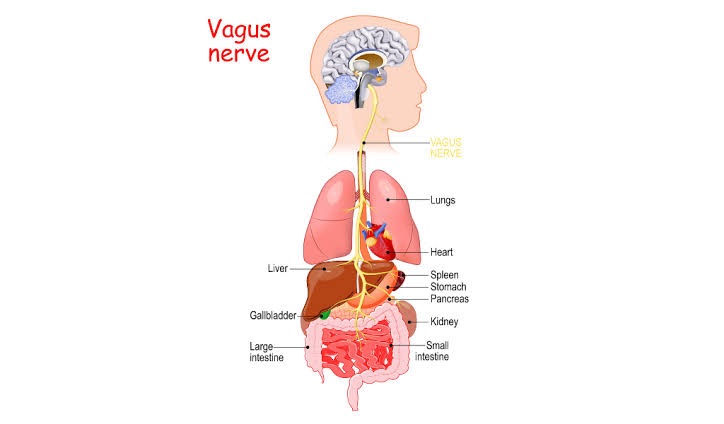
Producing the humming sound will create vibration in the throat and chest, which in turn stimulates the vagus nerve. By stimulating the vagus nerve, the parasympathetic nervous system is activated and lowers cortisol, which creates the “fight or flight “ response.

6. Humming and Vagus Nerve: The Vagus Nerve runs through the larynx (sound box) and throat (pharynx) before reaching different organs of the body, like lungs, heart, liver, stomach and intestines. So, when the humming sound is made in the throat, there are mechanical vibrations that reach the throat and chest. These vocal vibrations stimulate the parasympathetic nervous system, which quickly shifts the body from a “rest and digest” response to a “fight or flight”mode. The parasympathetic nervous system activation also helps to lower the heart rate, lower the cortisol level and reduce the overall tension and stress in the body.

7. Humming and nitric oxide (NO): Nitric oxide is naturally produced in the body during exhalation, which acts as a natural defence mechanism to clear the airways from pathogens. It also acts as a vasodilator and supports cardiovascular health. Humming naturally increases the level of NO (Nitric Oxide) in the nasal passage. The humming sound causes the mechanical vibration in the throat and chest, which in turn oscillates the airflow through the sinuses, where the concentration of NO levels is maximum. Therefore, the simple practise of humming can increase the level of NO manifold times than a normal rhythm of exhalation.

8. Humming, a tool to cope with overthinking: Overthinking is an issue commonly suffered by the majority in today’s time of uncertainty. The mind is filled with repetitive thoughts, negative thoughts, and racing thoughts. Humming can be an effective tool to combat overthinking. Focusing on the humming sound can divert the awareness to let go of repetitive thoughts, allowing one to regain control of the mind and give peace. Regular practise of humming can lower anxiety, mental tensions and restlessness.

9. Humming, a tool for meditation and Yoga: In Yogic tradition, for thousands of years, Humming Bee breath is a kind of Pranayama ( breathing technique) known as “Bhramari”, which is regarded as a powerful breathing technique to calm the mind and create inner peace. In many Ancient Indian texts, it was considered that this humming bee breath creates a resounding echo to enhance mental clarity, reduce stress and bring mental peace and well-being.

10. Takeaway: Humming is indeed a powerful breathing technique which can instantly quiet the mind, help to break the loop of negative, unnecessary thought patterns by helping the mind to focus your awareness on the echo of the humming sound. Neuroscience research has shown that the practise of the humming bee technique can help to bring mental clarity, let go of unnecessary thoughts, calm the nervous system and enhance emotional wellbeing. The deep vibration of the throat and the chest created by the humming sound stimulates the Vagus nerve, helps to reset the mind, and lowers stress and blood pressure.

Thanks for reading.

Peace and love 🙏

Silent Saturday 💚🍃

Peace and love 🙏

10 facts : Cumin, a robust spice 🙌

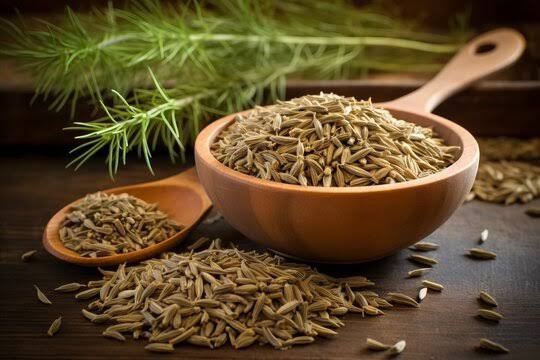
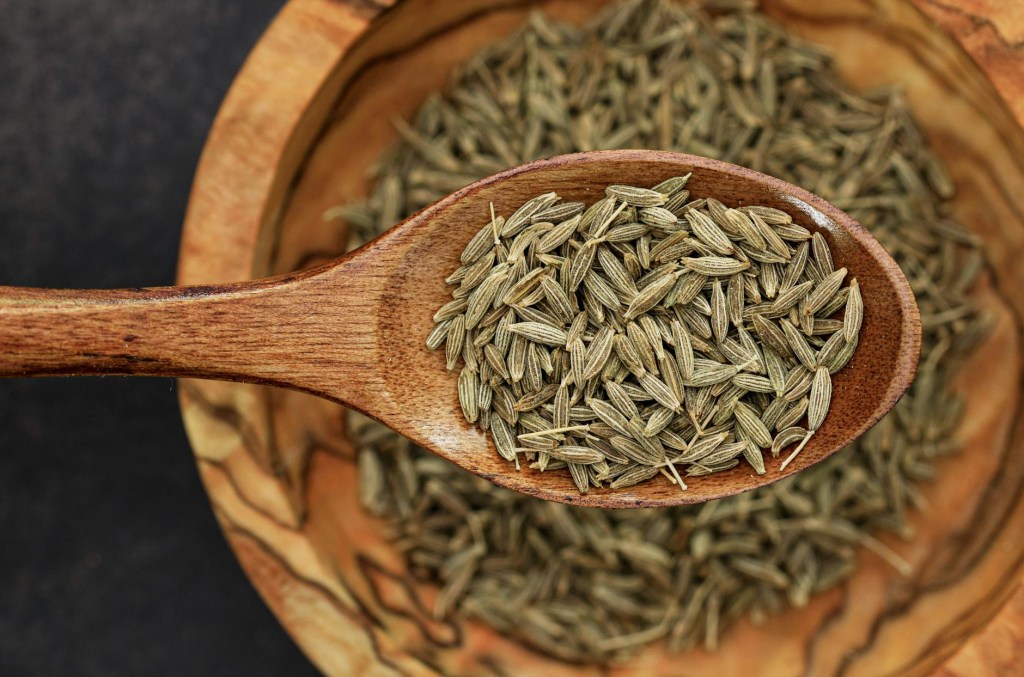
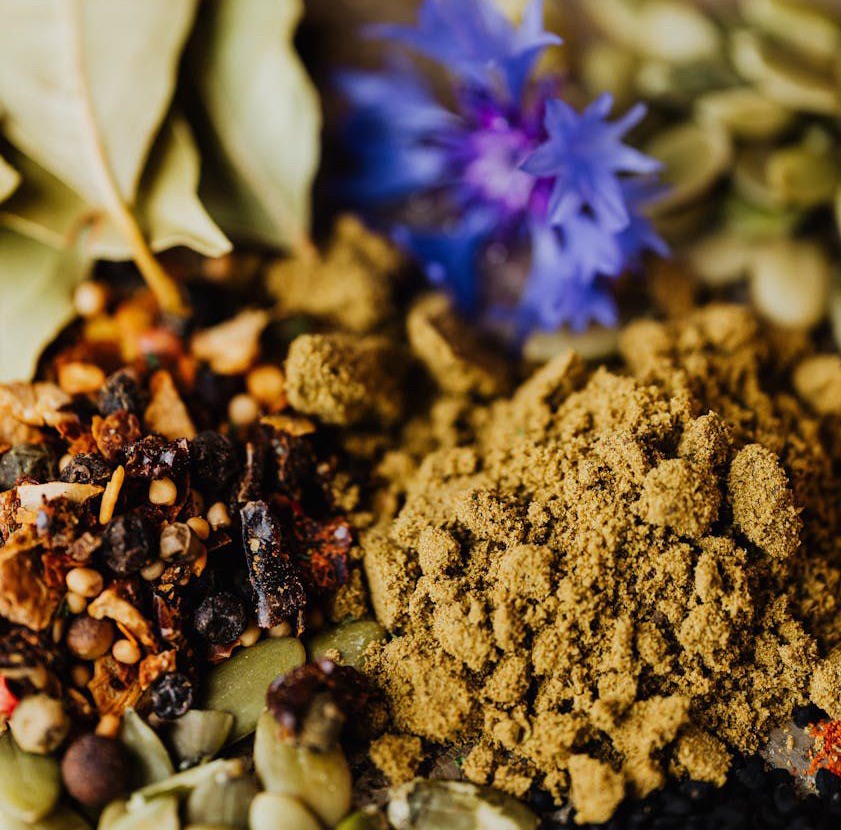
1. Cumin is a common spice, scientifically known as Cumin cyminum, mostly used in Indian,South Asian, and Middle Eastern cooking for a variety of dishes and also used for tempering with lentil soups and blending with other herbs. It has been used for centuries, but apart from adding aroma, taste and flavour to meals, people were not so aware of its composition and tremendous health benefits until widespread scientific research was carried out in recent years. Studies have shown that cumin is rich in nutrients, antioxidants, and iron and has a long list of health benefits. Its most important health benefit is that it improves digestion by stimulating digestive enzymes.

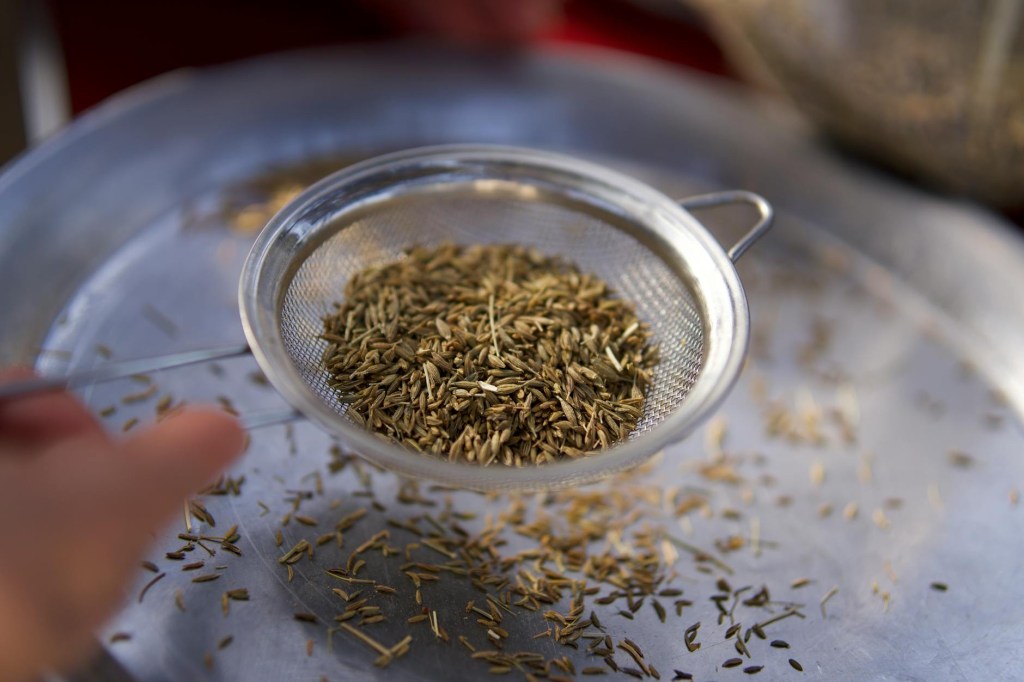
2. Nutritionally, cumin contains flavonoids, which are antioxidants and prevent many illnesses. The primary earthy flavour of cumin comes from a compound called cuminaldehyde. Cumin is used both as whole seeds and in powdered form. Usually, three types: white cumin, black cumin and brown variety. All the varieties are rich in vitamins B, C, A, E, and K, as well as minerals such as iron, magnesium, copper, and manganese. Cumin oil is used in cosmetics, perfumes and as an essential oil for its antibacterial activity and aroma.

3. Cumin as antioxidants: Naturally, cumin contains substances like apigenin and luteolin, which are bioactive compounds that damage free radicals and keep the healthy cells free from oxidative stress. In some studies, cumin is found to have anti-cancer properties and keeps the cancer cells from multiplying. Like curcumin, cumin has been shown to have purgative qualities which possess potential benefits from treating tumours to simple ailments like the common cold. They are found to be effective against various types of cancers, including stomach, colon and liver.

Blood sugar levels

4. Cumin and diabetes: Several studies have shown promising results that can aid in diabetes treatment. When excess blood sugar in the bloodstream leads to the formation of advanced glycation end products (AGEs), it causes harm to body cells, including damage to kidneys, eyes, nerves and small blood vessels. Cumin, on regular use, is found to lower AGEs. Routinely using cumin as a seasoning as well as a supplement has been found to lower blood sugar in diabetics.

Cholesterol levels

5. Cumin and cholesterol: Many clinical studies have shown that cumin can improve the levels of blood cholesterol in individuals who suffer from high cholesterol. Cumin contains phytosterols, which naturally inhibit cholesterol absorption in the body. It is found to increase the level of HDL, ‘good’ cholesterol, which is protective against atherosclerosis. Studies have shown regular intake of cumin lowers harmful triglycerides and total cholesterol.

Gas/ bloated

6. Cumin as a digestive aid: Cumin has been traditionally used as a digestive aid for centuries. Now, several studies have proved that cumin stimulates the digestive enzymes and facilitates digestion. It helps in the release of bile and helps in the digestion of fats. Clinical studies have shown that regular intake of cumin in concentrated form has been shown to reduce the symptoms of irritable bowel syndrome. Cumin is iron-dense and is a good source of iron in children and women.

7. Other potential powerful benefits of cumin include:

• Cumin helps in weight loss in obese and overweight individuals.

• Cumin acts as an anti-stress agent due to its effective antioxidant properties.

• Cumin supports the immune system because of its antioxidant properties and vitamin C.

• Cumin water intake causes detoxification, releases toxins and gives a healthier looking skin, preventing wrinkles. Due to its anti-bacterial properties, it prevents acne.

• Cumin supports respiratory health by reducing congestion and improving breath quality.

• Cumin has anti-inflammatory properties and improves several symptoms in cases of many chronic inflammatory diseases, like pain and swelling in chronic arthritis.

8. Side effects of Cumin: Cumin can be used in everyday cooking, and it is very beneficial and does not cause any harmful effects. But, a very concentrated extract in supplements or excessive consumption can cause side effects:

• Digestive discomfort such as belching, gas, bloating, and heartburn.

• Blood sugar drops, especially in diabetics using blood sugar medication.

• Slow blood clotting, bruising or bleeding risk when taken along with anti-coagulants.• Physical /mental stress: Heavy doses of cumin can cause drowsiness, mental clouding and strain to the liver and kidneys.

• Allergic reactions.

9. Dosing: Dietary cumin used in everyday cooking, around 1-2 teaspoons, is always harmless and beneficial to human health. But, if prescribed as a supplement, it should be used under a healthcare professional’s guidance. There is no guideline for recommended doses, but it can depend on the age, general health, pre-existing health conditions, and the kind of product used. Not all natural products found in supermarkets or pharmacies are necessarily good and safe.

10. Takeaway: Cumin is a warm, healthy aromatic spice, used both in whole and powdered form. It is full of essential nutrients and beneficial to health. For centuries, cumin has been used in traditional as well as modern cooking, and has always enhanced not only the taste, but also proved to be very significant to health. It improves metabolism, boosts digestion, supports the immune system, and is protective of overall health wellbeing and prevents chronic health issues.

Thanks for reading.

Peace and love 🙏
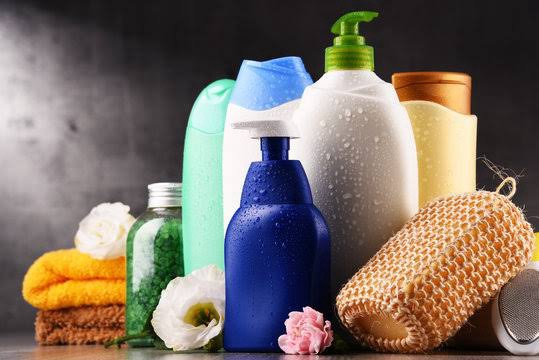
Silent Sunday 🌤️

Peace and love 🙏
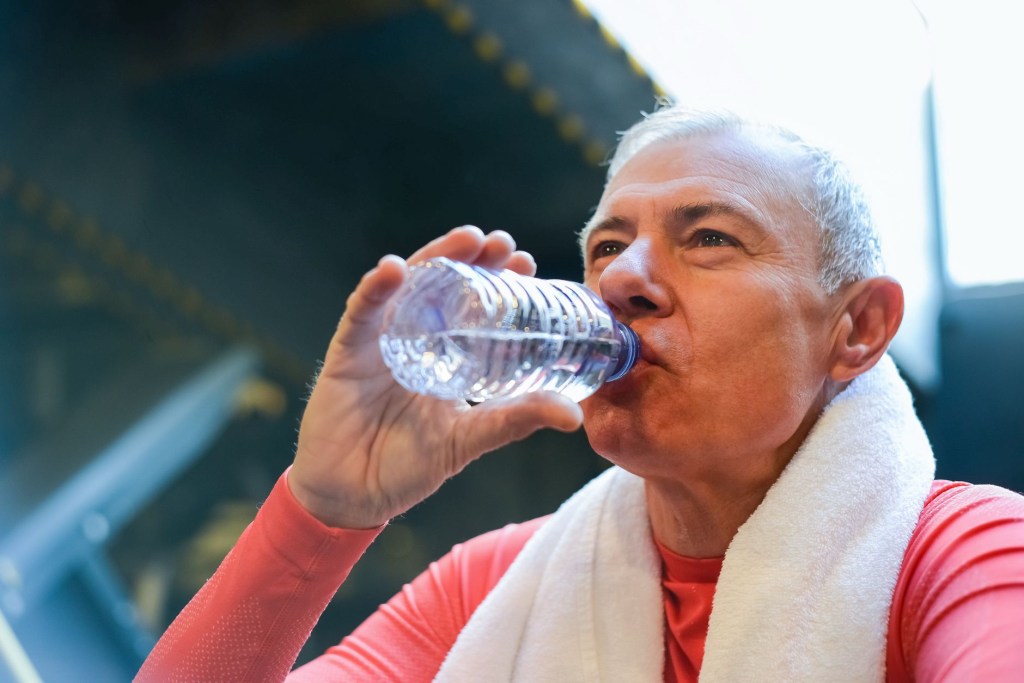
10 facts : Extra virgin olive oil (EVOO), a potent topical supplement 🫒

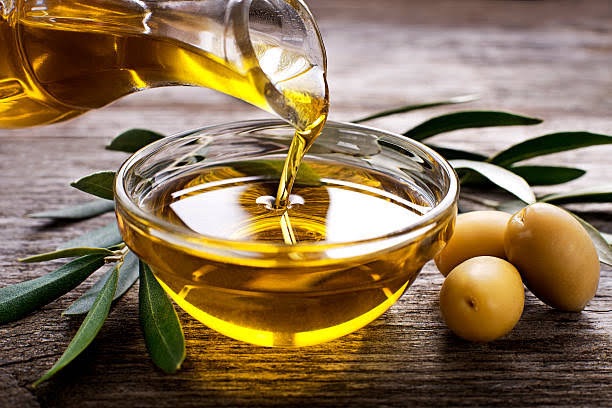
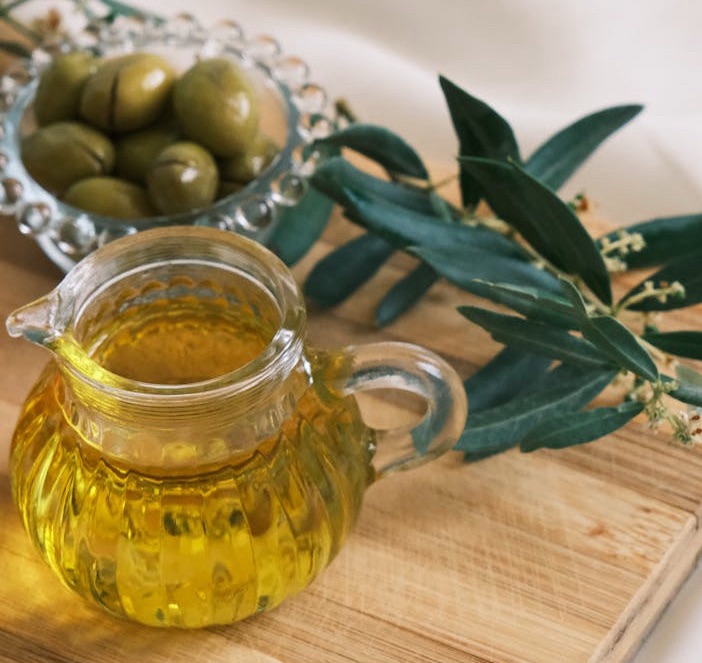
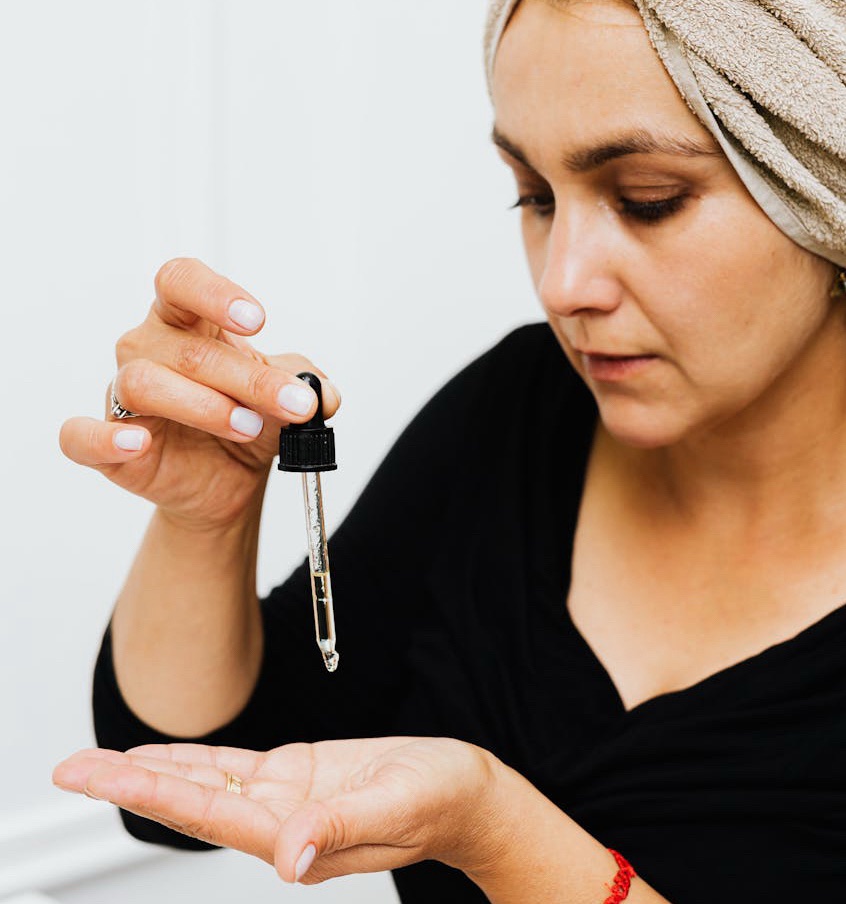
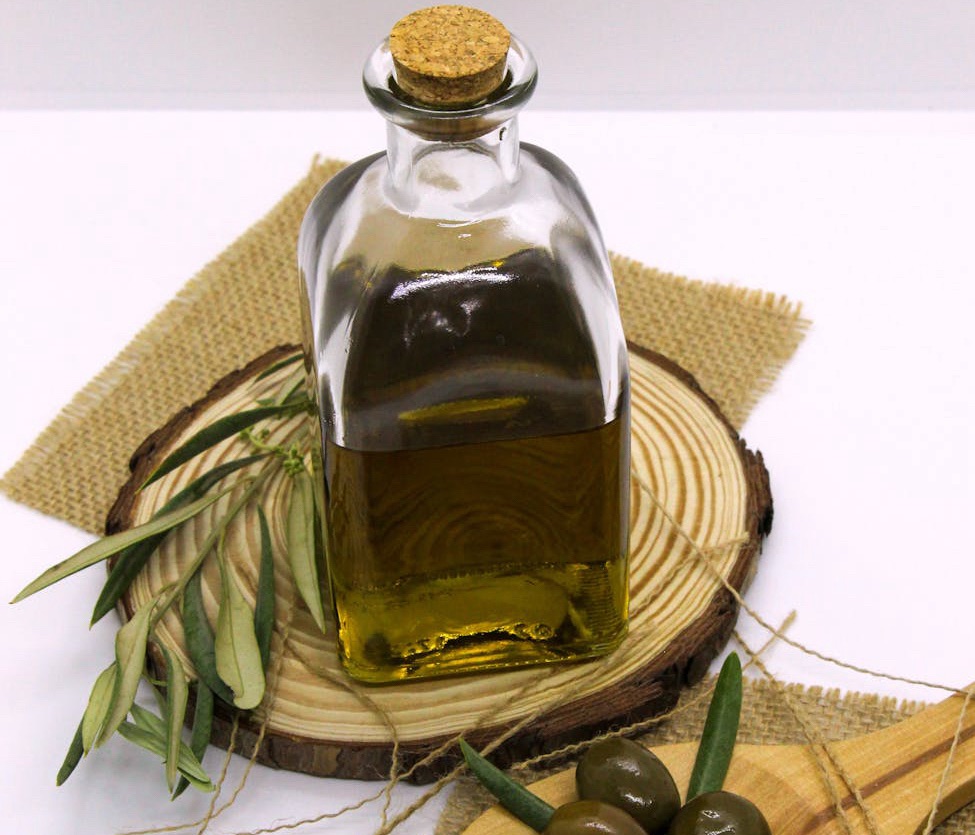
1.Olive oil is a healthy cooking oil which has been used through centuries for tremendous health benefits is a known fact. Not just cooking, cold-pressed olive oil has several other benefits, including a potent topical agent. The oil is composed of many valuable compounds that have anti-inflammatory, anti-oxidant effects and restorative properties. It is composed of 98% fatty acids such as triglycerides, oleic acids, and linoleic acids, which reduce inflammation, have an anti-ageing effect, repair epithelialized tissues and have wound healing properties.

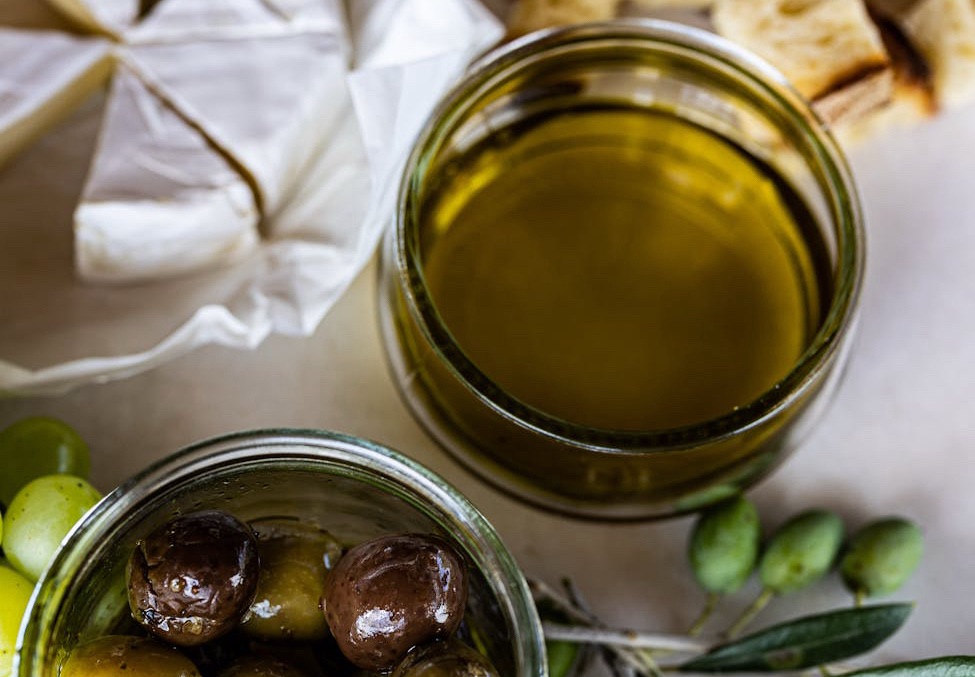
2. Cold-pressed extra virgin olive oil is the purest variety wherein the olives are ground and pressed to extract the oil without any application of heat. So, all the valuable fatty acids and nutrients are restored. Various studies have shown that apart from the beauty benefits, skin hydrating and anti-ageing effects, EVOO polyphenols help in soft tissue regeneration, stimulate growth of human fibroblasts, wound healing and various therapeutic benefits. EVOO has been found to stimulate fibroblasts, which contribute to tissue growth and integrity and hence help in wound healing.

3. Skin benefits: Olive oil has been used for centuries to maintain young, beautiful skin. Some of the skin health benefits are :

• Hydration: EVOO restores the moisture in the skin, which helps in hydrating and softening the skin, especially during winter.

• Healing wound: EVOO acts as a skin barrier, reduces inflammation and stimulates the growth of skin collagen, so it aids in wound healing.

• Anti-ageing: Polyphenols in olive oil reduce cell damage, plump up the skin due to collagen growth and give the skin a youthful appearance.

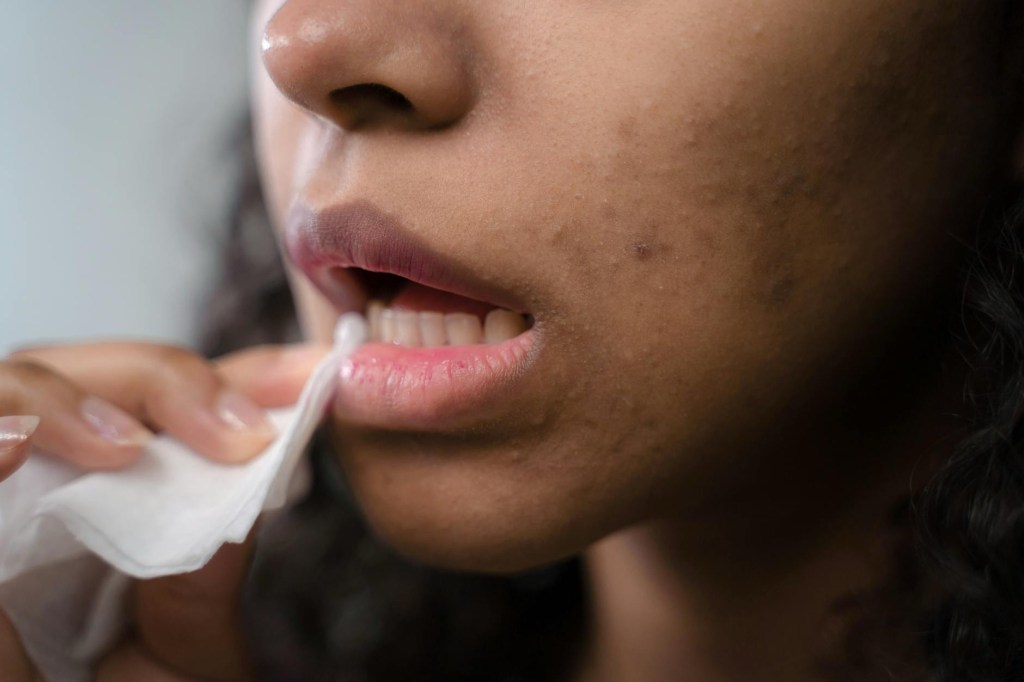
• Cleansing: Olive oil can remove pollutants and residue from the skin. It can be used to remove makeup, but excess oil on the skin can cause acne or dark spots when exposed to the sun, as the oil helps to penetrate the UV rays.

Diabetic foot

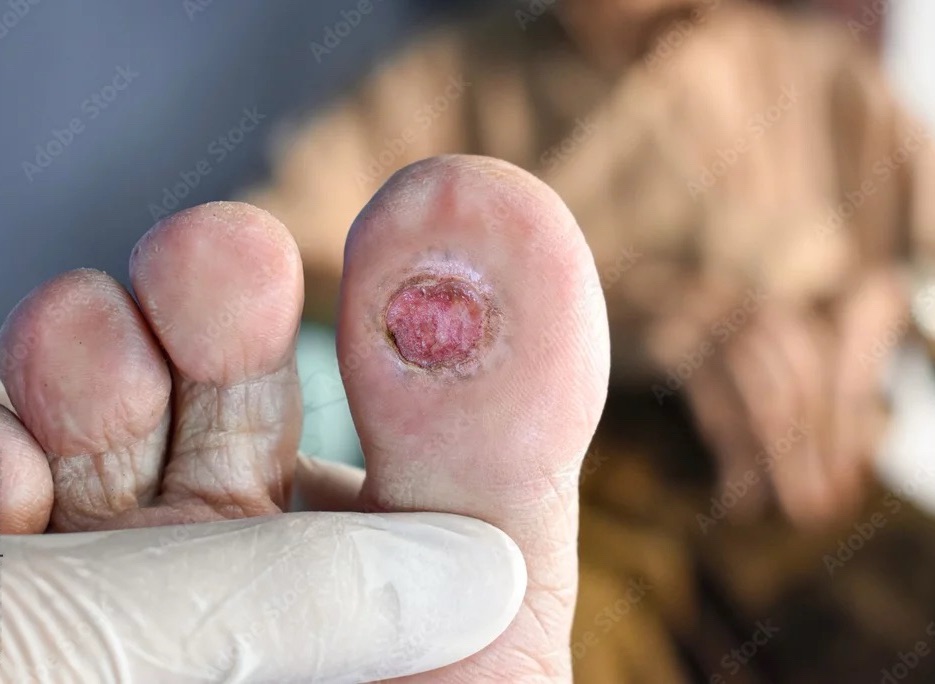
4. Diabetic ulcers: Diabetic foot ulcers are quite common with people with type II diabetes. Recent studies have shown that the topical application of EVOO on diabetic foot ulcers gave promising results. With regular application, the wound surface and depth are reduced. Due to the anti-inflammatory effect, the healing is faster and better. The wound surrounding tissues look healthier with progressive application, the wound discharge, wound grade and healing significantly improve.

5. Painkiller: EVOO contain a polyphenol called oleocanthal, which acts like NSAIDS (ibuprofen) by inhibiting pain pathways. It can suppress the prostaglandin system and acts like a natural pain reliever. It reduces inflammation because of its anti-inflammatory and antioxidant effects. Regular messaging over the painful region topically and regular consumption can reduce the symptoms of arthritis, sore body parts or sore muscles. Though it is an excellent pain reliever and helps in joint and muscle recovery, it should not be a replacement for prescription medicine and should be used as a supportive measure.

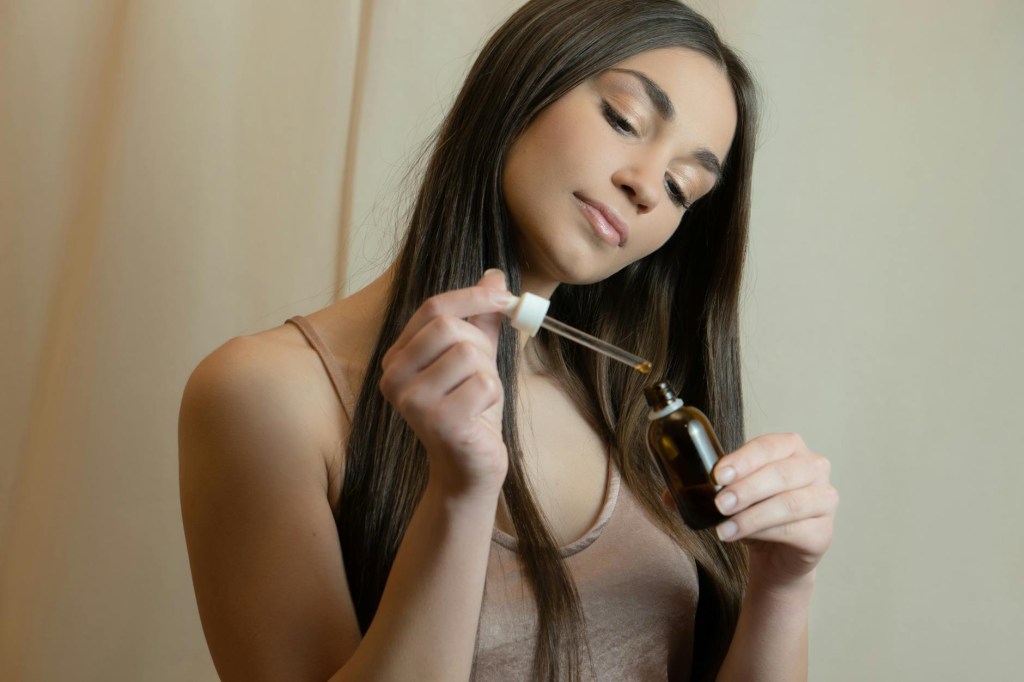
6. Hair and scalp: EVOO is rich in vitamin E, which is a powerful agent that protects from hair damage while stimulating hair growth. Oleic acid deeply moisturises the hair strands and prevents drying and hair fall. Some of the amazing hair and scalp benefits of EVOO are :

• Olive oil can work as a deep hair conditioner and prevent damage and dullness.

• Olive oil can act as an anti-inflammatory agent and soothe scalp irritation, prevent dandruff, moisturise hair roots, and stimulate blood circulation, which helps to nourish the hair root.

• Olive oil can promote hair-strengthening benefits and provide heat protection before hair straightening or curling.

• Best hair benefits are achieved by gently massaging the slightly warm oil overnight, applying it towards the roots and scalp.

Pressure ulcers

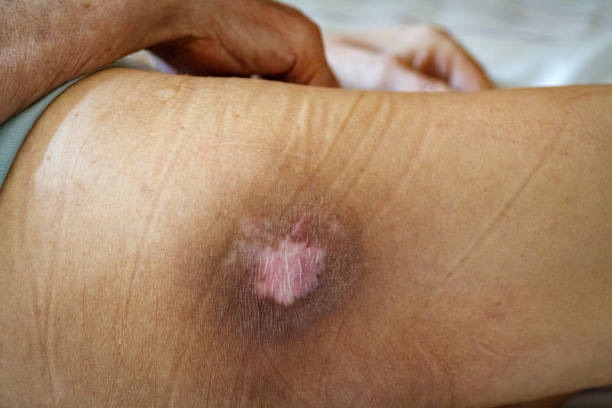
7. Perineal and Pressure ulcers: Studies showed that EVOO topically massaged accelerates healing in the case of perineal ulcers following Episiotomy because of its potent anti- inflammatory, antioxidant, and tissue regenerative effects. In case of chronic lesions like pressure ulcers, regular application can reduce the ulcer area and the depth of the lesion. EVOO with high content of bio active compounds can promote deep hydration, protection against infection, pain relief, and accelerate the healing process when applied regularly.

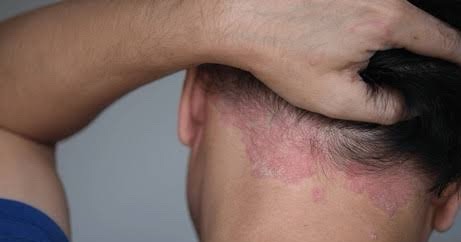
8. Psoriasis: EVOO has been used as a common home remedy to reduce the symptoms of psoriasis when taken both topically and in the diet. Due to the presence of anti-inflammatory polyphenols, regular topical use can reduce itching, locking up moisture in affected regions like the knees, elbows, and scalp. Warm olive oil in bathwater when used can further relieve the skin irritation and itching, and reduce inflammation.

9. Side effects : Though EVOO is nutrient-dense and rich in polyphenols and antioxidants and a powerful topical agent, like all compounds, it also has some side effects, which should be considered as well. So, using olive oil topically requires proper medical/ health professional guidance. Some side effects are :

• Olive oil, when applied directly, can disrupt the skin lipid barrier and may worsen the irritation or sometimes flare up the inflammation.

• It can clog pores, trapping the microbes on the skin, causing acne, blackheads, and darkening the pigmented spots as it allows UV rays to penetrate the skin.

• Prolonged use can affect the skin’s moisture barrier, causing redness, irritation, and allergic reactions. In infants, it can result in eczema and rashes.

10. Takeaway: Though olive oil has proven results for being a potent topical agent as a pain reliever, beneficial for skin, hair, face issues and wound healing, it should be used with clinical guidance to reduce the risk of adverse effects. Before using, some simple steps are:

• Patch test: Apply to a small area like the forearm and wait for a day or 2 to see any adverse reaction.

• Starting to use only a thin layer of oil, a minimal amount and removing the excess oil with a wet cloth.

• Unless recommended, people with oily skin, acne-prone skin, or a history of allergy should completely avoid using it.

Thanks for reading.

Peace and love 🙏