
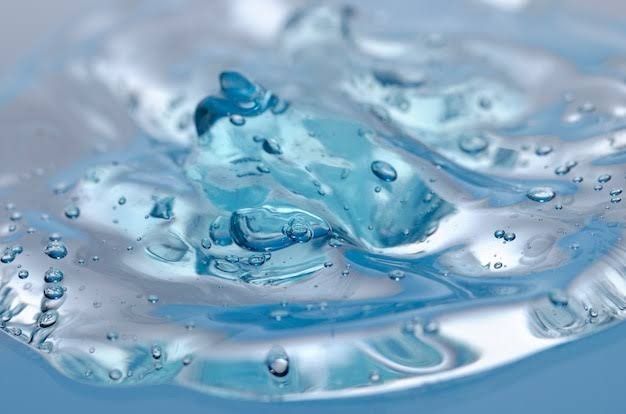
1. Structurally, all fibres are polymers of sugar molecules. Likewise, hyaluronic acid is also a polymer of sugar molecules: N-acetyl-D-glucosamine and glucuronic acid. It is naturally produced in the body, while dietary sources of hyaluronic acid are essential for the body’s optimal functioning. Though hyaluronic acid has many beneficial effects, it’s most important effect is the water holding capacity by binding water molecules, which in turn help in retaining moisture, lubrication, facilitate immune system mediators to provide protection. Generally, most women are aware of this compound as a hydrating agent for skin, as it is used widely in skin and cosmetic products.
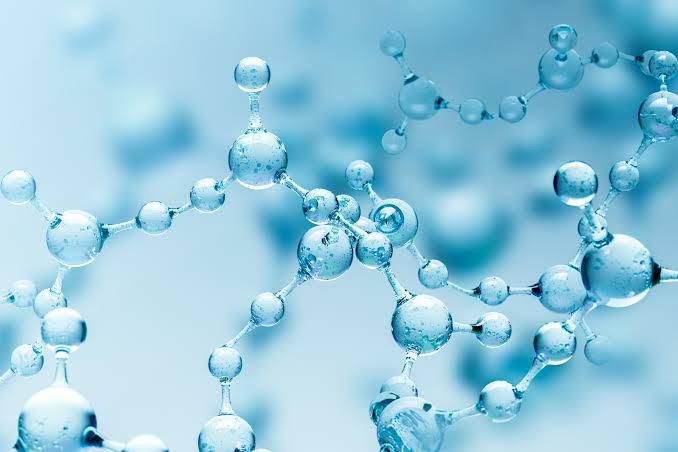
2. Though hyaluronic acid is produced in the body, dietary sources of hyaluronic acid are necessary as they bridge the gap between naturally formed HA and the optimal amount required. HA has many beneficial effects in the body such as:
• The eyes naturally have hyaluronic acid. Additional quantity from diet can help further in lubricating eye tissues and helps in protecting vision.
• Lubricates the joints of knees and hips, increasing synovial fluid, protecting the cartilage, and preventing arthritis.
• Adding more hyaluronic acid in the diet can help in skin and other organs by hydration and maintaining the elasticity.
• Hyaluronic acid helps in increasing butyrate-producing bacterial species in the gut, which are very important in reducing insulin resistance and HbA1c. An additional quantity added through diet can further enhanced the ability.
• Improves vaginal dryness and atrophy, so ingested hyaluronic acid (HA) can prove very helpful in menopausal women.

3. Hyaluronic acid in Prebiotic fibre: HA in the human body is found to be part of the extracellular matrix, which binds the cells together and helps in the passage of nutrients and oxygen to the cells. It provides elastoviscocity to the connective tissues, helps in hydration of tissues, acts as a lubricant in synovial fluids around the joints, and provides hydration to the eye tissues as well. HA also helps in endogenous intercellular activities, such as antioxidant activities and free radical scavenging. HA sources from plant foods can be both soluble and insoluble fibres. Both types of fibre function as prebiotic and improve the environment of the gut microbiome. Therefore, research has shown that adequate intake of fibres (daily intake of 25-35 gm) can provide additional sources of HA, which can enhance the growth of good bacteria, suppress bad bacteria and reduce gas and bloating.
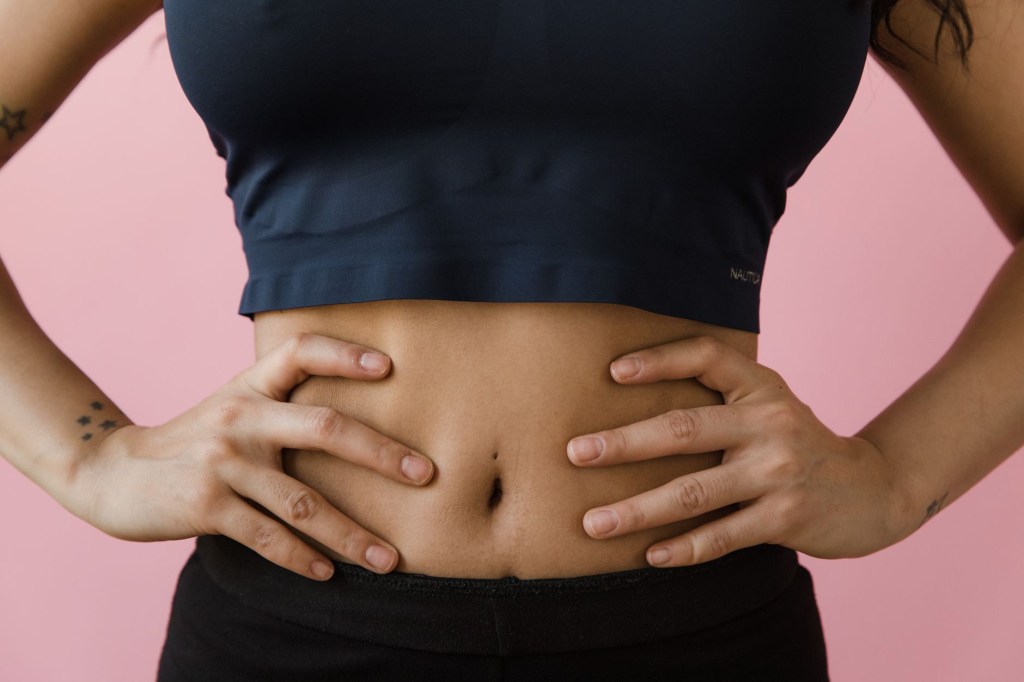
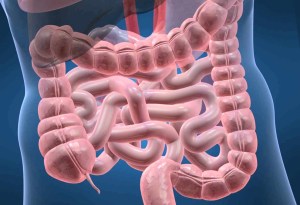
4. Gut health benefits: Natural sources of hyaluronic acid through different dietary sources can be immensely beneficial to gut health. Some of the common benefits:
• Soluble fibres can slow down digestion and delay hunger, while insoluble fibres can maintain bowel movements and form the stool bulk. It helps to prevent gas and bloating.
• Prebiotic fibres enhances the growth of beneficial bacteria by producing short chain fatty acid.
• Improvement of gut environment can reduce body’s inflammation, strengthen immune system.
• Strengthening the intestinal gut lining barrier by forming tight junctions between the epithelial cells.
• HA in fibres help in providing hydration and producing mucin that protects the mucosal lining of intestines.
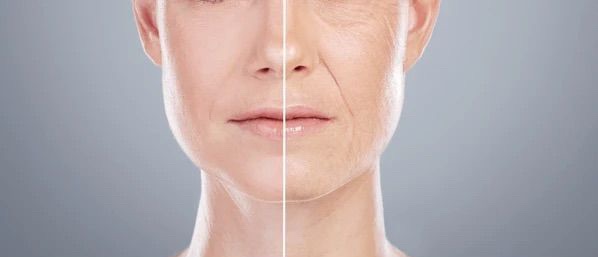
5. Hyaluronic acid as skin hydrating agent: HA has been widely used in many skin care and cosmetic products for a long time. The amazing benefits to skin health are as follows:
• HA is the most important compound in the body, including the skin, which helps in maintaining cellular hydration and tissue integrity.
• Reduces the wrinkles by filling the skin cells with water giving the plum skin.
• Maintain the viscoelasticity in the skin, keeping it soft and bouncy.
• Strengthen the natural skin lining barrier and prevent from acne and skin sensitivity problems.
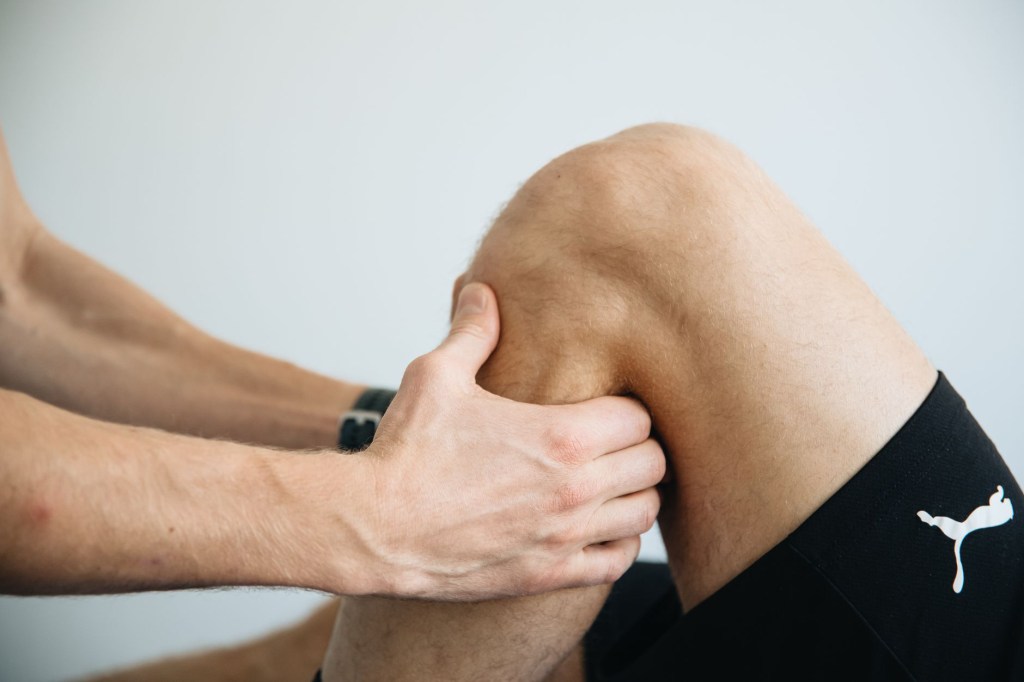
6. HA as supplement: Hyaluronic acid is naturally produced and found in the body in different areas, especially in the joints, bones, connective tissues, extracellular matrix, skin and eyes. HA is used as a supplement in the form of oral tablets, injectables, topical agents, eye drops and intimate creams and gels. Usually, over-the-counter hyaluronic acid pills, skin gel, creams, andeye drops are safe. Prescription-drug injectable forms should be used under medical supervision. The conditions for which hyaluronic acid is used as supplements are:
• Maintaining eye health, dry eyes.
• Skin health, dryness, actinic keratosis, scleroderma, anti-wrinkle agents, hydrating agents.
• Joints to reduce stiffness, arthritis, soft tissue injuries.
• Asthma as prescribed medication.
• Interstitial cystitis.
• Wound healing.
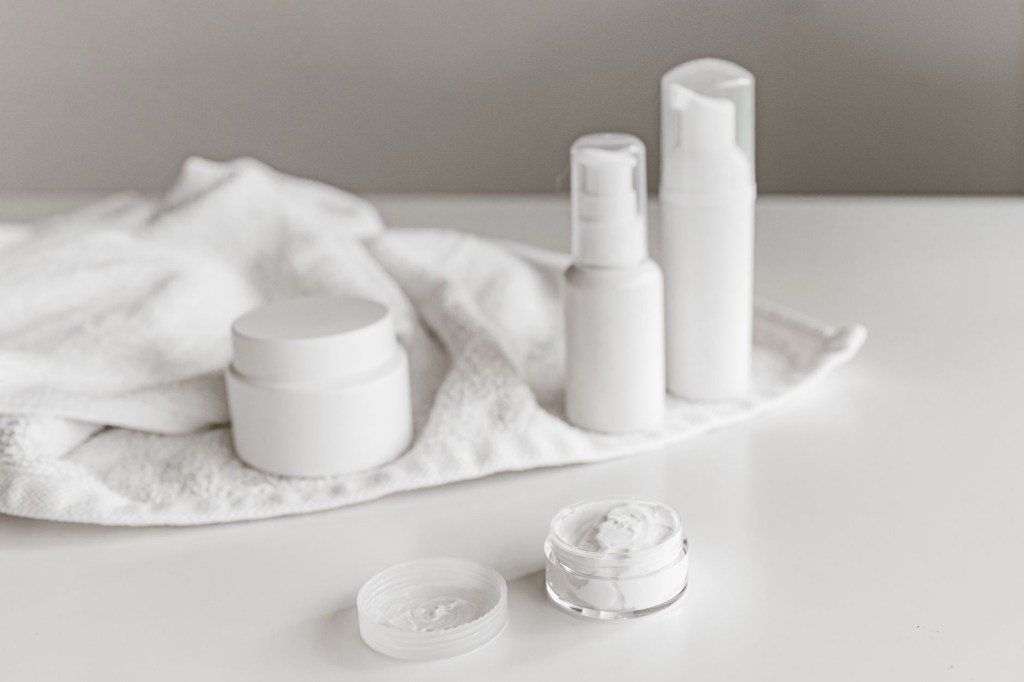
7. Hyaluronic acid with Vitamin C: Pairing of hyaluronic acid and vitamin C is recommended as they work in synergy, though their individual functions are different. Skin and cosmetic products with this pairing are amazing for skin dryness and ageing issues like wrinkles. HA is mostly used for face application as a hydrating agent, improves skin elasticity, reduces wrinkles and repairs skin damage. Vitamin C acts as an antioxidant and protects the skin from damage from UV rays and pollution.
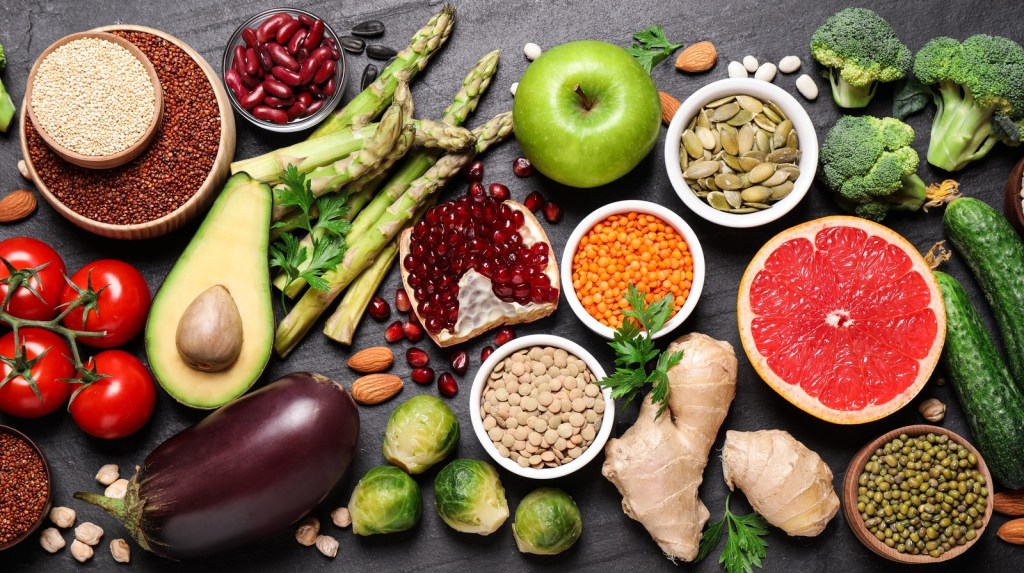
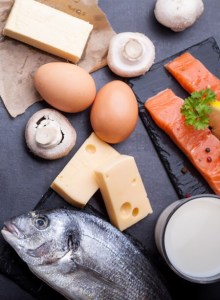
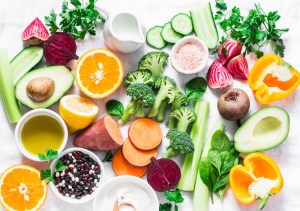
8. Dietary sources of HA: Both non-vegetarian and vegetarian sources are found in nature which provide hyaluronic acid. Vegetarian sources can indirectly provide nutrition and facilitate the body to produce HA. Non-vegetarian sources provide HA directly to the body. Sources are such as:
• Vegetarian sources are leafy greens, root vegetables, citrus fruits, soy products and nuts and seeds.
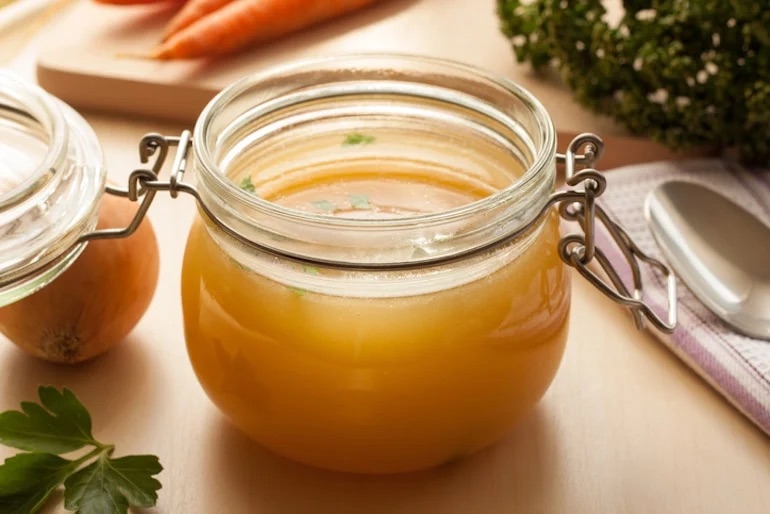
• Non-vegetarian sources are bone broth and organ meat.
9. HA in dairy products: HA has been found to have a prebiotic effect, which is beneficial for gut health and other amazing benefits. It is added to dairy products as a food additive. In dairy products like milk, yoghurt, and ice cream, it helps to retain moisture, stabilises the milk protein, improves the viscosity, and increases the thickness, making it creamier. It also reduces the milk syneresis, or separation of whey, thereby lengthening the shelf life. Moreover, it has amazing health benefits too.

10. Takeaway: Hyaluronic acid is a naturally occurring substance in the body in different areas like joints, connective tissue, skin, cartilage, and bones. It acts as a humectant, retaining water in the tissue, keeping them hydrated and moist. So, it has some amazing benefits like joint lubricant, prebiotic as they enhance the growth of good bacteria, wound healing, skin hydration, reduces and repairs skin damage, and anti-ageing effects. To get the optimal supply of HA, many use HA as a supplement, topical agents, creams, lotions and injectables (off course when prescribed). There are many dietary sources of both vegetarian and non-vegetarian foods which can help increase the body’s requirement of HA. It is in fact, a very essential sugar molecule for overall health.
Thanks for reading.
Peace and love 🙏