
10 facts: Why TUDCA is favorable? πŸ™Œ

Liver

1. TUDCA is tauroursodeoxycholic acid, which is naturally produced in the body as a short-chain bile acid that facilitates the breakdown of fats and helps in the absorption of nutrients. TUDCA is necessary for the metabolism of fats and oils that are consumed in the diet. Research has shown that TUDCA has amazing health benefits, promotes overall wellbeing by supporting the gut microbiome, and protects the nervous system, brain, heart and liver. Because of its health benefits, TUDCA is prescribed by health professionals, sometimes as a supplement. Though it was mentioned long before as traditional Chinese medicine, recent research studies have made it popular as a supplement for its tremendous health benefits.
Gut health

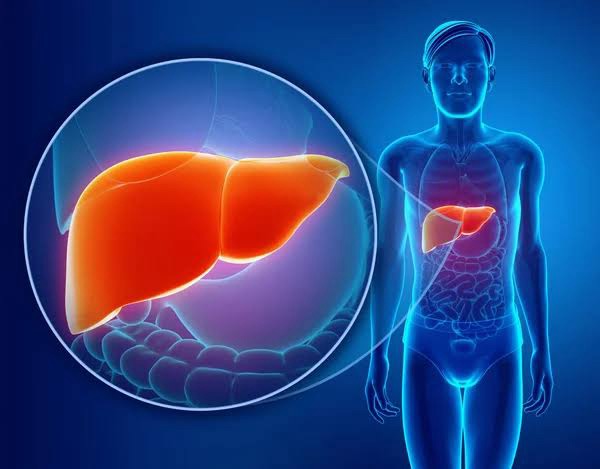
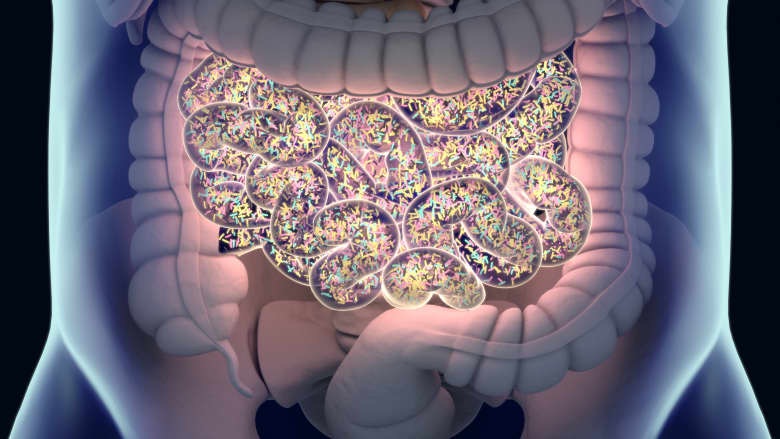
2. TUDCA for gut health: TUDCA is known to be hepatoprotective and prevents damage to liver cells. So, it shows promising results for those dealing with fatty liver, cirrhosis and hepatitis. As far as gut health is concerned, TUDCA has amazing benefits:

β€’It promotes the growth of good bacteria and maintains a balance in the biodiversity.

β€’It strengthens the immune system by promoting the growth of immune cells, of which around 80% are in the gut microbiome.

β€’It helps to tone down the inflammatory response in the gut and prevent chronic inflammatory conditions like leaky gut.

3. Other health-promoting benefits of TUDCA are:

β€’ It protects the brain cells from damage by clearing toxins from neurons and supporting brain functions.

β€’ It supports cardiovascular health by lowering LDL levels by breaking down and removing excess cholesterol.

β€’ It lowers blood sugar levels by increasing the sensitivity of insulin in the cells and muscle tissues.

β€’ It promotes free radical damage due to antioxidant properties, prevents cell damage and helps cell repair.

β€’ Protects the liver from toxins from heavy metals, alcohol and medications.

β€’ Support immune system by reducing inflammation.

Brain

4. TUDCA for brain: Research has shown many potential benefits to the brain and nervous

system, as it can cross the blood-brain barrier and can have antioxidant effects like cell repair, prevent cell damage and reduce inflammation. Some of the neuroprotective effects are:

β€’ It can remove toxins, harmful amyloid-beta plaques and reduce the risk of Parkinsonism and Alzheimer’s disease.

β€’ As already mentioned, it can reduce mitochondrial damage and neuronal cell death.

β€’ Reduces neuronal stress by easing the Endoplasmic reticulum (ER) of the cells.

Eye health

5. TUDCA and eye health: Studies have shown that TUDCA can prevent retinal damage and help in restoring vision by protecting from photoreceptor degeneration and diabetic retinopathy.

TUDCA acts as a powerful neuroprotective agent on photoreceptors and retinal ganglion cells, which helps in visual processing. Loss of photoreceptors and retinal ganglion cells (RGCs) can slowly lead to visual dysfunction and visual loss. So, TUDCA have the potential to protect the photoreceptors and RGCs. Therefore, it can prevent the risk of many retinal disorders.
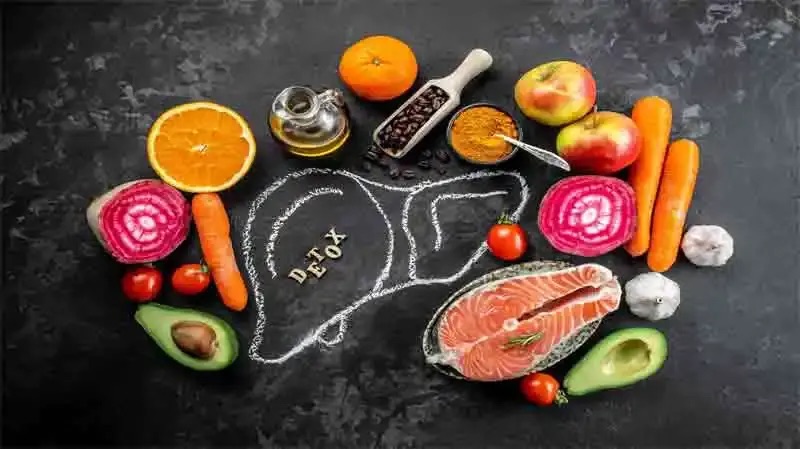
6. TUDCA food sources: TUDCA is naturally produced in small quantities in the liver. Actually, the liver produces bile salts and releases them in the intestines. In the gut, the good bacteria metabolise them into UDCA (ursodeoxycholic acid). They are released back to the liver, where they combine with taurine and become TUDCA. So, there is no direct food source of TUDCA. But there are food sources which can help the body to produce TUDCA. Some food sources are :

β€’ Taurine-rich: Non-vegetarian foods like poultry, fish like salmon, tuna, and shellfish.

β€’ Bile stimulators like beets, artichokes, ginger, turmeric, greens like arugula, dandelion, coffee, and citrus.

β€’ Probiotics like fermented foods (Kimchi, kefir, yoghurt).

β€’ Fibres like flaxseeds, chia seeds, oats.
Supplements

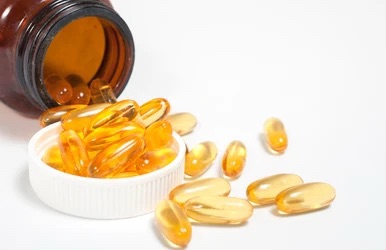
7. TUDCA supplement: Dietary supplements are water-soluble bile derivatives; synthetic TUDCA are used as a supplement. Commercial TUDCA are paired with Milk Thistle, which can have a dual action of liver-protective and regenerative support. The recommended dosage is 250 -1000mg/day. There are no severe side effects, but a high amount can cause diarrhoea or stomach upset. Commercially available in the form of pills, capsules and powdered form. Contraindications are for individuals with gallbladder disease, pregnant or lactating mothers and those taking diabetic drugs and insulin.

8. TUDCA and NAC: Another pairing of compounds as a supplement has been popular, such as TUDCA with NAC (N-Acetyl-L-Cysteine), which is a precursor of glutathione, an amino acid which is a potent antioxidant. Both compounds, as a pair, act as a powerful agent for free radical damage, oxidative stress, and the detoxification of cells from harmful toxins. It helps in the clearing of toxins, especially from the liver and kidneys. This combination also enhances the metabolism of dietary fat by improving the bioavailability of bile acids.
Bile salts

9. TUDCA supplement usage: TUDCA supplement is generally recommended by health care professionals mainly for liver health support, metabolic support and neurological health support for brain and eye health. Ideally, TUDCA supplement should be taken post-lunch or dinner, after a large, proper meal so that it can facilitate the smooth flow of bile salts and help in absorption. Start with a lower dose, then gradually increase the dose so that the tolerance level is assessed. Drink a full glass of water along with the dose, as it can be absorbed more smoothly. The standard dose limit should not be exceeded to prevent side effects.

10. Takeaway: TUDCA is a naturally occurring bile acid which has some amazing health benefits apart from supporting liver health. Studies have shown that it has antioxidant properties, such as reducing cellular stress, promoting cellular repair and regeneration, protecting brain and eye health, and supporting metabolic health by improving insulin sensitivity and glucose metabolism. Dietary sources and supplements are taken to increase the bioavailability and optimise the functions. It can also help to treat liver cholestatic diseases.

Thanks for reading.

Peace and love πŸ™

10 facts: Is cinnamon diabetic-friendly? πŸ™Œ

1.Popularly known that cinnamon is a warm spice which is widely used in both savoury and sweet baked recipes. Basically, two types of Cinnamon used commonly: Ceylon Cinnamon, originally found in Sri Lanka and southern India. Cassia Cinnamon, dark in colour, native to Southeast Asia and China. The spice is derived from the dried bark of Cinnamomum trees. It has been used for centuries for both culinary and traditional medicine purposes. There has been much research on Cinnamon for its nutritional content for supplementation and medicinal purposes, but its effects on diseases are still not established.

2. Ceylon Cinnamon, also called “true cinnamon”, is now widely available in North America and Europe is a lighter, sweeter variety and is expensive. Cassia cinnamon is a darker, thicker variety, which has a richer and slightly bitter taste. While much research does show a wide range of health benefits due to the compound cinnamaldehyde, the dark side is that many cinnamon types also contain coumarin, which, when taken in large quantities, can cause liver damage. Meanwhile, Ceylon cinnamon doesn’t contain coumarin, and hence it is considered a safe variety.

3. Cinnamon has a unique flavour and aroma due to the oil present in the bark spice, which is rich in cinnamaldehyde. It is high in polyphenolic compounds, which are responsible for amazing benefits on health and digestion. These polyphenolic compounds are mainly responsible for antioxidant properties, which prevent the body from free radical oxidative damage. Because of the nutritional profile, it has been interpreted to have various health benefits like anti-inflammatory, antioxidant, anti-viral, heart-friendly, and diabetic friendly.

4. Cinnamon has polyphenols and powerful antioxidants, as it has been known to have a wide list of health benefits. Some important ones are:

β€’ Prevent oxidative stress and protect against cell damage.

β€’ Reduces chronic inflammation and prevents chronic diseases.

β€’ Reduces bad cholesterol LDL and triglycerides, so supports the cardiovascular system.

β€’ Supports brain health by reducing brain cell ageing.

β€’ Anti-inflammatory, anti-viral, anti-fungal, anti-cancer.

β€’ Protects gut health by supporting good bacterial colonies.

β€’ Supports menstrual health.

β€’ Supports skin health and dental health as it is anti bacterial and rich in antioxidant.

β€’ Helps in weight loss by stabilising metabolism.

5. Diabetes: Research has shown promising benefits in the case of type 2 diabetes, as it can increase insulin sensitivity and help to lower blood sugar levels. But the effects cannot replace changes in lifestyle, diet and medication for diabetics. Therefore, cinnamon can be a supportive aid but not a replacement for treatment. Some of the research-backed benefits are:

β€’ Studies have shown that cinnamon helps in blood sugar control. It helps to reduce blood sugar levels, both fasting and postprandial levels, and increases insulin sensitivity. It is also found to lower haemoglobin A1c.

β€’ Cinnamon can act like insulin and help to move the sugar in the blood into the cells. Additionally, it reduces insulin resistance and helps move sugar into the cells easily, thereby reducing blood sugar levels.

β€’ Research suggests that after a meal, the blood sugar normally spikes; cinnamon helps in slowing down gastric emptying and keeps the sugar levels in control while also reducing insulin resistance.

β€’ Some studies state that it helps block digestive enzymes that break down carbohydrates and keeps the postprandial sugar levels in check.

6. Post-diabetic complications: In the case of diabetes, the high blood sugar levels can increase the risk of bacterial growth in cells, increase inflammation, elevate oxidative stress and overall increase the risk of chronic diseases like atherosclerosis, high blood pressure, heart diseases, kidney diseases, neurodegenerative diseases, and Alzheimer’s disease. Studies show that daily intake of cinnamon can keep blood sugar spikes in control, reduce blood sugar levels, increase insulin sensitivity and glucose tolerance, lower HbA1c and lipid profile so that the complications are considerably lowered. Therefore, with lifestyle changes, diet, medication and additional intake of cinnamon on a daily basis can be very beneficial in case of diabetic type 2.

7. Side effect: Cinnamon, as already mentioned, is naturally two main varieties – Cassia and Ceylon. 90 per cent of cinnamon production comes from Sri Lanka, India, China and other Southeast Asian countries. In the US, mostly the cassia variety is used. The downside of this very old spice is that along with beneficial compounds, it also contains coumarins. Coumarins have anticoagulant properties, which can lead to a risk of bleeding, delay wound healing in case of injury and liver distress. Prolonged consumption of heavy doses of cinnamon can pose a health risk. Higher coumarin levels are found in cassia type than in Ceylon type, which is a very negligible amount. A daily limit of 0.1 mg of coumarin per kg of body weight can be a safe limit.

8. Uses: Cinnamon is available in different forms of tubular-shaped whole spice, powdered and oil. There are various uses of cinnamon, mainly in global cuisines, desserts and household uses. Some of them are:

β€’ Cooking: Used in both savoury meals like curries, stews and desserts like cakes and pastries.

β€’ Beverages like tea, chocolate drinks, coffee

β€’ Cinnamon oil is used in aromatherapy, mood-enhancing, mood enhancing as an essential oil.

β€’ Dental care to fight bad breath in mouthwash, toothpaste.

β€’ Used as a natural preservative.

9. Cinnamon dosage: Since cinnamon is not used as a medicine in modern science, there is no specific dose. Cassia cinnamon is the most common type available, which is found in supermarket aisles, whereas Ceylon cinnamon is quite rare and expensive as it is a safer variety and can be used as a supplement. Cassia cinnamon contains coumarin, which is a blood thinner, so a large quantity of consumption of this variety poses a health risk. Normally, 2-4gm/day of cassia can be a safe limit for an adult.

10. Takeaway: Cinnamon is an old spice which has been widely used over centuries because of the rich compounds like polyphenols and cinnamaldehyde. Studies have proven that such compounds have amazing health benefits. Cinnamon has been linked to diabetes, as it can imitate insulin and is found to be very beneficial for diabetics, as it can regulate blood sugar levels. But it is still not regarded as a replacement for diabetic treatment. It is considered a supportive therapy for diabetics. Moreover, it is a popular spice in both sweet and savoury dishes for its rich aroma and flavour.

Thanks for reading.

Peace and love πŸ™

10 facts on Grains: Why are low GI grains healthier? πŸ™Œ

1. Grains are naturally grown from plants like grasses, which are a staple food for humans across the world. Grains are seeds and have basically 3 main parts: a hard outer covering called Bran, which is fibrous in nature. The second covering is called the Germ, which is the most nutritious part and contains vitamins, healthy fats and minerals. The innermost layer is the endosperm, which is a rich supply of starches, the energy source. Whole grain contains all the 3 layers. Commonly found grains are rice, wheat, oats, barley, corn and millet.

2. Grains, after they are harvested, are taken to milling and grinding plants and are cleaned and go through different processes like grinding, separation and bleaching. Depending upon the treatment they undergo, there are different grain types:

β€’ Whole grains, where the three layers are restored, such as brown rice, whole grain wheat, oats. Whole grains are considered the most nutritious grains.

β€’ Refined grains are fine in texture when the germ and bran layers are removed, such as white rice and refined flour.

β€’ Enriched grains are those where nutrients like vitamins and minerals removed after refining are added back, such as enriched white rice.

β€’ Fortified grains are grains that, after milling and grinding, are added with extra nutrients which may not be naturally found, such as fortified with iron and folic acid.

3. Whole grains are wholesome for health, providing starch (energy), vitamins, minerals and fibre. The known health benefits:

β€’ Feeling of fullness helps in portion control and thereby in weight management.

β€’ Lowers insulin levels.

β€’ Lowers bad cholesterol and helps to raise HDL.

β€’ Lowers blood pressure.

β€’ Fibre helps to regulate bowel habits, reduces the risk of heart diseases, diabetes and stroke.

4. Much needed substitutes of regular white rice, white flour pasta, white bread with wholesome grains for daily requirement are:

β€’ Whole grain bread, whole grain pastas, whole grain cereals.

β€’ Quinoa

β€’ Brown rice, black rice, red rice.

β€’ Oatmeal

β€’ Millet, barley, bulgur

β€’ Pop corn

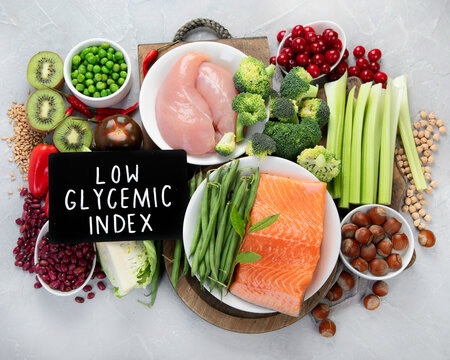
5. Glycemic index (GI): Some grains, after eating, give you instant energy and slowly make you feel worn out. While eating some types of grains doesn’t make you hungry for a long time and gives you enough energy throughout the day. This is because the glycemic index of different types of grains varies. The rate at which the body breaks down a particular type of grain and raises the blood sugar level determines the glycemic index of that grain. It depends on how much processed and refined the grains have been through. The GI ranks from 0-100, with the lowest being the healthiest starch.

β€’ Low GI (less than 55): They are the least processed grains and gluten-free, like millet and quinoa,

β€’ Mid GI (55- 70): Processed to some extent but still contains the bran of the grains like brown rice, whole wheat bread.

β€’ High GI (greater than 70): Refined flour, white rice, white bread.

6. Low GI grains: The rate of 1-100 scale at which the starch is metabolised into sugar and raises the blood sugar level is considered the GI (glycemic index) of that particular grain. The highest GI is white bread, white rice, pastas and potatoes. Low GI grain is when the starch is slowly released for digestion, which is within 0-55. Examples are :

β€’ Brown rice, steel cut oats, quinoa.

β€’ Barley, millets, bulgu

β€’ Sweet potatoes and non-starchy veggies like broccoli, cauliflower, spinach, carrots, beans.

β€’ Fruits like apples, oranges, cherries and berries.

7. Health benefits of Low GI grains :

β€’ No sugar spikes: The low GI grains release the sugar slowly and prevent sugar spikes.

β€’ Fibre is high: These grains have high fibre and make you full for a long time and don’t make you hungry.

β€’ Nutrient-dense: Millet, Barley, Oats, Quinoa, and buckwheat are great sources of fibre, nutritional powerhouses of vitamins, minerals and antioxidants.

8. Common myths:

β€’ Low GI grains are tasteless and bland: In fact, depending on the palate, different methods of preparation can make these grains taste flavourful and a rich energy source.

β€’ Portion matters: Eating large portions isn’t healthy. Always maintaining portion control and appropriate meal timings actually count.

β€’ Too much fat: Adding too much oil and fats like cheese, butter, and oils makes a meal tasty. This isn’t true; in fact, adding natural spices, herbs, a variety of veggies, and less oil can make a meal flavourful and tasty.

β€’ Fruits have high GI: Not true, as many fruits and berries have moderate GI and can be consumed on a daily basis.

9. Apart from grains, other food items with low GI are:

β€’ Dairy like plain, unsweetened Greek yoghurt.

β€’ Meat, fish, poultry, eggs

β€’ Lentils and beans

β€’ Leafy greens, cruciferous vegetables like broccoli, cabbage.

β€’ Avocado has healthy fats.

β€’ Citrus fruits, berries, apples

β€’ Nuts, seeds

10. Takeaway: Whole grains are naturally occurring grains which are least processed, so they contain the required nutrients and fibre, which are necessary for one’s health and wellbeing. Once the grains are milled, crushed, or refined, they lose the valuable nutrients which are beneficial. So, refined grains and food items may taste better but ultimately do more harm than good. Therefore, research has shown that choosing whole grains, the least processed ones, always provides the complete package of nutrients and fibre, which are essential for good health and prevent chronic lifestyle diseases which have become so ingrained in today’s time.

Thanks for reading.

Peace and love πŸ™

10 important facts about tocotrienols πŸ™Œ

Tocotrienol complex

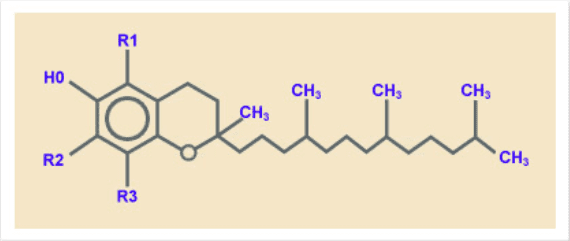
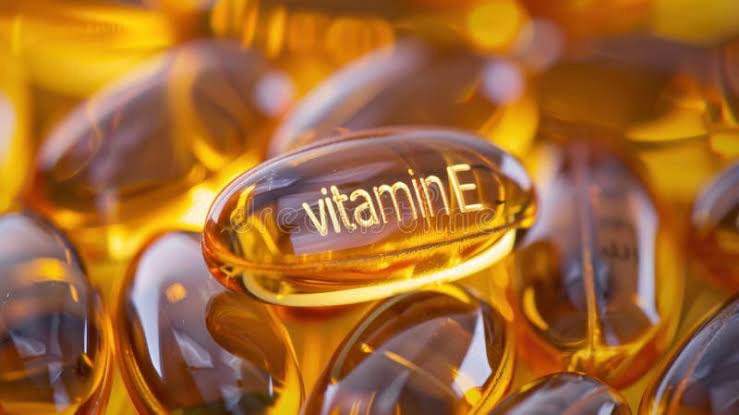
1. Vitamin E is actually a complex of 8 different compounds, which include 4 tocopherols and 4 tocotrienols , each of which can be further divided into alpha, beta, gamma, and delta forms. While tocopherols have been the focus of most research, tocotrienols have not received as much attention. Consequently, many vitamin E supplements available in the market predominantly feature tocopherols, leaving the full potential benefits of tocotrienols yet to be explored.

2.Many Vitamin E supplements on the market primarily contain tocopherol as their main ingredient, which means that their full benefits for the body are not realized. Recent research has shown that tocotrienols are powerful antioxidants with various health benefits. They possess neuroprotective properties, help reduce cholesterol levels, promote skin and hair growth, protect the liver, prevent strokes, and may even help prevent sterility. Additionally, tocotrienols are known to combat inflammation.

3.Actually, tocotrienols help significantly in the body to lower inflammation. Studies have shown that tocotrienols are five times more potent than tocopherols in reducing inflammation. Research has shown that tocotrienols are available in different forms: Delta tocotrienols and gamma tocotrienols, of which delta tocotrienols have five times more potency than tocopherols to fight inflammation in the body. In fact, tocotrienols are far more potent than tocopherols in the prevention of oxidative stress.

4. The widespread benefits of tocotrienols can be summed up as :

β€’ Powerful antioxidant.

β€’ Powerful antimicrobial

β€’ Neuro-protective.

β€’ Anti-cholesterol effect.

β€’ Anti-tumour, anti-cancer,

β€’ Prevents stroke

β€’ Anti-inflammatory, prevents autoimmune diseases.

β€’ Protective to the cardiovascular system, hepato-protective, and promotes hair growth.

β€’ Promotes bone health, especially for menopausal women.

Palm fruits

5. Extensive studies have been carried out on the neuroprotective role of tocotrienols, which have shown very positive results on people with stroke, nerve disorders and neurodegenerative diseases. Studies have revealed that astrocytes play an important role in restoring neuronal cells and protect neurons against oxidative stress. Tocotrienols help in preventing glutamate-induced injury and prevent the death of astrocytes. Therefore, tocotrienols are crucial in minimizing neurodegenerative diseases and stroke.

Annatto

6. There are several studies and clinical trials showing evidence of anti-inflammatory effects of tocotrienols by controlling the inflammatory mediators. Research suggested that tocotrienols block the activation of nuclear factor kappa-light-chain-enhancer of activated B cells (NF-kB), one of the main regulators of inflammatory response. Supplementation of tocotrienols is found to reduce tumour necrosis factor alpha (TNF-alpha), interleukin-1 and phorbol ester. It is a potential agent with significant anti-inflammatory effects in atherosclerosis, thyroid diseases, and autoimmune diseases.

7. Research shows that tocotrienols are usually safe for healthy individuals at a minimum dosage. But they do have anti-coagulant properties, so people with blood disorders should avoid taking them. Some contraindications:

β€’ Individuals allergic to any compound of Vitamin E should strictly avoid it.

β€’ As mentioned already, people with bleeding disorders, or anyone who will undergo surgery, should avoid it as it may slow blood clotting.

β€’ Tocotrienols may interact with medicines like anticoagulants and antiplatelets and increase the risk of bleeding.

β€’ Overdosing should be avoided as it may cause physical symptoms like headache, fatigue and GI symptoms.

β€’High doses of tocopherol can interfere with the efficacy and absorption of tocotrienols.

8.Tocotrienols are generally safe when taken by mouth. There is no standard medical recommendation for dosage. However, under medical supervision, the typical dose of tocotrienols in adults is 100mg – 200mg per day. Dosage can vary depending on the specific health requirement. Supplements are mainly derived from palm and annatto derivatives. They are fat- soluble and best absorbed along with a meal.

Edible oils

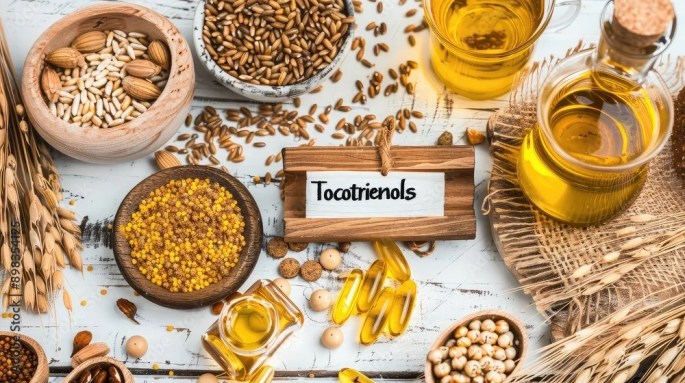
9. Food sources: Generally, tocotrienols are rarely found in nature. Even if some food sources are available, they are available in very low quantities. Palm oil has the most concentrated and natural source of tocotrienols, but at a very low level, which is not sufficient for potential health benefits. Other food sources are annatto ,edible oils like rice bran oil, grape seed oil, castor oil, coconut oil, peanut oil, linseed oil, cod liver oil, hazelnuts, oats, olive oil, maize, wheat germ, nuts and barley. Fish like salmon, trout, fruit like avocado, mango, vegetables like red pepper, greens, turnip, and squash are rich in vitamin E and its compounds.

10. Takeaway is that tocotrienols are the least known compound of the Vitamin E family, yet they are the most potent antioxidant and have strong evidence of widespread health benefits. Newest studies show that this compound has senolytic properties, a strong immune response, and apoptosis. They can slow down the process of ageing, reduce oxidative stress, and lower malignant potential. Though in small quantities, regular intake of natural sources of tocotrienols is sufficient for a healthy individual. Supplementation is required when medically prescribed.

Thanks for reading.

Peace and love πŸ™

10 facts: Are Psyllium husks gut-friendly?

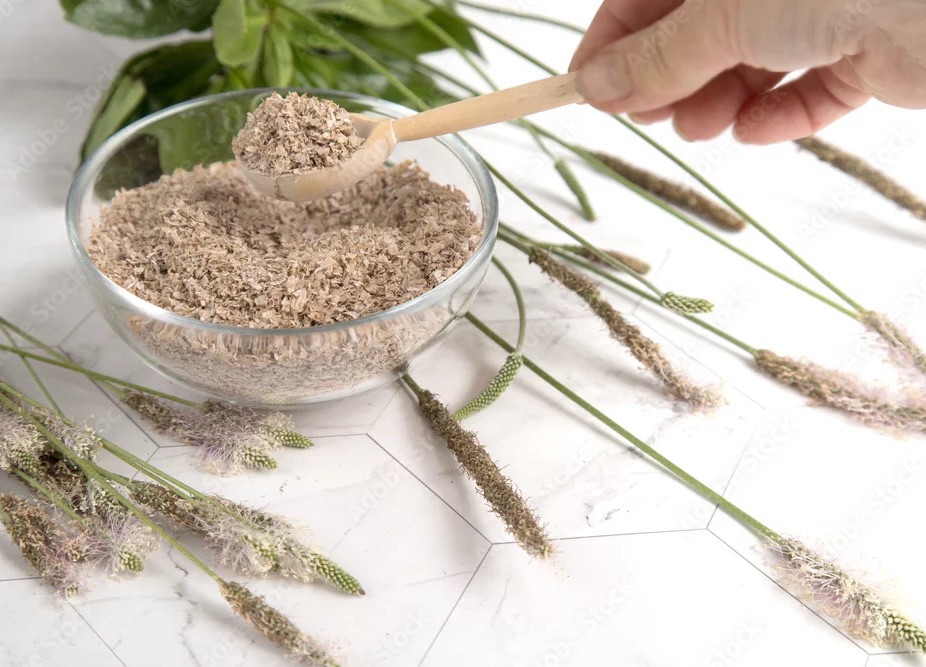
1. Psyllium husk is derived from seeds of the plant genus Plantago ovata. It is rich in water-soluble and unfermentable dietary fibres. It is used in food and nutraceutical industries. It has become popular due to its various health benefits. Psyllium is used as a fibre supplement because of its mucilage content. The mucilage is obtained by grinding the seeds of the Plantago group. These plantago seeds are often referred to as psyllium husks.

Gut- friendly

2. Psyllium husk has been used as a food thickener, fibre supplement, binding agent, gelling agent, and so on. Research studies have shown that it is rich in soluble fibres. So, it has been used as a laxative, which eases bowel movements, making it gut-friendly. Studies have shown that since it eases constipation, it helps to prevent complications like bloating, gas, haemorrhoids, and anal fissures.

Heart friendly

3. Some research shows that it benefits heart health too. Adding psyllium to a daily diet can lower the level of LDL ( bad cholesterol) and can help to maintain cholesterol levels. As we know high cholesterol can lead to conditions like chronic heart diseases, hypertension, diabetes, stroke and heart attack. So, adding psyllium in diet can help to prevent such conditions by maintaning the blood cholesterol levels.

4. Since psyllium is rich in fibres, adding them to a daily diet can even help to maintain the glycemic balance. Therefore, having a diet rich in fibre can be an important step in maintaining the balance of insulin and blood sugar. Psyllium can be a healthy prebiotic too, which can help to produce healthy bacteria and probiotics in the gut.

Weight management

5. A 2023 review study has shown that adding a moderate amount of psyllium fibers to the diet can help reduce weight in people who are overweight and obese. Managing weight can help to reduce the risk of chronic conditions like heart diseases, high blood pressure, gallstones, and breathing issues. Therefore, using of psyllium husk can be used for weight management but, off course under guidance of trained dietary experts.

Constipation

6. Studies have been carried out with the use of psyllium husk in the treatment of irritable bowel syndrome (IBS). The symptoms of gas, bloating, and constipation of IBS have been reduced or the frequency of symptoms can be minimized by the use of psyllium in the daily diet of such patients. This significant change has been reviewed in various research on IBS treatment. Hence, the use of psyllium is found to be suitable in the treatment of IBS.

7. Psyllium is also referred as ispaghula for its mucilaginous compound. It has been used in a variety of herbal medicine to treat various ailments in Asian countries like India and China. It is used to treat skin irritations, bladder problems, wound healing, high blood pressure and digestive problems. Studies do show that psyllium has gelatinous properties, and natural polymers for wound healing and scar reduction.

8. Regarding its uses in various functional food products, for its tremendous health benefits. It has many metabolic effects, lipid-decreasing effects, anti-diabetic, anti-hypertensive, delayed gastric emptying and lower glycemic index. Clinical studies have shown that it decreases the rate of glucose absorption, lowers the post-prandial insulin, and lowers LDL cholesterol by reducing bowel absorption. For its rich source of dietary fibre, it eases bowel movements and relieves constipation.

9. Psyllium is an important source of water-soluble fibre, hydrocolloid in nature due to its solubility and viscosity. The gum extracted from psyllium husk is used in various food items like gluten free bread, pasta, pizza, cookies, ice-creams, jams and myonnaise. It is used as a gluten replacement and also added with the various nutritional benefits to the food products. Due to its prebiotic benefits, it has been very popular as a gut-friendly ingredient in food items.

Bakery items

10. Commercially, psyllium is available as in powder or particle form derived from the seeds of the Plantago plants. It is conventionally used as a laxative agent, and as dietary fibre supplements, in various functional food products, nutraceutical industries, and food industries in breakfast cereals, bakery products, desserts and snacks. Psyllium has no known serious side effects except sometimes may have allergic reactions. The dosage of psyllium is around 5-10 gm with a meal or with water as a supplement. The dosage can be increased gradually if it is tolerable. As I always mention, it is important to follow instructions from experts or Physicians while using.

Thanks for reading.

Peace and love πŸ™