

10 facts: Why TUDCA is favorable? 🙌

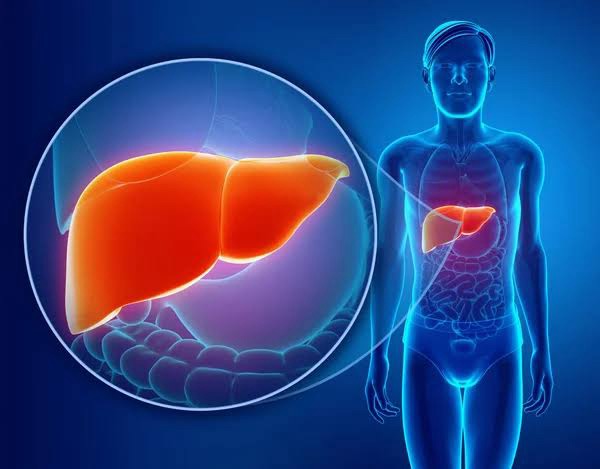
Liver

1. TUDCA is tauroursodeoxycholic acid, which is naturally produced in the body as a short-chain bile acid that facilitates the breakdown of fats and helps in the absorption of nutrients. TUDCA is necessary for the metabolism of fats and oils that are consumed in the diet. Research has shown that TUDCA has amazing health benefits, promotes overall wellbeing by supporting the gut microbiome, and protects the nervous system, brain, heart and liver. Because of its health benefits, TUDCA is prescribed by health professionals, sometimes as a supplement. Though it was mentioned long before as traditional Chinese medicine, recent research studies have made it popular as a supplement for its tremendous health benefits.
Gut health

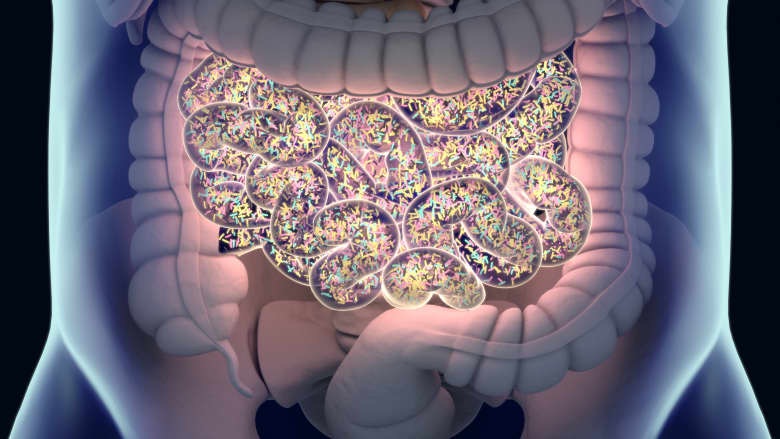
2. TUDCA for gut health: TUDCA is known to be hepatoprotective and prevents damage to liver cells. So, it shows promising results for those dealing with fatty liver, cirrhosis and hepatitis. As far as gut health is concerned, TUDCA has amazing benefits:

•It promotes the growth of good bacteria and maintains a balance in the biodiversity.

•It strengthens the immune system by promoting the growth of immune cells, of which around 80% are in the gut microbiome.

•It helps to tone down the inflammatory response in the gut and prevent chronic inflammatory conditions like leaky gut.

3. Other health-promoting benefits of TUDCA are:

• It protects the brain cells from damage by clearing toxins from neurons and supporting brain functions.

• It supports cardiovascular health by lowering LDL levels by breaking down and removing excess cholesterol.

• It lowers blood sugar levels by increasing the sensitivity of insulin in the cells and muscle tissues.

• It promotes free radical damage due to antioxidant properties, prevents cell damage and helps cell repair.

• Protects the liver from toxins from heavy metals, alcohol and medications.

• Support immune system by reducing inflammation.

Brain

4. TUDCA for brain: Research has shown many potential benefits to the brain and nervous

system, as it can cross the blood-brain barrier and can have antioxidant effects like cell repair, prevent cell damage and reduce inflammation. Some of the neuroprotective effects are:

• It can remove toxins, harmful amyloid-beta plaques and reduce the risk of Parkinsonism and Alzheimer’s disease.

• As already mentioned, it can reduce mitochondrial damage and neuronal cell death.

• Reduces neuronal stress by easing the Endoplasmic reticulum (ER) of the cells.

Eye health

5. TUDCA and eye health: Studies have shown that TUDCA can prevent retinal damage and help in restoring vision by protecting from photoreceptor degeneration and diabetic retinopathy.

TUDCA acts as a powerful neuroprotective agent on photoreceptors and retinal ganglion cells, which helps in visual processing. Loss of photoreceptors and retinal ganglion cells (RGCs) can slowly lead to visual dysfunction and visual loss. So, TUDCA have the potential to protect the photoreceptors and RGCs. Therefore, it can prevent the risk of many retinal disorders.
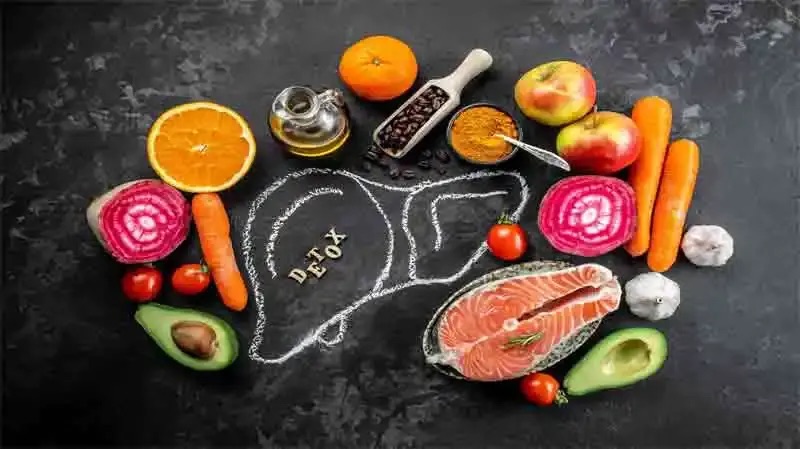
6. TUDCA food sources: TUDCA is naturally produced in small quantities in the liver. Actually, the liver produces bile salts and releases them in the intestines. In the gut, the good bacteria metabolise them into UDCA (ursodeoxycholic acid). They are released back to the liver, where they combine with taurine and become TUDCA. So, there is no direct food source of TUDCA. But there are food sources which can help the body to produce TUDCA. Some food sources are :

• Taurine-rich: Non-vegetarian foods like poultry, fish like salmon, tuna, and shellfish.

• Bile stimulators like beets, artichokes, ginger, turmeric, greens like arugula, dandelion, coffee, and citrus.

• Probiotics like fermented foods (Kimchi, kefir, yoghurt).

• Fibres like flaxseeds, chia seeds, oats.

Supplements

7. TUDCA supplement: Dietary supplements are water-soluble bile derivatives; synthetic TUDCA are used as a supplement. Commercial TUDCA are paired with Milk Thistle, which can have a dual action of liver-protective and regenerative support. The recommended dosage is 250 -1000mg/day. There are no severe side effects, but a high amount can cause diarrhoea or stomach upset. Commercially available in the form of pills, capsules and powdered form. Contraindications are for individuals with gallbladder disease, pregnant or lactating mothers and those taking diabetic drugs and insulin.

8. TUDCA and NAC: Another pairing of compounds as a supplement has been popular, such as TUDCA with NAC (N-Acetyl-L-Cysteine), which is a precursor of glutathione, an amino acid which is a potent antioxidant. Both compounds, as a pair, act as a powerful agent for free radical damage, oxidative stress, and the detoxification of cells from harmful toxins. It helps in the clearing of toxins, especially from the liver and kidneys. This combination also enhances the metabolism of dietary fat by improving the bioavailability of bile acids.
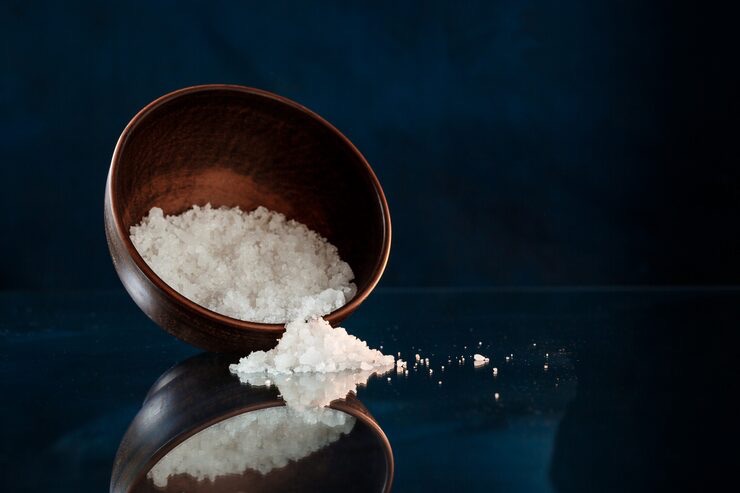
Bile salts

9. TUDCA supplement usage: TUDCA supplement is generally recommended by health care professionals mainly for liver health support, metabolic support and neurological health support for brain and eye health. Ideally, TUDCA supplement should be taken post-lunch or dinner, after a large, proper meal so that it can facilitate the smooth flow of bile salts and help in absorption. Start with a lower dose, then gradually increase the dose so that the tolerance level is assessed. Drink a full glass of water along with the dose, as it can be absorbed more smoothly. The standard dose limit should not be exceeded to prevent side effects.

10. Takeaway: TUDCA is a naturally occurring bile acid which has some amazing health benefits apart from supporting liver health. Studies have shown that it has antioxidant properties, such as reducing cellular stress, promoting cellular repair and regeneration, protecting brain and eye health, and supporting metabolic health by improving insulin sensitivity and glucose metabolism. Dietary sources and supplements are taken to increase the bioavailability and optimise the functions. It can also help to treat liver cholestatic diseases.

Thanks for reading.

Peace and love 🙏

All about Puffy eyes 🙄

Hello everyone ! Have a wonderful and safe weekend 🙋🏻

Maybe, we all at some point or very often been troubled with puffiness around eyes, especially below the eyes, interfering with our looks. Puffy eyes are seen usually in the age group above 30 to 40 years. But, nowadays, often young people are also seen with puffy eyes. So, it very common among all age groups. Structurally, eyes are surrounded by orbital fats on all sides that protect the eyes from any external injury and help smooth eyeball movement on all sides. There is also an orbital septum between the orbital bone and the eyelid, preventing orbital fat from bulging. As we age, this orbital septum gets weaker and weaker, and hence the puffiness can be prominent.

Since it is found in both young and aged, the causes are plenty. It can be temporary or persistent, mild to severe depending upon the underlying cause. Sometimes, puffiness can be idiopathic that is without any known cause. Transient puffiness is mostly seen after waking up in the morning, which can disappear as the day progresses. In most of the people, it can be persistent, as the ageing process moves. It can be in varying degree ranging from mild, moderate to severe. The different probable causes can be :

1. Allergy like due to allergens like dust, pollen, dander.
2. Infection in the eyes like conjunctivitis, which can cause both pink and puffy eyes.
3. Wearing contact lenses for too long can cause puffiness as the cornea gets swelled up due to cut off oxygen supply while the lenses are on.
4. Ageing is the most typical cause as the orbital fat below the eyes slowly start protruding.


5. Too much alcohol intake causes bloating.
6. Not getting enough sleep.
7. Too much salt consumption causes water retention.


8. Too much artificial sugar, or high sugar diet can cause water retention, inflammation and bloat.
9. Kidney issues and when protein intake is high. There is an electrolyte imbalance, more sodium in the body. So, there is water retention.
10. Thyroid causes.
11. Cirrhosis as liver problems can cause bloating.
12. Crying for too long can cause transient puffiness.

Depending upon the cause and the severity, the remedies and treatment are required.

1. If it is a mild kind of puffiness, and due to a temporary cause like eye injury, not getting enough sleep, high salt consumption or high alcohol intake. Correcting the underlying cause and applying a cold compress or caffeine creme can be very helpful.

2. If it is due to a medical cause like thyroid issues, kidney issues or liver Cirrhosis, the individual needs to make lifestyle changes like – low carbohydrate diet, low protein diet, cutting down salt and sugar. Sometimes, increasing potassium content through dietary sources can help to get rid of the excess fluid. And, of course, treating the underlying cause with medication.
3. Cosmetic reasons: Sometimes, due to the ageing process, the puffiness can be severe and hinder the physical appearence. In such cases, Hyualuronic acid fillers and lower eyelid blepheroplasty can be helpful.

Thanks for reading.

Blessings and much love to all 💐


Zinc: 10 vital uses 🙌

Hello everyone! Have a wonderful and safe day 🙋🏻

Human population studies have shown that almost about 2 billion population suffer from Zinc deficiency in the world. Zinc is a trace mineral which is most vital for many of our body’s natural processes. It is not produced in the body but has to be supplemented by food sources and supplements.

img_0711
The body’s vital processes where zinc plays a significant role are :
1. Zinc acts as a co-factor in almost 1000 enzymes in protein synthesis.
It plays a role in cell division and DNA synthesis.

img_0713
2. It supports the immune system. Zinc reduces the oxidative stress and stimulates the particular immune cells like the mast cells which helps in fighting bacterial infections, viruses and promotes the immune response. So, it reduces the infection course in common cold. Also, because of it’s antioxidant properties, it helps in reducing inflammations in the body. In the present scenario of COVID 19 pandemic, Zinc is very effective in the prevention and management of COVID 19. Therefore, it is wise for us to daily have Zinc intake through food sources to have a strong and powerful immune system especially these days. 
3. It plays a vital role in the growth and development in-utero (during pregnancy), during childhood and adolescence. It plays a vital role in cell proliferation, metabolism. It helps in cognitive functions and learning.
4. It is essential for the proper functioning of the smell and taste senses.
5. It promotes wound healing. Because of anti-inflammatory property and its role in collagen synthesis, zinc is very essential in the healing of burns, ulcers and other skin injuries.

img_0714
6. Another important function of zinc is that it plays a very important role in neural functioning. It helps to control the brain body’s response to stress. Researches have shown that zinc supplements along with antidepressants given to depressed patients have dramatically improved symptoms.

img_0712
7. It plays an important role in skin health. It is widely distributed through the layers of the skin. Zinc acts as a transporter in the cells of the skin. Therefore, it’s deficiency causes a lot of skin problems like acne, eczema, dermatitis, rosacea, hyperpigmentation and also alopecia.
8. It is important for prostate health. Zinc concentration is highest in the prostate tissue. It helps in the synthesis of testosterone. Its deficiency can lead to hypogonadism.


9. Zinc helps in the storage of insulin in the beta cells of Pancrease. It is essential in the conversion of proinsulin to insulin. Therefore, zinc is significant in both the production and storage of insulin. Because of it’s, antioxidant properties, Zinc helps in lowering the oxidative damage caused by free radicals and reduces the effects of diabetes-induced complications. So, Zinc supplementation is very important in diabetics patients.

10. Zinc plays a vital role in the synthesis of melanin which is a protective pigment for the eyes. It helps to transport Vitamin A from the liver to the retina and helps in the production of melanin. Zinc deficiency can lead to poor or impaired vision.

So, this magical mineral has tremendous health benefits to talk about. Deficiency can lead to numerous health issues. To name a few like,

Delayed or retarded growth, various skin problems, weakened immune system, chronic diarrhoea, delayed sexual maturity, delayed healing of wounds, early ageing, poor vision and behavioural issues.

img_0716
Mineral food zinc supplements. Large medical capsule with Zinc letters and many small pills. 3d illustration.

Ideally, Zinc required for daily intake in a normal adult is 10 mg/day from food sources. Supplementation of 15-30mg/day is clinically recommended if deficient in Zinc related issues. But higher doses of daily consumption of about 60mg/day for about 10 weeks can lead to Zinc toxicity. Zinc supplementation is given in the form of Zinc acetate, Zinc sulphate, Zinc gluconate, Zinc citrate. Supplementation should be taken always under clinical supervision.

img_0710

Both plant and animal food sources of Zinc can be absorbed in the body. But, whole grains, legumes, cereals contains phytate which may inhibit the Zinc absorption in the body. This is a fact that needs to be aware of in case of a vegetarian diet. Fortified grains, cereals can be the substitute if deficiency issues arise. Other food sources of Zinc are :

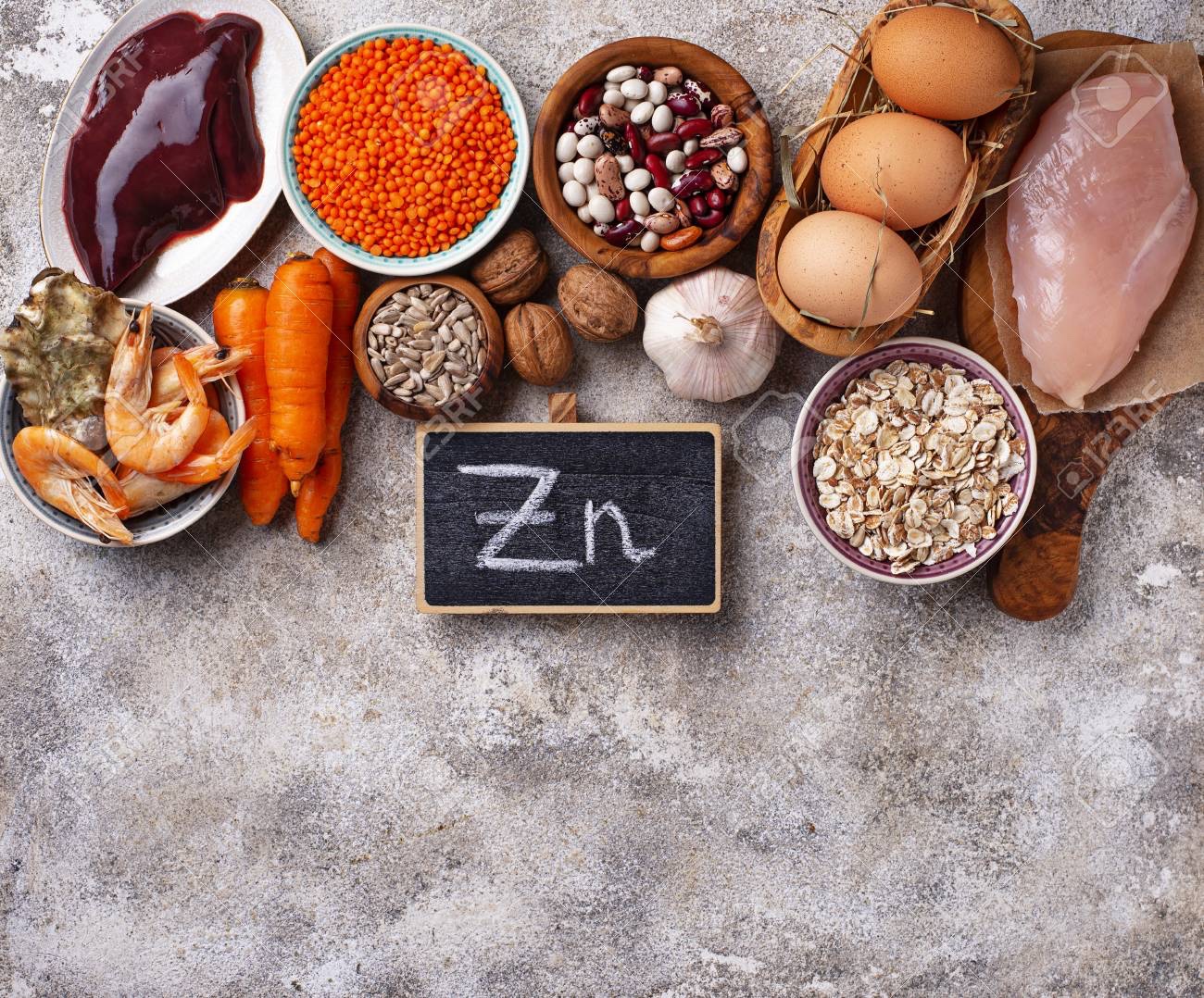
Healthy product sources of zinc.
Healthy product sources of zinc. Food rich in Zn

Thanks for reading.

Blessings and much love to all 💐