

10 facts: Why TUDCA is favorable? πŸ™Œ

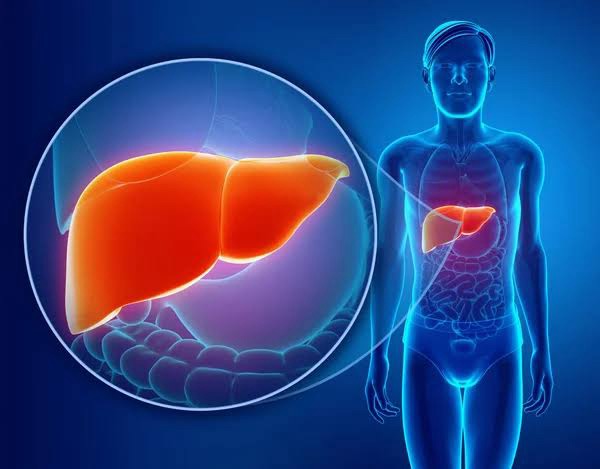
Liver

1. TUDCA is tauroursodeoxycholic acid, which is naturally produced in the body as a short-chain bile acid that facilitates the breakdown of fats and helps in the absorption of nutrients. TUDCA is necessary for the metabolism of fats and oils that are consumed in the diet. Research has shown that TUDCA has amazing health benefits, promotes overall wellbeing by supporting the gut microbiome, and protects the nervous system, brain, heart and liver. Because of its health benefits, TUDCA is prescribed by health professionals, sometimes as a supplement. Though it was mentioned long before as traditional Chinese medicine, recent research studies have made it popular as a supplement for its tremendous health benefits.

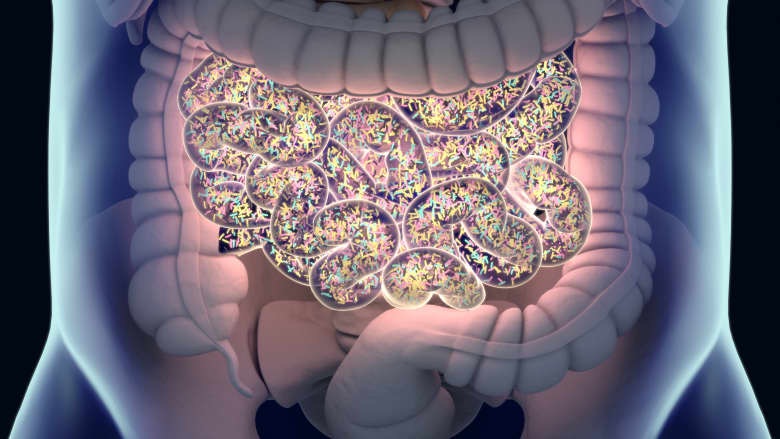
Gut health

2. TUDCA for gut health: TUDCA is known to be hepatoprotective and prevents damage to liver cells. So, it shows promising results for those dealing with fatty liver, cirrhosis and hepatitis. As far as gut health is concerned, TUDCA has amazing benefits:

β€’It promotes the growth of good bacteria and maintains a balance in the biodiversity.

β€’It strengthens the immune system by promoting the growth of immune cells, of which around 80% are in the gut microbiome.

β€’It helps to tone down the inflammatory response in the gut and prevent chronic inflammatory conditions like leaky gut.

3. Other health-promoting benefits of TUDCA are:

β€’ It protects the brain cells from damage by clearing toxins from neurons and supporting brain functions.

β€’ It supports cardiovascular health by lowering LDL levels by breaking down and removing excess cholesterol.

β€’ It lowers blood sugar levels by increasing the sensitivity of insulin in the cells and muscle tissues.

β€’ It promotes free radical damage due to antioxidant properties, prevents cell damage and helps cell repair.

β€’ Protects the liver from toxins from heavy metals, alcohol and medications.

β€’ Support immune system by reducing inflammation.

Brain

4. TUDCA for brain: Research has shown many potential benefits to the brain and nervous

system, as it can cross the blood-brain barrier and can have antioxidant effects like cell repair, prevent cell damage and reduce inflammation. Some of the neuroprotective effects are:

β€’ It can remove toxins, harmful amyloid-beta plaques and reduce the risk of Parkinsonism and Alzheimer’s disease.

β€’ As already mentioned, it can reduce mitochondrial damage and neuronal cell death.

β€’ Reduces neuronal stress by easing the Endoplasmic reticulum (ER) of the cells.

Eye health

5. TUDCA and eye health: Studies have shown that TUDCA can prevent retinal damage and help in restoring vision by protecting from photoreceptor degeneration and diabetic retinopathy.

TUDCA acts as a powerful neuroprotective agent on photoreceptors and retinal ganglion cells, which helps in visual processing. Loss of photoreceptors and retinal ganglion cells (RGCs) can slowly lead to visual dysfunction and visual loss. So, TUDCA have the potential to protect the photoreceptors and RGCs. Therefore, it can prevent the risk of many retinal disorders.

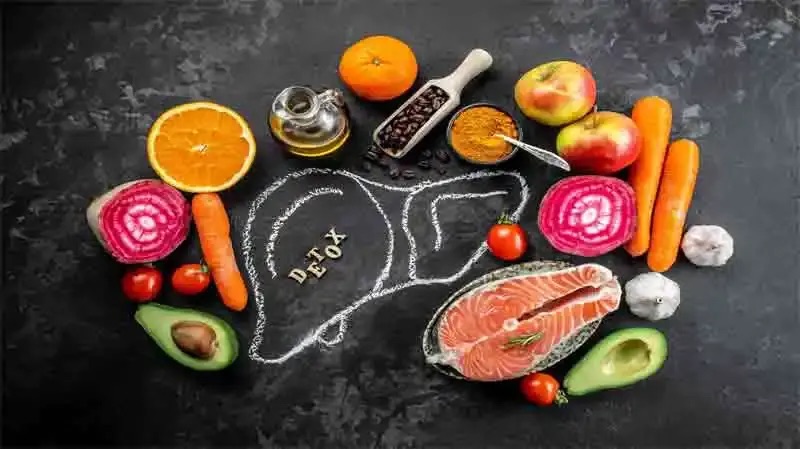
6. TUDCA food sources: TUDCA is naturally produced in small quantities in the liver. Actually, the liver produces bile salts and releases them in the intestines. In the gut, the good bacteria metabolise them into UDCA (ursodeoxycholic acid). They are released back to the liver, where they combine with taurine and become TUDCA. So, there is no direct food source of TUDCA. But there are food sources which can help the body to produce TUDCA. Some food sources are :

β€’ Taurine-rich: Non-vegetarian foods like poultry, fish like salmon, tuna, and shellfish.

β€’ Bile stimulators like beets, artichokes, ginger, turmeric, greens like arugula, dandelion, coffee, and citrus.

β€’ Probiotics like fermented foods (Kimchi, kefir, yoghurt).

β€’ Fibres like flaxseeds, chia seeds, oats.

Supplements

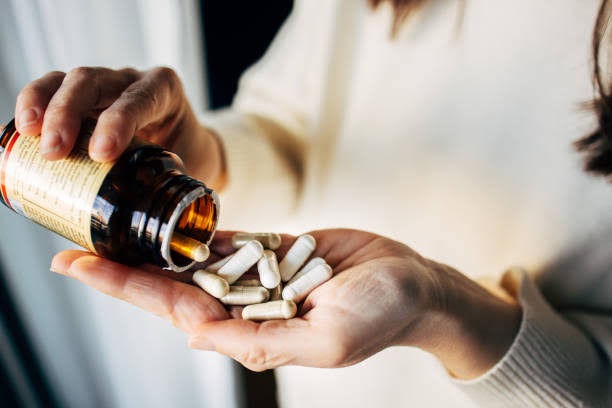
7. TUDCA supplement: Dietary supplements are water-soluble bile derivatives; synthetic TUDCA are used as a supplement. Commercial TUDCA are paired with Milk Thistle, which can have a dual action of liver-protective and regenerative support. The recommended dosage is 250 -1000mg/day. There are no severe side effects, but a high amount can cause diarrhoea or stomach upset. Commercially available in the form of pills, capsules and powdered form. Contraindications are for individuals with gallbladder disease, pregnant or lactating mothers and those taking diabetic drugs and insulin.

8. TUDCA and NAC: Another pairing of compounds as a supplement has been popular, such as TUDCA with NAC (N-Acetyl-L-Cysteine), which is a precursor of glutathione, an amino acid which is a potent antioxidant. Both compounds, as a pair, act as a powerful agent for free radical damage, oxidative stress, and the detoxification of cells from harmful toxins. It helps in the clearing of toxins, especially from the liver and kidneys. This combination also enhances the metabolism of dietary fat by improving the bioavailability of bile acids.

Bile salts

9. TUDCA supplement usage: TUDCA supplement is generally recommended by health care professionals mainly for liver health support, metabolic support and neurological health support for brain and eye health. Ideally, TUDCA supplement should be taken post-lunch or dinner, after a large, proper meal so that it can facilitate the smooth flow of bile salts and help in absorption. Start with a lower dose, then gradually increase the dose so that the tolerance level is assessed. Drink a full glass of water along with the dose, as it can be absorbed more smoothly. The standard dose limit should not be exceeded to prevent side effects.

10. Takeaway: TUDCA is a naturally occurring bile acid which has some amazing health benefits apart from supporting liver health. Studies have shown that it has antioxidant properties, such as reducing cellular stress, promoting cellular repair and regeneration, protecting brain and eye health, and supporting metabolic health by improving insulin sensitivity and glucose metabolism. Dietary sources and supplements are taken to increase the bioavailability and optimise the functions. It can also help to treat liver cholestatic diseases.

Thanks for reading.

Peace and love πŸ™

10 facts: Hyaluronic acid (HA) is a vital prebiotic fibre πŸ«§

1. Structurally, all fibres are polymers of sugar molecules. Likewise, hyaluronic acid is also a polymer of sugar molecules: N-acetyl-D-glucosamine and glucuronic acid. It is naturally produced in the body, while dietary sources of hyaluronic acid are essential for the body’s optimal functioning. Though hyaluronic acid has many beneficial effects, it’s most important effect is the water holding capacity by binding water molecules, which in turn help in retaining moisture, lubrication, facilitate immune system mediators to provide protection. Generally, most women are aware of this compound as a hydrating agent for skin, as it is used widely in skin and cosmetic products.

2. Though hyaluronic acid is produced in the body, dietary sources of hyaluronic acid are necessary as they bridge the gap between naturally formed HA and the optimal amount required. HA has many beneficial effects in the body such as:

β€’ The eyes naturally have hyaluronic acid. Additional quantity from diet can help further in lubricating eye tissues and helps in protecting vision.

β€’ Lubricates the joints of knees and hips, increasing synovial fluid, protecting the cartilage, and preventing arthritis.

β€’ Adding more hyaluronic acid in the diet can help in skin and other organs by hydration and maintaining the elasticity.

β€’ Hyaluronic acid helps in increasing butyrate-producing bacterial species in the gut, which are very important in reducing insulin resistance and HbA1c. An additional quantity added through diet can further enhanced the ability.

β€’ Improves vaginal dryness and atrophy, so ingested hyaluronic acid (HA) can prove very helpful in menopausal women.

3. Hyaluronic acid in Prebiotic fibre: HA in the human body is found to be part of the extracellular matrix, which binds the cells together and helps in the passage of nutrients and oxygen to the cells. It provides elastoviscocity to the connective tissues, helps in hydration of tissues, acts as a lubricant in synovial fluids around the joints, and provides hydration to the eye tissues as well. HA also helps in endogenous intercellular activities, such as antioxidant activities and free radical scavenging. HA sources from plant foods can be both soluble and insoluble fibres. Both types of fibre function as prebiotic and improve the environment of the gut microbiome. Therefore, research has shown that adequate intake of fibres (daily intake of 25-35 gm) can provide additional sources of HA, which can enhance the growth of good bacteria, suppress bad bacteria and reduce gas and bloating.

Gut health

4. Gut health benefits: Natural sources of hyaluronic acid through different dietary sources can be immensely beneficial to gut health. Some of the common benefits:

β€’ Soluble fibres can slow down digestion and delay hunger, while insoluble fibres can maintain bowel movements and form the stool bulk. It helps to prevent gas and bloating.

β€’ Prebiotic fibres enhances the growth of beneficial bacteria by producing short chain fatty acid.

β€’ Improvement of gut environment can reduce body’s inflammation, strengthen immune system.

β€’ Strengthening the intestinal gut lining barrier by forming tight junctions between the epithelial cells.

β€’ HA in fibres help in providing hydration and producing mucin that protects the mucosal lining of intestines.

Skin care

5. Hyaluronic acid as skin hydrating agent: HA has been widely used in many skin care and cosmetic products for a long time. The amazing benefits to skin health are as follows:

β€’ HA is the most important compound in the body, including the skin, which helps in maintaining cellular hydration and tissue integrity.

β€’ Reduces the wrinkles by filling the skin cells with water giving the plum skin.

β€’ Maintain the viscoelasticity in the skin, keeping it soft and bouncy.

β€’ Strengthen the natural skin lining barrier and prevent from acne and skin sensitivity problems.

Knee Joint

6. HA as supplement: Hyaluronic acid is naturally produced and found in the body in different areas, especially in the joints, bones, connective tissues, extracellular matrix, skin and eyes. HA is used as a supplement in the form of oral tablets, injectables, topical agents, eye drops and intimate creams and gels. Usually, over-the-counter hyaluronic acid pills, skin gel, creams, andeye drops are safe. Prescription-drug injectable forms should be used under medical supervision. The conditions for which hyaluronic acid is used as supplements are:

β€’ Maintaining eye health, dry eyes.

β€’ Skin health, dryness, actinic keratosis, scleroderma, anti-wrinkle agents, hydrating agents.

β€’ Joints to reduce stiffness, arthritis, soft tissue injuries.

β€’ Asthma as prescribed medication.

β€’ Interstitial cystitis.

β€’ Wound healing.

Skincare products

7. Hyaluronic acid with Vitamin C: Pairing of hyaluronic acid and vitamin C is recommended as they work in synergy, though their individual functions are different. Skin and cosmetic products with this pairing are amazing for skin dryness and ageing issues like wrinkles. HA is mostly used for face application as a hydrating agent, improves skin elasticity, reduces wrinkles and repairs skin damage. Vitamin C acts as an antioxidant and protects the skin from damage from UV rays and pollution.

Vegetarian food

8. Dietary sources of HA: Both non-vegetarian and vegetarian sources are found in nature which provide hyaluronic acid. Vegetarian sources can indirectly provide nutrition and facilitate the body to produce HA. Non-vegetarian sources provide HA directly to the body. Sources are such as:

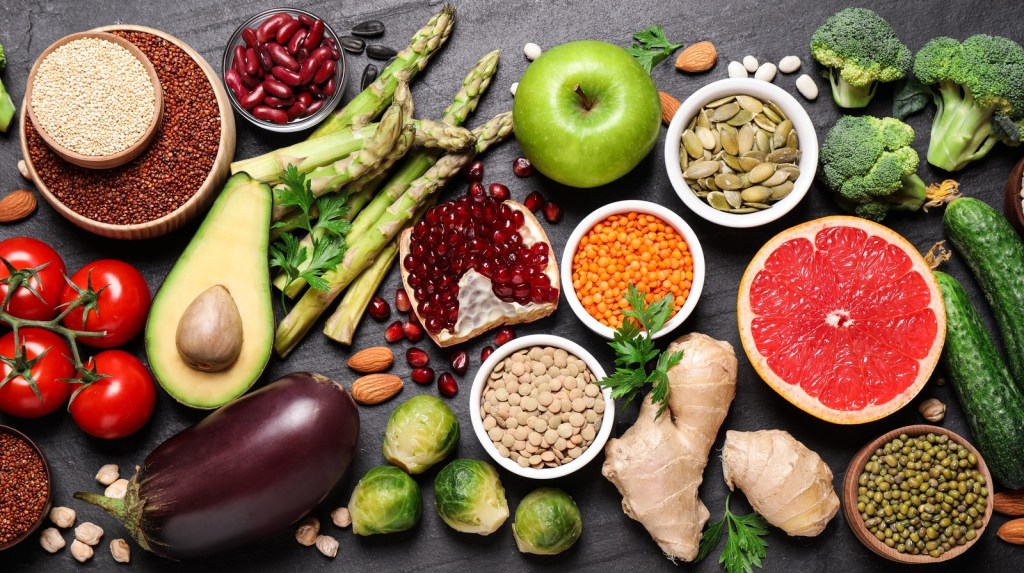
β€’ Vegetarian sources are leafy greens, root vegetables, citrus fruits, soy products and nuts and seeds.

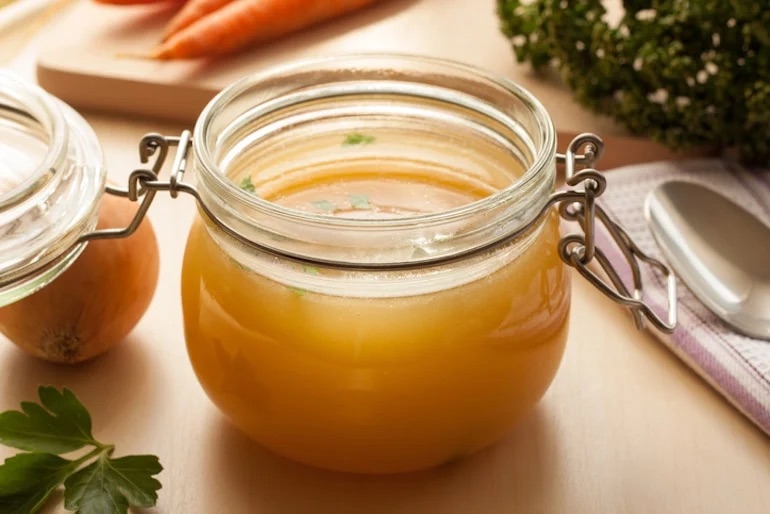
β€’ Non-vegetarian sources are bone broth and organ meat.

Bone broth

9. HA in dairy products: HA has been found to have a prebiotic effect, which is beneficial for gut health and other amazing benefits. It is added to dairy products as a food additive. In dairy products like milk, yoghurt, and ice cream, it helps to retain moisture, stabilises the milk protein, improves the viscosity, and increases the thickness, making it creamier. It also reduces the milk syneresis, or separation of whey, thereby lengthening the shelf life. Moreover, it has amazing health benefits too.

Skin hydration

10. Takeaway: Hyaluronic acid is a naturally occurring substance in the body in different areas like joints, connective tissue, skin, cartilage, and bones. It acts as a humectant, retaining water in the tissue, keeping them hydrated and moist. So, it has some amazing benefits like joint lubricant, prebiotic as they enhance the growth of good bacteria, wound healing, skin hydration, reduces and repairs skin damage, and anti-ageing effects. To get the optimal supply of HA, many use HA as a supplement, topical agents, creams, lotions and injectables (off course when prescribed). There are many dietary sources of both vegetarian and non-vegetarian foods which can help increase the body’s requirement of HA. It is in fact, a very essential sugar molecule for overall health.

Thanks for reading.

Peace and love πŸ™

10 facts: Is cinnamon diabetic-friendly? πŸ™Œ

1.Popularly known that cinnamon is a warm spice which is widely used in both savoury and sweet baked recipes. Basically, two types of Cinnamon used commonly: Ceylon Cinnamon, originally found in Sri Lanka and southern India. Cassia Cinnamon, dark in colour, native to Southeast Asia and China. The spice is derived from the dried bark of Cinnamomum trees. It has been used for centuries for both culinary and traditional medicine purposes. There has been much research on Cinnamon for its nutritional content for supplementation and medicinal purposes, but its effects on diseases are still not established.

2. Ceylon Cinnamon, also called “true cinnamon”, is now widely available in North America and Europe is a lighter, sweeter variety and is expensive. Cassia cinnamon is a darker, thicker variety, which has a richer and slightly bitter taste. While much research does show a wide range of health benefits due to the compound cinnamaldehyde, the dark side is that many cinnamon types also contain coumarin, which, when taken in large quantities, can cause liver damage. Meanwhile, Ceylon cinnamon doesn’t contain coumarin, and hence it is considered a safe variety.

3. Cinnamon has a unique flavour and aroma due to the oil present in the bark spice, which is rich in cinnamaldehyde. It is high in polyphenolic compounds, which are responsible for amazing benefits on health and digestion. These polyphenolic compounds are mainly responsible for antioxidant properties, which prevent the body from free radical oxidative damage. Because of the nutritional profile, it has been interpreted to have various health benefits like anti-inflammatory, antioxidant, anti-viral, heart-friendly, and diabetic friendly.

4. Cinnamon has polyphenols and powerful antioxidants, as it has been known to have a wide list of health benefits. Some important ones are:

β€’ Prevent oxidative stress and protect against cell damage.

β€’ Reduces chronic inflammation and prevents chronic diseases.

β€’ Reduces bad cholesterol LDL and triglycerides, so supports the cardiovascular system.

β€’ Supports brain health by reducing brain cell ageing.

β€’ Anti-inflammatory, anti-viral, anti-fungal, anti-cancer.

β€’ Protects gut health by supporting good bacterial colonies.

β€’ Supports menstrual health.

β€’ Supports skin health and dental health as it is anti bacterial and rich in antioxidant.

β€’ Helps in weight loss by stabilising metabolism.

5. Diabetes: Research has shown promising benefits in the case of type 2 diabetes, as it can increase insulin sensitivity and help to lower blood sugar levels. But the effects cannot replace changes in lifestyle, diet and medication for diabetics. Therefore, cinnamon can be a supportive aid but not a replacement for treatment. Some of the research-backed benefits are:

β€’ Studies have shown that cinnamon helps in blood sugar control. It helps to reduce blood sugar levels, both fasting and postprandial levels, and increases insulin sensitivity. It is also found to lower haemoglobin A1c.

β€’ Cinnamon can act like insulin and help to move the sugar in the blood into the cells. Additionally, it reduces insulin resistance and helps move sugar into the cells easily, thereby reducing blood sugar levels.

β€’ Research suggests that after a meal, the blood sugar normally spikes; cinnamon helps in slowing down gastric emptying and keeps the sugar levels in control while also reducing insulin resistance.

β€’ Some studies state that it helps block digestive enzymes that break down carbohydrates and keeps the postprandial sugar levels in check.

6. Post-diabetic complications: In the case of diabetes, the high blood sugar levels can increase the risk of bacterial growth in cells, increase inflammation, elevate oxidative stress and overall increase the risk of chronic diseases like atherosclerosis, high blood pressure, heart diseases, kidney diseases, neurodegenerative diseases, and Alzheimer’s disease. Studies show that daily intake of cinnamon can keep blood sugar spikes in control, reduce blood sugar levels, increase insulin sensitivity and glucose tolerance, lower HbA1c and lipid profile so that the complications are considerably lowered. Therefore, with lifestyle changes, diet, medication and additional intake of cinnamon on a daily basis can be very beneficial in case of diabetic type 2.

7. Side effect: Cinnamon, as already mentioned, is naturally two main varieties – Cassia and Ceylon. 90 per cent of cinnamon production comes from Sri Lanka, India, China and other Southeast Asian countries. In the US, mostly the cassia variety is used. The downside of this very old spice is that along with beneficial compounds, it also contains coumarins. Coumarins have anticoagulant properties, which can lead to a risk of bleeding, delay wound healing in case of injury and liver distress. Prolonged consumption of heavy doses of cinnamon can pose a health risk. Higher coumarin levels are found in cassia type than in Ceylon type, which is a very negligible amount. A daily limit of 0.1 mg of coumarin per kg of body weight can be a safe limit.

8. Uses: Cinnamon is available in different forms of tubular-shaped whole spice, powdered and oil. There are various uses of cinnamon, mainly in global cuisines, desserts and household uses. Some of them are:

β€’ Cooking: Used in both savoury meals like curries, stews and desserts like cakes and pastries.

β€’ Beverages like tea, chocolate drinks, coffee

β€’ Cinnamon oil is used in aromatherapy, mood-enhancing, mood enhancing as an essential oil.

β€’ Dental care to fight bad breath in mouthwash, toothpaste.

β€’ Used as a natural preservative.

9. Cinnamon dosage: Since cinnamon is not used as a medicine in modern science, there is no specific dose. Cassia cinnamon is the most common type available, which is found in supermarket aisles, whereas Ceylon cinnamon is quite rare and expensive as it is a safer variety and can be used as a supplement. Cassia cinnamon contains coumarin, which is a blood thinner, so a large quantity of consumption of this variety poses a health risk. Normally, 2-4gm/day of cassia can be a safe limit for an adult.

10. Takeaway: Cinnamon is an old spice which has been widely used over centuries because of the rich compounds like polyphenols and cinnamaldehyde. Studies have proven that such compounds have amazing health benefits. Cinnamon has been linked to diabetes, as it can imitate insulin and is found to be very beneficial for diabetics, as it can regulate blood sugar levels. But it is still not regarded as a replacement for diabetic treatment. It is considered a supportive therapy for diabetics. Moreover, it is a popular spice in both sweet and savoury dishes for its rich aroma and flavour.

Thanks for reading.

Peace and love πŸ™

10 facts : Although honey 🍯 is similar to sugar, why it is still considered a healthier option ?

1. Honey is about 80% sugar, mostly fructose and glucose and is considered a natural sweetener. Since it is a derivative of plant nectar, it is a storehouse of bioactive compounds like polyphenols, flavonoids, vitamins, minerals and antioxidants. It is a blend of many natural substances, depending upon the different varieties of flowers whose nectar is collected by the bees. Because of its nutritional profile, honey has tremendous health benefits and is considered a healthy sweetener.

Beehives

2. Though honey is rich in sugar, it is a powerhouse of nutritional content in raw, unprocessed form. Depending upon the sources, the nutritional content can vary. Pasteurised honey is processed, filtered and can have a lesser quantity of flavonoids and polyphenols. Besides the antioxidant properties, honey includes calcium, potassium, vitamins, copper, iron and zinc. It also contains a trace amount of protein. Depending upon the varieties of flowers’ nectar, climatic conditions, examples of honey varieties are:

β€’ Clover honey

β€’ Wildflower honey

β€’ Orange blossom honey

β€’ Alfaalfa honey

β€’ Buckwheat honey

β€’ Rare variety like Manuka honey, found in New Zealand

3. Sources: Honey is the only natural sugar source which is produced by insects that humans consume. It is best when consumed raw and unrefined. Supermarket honey available is usually processed, pasteurised honey. Honey should be best sourced from local markets and local farmers, where the content is β€œpure honey” without any additives. These types of honey are lighter in colour and consistency. Darker varieties are stronger in flavour and nutritionally rich. Honey should be preserved in a glass bottle or plastic airtight container, below 32 degrees F.

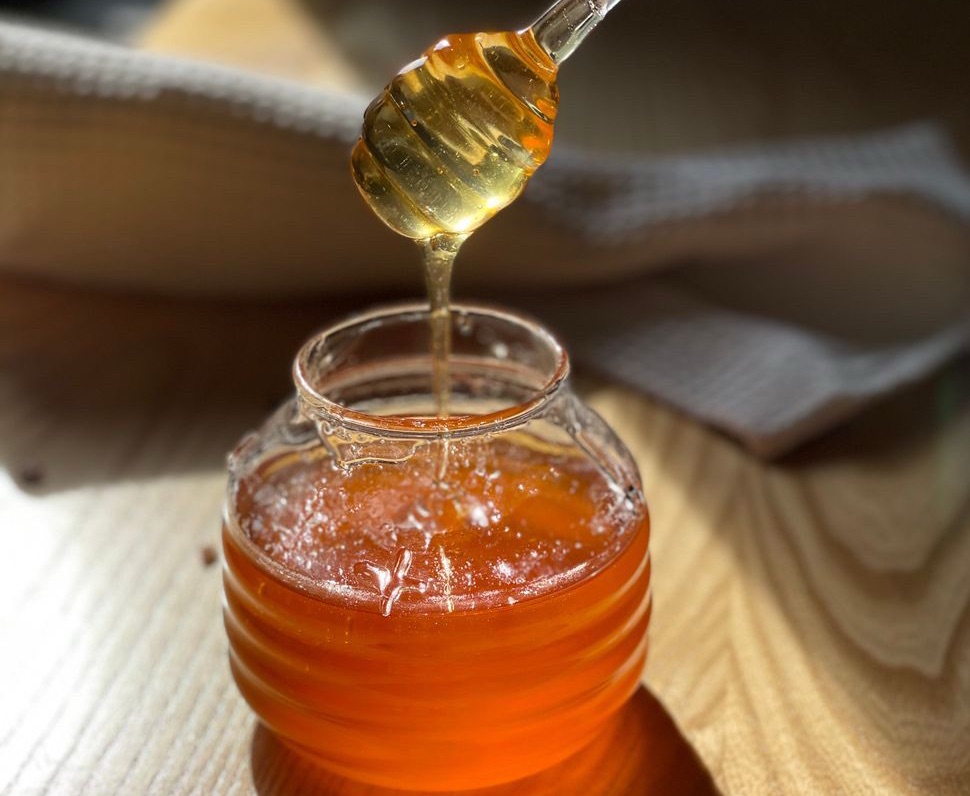
4. Crystallisation: This is a natural process of honey where it is transformed from a liquid to a solid state depending upon the temperature and how it is stored. Crystallisation of honey doesn’t mean that the honey is spoiled. Honey with a higher content of sugar (fructose, glucose) is quickly crystallized like Alfalfa and clover types. Crystallisation happens as the dense sugar molecules start to hold the water permanently, which is, in fact, a sign of pure, unadulterated honey. The honey can be restored to its liquid form by putting the honey jar in a warm water container. Boiling water should be avoided as the nutritional content can be compromised.

5. Storage: Honey doesn’t require refrigeration. Its shelf life is around 2 years. Refrigeration and cold temperatures can lead to crystallisation of honey. It can be stored at room temperature at 20 to 25 degrees C or around 60 degrees F, ideally in an airtight glass container. It can also be stored in a food-grade plastic container. In the kitchen, it can be placed in a dry, dark place or pantry, avoiding direct sunlight.

6. Health benefits: As honey is rich in sugar, it should be consumed in small quantities rather than in large amounts. For centuries, the latest research has shown that honey has promising health benefits and healing properties. Some of them:

β€’ Antioxidant rich so consuming raw, unrefined honey on regular basis can have anti-inflammatory benefits.

β€’ Promote balance of blood sugar levels than regular refined sugar.

β€’ Improves heart health by maintaining blood pressure, regulate heart beats.

β€’ Since it has anti-bacterial properties , it can promote wound healing.

β€’ Suppress sore throat and cough and support respiratory health.

β€’ Supports gut health and is helpful in case of irritable bowel disease.

β€’ Anti-fungal, anti-bacterial & anti-cancer.

7. Brain health: Research suggests that honey has amazing benefits for brain health and can prevent neurodegenerative diseases. Manuka honey is the best for brain health. Some of the neurological benefits of honey are:

β€’ Unlike a refined sugar rush, honey can provide a natural, steady energy flow to neurons.β€’ Flavonoids and phenolic acids can prevent free radical oxidative stress and cell damage in neurons.

β€’ Supports memory by protecting brain cell mitochondria and elevates BDNF (brain-derived neurotrophic factor).

β€’ Studies show honey is neuroprotective and prevents cognitive decline.

β€’ Honey naturally contains melatonin, which supports sleep, and naturally removes toxins from the brain that build up while awake.

8. Alleviate cough: Studies have shown that honey is effective in soothing a cough. Drinking honey with a little warm water during a cough can help to form a coating in the throat. Its anti-bacterial and anti-inflammatory properties help as a healing aid for infections. Moreover, honey is safer as a home remedy than over-the-counter medications. It can be given to all age groups except children below 1 year of age, when there is a risk of food poisoning. Research shows that honey is far better than medicines like diphenhydramine (anti-histamine) and has a similar effect to drugs like dextromethorphan (cough suppressant ) and Salbutamol ( asthma drug).

9. Though honey is a natural sugar alternative, it is usually safe and healthy for daily consumption in moderation. There is no such standard recommendation, but experts suggest that 6-7 teaspoons daily should not be exceeded. WHO guidelines suggest that daily consumption of free sugar should not exceed 10% of daily intake. Since it has therapeutic benefits, its daily consumption can be beneficial for both gut health and the immune system. While using honey as a sugar substitute, other refined sugar food items should be completely avoided, as there are chances of weight gain (due to extra calories), sugar spikes in insulin-sensitive diabetics.

10. Takeaway: Research has shown for decades that honey is healthy with tremendous therapeutic effects when consumed in moderation as a wellness habit. Honey can replace the intake of refined sugar in several ways, such as:

β€’ For dessert, yoghurt or breakfast bowls.

β€’ Herbal teas, green teas.

β€’ Morning, on an empty stomach with warm water as an aid to digestion and immunity.

β€’ Honey should be avoided in boiling water or while cooking, as it may damage its nutritional value.

Thanks for reading.

Peace and love πŸ™

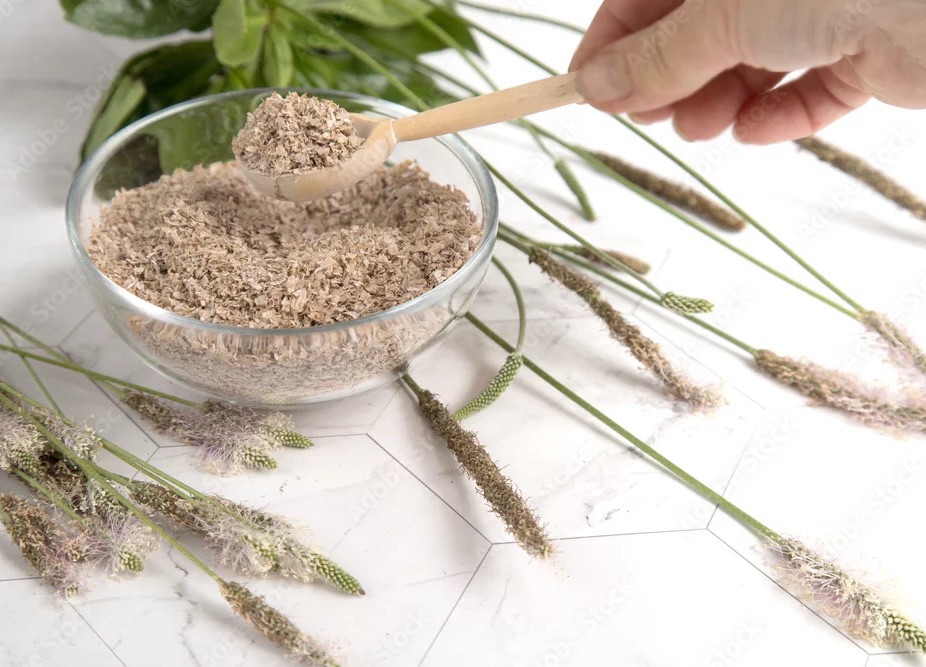
10 facts: Are Psyllium husks gut-friendly?

1. Psyllium husk is derived from seeds of the plant genus Plantago ovata. It is rich in water-soluble and unfermentable dietary fibres. It is used in food and nutraceutical industries. It has become popular due to its various health benefits. Psyllium is used as a fibre supplement because of its mucilage content. The mucilage is obtained by grinding the seeds of the Plantago group. These plantago seeds are often referred to as psyllium husks.

Gut- friendly

2. Psyllium husk has been used as a food thickener, fibre supplement, binding agent, gelling agent, and so on. Research studies have shown that it is rich in soluble fibres. So, it has been used as a laxative, which eases bowel movements, making it gut-friendly. Studies have shown that since it eases constipation, it helps to prevent complications like bloating, gas, haemorrhoids, and anal fissures.

Heart friendly

3. Some research shows that it benefits heart health too. Adding psyllium to a daily diet can lower the level of LDL ( bad cholesterol) and can help to maintain cholesterol levels. As we know high cholesterol can lead to conditions like chronic heart diseases, hypertension, diabetes, stroke and heart attack. So, adding psyllium in diet can help to prevent such conditions by maintaning the blood cholesterol levels.

4. Since psyllium is rich in fibres, adding them to a daily diet can even help to maintain the glycemic balance. Therefore, having a diet rich in fibre can be an important step in maintaining the balance of insulin and blood sugar. Psyllium can be a healthy prebiotic too, which can help to produce healthy bacteria and probiotics in the gut.

Weight management

5. A 2023 review study has shown that adding a moderate amount of psyllium fibers to the diet can help reduce weight in people who are overweight and obese. Managing weight can help to reduce the risk of chronic conditions like heart diseases, high blood pressure, gallstones, and breathing issues. Therefore, using of psyllium husk can be used for weight management but, off course under guidance of trained dietary experts.

Constipation

6. Studies have been carried out with the use of psyllium husk in the treatment of irritable bowel syndrome (IBS). The symptoms of gas, bloating, and constipation of IBS have been reduced or the frequency of symptoms can be minimized by the use of psyllium in the daily diet of such patients. This significant change has been reviewed in various research on IBS treatment. Hence, the use of psyllium is found to be suitable in the treatment of IBS.

7. Psyllium is also referred as ispaghula for its mucilaginous compound. It has been used in a variety of herbal medicine to treat various ailments in Asian countries like India and China. It is used to treat skin irritations, bladder problems, wound healing, high blood pressure and digestive problems. Studies do show that psyllium has gelatinous properties, and natural polymers for wound healing and scar reduction.

8. Regarding its uses in various functional food products, for its tremendous health benefits. It has many metabolic effects, lipid-decreasing effects, anti-diabetic, anti-hypertensive, delayed gastric emptying and lower glycemic index. Clinical studies have shown that it decreases the rate of glucose absorption, lowers the post-prandial insulin, and lowers LDL cholesterol by reducing bowel absorption. For its rich source of dietary fibre, it eases bowel movements and relieves constipation.

9. Psyllium is an important source of water-soluble fibre, hydrocolloid in nature due to its solubility and viscosity. The gum extracted from psyllium husk is used in various food items like gluten free bread, pasta, pizza, cookies, ice-creams, jams and myonnaise. It is used as a gluten replacement and also added with the various nutritional benefits to the food products. Due to its prebiotic benefits, it has been very popular as a gut-friendly ingredient in food items.

Bakery items

10. Commercially, psyllium is available as in powder or particle form derived from the seeds of the Plantago plants. It is conventionally used as a laxative agent, and as dietary fibre supplements, in various functional food products, nutraceutical industries, and food industries in breakfast cereals, bakery products, desserts and snacks. Psyllium has no known serious side effects except sometimes may have allergic reactions. The dosage of psyllium is around 5-10 gm with a meal or with water as a supplement. The dosage can be increased gradually if it is tolerable. As I always mention, it is important to follow instructions from experts or Physicians while using.

Thanks for reading.

Peace and love πŸ™

8 facts: Are CoQ10 supplements actually necessary ? πŸ™Œ

CoQ10 supplement

1.We have often encountered a supplement named CoQ10, commonly seen in the drug aisle of a supermarket. Let’s know, what exactly CoQ10 is. Well, it is Coenzyme Q10, a fat-soluble, vitamin-like molecule, which is naturally present in every human cell. It is a powerful antioxidant that converts food into energy. Like all other antioxidants, it can neutralize the free radicals and prevent oxidative stress. Therefore, it can prevent us from many chronic health problems and slow down the ageing process.


2.Clinical studies have suggested that CoQ10 plays a significant role in:
It may help in preventing heart-related problems.
Improving the overall immunity.
Improve physical endurance.
Improves male fertility.
Prevent migraine.
Improves blood sugar level in diabetes.
Supports treatment of neuro-degenerative disease like Parkinson’s disease.


3.Evidence-based studies show that people who have a history of heart failure show reduced incidence of heart attack when they take CoQ10 supplements daily along with conventional medications. But then, it has to be prescribed or taken under expert guidance. Several studies have shown similar preventive or improvement levels in cases of heart issues like high cholesterol, high blood pressure, congestive heart diseases and heart damage caused by chemotherapy.


4.CoQ10 supplements have no approval from the FDA or other Drug Regulatory Authorities for the treatment of any medical conditions. However, yet it is easily accessible and available as the over the counter supplements and has been quite popular. It is often recommended as a dietary supplement by many Physicians and Specialists as a supportive therapy to conventional
treatments.

Food sources

5.Naturally dietary sources of CoQ10 intake are enough for overall well-being. Dietary sources are wide variety of whole grains and oily fishes. CoQ10 supplements are not necessary for a healthy individual who has a balanced diet. Supplements of CoQ10 is only necessary for those who suffer from CoQ10 deffeciency, or have health issues like heart disease, migraine, neuro-degenerative
disease or other chronic health conditions. It is not advisable to pick a supplement bottle from the supermarket aisle and start popping unless clinically recommended.

Nuts and seeds

6.As already mentioned, the human body makes enough of CoQ10 as much as it needs. The body content is about 500 to 1500mg and it declines with ageing. The food sources are organ meats, fatty fishes like salmon, sardines, trout, mackerel. As for vegetarians, soya products like tofu, soy milk, and soy yogurt are good food sources. Nuts and seeds, lots of vegetables including broccoli are rich sources of CoQ10.


7.Though CoQ10 supplements do not have major risk or side effects, it is still not advisable to take unless necessary for specific health issues. Some side effects of supplementation can be diarrhea, nausea, heartburn. It may interact with medications like blood thinners with further lowering of blood pressure, or in case of diabetes, subsequent lowering of blood sugar along with hypoglycemic drugs.


8.Due to certain chronic health issues like heart problems, migraine, fertility issues or
neurogenerative conditions, Physicians do recommend CoQ10 supplements. There is no standard dose as such. Depending on the individual’s requirement, dosage varies from 60-500 mg daily. The highest dose recommended daily is about 1200 mg. As it is a fat-soluble substance, it is best absorbed with a fatty meal and better if taken at night.

Thanks for reading.

Peace and love πŸ™

Are popcorns 🍿 healthy ? 9 facts πŸ™Œ

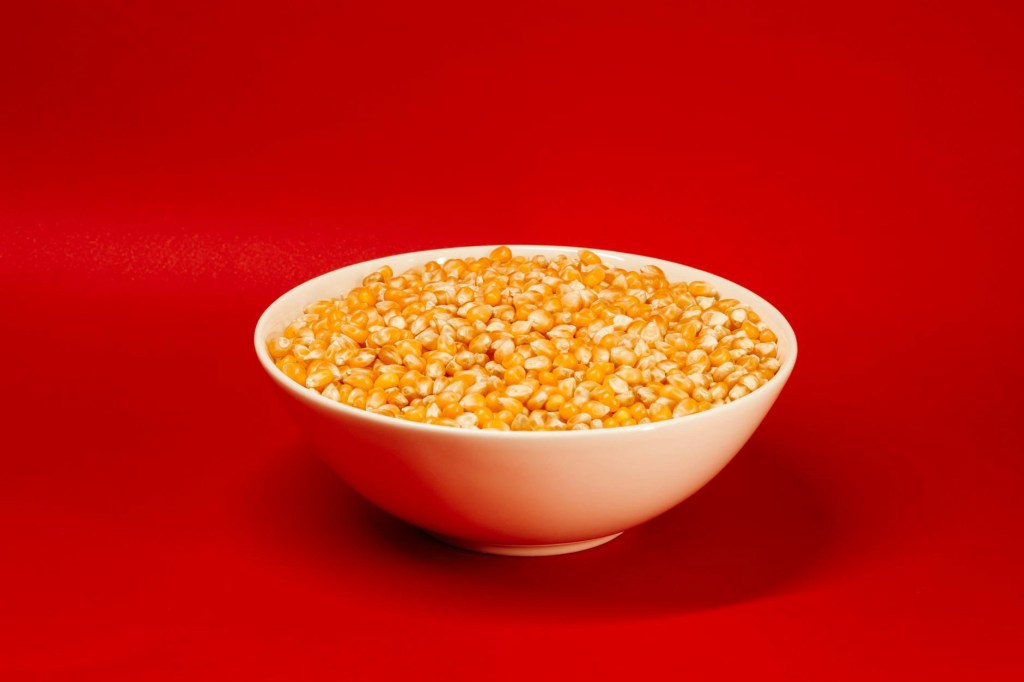
  1. Popcorns are corn kernels which get popped when heated. Today, across the world, this has become the most popular snack amongst all age groups. Corn is the oldest grain which has been consumed for over 5000 years. It has been popular due to its easy availability and low cost. As far as health point of view is considered, it is a whole grain food, rich in fibre, low in calories and dense in nutrients.
  2. Studies show that popcorn is high in fibre and contains many vitamins and minerals. Important nutrients in popcorn are vitamins B1, B3, B6, iron, potassium, manganese, zinc, copper and phosphorus. Many studies also show that it is rich in polyphenols which are potent antioxidants. Polyphenols reduce the risk of damage by free radicals, diabetes, and heart disease and improve gut health. Popcorn is gluten-free so it can be a healthy option for people with gut issues.

3.Since, it is high in fibre and low in calories, it can help in weight loss. Eating a cup of popcorn which is around 30 calories can relatively be more beneficial in terms of fibre and nutrient content than any other popular snack. Also, it can give the feeling of fullness and curb your hunger for quite some time. Therefore, eating in moderation of popcorn can be very useful in the process of weight loss in an overweight individual.

4.Popcorn contains antioxidants Zeaxanthin, beta carotene and lutein which are very essential to eye health. These antioxidants can slow the age-related macular degeneration of the eyes, lower the damage caused by blue light and overall improve the eyesight.


5.Other health benefits of yellow popcorn are :
*Boost the metabolism and energy production due to the presence of vitamins B, B3, B6 and folate.
*Popcorn contains niacin which helps to reduce depression naturally.
*Phosphorus, and manganese present in popcorn help to support bone health.
*Popcorn can combat tumour cells due to the presence of ferulic acid.
*It can reduce the level of bad cholesterol and prevent the risk of heart disease.
*It can slow down the process of ageing as it helps in free radical damage.
*It can add iron (28 gm of popcorn containing 0.9mg of iron) to the diet and reduce anaemia. *It can control blood sugar as it has a low glycaemic index and helps in diabetics.

6.Air-popped popcorn is healthiest. Unsalted popcorn, unflavoured is healthier than those with an excess of oil, butter, sugar, caramel, and salt. Microwave popcorn bags which are pre-packed contain the chemical perfluorooctanoic acid (PFOA) and sometimes, trans fat which are harmful to health.


7.Popcorn added to diet in moderation can prove to be safe and beneficial to health. But it may have side effects on certain individuals. Some individuals can have allergic reactions to popcorn like swollen face, and breathing difficulty which may require urgent medical attention. People with digestive diseases and inflammatory bowel disorders can have flaring-up symptoms when consuming popcorn.


8.Popcorn is the ideal choice for adding to your diet in moderation. You can definitely enjoy popcorn daily, as long as you stick to one cup per day without any butter, salt, sugar, or artificial flavors. This will provide a healthy dose of whole fiber content, making it the most nutritious snack option for your diet.

9. Yellow corn which is organically grown, non-GMO, is best for regular consumption. Popcorn which is popped from such type of high-quality corn, air popped with no added flavours is ideal and provides immense health benefits. Rich in phytonutrients, vitamins, and minerals, whole grain fibres can help to reduce the risk of chronic illnesses, obesity, diabetes and many malignancies.

Thanks for reading.

Peace and love πŸ™

10 facts about Nigella seeds πŸ™Œ


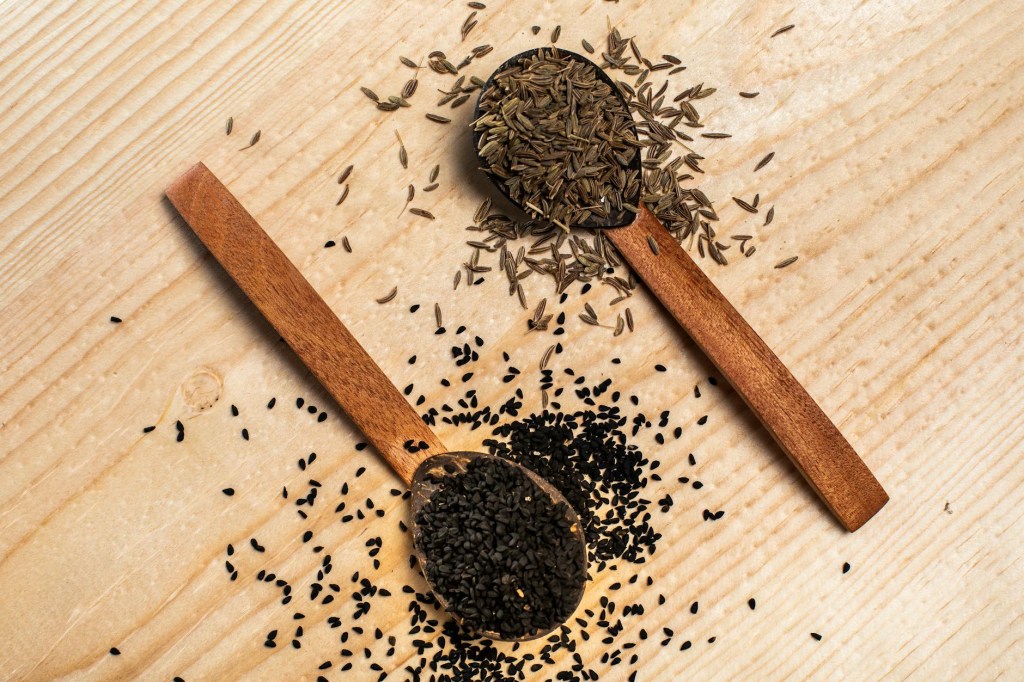
1.Throughout history, Nigella seeds, known scientifically as ‘Nigella Sativa’, have been utilized in a variety of culinary dishes in South Asian and Middle Eastern regions. These seeds grow from a flowering plant. The taste of these tiny black seeds is similar to that of onion and oregano, but they are slightly bitter. They are known for centuries for their immense medicinal and health benefits. They can be utilized in various forms, such as whole, oil, capsules, or powdered form.

2.Nutrition: Packed full of minerals and vitamins, including iron, calcium, zinc, copper, thiamine, phosphorus, folic acid, and many more, it’s a power meal. Useful fatty acids including linoleic, oleic, palmitic, and arachidonic acids make up the seed oil. Thymoquinone, its primary active ingredient, is extremely beneficial to health.

3.Antioxidants: Nigella seeds are full of antioxidants, which can fight free radicals and prevent oxidative stress. Studies show that nigella seeds contain several amino acids like carvacrol, thymoquinone, and 4-terpineol, which are powerful antioxidants. Hence, regular intake of nigella seeds can help protect against a wide variety of diseases, like heart disease, diabetes, cancer, and obesity.

4.Cholesterol: Many studies have shown that taking nigella seeds powder can help to lower LDL cholesterol and increase HDL cholesterol levels. This powerful effect can help the body prevent atherosclerotic diseases and ischaemic heart disease.

5.Brain: Nigella seeds have been shown to have the ability to slow down or prevent the progression of certain neurological inflammation in the brain, including Alzheimer’s disease, epilepsy, encephalomyelitis, depression, and Parkinson’s disease. Some research have also shown that nigella seeds can slow down the progression of dementia and age related memory loss.

6.Anti-cancer: Research has shown that the antioxidant thymoquinone has strong anti-cancer properties. Lung, cervical, pancreatic, prostate, skin, and colon cancers can all be prevented with the use of nigella seeds and their constituents. However, further data and investigation are needed to validate these effects.

7.Anti-bacterial: Studies have demonstrated the anti-bacterial properties of nigella seeds on germs that cause everything from ear infections to pneumonia. Their antibacterial and antibiotic qualities aid in the treatment of skin infections. They can aid in the management of chronic obstructive lung disorders and asthma because of their anti-inflammatory qualities. To manage such problems, people take the oil in capsules. However, further investigation is needed to fully understand these impacts.

8.Skin: Studies have shown that black seed oil can be used routinely to moisturize and skin cleansing. It can help to manage certain skin issues like psoriasis, eczema, vitiligo, pigmentation and wound healing. It can fasten wound healing, repair tissue damage, reduce skin irritation, heal minor burns, scar tissues. It can also help to moisturize hair, reduce hair loss.


9.Dosage: Nigella seeds have been found to have many health and healing properties and is widely been used. It’s available in capsule, powder, tablets, creams, oil, soaps, shampoos and many more forms. It is safe in small doses , about 1-2.5 gm by mouth on daily basis. But, it is recommended to inform your Primary Physician before using it.

10.Side-effects:
*Bleeding disorder: It slows blood clotting, so it is contraindicated in people with bleeding disorders. *

*Since nigella seeds may interfere with metabolism, it is important to inform the treating physician while using them.

*It can slow down uterine contraction so nigella seeds supplementation should not be used during pregnancy.
*Usually it protects the kidneys but excess consumption like 2000-2500mg daily may affect kidney health.
*The best way to minimize the potential side effects is by incorporating nigella seeds paste or oil in very small quantity in meals to enjoy the immense health benefits, these seeds provide.

Thanks for reading.

Peace and love πŸ™

10 facts to know why cold pressed oil is a healthier option πŸ™Œ

Hi everyone !

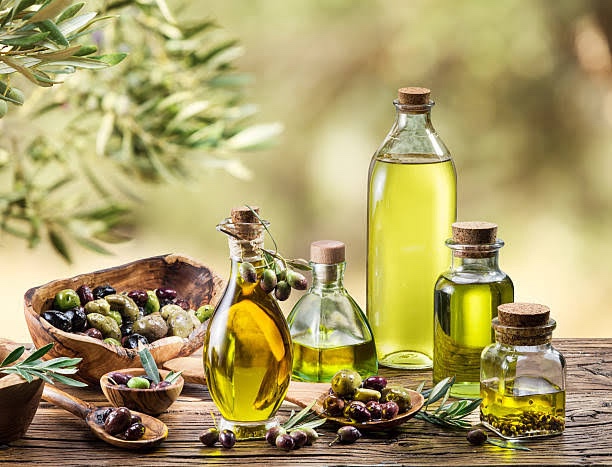
  1. Any edible oil is cold-pressed oil when it is produced by precipitation, by pressing the seeds at room temperature without using heat for extraction. Unlike refined oil, the process of extraction of cold-pressed oil and filtration is done without using any harmful chemicals and heat. It is produced by the natural method of extraction from seeds by pressing at room temperature so found to be more natural and nutrient-dense.
  2. How the cold-pressed oil is different from other oils? Refined oil extraction involves machinery with different steps of refining, by using chemicals, heat and sometimes bleaching agents so the oil has a high smoking point. Hot-pressed oil involves applying heat during extraction but no chemicals. Vegetable oils are usually hot-pressed oil. Virgin oil involves the extraction of oil from fresh fruits or seeds like virgin olive oil or virgin coconut oil. In some cases, it may differ from cold- pressed oil as the oil is extracted from the fruits or seeds from drying them earlier so the oil retains its nutrients and antioxidants.

3.From a health point of view, out of all cooking oils, cold-pressed oil and virgin oil have the maximum benefits. Both the oil extraction and filtration processes have been made to preserve the maximum nutrients, antioxidants and healthy fats. Even after extraction, these oils are rich in healthy fats like omega 3 and 6, vitamins, and minerals like zinc, magnesium and potassium. These nutrients are very essential for health as anti-inflammatory, and anti-cancer properties and are good for the cardiovascular system.

4.The cold-pressed oil of any variety, restores the natural flavour and physical characteristics of the oil like colour, taste and smell. Apart from having immense health benefits, the oil is light and good for cooking depending on the variety of oil used as per taste buds. Extra virgin olive oil is considered the healthiest as it is extracted from the freshest olives by cold pressed method.

5.Depending on the cooking culture and taste buds, there are a wide variety of cold pressed oil types in the Supermarket like olive oil, soybean, canola, cottonseed, palm, peanut, coconut, sesame, mustard, sunflower and avocado oil. Out of them all, olive oil and coconut oil are among the healthiest varieties as a cooking medium. Extra virgin olive oil, avocado oil and walnut oil varieties have been used as dressing for salads.

6.The reason of the disadvantage of cold-pressed oil is due to its low yielding while extraction and short shelf life of 3-4 months. To increase the volume of the cold-pressed oil, the raw material has to be crushed several times. The method of extraction is usually manual or simple mechanical tool of crushings used at room temperature. Then, the oil is filtered to remove precipitates or any toxins. Due to low production, the cost is usually high.

7.Nowadays, cold-pressed oil is preferred for its environmentally friendly method of extraction. Moreover, the oil is nutrient-rich with tremendous health benefit properties of lowering the risk of heart disease by reducing bad cholesterol, anti-cancer properties and anti-ageing benefits. These oils are rich in polyunsaturated fatty acids which are necessary for brain function and heart health.

8.Another important benefit of cold-pressed oil is that it can aid in the weight loss process. Since it has a high metabolic rate it can facilitate in burning of fat. It is also easier to digest due to its low cholesterol content. But, using excess oil while cooking may overshadow these benefits.

9.Some variety of cold-pressed oil has some special benefits in particular. Like groundnut oil, olive oil improves insulin sensitivity and helps in better control of blood sugar. Lignan is a powerful antioxidant found in cold-pressed sesame oil which helps in lipid peroxidation and thereby lowers blood pressure. There is strong evidence that shows that consumption of olive oil lowers the risk of cancers like breast and GI tracts cancers.

10.It is very essential to switch to a healthy type of cooking medium like cold pressed oil and use them in moderate quantities for cooking daily to lower the health risk. Nutrient-dense, high-calorie- rich oil helps make you feel fuller after eating and reduce your hunger. Together with everyday exercise and considerable hours of fasting between meals can help to maintain overall well-being.

Thanks for reading.

Peace and love πŸ™

β€˜New Year’ wishes πŸ™Œ

First of all, I am incredibly appreciative that I get to celebrate another new year with the Supreme and all of my beautiful bloggers.

Let us hope that this new year, with its 365 fresh days, will bring us growth, positivity, action, hope, and the drive to achieve our objectives. Not to mention to make time for our loved ones and family.

Both failure and success are fleeting. The capacity to continue going forward is most important.

I’m wishing everyone a wonderful and prosperous 2024 New Year !

Thanks for reading.

Peace and love πŸ™