

10 facts: Hyaluronic acid (HA) is a vital prebiotic fibre 🫧

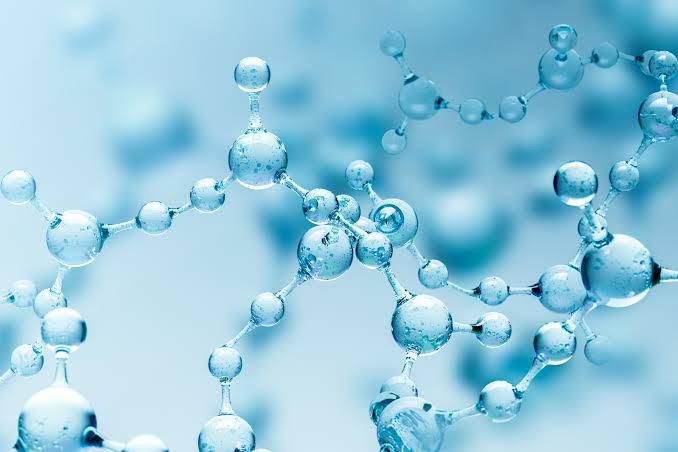
1. Structurally, all fibres are polymers of sugar molecules. Likewise, hyaluronic acid is also a polymer of sugar molecules: N-acetyl-D-glucosamine and glucuronic acid. It is naturally produced in the body, while dietary sources of hyaluronic acid are essential for the body’s optimal functioning. Though hyaluronic acid has many beneficial effects, it’s most important effect is the water holding capacity by binding water molecules, which in turn help in retaining moisture, lubrication, facilitate immune system mediators to provide protection. Generally, most women are aware of this compound as a hydrating agent for skin, as it is used widely in skin and cosmetic products.

2. Though hyaluronic acid is produced in the body, dietary sources of hyaluronic acid are necessary as they bridge the gap between naturally formed HA and the optimal amount required. HA has many beneficial effects in the body such as:

• The eyes naturally have hyaluronic acid. Additional quantity from diet can help further in lubricating eye tissues and helps in protecting vision.

• Lubricates the joints of knees and hips, increasing synovial fluid, protecting the cartilage, and preventing arthritis.

• Adding more hyaluronic acid in the diet can help in skin and other organs by hydration and maintaining the elasticity.

• Hyaluronic acid helps in increasing butyrate-producing bacterial species in the gut, which are very important in reducing insulin resistance and HbA1c. An additional quantity added through diet can further enhanced the ability.

• Improves vaginal dryness and atrophy, so ingested hyaluronic acid (HA) can prove very helpful in menopausal women.

3. Hyaluronic acid in Prebiotic fibre: HA in the human body is found to be part of the extracellular matrix, which binds the cells together and helps in the passage of nutrients and oxygen to the cells. It provides elastoviscocity to the connective tissues, helps in hydration of tissues, acts as a lubricant in synovial fluids around the joints, and provides hydration to the eye tissues as well. HA also helps in endogenous intercellular activities, such as antioxidant activities and free radical scavenging. HA sources from plant foods can be both soluble and insoluble fibres. Both types of fibre function as prebiotic and improve the environment of the gut microbiome. Therefore, research has shown that adequate intake of fibres (daily intake of 25-35 gm) can provide additional sources of HA, which can enhance the growth of good bacteria, suppress bad bacteria and reduce gas and bloating.

Gut health

4. Gut health benefits: Natural sources of hyaluronic acid through different dietary sources can be immensely beneficial to gut health. Some of the common benefits:

• Soluble fibres can slow down digestion and delay hunger, while insoluble fibres can maintain bowel movements and form the stool bulk. It helps to prevent gas and bloating.

• Prebiotic fibres enhances the growth of beneficial bacteria by producing short chain fatty acid.

• Improvement of gut environment can reduce body’s inflammation, strengthen immune system.

• Strengthening the intestinal gut lining barrier by forming tight junctions between the epithelial cells.

• HA in fibres help in providing hydration and producing mucin that protects the mucosal lining of intestines.

Skin care

5. Hyaluronic acid as skin hydrating agent: HA has been widely used in many skin care and cosmetic products for a long time. The amazing benefits to skin health are as follows:

• HA is the most important compound in the body, including the skin, which helps in maintaining cellular hydration and tissue integrity.

• Reduces the wrinkles by filling the skin cells with water giving the plum skin.

• Maintain the viscoelasticity in the skin, keeping it soft and bouncy.

• Strengthen the natural skin lining barrier and prevent from acne and skin sensitivity problems.

Knee Joint

6. HA as supplement: Hyaluronic acid is naturally produced and found in the body in different areas, especially in the joints, bones, connective tissues, extracellular matrix, skin and eyes. HA is used as a supplement in the form of oral tablets, injectables, topical agents, eye drops and intimate creams and gels. Usually, over-the-counter hyaluronic acid pills, skin gel, creams, andeye drops are safe. Prescription-drug injectable forms should be used under medical supervision. The conditions for which hyaluronic acid is used as supplements are:

• Maintaining eye health, dry eyes.

• Skin health, dryness, actinic keratosis, scleroderma, anti-wrinkle agents, hydrating agents.

• Joints to reduce stiffness, arthritis, soft tissue injuries.

• Asthma as prescribed medication.

• Interstitial cystitis.

• Wound healing.

Skincare products

7. Hyaluronic acid with Vitamin C: Pairing of hyaluronic acid and vitamin C is recommended as they work in synergy, though their individual functions are different. Skin and cosmetic products with this pairing are amazing for skin dryness and ageing issues like wrinkles. HA is mostly used for face application as a hydrating agent, improves skin elasticity, reduces wrinkles and repairs skin damage. Vitamin C acts as an antioxidant and protects the skin from damage from UV rays and pollution.

Vegetarian food

8. Dietary sources of HA: Both non-vegetarian and vegetarian sources are found in nature which provide hyaluronic acid. Vegetarian sources can indirectly provide nutrition and facilitate the body to produce HA. Non-vegetarian sources provide HA directly to the body. Sources are such as:

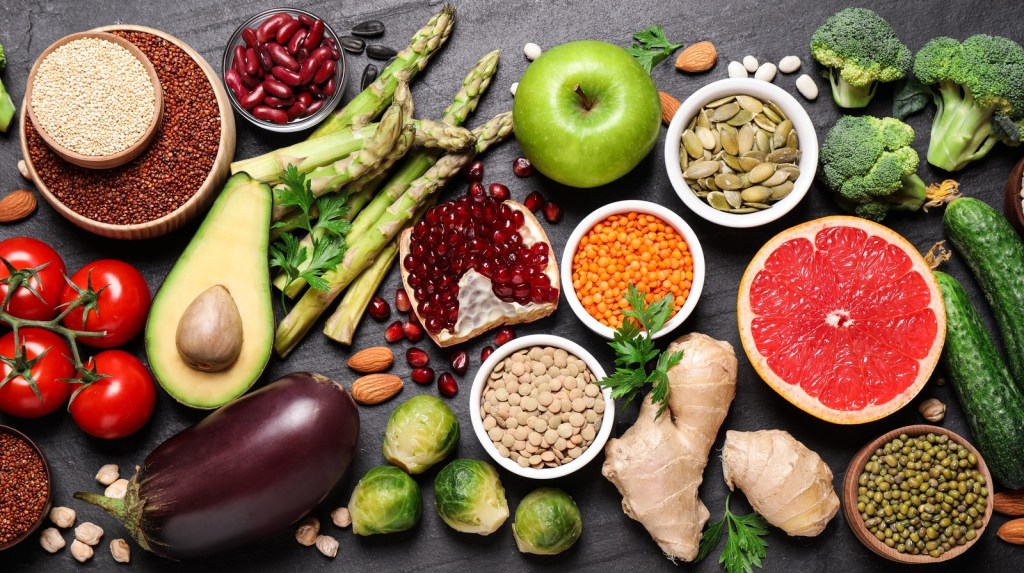
• Vegetarian sources are leafy greens, root vegetables, citrus fruits, soy products and nuts and seeds.

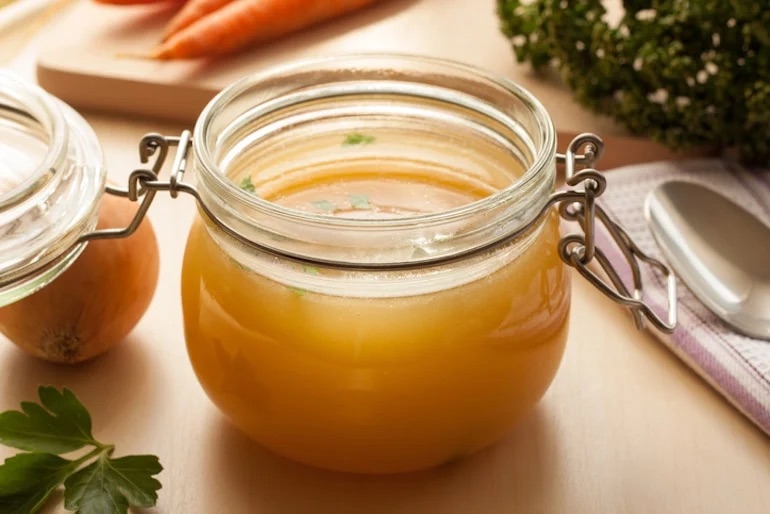
• Non-vegetarian sources are bone broth and organ meat.

Bone broth

9. HA in dairy products: HA has been found to have a prebiotic effect, which is beneficial for gut health and other amazing benefits. It is added to dairy products as a food additive. In dairy products like milk, yoghurt, and ice cream, it helps to retain moisture, stabilises the milk protein, improves the viscosity, and increases the thickness, making it creamier. It also reduces the milk syneresis, or separation of whey, thereby lengthening the shelf life. Moreover, it has amazing health benefits too.

Skin hydration

10. Takeaway: Hyaluronic acid is a naturally occurring substance in the body in different areas like joints, connective tissue, skin, cartilage, and bones. It acts as a humectant, retaining water in the tissue, keeping them hydrated and moist. So, it has some amazing benefits like joint lubricant, prebiotic as they enhance the growth of good bacteria, wound healing, skin hydration, reduces and repairs skin damage, and anti-ageing effects. To get the optimal supply of HA, many use HA as a supplement, topical agents, creams, lotions and injectables (off course when prescribed). There are many dietary sources of both vegetarian and non-vegetarian foods which can help increase the body’s requirement of HA. It is in fact, a very essential sugar molecule for overall health.

Thanks for reading.

Peace and love 🙏
10 facts: Is cinnamon diabetic-friendly? 🙌

1.Popularly known that cinnamon is a warm spice which is widely used in both savoury and sweet baked recipes. Basically, two types of Cinnamon used commonly: Ceylon Cinnamon, originally found in Sri Lanka and southern India. Cassia Cinnamon, dark in colour, native to Southeast Asia and China. The spice is derived from the dried bark of Cinnamomum trees. It has been used for centuries for both culinary and traditional medicine purposes. There has been much research on Cinnamon for its nutritional content for supplementation and medicinal purposes, but its effects on diseases are still not established.

2. Ceylon Cinnamon, also called “true cinnamon”, is now widely available in North America and Europe is a lighter, sweeter variety and is expensive. Cassia cinnamon is a darker, thicker variety, which has a richer and slightly bitter taste. While much research does show a wide range of health benefits due to the compound cinnamaldehyde, the dark side is that many cinnamon types also contain coumarin, which, when taken in large quantities, can cause liver damage. Meanwhile, Ceylon cinnamon doesn’t contain coumarin, and hence it is considered a safe variety.

3. Cinnamon has a unique flavour and aroma due to the oil present in the bark spice, which is rich in cinnamaldehyde. It is high in polyphenolic compounds, which are responsible for amazing benefits on health and digestion. These polyphenolic compounds are mainly responsible for antioxidant properties, which prevent the body from free radical oxidative damage. Because of the nutritional profile, it has been interpreted to have various health benefits like anti-inflammatory, antioxidant, anti-viral, heart-friendly, and diabetic friendly.

4. Cinnamon has polyphenols and powerful antioxidants, as it has been known to have a wide list of health benefits. Some important ones are:

• Prevent oxidative stress and protect against cell damage.

• Reduces chronic inflammation and prevents chronic diseases.

• Reduces bad cholesterol LDL and triglycerides, so supports the cardiovascular system.

• Supports brain health by reducing brain cell ageing.

• Anti-inflammatory, anti-viral, anti-fungal, anti-cancer.

• Protects gut health by supporting good bacterial colonies.

• Supports menstrual health.

• Supports skin health and dental health as it is anti bacterial and rich in antioxidant.

• Helps in weight loss by stabilising metabolism.

5. Diabetes: Research has shown promising benefits in the case of type 2 diabetes, as it can increase insulin sensitivity and help to lower blood sugar levels. But the effects cannot replace changes in lifestyle, diet and medication for diabetics. Therefore, cinnamon can be a supportive aid but not a replacement for treatment. Some of the research-backed benefits are:

• Studies have shown that cinnamon helps in blood sugar control. It helps to reduce blood sugar levels, both fasting and postprandial levels, and increases insulin sensitivity. It is also found to lower haemoglobin A1c.

• Cinnamon can act like insulin and help to move the sugar in the blood into the cells. Additionally, it reduces insulin resistance and helps move sugar into the cells easily, thereby reducing blood sugar levels.

• Research suggests that after a meal, the blood sugar normally spikes; cinnamon helps in slowing down gastric emptying and keeps the sugar levels in control while also reducing insulin resistance.

• Some studies state that it helps block digestive enzymes that break down carbohydrates and keeps the postprandial sugar levels in check.

6. Post-diabetic complications: In the case of diabetes, the high blood sugar levels can increase the risk of bacterial growth in cells, increase inflammation, elevate oxidative stress and overall increase the risk of chronic diseases like atherosclerosis, high blood pressure, heart diseases, kidney diseases, neurodegenerative diseases, and Alzheimer’s disease. Studies show that daily intake of cinnamon can keep blood sugar spikes in control, reduce blood sugar levels, increase insulin sensitivity and glucose tolerance, lower HbA1c and lipid profile so that the complications are considerably lowered. Therefore, with lifestyle changes, diet, medication and additional intake of cinnamon on a daily basis can be very beneficial in case of diabetic type 2.

7. Side effect: Cinnamon, as already mentioned, is naturally two main varieties – Cassia and Ceylon. 90 per cent of cinnamon production comes from Sri Lanka, India, China and other Southeast Asian countries. In the US, mostly the cassia variety is used. The downside of this very old spice is that along with beneficial compounds, it also contains coumarins. Coumarins have anticoagulant properties, which can lead to a risk of bleeding, delay wound healing in case of injury and liver distress. Prolonged consumption of heavy doses of cinnamon can pose a health risk. Higher coumarin levels are found in cassia type than in Ceylon type, which is a very negligible amount. A daily limit of 0.1 mg of coumarin per kg of body weight can be a safe limit.

8. Uses: Cinnamon is available in different forms of tubular-shaped whole spice, powdered and oil. There are various uses of cinnamon, mainly in global cuisines, desserts and household uses. Some of them are:

• Cooking: Used in both savoury meals like curries, stews and desserts like cakes and pastries.

• Beverages like tea, chocolate drinks, coffee

• Cinnamon oil is used in aromatherapy, mood-enhancing, mood enhancing as an essential oil.

• Dental care to fight bad breath in mouthwash, toothpaste.

• Used as a natural preservative.

9. Cinnamon dosage: Since cinnamon is not used as a medicine in modern science, there is no specific dose. Cassia cinnamon is the most common type available, which is found in supermarket aisles, whereas Ceylon cinnamon is quite rare and expensive as it is a safer variety and can be used as a supplement. Cassia cinnamon contains coumarin, which is a blood thinner, so a large quantity of consumption of this variety poses a health risk. Normally, 2-4gm/day of cassia can be a safe limit for an adult.

10. Takeaway: Cinnamon is an old spice which has been widely used over centuries because of the rich compounds like polyphenols and cinnamaldehyde. Studies have proven that such compounds have amazing health benefits. Cinnamon has been linked to diabetes, as it can imitate insulin and is found to be very beneficial for diabetics, as it can regulate blood sugar levels. But it is still not regarded as a replacement for diabetic treatment. It is considered a supportive therapy for diabetics. Moreover, it is a popular spice in both sweet and savoury dishes for its rich aroma and flavour.

Thanks for reading.

Peace and love 🙏
Silent Saturday 💚

Peace and love 🙏

10 facts about Nigella seeds 🙌


1.Throughout history, Nigella seeds, known scientifically as ‘Nigella Sativa’, have been utilized in a variety of culinary dishes in South Asian and Middle Eastern regions. These seeds grow from a flowering plant. The taste of these tiny black seeds is similar to that of onion and oregano, but they are slightly bitter. They are known for centuries for their immense medicinal and health benefits. They can be utilized in various forms, such as whole, oil, capsules, or powdered form.

2.Nutrition: Packed full of minerals and vitamins, including iron, calcium, zinc, copper, thiamine, phosphorus, folic acid, and many more, it’s a power meal. Useful fatty acids including linoleic, oleic, palmitic, and arachidonic acids make up the seed oil. Thymoquinone, its primary active ingredient, is extremely beneficial to health.

3.Antioxidants: Nigella seeds are full of antioxidants, which can fight free radicals and prevent oxidative stress. Studies show that nigella seeds contain several amino acids like carvacrol, thymoquinone, and 4-terpineol, which are powerful antioxidants. Hence, regular intake of nigella seeds can help protect against a wide variety of diseases, like heart disease, diabetes, cancer, and obesity.

4.Cholesterol: Many studies have shown that taking nigella seeds powder can help to lower LDL cholesterol and increase HDL cholesterol levels. This powerful effect can help the body prevent atherosclerotic diseases and ischaemic heart disease.

5.Brain: Nigella seeds have been shown to have the ability to slow down or prevent the progression of certain neurological inflammation in the brain, including Alzheimer’s disease, epilepsy, encephalomyelitis, depression, and Parkinson’s disease. Some research have also shown that nigella seeds can slow down the progression of dementia and age related memory loss.

6.Anti-cancer: Research has shown that the antioxidant thymoquinone has strong anti-cancer properties. Lung, cervical, pancreatic, prostate, skin, and colon cancers can all be prevented with the use of nigella seeds and their constituents. However, further data and investigation are needed to validate these effects.

7.Anti-bacterial: Studies have demonstrated the anti-bacterial properties of nigella seeds on germs that cause everything from ear infections to pneumonia. Their antibacterial and antibiotic qualities aid in the treatment of skin infections. They can aid in the management of chronic obstructive lung disorders and asthma because of their anti-inflammatory qualities. To manage such problems, people take the oil in capsules. However, further investigation is needed to fully understand these impacts.

8.Skin: Studies have shown that black seed oil can be used routinely to moisturize and skin cleansing. It can help to manage certain skin issues like psoriasis, eczema, vitiligo, pigmentation and wound healing. It can fasten wound healing, repair tissue damage, reduce skin irritation, heal minor burns, scar tissues. It can also help to moisturize hair, reduce hair loss.


9.Dosage: Nigella seeds have been found to have many health and healing properties and is widely been used. It’s available in capsule, powder, tablets, creams, oil, soaps, shampoos and many more forms. It is safe in small doses , about 1-2.5 gm by mouth on daily basis. But, it is recommended to inform your Primary Physician before using it.

10.Side-effects:
*Bleeding disorder: It slows blood clotting, so it is contraindicated in people with bleeding disorders. *

*Since nigella seeds may interfere with metabolism, it is important to inform the treating physician while using them.

*It can slow down uterine contraction so nigella seeds supplementation should not be used during pregnancy.
*Usually it protects the kidneys but excess consumption like 2000-2500mg daily may affect kidney health.
*The best way to minimize the potential side effects is by incorporating nigella seeds paste or oil in very small quantity in meals to enjoy the immense health benefits, these seeds provide.

Thanks for reading.

Peace and love 🙏

5 differences to know between Yoghurt and curd 🙌

Hello everyone ✋

Yogurt
Curd


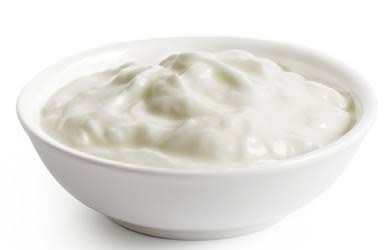
1.Though both are dairy products, widely used and might taste and look similar, but yet yoghurt and curd have clear differences. Many people even mistake curd for the Western name of yoghurt. The first basic difference is the method of preparation. Curd is prepared by milk fermentation from Lactic Acid bacteria. The lactic acid forms a reaction with the globular protein of milk and produces a thick consistency called curd. Curd can be prepared at home. Unlike, curd, yogurt cannot be made at home as it is made by milk fermentation with live strains of Lactobacillus bulgaricus and Streptococcus thermophilus. These bacterial strains react with the sugar present in the milk which produces lactic acid. The lactic acid, now reacts with milk protein, producing yoghurt.

2.As far as nutritional value is concerned, yoghurt is a rich source of protein, calcium, iron, potassium, and vitamins B5 and B6. Compared to curd, yoghurt contains less lactose so people with lactose intolerance preferred them more.
On the other hand, curd contains more lactose as it is prepared from fresh milk. It is also a rich source of protein, calcium, phosphorus, iron and vitamin B6. It helps to regulate digestion.

Yoghurt


3.As far as health is concerned, both have their respective preferences.
Yoghurt contains high probiotics so it helps maintain gut health for its beneficial bacteria content and is also preferred for weight loss. Since it contains high potassium, it is useful for people with high blood pressure.
Curd is a storehouse of good bacteria too so it helps to maintain a strong immune system. Its nutrients are absorbed quickly in the system so it is beneficial for the digestive system and can resolve digestive issues. Because of its rich source of calcium, it is healthy for bone health and has beauty benefits for hair and skin.


4.Yoghurt is a fermented dairy product, produced by standardised bacterial live strains at a controlled temperature so available in different flavours and different textures. It cannot be made at home. Since it is commercially produced, it can be fortified with vitamins and has high probiotics. It has usually a mild tangy taste.
Curd is made from fresh milk, by adding an acidic substance like lemon or vinegar or adding a spoonful of curd from the previous batch. So, it can be easily prepared at home. Homemade curd can retain more amount of lactose due to slow fermentation. Depending upon the length of fermentation, it can taste either mild soreness or may have a strong tang.

Curd


5.The debate of which is better is irrelevant as both of them are dairy products with great health benefits. The key difference between curd and yoghurt is the method of preparation. Depending upon the preferences in taste, texture and flavours, people may prefer either of them. For individuals with lactose intolerance, yoghurt is preferred as it contains less lactose. For people who prefer thicker consistency and texture, yoghurt is strained from the liquid to make it thicker after fermentation. Greek yoghurt is a thicker and creamier version as it is strained multiple times. On the other hand, curd is low in calories and preferred for people with cholesterol, obesity and hypertension.

Thanks for reading 🙏

Peace and love 💐

10 facts to understand why glutathione is necessary 🙌

Hello everyone ✋

1.Glutathione is a naturally found antioxidant in our body. It is important to know about this powerful antioxidant because it has a host of many benefits. Its primary function is to fight free radical that damages body cells. It’s vital for the body because it helps to protect from many diseases like autoimmune diseases, liver damage, heart diseases, respiratory diseases and neurological disorders. As we grow older, the glutathione level slowly declines and the body marches towards poor health.


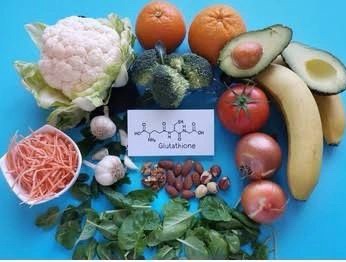
2.It is essential to maintain the level of glutathione in the body. If the level drops, certain symptoms may appear, such as anemia, fatigue, increased frequency of infections, low immunity status, sleep problems, and brain fog. To boost glutathione levels, it is recommended to consume sulfur-rich foods such as cruciferous vegetables, avocados, broccoli, spinach, garlic, and unprocessed meat. Several studies have indicated that consuming vitamin C can increase glutathione levels in the body. Therefore, it is important to consume citrus fruits, bell peppers, kiwis, and papayas regularly. Additionally, it is recommended to consume foods rich in selenium such as chicken, fish, eggs, Brazil nuts, and brown rice to maintain glutathione levels in the body.

Aging

3.Glutathione is a compound that is mainly composed of three amino acids: glutamine, glycine, and cysteine. Our body naturally produces this compound, but its level decreases with age. In addition, chronic diseases, poor diet, stress, anxiety, and frequent infections can also contribute to the reduction of glutathione levels. Low levels of glutathione are commonly found in individuals suffering from chronic diseases such as heart and liver diseases, sepsis, trauma, HIV/AIDS, and cancers. The role of glutathione in the body is crucial because it helps to prevent free radical damage, repair cells, and facilitate protein synthesis. Moreover, glutathione can bind with toxic metals like arsenic, silver, lead, chromium, mercury, and copper, and help to reduce their toxicity.


4.Glutathione is a powerful antioxidant that offers several health benefits. It can reduce oxidative stress caused by free radicals and prevent the development of various diseases such as diabetes, cancer, autoimmune disorders, and rheumatoid arthritis. Glutathione can also help to reduce cell death and improve blood levels of protein, bilirubin, and enzymes in fatty liver diseases like alcoholic and non-alcoholic types. Additionally, it plays a significant role in maintaining mitochondrial DNA, which is necessary for building proteins and cells. Several studies have shown that glutathione can improve blood circulation and prevent plaque buildup, thereby improving peripheral arterial disease. It may also help to improve symptoms of tremors and rigidity in Parkinson’s disease, respiratory diseases, uncontrolled diabetes, autism in children, and psoriasis.

Glowing skin
Gut health

5.Various studies have demonstrated that glutathione has a significant role in preventing skin problems such as acne, eczema, wrinkles, and aging. It also helps in maintaining healthy and glowing skin. When the balance between good and bad microbiome in the gut is harmonized, the overall health of the body is improved, and the skin appears healthy and radiant. However, if the balance is disrupted, it leads to skin problems and other health issues, including bowel disturbances. Glutathione is instrumental in detoxifying the body, repairing cell damage, and maintaining a balanced gut health. Therefore, by improving the level of glutathione in the body, it is possible to resolve skin problems and many gut issues.

Supplements


6.Low levels of glutathione can lead to a variety of health issues. While natural food sources are the best way to improve glutathione production in the body, supplements like vitamin C and E, curcumin, N-acetylcysteine, and selenium can also help. However, injectable supplements can be toxic and oral supplements are not very effective as they break down in the stomach. In cases of low immunity, glutathione is sometimes medically prescribed. In such cases, oral or injectable supplements may be recommended under medical supervision.

Alcohol

7.Certain lifestyle changes are essential to improve the glutathione levels in the body. Avoiding smoking, alcohol, too much dairy, caffeine and processed food is required to boost the levels in the body. Having a balanced diet, with good quality natural food sources, exercise and good sleep can improve the glutathione production in the body.


8.Glutathione levels are not typically measured in the body like essential nutrients, so research is still insufficient to understand the effects of low levels and supplement requirements. Studies do show that low levels can result from poor diet, stress, environmental toxins, and increasing age. Low levels of glutathione are associated with an increased risk of chronic diseases like cancer, diabetes, liver diseases, and Parkinson’s disease. However, supplementing with glutathione does not decrease the risk, so more studies are required to determine the optimal intake and its effects.

Milk thistle


9.Supplements of glutathione that are commercially available include Selenium, Vitamin C and E, milk thistle, and N-acetylcysteine. The dose of glutathione depends upon an individual’s age, sex, past medical history, and drug allergies. Studies have shown that glutathione is given at a range of 250 to 1000 mg/day in either injectable or inhalant forms. However, it is strictly advised to seek medical guidance before taking glutathione supplements since it can cause possible side effects. Some side effects like skin rashes, cramping, bloating can appear and inhalant glutathione might cause breathing problems too.

10.In brief, glutathione is a vital antioxidant that is naturally produced in the body and offers numerous benefits. A deficiency of glutathione can lead to the development of various chronic diseases, including cancer. As we age, the level of glutathione in our bodies naturally decreases. Therefore, it is crucial to be aware of dietary sources that can help boost the natural production of glutathione in the body. If advised by a medical professional, supplements can also be taken to improve the levels of glutathione in the body.

Thanks for reading.

Peace and love 🙏

10 facts to know about chia seeds 🙌

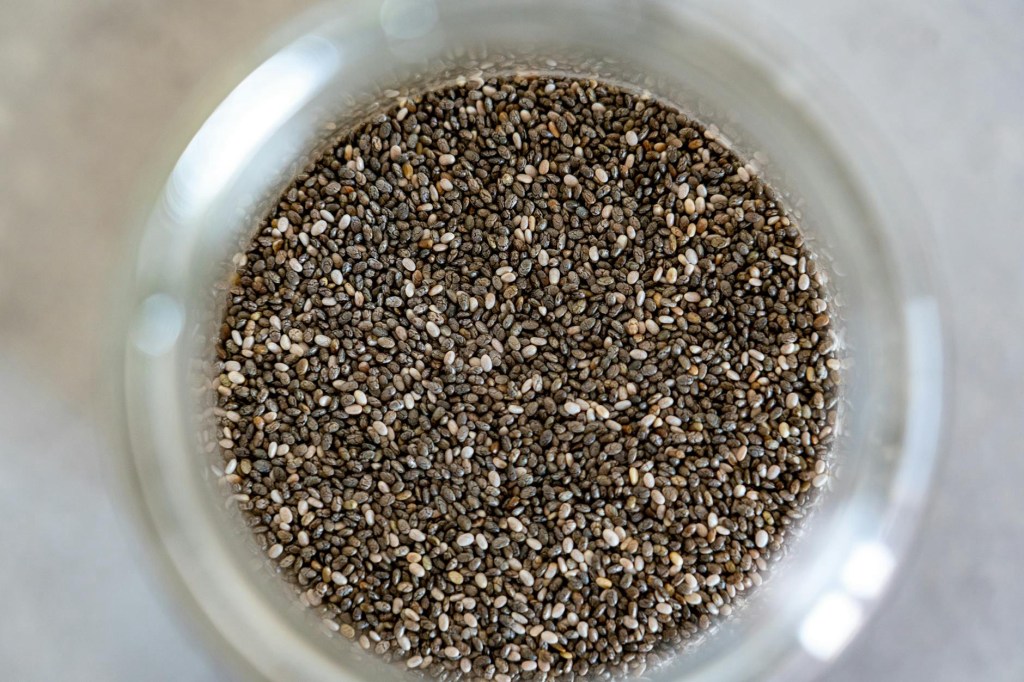
1.Originally from Guatemala and Mexico, Chia seeds also called Salba seeds are grown from a flowering plant. Its known widely for its medicinal benefits. These seeds are rich sources of antioxidants and polyphenols like quercetin, chlorogenic, kaempferol and caffeic acid. They are plant-based sources of omega-3 fatty acids, mostly alpha-linoleic acid (ALA) and nutrients rich in calcium, magnesium, iron and phosphorus that support the immune system. Because of its immense health benefits, it has been commercially grown across the globe to meet the demands.


2.Antioxidant-rich chia seeds can remove oxidative stress by destroying the free radicals in the body. Having it regularly can reduce the risk of developing heart disease, lower the risk of diabetes by improving blood sugar, reduce inflammatory diseases and lower blood pressure. Due to its high calcium content, it helps to maintain bone health, and nerve and muscle function.


3.Though it is a rich source of plant-based omega-3 fatty acids, but eating only chia seeds may not be enough. Other sources of Omega-3 fatty acids like flax seeds, hemp seeds, walnuts etc need to be taken to complete the body’s requirement to prevent developing chronic diseases. Research has shown that having regular Omega-3 fatty acids can maintain heart health, lower cholesterol, lower blood pressure, prevent blood clots and reduce the risk of inflammation like rheumatoid arthritis, lupus, and eczema.


4.Chia seeds are used mainly for healthy weight management. Since the seeds are rich in fibres, they absorb plenty of water, and expand in the stomach. They give a sensation of fullness in the stomach making you eat less. Therefore, it is good for weight management and reduces bloating and belly fat. The rich fibres in the seeds are also good for gut health by providing food for the gut microbiome.


5.Medications: People who have already known cases of diabetes and hypertension and have been using medication for the lowering of blood pressure and blood sugar can use chia seeds but with precautions. Having a teaspoon of the seeds with the physician’s supervision can cause no harm. However, having in big amount can further lower the blood pressure and blood sugar leading to complications.


6.In spite of it’s great health benefits, chia seeds can sometimes cause some issues. Eating in big quantities can further complicate certain conditions like inflammatory bowel disease, in some cases, they can cause diarrhoea, constipation and bloating. Due to it’s fibre content, the seeds are difficult to digest when having in large quantities. Like other seeds, it can be allergic to some individuals. So, having 1-2 teaspoonfuls is recommended normally rather than having a big quantity to prevent complications.


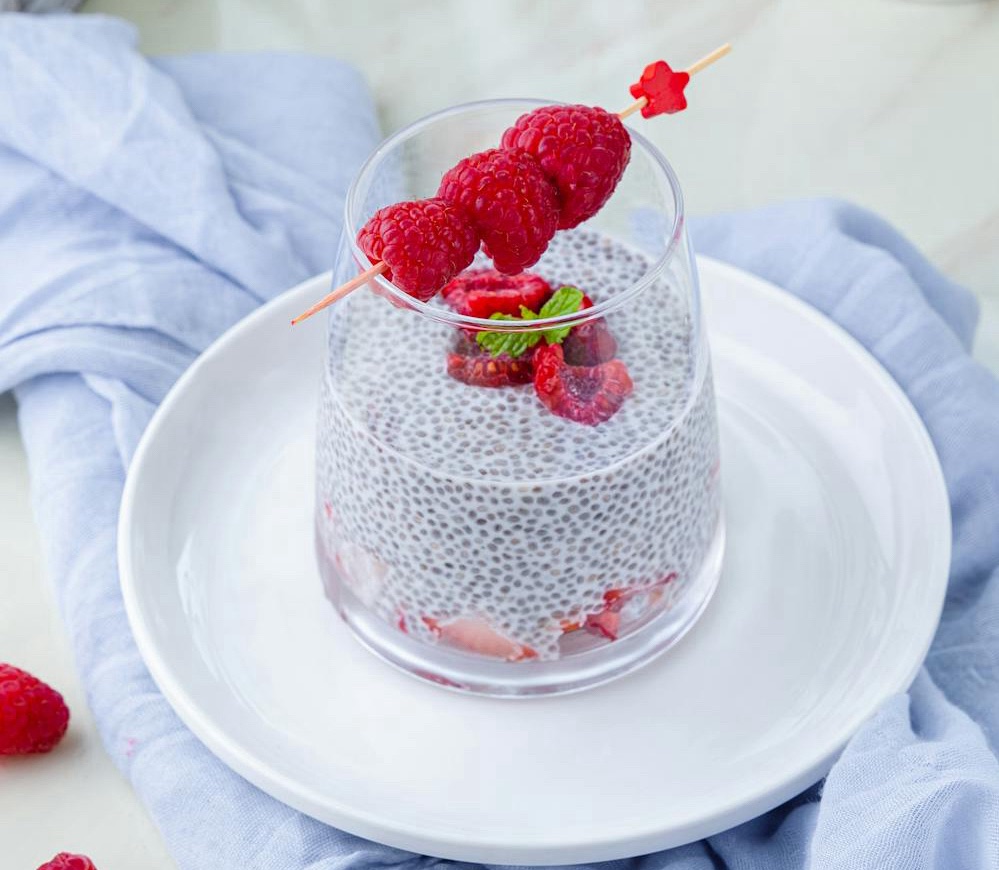
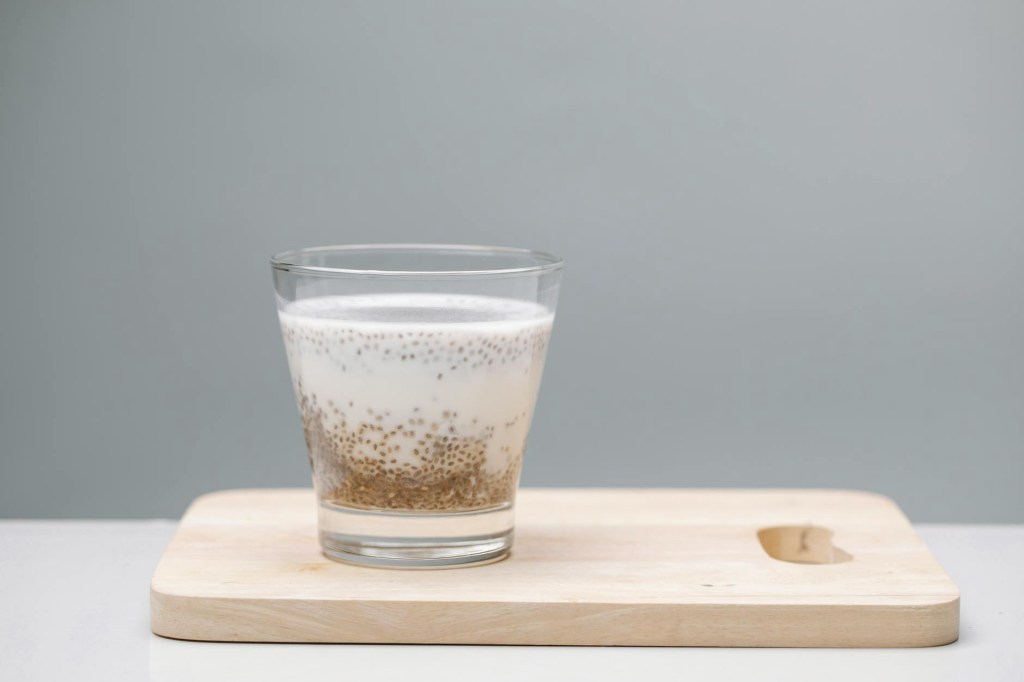
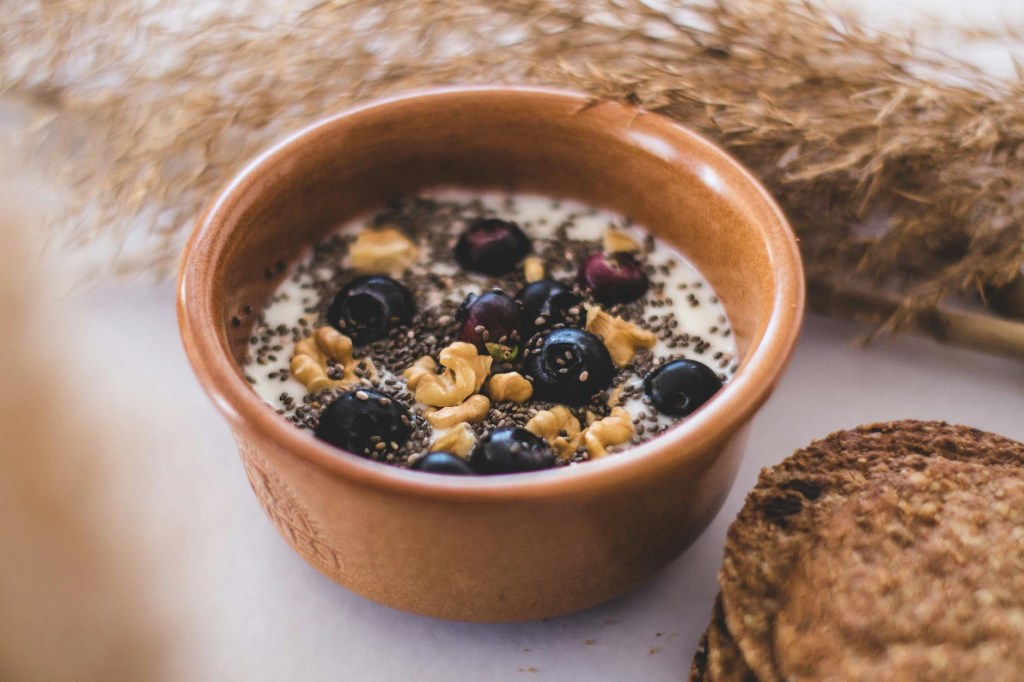
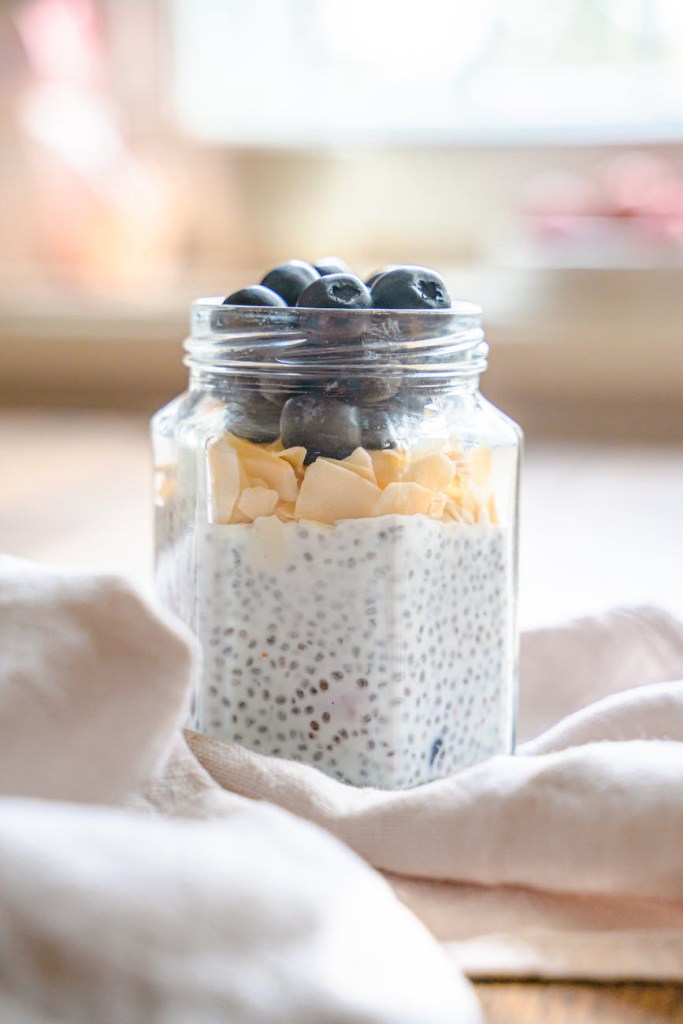
7.Chia seeds are tiny seeds which break easily. Many people use them in either whole form or in powdered form. Sprinkling a teaspoon full of chia seeds in your breakfast bowl of oatmeal, smoothies, and soups are common. Soaking them overnight and using them as chia sprouts is very beneficial. Chia pudding is commonly used as well by mixing them with milk or juice. Ideally, chia seeds are soaked in liquid or sprinkled over meal so that the seeds expand before eating is useful rather than having them directly.


8.The consumption of a high-fibre diet which is a healthy requirement of the body can cause dehydration due to the pulling of water from the tissues. So, chia seeds can be added to your drinking water which can help you remain hydrated throughout the day and also along with meals, this way, the nutrient-dense of the seeds can also be received.


9.Another cosmetic benefit of chia seeds that needed to be mention is that these seeds are good for skin maintainence, reducing skin pigmentation and dark spots. Due to the presence of omega-3-fatty acids, polyphenols and other nutrients, it can prevent or lessen the UV damage to skin. They are good for hair as well and can be used as hair mask.

10.Like all other superfoods, chia seeds should be consumed daily, not more than 25-30 grams per day, or 1-2 teaspoonful daily. They are cooling agents as they retain water in the body and keep you hydrated. Ideally, they should be consumed after soaking them overnight in water to get the maximum benefits.

Thanks for reading.

Peace and love 🙏

‘New Year’ wishes 🙌

First of all, I am incredibly appreciative that I get to celebrate another new year with the Supreme and all of my beautiful bloggers.

Let us hope that this new year, with its 365 fresh days, will bring us growth, positivity, action, hope, and the drive to achieve our objectives. Not to mention to make time for our loved ones and family.

Both failure and success are fleeting. The capacity to continue going forward is most important.

I’m wishing everyone a wonderful and prosperous 2024 New Year !

Thanks for reading.

Peace and love 🙏

10 facts to know about Matcha 🍵

Hello everyone! Have a wonderful day ✋

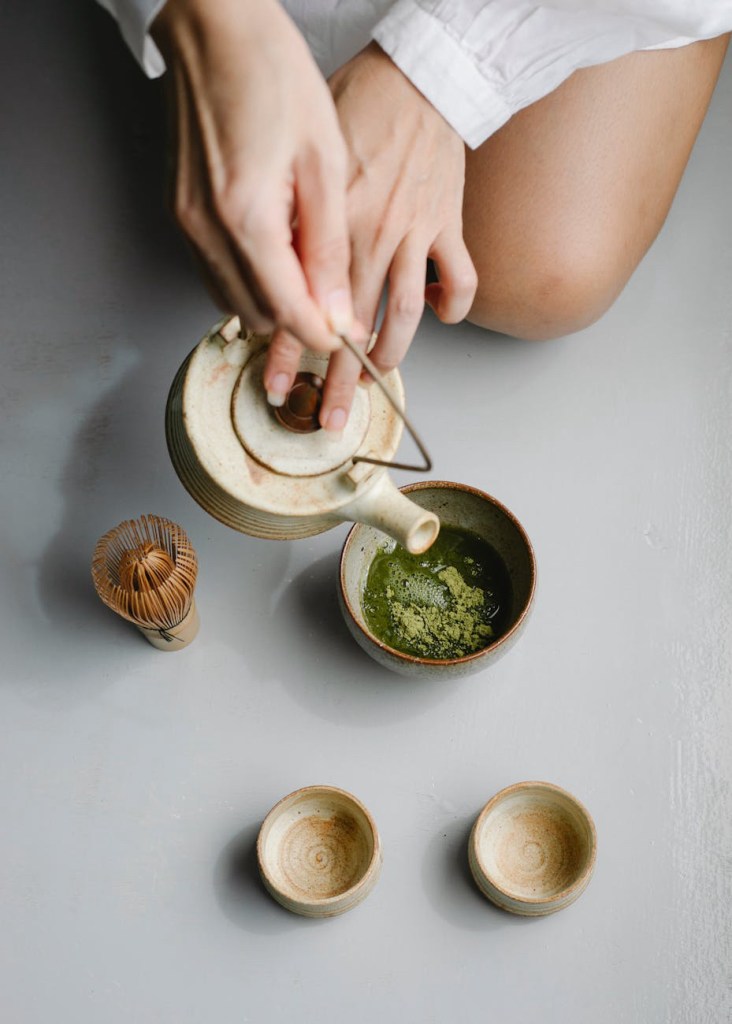
1. Matcha is powdered from processed green tea leaves which originated in East Asia, now widely produced in Japan. Back in the 16th century, the method of preparing matcha tea and serving became a ritual among Zen Buddhists. From then onwards, the Japanese Tea Ceremony has become widely popular, not only in Buddhist monasteries but also among the common people.

  1. The scientific name of the plant Camellia Sinensis from which matcha is derived, is a shade- grown green tea plant usually covered from direct sunlight to ensure slow growth. The slow growth results in a darker shade of green, which is a high level of chlorophyll. This type of harvest technique causes more production of amino acids threonine and caffeine.
  2. Matcha is highly rich in antioxidants due to its high amino acid content. So, regular intake can prevent free radical damage in the body and can prevent the occurrence of chronic diseases. The tea flavonoids have anti-inflammatory properties too.
  3. Studies have shown that since matcha contains high levels of caffeine and L-threonine, it is highly beneficial for brain functions. Regular consumption can improve the memory, alertness and focus of the mind.

5.Some research studies have shown that regular intake of matcha helps in the prevention of cancer. But, further studies are still required to have concrete proof. As matcha is rich in catechin, more precisely Epigallocatechin-3-gallate (EGCG), is found to have high anti-cancer properties. It also improves the efficacy of certain chemotherapeutic drugs.

6.Matcha tea has great skin health benefits. Regular intake or adding topically as a skin care mask can give healthy glowing skin. It can also be used for its therapeutic benefits for skin conditions like psoriasis, keratosis, rosacea and wound healing.

7.Matcha is good for the prevention of cardiovascular diseases. Studies have indicated that the presence of EGCG, which is rich in catechin has many therapeutic properties such as anti- atherosclerotic, anti-myocardial infarction, anti-cardiac hypertrophy, anti-inflammatory and also anti-diabetic. It aids in weight loss too.

8.Matcha tea which is organically grown is safest. Sometimes, inferior or poor-quality matcha tea may contain excess of pesticides and lead which may cause harmful effects on the body. So, the reputed quality of matcha tea is only recommended.

9.According to the US Food Drug Administration, a daily intake of not more than 400mg is recommended. Excess intake may lead to caffeine overdose which causes side effects like anxiety, fast heart rate, insomnia, headache and nausea.

10.Matcha tea is usually taken as a warm beverage. But, because of its immense popularity, matcha is served as a Latte, in ice-cream, cocktails, sodas, cookies, pancakes and so on.

Thanks for reading.

Peace and love 🙏
Diwali wishes to all 🙌

Today’s world is full of negativity and uncertainty where change is inevitable. Not all changes are comfortable. But faster, we accept, the sooner is the liberation and reconciliation process. Never lose the sight of hope and faith in the Supreme because it is this light which will lead us through the journey, no matter how hard it may be.

On this auspicious occasion, may the Supreme enlighten our hearts and fill our minds with happiness and positivity by strengthening the human bonds within family, friends and community.

Happy Diwali to all my dear readers with lots of love and luck. God Bless 🙌