

10 facts: Hyaluronic acid (HA) is a vital prebiotic fibre 🫧

1. Structurally, all fibres are polymers of sugar molecules. Likewise, hyaluronic acid is also a polymer of sugar molecules: N-acetyl-D-glucosamine and glucuronic acid. It is naturally produced in the body, while dietary sources of hyaluronic acid are essential for the body’s optimal functioning. Though hyaluronic acid has many beneficial effects, it’s most important effect is the water holding capacity by binding water molecules, which in turn help in retaining moisture, lubrication, facilitate immune system mediators to provide protection. Generally, most women are aware of this compound as a hydrating agent for skin, as it is used widely in skin and cosmetic products.
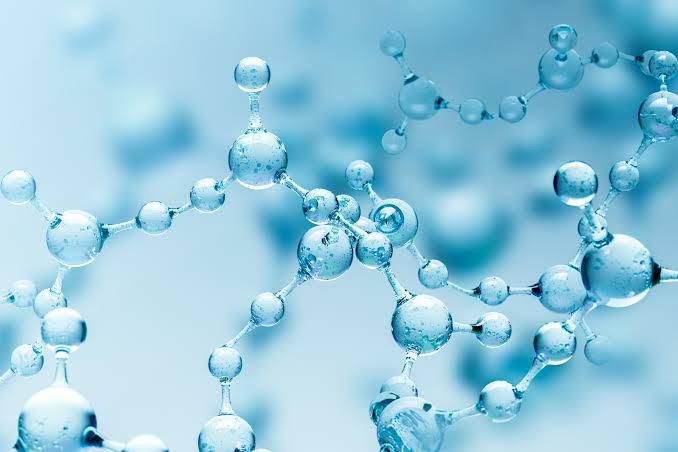
2. Though hyaluronic acid is produced in the body, dietary sources of hyaluronic acid are necessary as they bridge the gap between naturally formed HA and the optimal amount required. HA has many beneficial effects in the body such as:

• The eyes naturally have hyaluronic acid. Additional quantity from diet can help further in lubricating eye tissues and helps in protecting vision.

• Lubricates the joints of knees and hips, increasing synovial fluid, protecting the cartilage, and preventing arthritis.

• Adding more hyaluronic acid in the diet can help in skin and other organs by hydration and maintaining the elasticity.

• Hyaluronic acid helps in increasing butyrate-producing bacterial species in the gut, which are very important in reducing insulin resistance and HbA1c. An additional quantity added through diet can further enhanced the ability.

• Improves vaginal dryness and atrophy, so ingested hyaluronic acid (HA) can prove very helpful in menopausal women.

3. Hyaluronic acid in Prebiotic fibre: HA in the human body is found to be part of the extracellular matrix, which binds the cells together and helps in the passage of nutrients and oxygen to the cells. It provides elastoviscocity to the connective tissues, helps in hydration of tissues, acts as a lubricant in synovial fluids around the joints, and provides hydration to the eye tissues as well. HA also helps in endogenous intercellular activities, such as antioxidant activities and free radical scavenging. HA sources from plant foods can be both soluble and insoluble fibres. Both types of fibre function as prebiotic and improve the environment of the gut microbiome. Therefore, research has shown that adequate intake of fibres (daily intake of 25-35 gm) can provide additional sources of HA, which can enhance the growth of good bacteria, suppress bad bacteria and reduce gas and bloating.

Gut health

4. Gut health benefits: Natural sources of hyaluronic acid through different dietary sources can be immensely beneficial to gut health. Some of the common benefits:

• Soluble fibres can slow down digestion and delay hunger, while insoluble fibres can maintain bowel movements and form the stool bulk. It helps to prevent gas and bloating.

• Prebiotic fibres enhances the growth of beneficial bacteria by producing short chain fatty acid.

• Improvement of gut environment can reduce body’s inflammation, strengthen immune system.

• Strengthening the intestinal gut lining barrier by forming tight junctions between the epithelial cells.

• HA in fibres help in providing hydration and producing mucin that protects the mucosal lining of intestines.

Skin care

5. Hyaluronic acid as skin hydrating agent: HA has been widely used in many skin care and cosmetic products for a long time. The amazing benefits to skin health are as follows:

• HA is the most important compound in the body, including the skin, which helps in maintaining cellular hydration and tissue integrity.

• Reduces the wrinkles by filling the skin cells with water giving the plum skin.

• Maintain the viscoelasticity in the skin, keeping it soft and bouncy.

• Strengthen the natural skin lining barrier and prevent from acne and skin sensitivity problems.

Knee Joint

6. HA as supplement: Hyaluronic acid is naturally produced and found in the body in different areas, especially in the joints, bones, connective tissues, extracellular matrix, skin and eyes. HA is used as a supplement in the form of oral tablets, injectables, topical agents, eye drops and intimate creams and gels. Usually, over-the-counter hyaluronic acid pills, skin gel, creams, andeye drops are safe. Prescription-drug injectable forms should be used under medical supervision. The conditions for which hyaluronic acid is used as supplements are:

• Maintaining eye health, dry eyes.

• Skin health, dryness, actinic keratosis, scleroderma, anti-wrinkle agents, hydrating agents.

• Joints to reduce stiffness, arthritis, soft tissue injuries.

• Asthma as prescribed medication.

• Interstitial cystitis.

• Wound healing.
Skincare products

7. Hyaluronic acid with Vitamin C: Pairing of hyaluronic acid and vitamin C is recommended as they work in synergy, though their individual functions are different. Skin and cosmetic products with this pairing are amazing for skin dryness and ageing issues like wrinkles. HA is mostly used for face application as a hydrating agent, improves skin elasticity, reduces wrinkles and repairs skin damage. Vitamin C acts as an antioxidant and protects the skin from damage from UV rays and pollution.
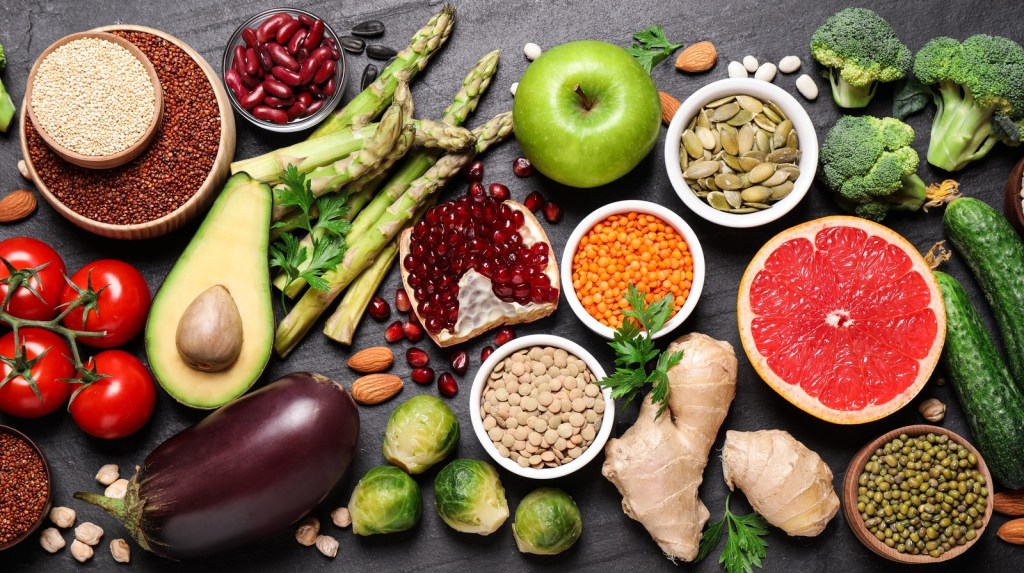
Vegetarian food

8. Dietary sources of HA: Both non-vegetarian and vegetarian sources are found in nature which provide hyaluronic acid. Vegetarian sources can indirectly provide nutrition and facilitate the body to produce HA. Non-vegetarian sources provide HA directly to the body. Sources are such as:

• Vegetarian sources are leafy greens, root vegetables, citrus fruits, soy products and nuts and seeds.

• Non-vegetarian sources are bone broth and organ meat.
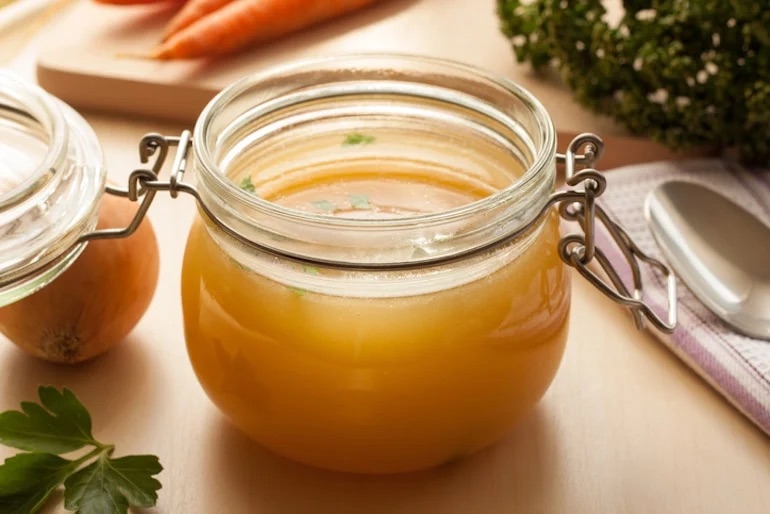
Bone broth

9. HA in dairy products: HA has been found to have a prebiotic effect, which is beneficial for gut health and other amazing benefits. It is added to dairy products as a food additive. In dairy products like milk, yoghurt, and ice cream, it helps to retain moisture, stabilises the milk protein, improves the viscosity, and increases the thickness, making it creamier. It also reduces the milk syneresis, or separation of whey, thereby lengthening the shelf life. Moreover, it has amazing health benefits too.

Skin hydration

10. Takeaway: Hyaluronic acid is a naturally occurring substance in the body in different areas like joints, connective tissue, skin, cartilage, and bones. It acts as a humectant, retaining water in the tissue, keeping them hydrated and moist. So, it has some amazing benefits like joint lubricant, prebiotic as they enhance the growth of good bacteria, wound healing, skin hydration, reduces and repairs skin damage, and anti-ageing effects. To get the optimal supply of HA, many use HA as a supplement, topical agents, creams, lotions and injectables (off course when prescribed). There are many dietary sources of both vegetarian and non-vegetarian foods which can help increase the body’s requirement of HA. It is in fact, a very essential sugar molecule for overall health.

Thanks for reading.

Peace and love 🙏
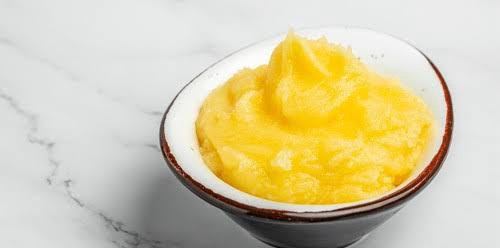
10 facts to know about Ghee (clarified butter) 🙌

Research has shown that Ghee is a powerhouse of anti-oxidants, healthy fats and vitamins. For centuries, it has been used traditionally in Middle Eastern and Indian culinary traditions. In Ayurvedic medicine, it has been used extensively as a remedy for various ailments.

  1. There are various dairy sources of Ghee, such as cows, buffaloes, goats, and camels. But the best source of Ghee is the cow’s ghee depending upon the fatty acid composition. Ghee is a rich source of Short-chain fatty acids (SCFA), linoleic acids, omega-3, omega-6 fatty acids and phospholipids. Research has shown that these fatty acids have the most potential benefits of anti-oxidants, and anti-inflammatory properties and are excellent sources of fat for brain health.
  2. According to Ayurvedic literature, the health benefits of Ghee depend on the manufacturing process, the source of dairy from which it was made, age and phase of the ghee. Cow’s ghee has the highest nourishing and health benefits. Buffalo ghee can be a good source of building a physical and muscular physique. Goat’s ghee has respiratory benefits whereas camel’s ghee has digestive properties.
  3. Research says that grass-fed ghee is more nutrient-dense than grain-fed ghee. Cow ghee has different varieties. Garlic grass-fed ghee is a superior quality ghee which has higher therapeutic benefits. Grass-fed Cultured Organic ghee is from grass-fed milk which is of premium quality and has several health benefits. A2 Organic ghee contains A2 protein and is purest in terms of quality which has no traces of GMOs, antibiotics or steroids. Another variety is lime grass-fed ghee which has good taste due to lime flavour.

4.Cognitive health benefit: The most important benefits of ghee are cognitive health, the overall brain wellbeing. Though limited research has been done so far, studies show that SCFA, omega-3 fatty acid, and linoleic acid in ghee show a significant role in improving memory, intellect and brilliance. Ghee helps in the management of diseases like epilepsy, ageing cognitive issues,depression, anxiety and insanity.

5.GI health: SCFAs found in ghee play an important role in enhancing digestive health. Butyrate found in ghee feeds the gut microbiome and enhances the gut immune system, improves digestion, and helps to strengthen intestinal wall integrity. Ghee has been used for centuries to treat abdominal disorders, peptic ulcers and improvement of appetite.

6.Respiratory health: According to Ayurveda, A2 ghee plays a significant role in lowering
symptoms of asthma, bronchitis, sore throat, fever, bleeding disorders and other respiratory issues A2 ghee is combined with herbs like Malabar Nut are used as herbal medicines to heal respiratory issues by Ayurvedic experts. It acts as a natural expectorant in case of colds and coughs.

7.Other ailments where ghee has been used by Ayurvedic Medicine to treat issues like abscesses, boils, liver issues, hernias, vaginal pain and other reproductive problems. It is also used for topical application for a calm relaxing skin massage. In some Ayurvedic cleansing techniques, ghee message is used to release toxins from fatty tissues and treat osteoarthritis, and insomnia.

8.Since ancient times, ghee has been a natural remedy for various issues. It was used as a
natural moisturizer, bath oil for skin, remedy for gums, and teeth when gargling with ghee, to stop nose bleeding, and to treat minor cuts and burns.

9.Butter and ghee have similar fat contents and nutrients. But for people who have problems in the digestion of dairy products, pure ghee is comparatively better as they have no or less quantity of protein than butter.

10.Ghee has been slowly emerging as a healthy cooking choice because of its various nutritional benefits and better absorption of nutrients from foods and vegetables. Recent studies show that ghee is cholesterol-friendly as it can help to increase good cholesterol over bad cholesterol. However, due to its high fat content, it has to be used in moderation. When consuming ghee daily, the person has to undergo regular physical activity and exercise to digest the fat properly and enjoy the benefits. According to health experts, consuming 2-3 teaspoonfuls of ghee can bring overall health benefits and be heart-friendly.

Thanks for reading.

Peace and love 🙏

Butyrate is the latest buzzword! Is it just a hype or the reality? 10 facts 🙌

Butter is a rich source of butyrate

1.Butyrate is a short-chain fatty acid (SFCA) released during the fermentation of dietary fibres by the gut microbiome. It plays an integral part in supporting gut health and overall well-being. It is an energy source for colonocytes which meet about 70% of their needs. Evidence has shown that this SFCA has tremendous health benefits ranging from immunity support, lowering inflammation, preventing cancers and fighting ageing. Hence, it is the latest buzzword, doing rounds in social media and among advertisers.

2.Recent studies have clearly shown that butyrate plays an important role in both the host and microbial functions in gastrointestinal health. It is a crucial energy source for colonocytes. An optimal level of butyrate promotes and maintains a healthy microbiome level, reduces inflammation, and supports colonocyte functions. It has protective actions against certain intestinal diseases like inflammatory bowel diseases and colon cancer.

3.Butyrate has been shown to prevent the process of inflammation in the gut which can be caused by pathogens, the body’s overreaction (allergic reactions) and oxidative stress. Chronic inflammation in the gut occurs when the gut’s immune system is constantly fighting against these pathogens and free radicals causing the immune health to be weakened. Eating a considerable amount of fibres causes to production of an optimal level of butyrate which helps in protecting against this inflammatory process.

Dietary fiber is a good source of butyrate

4.Studies have shown a great impact of butyrate on obesity. Butyrate is found to lower body weight and decrease lipogenesis in the liver and adipose tissues. It increases fatty acid oxidation and prevents fat accumulation in the body thereby reducing obesity. Butyrate is produced by the fermentation of dietary fibres, so it suppresses the food intake and reduces body weight and fat mass.

5.Animal and cell studies have shown that butyrate increases insulin sensitivity, helps in reducing weight gain, and obesity and promotes weight loss. It helps in maintaining blood sugar levels.

Dairy products

6.Another significant property of butyrate has been shown in research that it promotes cell differentiation. Normally, our cells have the ability to change into any specific type of body cells required like liver cells, heart cells, intestinal cells or blood cells. If the cells are not properly differentiated, then, abnormal growth or tumour appears. Butyrate is found to promote cell differentiation.

7.Studies have shown that butyrate plays an important role in the brain-gut connection. It helps in increasing Brain-Derived Neurotrophic Factor (BDNF), removes toxic byproducts from the brain and prevents brain fog. It promotes neuroplasticity and improves rapid eye movement sleep by 70%.

8.Butyrate helps to regulate the blood pressure level. Studies show that the level of butyrate inversely corresponds to the blood pressure level. A higher butyrate level gives a lower blood pressure level while low butyrate may lead to the rise of high blood pressure.

Leafy veggies

9.Sources of butyrate are :
Dietary fibres like vegetables like garlic, onion, tomatoes, beans, peas, leafy vegetables, broccoli. Fruits like bananas, apples, pears, kiwis.
Whole grains like brown rice, oats, wheat, barley, rye and pulses, legumes.
Dairy sources like milk, cheese, butter, and ghee.
Others like dark chocolate, seeds, nuts, and seawood.
Butyrate supplements are available in the form of sodium, calcium/magnesium butyrate but need to be used as per supervision as they may interfere with other medication.

10.It is important to know that consuming full-fat dairy products like butter, Ghee, cheese, and milk are rich sources of butyrate. However, consuming these products can cause the risk of elevating the level of cholesterol in the body as they are rich in saturated fatty acids too. Therefore, the risk of cardiovascular diseases and obesity may rise. So, the key point to be noted while consuming these products is having them in moderation along with lots of dietary fibre and plenty of water can benefit and maintain the balance.

Thanks for reading.

Peace and love 🙏