

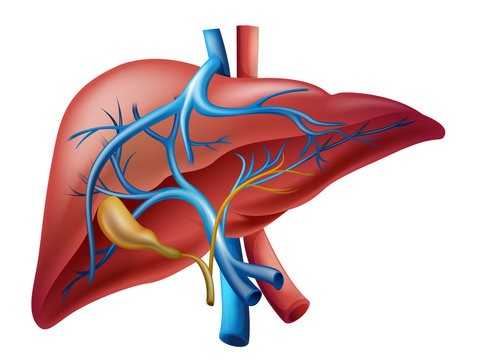

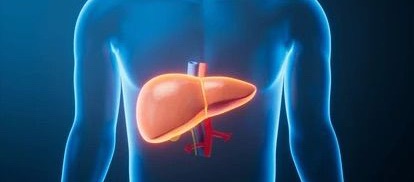
1. Though the entire body- the organs and the cells is interconnected, likewise the feet are very much connected to the liver through the nerve endings. The liver helps filter toxins, produces bile to aid fat absorption, and supports protein processing and blood clotting. Whenever the liver is not functioning properly, there are simple signs in the feet which are physically manifested as the alarming signals for liver attention. These signs, when manifested in the feet, can help in the early diagnosis of a liver problem, making its further management easier.
2. Medically, there is no direct anatomical connection between the liver and the feet. But, like all other organs, the liver is also interconnected with the rest of the body, especially the lower extremities, by nerve endings. In alternative science like Reflexology, the liver is situated on the right side of the body, so the ball and the arch of the right foot connect to the liver. Physiologically, when liver functions are irregular, the changes are reflected in the feet through fluid retention, circulatory changes, nerve endings sensations and vitamin deficiencies. Physical manifestations of secondary symptoms of the feet do reveal the presence of underlying liver disease or even any systemic diseases (like Diabetic neuropathy).
3. Liver problems and chronic liver diseases at early stages may not be known, or the physical symptoms may go unnoticed. But the body does send signals through the feet as well as the skin, which should not be neglected. Though the signals may not always indicate a liver issue, they should not be neglected either. Some of the findings are:
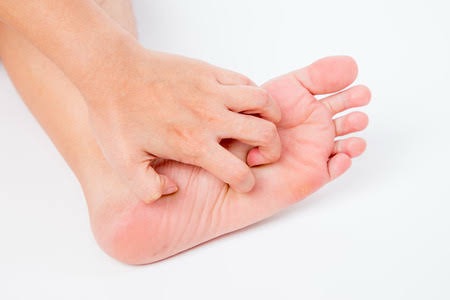
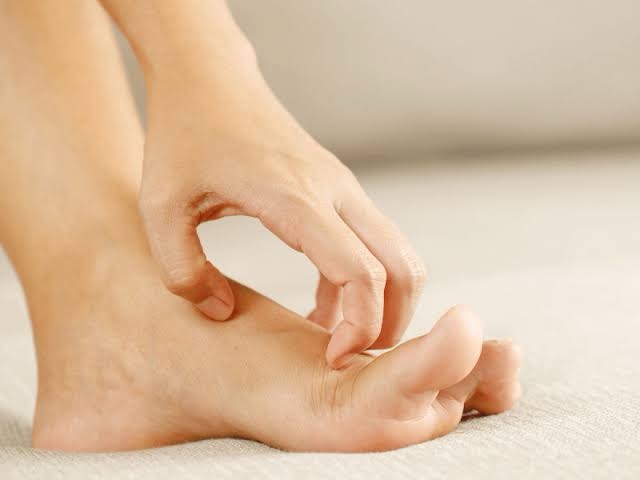
• Nighttime itching of the feet.
• Dryness without any known reason.
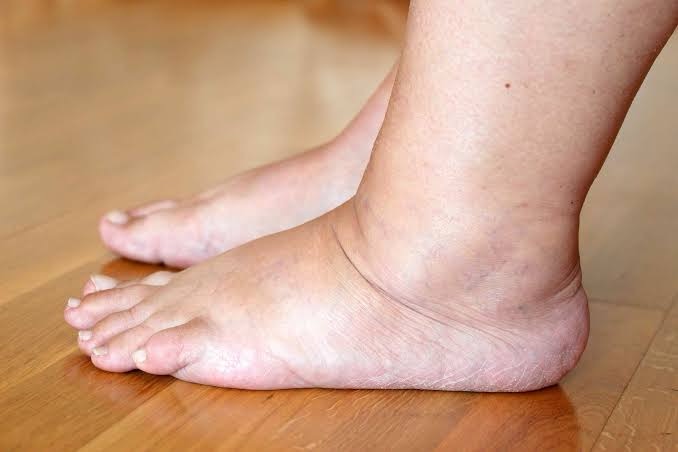
• Swelling in the feet and ankles.
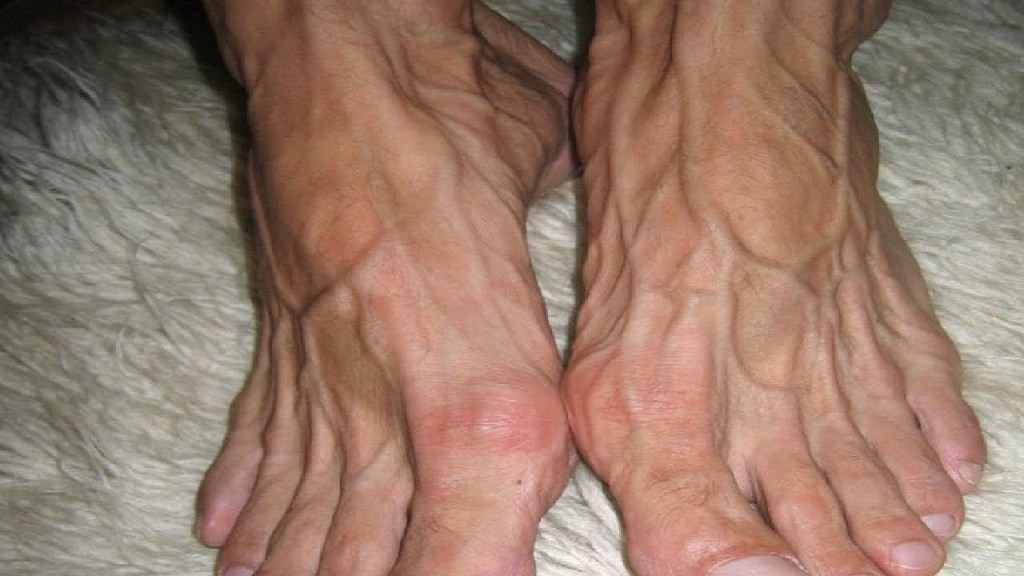
• Red and brown dots in legs and feet.
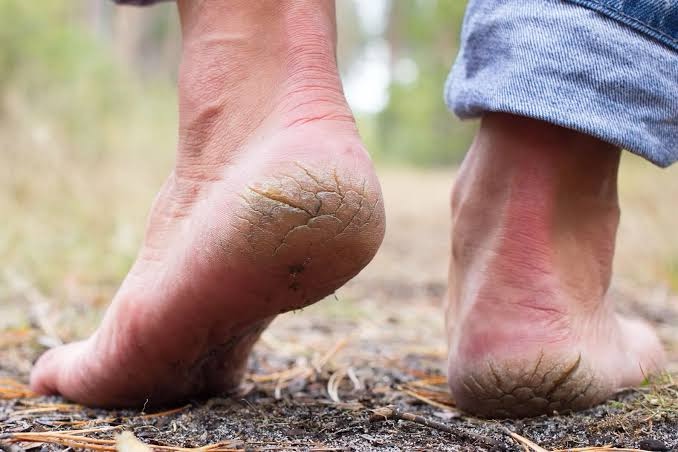
• Deep heel cracks.
• Yellowish discolouration of the skin, including the feet.
4. When some of the signs are worsening and persistent for weeks, those signs can be a warning of urgent evaluation from medical experts. These warning signs can be:
• When itching is very severe.
• Swelling in the feet and around ankles. Low albumin due to a weak liver causes the fluid to leak and accumulate in the ankles and feet.
• Deep heel cracks.
• Spider veins due to a sick liver can cause hormonal imbalance, which results in small blood vessels with a spider-like appearance in the legs and feet.
• Yellowish skin.
• Excessive dryness in the feet.
5. Apart from the alarming signs of the feet, there are other accompanying physical symptoms which are sure signs of impending liver disease. Some of the physical signs of the body are:
• Fluid accumulation in the abdominal cavity (ascites).
• Weight loss or weight gain.
• Swelling in the feet as well as in the legs. (Peripheral oedema)
• Yellow discolouration of eyes and skin (jaundice).
• Redness of the palm.
• Brain fog.
• Numbness in the feet (Paresthesia)
• Pain around the joints and feet.
6. When such warning signs appear, it is best to book urgent medical help. Early intervention can be the key to diagnosing potential underlying liver problems and help to alleviate the foot symptoms as well as the success of treatment in liver disease. There is a long list of liver diseases which can be even genetic and autoimmune in origin. However, some of the common issues which are reported are:
• Hepatitis.
• Fatty liver disease (alcoholic or non-alcoholic)
• Cirrhosis.
• Hemochromatosis.• Wilson disease.
• Hepatocellular carcinoma.
7. Apart from the secondary symptoms of the feet, other physical symptoms which are easily missed for an underlying liver issue for which urgent medical attention is required:
• Feeling tired, weak and fatigued without any reason.
• Abdominal discomfort, especially on the right side of the belly, below the lower ribs.
• Sudden loss of appetite.
• Unexplained weight loss.
• Feeling of fullness during a meal, nausea, vomiting.
• Pale, yellow urine.
• Yellowish skin discolouration and itchiness.
• Puffiness of eyes, feet, belly area.
8. Like liver diseases, other systemic diseases whose secondary symptoms can be displayed in the feet include:
• Gout – Excess uric acid in the body is usually manifested as swelling, redness, and pain in the phalangeal joints of the big toe.
• Diabetic Neuropathy: Damaged nerves due to high blood sugar can lead to loss of sensation and numbness in the feet.
• Peripheral vascular disease: The blood flow is usually restricted to the feet, causing gangrene and eventually leading to amputation of the foot.

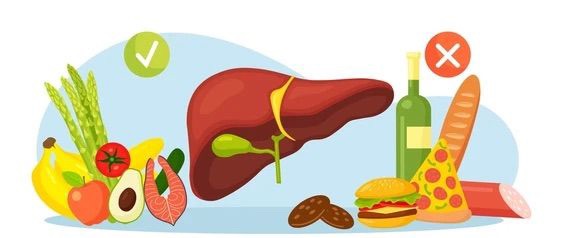
9. Liver cleansing: Focusing on liver support regularly is mandatory for liver health and its normal functioning. Some of the routine practises are:
• Restricting alcohol as much as possible.
• Avoiding refined, processed food, sugary and fried foods.
• Drinking water 8-10 glasses/day to flush toxins.
• Maintaining a healthy weight by regular exercise.
• A liver-friendly diet includes lean proteins, whole grains, and plenty of green leafy vegetables.
• Avoid unnecessary medications and supplements to lessen liver load.

10. In a nutshell, it is evident that early stages of liver issues are manifested as physical signs in the feet. Changes in the feet like swelling, spider veins, cracked heels, white nail beds, and yellowish skin are most likely signs of underlying liver issues, which should be given urgent medical attention. These signs should never be treated as minor and neglected. Early diagnosis and treatment of liver diseases can be more reversible than attending to it at a late stage, which can be difficult to treat and sometimes life-threatening.
Thanks for reading 🙏
Peace and love.

