

Peace and blessings 🙏

Peace and blessings 🙏
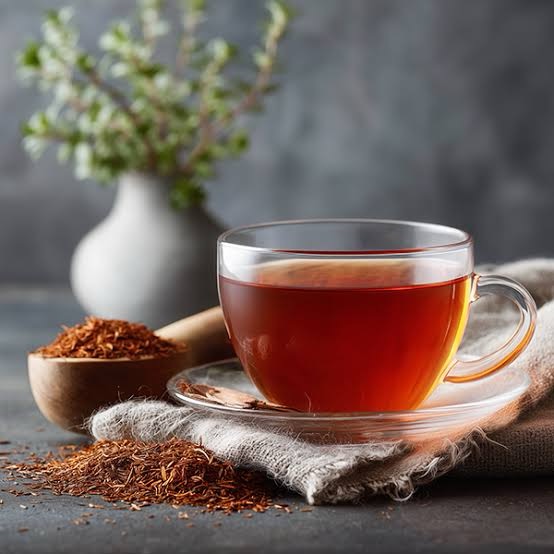
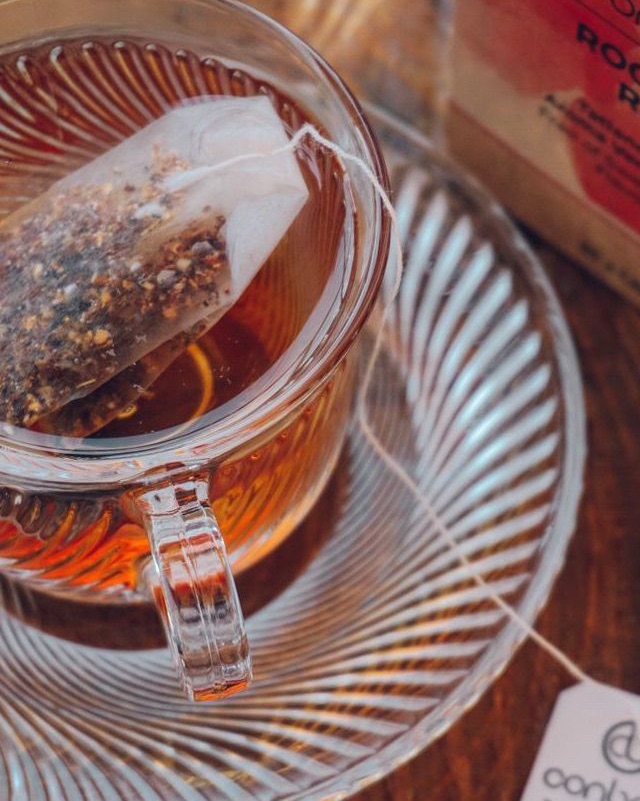
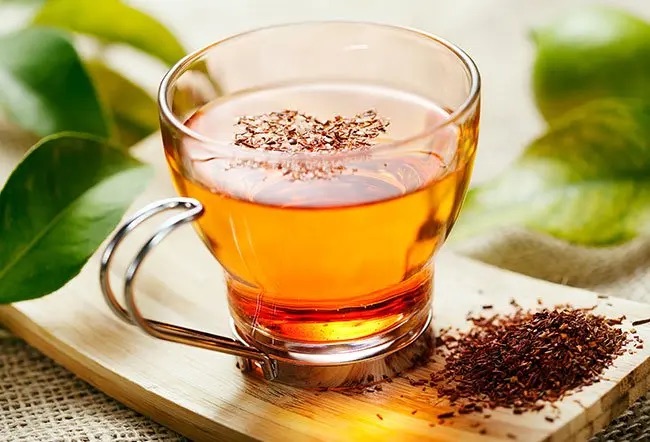
1. Rooibos, a caffeine-free, colourful tea produced from Aspalathus lineriaris, originated in South Africa and has been used for centuries in both fermented and unfermented forms. In recent times, this tea has attracted ample research studies for its nutritive profile of phenylphenols, flavones, flavonoid and several minerals. Because of its rich nutrients, this tea is known for its immune-boosting properties and has potent anti-inflammatory and antioxidant effects. It has plenty of phytochemical, which can prove to be very beneficial for humans and prevent chronic and lifestyle diseases. Therefore, this tea has been very popular worldwide.
2. Rooibos is a caffeine-free herbal infusion tea that contains very low levels of tannins. Thanks to its flavonoids and phenolic acids, which have antioxidant properties, rooibos tea helps prevent the formation of reactive oxygen species (ROS). By neutralizing and reducing ROS, rooibos can potentially help prevent chronic and lifestyle diseases, such as diabetes and cardiovascular conditions. Additionally, rooibos is effective in converting harmful ROS into less damaging hydroxyl radicals. Due to these findings from animal studies, rooibos has become a popular herbal tea and dietary supplement.
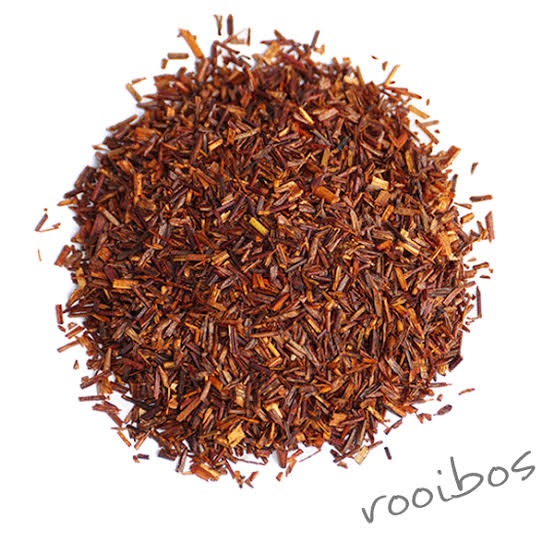
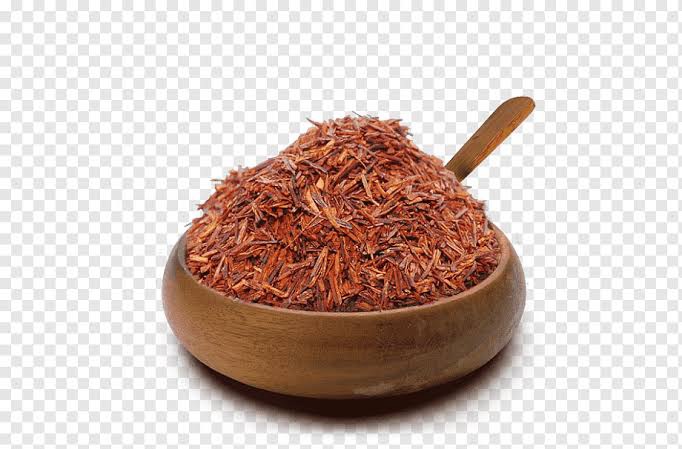
3. Rooibos tea is native to South Africa, grown originally in the mountains of Cederberg. But due to its popularity, it has been successfully grown worldwide. It is made from the bush of Aspalathus lineriasis. The loose leaves of the plant have the strongest flavour and the highest health benefits.
Though there are different varieties of rooibos, as already mentioned, loose leaves are most popular. Its taste is a little similar to green tea, with a strong nutty and sweet flavour and a pleasant aroma. Since studies have shown its amazing health benefits, and being caffeine -free, it can be taken 3-4 times daily, both day and night for overall wellness.

4. It has a potent list of amazing health benefits, namely :
• It has potent antioxidant properties which prevent oxidative stress and reduce cell-damaging radicals.
• Heart-friendly, as it can lower blood pressure by blocking ACE (angiotensin-converting enzyme). It also reduces cholesterol levels.
• It balances blood sugar levels and improves insulin sensitivity.
• It aids metabolism, and its anti-inflammatory effects help in reducing stomach cramps and bloating.
• It reduces skin irritation, prevent acne as rooibos contain Alpha -hydroxy acid and Zinc.
• Rooibos helps in strengthening bones as it is packed with minerals.
• It is a sleep aid due to its relaxing and soothing effects.
• It aids in weight loss.
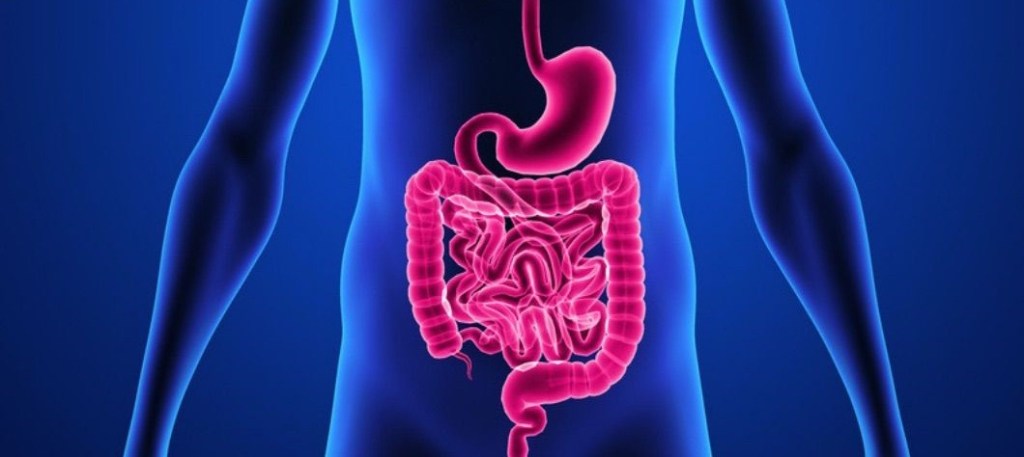
5. Digestive health: Rooibos is rich in flavonoids, phenolic acids and minerals, because of which it strongly supports gut health. It has a calming and gentle effect on the stomach. Among the many benefits for digestion, the important effects are :
• Relieves cramps and stomach pain due to its natural anti-spasmodic effect; it acts as a relaxant to stomach muscles.
• It strengthens the gut intestinal barrier and prevents leaky gut disorder. It helps in maintaining the intestinal lining. This effect is prominent with unfermented rooibos.
• Due to its anti-inflammatory effect, it reduces gut inflammation and lowers oxidative stress.
• It is soothing to the stomach and prevents acid reflux and iron absorption blockage due to its low tannin content.
6. Skin health: Rooibos has been consumed as a herbal infusion for centuries in both fermented and raw form. Because of research studies, in recent years, it has become very popular globally.
Due to its rich nutrients of polyphenols and minerals, it is considered an important ingredient in many herbal skin care products. It is considered as a valuable component in skin care for being anti-inflammatory, antioxidant, soothing, hydrating, moisture retention, hence used in many skin care products. Some of the amazing benefits to skin health are:
• Fights ageing and reduces wrinkles as it combats oxidative stress.
• Soothing to sensitive skin as it has a calming effect and prevents irritation.
• Prevents acne, reduces pores and gives clear skin.
• Protects the skin barrier, improves hydration, and helps reduce skin dryness• Reduces hyperpigmentation, promotes skin elasticity, giving firmer skin and a youthful appearance.
• Protects the skin from pollution and environmental damage.
7. Side effects: Overconsumption of any beneficial compound can lead to side effects too. Drinking rooibos tea in moderation is safe and has no severe side effects. But long-term heavy drinking of rooibos can lead to some side effects:
•Raised liver enzymes and liver toxicity in long-term use of high amounts of rooibos.
•Due to the presence of phytoestrogen which can mimic the natural oestrogen in the body can be an issue in case of hormone sensitive individual, women with breast cancer.
•Interact with medications like blood pressure medicine and cholesterol-lowering medication (statins). Due to its oxalate content, it can be problematic for kidney patients.
8. Dosage: Due to its tremendous benefits for balancing blood sugar, sleep, skin, hair, and immune-boosting properties, many people like to drink rooibos tea infusion. It is completely safe to drink every day, provided the daily intake is 2-4 cups or within 400-1200 ml/day. Overconsumption doesn’t really help in providing the benefits. Instead daily moderate intake slowly can uncover its amazing benefits to overall wellness. Studies show that a maximum limit of 4-6 cups can be tolerated as a healthy adult. Rooibos herbal infusion without sugar is healthy but adding sugar, heavy cream can increase the calorie content. It is suitable even for children and pregnant women too, in moderation.

9. Rooibos v/s other teas : Green tea, black tea contain caffeine while rooibos is caffeine free so can be taken anytime including night time. Other teas when brewed a little longer gives a bitter taste due tannin but rooibos has very low tannin and has sweet nutty taste and great aroma. Red rooibos is fermented, intense in flavour and colourful, while green rooibos is unfermented, looks similar to green tea and has high antioxidant levels.
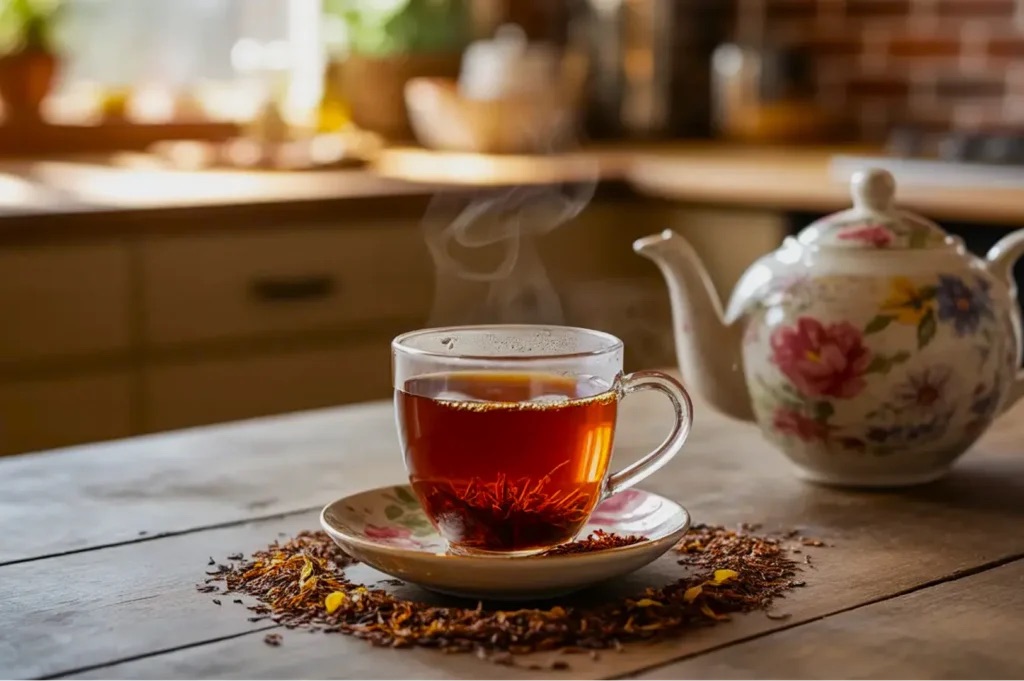
10. Takeaway: There is no doubt that rooibos is a very beneficial herbal tea, known for its nutritional profile. It does promote overall wellness, backed by science-based studies. In recent times, it has become very popular worldwide, and not just in its origin, South Africa, but several other countries have started growing it due to its increasing demand. It can be taken every day due to its anti-inflammatory, antioxidant properties and rich mineral profile for overall health and well-being. Plain rooibos tea is zero-calorie and is the healthiest version, without sugar, additives or whipped cream.
Thanks for reading.
Peace and love 🙏
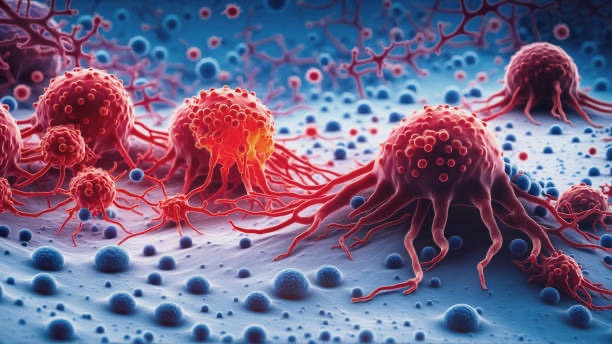
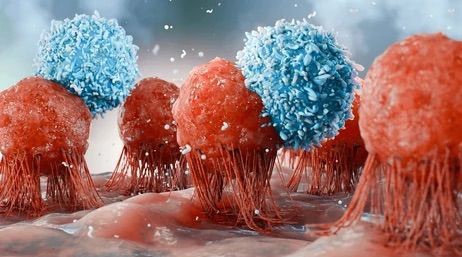
1.Carcinogens are chemicals which are found to increase the risk of cancer. According to WHO,1 in every 5 people develop cancer in their lifetime, which is quite alarming. Around 10 million people die every year world wide. Many strict regulations are already in place in various countries across the world, banning certain chemicals which are found to pose grave concerns to human health, including cancer risk. Personal care products including cosmetics use various chemicals and perfume to get the expected effects where some of the chemicals may result in health concern on long term use. Not all chemicals are tested properly, or they may not go through toxicity trials or animal testing. Research methods may sometimes differ from how the product is used by customers daily and in what quantity, it has been used. But, in spite of Regulations and Laws, it is important to have general awareness amongst individuals before purchasing any product.
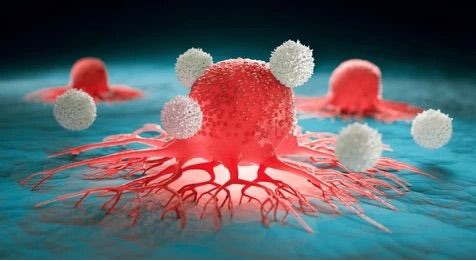
2. IARC: The International Agency for Research on Cancer, depending upon the cancer risk, has classified different agents based on evidence-based research :
Group 1: proven to be carcinogenic, like Alcohol, tobacco smoking, asbestos, formaldehyde, Benzene, sunlight (UV radiation)
Group 2A: Probable carcinogen with evidence of association with cancer risk, such as occupational hazards in case of hairdressers, shift workers (disruption of circadian rhythm), refinery workers.
Group 2B Possibly carcinogenic where there are limited evidence of an association with cancer risk. These categories include professions like firefighters, regular exposure to magnetic fields, diesel fuel, dry cleaning, textile manufacturing.
Group 3: Categorised as not classified, meaning that it is not possible to classify as carcinogenic based on evidence. Some examples include chlorinated drinking water, hair dyes, fluorescent light, and electric field exposure.
Group 4: Not carcinogenic, such as caprolactam used in the manufacture of synthetic fibres.
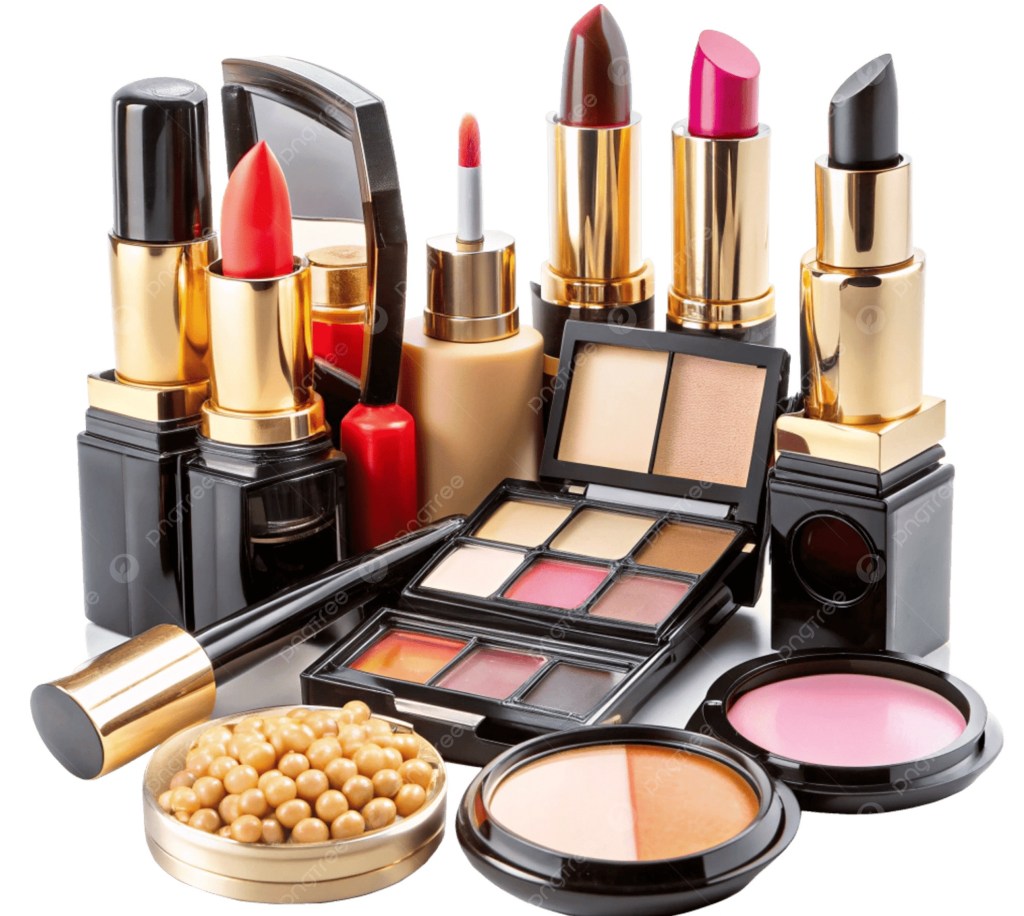
3. Many studies are carried out and are still going on in different countries for daily-use products like personal care and beauty care products. Some chemicals are banned from using in products which gave strong evidence of cancer risks. There is no specific product which has been proven to cause cancer presently in the commercial space for personal care. But, as far as consumers are concerned, there are products which should be avoided as they can be a health hazard. Some of them are:
• Hair dyes which contain coal tar derivatives, phenylenediamines.
• Hair straightening treatments which can release formaldehyde gas.
• Nail polish, which contains formaldehyde or formaldehyde-releasing preservatives.
• Shampoos containing traces of benzene.
• Talc powder, blushes and face powder containing traces of asbestos.
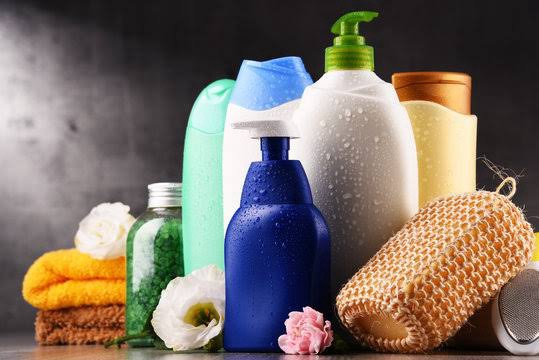
4. Formaldehyde: According to IARC, formaldehyde is categorised as a Group 1 carcinogen, meaning that it has been proven to be a carcinogen by evidence-based studies. It has been linked to various cancers like the nasal cavity, paranasal sinuses and nasopharynx. Also associated with blood and bone cancers. Formaldehyde is used in cosmetics, beauty products as preservatives which in course of time breakdown and emit formaldehyde releases. Products containing formaldehyde, and labels of items which contain DMDM hydantoin, diazolidinyl urea, quaternium-15, bronopol, sodium hydroxymethylglycinate should be completely avoided. Common products which contain formaldehyde or its derivatives include:
• Hair products like dyes, shampoo, hair straightening agents, conditioners.
• Make-up items.
• Nail polish, face creams, eyelash glue, false eyelashes.
• Body lotion, body wash (water-based products)
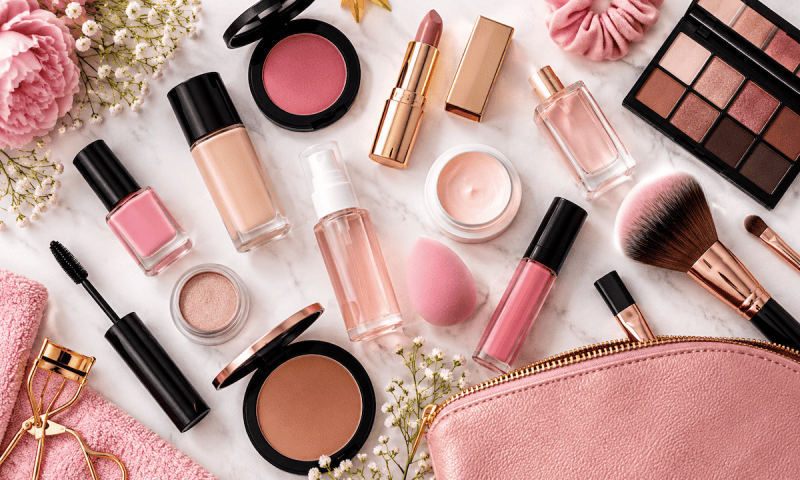
5. Apart from formaldehyde and its releases, other chemicals which are definitive proof of carcinogens such as :
• Benzene, which can be a trace contaminant in products like sunscreen, dry shampoos.
• Coal tar found in anti-dandruff products, hair colours.
• Talc, where traces of asbestos are found.
• Phenacetin is used as a stabiliser in products like hair colours, facial bleach, and depilatories.
• Ethylene oxide is prohibited in cosmetics but commonly exposed in tobacco smoke and automobile exhaust. It is commonly used to sterilise medical instruments.
• Heavy metals like chromium, cadmium, and arsenic (as a contaminant) are found in facial lotion, cream, shampoo, and foundation.

6. Mineral oils: Mineral oils are crude oils which can be refined and unrefined, used in various personal care products. Mildly treated mineral oils contain PAH (polycyclic aromatic hydrocarbons), which are categorised as carcinogens, especially benzopyrene. PAHs can damage DNA when entered in the body, they are reactivated by the enzymes and bind with DNA causing mutation. Then cells can rapidly multiply and can cause tumours. Long-term exposure can cause skin, bladder, and lung cancers. Beauty products where mineral oil can be used include hair colors, hair styling products, lipstick, lip gloss, facial bleach, moisturiser, blushes, concealer, and eye shadow.
7.1,4 Dioxane: This compound has been found in traces in cosmetic products, detergents, emulsifiers, and foaming agents. It is not intentionally added but instead used as a byproduct of manufacturing these items. This compound has been proven to be a potential carcinogen by agencies like the FDA. To find 1,4-dioxane, look at the labels of products that contain the “word” like “-eth-“ or “-oxynol-“, PEG, Polyethene, Polyethene glycol, Polyoxyethylene.
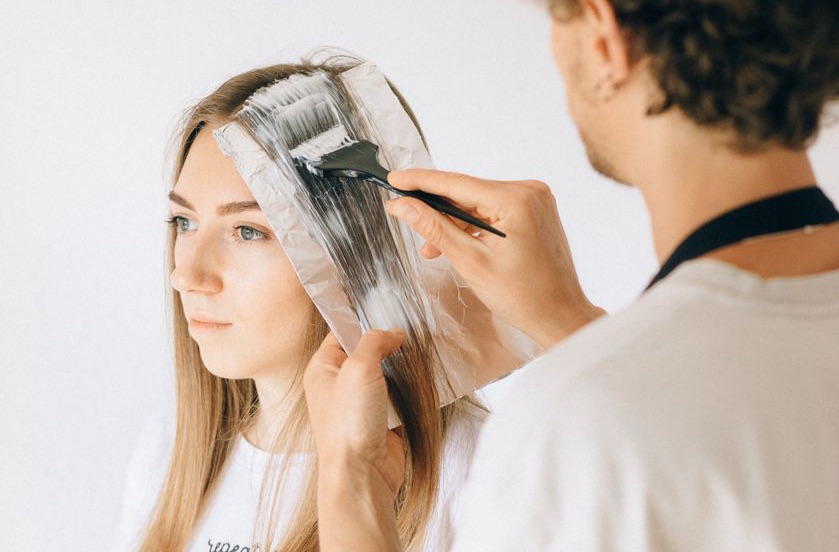
8. Endocrine disruptors: Certain substances used in many personal care products may disturb the endocrine functions in the body, which can lead to cancers like breast, ovarian and prostate cancers. These substances disturb the levels of oestrogen, progesterone and testosterone in the body. Substances like Pthalates, Parabens, Benzene, and Bisphenol A (BPA)

9. Safety: Beauty and personal products should always be purchased with proper certification like COSMOS or Ecocert. Any unregulated product should be avoided. Most beauty brands do follow the regulations and Laws of the Regulatory Bodies of the particular country of origin. Some of the tips are:
• Usually, plant-based products with fewer ingredients are preferred.
• Use products which are labelled scent- free and fragrance-free.
• Use powders or blushes using rice starch, bamboo silica and arrowroot powder.
• Instead of petroleum pigments, use mineral oil pigments like zinc and iron oxide.
Any product containing formaldehyde, or its releases like DMDM hydantoin, imidazolidine, coal tar, Pthalates, benzene should be avoided.

10. Takeaway: Studies have already shown that beauty and personal care products do contain many chemicals which are not just hazardous but carcinogenic to human health. It is important to discard all the toxic products that you have already purchased. Instead, look out for plant-based, clean products which are known to be safer. Always prefer products with natural, simple ingredients. It is important to read the label before buying any product, and not be satisfied with marketing gimmicks like “natural” or “organic” written on the front of the item. Always do a skin test ( patch test) before directly using a new product on the skin, face or body.
Thanks for reading.
Peace and love 🙏
Peace and love 🙏
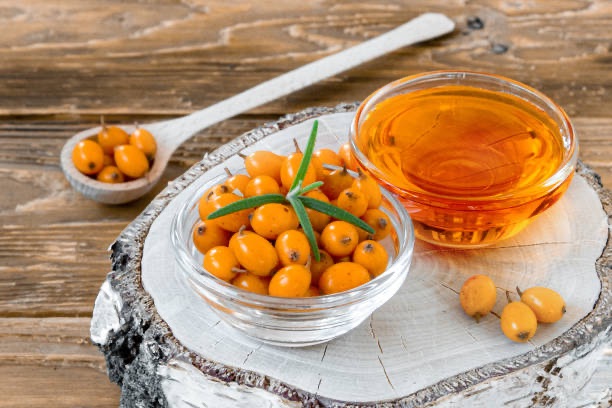

1.Sea Buckthorn (Hippophae rhamnoides) is a shrub with yellowish-orange berries, a native of Southeast Asia and Europe. Other names used are sea berry, sand thorn and Siberian pineapple. Recent research has highlighted the tremendous health benefits of the fruit berries grown on this high-altitude shrub, which has been quite common on the Himalayan steep slopes for centuries. This shrub and its fruits are not new to the natives living in those regions. But, suddenly, it has gained much popularity due to its label as “Super food” by the recent scientific studies. The berries of this shrub are identified to have about 190 flavonoids and polyphenols, rich in Omega fatty acids and 15 times more vitamin C than oranges.

2. Sea Buckthorn’s nutritional profile stands out among many fruits and berries provided by the plant kingdom. It is considered a “superfood” for its amazing nutritional value.
• These berries have a rich supply of fat-soluble vitamin A, such as Beta-carotene (due to the orange colour), lycopene and Zeaxanthin.
• Vitamin E includes 8 natural variants, the tocotrienols.
• Vitamin K2 in natural form, which is quite rare in plants.
• Plant-based Omega 3, 6, 9, which is a complete omega fatty acid profile.
• Omega 7, which is Palmitoleic acid, is a rare variant.
• Vitamin C, which is 15 times more than that of a typical orange.
• Multiple bioactive compounds like flavonoids, phytosterols, organic acids and Tanins.
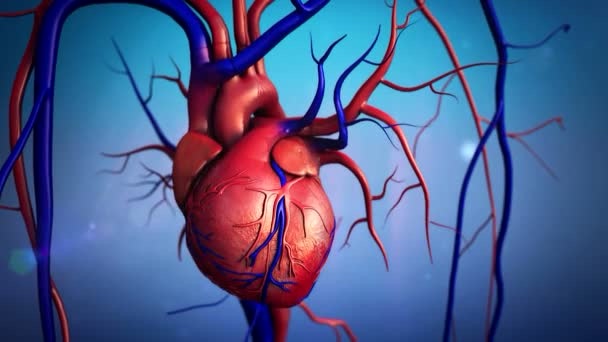
3. Heart-friendly: One of the main reasons for Sea Buckthorn berries’ attraction is their profound benefit to cardiovascular health.
• The Omega profile and bioactive compound help to lower LDL cholesterol, prevent plaque buildup, and lower blood pressure.
• Improve Cholesterol: Phytosterols reduce cholesterol absorption, LDL and triglycerides in the gut and maintain the level of good cholesterol, HDL.
• Relaxes the blood vessels and lowers the blood pressure.
• The antioxidant properties prevent LDL plaques from being deposited on the arterial wall and lower the risk of atherosclerosis.
• Reduces the risk of thrombosis by thinning the blood due to antiplatelet aggregation properties.
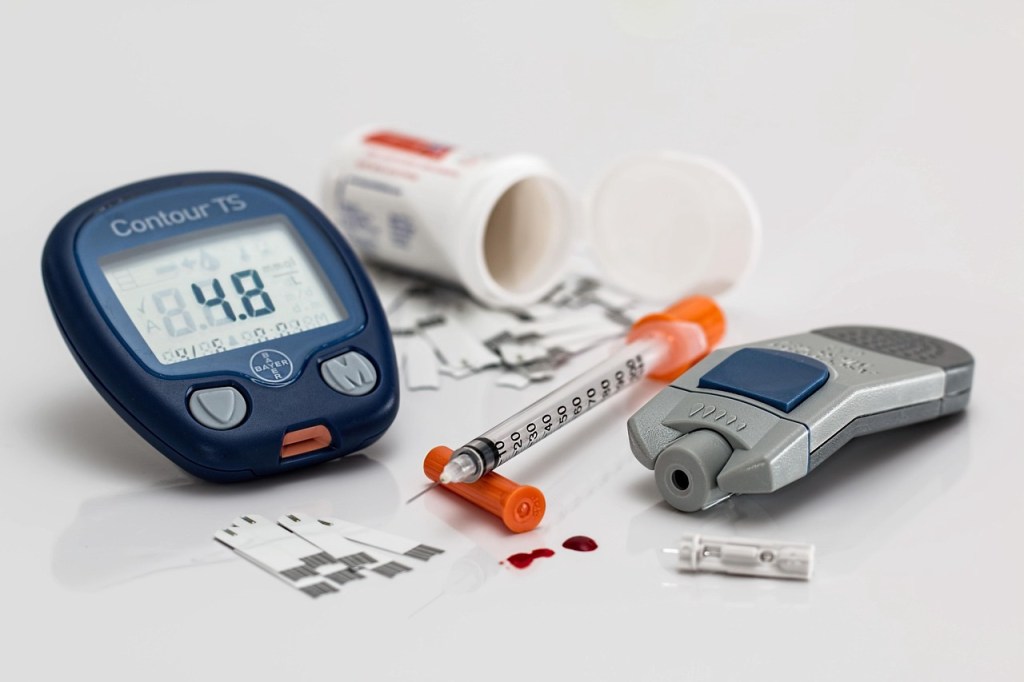
4. Diabetes: Studies have proven that sea buckthorn berries, due to their powerful antioxidant profile, help in the management of type 2 diabetes. Here are some of the potential benefits:
• These berries improve the metabolic function and lower the fasting blood sugar levels.
• Helps the body to improve insulin sensitivity and lower the resistance in due course.
• Its anti-inflammatory properties help to fight inflammation and prevent organ damage, which is a characteristic of diabetic progression.
• Reduce the damage to the beta cells of the pancreas, which produce insulin.
• Promotes heart health, which is otherwise a cardiovascular risk for diabetics.
• Boost immunity, which is important for diabetics or anyone with a chronic illness.

5. Metabolic disorder: Collectively, metabolic disorders include obesity, hyperglycaemia, high blood pressure, and dyslipidemia. The different ways of managing metabolic syndrome can be controlling blood sugar, lowering insulin resistance, improving dyslipidemia, reducing abnormal lipogenesis, lowering blood pressure and also improving gut health. The rich nutritional profile of sea buckthorn, which contains various flavonoids, omega fatty acids, and vitamins, helps to promote a positive impact on metabolic activities and prevent complications in metabolic pathways in such individuals.

6. Other amazing benefits :
• Aids cancer therapy: Studies have shown that flavonoids such as quercetin, kaempferol, and isorhemnetin present in sea buckthorn berry juice and oil extract can induce a cytotoxic response and prevent cancer cells from multiplying.
• Skin / cosmetic uses: Due to their rich nutritional profile of vitamins and omega fatty acids, these berries promote skin health, promote hair growth, increase blood circulation and reduce signs of ageing.
• Effective in promoting gut health and liver health by lowering liver inflammation, fibrosis and scarring.
• Disease prevention: Sea buckthorn, due to flavonoids and antioxidants, prevents free radical damage, reduces oxidative stress and lowers the risk of chronic diseases.

7. Interaction: Sea buckthorn berries are usually safe, and there is no evidence of adverse side effects. But due to its rich content of various nutrients, there may be drug interactions, and precautions are necessary:
• People with bleeding disorders and those undergoing surgery should avoid situations where there is a risk of slowing blood clotting, bruising and bleeding.
• Anticoagulant and antiplatelet drugs can interact with sea buckthorn and pose a risk of bleeding.
• People on high blood pressure medication should avoid it as they can further lower their BP.

8. Uses: The raw berries are sour and acidic in taste. So, it is not usually consumed raw; instead, it is converted into functional foods.
• Juices and pulp: They are diluted in water before drinking and used in pies, desserts, jams and herbal teas.
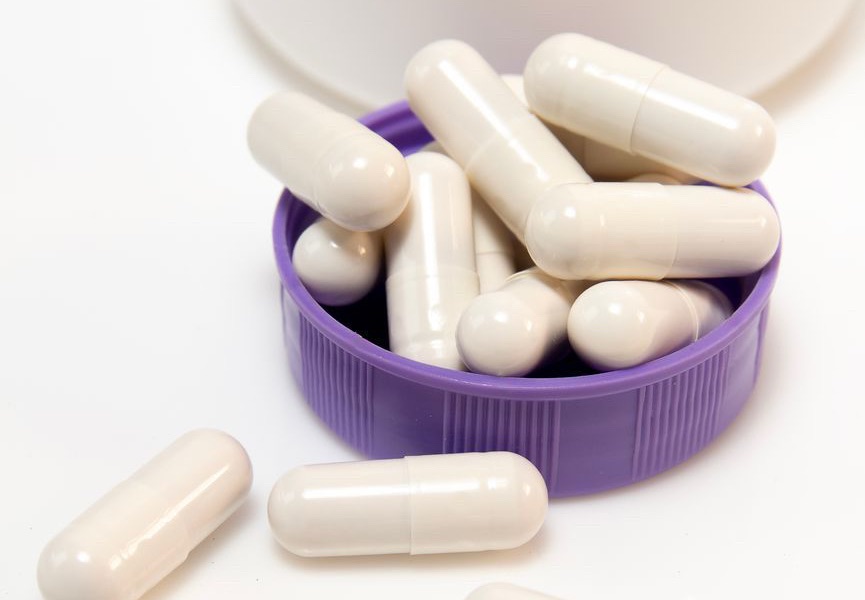
• Oils are used in the form of capsules as a vegan Omega fatty acid source, used in hair and skin wellness.
• Powders: As supplements in drinks, smoothies and teas.
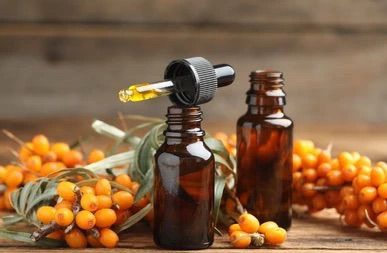
9. Availability: Sea buckthorn berries are available in local markets specific to the native regions of Asia -Pacific where they are grown. Otherwise, they are available as products in supermarkets, stores, and retail in different brands. It is important to buy from known, reputable brands for safety issues.
They are available in juices (cold-pressed is best), pulps, dried berry powder, gummies, tablets, capsules and in oil extract. Due to their nutritional value, the products are widely used and have been quite popular.
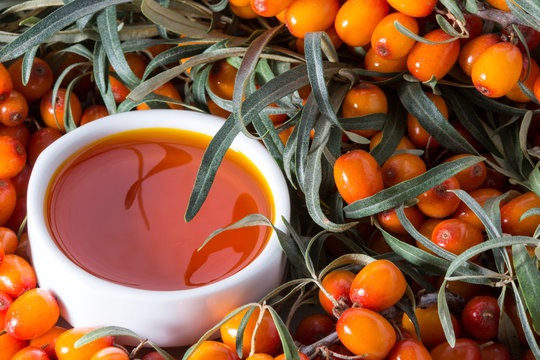
10. Takeaway: Sea buckthorn berries have been used for centuries by the native people of mainly Asia, especially in the Himalayan regions, Ladakh, China and European regions. But recent scientific studies and research have identified its rich nutritional profile, which has attracted the attention of health enthusiasts. Therefore, these tiny berries have become popular, and the products are selling widely nowadays. No doubt, sea buckthorn is, indeed, a super fruit and its intake in moderation, in whatever form, can be helpful for overall health and wellness.
Thanks for reading.
Peace and love 🙏

Peace and love 🙏


Peace and love 🙏


Peace and love 🙏

Peace and love 🙏


Peace and love 🙏

