

10 facts : Cumin, a robust spice 🙌

1. Cumin is a common spice, scientifically known as Cumin cyminum, mostly used in Indian,South Asian, and Middle Eastern cooking for a variety of dishes and also used for tempering with lentil soups and blending with other herbs. It has been used for centuries, but apart from adding aroma, taste and flavour to meals, people were not so aware of its composition and tremendous health benefits until widespread scientific research was carried out in recent years. Studies have shown that cumin is rich in nutrients, antioxidants, and iron and has a long list of health benefits. Its most important health benefit is that it improves digestion by stimulating digestive enzymes.

2. Nutritionally, cumin contains flavonoids, which are antioxidants and prevent many illnesses. The primary earthy flavour of cumin comes from a compound called cuminaldehyde. Cumin is used both as whole seeds and in powdered form. Usually, three types: white cumin, black cumin and brown variety. All the varieties are rich in vitamins B, C, A, E, and K, as well as minerals such as iron, magnesium, copper, and manganese. Cumin oil is used in cosmetics, perfumes and as an essential oil for its antibacterial activity and aroma.

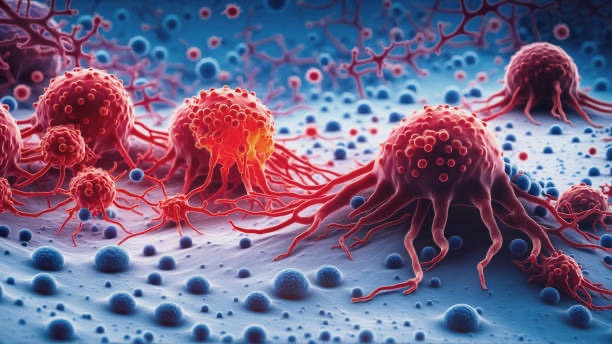
3. Cumin as antioxidants: Naturally, cumin contains substances like apigenin and luteolin, which are bioactive compounds that damage free radicals and keep the healthy cells free from oxidative stress. In some studies, cumin is found to have anti-cancer properties and keeps the cancer cells from multiplying. Like curcumin, cumin has been shown to have purgative qualities which possess potential benefits from treating tumours to simple ailments like the common cold. They are found to be effective against various types of cancers, including stomach, colon and liver.

Blood sugar levels

4. Cumin and diabetes: Several studies have shown promising results that can aid in diabetes treatment. When excess blood sugar in the bloodstream leads to the formation of advanced glycation end products (AGEs), it causes harm to body cells, including damage to kidneys, eyes, nerves and small blood vessels. Cumin, on regular use, is found to lower AGEs. Routinely using cumin as a seasoning as well as a supplement has been found to lower blood sugar in diabetics.

Cholesterol levels

5. Cumin and cholesterol: Many clinical studies have shown that cumin can improve the levels of blood cholesterol in individuals who suffer from high cholesterol. Cumin contains phytosterols, which naturally inhibit cholesterol absorption in the body. It is found to increase the level of HDL, ‘good’ cholesterol, which is protective against atherosclerosis. Studies have shown regular intake of cumin lowers harmful triglycerides and total cholesterol.

Gas/ bloated

6. Cumin as a digestive aid: Cumin has been traditionally used as a digestive aid for centuries. Now, several studies have proved that cumin stimulates the digestive enzymes and facilitates digestion. It helps in the release of bile and helps in the digestion of fats. Clinical studies have shown that regular intake of cumin in concentrated form has been shown to reduce the symptoms of irritable bowel syndrome. Cumin is iron-dense and is a good source of iron in children and women.

7. Other potential powerful benefits of cumin include:

• Cumin helps in weight loss in obese and overweight individuals.

• Cumin acts as an anti-stress agent due to its effective antioxidant properties.

• Cumin supports the immune system because of its antioxidant properties and vitamin C.

• Cumin water intake causes detoxification, releases toxins and gives a healthier looking skin, preventing wrinkles. Due to its anti-bacterial properties, it prevents acne.

• Cumin supports respiratory health by reducing congestion and improving breath quality.

• Cumin has anti-inflammatory properties and improves several symptoms in cases of many chronic inflammatory diseases, like pain and swelling in chronic arthritis.

8. Side effects of Cumin: Cumin can be used in everyday cooking, and it is very beneficial and does not cause any harmful effects. But, a very concentrated extract in supplements or excessive consumption can cause side effects:

• Digestive discomfort such as belching, gas, bloating, and heartburn.

• Blood sugar drops, especially in diabetics using blood sugar medication.

• Slow blood clotting, bruising or bleeding risk when taken along with anti-coagulants.• Physical /mental stress: Heavy doses of cumin can cause drowsiness, mental clouding and strain to the liver and kidneys.

• Allergic reactions.

9. Dosing: Dietary cumin used in everyday cooking, around 1-2 teaspoons, is always harmless and beneficial to human health. But, if prescribed as a supplement, it should be used under a healthcare professional’s guidance. There is no guideline for recommended doses, but it can depend on the age, general health, pre-existing health conditions, and the kind of product used. Not all natural products found in supermarkets or pharmacies are necessarily good and safe.

10. Takeaway: Cumin is a warm, healthy aromatic spice, used both in whole and powdered form. It is full of essential nutrients and beneficial to health. For centuries, cumin has been used in traditional as well as modern cooking, and has always enhanced not only the taste, but also proved to be very significant to health. It improves metabolism, boosts digestion, supports the immune system, and is protective of overall health wellbeing and prevents chronic health issues.

Thanks for reading.

Peace and love 🙏
10 facts : Extra virgin olive oil (EVOO), a potent topical supplement 🫒

1.Olive oil is a healthy cooking oil which has been used through centuries for tremendous health benefits is a known fact. Not just cooking, cold-pressed olive oil has several other benefits, including a potent topical agent. The oil is composed of many valuable compounds that have anti-inflammatory, anti-oxidant effects and restorative properties. It is composed of 98% fatty acids such as triglycerides, oleic acids, and linoleic acids, which reduce inflammation, have an anti-ageing effect, repair epithelialized tissues and have wound healing properties.

2. Cold-pressed extra virgin olive oil is the purest variety wherein the olives are ground and pressed to extract the oil without any application of heat. So, all the valuable fatty acids and nutrients are restored. Various studies have shown that apart from the beauty benefits, skin hydrating and anti-ageing effects, EVOO polyphenols help in soft tissue regeneration, stimulate growth of human fibroblasts, wound healing and various therapeutic benefits. EVOO has been found to stimulate fibroblasts, which contribute to tissue growth and integrity and hence help in wound healing.

3. Skin benefits: Olive oil has been used for centuries to maintain young, beautiful skin. Some of the skin health benefits are :

• Hydration: EVOO restores the moisture in the skin, which helps in hydrating and softening the skin, especially during winter.

• Healing wound: EVOO acts as a skin barrier, reduces inflammation and stimulates the growth of skin collagen, so it aids in wound healing.

• Anti-ageing: Polyphenols in olive oil reduce cell damage, plump up the skin due to collagen growth and give the skin a youthful appearance.

• Cleansing: Olive oil can remove pollutants and residue from the skin. It can be used to remove makeup, but excess oil on the skin can cause acne or dark spots when exposed to the sun, as the oil helps to penetrate the UV rays.

Diabetic foot

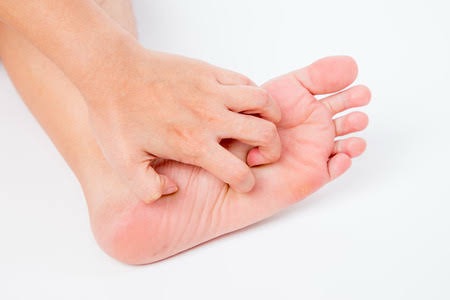
4. Diabetic ulcers: Diabetic foot ulcers are quite common with people with type II diabetes. Recent studies have shown that the topical application of EVOO on diabetic foot ulcers gave promising results. With regular application, the wound surface and depth are reduced. Due to the anti-inflammatory effect, the healing is faster and better. The wound surrounding tissues look healthier with progressive application, the wound discharge, wound grade and healing significantly improve.

5. Painkiller: EVOO contain a polyphenol called oleocanthal, which acts like NSAIDS (ibuprofen) by inhibiting pain pathways. It can suppress the prostaglandin system and acts like a natural pain reliever. It reduces inflammation because of its anti-inflammatory and antioxidant effects. Regular messaging over the painful region topically and regular consumption can reduce the symptoms of arthritis, sore body parts or sore muscles. Though it is an excellent pain reliever and helps in joint and muscle recovery, it should not be a replacement for prescription medicine and should be used as a supportive measure.

6. Hair and scalp: EVOO is rich in vitamin E, which is a powerful agent that protects from hair damage while stimulating hair growth. Oleic acid deeply moisturises the hair strands and prevents drying and hair fall. Some of the amazing hair and scalp benefits of EVOO are :

• Olive oil can work as a deep hair conditioner and prevent damage and dullness.

• Olive oil can act as an anti-inflammatory agent and soothe scalp irritation, prevent dandruff, moisturise hair roots, and stimulate blood circulation, which helps to nourish the hair root.

• Olive oil can promote hair-strengthening benefits and provide heat protection before hair straightening or curling.

• Best hair benefits are achieved by gently massaging the slightly warm oil overnight, applying it towards the roots and scalp.

Pressure ulcers

7. Perineal and Pressure ulcers: Studies showed that EVOO topically massaged accelerates healing in the case of perineal ulcers following Episiotomy because of its potent anti- inflammatory, antioxidant, and tissue regenerative effects. In case of chronic lesions like pressure ulcers, regular application can reduce the ulcer area and the depth of the lesion. EVOO with high content of bio active compounds can promote deep hydration, protection against infection, pain relief, and accelerate the healing process when applied regularly.

8. Psoriasis: EVOO has been used as a common home remedy to reduce the symptoms of psoriasis when taken both topically and in the diet. Due to the presence of anti-inflammatory polyphenols, regular topical use can reduce itching, locking up moisture in affected regions like the knees, elbows, and scalp. Warm olive oil in bathwater when used can further relieve the skin irritation and itching, and reduce inflammation.

9. Side effects : Though EVOO is nutrient-dense and rich in polyphenols and antioxidants and a powerful topical agent, like all compounds, it also has some side effects, which should be considered as well. So, using olive oil topically requires proper medical/ health professional guidance. Some side effects are :

• Olive oil, when applied directly, can disrupt the skin lipid barrier and may worsen the irritation or sometimes flare up the inflammation.

• It can clog pores, trapping the microbes on the skin, causing acne, blackheads, and darkening the pigmented spots as it allows UV rays to penetrate the skin.

• Prolonged use can affect the skin’s moisture barrier, causing redness, irritation, and allergic reactions. In infants, it can result in eczema and rashes.

10. Takeaway: Though olive oil has proven results for being a potent topical agent as a pain reliever, beneficial for skin, hair, face issues and wound healing, it should be used with clinical guidance to reduce the risk of adverse effects. Before using, some simple steps are:

• Patch test: Apply to a small area like the forearm and wait for a day or 2 to see any adverse reaction.

• Starting to use only a thin layer of oil, a minimal amount and removing the excess oil with a wet cloth.

• Unless recommended, people with oily skin, acne-prone skin, or a history of allergy should completely avoid using it.

Thanks for reading.

Peace and love 🙏
10 facts : Nitric oxide (NO) is body’s power source 💪

1.Nitric oxide is a gas that is naturally produced by our body. Its basic function is to relax the blood vessels, which in turn transport the blood, oxygen and nutrients to the different organs and cells of the body to function smoothly. Nitric oxide is a vital nutrient as it protects the layers of cells in the blood vessels. It regulates the cardiovascular system, immune system, and nervous system. When nitric oxide is scarce in the body, it leads to a condition called endothelial dysfunction, which can risk the cardiovascular system.

2. Nitric oxide, as a powerful molecule, has many protective health benefits and is vital to human health. The potential benefits are:

• Cardiovascular system: Since it is a vasodilator, it lowers the blood pressure, relaxes the blood vessels, ensuring a smooth transportation of blood throughout the body.

• It lowers the inflammation in the body as it acts as an antimicrobial agent, a free radical agent.

• Neurological system: It is a neurotransmitter and helps in communication between nerve cells.

• It helps in exercise endurance as an oxygen delivery agent and improves athletic performance.

• It helps in treating erectile dysfunction.

3. Diverse physiological role: The NO (nitric oxide) molecule is synthesised from L-arginine in the tissues of the body by using the iso-forms of nitric oxide synthase. As mentioned before, NO gas is important in maintaining the endothelial layers of the blood vessels, as well as the blood flow through the vessels, and also inhibiting the activation of blood platelets. NO activates an iron- containing protein and helps to bind with haem. It regulates the immune system as a primary defense mechanism against attack by microorganisms. It acts as a neurotransmitter for nerve cells of certain types. NO activates several cellular activities.

4. Physical endurance and Nitric oxide: Research studies have clearly shown that Nitric oxide (NO) plays an active role in vasodilation, improves and enhances blood flow through blood vessels, organs and in mitochondrial respiration. Thereby, it promotes sports performance, endurance and aids in the healing and recovery of tissues. Nitric oxide and physical activity are very closely related. Evidence-based studies have shown that exercise helps to increase the level of nitric oxide, so it is highly recommended for athletes and patients with cardiovascular disorders.

5. Nitric oxide and erectile dysfunction: Erectile dysfunction is mainly caused by impaired nitric oxide bioactivity. The nerves and endothelial cells release nitric oxide when stimulated, which causes vasodilatation of blood vessels and relaxation of smooth muscles. When there is low nitric oxide production, it results in impaired vasodilation and endothelial dysfunctions, causing erectile dysfunction. Common risk factors are high blood pressure, diabetes, smoking and aging.

6. Nitric oxide as a neurotransmitter: Since it is a gas, it acts as a free radical and is synthesised in response to neural activity rather than stored in synaptic vesicles. It can diffuse rapidly through cell membrane barriers and can reach several neuronal and non-neuronal cells in multiple locations. It can act in intracellular targets on both pre-synaptic and post-synaptic neurones to stimulate neurotransmitter release and enhance synaptic plasticity. But excess nitric oxide can cause neurotoxicity, like in Alzheimer’s and Parkinson’s disease.

7. Sources: Nitric oxide naturally releases from oceans, soil bacteria, and the atmosphere by oxidation of ammonia and animal wastes. Some other sources are forest, wild vegetation, fertilizers, fossil fuels combustion and other industrial processes.

The primary source in the human body is the conversion of L-arginine (an amino acid) by enzymes, which releases nitric oxide internally. The different food sources of Nitric oxide are Beetroot, garlic, meat, poultry, leafy green vegetables, citrus fruits, nuts and seeds.

8. Nitric oxide supplement: A healthy, balanced diet rich in vegetables, poultry, and meat is enough to provide the necessary nitrites and nitrates to produce enough nitric oxide for the body’s requirements. If the body’s nitric oxide levels are low, your health care provider might give you nitric oxide supplements. They usually contain the synthetic version of the compounds, which can help the body to produce the optimal level of nitric oxide. Supplements are generally safe when taken under expert supervision and in an appropriate dosage.

9.Side-effects: Nitric oxide supplements, as mentioned above, are considered safe when taken under medical guidance. Overexposure and overdosing may cause side effects:

• Physical symptoms include nausea, vomiting, headache, and stomach upset.

• Heart palpitation, dizziness, lightheadedness, sudden drop of blood pressure.

• Interaction with other medications, such as blood pressure medication and erectile dysfunction medication, can cause a serious risk.

• Overexposure can cause coughing, shortness of breath, and lung injury.

10. Some of the known nitric oxide supplements are:

• Arginine

• Citrulline

• Nitrates

• Vitamin C, flavonoids, and polyphenols make nitric oxide easily available for the body for different purposes.

Doses depend on the individual requirements and the compounds of the supplement.

Thanks for reading.

Peace and love 🙏
10 facts: Which type of cocoa is healthiest ? ☕️🍫

1.Like chocolate, cocoa powder is a common item which sits in the pantry of most households. It is widely used for either baking or having a chocolate drink. But what is cocoa powder? Cocoa beans are usually ground into a paste called chocolate liquor, which is later sweetened or added with other ingredients to make different types of chocolate. The paste or chocolate liquor is rich in cocoa butter, which can be de-fatted by further pressing and made into a finely ground powder, called natural cocoa powder.

2. Cocoa powder is of different types depending on the method of processing:

• Natural cocoa powder is de-fatted, finely ground cocoa nibs. This way they retain the original acidity, flavours and aromas. They appear light brown in colour.

• Raw cocoa powder is produced by cold pressing the cocoa beans without any chemicals being used. This has the highest nutritional value and antioxidant levels.

• Dutch-processed cocoa powder is processed by alkalizing the cocoa nibs with potassium carbonate. In this process, the colour deepens, and acidity reduces. This is how dark chocolaty colour and flavour are gained.

• Black cocoa is achieved by further alkalizing the cocoa nibs with a heavy dose of potassium carbonate, which gives the characteristic black colour famously used in Oreo cookies.

Different types of cocoa powder

3. Cacao powder v/s cocoa powder: Though both of them have the same source as cocoa beans but the treatment of processing are different. Cacao powder is processed from unroasted cocoa beans at low temperatures, so they appear lighter, bitter in taste and pure. They retain the highest nutritional content and are very rich in antioxidants. Whereas, cocoa powder is ground from roasted cocoa beans, so it appears darker, less bitter in taste and has less nutritional content. Therefore, cacao powder is actually healthier than cocoa powder as far as health benefits are concerned.

4. Caffeine in cocoa: Cocoa beans naturally contains 0.1 -0.7% caffeine. About 0.3% caffeine is also present in the skin surrounding the cocoa beans, so at least 1.2 % caffeine is present altogether in cocoa beans, less than dry tea leaves, which is around 3-4%. Other stimulants like theobromine and phenylethylamine are also found in cocoa beans, which can influence the mood and energy levels in a mild way. But compared to coffee, the stimulant effect on the brain and body is much less.

5. Nutritional facts: Cocoa powder is a nutritional powerhouse of many healthy compounds and antioxidant properties.

• Cocoa butter, which is present in cocoa beans, is a combination of oleic acid, stearic and palmitic acid. Oleic acid is a monounsaturated fatty acid and is heart-friendly.

• Minerals: Cocoa powder is rich in minerals like magnesium, iron, calcium and potassium. It is also rich in vitamin B.

• Anti-oxidants: Rich in polyphenols, especially flavonoids, which protect the body from free radical damage.

• Fibre: Cocoa powder is rich in plant-based fibre, good for gut health.

6. Though cocoa is famous for its chocolate and chocolate-based products, research shows that the compounds found in cocoa, like polyphenols and flavonoids, have antioxidant and anti- inflammatory properties and are beneficial for the human body. But the processing and different treatments used in the manufacturing process of chocolate and its products might lower the beneficial and nutritional properties. Heating and processing cause loss of antioxidants and anti- inflammatory properties. Further, adding sweetening agents, artificial flavouring agents while processing can damage the valuable content of natural or raw cocoa and may no longer prove to be useful in terms of health. Therefore, not all types of chocolate or chocolate products can be termed healthy in today’s times.

7. Potential benefits of cocoa powder, natural and raw form, produced by crushing cocoa beans, can have various health benefits:

• May lower the risk of cardiovascular diseases, heart attack and stroke.

• May lower the high blood pressure by lowering the nitric oxide levels.

• Improves blood circulation in the brain and nervous system, elevates the mood.• Improve symptoms of type 2 diabetes.

• May contain cancer-preventive properties.

• May boost the immune system due to the presence of minerals.

• It may help in weight management.

8. Side effects of cocoa powder:

• Caffeine: Having too much caffeine in cocoa can lead to irritability, a fast heartbeat and tremors.

• Medicine interaction: Cocoa can interfere with blood thinners (Warfarin) and may increase bleeding risk.

• Allergy: Cocoa can cause digestive issues, allergic reactions like hives, itching or migraine in some individuals, though quite rare.

• Heavy metals: Some brands of dark chocolate may contain high levels of lead and cadmium, which can be harmful to the brain, especially in pregnant women and children.

• Kidney stones: Regular intake should be avoided by individuals who are prone to calcium oxalate stones. It is important to avoid the daily intake of dark chocolate due to its high oxalate content.

9. Cocoa beans are fermented, dried, roasted, and then ground into fine powder, which is why adding cocoa powder to the diet can be a better option than having dark chocolate bars or chocolate varieties available commercially. Cacao and cocoa powder can be incorporated in the diet to avail the potential health benefits, though in moderation –

• Adding to breakfast cereals, smoothies, yoghurt, or having a hot chocolate drink.

• Using raw cocoa powder in baking recipes like cookies, cakes, granolas, and brownies.

• Eating dark chocolate bars that have 70-80 % cocoa, which have no heavy metals used, can be a healthy treat as well.

• Adding cocoa powder to your face mask, in your daily skin routine, can reduce hyperpigmentation, moisturise the skin, and reduce acne.

10. Takeaway: Yes, natural and raw cocoa powder, cacao powder are healthy in terms of their rich nutritional contents like polyphenols and flavonoids. But, diverse chocolate varieties and chocolate bars commercially still contain a significant amount of sugar, additives, artificial flavoring agents, fats, and heavy metals, which, otherwise, can be more harmful than useful to the human body. So, it is important to consume cocoa products in moderation and to properly read the labels before buying. Since there is such a wide variety of dark chocolate and even different types of cocoa powder available, moderation is the key. A recommended dose of about 20-30 grams per day of dark chocolate can give the essential benefits. Due to its caffeine content, consuming cocoa products late in the evening should be avoided as it can cause sleeplessness and irritability.

Thanks for reading.

Peace and love 🙏

10 facts: About understanding our relationship with food 🍲

1. In general, you can either have a good relationship with food or a challenging one. A positive or a good relationship with food means that you allow yourself to enjoy any food you love, regardless of whether it is labelled as ‘good’ or ‘bad’ based on its nutritional value or calorie content. Conversely, a challenging relationship with food involves restrictions, such as stressing over certain food items you’re uncomfortable with, tracking your calorie intake obsessively, ignoring your hunger cues, overeating, and experiencing feelings of guilt or shame related to your eating habits.

2.Before recognising your relationship with food, it is important to understand that humans have a deeper relationship with food rather than a simple fuel-providing medium. Unlike animals, human preferences for food depend on a variety of factors like cultural, traditional, regional, socialisation, pleasure, comfort, simplicity, childhood memories, and nutritional content. The food preferences and choices are transient and may change many times during a lifetime. Once an individual understands how the food is grown, sourced, and reaches the table, he/she learn to appreciate and develop a healthy relationship with the food.

3. A good relationship with food can be having a comfort level, not stressing out, eating in moderation, being open about all types of food and not allowing it to control your life. The signs of having a good relationship with food can be:

• You are enjoying while eating.

• You stop eating once you feel full and satiated.

• You respect your hunger cues.

• You don’t overeat but instead eat in moderation.

• You don’t count your calories while eating and are obsessed with the numbers on the weighing scale.

• You are open to all kinds of food as per your preferences.

• You don’t allow others to opine about your food choices.

• You understand that your food choices do not define you as a person.

• You love to eat food that you enjoy the most.

4. Having a bad or, rather, difficult relationship with food can be stressful. Some of the signs of a bad/ difficult relationship with food can be:

• You have a restricted and limiting approach towards food.

• You don’t respect natural hunger cues.

• You have a history of crash dieting, trying to follow all fad diet food trends.

• You are very concerned and stressed out about the list of foods that you can or cannot eat.

• You have a feeling of guilt or shame for eating.

• You feel stressed to eat in the social circuit as other people may notice you about your food choices.

• You either starve yourself or overeat. Either way, you are not comfortable and happy.

5. Learning to develop a good relationship with food is an ongoing process. It takes a lot of patience, time and self-empathy. Allowing yourself to welcome small changes, day by day, not being judgmental, learning to enjoy and taking pleasure while eating. The food choices are not just part of routine practices, but deep-rooted in our genes, following a certain culture, which is not wrong. A good and healthy relationship with food means being open to trying new food, seeing food beyond the caloric scale, and not always judging your value as a person through your food choices. Allowing yourself food freedom.

6. Eating when hungry: It is important to understand your body’s natural signals of hunger rather than eating unnecessarily. Our body has a natural ability to metabolise the food that has been eaten, starting the process of absorption of necessary nutrients, cleaning the dead cells and releasing the roughage. In other words, the body has a natural cleaning process called autophagy. Normally, in the daytime, the body takes around a 5-6 hour gap before you experience hunger again. It is important to avoid certain habits which can prove to be harmful to health and damage our relationship with food in the long run:

• Eating while stressing out about something as a distraction has become common.

•Binging while watching TV or watching a film.

• Gorging and overeating while attending a party or buffet.

• Eating while attending a meeting or taking a flight.

• Eating or having beverages throughout the day becomes very normal in today’s time, as food is available all the time and everywhere.

7. Stress and eating behaviour: Stress can be any kind of stimulus that is perceived by the individual as stressful. Several studies have shown that stress can result in irregular eating behavior, altered eating preferences, and even alter the perception of pleasure from food. Research has shown that 40-70% of people suffering from stress can result in overeating, which can prove to be a calming process, irrespective of their physiological hunger. Whereas some 60-30% people can result in a reduction of food intake or develop a repulsion towards food. In today’s time, some people are so concerned about caloric counting and weighing scales that they develop a restricted approach towards food, where eating becomes a difficult task. Some people follow a crash diet, keeping up the dieting trends; eating becomes a burden rather than a physiological need.

8. Mindfulness: When it comes to developing a good relationship with food, there are no right or wrong answers. Food is not just a source of fuel, but your culture, habit, individual taste, memories, joy, and health, on which you plan your meals and eating preferences. If you are cooking yourself, learn to ritualise the process, enjoying every step from selecting the food ingredients, cleaning, cutting, sizzling, bubbling, until the food finally comes to life. In fact, cooking is a routine activity where you can practise mindfulness and integrate meditation. According to Buddhism, an ordinary person can practise mindfulness in everyday activities like cooking, cleaning, eating, and doing dishes, which are powerful activities where you are aware of the present moment and completely engrossed in it, instead of doing some extraordinary activities or sitting hours on meditation.

9.Mindful Eating: Practicing mindful eating can be a powerful way to develop a healthy relationship with food. When you eat, focus completely on the activity, staying in the present moment without distractions from your phone, TV, or anything else. Chew slowly and thoroughly before swallowing to enhance the digestion process. By fully engaging with your meal, you can enjoy your food more, appreciate what you’re eating, and better understand your choices. This practice allows you to tune into your body’s natural hunger and fullness signals. Initially, it may be challenging since many of us are accustomed to mindless eating. However, over time, this approach can become a habit that contributes to your overall well-being.

10.Improving your relationship with food is an ongoing process and is essential for overall health and well-being. First and foremost, it is important to value yourself as an individual. Learn to practice self-compassion, respect your uniqueness, and separate your eating habits and choices from your self-worth. Here are some small steps and changes you can make to enhance your relationship with food:

• Listening to your body, identifying your natural physical hunger cues rather than emotional hunger.

• Avoid labelling food as “bad” or “good”. Instead, focus on eating in moderation and respecting your food preferences and choices. All food can fit in a healthy lifestyle if eaten in moderation and with routine physical activity.

• Avoid impulsive eating behaviour and focus on intuitive eating.

• Stop watching the social media food trends and diets, as well as the weighing scale.

• Focus on mindful eating and practice mindfulness.

• Never relate food to a stress buster or use food as a reward or punishment.

• Though food is a source of nourishment to our body, but it gives us moments of pleasure too, through our eating experience. So, food choices should be always our own and not looking at another’s plate.

10 facts: Is hojicha tea ☕️ healthier than matcha 🍵?

1. Hojicha tea has become a popular trend online, but what exactly is it? Hojicha is a type of Japanese green tea made from bancha, sencha, and kukicha leaves that are roasted at high temperatures and then ground into a fine powder. This roasting process gives hojicha its characteristic light brown colour and toasty flavour, although it also means that some of its antioxidant properties are diminished. Despite this, hojicha still contains beneficial compounds such as L-theanine, catechins, and polyphenols, which can help lower cholesterol levels, particularly LDL, and improve blood circulation. Additionally, the roasting method enhances the presence of pyrazines, which have a calming effect on the brain and nervous system.

2. Hojicha has become quite popular in recent times, mainly because of its low caffeine content, flavour, taste and calming effect on the nervous system. Hojicha tea is distinctive from other varieties of green teas as it is a mixture of leaves, twigs, and stems of the tea plant, which are roasted at a high temperature of 150 C. Due to roasting, it has a light brown colour, nutty taste and toasty flavour, unlike the vegetative tone of other green teas.

3. It has gained popularity in recent times due to its low caffeine content, which is milder than that of other green teas. So, it is quite safe for children as well as the elderly. In Japan, it is mostly an after-meal tea, in the evening, which has a calming effect on the nervous system, brain, reduces anxiety, stress and ensures a good night’s sleep. Hojicha infusion is quite popular as it is often used in smoothies and yoghurt.

4. Though hojicha tea has a great taste and flavour, as far as health benefits are concerned, matcha is still healthier than hojicha because of its rich, concentrated properties of antioxidants. Matcha is a rich source of chlorophyll, L-theanine, polyphenols, catechins and natural caffeine. Compared to hojicha, matcha has a great amount of health benefits like preventing cellular damage, reducing inflammation, supporting brain health, heart health, liver health, improving brain function, help prevent cancer and promote weight loss.

5. Like matcha, hojicha does contain anti-oxidants and amino acids, but in significantly less quantity as compared to matcha, which is made from tencha raw leaves, not stems or twigs, which are ground into fine powder. On the other hand, matcha is rich in chlorophyll, which helps in liver detoxification and flushes out toxins from the body. Due to the presence of natural caffeine, which is quite high in matcha, it can be stimulating to the nervous system rather than calming. Too much drinking of matcha can lead to high caffeine intake, which can sometimes cause heart palpitations.

6. Hojicha contain a compound, Pyrazine, unlike matcha, which is formed due to the roasting process. Pyrazine gives a distinctive toasty flavour and scent to hojicha, which allows a pleasant aroma just like brewing coffee. Some of the health benefits of pyrazine:

• Calming and relaxation effect due to balance in the nervous system.

• Improving the quality of sleep due to low caffeine content.

• Improving blood flow in the body due to the vasodilator effect of pyrazine.

• GABA secretion is improved in the brain, which helps in reducing anxiety and depression.

• Promote skin health by improving skin hydration.

7. In addition to the above benefits, due to the presence of antioxidants, hojicha tea has other health benefits, such as:

• Improves digestion by promoting metabolism

• Reduces inflammation, especially in arthritis, by lowering pain and swelling

• Strengthen the immune system and prevent cold and cough

• Promote heart health by enhancing blood flow and lowering blood pressure

• Improves oral hygiene due to anti-bacterial properties

8. Unlike matcha, which has a raw, grassy and slightly bitter taste, hojicha has a nutty taste, toasty flavour and is not bitter. Therefore, it can be used in various ways:

• Extensive use as beverages, lattes, smoothies, and milk teas.

• Baking dishes like cake, cookies, macarons, and mochi

•Ice cream, frozen treats

• Savoury dishes, meat, pastas, roasted veggies.

9. Traditionally, in Japan, hojicha is used as evening tea as it has a low caffeine content and has a calming effect on the nervous system and aids in metabolism. It helps to improve good quality sleep. It also has a warming effect due to enhanced blood flow, and so it is ideal for nighttime. Since it has a sweet, nutty flavour, it has become very popular for its uses in a wide variety of desserts, puddings, cocktails, and beverages. Commercially, hojicha tea is available everywhere in supermarkets and malls due to its demand, taste and benefits.

10. Hojicha has received global recognition for its versatility and uniqueness in taste and flavour. Like brewing coffee, it has a distinctive toasty aroma which is very inviting. On top of it, hojicha has low caffeine content, a variety of uses, making it popular among all age groups, including children. It has a natural sweetness, so using it as an ingredient in dishes requires less sugar. It tastes great in savoury dishes too. Overall, it’s a hit among the masses.

Thanks for reading.

Peace and love 🙏
10 facts:Microplastics/Nanoplastics impact on human health 😢

1. Microplastics are small plastic particles, less than 5mm in size, while nanoplastics are extremely small, less than 100 nanometers, and are found in the whole environment, everywhere, in the air, water, and soil. The greatest impact of these small particles on aquatic life has been a trending topic in recent times. The potential hazard to human lives is a great concern, too. Microplastics come from many sources. Tiny particles produced from polyethene plastic are used in many cosmetic products, even in health products, as an exfoliate. Plastic pollution is seen in both food and drink product packaging, the most hazardous being the bottled water. The direct effects of plastic particles, especially chemicals like BPA, on human health are still the subject of ongoing research widely carried out.

Microbeads

2. Microplastics have been used in many industrial and cosmetic products as microbeads. They are also used in toothpaste, as vectors for drug delivery, cleaning agents, plastic packaging in food and drinks, and manufacturing products. Some examples of primary and secondary uses of microplastics:

• Personal care /cosmetics like toothpaste, facial scrubs, and cleansers.

• Agricultural products are used as coatings in fertilisers and in seeds.

Industrial products such as paints, textiles, tyre materials, and many types of machinery.

• Sports like synthetic turf.

• Secondary microplastics are released from packaging and fragmentation of bottles, bags and debris, produced by fragmentation and weathering due to exposure to UV lights, weather and mechanical activity.

3. Microplastics as a global threat has become an issue of grave concern because of their impact on all compartments of the environment, that is, air, water and soil. The most common concern is the food packaging on major food items such as mineral water, drinks, dairy, snacks, meat, fish, and frozen products. The contact of contamination is between the food item and the container/ the outer package is actually the cause of mutual transfer between the content and the plastic. Besides these, microplastics are also found in sediments in freshwater, the ocean, soil ecosystems, and on beaches, becoming a threat to not just humans but also other life on earth, including aquatic animals.

4. Microplastic pollution: Over the years, the growing presence of microplastics in the environment has increased day by day. The microplastics have high polymer content, so they remain non-perishable, non-degradable in soil, and insoluble in water. The direct impact on humans can be:

•Consumption of bottled water and plastic packaged drinks.

•Food packaging of different items.

•Indirect effect of microplastics from consuming aquatic foods like seafood, fish, and crustaceans.

•Personal care items like fabrics ( sportswear), toothpaste, face scrubs, and exfoliating products through micro beads.

•Industrial products.

5. Accumulation in the human body: Microplastics/ Nanoplastics easily accumulate in the human body through different sources :

• Ingestion through the food supply chain.

• Inhaled through air pollution.

• Ingested through drinks and water.

• Microplastics can enter the human body through dermal contact via sweat, wounds, an indirect route like unfiltered sewage plant, seawater, and seafood.

6. Recent studies have detected microplastics/nanoplastics in different human tissues and organs, including the brain. Traces are found in blood, liver, kidneys, lungs, and saliva. They mainly enter into different organs and tissues through the respiratory and gastrointestinal tracts. Nanoplastics, which are even smaller ( less than 1micrometer ), are more dangerous as they can infiltrate the human cells. Microplastics have also been found in human breast milk, placenta, meconium, and an infant’s first stool.

Health concerns

7. Impact on human health:

•Oxidative damage: Microplastics can cause oxidative damage, DNA damage and changes ingene activity.

• Reproductive effects can be ovarian scarring, low sperm count, and metabolic disorders in offspring.

• Deposits of BPA, phthalates, and heavy metals can cause damage to the brain, nervous system, reproductive, gastrointestinal and respiratory systems.

• Other effects can be inflammation, cell death, changes in hormone and lipid metabolism, and an altered gut microbiome.

8. Research shows that potential health risks due to absorption, inhalation and ingestion of microplastics and nanoplastics are an alarming public health issue. The most important key effects can be:

• Regular or frequent exposures can cause chronic inflammation in the gastrointestinal system, endocrine disruptions, and a weakened immune system.

• Accumulation in the respiratory system can cause lung inflammation, chronic asthma, chronic obstructive lung diseases and lowered lung function.

• The reproductive system can be affected, leading to low sperm count and infertility.

• Accumulation in organs like the liver, kidneys, spleen, and placenta can lead to scarring and functional irregularities.

• Increased risk of cancers and cardiovascular issues.

Glass bottle
Ceramic/wooden

9. Supporting the body’s natural detoxification process can be useful in removing microplastics to some extent. Some of the proven ways by which microplastics can be removed from the body are:

• Drinking plenty of water helps flush out toxins.

• Sweating it out by physical exercise, running, or walking.

• Consumption of gut-healthy food like fermented food, prebiotics and probiotics.

• Antioxidant-rich foods like flaxseeds, chia seeds, berries, and cruciferous vegetables.

• High fibre vegetables for forming bulk and binding the waste to be disposed of from the body.

Fibrous diet
Cotton fibre

10. The use of plastic is a global environmental hazard which has been taken seriously worldwide. Some important steps taken are:

• Minimal use of plastics in food supply chains and industrial uses.

• Use of plastic alternatives like bamboo, wood, seaweed, metal, and glass packaging.

• Replacing household items like/with silicon food bags, ceramic, glass utensils, stainless steel containers, wooden utensils.

• Using reusable materials derived from sugarcane, wheat, seaweed, packaging materials like cardboard, paper, plant-based wraps, and foams.

• Natural fibres like jute, organic cotton, and wool.

• Extensive research for the environmental clean-up of plastics and recycling plastics is ongoing in many countries. Plastic-eating bacteria (Ideonella sakaiensis), microbes like Pseudomonas, and Bacillus have been identified which have biodegradable capacity to break down plastics.

Thanks for reading.

Peace and love 🙏

Silent Sunday 🍃🌞

Peace and love 🙏

10 facts: Why is self-awareness an ultimate goal?

1. Self-awareness is quite a commonly used term for mental health and well-being. While it has been discussed frequently, many people lack its actual understanding. Our everyday life is often caught up in autopilot mode, so our quality of awareness is very low. Our thoughts, emotions, reactions, habits, routines and impulses of day-to-day life are all on autopilot, so that instead of being aware of them, they keep us in control every day. So, it is important to understand Self- awareness and learn this ability of self-observation to improve our quality of awareness.

2. Many times in real life, we have gone through similar experiences, similar kinds of failures, attract similar people, have similar reactions, similar impulses, similar emotional meltdowns; the reason is not the outside world, but it is our inability to understand ourselves and our unwillingness to change. Most of the time, we are not self-aware of our emotional state, lack understanding of our strengths and weaknesses, so we end up in similar situations and experiences. As an individual, it is important to learn self-assessment, introspection and the ability to recognise our thoughts, feelings, emotions and actions.

3. Self-awareness is a psychological skill of knowledge and understanding about one’s own emotional state. It’s about self-observation, self-assessment of one’s emotions, thoughts, feelings, reactions and actions. It’s a capability of recognising one’s own reactions, actions, and behaviour in interacting with the outside environment and other people. Self-awareness helps in identifying tendencies, understanding emotional states, strengths, weaknesses, limitations and personal goals. It’s a lifelong learning ability to develop confidence and optimism in this dynamic world.

4. Self-awareness can be beneficial in several ways:

• Helps in building self-esteem, self-control, creativity, and skills

• Benefits include self-acceptance, emotional growth, and self-development.

• Aids in decision-making.

• Understanding strengths, weaknesses, and limitations.

• Accurate self-reports.

5. For several decades, thousands of research studies have been carried out to understand the interconnectedness between self-awareness and important key attitudes of human behaviour like habits, feelings, emotions, happiness, stress parameters, empathy and job satisfaction. Broadly, two types of self-awareness studies are recorded as :

• Internal self-awareness: It’s the ability to observe and monitor our inner world, while some label it as a state of self-consciousness temporarily. It is found to be associated more with relationships and job satisfaction as we try to fit ourselves with our personal control and social control.

• External self-awareness: Some state it as the difference between how we see ourselves and how others perceive us. Studies show that people who understand how others see them can be more empathetic and understanding of others’ perspectives.

6. Extensive research has identified five layers of self-awareness:

• Physical: Awareness of your physical body as shape, size, gender, race, ethnicity and five senses.

• Energetic: The breath and energy levels, which include the life forces that help you to move, think, create and take action.

• Mental: The thoughts, feelings, emotions that help you to react and take actions for yourself, others and life.

• The Witness: When you learn to become your witness and become aware of the different layers of self-awareness without being judgmental. This is an essential part of the path of learning self- awareness because you can bring about changes, a better understanding of your flaws, unhelpful patterns of beliefs, and habits that need to change.

• Bliss: Deep connection with a Higher Self, the Truth. A spiritual interconnectedness with the Divine.

7. The skill of knowing yourself is the biggest deal. If we actively start employing this art of self- awareness, we see ourselves as in a mirror, no hidden veil, just inside out, the reality as it is. Then,we start to find acceptance within ourselves, develop resilience if changes are not possible, and consciously bring about changes in our reactions, habits, behaviour and actions in our day-to-day life whenever required. This makes our everyday life approach easier, better handling relationships with people around, self -efficacy in controlling our mind, emotions, impulses, feelings, reactions, dealing with the external environment, people and the world around as it is.

8. Being in a path of self-awareness asks us to understand:

• Clear knowledge of our basic nature, character, impulses, flaws and desires.

• Observe our own habits and behaviour in dealing with our inner world and external world.

• In alignment with our energy levels and breath, and how they are affected by our choices and lifestyle.

• Keep an eye on our thoughts, feelings, emotions, impulses and learn to respond rather than react to whatever life throws us.

• Being a witness to self (intuitive wisdom) so that self-acceptance is easier without being judgmental.

• Searching for our connectedness to something bigger than ourselves.

9. Practising and learning to seek self-awareness is far from being an easy task; it is a lifelong process. Our day-to-day life is so much attuned to working, earning money, parenting, paying the mortgage, bills, and routine hustles that we hardly get time for ourselves. Besides, many obstacles cause hindrance in this path :

• Fear – Knowing and understanding our vulnerability, uncomfortable emotions, and weaknesses.

• Attachment – attachment to people, desires, things can often lead to internal conflicts.

• Aversions – Conscious understanding and resurfacing of situations, people, we usually avoid, internal conflicts, unresolved emotions and discomforts.

• Ego- Instead of being the centre of the world around us, knowing that ego is that tool to distinguish us “I” from the outside world, learning to balance it with wisdom rather than controlling us.

• Ignorance – Learning and understanding about the larger picture of life, rather than being happy when life goes well and disliking it whenever life throws challenges.

10. Developing and seeking self-awareness is an ongoing process, a lifelong learning. In this process, as an individual, there is tremendous personal growth, control over emotions, decision- making and self-acceptance with limitations. Some of the basic strategies are:

• Daily practising mindfulness, calmness, and reflections upon thoughts without judgement.

• Journaling your thoughts, feelings, emotions, impulses on experiences and situations.

• Getting honest feedback from trusted friends, family members, siblings, and partners.

• Self-analysing the situations that can trigger strong emotional responses like anger, panic- attacks, pain, and fear.

• Self- assessment of limitations, weaknesses, strengths, and levels of resilience.

• Routinely reviewing the day-to-day reactions, actions, decisions and interactions.

Thanks for reading.

Peace and love 🙏
10 facts behind this human behaviour: Why act of cleaning is deeply satisfying?

1. Organizing or cleaning your space, room, or home isn’t about tidiness, but being in control of a world that feels otherwise uncontrollable. It’s about a mental state with clarity, being organized and being at peace with oneself. Psychologically, the environment we live in reflects our mental state. In a world full of everyday stress, chaos, and overwhelming uncertainties, cleaning becomes a tool, a therapy to make ourselves feel organised, meaningful and at peace. Clearly, this act can help reduce stress hormones and release endorphins, which can lift the mood.

2. Many people, even after a stressful day, have a habit of cleaning and tidying their stuff after reaching home or their living space. Psychologically, when emotions are overwhelming and stressful, our brain tries to do things which are tangible, grounding, and clarifying, which makes us feel more in control. These actions give the brain a sense of relief and stability, an escape in an otherwise uncontrollable world.

3. In the brain, activities like reorganising the bookshelf, arranging the office table, cleaning and tidying the home, folding clothes in the closets, cleaning the kitchen, washing the dishes, vacuuming the floor stimulate the parasympathetic nervous system, the reward system, releasing dopamine, the happy hormone. These small acts instantly feel rewarding, light and happy. A tidy living space, home, or office gives the subconscious mind a feeling of security, stability, and organization.

4. Psychologically, on the flip side, a disorganised, messed-up space gives the mind a sense of cluttered thoughts, incoherence, ambiguity, confusion and anxiety. In an already stressful, loud world, you feel more overwhelmed, stressed, where things and people are unpredictable, uncertain and reactive. So, for a change, cleaning, organising, and rearranging makes people feel instantly happy, stable, predictable and certain.

5. Research shows that a cluttered, anxious, stressful mind raises the cortisol hormone. On the other hand, the environment we live in reflects our mental state. So, a messy, cluttered space clearly affects our mental state. The subconscious mind feels confused, lacks clarity, and is incoherent in a disorganised space. So, rearranging the room, furniture, things, clothes, books gives an instant emotional high, certainty and sense of control. The truth is, cleaning isn’t about habit, it’s about emotional regulation, choosing to change the emotional responses of stress, anxiety, chaos to stability, calmness and clarity.

6. Emotional regulation, by definition, is the ability to regulate our emotional responses from a state of uncontrolled, overwhelming situation by making behavioural changes with a healthy coping mechanism to a state of emotional grounding, stability and a sense of control. Examples of emotional regulation are deep breathing, going for a walk, journaling, light exercise and doing tasks like rearranging the books, furniture, cleaning the kitchen, doing the dishes and so on. It’s the ability to change a negative situation’s impact to a more productive and fulfilling one.

7. The strategies of emotional regulation can be summed up as :

• Recognise: Identifying the emotions like anger, anxiety, ambiguity and incoherence.

• Respond: instead of reacting negatively, changing the situation’s impact to a more productive, controlled and tangible behaviour like going for a short walk, rearranging the books on the shelf, cleaning the mess, folding clothes in the closet, cleaning or mopping the floor or any similar activity.

• Reappraisal, like changing the emotional response to more rewarding outcomes like stability, calmness, sense of control and certainty.

• Reflecting on the change of behaviour and situation gives deep satisfaction and happiness.

8. Activities like cleaning a room, realigning a corner, rearranging books, furniture, cleaning a countertop or mopping the floor are not just tidying or organising acts or behaviour but something more deeper as emotional relief or emotional satisfaction. It’s about reconnecting oneself, bringing a sense of control, stability in a world of external chaos, a stressful day or an overwhelming situation. So, for many people, organising and cleaning their home or their living space becomes a daily emotional ritual and therapeutic.

9. People who keep doing such activities, while they keep performing the acts, they also process their emotions, release the stressful thoughts, anxiety, ease the confusion, bringing more clarity and stability. In fact, by doing such activities, as the visual clutter slowly fades away by physical actions, internally, the mental clutter slowly subsides, emotions and thoughts become more under control, and thinking becomes clearer and regulated.

10. To sum it up, in a world full of uncertainties and unpredictability, organising, rearranging, and cleaning gives an instant outcome which the brain interprets as safety or being under control. When a book or a thing is placed exactly where it belongs, refolding a dress and placing it back in the closet, cleaning the otherwise dirty countertop, it’s like reconnecting with oneself, which gives the subconscious mind that instant boost or reward of comfort, safety and stability in an external world of chaos or an uncontrolled environment.

Thanks for reading.

Peace and love 🙏