


10 facts: The link between obesity and brain function 🧠

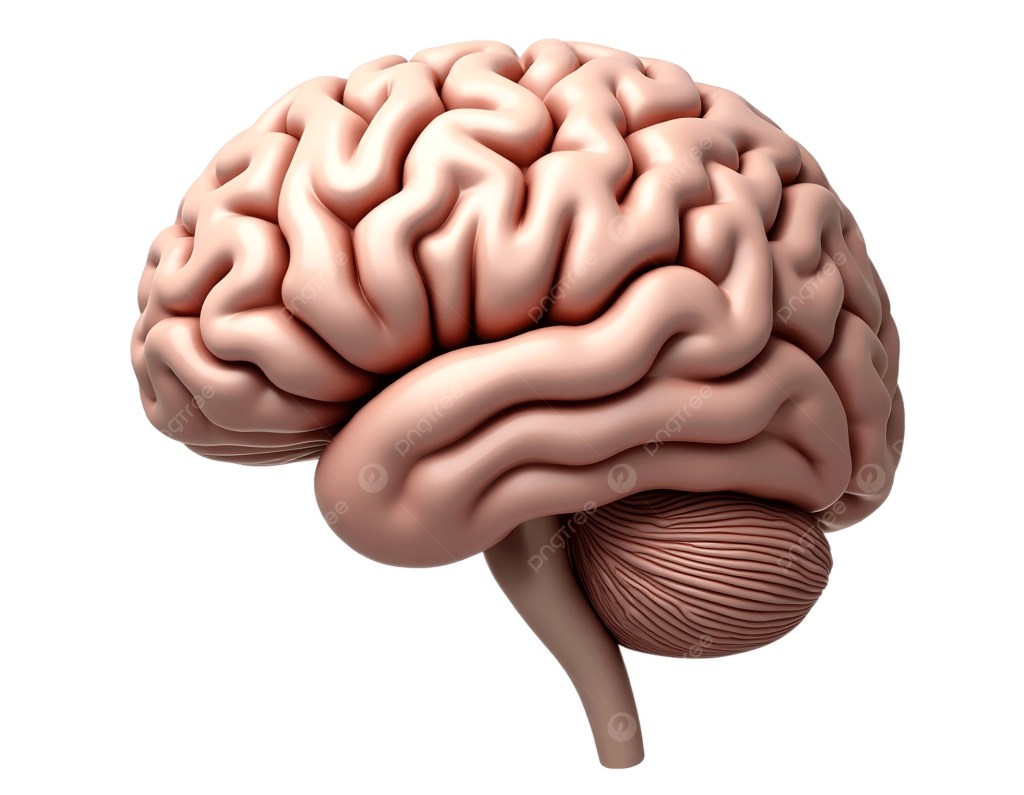
1.Research has already stated that obesity is a risk factor for neurocognitive decline. Obesity has become a widespread lifestyle disease that affects individuals regardless of age, gender, race, or culture. Many studies are being conducted on the relationship between obesity, defined as an excessive accumulation of fat, and brain function. Research has shown that structural changes in the brain are quite common among elderly obese individuals, particularly in the form of cerebral atrophy in grey matter and alterations in white matter volume. Notably, there is a reduction in the volume of the frontal lobe, hippocampus, thalamus, and anterior cingulate gyrus. Changes in brain structure can also occur in younger obese individuals.
2.BDNF (Brain-Derived Neurotrophic Factor): Adverse effects of Brain-Derived Neurotrophic Factor (BDNF) have been linked to lifestyle and diet choices. Low levels of BDNF, which affect neuronal plasticity, are associated with obesity and diets high in sugar or fat. Studies have shown that a high-fat diet, which leads to increased body weight, is related to reduced BDNF levels in the prefrontal cortex. This reduction can result in learning difficulties and impaired food intake control. Additionally, elevated serum leptin levels in obese individuals can lead to changes in the structure of the hippocampus and negatively impact memory performance.

3.Inflammation: When there in increased accumulation of fat tissues, they trigger chronic inflammatory responses, chemicals (cytokines) which crosses the blood brain barrier and reaches the brain cells, thus neuro-inflammation starts. The inflammation process spreads in the brain, damaging the cells, mitochondrial malfunctions which causes oxidative stress, brain immune cells (microglia) becomes hyperactive causing inflammation which can be localised or extensive. The hypothalamus, which controls appetite, is affected, creating a vicious cycle of weight gain. The hippocampus and Amygdala are affected, which causes issues in memory and emotion control.

4. Brain metabolism: Obesity can greatly affect brain metabolism by disturbing core functions such as :

• Obesity can disturb the brain’s insulin sensitivity, which in turn disrupts appetite control and impairs neuronal energy production.

• Mitochondrial dysfunction and low energy production in brain cells can increase oxidative stress and the release of harmful toxins, leading to cellular damage.

• Neuro-inflammation spreads due to the release of inflammatory chemicals like cytokines from visceral fat, leading to an increased risk of cognitive decline, dementia, depression, anxiety and diseases like Alzheimer’s disease.
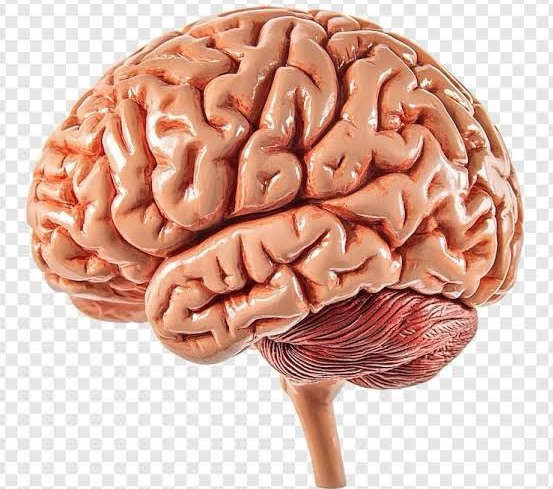
5. Obesity and insulin resistance: In a healthy individual, insulin acts as an appetite-suppressing hormone on the brain. Studies show that obesity plays a key role in disrupting insulin sensitivity, causing impaired appetite control, resulting in metabolic disorders like type 2 diabetes. Studies have already linked obesity to diseases like heart attacks and cancers. Apart from appetite regulation, insulin in the brain helps in the co-ordination of fat distribution by promoting healthy subcutaneous fat storage instead of unhealthy visceral fat storage. Obesity leads to brain insulin resistance, causing an increase in visceral fat, increased food cravings, overeating, anxiety, depression and further weight gain.

6. Behaviour changes: Dealing with obesity is a gradual process which requires lifestyle changes, dietary changes, physical activity, counselling and a constant support system. Some of the key pillars are :

• Reduction of calories on a daily basis by 500 to 1000 calories. Switching to a calorie deficit diet like whole grains, vegetables, lentils and fish. Portion control and balanced meals are necessary.

• Gradually increasing the level of physical activity like walking, jogging, swimming, weight training.

• Counselling and a support system, including family and peers, to address emotional triggers, anxiety, and stress. A good quantity of sleep is important.

• Self-motivation, self-monitoring of daily calorie intake, routine weight assessment, monitoring physical activity levels and off-course mindfulness practices like meditation and nature bathing.

• Metabolic surgery in case of severe obesity, recommended by professionals.

7.Cognitive functions: In obesity, there are enough studies to show that there is a risk of cognitive decline. There are several ways to improve cognitive functions, such as:

• Controlling neuro-inflammation by medically managing any signs of systemic inflammation, controlling blood sugar levels and managing triggers like stress and anxiety.

• Dietary changes like avoiding high-sugar foods completely, processed foods and focusing on nutrient-rich, low-calorie foods.

• Exercises like cardio workouts to increase blood flow to the brain, which helps flush toxins, help to grow the size of the hippocampus to improve memory.

• Continuous physical activity by avoiding sitting for long hours; constant physical activity apart from routine exercise to clear brain fog. Weight training regularly, which helps to boost BDNF. Improving sleep quality.

• Trying to adopt intermittent fasting, which can help reduce brain inflammation.

8. Rewiring the brain for behavioural modification: To break a behaviour pattern which has been practiced for a long time is a difficult task, requiring patience and effort. Understanding and self – assessment are key pillars.

• Understanding the stress triggers, hunger signals, and habit loops to know the emotions behind them. To change neural pathways, repetition of a corrective behaviour pattern each time such a trigger arises is necessary to rewire the brain.

• Practising mindfulness to activate control of your brain to quiet the default false hunger signals and stress triggers.

• Changing eating habits to healthier options like whole grains, fibre-dense foods, portion control and cutting down on sugary or highly processed food to prevent dopamine spikes.

9. Managing hunger signals and habit loops: Not all hunger signals are real; some of them are false alarms just to activate your brain reward system. Some of the strategies are such as :

• Drinking water or sipping green tea or black coffee to fill the stomach.

• Eating small portions of meals every 3-4 hours instead of heavy meals.

• Practise physical activity throughout the day, like light exercise, walking and avoid sitting for long hours.

• Engage in activities and hobbies apart from routine chores or office work to keep the mind distracted from hunger signals.

• Lower stress by practising deep breathing exercises.

10. Takeaway: Research has shown that a high Body Mass Index (BMI) is associated with cognitive decline, reduced brain volume, and tissue atrophy in the frontal lobes and hippocampus. Excess weight also contributes to the degradation of the corpus callosum, which connects the two hemispheres of the brain. However, it is possible to reverse these effects by losing weight and making lifestyle changes, including adjustments to behaviour and eating habits. This process is gradual but rewarding and requires self-motivation, as well as support from family and peers, to break old habits and develop new neural pathways. In extreme cases, medical interventions such as anti-obesity medications or surgical procedures may be necessary if clinically recommended.

Thanks for reading.

Peace and love 🙏

Silent Sunday 🌞

Peace and love 🙏

10 facts : Although honey 🍯 is similar to sugar, why it is still considered a healthier option ?

1. Honey is about 80% sugar, mostly fructose and glucose and is considered a natural sweetener. Since it is a derivative of plant nectar, it is a storehouse of bioactive compounds like polyphenols, flavonoids, vitamins, minerals and antioxidants. It is a blend of many natural substances, depending upon the different varieties of flowers whose nectar is collected by the bees. Because of its nutritional profile, honey has tremendous health benefits and is considered a healthy sweetener.

Beehives

2. Though honey is rich in sugar, it is a powerhouse of nutritional content in raw, unprocessed form. Depending upon the sources, the nutritional content can vary. Pasteurised honey is processed, filtered and can have a lesser quantity of flavonoids and polyphenols. Besides the antioxidant properties, honey includes calcium, potassium, vitamins, copper, iron and zinc. It also contains a trace amount of protein. Depending upon the varieties of flowers’ nectar, climatic conditions, examples of honey varieties are:

• Clover honey

• Wildflower honey

• Orange blossom honey

• Alfaalfa honey

• Buckwheat honey

• Rare variety like Manuka honey, found in New Zealand

3. Sources: Honey is the only natural sugar source which is produced by insects that humans consume. It is best when consumed raw and unrefined. Supermarket honey available is usually processed, pasteurised honey. Honey should be best sourced from local markets and local farmers, where the content is “pure honey” without any additives. These types of honey are lighter in colour and consistency. Darker varieties are stronger in flavour and nutritionally rich. Honey should be preserved in a glass bottle or plastic airtight container, below 32 degrees F.

4. Crystallisation: This is a natural process of honey where it is transformed from a liquid to a solid state depending upon the temperature and how it is stored. Crystallisation of honey doesn’t mean that the honey is spoiled. Honey with a higher content of sugar (fructose, glucose) is quickly crystallized like Alfalfa and clover types. Crystallisation happens as the dense sugar molecules start to hold the water permanently, which is, in fact, a sign of pure, unadulterated honey. The honey can be restored to its liquid form by putting the honey jar in a warm water container. Boiling water should be avoided as the nutritional content can be compromised.

5. Storage: Honey doesn’t require refrigeration. Its shelf life is around 2 years. Refrigeration and cold temperatures can lead to crystallisation of honey. It can be stored at room temperature at 20 to 25 degrees C or around 60 degrees F, ideally in an airtight glass container. It can also be stored in a food-grade plastic container. In the kitchen, it can be placed in a dry, dark place or pantry, avoiding direct sunlight.

6. Health benefits: As honey is rich in sugar, it should be consumed in small quantities rather than in large amounts. For centuries, the latest research has shown that honey has promising health benefits and healing properties. Some of them:

• Antioxidant rich so consuming raw, unrefined honey on regular basis can have anti-inflammatory benefits.

• Promote balance of blood sugar levels than regular refined sugar.

• Improves heart health by maintaining blood pressure, regulate heart beats.

• Since it has anti-bacterial properties , it can promote wound healing.

• Suppress sore throat and cough and support respiratory health.

• Supports gut health and is helpful in case of irritable bowel disease.

• Anti-fungal, anti-bacterial & anti-cancer.

7. Brain health: Research suggests that honey has amazing benefits for brain health and can prevent neurodegenerative diseases. Manuka honey is the best for brain health. Some of the neurological benefits of honey are:

• Unlike a refined sugar rush, honey can provide a natural, steady energy flow to neurons.• Flavonoids and phenolic acids can prevent free radical oxidative stress and cell damage in neurons.

• Supports memory by protecting brain cell mitochondria and elevates BDNF (brain-derived neurotrophic factor).

• Studies show honey is neuroprotective and prevents cognitive decline.

• Honey naturally contains melatonin, which supports sleep, and naturally removes toxins from the brain that build up while awake.

8. Alleviate cough: Studies have shown that honey is effective in soothing a cough. Drinking honey with a little warm water during a cough can help to form a coating in the throat. Its anti-bacterial and anti-inflammatory properties help as a healing aid for infections. Moreover, honey is safer as a home remedy than over-the-counter medications. It can be given to all age groups except children below 1 year of age, when there is a risk of food poisoning. Research shows that honey is far better than medicines like diphenhydramine (anti-histamine) and has a similar effect to drugs like dextromethorphan (cough suppressant ) and Salbutamol ( asthma drug).

9. Though honey is a natural sugar alternative, it is usually safe and healthy for daily consumption in moderation. There is no such standard recommendation, but experts suggest that 6-7 teaspoons daily should not be exceeded. WHO guidelines suggest that daily consumption of free sugar should not exceed 10% of daily intake. Since it has therapeutic benefits, its daily consumption can be beneficial for both gut health and the immune system. While using honey as a sugar substitute, other refined sugar food items should be completely avoided, as there are chances of weight gain (due to extra calories), sugar spikes in insulin-sensitive diabetics.

10. Takeaway: Research has shown for decades that honey is healthy with tremendous therapeutic effects when consumed in moderation as a wellness habit. Honey can replace the intake of refined sugar in several ways, such as:

• For dessert, yoghurt or breakfast bowls.

• Herbal teas, green teas.

• Morning, on an empty stomach with warm water as an aid to digestion and immunity.

• Honey should be avoided in boiling water or while cooking, as it may damage its nutritional value.

Thanks for reading.

Peace and love 🙏

Silent Saturday 💚🍃

Peace and love 🙏

Silent Sunday 🌤️

Peace and love 🙏

Silent Sunday 🤍

Peace and love 🙏

Wordless Wednesday 🤍

Peace and love 🙏

10 facts: About understanding our relationship with food 🍲

1. In general, you can either have a good relationship with food or a challenging one. A positive or a good relationship with food means that you allow yourself to enjoy any food you love, regardless of whether it is labelled as ‘good’ or ‘bad’ based on its nutritional value or calorie content. Conversely, a challenging relationship with food involves restrictions, such as stressing over certain food items you’re uncomfortable with, tracking your calorie intake obsessively, ignoring your hunger cues, overeating, and experiencing feelings of guilt or shame related to your eating habits.

2.Before recognising your relationship with food, it is important to understand that humans have a deeper relationship with food rather than a simple fuel-providing medium. Unlike animals, human preferences for food depend on a variety of factors like cultural, traditional, regional, socialisation, pleasure, comfort, simplicity, childhood memories, and nutritional content. The food preferences and choices are transient and may change many times during a lifetime. Once an individual understands how the food is grown, sourced, and reaches the table, he/she learn to appreciate and develop a healthy relationship with the food.

3. A good relationship with food can be having a comfort level, not stressing out, eating in moderation, being open about all types of food and not allowing it to control your life. The signs of having a good relationship with food can be:

• You are enjoying while eating.

• You stop eating once you feel full and satiated.

• You respect your hunger cues.

• You don’t overeat but instead eat in moderation.

• You don’t count your calories while eating and are obsessed with the numbers on the weighing scale.

• You are open to all kinds of food as per your preferences.

• You don’t allow others to opine about your food choices.

• You understand that your food choices do not define you as a person.

• You love to eat food that you enjoy the most.

4. Having a bad or, rather, difficult relationship with food can be stressful. Some of the signs of a bad/ difficult relationship with food can be:

• You have a restricted and limiting approach towards food.

• You don’t respect natural hunger cues.

• You have a history of crash dieting, trying to follow all fad diet food trends.

• You are very concerned and stressed out about the list of foods that you can or cannot eat.

• You have a feeling of guilt or shame for eating.

• You feel stressed to eat in the social circuit as other people may notice you about your food choices.

• You either starve yourself or overeat. Either way, you are not comfortable and happy.

5. Learning to develop a good relationship with food is an ongoing process. It takes a lot of patience, time and self-empathy. Allowing yourself to welcome small changes, day by day, not being judgmental, learning to enjoy and taking pleasure while eating. The food choices are not just part of routine practices, but deep-rooted in our genes, following a certain culture, which is not wrong. A good and healthy relationship with food means being open to trying new food, seeing food beyond the caloric scale, and not always judging your value as a person through your food choices. Allowing yourself food freedom.

6. Eating when hungry: It is important to understand your body’s natural signals of hunger rather than eating unnecessarily. Our body has a natural ability to metabolise the food that has been eaten, starting the process of absorption of necessary nutrients, cleaning the dead cells and releasing the roughage. In other words, the body has a natural cleaning process called autophagy. Normally, in the daytime, the body takes around a 5-6 hour gap before you experience hunger again. It is important to avoid certain habits which can prove to be harmful to health and damage our relationship with food in the long run:

• Eating while stressing out about something as a distraction has become common.

•Binging while watching TV or watching a film.

• Gorging and overeating while attending a party or buffet.

• Eating while attending a meeting or taking a flight.

• Eating or having beverages throughout the day becomes very normal in today’s time, as food is available all the time and everywhere.

7. Stress and eating behaviour: Stress can be any kind of stimulus that is perceived by the individual as stressful. Several studies have shown that stress can result in irregular eating behavior, altered eating preferences, and even alter the perception of pleasure from food. Research has shown that 40-70% of people suffering from stress can result in overeating, which can prove to be a calming process, irrespective of their physiological hunger. Whereas some 60-30% people can result in a reduction of food intake or develop a repulsion towards food. In today’s time, some people are so concerned about caloric counting and weighing scales that they develop a restricted approach towards food, where eating becomes a difficult task. Some people follow a crash diet, keeping up the dieting trends; eating becomes a burden rather than a physiological need.

8. Mindfulness: When it comes to developing a good relationship with food, there are no right or wrong answers. Food is not just a source of fuel, but your culture, habit, individual taste, memories, joy, and health, on which you plan your meals and eating preferences. If you are cooking yourself, learn to ritualise the process, enjoying every step from selecting the food ingredients, cleaning, cutting, sizzling, bubbling, until the food finally comes to life. In fact, cooking is a routine activity where you can practise mindfulness and integrate meditation. According to Buddhism, an ordinary person can practise mindfulness in everyday activities like cooking, cleaning, eating, and doing dishes, which are powerful activities where you are aware of the present moment and completely engrossed in it, instead of doing some extraordinary activities or sitting hours on meditation.

9.Mindful Eating: Practicing mindful eating can be a powerful way to develop a healthy relationship with food. When you eat, focus completely on the activity, staying in the present moment without distractions from your phone, TV, or anything else. Chew slowly and thoroughly before swallowing to enhance the digestion process. By fully engaging with your meal, you can enjoy your food more, appreciate what you’re eating, and better understand your choices. This practice allows you to tune into your body’s natural hunger and fullness signals. Initially, it may be challenging since many of us are accustomed to mindless eating. However, over time, this approach can become a habit that contributes to your overall well-being.

10.Improving your relationship with food is an ongoing process and is essential for overall health and well-being. First and foremost, it is important to value yourself as an individual. Learn to practice self-compassion, respect your uniqueness, and separate your eating habits and choices from your self-worth. Here are some small steps and changes you can make to enhance your relationship with food:

• Listening to your body, identifying your natural physical hunger cues rather than emotional hunger.

• Avoid labelling food as “bad” or “good”. Instead, focus on eating in moderation and respecting your food preferences and choices. All food can fit in a healthy lifestyle if eaten in moderation and with routine physical activity.

• Avoid impulsive eating behaviour and focus on intuitive eating.

• Stop watching the social media food trends and diets, as well as the weighing scale.

• Focus on mindful eating and practice mindfulness.

• Never relate food to a stress buster or use food as a reward or punishment.

• Though food is a source of nourishment to our body, but it gives us moments of pleasure too, through our eating experience. So, food choices should be always our own and not looking at another’s plate.

10 facts: Is hojicha tea ☕️ healthier than matcha 🍵?

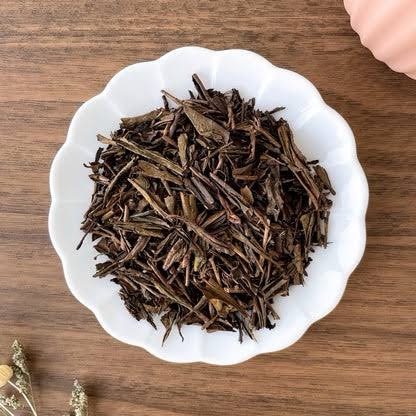
1. Hojicha tea has become a popular trend online, but what exactly is it? Hojicha is a type of Japanese green tea made from bancha, sencha, and kukicha leaves that are roasted at high temperatures and then ground into a fine powder. This roasting process gives hojicha its characteristic light brown colour and toasty flavour, although it also means that some of its antioxidant properties are diminished. Despite this, hojicha still contains beneficial compounds such as L-theanine, catechins, and polyphenols, which can help lower cholesterol levels, particularly LDL, and improve blood circulation. Additionally, the roasting method enhances the presence of pyrazines, which have a calming effect on the brain and nervous system.

2. Hojicha has become quite popular in recent times, mainly because of its low caffeine content, flavour, taste and calming effect on the nervous system. Hojicha tea is distinctive from other varieties of green teas as it is a mixture of leaves, twigs, and stems of the tea plant, which are roasted at a high temperature of 150 C. Due to roasting, it has a light brown colour, nutty taste and toasty flavour, unlike the vegetative tone of other green teas.

3. It has gained popularity in recent times due to its low caffeine content, which is milder than that of other green teas. So, it is quite safe for children as well as the elderly. In Japan, it is mostly an after-meal tea, in the evening, which has a calming effect on the nervous system, brain, reduces anxiety, stress and ensures a good night’s sleep. Hojicha infusion is quite popular as it is often used in smoothies and yoghurt.

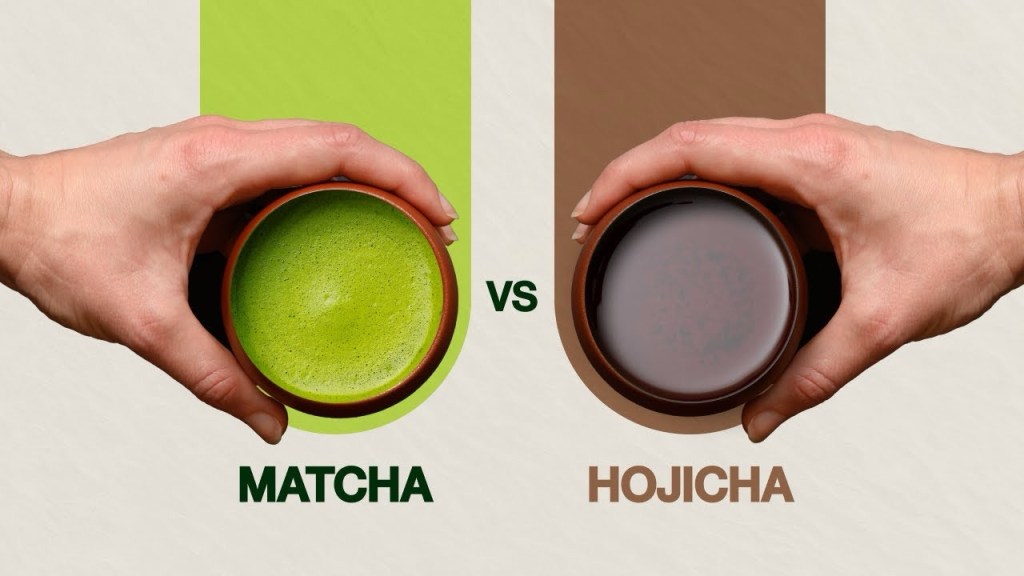
4. Though hojicha tea has a great taste and flavour, as far as health benefits are concerned, matcha is still healthier than hojicha because of its rich, concentrated properties of antioxidants. Matcha is a rich source of chlorophyll, L-theanine, polyphenols, catechins and natural caffeine. Compared to hojicha, matcha has a great amount of health benefits like preventing cellular damage, reducing inflammation, supporting brain health, heart health, liver health, improving brain function, help prevent cancer and promote weight loss.

5. Like matcha, hojicha does contain anti-oxidants and amino acids, but in significantly less quantity as compared to matcha, which is made from tencha raw leaves, not stems or twigs, which are ground into fine powder. On the other hand, matcha is rich in chlorophyll, which helps in liver detoxification and flushes out toxins from the body. Due to the presence of natural caffeine, which is quite high in matcha, it can be stimulating to the nervous system rather than calming. Too much drinking of matcha can lead to high caffeine intake, which can sometimes cause heart palpitations.

6. Hojicha contain a compound, Pyrazine, unlike matcha, which is formed due to the roasting process. Pyrazine gives a distinctive toasty flavour and scent to hojicha, which allows a pleasant aroma just like brewing coffee. Some of the health benefits of pyrazine:

• Calming and relaxation effect due to balance in the nervous system.

• Improving the quality of sleep due to low caffeine content.

• Improving blood flow in the body due to the vasodilator effect of pyrazine.

• GABA secretion is improved in the brain, which helps in reducing anxiety and depression.

• Promote skin health by improving skin hydration.

7. In addition to the above benefits, due to the presence of antioxidants, hojicha tea has other health benefits, such as:

• Improves digestion by promoting metabolism

• Reduces inflammation, especially in arthritis, by lowering pain and swelling

• Strengthen the immune system and prevent cold and cough

• Promote heart health by enhancing blood flow and lowering blood pressure

• Improves oral hygiene due to anti-bacterial properties

8. Unlike matcha, which has a raw, grassy and slightly bitter taste, hojicha has a nutty taste, toasty flavour and is not bitter. Therefore, it can be used in various ways:

• Extensive use as beverages, lattes, smoothies, and milk teas.

• Baking dishes like cake, cookies, macarons, and mochi

•Ice cream, frozen treats

• Savoury dishes, meat, pastas, roasted veggies.

9. Traditionally, in Japan, hojicha is used as evening tea as it has a low caffeine content and has a calming effect on the nervous system and aids in metabolism. It helps to improve good quality sleep. It also has a warming effect due to enhanced blood flow, and so it is ideal for nighttime. Since it has a sweet, nutty flavour, it has become very popular for its uses in a wide variety of desserts, puddings, cocktails, and beverages. Commercially, hojicha tea is available everywhere in supermarkets and malls due to its demand, taste and benefits.

10. Hojicha has received global recognition for its versatility and uniqueness in taste and flavour. Like brewing coffee, it has a distinctive toasty aroma which is very inviting. On top of it, hojicha has low caffeine content, a variety of uses, making it popular among all age groups, including children. It has a natural sweetness, so using it as an ingredient in dishes requires less sugar. It tastes great in savoury dishes too. Overall, it’s a hit among the masses.

Thanks for reading.

Peace and love 🙏