
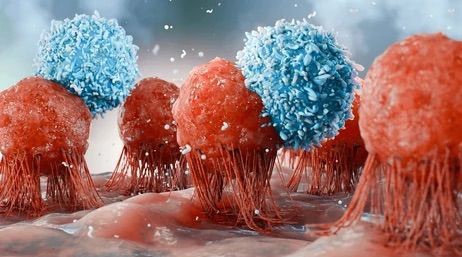
10 facts: Carcinogens and beauty products 🫪

1.Carcinogens are chemicals which are found to increase the risk of cancer. According to WHO,1 in every 5 people develop cancer in their lifetime, which is quite alarming. Around 10 million people die every year world wide. Many strict regulations are already in place in various countries across the world, banning certain chemicals which are found to pose grave concerns to human health, including cancer risk. Personal care products including cosmetics use various chemicals and perfume to get the expected effects where some of the chemicals may result in health concern on long term use. Not all chemicals are tested properly, or they may not go through toxicity trials or animal testing. Research methods may sometimes differ from how the product is used by customers daily and in what quantity, it has been used. But, in spite of Regulations and Laws, it is important to have general awareness amongst individuals before purchasing any product.
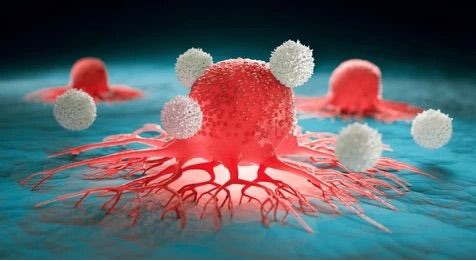
2. IARC: The International Agency for Research on Cancer, depending upon the cancer risk, has classified different agents based on evidence-based research :

Group 1: proven to be carcinogenic, like Alcohol, tobacco smoking, asbestos, formaldehyde, Benzene, sunlight (UV radiation)

Group 2A: Probable carcinogen with evidence of association with cancer risk, such as occupational hazards in case of hairdressers, shift workers (disruption of circadian rhythm), refinery workers.

Group 2B Possibly carcinogenic where there are limited evidence of an association with cancer risk. These categories include professions like firefighters, regular exposure to magnetic fields, diesel fuel, dry cleaning, textile manufacturing.

Group 3: Categorised as not classified, meaning that it is not possible to classify as carcinogenic based on evidence. Some examples include chlorinated drinking water, hair dyes, fluorescent light, and electric field exposure.

Group 4: Not carcinogenic, such as caprolactam used in the manufacture of synthetic fibres.

3. Many studies are carried out and are still going on in different countries for daily-use products like personal care and beauty care products. Some chemicals are banned from using in products which gave strong evidence of cancer risks. There is no specific product which has been proven to cause cancer presently in the commercial space for personal care. But, as far as consumers are concerned, there are products which should be avoided as they can be a health hazard. Some of them are:

• Hair dyes which contain coal tar derivatives, phenylenediamines.

• Hair straightening treatments which can release formaldehyde gas.

• Nail polish, which contains formaldehyde or formaldehyde-releasing preservatives.

• Shampoos containing traces of benzene.

• Talc powder, blushes and face powder containing traces of asbestos.
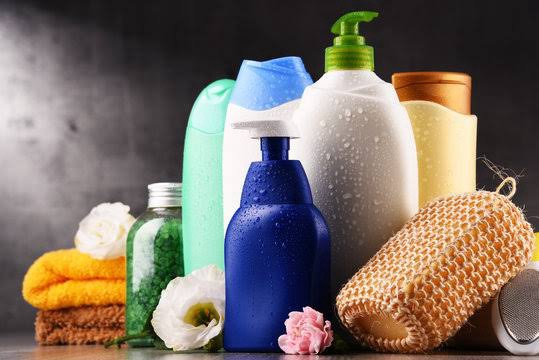
4. Formaldehyde: According to IARC, formaldehyde is categorised as a Group 1 carcinogen, meaning that it has been proven to be a carcinogen by evidence-based studies. It has been linked to various cancers like the nasal cavity, paranasal sinuses and nasopharynx. Also associated with blood and bone cancers. Formaldehyde is used in cosmetics, beauty products as preservatives which in course of time breakdown and emit formaldehyde releases. Products containing formaldehyde, and labels of items which contain DMDM hydantoin, diazolidinyl urea, quaternium-15, bronopol, sodium hydroxymethylglycinate should be completely avoided. Common products which contain formaldehyde or its derivatives include:

• Hair products like dyes, shampoo, hair straightening agents, conditioners.

• Make-up items.

• Nail polish, face creams, eyelash glue, false eyelashes.

• Body lotion, body wash (water-based products)

5. Apart from formaldehyde and its releases, other chemicals which are definitive proof of carcinogens such as :

• Benzene, which can be a trace contaminant in products like sunscreen, dry shampoos.

• Coal tar found in anti-dandruff products, hair colours.

• Talc, where traces of asbestos are found.

• Phenacetin is used as a stabiliser in products like hair colours, facial bleach, and depilatories.

• Ethylene oxide is prohibited in cosmetics but commonly exposed in tobacco smoke and automobile exhaust. It is commonly used to sterilise medical instruments.

• Heavy metals like chromium, cadmium, and arsenic (as a contaminant) are found in facial lotion, cream, shampoo, and foundation.

6. Mineral oils: Mineral oils are crude oils which can be refined and unrefined, used in various personal care products. Mildly treated mineral oils contain PAH (polycyclic aromatic hydrocarbons), which are categorised as carcinogens, especially benzopyrene. PAHs can damage DNA when entered in the body, they are reactivated by the enzymes and bind with DNA causing mutation. Then cells can rapidly multiply and can cause tumours. Long-term exposure can cause skin, bladder, and lung cancers. Beauty products where mineral oil can be used include hair colors, hair styling products, lipstick, lip gloss, facial bleach, moisturiser, blushes, concealer, and eye shadow.

7.1,4 Dioxane: This compound has been found in traces in cosmetic products, detergents, emulsifiers, and foaming agents. It is not intentionally added but instead used as a byproduct of manufacturing these items. This compound has been proven to be a potential carcinogen by agencies like the FDA. To find 1,4-dioxane, look at the labels of products that contain the “word” like “-eth-“ or “-oxynol-“, PEG, Polyethene, Polyethene glycol, Polyoxyethylene.

8. Endocrine disruptors: Certain substances used in many personal care products may disturb the endocrine functions in the body, which can lead to cancers like breast, ovarian and prostate cancers. These substances disturb the levels of oestrogen, progesterone and testosterone in the body. Substances like Pthalates, Parabens, Benzene, and Bisphenol A (BPA)

9. Safety: Beauty and personal products should always be purchased with proper certification like COSMOS or Ecocert. Any unregulated product should be avoided. Most beauty brands do follow the regulations and Laws of the Regulatory Bodies of the particular country of origin. Some of the tips are:

• Usually, plant-based products with fewer ingredients are preferred.

• Use products which are labelled scent- free and fragrance-free.

• Use powders or blushes using rice starch, bamboo silica and arrowroot powder.

• Instead of petroleum pigments, use mineral oil pigments like zinc and iron oxide.

Any product containing formaldehyde, or its releases like DMDM hydantoin, imidazolidine, coal tar, Pthalates, benzene should be avoided.

10. Takeaway: Studies have already shown that beauty and personal care products do contain many chemicals which are not just hazardous but carcinogenic to human health. It is important to discard all the toxic products that you have already purchased. Instead, look out for plant-based, clean products which are known to be safer. Always prefer products with natural, simple ingredients. It is important to read the label before buying any product, and not be satisfied with marketing gimmicks like “natural” or “organic” written on the front of the item. Always do a skin test ( patch test) before directly using a new product on the skin, face or body.

Thanks for reading.

Peace and love 🙏

10 facts: Why TUDCA is favorable? 🙌

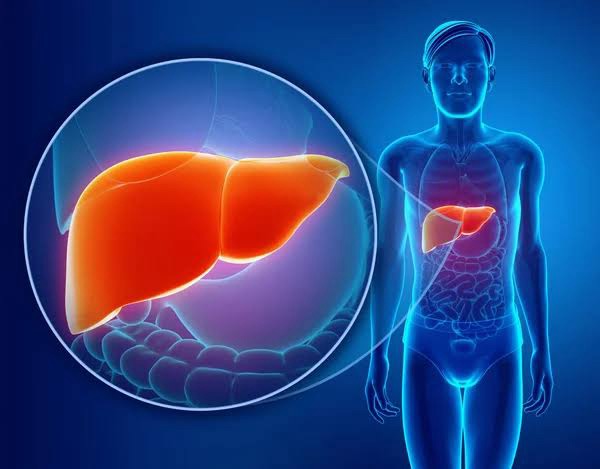
Liver

1. TUDCA is tauroursodeoxycholic acid, which is naturally produced in the body as a short-chain bile acid that facilitates the breakdown of fats and helps in the absorption of nutrients. TUDCA is necessary for the metabolism of fats and oils that are consumed in the diet. Research has shown that TUDCA has amazing health benefits, promotes overall wellbeing by supporting the gut microbiome, and protects the nervous system, brain, heart and liver. Because of its health benefits, TUDCA is prescribed by health professionals, sometimes as a supplement. Though it was mentioned long before as traditional Chinese medicine, recent research studies have made it popular as a supplement for its tremendous health benefits.

Gut health

2. TUDCA for gut health: TUDCA is known to be hepatoprotective and prevents damage to liver cells. So, it shows promising results for those dealing with fatty liver, cirrhosis and hepatitis. As far as gut health is concerned, TUDCA has amazing benefits:

•It promotes the growth of good bacteria and maintains a balance in the biodiversity.

•It strengthens the immune system by promoting the growth of immune cells, of which around 80% are in the gut microbiome.

•It helps to tone down the inflammatory response in the gut and prevent chronic inflammatory conditions like leaky gut.

3. Other health-promoting benefits of TUDCA are:

• It protects the brain cells from damage by clearing toxins from neurons and supporting brain functions.

• It supports cardiovascular health by lowering LDL levels by breaking down and removing excess cholesterol.

• It lowers blood sugar levels by increasing the sensitivity of insulin in the cells and muscle tissues.

• It promotes free radical damage due to antioxidant properties, prevents cell damage and helps cell repair.

• Protects the liver from toxins from heavy metals, alcohol and medications.

• Support immune system by reducing inflammation.

Brain

4. TUDCA for brain: Research has shown many potential benefits to the brain and nervous

system, as it can cross the blood-brain barrier and can have antioxidant effects like cell repair, prevent cell damage and reduce inflammation. Some of the neuroprotective effects are:

• It can remove toxins, harmful amyloid-beta plaques and reduce the risk of Parkinsonism and Alzheimer’s disease.

• As already mentioned, it can reduce mitochondrial damage and neuronal cell death.

• Reduces neuronal stress by easing the Endoplasmic reticulum (ER) of the cells.

Eye health

5. TUDCA and eye health: Studies have shown that TUDCA can prevent retinal damage and help in restoring vision by protecting from photoreceptor degeneration and diabetic retinopathy.

TUDCA acts as a powerful neuroprotective agent on photoreceptors and retinal ganglion cells, which helps in visual processing. Loss of photoreceptors and retinal ganglion cells (RGCs) can slowly lead to visual dysfunction and visual loss. So, TUDCA have the potential to protect the photoreceptors and RGCs. Therefore, it can prevent the risk of many retinal disorders.

6. TUDCA food sources: TUDCA is naturally produced in small quantities in the liver. Actually, the liver produces bile salts and releases them in the intestines. In the gut, the good bacteria metabolise them into UDCA (ursodeoxycholic acid). They are released back to the liver, where they combine with taurine and become TUDCA. So, there is no direct food source of TUDCA. But there are food sources which can help the body to produce TUDCA. Some food sources are :

• Taurine-rich: Non-vegetarian foods like poultry, fish like salmon, tuna, and shellfish.

• Bile stimulators like beets, artichokes, ginger, turmeric, greens like arugula, dandelion, coffee, and citrus.

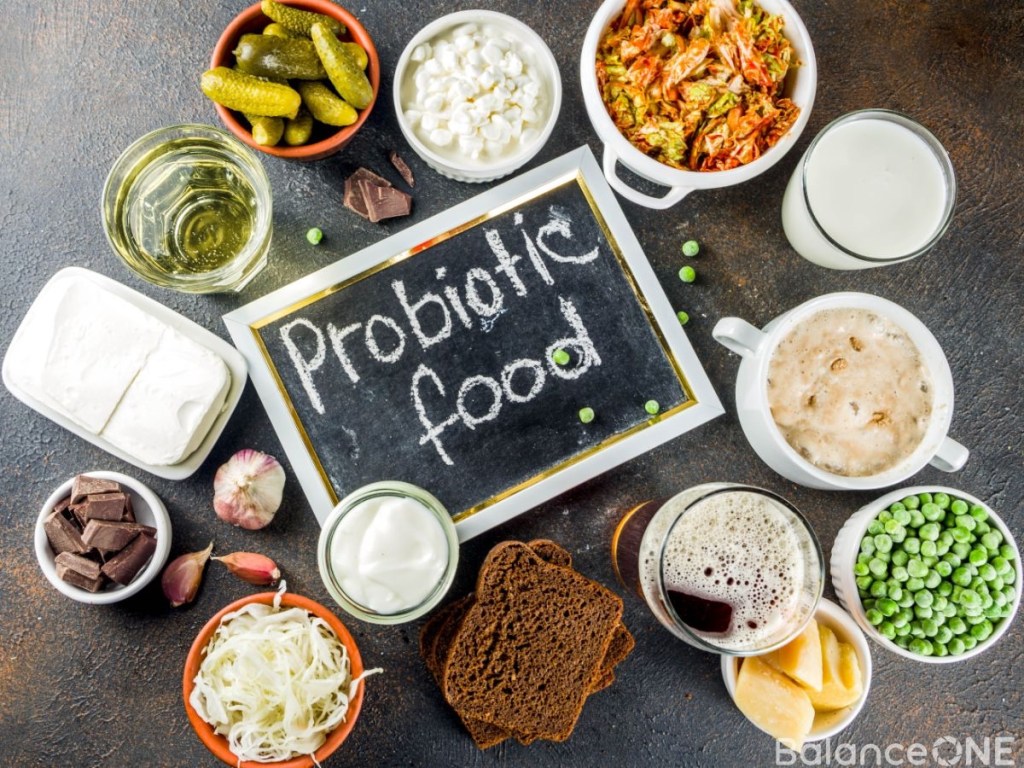
• Probiotics like fermented foods (Kimchi, kefir, yoghurt).

• Fibres like flaxseeds, chia seeds, oats.

Supplements

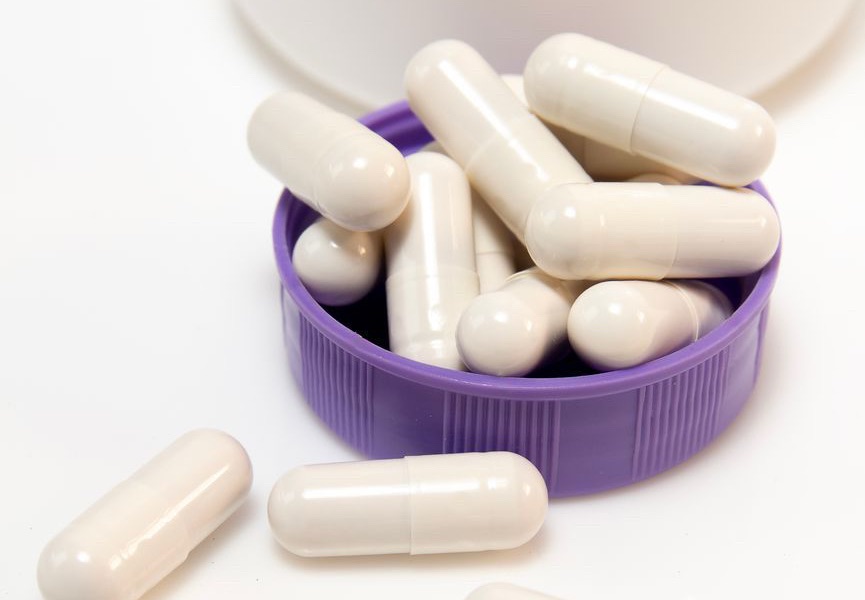
7. TUDCA supplement: Dietary supplements are water-soluble bile derivatives; synthetic TUDCA are used as a supplement. Commercial TUDCA are paired with Milk Thistle, which can have a dual action of liver-protective and regenerative support. The recommended dosage is 250 -1000mg/day. There are no severe side effects, but a high amount can cause diarrhoea or stomach upset. Commercially available in the form of pills, capsules and powdered form. Contraindications are for individuals with gallbladder disease, pregnant or lactating mothers and those taking diabetic drugs and insulin.

8. TUDCA and NAC: Another pairing of compounds as a supplement has been popular, such as TUDCA with NAC (N-Acetyl-L-Cysteine), which is a precursor of glutathione, an amino acid which is a potent antioxidant. Both compounds, as a pair, act as a powerful agent for free radical damage, oxidative stress, and the detoxification of cells from harmful toxins. It helps in the clearing of toxins, especially from the liver and kidneys. This combination also enhances the metabolism of dietary fat by improving the bioavailability of bile acids.

Bile salts

9. TUDCA supplement usage: TUDCA supplement is generally recommended by health care professionals mainly for liver health support, metabolic support and neurological health support for brain and eye health. Ideally, TUDCA supplement should be taken post-lunch or dinner, after a large, proper meal so that it can facilitate the smooth flow of bile salts and help in absorption. Start with a lower dose, then gradually increase the dose so that the tolerance level is assessed. Drink a full glass of water along with the dose, as it can be absorbed more smoothly. The standard dose limit should not be exceeded to prevent side effects.

10. Takeaway: TUDCA is a naturally occurring bile acid which has some amazing health benefits apart from supporting liver health. Studies have shown that it has antioxidant properties, such as reducing cellular stress, promoting cellular repair and regeneration, protecting brain and eye health, and supporting metabolic health by improving insulin sensitivity and glucose metabolism. Dietary sources and supplements are taken to increase the bioavailability and optimise the functions. It can also help to treat liver cholestatic diseases.

Thanks for reading.

Peace and love 🙏
10 facts : Why sea buckthorn has gained popularity?

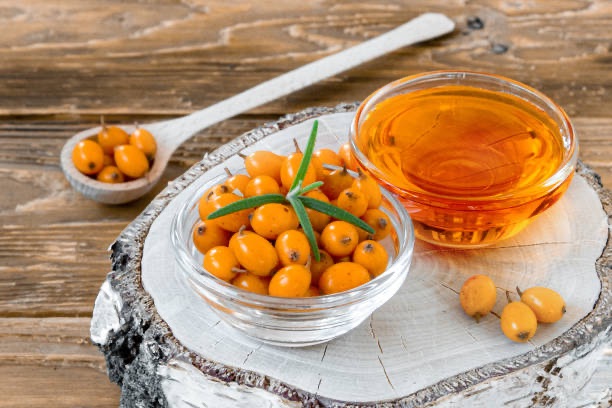
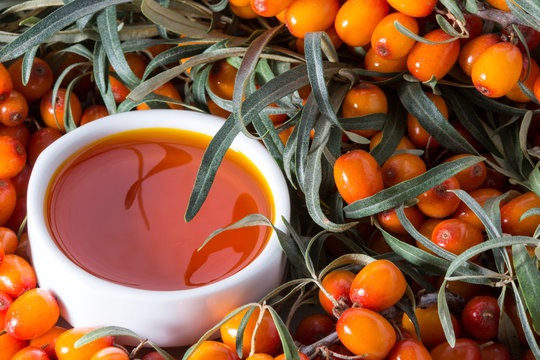
1.Sea Buckthorn (Hippophae rhamnoides) is a shrub with yellowish-orange berries, a native of Southeast Asia and Europe. Other names used are sea berry, sand thorn and Siberian pineapple. Recent research has highlighted the tremendous health benefits of the fruit berries grown on this high-altitude shrub, which has been quite common on the Himalayan steep slopes for centuries. This shrub and its fruits are not new to the natives living in those regions. But, suddenly, it has gained much popularity due to its label as “Super food” by the recent scientific studies. The berries of this shrub are identified to have about 190 flavonoids and polyphenols, rich in Omega fatty acids and 15 times more vitamin C than oranges.

2. Sea Buckthorn’s nutritional profile stands out among many fruits and berries provided by the plant kingdom. It is considered a “superfood” for its amazing nutritional value.

• These berries have a rich supply of fat-soluble vitamin A, such as Beta-carotene (due to the orange colour), lycopene and Zeaxanthin.

• Vitamin E includes 8 natural variants, the tocotrienols.

• Vitamin K2 in natural form, which is quite rare in plants.

• Plant-based Omega 3, 6, 9, which is a complete omega fatty acid profile.

• Omega 7, which is Palmitoleic acid, is a rare variant.

• Vitamin C, which is 15 times more than that of a typical orange.

• Multiple bioactive compounds like flavonoids, phytosterols, organic acids and Tanins.

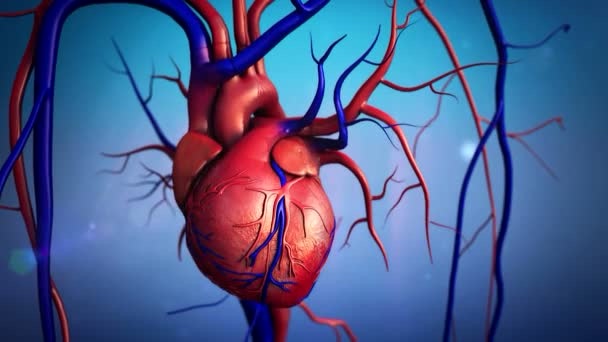
3. Heart-friendly: One of the main reasons for Sea Buckthorn berries’ attraction is their profound benefit to cardiovascular health.

• The Omega profile and bioactive compound help to lower LDL cholesterol, prevent plaque buildup, and lower blood pressure.

• Improve Cholesterol: Phytosterols reduce cholesterol absorption, LDL and triglycerides in the gut and maintain the level of good cholesterol, HDL.

• Relaxes the blood vessels and lowers the blood pressure.

• The antioxidant properties prevent LDL plaques from being deposited on the arterial wall and lower the risk of atherosclerosis.

• Reduces the risk of thrombosis by thinning the blood due to antiplatelet aggregation properties.

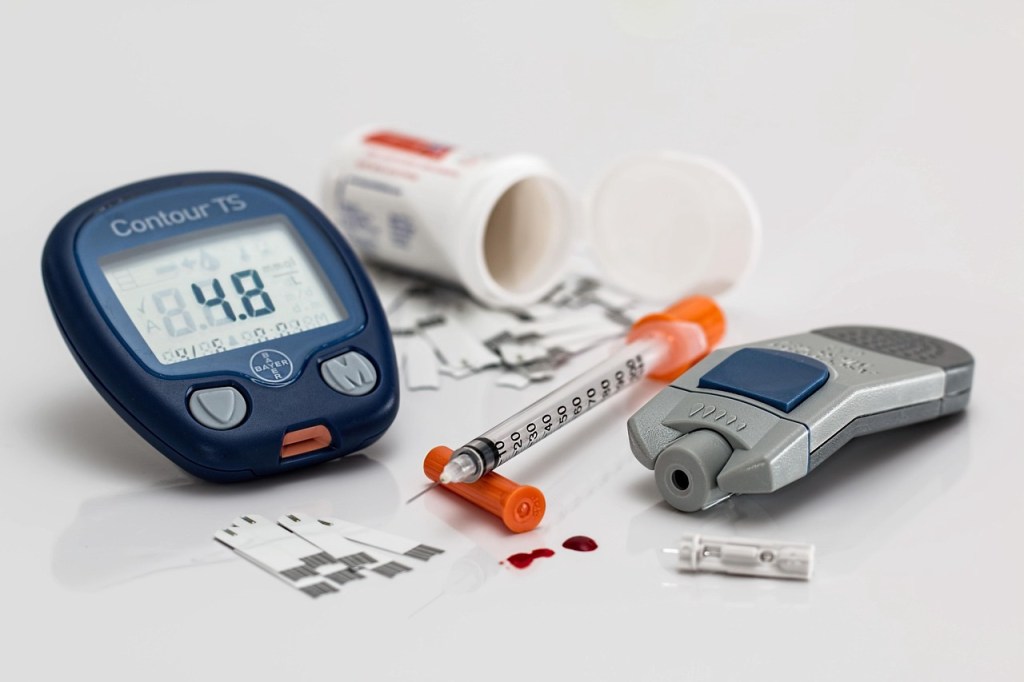
4. Diabetes: Studies have proven that sea buckthorn berries, due to their powerful antioxidant profile, help in the management of type 2 diabetes. Here are some of the potential benefits:

• These berries improve the metabolic function and lower the fasting blood sugar levels.

• Helps the body to improve insulin sensitivity and lower the resistance in due course.

• Its anti-inflammatory properties help to fight inflammation and prevent organ damage, which is a characteristic of diabetic progression.

• Reduce the damage to the beta cells of the pancreas, which produce insulin.

• Promotes heart health, which is otherwise a cardiovascular risk for diabetics.

• Boost immunity, which is important for diabetics or anyone with a chronic illness.

5. Metabolic disorder: Collectively, metabolic disorders include obesity, hyperglycaemia, high blood pressure, and dyslipidemia. The different ways of managing metabolic syndrome can be controlling blood sugar, lowering insulin resistance, improving dyslipidemia, reducing abnormal lipogenesis, lowering blood pressure and also improving gut health. The rich nutritional profile of sea buckthorn, which contains various flavonoids, omega fatty acids, and vitamins, helps to promote a positive impact on metabolic activities and prevent complications in metabolic pathways in such individuals.

6. Other amazing benefits :

• Aids cancer therapy: Studies have shown that flavonoids such as quercetin, kaempferol, and isorhemnetin present in sea buckthorn berry juice and oil extract can induce a cytotoxic response and prevent cancer cells from multiplying.

• Skin / cosmetic uses: Due to their rich nutritional profile of vitamins and omega fatty acids, these berries promote skin health, promote hair growth, increase blood circulation and reduce signs of ageing.

• Effective in promoting gut health and liver health by lowering liver inflammation, fibrosis and scarring.

• Disease prevention: Sea buckthorn, due to flavonoids and antioxidants, prevents free radical damage, reduces oxidative stress and lowers the risk of chronic diseases.

7. Interaction: Sea buckthorn berries are usually safe, and there is no evidence of adverse side effects. But due to its rich content of various nutrients, there may be drug interactions, and precautions are necessary:

• People with bleeding disorders and those undergoing surgery should avoid situations where there is a risk of slowing blood clotting, bruising and bleeding.

• Anticoagulant and antiplatelet drugs can interact with sea buckthorn and pose a risk of bleeding.

• People on high blood pressure medication should avoid it as they can further lower their BP.

8. Uses: The raw berries are sour and acidic in taste. So, it is not usually consumed raw; instead, it is converted into functional foods.

• Juices and pulp: They are diluted in water before drinking and used in pies, desserts, jams and herbal teas.

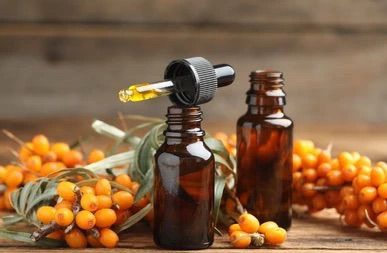
• Oils are used in the form of capsules as a vegan Omega fatty acid source, used in hair and skin wellness.

• Powders: As supplements in drinks, smoothies and teas.

9. Availability: Sea buckthorn berries are available in local markets specific to the native regions of Asia -Pacific where they are grown. Otherwise, they are available as products in supermarkets, stores, and retail in different brands. It is important to buy from known, reputable brands for safety issues.

They are available in juices (cold-pressed is best), pulps, dried berry powder, gummies, tablets, capsules and in oil extract. Due to their nutritional value, the products are widely used and have been quite popular.

10. Takeaway: Sea buckthorn berries have been used for centuries by the native people of mainly Asia, especially in the Himalayan regions, Ladakh, China and European regions. But recent scientific studies and research have identified its rich nutritional profile, which has attracted the attention of health enthusiasts. Therefore, these tiny berries have become popular, and the products are selling widely nowadays. No doubt, sea buckthorn is, indeed, a super fruit and its intake in moderation, in whatever form, can be helpful for overall health and wellness.

Thanks for reading.

Peace and love 🙏
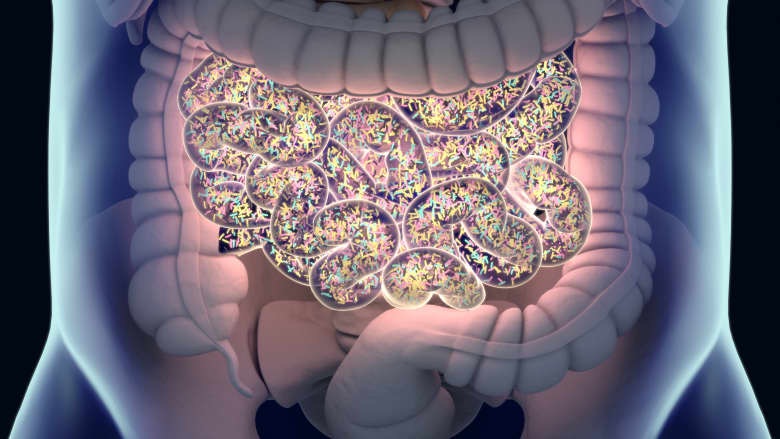
10 facts: Bifidobacterium, the power members of human gut flora 🙌

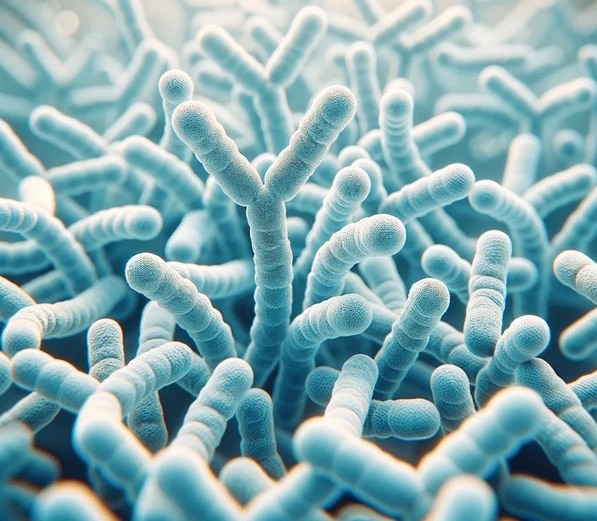
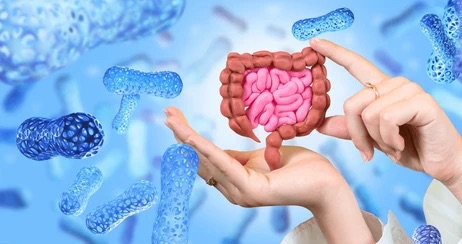
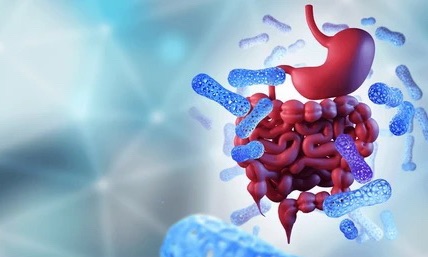
1. Bifidobacterium is a genus of microbes present naturally in human gut microbiota and the human oral cavity that are found to have potential health benefits for their host. Research has shown that these members of the gut microbiota have health-promoting properties, probiotic effects, and protection against various pathogens on their human host. Extensive studies have investigated the probiotic effect and the protective effect against pathogens on their host, for which bifidobacteria have been used to treat various gastrointestinal disorders, including colorectal cancers.

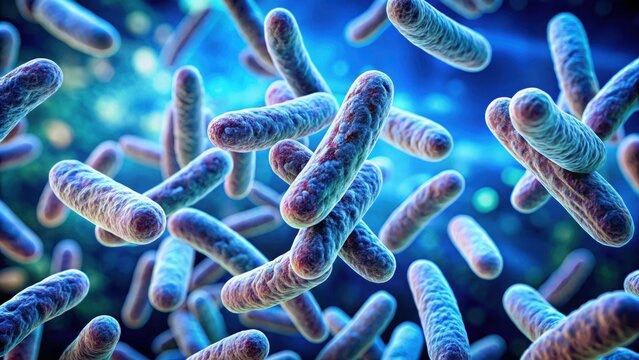
2. Bifidobacterium belongs to the phylum Actinobacteria and consists of 45 species. They have been an integral component of human and animal gut flora. They are Gram-positive, rod-shaped bacteria, non-sporing, catalase-negative, which break down carbohydrates into acetic acid and lactic acid without releasing carbon dioxide. Apart from various potential health benefits, the significant effect of bifidobacteria is that they can turn out drug chemicals, enzymes, vitamin B and K, carboxylic acid, which reduces the growth of fungi, facilitates the digestion and absorption of nutrients.

3. Bifidobacterium beneficial effect: Bifidobacterium species are most abundantly found in the large intestine, especially in the colon. The various beneficial roles played by Bifidobacterium are –

• Prevention of intestinal infections.

• Decreasing serum cholesterol.

• Stimulate the immune system.

• Alleviate the lactose intolerance.

• Help in the production of vitamins B12, B1, B7 and riboflavin synthesis.

• Prevention and treatment of colorectal cancer and inflammatory bowel diseases.

4. Bifidobacterium and diarrhoea: Because of their potential benefits, bifidobacterium strains are selectively chosen to administer and treat various gastrointestinal disorders. Studies have shown that strains of Bifidobacterium breve and Bifidobacterium longum, when administered to adults and children with acute diarrhoea, were found to reduce the duration of diarrhoea. The patients, both children and adults, who took antibiotics were also given the probiotic strains of Bifidobacterium, which do not interfere with the antibiotic effect, instead benefiting from the probiotic effect.

5. Bifidobacterium and colorectal cancer: Several animal studies have shown that various species of Bifidobacterium are found to reduce the cancer risk of the liver, colon, mammary glands and small intestine. Probiotic species of Bifidobacterium repress the growth of procarcinogens, which are responsible for tumourous growth in the intestines. Several studies have shown that probiotic strains of Bifidobacterium species have been beneficial when used as an adjuvant in cancer treatment.

6. Bifidobacterium longum species: This species has been shown to have immense benefits in various studies consistently. Some of the known benefits:

• Consumption of this strain can promote anti-oxidative properties, anti-viral benefits, and anti-obesity effects.

• It can help in developing innate immunity, preventing influenza and fever, and has an immunomodulation effect.

• Consumption of this strain can help in the protection against hepatocellular damage and help in the treatment of hepatic encephalopathy.

• It has an anti-ageing effect, supports bone health, and improves memory.

Fermented milk products

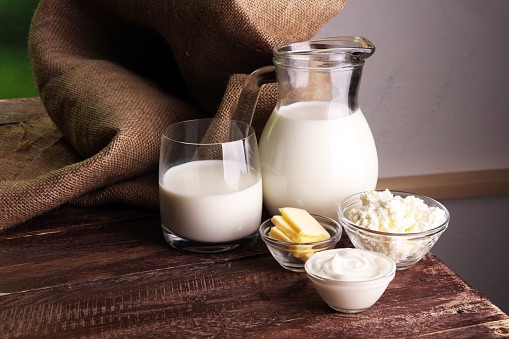
7. Bifidobacterium species like breve, lactis, and bifidum have all been found to have potential health benefits.

• B.breve has a strong anti-allergic effect, prevents oxidative stress, and alleviates UV barrier.

• B.lactis has an anti-inflammatory effect, anti-bacterial activity (against streptococci), and

protection against intestinal mucosal damage.

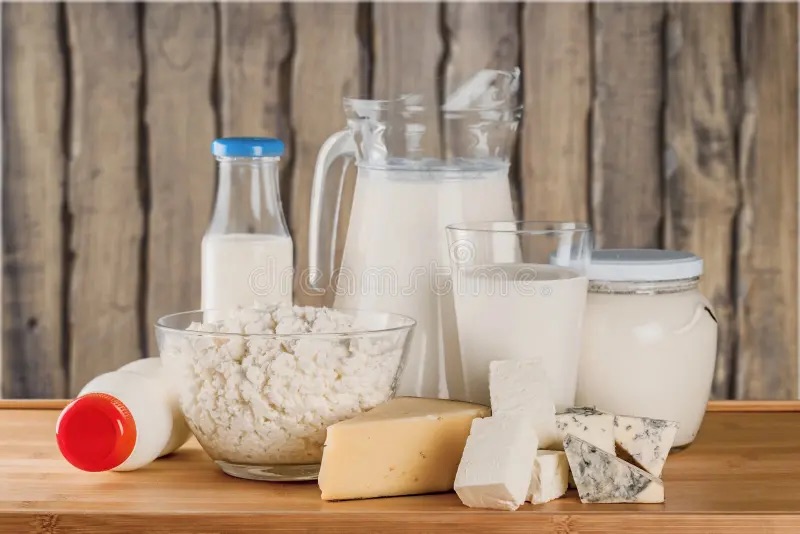
8.B bifidum inhibits H. pylori and is useful in the treatment of allergic diseases. It is a potent anti-inflammatory agent, too.8. Bifidus-rich foods: Bifidobacterium is a group of lactose-utilising bacteria that are mainly found in probiotic foods, such as milk with added strains. Food rich in Bifidobacterium species is:

• Yoghurt with live active culture, cultured butter milk

• Fermented soy milk

• Fermented milk, cheese like cheddar, aged, mozzarella, Gouda

• Kefir, sauerkraut, miso, kimchi, tempeh

9. While buying and consuming commercial food containing Bifidobacterium, ensure safety tips:

• Checking labels and buying products with “ live and active culture”

• Consuming together with prebiotics to get the best results. Prebiotics include bananas, onions,

garlic, and whole grains.

• Prevent heating as heat kills live bacteria. So, raw fermented food and unpasteurised foods are best.

• Supplements can be supportive in irritable bowel syndrome, immunity and bloating.

10. Takeaway: Bifidobacterium species have been proven to have immense health benefits to humans through their metabolic activity. Studies have shown that normal adults and children with healthy immunity status can regularly consume fermented food with live Bifidobacterium species, which can further boost health and prevent many chronic inflammatory diseases. People with weak immunity, the elderly, pregnant and breastfeeding mothers should avoid such foods to prevent complications like allergic reactions.

Thanks for reading.

Peace and love 🙏

10 facts: Sleep wake cycle linked to cortisol 👐

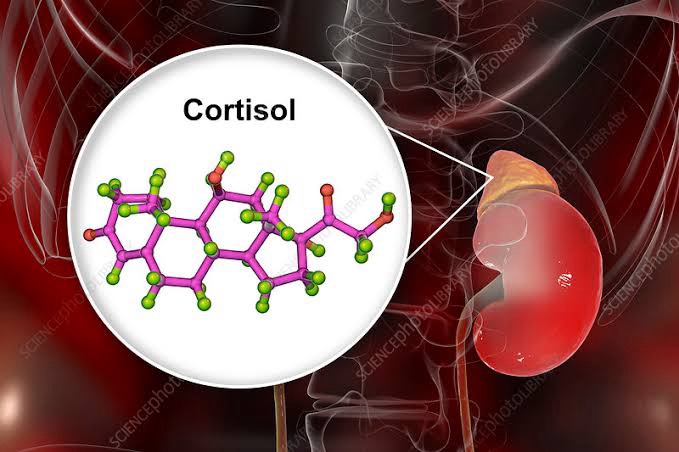
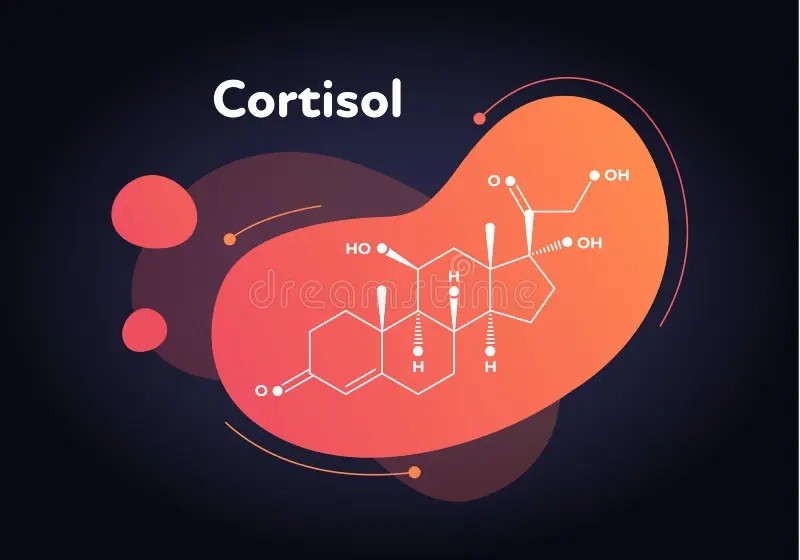
1.Cortisol is a stress hormone released from the adrenal glands, which is ideally secreted during a fight-or-flight response. However, in today’s world, our daily lives are filled with stressful situations, such as competition, comparisons, peer pressure at work, negative people, and relationships stress. As a result, cortisol is released not just in short bursts but remains chronically elevated. This persistent high level of cortisol keeps the body in a constant state of stress, leading to chronic inflammation, sleep problems, and various diseases.

2.Cortisol plays essential role in the body for survival. But when cortisol is elevated for a longer period of time can lead to health issues like weakened immunity, metabolic syndrome and mental health issues. The functions of cortisol are :

– Maintaining blood pressure

– Elevating blood sugar levels

– Regulating the circadian rhythm

– Facilitating the utilisation of energy from carbohydrates, proteins, and fats

– Reducing inflammation

3. Sleep-wake cycle follows a synchronised rhythm with the night and daytime. During the sleep phase, the body goes through different stages, such as:

• Non-REM stage: The phase where the body and mind, being awake, slowly move to a calmer state before falling asleep. Followed by a stage where the body’s core temperature drops, brain waves slow down. After this, a stage emerges where the heartbeat, breathing, and brainwaves slow down, entering a deep state of relaxation.

• REM state: This stage occurs normally after the deep sleep phase. In this phase, people have vivid dreams, and intense dreaming appears. There is weakened muscle activity similar to temporary paralysis. This stage is important as the brain is cleaning out the buildup of waste and toxins.

4. HPA axis: The hypothalamic-pituitary-adrenal axis is responsible for the neuroendocrine regulation. Hormones like melatonin and cortisol from the HPA axis modulate the sleep-wake cycle. When there is disruption of this axis disturb the sleep cycle. Studies show that there are reciprocal interactions between sleep regulation and the HPA axis. Stressful situations like PTSD, emotional trauma, and chronic workload can lead to long-standing sleep issues like insomnia, sleep deprivation, and lack of restorative sleep, which in turn lead to disruption of the HPA axis and vice versa.

Insomnia

5. The HPA axis and sleep have a significant interconnection. Good quality sleep, deep sleep causes an inhibitory effect on the HPA axis, whereas hyperactivation of the HPA axis leads to overload of glucocorticoids, wakefulness, and loss of sleep. Sleep disorders related to HPA dysfunction are:

•Insomnia is a common sleep disorder which is found to have a connection with an increase in ACTH and consistent cortisol levels and arousal of the central nervous system.

•Obstructive sleep apnea or daytime sleepiness has been associated with elevated pro- inflammatory cytokines, IL-6 and TNF.

Weight gain

6. Elevated cortisol level: Studies show that sleep deprivation has a direct connection to elevated cortisol levels, long hours of wakefulness in the daytime, glucocorticoid overload, and disruption in the HPA axis. These directly affect the well-being of the individual and increase the risk of obesity and type 2 diabetes. Other symptoms of elevated cortisol levels are:

• Weight gain

• High blood pressure

• Weakness of bones

• Muscle weakness

Stressed

7. Cortisol level: Normally, there is a spike of cortisol level in the morning, known as the awakening response, and it continues for about 60 minutes thereafter. Then, gradually the level-starts dropping and reaches the lowest level towards the evening/midnight. The factors which can affect the cortisol levels are:

• Stress

• Disturbed routine sleep schedule

• Morning light may cause the surge

• Cushing’s syndrome

Overworked/ stressed

8. Stress and cortisol level: Cortisol is a steroid hormone which is released from the adrenal glands in the body’s response to stress. Cortisol also releases sugar from the liver to combat stress. In addition to this, sleep and stress are also closely linked. Prolonged stress can lead to sleep disorders like acute insomnia. The types of stress when cortisol is secreted are:

•Short-term stress

•Long-term stress

•Trauma, both psychological and physical.

Dark chocolate

9. Food and cortisol: Certain foods can support gut health, reduce stress and lower the cortisol level naturally:

• Whole grains and natural fibres – Whole grains are rich in polyphenols, which can support gut health and reduce stress and cortisol. Fibrous foods like vegetables, fruits, and berries contain both polyphenols and antioxidants that help reduce cortisol levels.

• Dark chocolate (70 – 80%) – Flavonoids in dark chocolate can lower the stress response and cortisol from the adrenal glands.

• Green tea contains polyphenols, catechins, and L-theanine, which can lower stress reactivity.

• Probiotics/Prebiotics are linked to healthy gut health, reduce stress and cortisols.

• Healthy fats in nuts, fatty fish, and seeds rich in omega3-fatty acids reduce stress and support mental health.

• Water – Consuming water throughout the day prevents dehydration and controls the cortisol level.

Meditation
Community/ kindness/ volunteer work

10. Natural habits that can keep the cortisol level under control:

• Good sleep routine – Firstly, keep away from cell phone or any kind of distraction at least 1 hour before bedtime, avoiding alcohol, caffeine intake and nicotine 5-6 hours before bedtime, maintain a bedtime schedule; going to bed and waking up the same time every day is important for sleep hygiene.

• Daily routine exercise, nature bathing, walking or any kind of physical activity.

• Practise deep breathing techniques like Pranayama, mindfulness breathing, Meditation, yoga, tai-chi.

• Maintaining your mental health by managing your personal relationships, staying away from negative people and a negative environment, cultivating hobbies, laughing, and listening to music.

• Spirituality – believing in spiritual faith, attending spiritual workshops, meditation, community spirit, kindness /charity /voluntary works, helps maintain cortisol levels.

Thanks for reading.

Peace and love 🙏

10 facts: Is hydrogen water a hoax or is it real?

1.Hydrogen water, also known as hydrogenated water, is simply regular water infused with hydrogen gas. The regular water is H2O with extra H2 gas added, which is what makes hydrogenated water. This hydrogen-rich water has become quite popular nowadays as it has been found to have health benefits. Manufacturers are now selling hydrogen water bottles across the globe for it’s health benefits. Extensive research has not been done so far, regarding the use of hydrogen water. Yet, it has been very popular in some countries, such as Japan.

2. As far as nutritional benefits are concerned, hydrogen water is the same as regular water in terms of calories, protein, fat, and carbohydrate which is nil. However, some manufacturers and providers do add trace amounts of vitamins A and C, magnesium, potassium and sodium sulfate to enhance the nutritional benefits. As already mentioned, not much research has been done in this context, but some experts do believe that drinking hydrogen water is beneficial for health.

3. Anti-inflammatory: Hydrogen water does contain anti-oxidants. Anti-oxidants fight inflammation and reduce oxidative stress. Every day, our body is inflicted with various types of physical and mental stress, which comes from external forces like pollution, sun exposure, toxins from the environment, food, day-to-day mental stress of various nature, also from normal body functioning, all these factors are sources of inflammation, diseases and cancers. Therefore, molecular hydrogen can help to some extent to combat oxidative stress and reduce inflammation.

4. Endurance and Mental health: Several studies have shown some positive results of increasing endurance and lowering fatiguability after drinking hydrogen water. It does show performance improvement, increasing energy, and endurance in the case of athletes, though scientifically, still not verified. It has been found to lower physical stress and reduce recovery time after heavy workouts.

Some studies on mental health have shown that drinking hydrogen water daily for 4 weeks showed marked improvement in mood disorders, panic disorders and anxiety.

5. COVID-19: More research is still needed to establish the fact, that hydrogen water consumption did slow down the immune response which is known as a “cytokine storm”. The use of hydrogen water was useful to reduce the cytokine response of Covid 19 virus which otherwise could lead to organ failure. But, as already mentioned, more studies are required to clarify that hydrogen water can potentially treat Covid 19.

6. Liver and kidney functions: Studies of cases of non-alcoholic liver diseases, cases of hepatitis –B virus, drinking hydrogen water has shown positive results in lowering fat storage in the liver, aiding the treatment process and improving the liver function. But then, research is limited in such cases too. A study on dialysis patients has shown, that intake of hydrogen-rich water caused improvement in renal function and BUN (blood urea nitrogen).

7. Cancer treatment: Hydrogen water does show positive results in aiding cancer treatment. Since hydrogen water contains anti-oxidants, and acts as an anti-inflammatory, an immune booster does give promising results during cancer treatment by improving both physical and oxidative stress. A study regarding colo-rectal cancer showed anti-cancer properties.

8. Metabolic syndrome: Metabolic syndrome is a condition which includes high blood pressure, high cholesterol, high triglycerides, obesity or excess belly fat. The risk factors of metabolic syndrome are oxidative stress and chronic inflammation. Some studies have shown that intake of hydrogen water around 1 litre daily, in individuals on a 10-week study marked a significant reduction of risk factors of metabolic syndrome and showed a favourable effect on the metabolic processes in the brain and even ageing.

9. Negative effects: As far as health experts are concerned, there are no known side effects of drinking hydrogen water. Research is still not enough to establish even the health benefits thathave been claimed so far. More studies are required to verify the health benefits. In the case of individuals with high-intensity workouts, athletes, and chronic kidney diseases, there can be a risk of hyponatremia in drinking excess hydrogen water.

10. Though several studies do show potential health benefits of drinking hydrogen water over regular water, but still, continuous trials and more studies are still required to establish the benefits. Many manufacturers are selling hydrogen water bottles which are quite expensive. Again, depending on the source of water, the authenticity of brands is important to avail the actual health benefits claimed. The bottom line is that there is still not 100% proof of the potential health benefits. If affordability is there, there is no harm in using hydrogen water for drinking, otherwise, regular drinking water is great as well.

Thanks for reading.

Peace and love 🙏
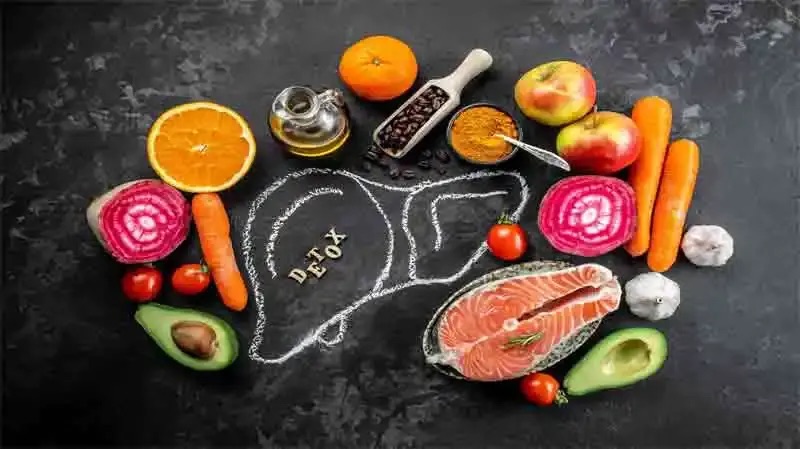
Are canned food healthy? 10 facts 🙌


1.Canning is a method of packing food in air tight containers to last longer period of time. It can last from 1-5 years depending upon the kind of food preserved. 3 steps which include canning are processing the food by cleaning, peeling and slicing. Next step is packing them in air tight containers and lastly, heating or thermal sterilization of those containers to kill harmful bacteria and germs.


2.We often hear that canned food and vegetables are not good enough. Though the fact is true that having freshly picked or buying fresh produce vegetables from the farmer’s market is best. While canned food and vegetables are fine as long as it is not used daily. Canning restores nutrients and is easy and handy to use. They can be kept in the freezer for days when the availability of fresh produce is low.


3.Some studies show that canning restores the high nutrients of the food. Since canning involves heating, heat releases more antioxidants from food like tomatoes and corn. So, certain nutrient levels like antioxidants are increased. However, some water-soluble vitamins like C and B can get damaged due to the heating process. In general, canned food is good enough as comparable to fresh and frozen food.


4.Commercial canning and food packaging involves a chemical named BPA (bisphenol-A). Studies do show that the BPA in cans do get mixed with the food that has been preserved. Certain studies show that BPA can be linked to heart disease and type 2 diabetes. But, more studies are required to prove the hypothesis. Sometimes, bad and unhygienic canning can lead to contamination by harmful bacteria like botulism. So, it is important to avoid canned food which is damaged, leaked or cracked.


5.Preservatives, salt, and sugar can be used to enhance the flavours of the canned food. The high salt content can risk to people with high blood pressure while sugar preservatives can be an issue in the case of diabetic people. Therefore, it is very important to read the labels and ingredients list before buying a canned product. Before using canned food, draining and rinsing the food is necessary so that the excess salt or sugar is released.

6.Canned meat, chicken, and seafood are handy sources of protein with vitamins and minerals. Usually, the shelf life is 2-5 years depending upon the product. They might contain extra sodium or salt while canning. So, the food needs to be drained completely to remove the excess salt before consuming. Depending upon the brand to brand, reading the label and the ingredients lists before purchasing, the canned meat and seafood can be used as a healthy and filling source of protein and vitamins as when necessary.


7.The most important aspects of using canned food in our diet are knowing the brand, a reputed brand, buying the product from a known store and the ingredient lists. The most crucial risk factors can be spoilage, damaged or leaked cans, BPA exposure, the potential for quality variation, environmental impacts, high sodium content, lack of freshness and nutrient loss.

8. In spite of some of the risk factors, there are still a lot of advantages of canned food and are widely being used worldwide. They are concentrated food, handy to use, safe and can be stored for a long time at a room temperature. They are usually protected from contamination of micro- organisms, insects, pests and pollutants. They are available throughout the year and can be consumed instantly.

9.The disadvantages are important to note too. Nowadays, apart from BPA, several preservatives are used in canned food like nitrites, sulfites, potassium, sodium benzoate, and BHA (Butylated Hydroxyanisole 320) which can be hazardous to health. So, it is very essential to read the labels and ingredients list while buying a canned product. Already mentioned about the risk of botulism if the canned food container is leaked or damaged.

10. Yes, canned food is easy, quick, handy and affordable. Not all canned products are bad and can provide the necessary nutrients for health when consumed. When food availability is low, or when you are travelling, canned food is convenient to use. Having canned food, only whenever is required and never using it regularly is recommended. Eating fresh produce or frozen vegetables is a far better option than having a canned product which might prove detrimental to health in the long run as harmful preservatives do often get mixed with the canned food.

Thanks for reading.

Peace and love 🙏
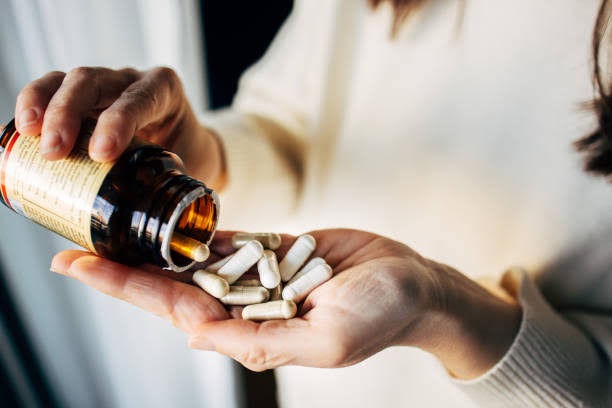
10 facts about Nigella seeds 🙌


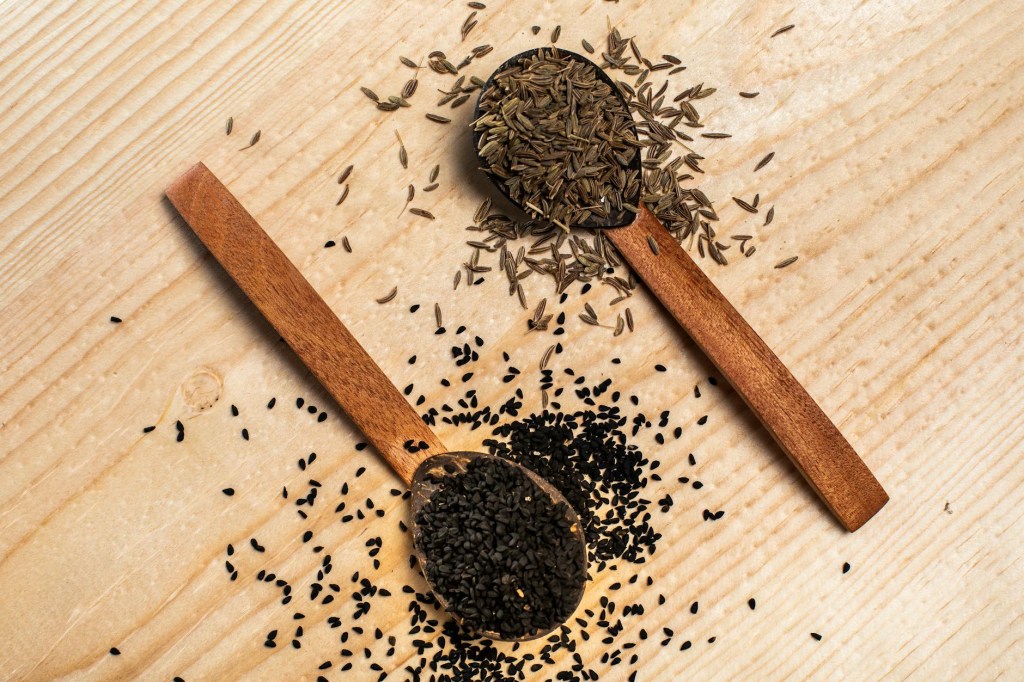
1.Throughout history, Nigella seeds, known scientifically as ‘Nigella Sativa’, have been utilized in a variety of culinary dishes in South Asian and Middle Eastern regions. These seeds grow from a flowering plant. The taste of these tiny black seeds is similar to that of onion and oregano, but they are slightly bitter. They are known for centuries for their immense medicinal and health benefits. They can be utilized in various forms, such as whole, oil, capsules, or powdered form.

2.Nutrition: Packed full of minerals and vitamins, including iron, calcium, zinc, copper, thiamine, phosphorus, folic acid, and many more, it’s a power meal. Useful fatty acids including linoleic, oleic, palmitic, and arachidonic acids make up the seed oil. Thymoquinone, its primary active ingredient, is extremely beneficial to health.

3.Antioxidants: Nigella seeds are full of antioxidants, which can fight free radicals and prevent oxidative stress. Studies show that nigella seeds contain several amino acids like carvacrol, thymoquinone, and 4-terpineol, which are powerful antioxidants. Hence, regular intake of nigella seeds can help protect against a wide variety of diseases, like heart disease, diabetes, cancer, and obesity.

4.Cholesterol: Many studies have shown that taking nigella seeds powder can help to lower LDL cholesterol and increase HDL cholesterol levels. This powerful effect can help the body prevent atherosclerotic diseases and ischaemic heart disease.

5.Brain: Nigella seeds have been shown to have the ability to slow down or prevent the progression of certain neurological inflammation in the brain, including Alzheimer’s disease, epilepsy, encephalomyelitis, depression, and Parkinson’s disease. Some research have also shown that nigella seeds can slow down the progression of dementia and age related memory loss.

6.Anti-cancer: Research has shown that the antioxidant thymoquinone has strong anti-cancer properties. Lung, cervical, pancreatic, prostate, skin, and colon cancers can all be prevented with the use of nigella seeds and their constituents. However, further data and investigation are needed to validate these effects.

7.Anti-bacterial: Studies have demonstrated the anti-bacterial properties of nigella seeds on germs that cause everything from ear infections to pneumonia. Their antibacterial and antibiotic qualities aid in the treatment of skin infections. They can aid in the management of chronic obstructive lung disorders and asthma because of their anti-inflammatory qualities. To manage such problems, people take the oil in capsules. However, further investigation is needed to fully understand these impacts.

8.Skin: Studies have shown that black seed oil can be used routinely to moisturize and skin cleansing. It can help to manage certain skin issues like psoriasis, eczema, vitiligo, pigmentation and wound healing. It can fasten wound healing, repair tissue damage, reduce skin irritation, heal minor burns, scar tissues. It can also help to moisturize hair, reduce hair loss.


9.Dosage: Nigella seeds have been found to have many health and healing properties and is widely been used. It’s available in capsule, powder, tablets, creams, oil, soaps, shampoos and many more forms. It is safe in small doses , about 1-2.5 gm by mouth on daily basis. But, it is recommended to inform your Primary Physician before using it.

10.Side-effects:
*Bleeding disorder: It slows blood clotting, so it is contraindicated in people with bleeding disorders. *

*Since nigella seeds may interfere with metabolism, it is important to inform the treating physician while using them.

*It can slow down uterine contraction so nigella seeds supplementation should not be used during pregnancy.
*Usually it protects the kidneys but excess consumption like 2000-2500mg daily may affect kidney health.
*The best way to minimize the potential side effects is by incorporating nigella seeds paste or oil in very small quantity in meals to enjoy the immense health benefits, these seeds provide.

Thanks for reading.

Peace and love 🙏
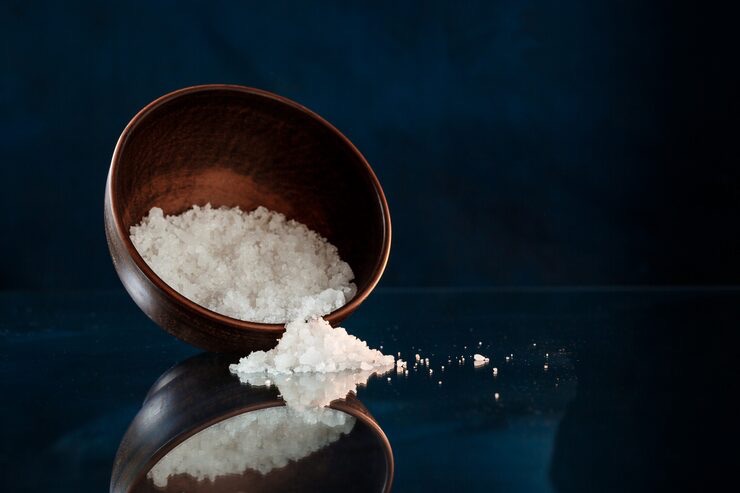
10 facts to understand why glutathione is necessary 🙌

Hello everyone ✋

1.Glutathione is a naturally found antioxidant in our body. It is important to know about this powerful antioxidant because it has a host of many benefits. Its primary function is to fight free radical that damages body cells. It’s vital for the body because it helps to protect from many diseases like autoimmune diseases, liver damage, heart diseases, respiratory diseases and neurological disorders. As we grow older, the glutathione level slowly declines and the body marches towards poor health.


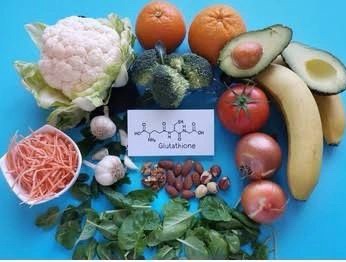
2.It is essential to maintain the level of glutathione in the body. If the level drops, certain symptoms may appear, such as anemia, fatigue, increased frequency of infections, low immunity status, sleep problems, and brain fog. To boost glutathione levels, it is recommended to consume sulfur-rich foods such as cruciferous vegetables, avocados, broccoli, spinach, garlic, and unprocessed meat. Several studies have indicated that consuming vitamin C can increase glutathione levels in the body. Therefore, it is important to consume citrus fruits, bell peppers, kiwis, and papayas regularly. Additionally, it is recommended to consume foods rich in selenium such as chicken, fish, eggs, Brazil nuts, and brown rice to maintain glutathione levels in the body.

Aging

3.Glutathione is a compound that is mainly composed of three amino acids: glutamine, glycine, and cysteine. Our body naturally produces this compound, but its level decreases with age. In addition, chronic diseases, poor diet, stress, anxiety, and frequent infections can also contribute to the reduction of glutathione levels. Low levels of glutathione are commonly found in individuals suffering from chronic diseases such as heart and liver diseases, sepsis, trauma, HIV/AIDS, and cancers. The role of glutathione in the body is crucial because it helps to prevent free radical damage, repair cells, and facilitate protein synthesis. Moreover, glutathione can bind with toxic metals like arsenic, silver, lead, chromium, mercury, and copper, and help to reduce their toxicity.


4.Glutathione is a powerful antioxidant that offers several health benefits. It can reduce oxidative stress caused by free radicals and prevent the development of various diseases such as diabetes, cancer, autoimmune disorders, and rheumatoid arthritis. Glutathione can also help to reduce cell death and improve blood levels of protein, bilirubin, and enzymes in fatty liver diseases like alcoholic and non-alcoholic types. Additionally, it plays a significant role in maintaining mitochondrial DNA, which is necessary for building proteins and cells. Several studies have shown that glutathione can improve blood circulation and prevent plaque buildup, thereby improving peripheral arterial disease. It may also help to improve symptoms of tremors and rigidity in Parkinson’s disease, respiratory diseases, uncontrolled diabetes, autism in children, and psoriasis.

Glowing skin
Gut health

5.Various studies have demonstrated that glutathione has a significant role in preventing skin problems such as acne, eczema, wrinkles, and aging. It also helps in maintaining healthy and glowing skin. When the balance between good and bad microbiome in the gut is harmonized, the overall health of the body is improved, and the skin appears healthy and radiant. However, if the balance is disrupted, it leads to skin problems and other health issues, including bowel disturbances. Glutathione is instrumental in detoxifying the body, repairing cell damage, and maintaining a balanced gut health. Therefore, by improving the level of glutathione in the body, it is possible to resolve skin problems and many gut issues.

Supplements


6.Low levels of glutathione can lead to a variety of health issues. While natural food sources are the best way to improve glutathione production in the body, supplements like vitamin C and E, curcumin, N-acetylcysteine, and selenium can also help. However, injectable supplements can be toxic and oral supplements are not very effective as they break down in the stomach. In cases of low immunity, glutathione is sometimes medically prescribed. In such cases, oral or injectable supplements may be recommended under medical supervision.

Alcohol

7.Certain lifestyle changes are essential to improve the glutathione levels in the body. Avoiding smoking, alcohol, too much dairy, caffeine and processed food is required to boost the levels in the body. Having a balanced diet, with good quality natural food sources, exercise and good sleep can improve the glutathione production in the body.


8.Glutathione levels are not typically measured in the body like essential nutrients, so research is still insufficient to understand the effects of low levels and supplement requirements. Studies do show that low levels can result from poor diet, stress, environmental toxins, and increasing age. Low levels of glutathione are associated with an increased risk of chronic diseases like cancer, diabetes, liver diseases, and Parkinson’s disease. However, supplementing with glutathione does not decrease the risk, so more studies are required to determine the optimal intake and its effects.

Milk thistle


9.Supplements of glutathione that are commercially available include Selenium, Vitamin C and E, milk thistle, and N-acetylcysteine. The dose of glutathione depends upon an individual’s age, sex, past medical history, and drug allergies. Studies have shown that glutathione is given at a range of 250 to 1000 mg/day in either injectable or inhalant forms. However, it is strictly advised to seek medical guidance before taking glutathione supplements since it can cause possible side effects. Some side effects like skin rashes, cramping, bloating can appear and inhalant glutathione might cause breathing problems too.

10.In brief, glutathione is a vital antioxidant that is naturally produced in the body and offers numerous benefits. A deficiency of glutathione can lead to the development of various chronic diseases, including cancer. As we age, the level of glutathione in our bodies naturally decreases. Therefore, it is crucial to be aware of dietary sources that can help boost the natural production of glutathione in the body. If advised by a medical professional, supplements can also be taken to improve the levels of glutathione in the body.

Thanks for reading.

Peace and love 🙏

Post: Why is the pineal gland (the third eye) considered so powerful ? 6 wonderful scientific facts.

Anatomically, the pineal gland is a pea-sized endocrine gland which is located in the epithalamus, near the centre of the brain. Functionally, it is a part of the endocrine gland as it secretes the hormone melatonin, which is synthesized from serotonin, which maintains our day-night cycle, circadian rhythm, our natural biological clock.

Some mains functions of the pineal gland are :
Sleep cycle (circadian rhythm)
Reproductive functions and fertility
Bone growth
Body temperature
Water balance
Blood pressure
Immune system
Longevity and anti-ageing.

Scientific researches have proved that, besides maintaining the sleep cycle, the pineal gland has many important roles to play, hence it is quite a crucial organ.

Some 6 wonderful facts about this tiny gland;

1.Master Gland : Considered as a master regulator with the hypothalamus of the endocrine system, it controls hormone signals to all organs of the body. It has a dual neuroendocrine role, much bigger role than only maintaining the melatonin, sleep cycle. Besides, melatonin, serotonin, it also secretes biogenic amines like Catecholamines (Noradrenaline). Now, researches show that pineal gland is responsible for the release of pituitary hormones and so it is the master conductor of the endocrine system. Therefore, all the body’s vital functions are controlled by this organ.

2. Sixth sense :Since it has a rich adrenergic nerve supply, it is found to be very sensitive to our energy field, both magnetic and electric fields (vibrations) which we are normally not aware. Normally, we are aware of what our five senses feel. So, this gland is responsible for the “sixth sense.”, the bioelectromagnetic field (vibrations). This is what is called an Expanded consciousness. Animals have normally a bigger pineal gland so have a larger bioelectric field. They respond to vibrations while communicating which humans don’t use as we, humans have languages.

3. Third eye: Since the ancient time, it is regarded as the “third eye” (in many ancient mythologies like Egypt, Greek, Chinese and Hindu). Now science-based studies proved that it indeed contains rod-like cells (pinealocytes) that are similar to those of eye. There are both dark and light pinealocytes. The gland is connected to the eyes to detect light and dark stimuli and stimulate the release of melatonin.

4. Anti ageing :Melatonin which is released by the pineal gland is found to be a powerful anti-oxidant. It has about 200% more oxidative power than vitamin E and also vitamin C. Therefore, it is a strong hormone against oxidative stress, so very important in anti-ageing.

5. DMT :Pineal gland mediates the release of serotonin and dopamine. Both are considered as happy hormones. Therefore disruption in circadian rhythm can affect the release of melatonin which is synthesized from serotonin in Pineal gland. Another mystery fact is increased scientific evidence have shown pinoline and DMT( dimethyltryptamine) have been naturally producing in the pineal gland, help in mood, perception, consciousness, dream state and cognition. DMT is produced naturally during deep sleep in the unconscious state. It can be produced in deep meditation at a conscious level by experienced meditators like monks and yogis. DMT has a psychedelic effect, an elevated state because it gives the visionary experience, a state of transcendence, body and spirit connection.

6. Awakening : Since it is the most powerful organ, pineal gland activation can help you give more clarity about the world, and perform at your most optimal potential. It can help you perform brilliantly in any task.
Many practices like deep meditation, Kundalini yoga, Chi Kung (Chinese) like deep breathing, tapping, focussing (at the centre of forehead), laughing (being happy), light music and being in darkness can awaken the pineal gland. Pineal gland activation also helps to balance the body’s 7 chakras or 7 healing energy sources. Neuroscience has proved that activation of this gland can give profound spiritual experiences, out of the body experiences. Practising deep meditation and concentration daily can slowly help to activate the pineal gland.