


Silent Sunday 🌞

Peace and love 🙏

10 facts: Is cinnamon diabetic-friendly? 🙌

1.Popularly known that cinnamon is a warm spice which is widely used in both savoury and sweet baked recipes. Basically, two types of Cinnamon used commonly: Ceylon Cinnamon, originally found in Sri Lanka and southern India. Cassia Cinnamon, dark in colour, native to Southeast Asia and China. The spice is derived from the dried bark of Cinnamomum trees. It has been used for centuries for both culinary and traditional medicine purposes. There has been much research on Cinnamon for its nutritional content for supplementation and medicinal purposes, but its effects on diseases are still not established.

2. Ceylon Cinnamon, also called “true cinnamon”, is now widely available in North America and Europe is a lighter, sweeter variety and is expensive. Cassia cinnamon is a darker, thicker variety, which has a richer and slightly bitter taste. While much research does show a wide range of health benefits due to the compound cinnamaldehyde, the dark side is that many cinnamon types also contain coumarin, which, when taken in large quantities, can cause liver damage. Meanwhile, Ceylon cinnamon doesn’t contain coumarin, and hence it is considered a safe variety.

3. Cinnamon has a unique flavour and aroma due to the oil present in the bark spice, which is rich in cinnamaldehyde. It is high in polyphenolic compounds, which are responsible for amazing benefits on health and digestion. These polyphenolic compounds are mainly responsible for antioxidant properties, which prevent the body from free radical oxidative damage. Because of the nutritional profile, it has been interpreted to have various health benefits like anti-inflammatory, antioxidant, anti-viral, heart-friendly, and diabetic friendly.

4. Cinnamon has polyphenols and powerful antioxidants, as it has been known to have a wide list of health benefits. Some important ones are:

• Prevent oxidative stress and protect against cell damage.

• Reduces chronic inflammation and prevents chronic diseases.

• Reduces bad cholesterol LDL and triglycerides, so supports the cardiovascular system.

• Supports brain health by reducing brain cell ageing.

• Anti-inflammatory, anti-viral, anti-fungal, anti-cancer.

• Protects gut health by supporting good bacterial colonies.

• Supports menstrual health.

• Supports skin health and dental health as it is anti bacterial and rich in antioxidant.

• Helps in weight loss by stabilising metabolism.

5. Diabetes: Research has shown promising benefits in the case of type 2 diabetes, as it can increase insulin sensitivity and help to lower blood sugar levels. But the effects cannot replace changes in lifestyle, diet and medication for diabetics. Therefore, cinnamon can be a supportive aid but not a replacement for treatment. Some of the research-backed benefits are:

• Studies have shown that cinnamon helps in blood sugar control. It helps to reduce blood sugar levels, both fasting and postprandial levels, and increases insulin sensitivity. It is also found to lower haemoglobin A1c.

• Cinnamon can act like insulin and help to move the sugar in the blood into the cells. Additionally, it reduces insulin resistance and helps move sugar into the cells easily, thereby reducing blood sugar levels.

• Research suggests that after a meal, the blood sugar normally spikes; cinnamon helps in slowing down gastric emptying and keeps the sugar levels in control while also reducing insulin resistance.

• Some studies state that it helps block digestive enzymes that break down carbohydrates and keeps the postprandial sugar levels in check.

6. Post-diabetic complications: In the case of diabetes, the high blood sugar levels can increase the risk of bacterial growth in cells, increase inflammation, elevate oxidative stress and overall increase the risk of chronic diseases like atherosclerosis, high blood pressure, heart diseases, kidney diseases, neurodegenerative diseases, and Alzheimer’s disease. Studies show that daily intake of cinnamon can keep blood sugar spikes in control, reduce blood sugar levels, increase insulin sensitivity and glucose tolerance, lower HbA1c and lipid profile so that the complications are considerably lowered. Therefore, with lifestyle changes, diet, medication and additional intake of cinnamon on a daily basis can be very beneficial in case of diabetic type 2.

7. Side effect: Cinnamon, as already mentioned, is naturally two main varieties – Cassia and Ceylon. 90 per cent of cinnamon production comes from Sri Lanka, India, China and other Southeast Asian countries. In the US, mostly the cassia variety is used. The downside of this very old spice is that along with beneficial compounds, it also contains coumarins. Coumarins have anticoagulant properties, which can lead to a risk of bleeding, delay wound healing in case of injury and liver distress. Prolonged consumption of heavy doses of cinnamon can pose a health risk. Higher coumarin levels are found in cassia type than in Ceylon type, which is a very negligible amount. A daily limit of 0.1 mg of coumarin per kg of body weight can be a safe limit.

8. Uses: Cinnamon is available in different forms of tubular-shaped whole spice, powdered and oil. There are various uses of cinnamon, mainly in global cuisines, desserts and household uses. Some of them are:

• Cooking: Used in both savoury meals like curries, stews and desserts like cakes and pastries.

• Beverages like tea, chocolate drinks, coffee

• Cinnamon oil is used in aromatherapy, mood-enhancing, mood enhancing as an essential oil.

• Dental care to fight bad breath in mouthwash, toothpaste.

• Used as a natural preservative.

9. Cinnamon dosage: Since cinnamon is not used as a medicine in modern science, there is no specific dose. Cassia cinnamon is the most common type available, which is found in supermarket aisles, whereas Ceylon cinnamon is quite rare and expensive as it is a safer variety and can be used as a supplement. Cassia cinnamon contains coumarin, which is a blood thinner, so a large quantity of consumption of this variety poses a health risk. Normally, 2-4gm/day of cassia can be a safe limit for an adult.

10. Takeaway: Cinnamon is an old spice which has been widely used over centuries because of the rich compounds like polyphenols and cinnamaldehyde. Studies have proven that such compounds have amazing health benefits. Cinnamon has been linked to diabetes, as it can imitate insulin and is found to be very beneficial for diabetics, as it can regulate blood sugar levels. But it is still not regarded as a replacement for diabetic treatment. It is considered a supportive therapy for diabetics. Moreover, it is a popular spice in both sweet and savoury dishes for its rich aroma and flavour.

Thanks for reading.

Peace and love 🙏

10 facts on Grains: Why are low GI grains healthier? 🙌

1. Grains are naturally grown from plants like grasses, which are a staple food for humans across the world. Grains are seeds and have basically 3 main parts: a hard outer covering called Bran, which is fibrous in nature. The second covering is called the Germ, which is the most nutritious part and contains vitamins, healthy fats and minerals. The innermost layer is the endosperm, which is a rich supply of starches, the energy source. Whole grain contains all the 3 layers. Commonly found grains are rice, wheat, oats, barley, corn and millet.

2. Grains, after they are harvested, are taken to milling and grinding plants and are cleaned and go through different processes like grinding, separation and bleaching. Depending upon the treatment they undergo, there are different grain types:

• Whole grains, where the three layers are restored, such as brown rice, whole grain wheat, oats. Whole grains are considered the most nutritious grains.

• Refined grains are fine in texture when the germ and bran layers are removed, such as white rice and refined flour.

• Enriched grains are those where nutrients like vitamins and minerals removed after refining are added back, such as enriched white rice.

• Fortified grains are grains that, after milling and grinding, are added with extra nutrients which may not be naturally found, such as fortified with iron and folic acid.

3. Whole grains are wholesome for health, providing starch (energy), vitamins, minerals and fibre. The known health benefits:

• Feeling of fullness helps in portion control and thereby in weight management.

• Lowers insulin levels.

• Lowers bad cholesterol and helps to raise HDL.

• Lowers blood pressure.

• Fibre helps to regulate bowel habits, reduces the risk of heart diseases, diabetes and stroke.

4. Much needed substitutes of regular white rice, white flour pasta, white bread with wholesome grains for daily requirement are:

• Whole grain bread, whole grain pastas, whole grain cereals.

• Quinoa

• Brown rice, black rice, red rice.

• Oatmeal

• Millet, barley, bulgur

• Pop corn

5. Glycemic index (GI): Some grains, after eating, give you instant energy and slowly make you feel worn out. While eating some types of grains doesn’t make you hungry for a long time and gives you enough energy throughout the day. This is because the glycemic index of different types of grains varies. The rate at which the body breaks down a particular type of grain and raises the blood sugar level determines the glycemic index of that grain. It depends on how much processed and refined the grains have been through. The GI ranks from 0-100, with the lowest being the healthiest starch.

• Low GI (less than 55): They are the least processed grains and gluten-free, like millet and quinoa,

• Mid GI (55- 70): Processed to some extent but still contains the bran of the grains like brown rice, whole wheat bread.

• High GI (greater than 70): Refined flour, white rice, white bread.

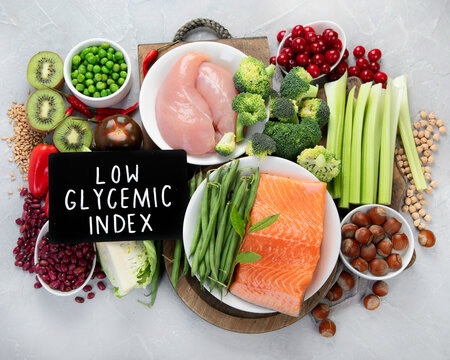
6. Low GI grains: The rate of 1-100 scale at which the starch is metabolised into sugar and raises the blood sugar level is considered the GI (glycemic index) of that particular grain. The highest GI is white bread, white rice, pastas and potatoes. Low GI grain is when the starch is slowly released for digestion, which is within 0-55. Examples are :

• Brown rice, steel cut oats, quinoa.

• Barley, millets, bulgu

• Sweet potatoes and non-starchy veggies like broccoli, cauliflower, spinach, carrots, beans.

• Fruits like apples, oranges, cherries and berries.

7. Health benefits of Low GI grains :

• No sugar spikes: The low GI grains release the sugar slowly and prevent sugar spikes.

• Fibre is high: These grains have high fibre and make you full for a long time and don’t make you hungry.

• Nutrient-dense: Millet, Barley, Oats, Quinoa, and buckwheat are great sources of fibre, nutritional powerhouses of vitamins, minerals and antioxidants.

8. Common myths:

• Low GI grains are tasteless and bland: In fact, depending on the palate, different methods of preparation can make these grains taste flavourful and a rich energy source.

• Portion matters: Eating large portions isn’t healthy. Always maintaining portion control and appropriate meal timings actually count.

• Too much fat: Adding too much oil and fats like cheese, butter, and oils makes a meal tasty. This isn’t true; in fact, adding natural spices, herbs, a variety of veggies, and less oil can make a meal flavourful and tasty.

• Fruits have high GI: Not true, as many fruits and berries have moderate GI and can be consumed on a daily basis.

9. Apart from grains, other food items with low GI are:

• Dairy like plain, unsweetened Greek yoghurt.

• Meat, fish, poultry, eggs

• Lentils and beans

• Leafy greens, cruciferous vegetables like broccoli, cabbage.

• Avocado has healthy fats.

• Citrus fruits, berries, apples

• Nuts, seeds

10. Takeaway: Whole grains are naturally occurring grains which are least processed, so they contain the required nutrients and fibre, which are necessary for one’s health and wellbeing. Once the grains are milled, crushed, or refined, they lose the valuable nutrients which are beneficial. So, refined grains and food items may taste better but ultimately do more harm than good. Therefore, research has shown that choosing whole grains, the least processed ones, always provides the complete package of nutrients and fibre, which are essential for good health and prevent chronic lifestyle diseases which have become so ingrained in today’s time.

Thanks for reading.

Peace and love 🙏

10 facts: Are Artificial flavouring substances safe?

1. Artificial flavouring substances are usually used in foods, beverages and some medicines too, to enhance the taste, aromas, natural-like flavours and to extend the shelf life. These artificial flavouring substances are chemical compounds produced in the laboratory to give characteristic taste and smell. Unlike natural flavours, which are naturally available, these chemical compounds are made from petroleum or synthetic agents and mixed with alcohol or propylene glycol, which acts as a solvent. The process of making and purifying artificial flavours has to maintain safety protocols, and the standards are approved by the Food and Drug Administration (FDA) and other Food authorities.

2. Laboratory-made chemical compounds are easy to extract, less expensive and can mimic the required taste and smell. Widely used in products like bakery items, processed food, candies, beverages, processed meat and dairy items. Some of the common examples of artificial flavours are:

• Ethyl vanillin, which mimics natural vanilla

• Ethyl propionate, which gives a fruity flavour

• Benzaldehyde, which gives a cherry flavour

• Diacetyl, which mimics a buttery flavour

• Smoke flavourings are smoke obtained from heated steam from wood, a mixture of carboxylic acids and phenolic compounds.

3. Natural flavouring /Artificial flavouring: Natural flavourings are nature-derived compounds from plants and animal sources, obtained by extraction and distillation through physical, enzymatic and various microbiological processes. Such as vanilla derived from natural vanilla pods, citral from lemongrass.

Artificial flavouring substances are synthetic chemical compounds which are nature-identical but not natural substances. They are produced in the laboratory by many chemical-engineered substances by flavouring preparations, thermal processes, distillation, smoke flavourings and flavouring precursors. Examples of artificial flavours are vanilla flavour derived from ethyl vanillin, Methyl anthranilate which mimics grape flavour, and isoamyl acetate, which mimics banana flavour. Artificial flavours are preferred more than natural flavours as they are cheap, easily available and easier to produce in a laboratory.

4. Artificial flavourings are safe as long as they meet strict safety regulations and are approved by different regulatory bodies and Food Safety International expert committees. Some of the well-known regulatory bodies are:

• US FDA (Food and Drug Administration)

• EFSA (European Food Safety Authority)

• International Expert Bodies like FEMA (Flavour and Extract Manufacturers Association), JECFA (Joint FAO/WHO Expert Committee on Food Additives).

• Country-specific authorities such as FSSAI (India’s Food and Safety Standards Authority), BfR (German Federal Institute of Risk Assessment).

5. Why artificial flavours? The main goal behind using artificial flavours in various food items, bakery products, and processed foods is to mimic a certain flavour, taste, smell, and crunchiness, which makes a person crave such items and stimulates the sensory organs. While consuming any kind of food, the taste receptors detect certain compounds in that particular food item and send a stimulus to the brain via nerves, which actually create the sensation of taste. So, artificial flavours are engineered in such a way that they can create a specific taste similar to a natural flavour and stimulate the taste receptors so that the person becomes addicted to that particular food item.

6. Artificial flavours and health: Though artificial flavours are safe in small quantities for consumption, some side effects are reported, such as allergic reactions, headache, fatigue, stomach pain, dizziness and chest pain. Some studies have shown a link between certain diseases and artificial flavours such as:

• Artificial flavouring compounds like diacetyl can be carcinogenic and pose a health risk.

• Artificial flavours and artificial sweeteners are found to disturb the gut bacterial flora. But more studies are required in this topic.

• Artificial colour (yellow) tartrazine is linked to allergic reactions.

• Artificial flavours and colours are linked to affecting brain health, memory and ADHD in children.

• Addiction and obesity are issues that have been linked to artificial flavours in some research and can affect the brain. The taste bud receptors send signals to the brain, which in turn releases dopamine to give pleasure. Some studies show that artificial sweeteners affect the hunger and satiety centre and lead to weight gain.

7. A wide range of products where artificial flavours are mostly used include:

• Snacks: Cookies, candies, shakers, chips and many snack items.

• Soft drinks and energy beverages.

• Bakery items.

• Dairy items like yoghurt, ice creams, flavoured milk.

• Processed meats.

• Sauces, mayonnaise, ketchups, dressings.

8. Common names of artificial flavours which should be known by individuals so that they can be aware and selective while buying snacks, bakery or processed food in a supermarket.

• Ethyl vanillin, ethyl maltol, ethyl propionate.

• Diacetyl

• Benzaldehyde

• L-menthol

The best way to avoid eating artificial flavours and colours is to select minimally processed food items, plain dairy products, whole foods, unprocessed meat items and preferably organic food items.

9. Safe quantity: There is no standard safe quantity of artificial flavours and colours worldwide. But there are international committees, food regulatory authorities, and other regulatory bodies in each country to regulate the quantity of artificial flavours used in each of the food items before they go for consumption. Acceptable Daily Intake (ADI) limits are set for compound-specific limits, which are standardised by local food safety authorities and are decided by strict testing and toxicity tests before approval.

Wholesome food/ Natural Foods

10. Takeaway: Artificial flavouring is very common in a wide range of food items. Realistically, you may not completely avoid food flavourings. But it is always a wise choice to prefer natural wholesome food items to processed flavouring food items as far as health is concerned. Moreover, both artificial and natural flavourings have similar effects on health, as one cannot rule out which is healthier or safer. Therefore, it is a matter of habit formation and lifestyle choices for individuals, parents and children to learn to make healthier choices for wholesome food and minimal use of processed food items.

Thanks for reading.

Peace and love 🙏

10 facts: The link between the liver and the feet 🦶🏼

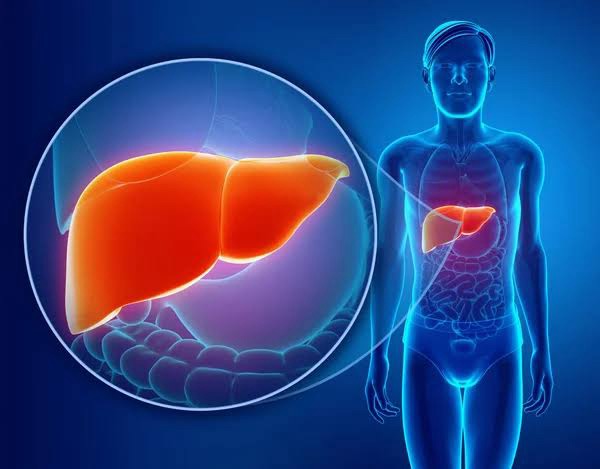
1. Though the entire body- the organs and the cells is interconnected, likewise the feet are very much connected to the liver through the nerve endings. The liver helps filter toxins, produces bile to aid fat absorption, and supports protein processing and blood clotting. Whenever the liver is not functioning properly, there are simple signs in the feet which are physically manifested as the alarming signals for liver attention. These signs, when manifested in the feet, can help in the early diagnosis of a liver problem, making its further management easier.

2. Medically, there is no direct anatomical connection between the liver and the feet. But, like all other organs, the liver is also interconnected with the rest of the body, especially the lower extremities, by nerve endings. In alternative science like Reflexology, the liver is situated on the right side of the body, so the ball and the arch of the right foot connect to the liver. Physiologically, when liver functions are irregular, the changes are reflected in the feet through fluid retention, circulatory changes, nerve endings sensations and vitamin deficiencies. Physical manifestations of secondary symptoms of the feet do reveal the presence of underlying liver disease or even any systemic diseases (like Diabetic neuropathy).

3. Liver problems and chronic liver diseases at early stages may not be known, or the physical symptoms may go unnoticed. But the body does send signals through the feet as well as the skin, which should not be neglected. Though the signals may not always indicate a liver issue, they should not be neglected either. Some of the findings are:

• Nighttime itching of the feet.

• Dryness without any known reason.

• Swelling in the feet and ankles.

• Red and brown dots in legs and feet.

• Deep heel cracks.

• Yellowish discolouration of the skin, including the feet.

4. When some of the signs are worsening and persistent for weeks, those signs can be a warning of urgent evaluation from medical experts. These warning signs can be:

• When itching is very severe.

• Swelling in the feet and around ankles. Low albumin due to a weak liver causes the fluid to leak and accumulate in the ankles and feet.

• Deep heel cracks.

• Spider veins due to a sick liver can cause hormonal imbalance, which results in small blood vessels with a spider-like appearance in the legs and feet.

• Yellowish skin.

• Excessive dryness in the feet.

Spider veins

5. Apart from the alarming signs of the feet, there are other accompanying physical symptoms which are sure signs of impending liver disease. Some of the physical signs of the body are:

• Fluid accumulation in the abdominal cavity (ascites).

• Weight loss or weight gain.

• Swelling in the feet as well as in the legs. (Peripheral oedema)

• Yellow discolouration of eyes and skin (jaundice).

• Redness of the palm.

• Brain fog.

• Numbness in the feet (Paresthesia)

• Pain around the joints and feet.

6. When such warning signs appear, it is best to book urgent medical help. Early intervention can be the key to diagnosing potential underlying liver problems and help to alleviate the foot symptoms as well as the success of treatment in liver disease. There is a long list of liver diseases which can be even genetic and autoimmune in origin. However, some of the common issues which are reported are:

• Hepatitis.

• Fatty liver disease (alcoholic or non-alcoholic)

• Cirrhosis.

• Hemochromatosis.• Wilson disease.

• Hepatocellular carcinoma.

7. Apart from the secondary symptoms of the feet, other physical symptoms which are easily missed for an underlying liver issue for which urgent medical attention is required:

• Feeling tired, weak and fatigued without any reason.

• Abdominal discomfort, especially on the right side of the belly, below the lower ribs.

• Sudden loss of appetite.

• Unexplained weight loss.

• Feeling of fullness during a meal, nausea, vomiting.

• Pale, yellow urine.

• Yellowish skin discolouration and itchiness.

• Puffiness of eyes, feet, belly area.

8. Like liver diseases, other systemic diseases whose secondary symptoms can be displayed in the feet include:

• Gout – Excess uric acid in the body is usually manifested as swelling, redness, and pain in the phalangeal joints of the big toe.

• Diabetic Neuropathy: Damaged nerves due to high blood sugar can lead to loss of sensation and numbness in the feet.

• Peripheral vascular disease: The blood flow is usually restricted to the feet, causing gangrene and eventually leading to amputation of the foot.

Liver friendly diet

9. Liver cleansing: Focusing on liver support regularly is mandatory for liver health and its normal functioning. Some of the routine practises are:

• Restricting alcohol as much as possible.

• Avoiding refined, processed food, sugary and fried foods.

• Drinking water 8-10 glasses/day to flush toxins.

• Maintaining a healthy weight by regular exercise.

• A liver-friendly diet includes lean proteins, whole grains, and plenty of green leafy vegetables.

• Avoid unnecessary medications and supplements to lessen liver load.

Staying hydrated

10. In a nutshell, it is evident that early stages of liver issues are manifested as physical signs in the feet. Changes in the feet like swelling, spider veins, cracked heels, white nail beds, and yellowish skin are most likely signs of underlying liver issues, which should be given urgent medical attention. These signs should never be treated as minor and neglected. Early diagnosis and treatment of liver diseases can be more reversible than attending to it at a late stage, which can be difficult to treat and sometimes life-threatening.

Thanks for reading 🙏

Peace and love.

10 facts : Why sea buckthorn has gained popularity?

1.Sea Buckthorn (Hippophae rhamnoides) is a shrub with yellowish-orange berries, a native of Southeast Asia and Europe. Other names used are sea berry, sand thorn and Siberian pineapple. Recent research has highlighted the tremendous health benefits of the fruit berries grown on this high-altitude shrub, which has been quite common on the Himalayan steep slopes for centuries. This shrub and its fruits are not new to the natives living in those regions. But, suddenly, it has gained much popularity due to its label as “Super food” by the recent scientific studies. The berries of this shrub are identified to have about 190 flavonoids and polyphenols, rich in Omega fatty acids and 15 times more vitamin C than oranges.

2. Sea Buckthorn’s nutritional profile stands out among many fruits and berries provided by the plant kingdom. It is considered a “superfood” for its amazing nutritional value.

• These berries have a rich supply of fat-soluble vitamin A, such as Beta-carotene (due to the orange colour), lycopene and Zeaxanthin.

• Vitamin E includes 8 natural variants, the tocotrienols.

• Vitamin K2 in natural form, which is quite rare in plants.

• Plant-based Omega 3, 6, 9, which is a complete omega fatty acid profile.

• Omega 7, which is Palmitoleic acid, is a rare variant.

• Vitamin C, which is 15 times more than that of a typical orange.

• Multiple bioactive compounds like flavonoids, phytosterols, organic acids and Tanins.

3. Heart-friendly: One of the main reasons for Sea Buckthorn berries’ attraction is their profound benefit to cardiovascular health.

• The Omega profile and bioactive compound help to lower LDL cholesterol, prevent plaque buildup, and lower blood pressure.

• Improve Cholesterol: Phytosterols reduce cholesterol absorption, LDL and triglycerides in the gut and maintain the level of good cholesterol, HDL.

• Relaxes the blood vessels and lowers the blood pressure.

• The antioxidant properties prevent LDL plaques from being deposited on the arterial wall and lower the risk of atherosclerosis.

• Reduces the risk of thrombosis by thinning the blood due to antiplatelet aggregation properties.

4. Diabetes: Studies have proven that sea buckthorn berries, due to their powerful antioxidant profile, help in the management of type 2 diabetes. Here are some of the potential benefits:

• These berries improve the metabolic function and lower the fasting blood sugar levels.

• Helps the body to improve insulin sensitivity and lower the resistance in due course.

• Its anti-inflammatory properties help to fight inflammation and prevent organ damage, which is a characteristic of diabetic progression.

• Reduce the damage to the beta cells of the pancreas, which produce insulin.

• Promotes heart health, which is otherwise a cardiovascular risk for diabetics.

• Boost immunity, which is important for diabetics or anyone with a chronic illness.

5. Metabolic disorder: Collectively, metabolic disorders include obesity, hyperglycaemia, high blood pressure, and dyslipidemia. The different ways of managing metabolic syndrome can be controlling blood sugar, lowering insulin resistance, improving dyslipidemia, reducing abnormal lipogenesis, lowering blood pressure and also improving gut health. The rich nutritional profile of sea buckthorn, which contains various flavonoids, omega fatty acids, and vitamins, helps to promote a positive impact on metabolic activities and prevent complications in metabolic pathways in such individuals.

6. Other amazing benefits :

• Aids cancer therapy: Studies have shown that flavonoids such as quercetin, kaempferol, and isorhemnetin present in sea buckthorn berry juice and oil extract can induce a cytotoxic response and prevent cancer cells from multiplying.

• Skin / cosmetic uses: Due to their rich nutritional profile of vitamins and omega fatty acids, these berries promote skin health, promote hair growth, increase blood circulation and reduce signs of ageing.

• Effective in promoting gut health and liver health by lowering liver inflammation, fibrosis and scarring.

• Disease prevention: Sea buckthorn, due to flavonoids and antioxidants, prevents free radical damage, reduces oxidative stress and lowers the risk of chronic diseases.

7. Interaction: Sea buckthorn berries are usually safe, and there is no evidence of adverse side effects. But due to its rich content of various nutrients, there may be drug interactions, and precautions are necessary:

• People with bleeding disorders and those undergoing surgery should avoid situations where there is a risk of slowing blood clotting, bruising and bleeding.

• Anticoagulant and antiplatelet drugs can interact with sea buckthorn and pose a risk of bleeding.

• People on high blood pressure medication should avoid it as they can further lower their BP.

8. Uses: The raw berries are sour and acidic in taste. So, it is not usually consumed raw; instead, it is converted into functional foods.

• Juices and pulp: They are diluted in water before drinking and used in pies, desserts, jams and herbal teas.

• Oils are used in the form of capsules as a vegan Omega fatty acid source, used in hair and skin wellness.

• Powders: As supplements in drinks, smoothies and teas.

9. Availability: Sea buckthorn berries are available in local markets specific to the native regions of Asia -Pacific where they are grown. Otherwise, they are available as products in supermarkets, stores, and retail in different brands. It is important to buy from known, reputable brands for safety issues.

They are available in juices (cold-pressed is best), pulps, dried berry powder, gummies, tablets, capsules and in oil extract. Due to their nutritional value, the products are widely used and have been quite popular.

10. Takeaway: Sea buckthorn berries have been used for centuries by the native people of mainly Asia, especially in the Himalayan regions, Ladakh, China and European regions. But recent scientific studies and research have identified its rich nutritional profile, which has attracted the attention of health enthusiasts. Therefore, these tiny berries have become popular, and the products are selling widely nowadays. No doubt, sea buckthorn is, indeed, a super fruit and its intake in moderation, in whatever form, can be helpful for overall health and wellness.

Thanks for reading.

Peace and love 🙏

10 facts : Although honey 🍯 is similar to sugar, why it is still considered a healthier option ?

1. Honey is about 80% sugar, mostly fructose and glucose and is considered a natural sweetener. Since it is a derivative of plant nectar, it is a storehouse of bioactive compounds like polyphenols, flavonoids, vitamins, minerals and antioxidants. It is a blend of many natural substances, depending upon the different varieties of flowers whose nectar is collected by the bees. Because of its nutritional profile, honey has tremendous health benefits and is considered a healthy sweetener.

Beehives

2. Though honey is rich in sugar, it is a powerhouse of nutritional content in raw, unprocessed form. Depending upon the sources, the nutritional content can vary. Pasteurised honey is processed, filtered and can have a lesser quantity of flavonoids and polyphenols. Besides the antioxidant properties, honey includes calcium, potassium, vitamins, copper, iron and zinc. It also contains a trace amount of protein. Depending upon the varieties of flowers’ nectar, climatic conditions, examples of honey varieties are:

• Clover honey

• Wildflower honey

• Orange blossom honey

• Alfaalfa honey

• Buckwheat honey

• Rare variety like Manuka honey, found in New Zealand

3. Sources: Honey is the only natural sugar source which is produced by insects that humans consume. It is best when consumed raw and unrefined. Supermarket honey available is usually processed, pasteurised honey. Honey should be best sourced from local markets and local farmers, where the content is “pure honey” without any additives. These types of honey are lighter in colour and consistency. Darker varieties are stronger in flavour and nutritionally rich. Honey should be preserved in a glass bottle or plastic airtight container, below 32 degrees F.

4. Crystallisation: This is a natural process of honey where it is transformed from a liquid to a solid state depending upon the temperature and how it is stored. Crystallisation of honey doesn’t mean that the honey is spoiled. Honey with a higher content of sugar (fructose, glucose) is quickly crystallized like Alfalfa and clover types. Crystallisation happens as the dense sugar molecules start to hold the water permanently, which is, in fact, a sign of pure, unadulterated honey. The honey can be restored to its liquid form by putting the honey jar in a warm water container. Boiling water should be avoided as the nutritional content can be compromised.

5. Storage: Honey doesn’t require refrigeration. Its shelf life is around 2 years. Refrigeration and cold temperatures can lead to crystallisation of honey. It can be stored at room temperature at 20 to 25 degrees C or around 60 degrees F, ideally in an airtight glass container. It can also be stored in a food-grade plastic container. In the kitchen, it can be placed in a dry, dark place or pantry, avoiding direct sunlight.

6. Health benefits: As honey is rich in sugar, it should be consumed in small quantities rather than in large amounts. For centuries, the latest research has shown that honey has promising health benefits and healing properties. Some of them:

• Antioxidant rich so consuming raw, unrefined honey on regular basis can have anti-inflammatory benefits.

• Promote balance of blood sugar levels than regular refined sugar.

• Improves heart health by maintaining blood pressure, regulate heart beats.

• Since it has anti-bacterial properties , it can promote wound healing.

• Suppress sore throat and cough and support respiratory health.

• Supports gut health and is helpful in case of irritable bowel disease.

• Anti-fungal, anti-bacterial & anti-cancer.

7. Brain health: Research suggests that honey has amazing benefits for brain health and can prevent neurodegenerative diseases. Manuka honey is the best for brain health. Some of the neurological benefits of honey are:

• Unlike a refined sugar rush, honey can provide a natural, steady energy flow to neurons.• Flavonoids and phenolic acids can prevent free radical oxidative stress and cell damage in neurons.

• Supports memory by protecting brain cell mitochondria and elevates BDNF (brain-derived neurotrophic factor).

• Studies show honey is neuroprotective and prevents cognitive decline.

• Honey naturally contains melatonin, which supports sleep, and naturally removes toxins from the brain that build up while awake.

8. Alleviate cough: Studies have shown that honey is effective in soothing a cough. Drinking honey with a little warm water during a cough can help to form a coating in the throat. Its anti-bacterial and anti-inflammatory properties help as a healing aid for infections. Moreover, honey is safer as a home remedy than over-the-counter medications. It can be given to all age groups except children below 1 year of age, when there is a risk of food poisoning. Research shows that honey is far better than medicines like diphenhydramine (anti-histamine) and has a similar effect to drugs like dextromethorphan (cough suppressant ) and Salbutamol ( asthma drug).

9. Though honey is a natural sugar alternative, it is usually safe and healthy for daily consumption in moderation. There is no such standard recommendation, but experts suggest that 6-7 teaspoons daily should not be exceeded. WHO guidelines suggest that daily consumption of free sugar should not exceed 10% of daily intake. Since it has therapeutic benefits, its daily consumption can be beneficial for both gut health and the immune system. While using honey as a sugar substitute, other refined sugar food items should be completely avoided, as there are chances of weight gain (due to extra calories), sugar spikes in insulin-sensitive diabetics.

10. Takeaway: Research has shown for decades that honey is healthy with tremendous therapeutic effects when consumed in moderation as a wellness habit. Honey can replace the intake of refined sugar in several ways, such as:

• For dessert, yoghurt or breakfast bowls.

• Herbal teas, green teas.

• Morning, on an empty stomach with warm water as an aid to digestion and immunity.

• Honey should be avoided in boiling water or while cooking, as it may damage its nutritional value.

Thanks for reading.

Peace and love 🙏
10 facts: The effect of Humming Bee 🐝 sounds on health 🙌

1. A humming bee sound made by a person is defined as a low-frequency sound made with the mouth closed and the throat open. This sound causes the air to be forced through the vocal cords, vibrating the chest and the head. This sound is usually a voluntary noise which can be made by the person while exhaling. If it is not a voluntary noise made by a person, it can be linked to low-frequency tinnitus, which can cause significant distress. Otherwise, this humming sound voluntarily made causes some amazing benefits to human health, both physically and psychologically.

2. Humming is a low-pitched sound made by an individual voluntarily with the mouth closed. Such a sound is usually made by monks and yogis as a routine meditation practice. This sound has the capability of impacting both emotional and mental health. Studies have shown that humming can promote a state of calmness, peace, and stability. Humming as a mindful practise can significantly impact emotional stress, sleep and physiological health. It can improve focus and attention.

Stressful

3. The power of simple humming can have a significant impact on psychological health. The benefits are many, as such :

• Stress is significantly lowered with humming by stimulating the parasympathetic nervous system.

• Routine practice of humming can increase the HRV, heart rate variability by reducing the heart rate and help in cardiovascular health.

• Humming increases focus and attention by improving cognitive ability.

• Promote respiratory health by increasing lung capacity.

• Humming can signal the autonomic nervous system to promote sleep and relaxation.

4. Humming as a quick tool for stress relief: It can be done anywhere without any equipment.

•Sitting or lying down in a comfortable posture.

• Closing eyes, taking 2-3 deep breaths, inhaling through the nose and exhaling through the mouth.

• Making a “mmmm” by inhaling deeply through the nose with the mouth closed, as you exhale, the low-pitched sound is produced, and the vibration can be felt on the chest, throat and head.

• Notice the vibrations as they travel through the body, which helps to release the stress.

• Continue for 5-10 minutes, and you will suddenly feel lighter and more relaxed.

5. Chronic stress response can increase anxiety, inflammation and sleep problems. Regular practice of humming can help to combat stress by lowering cortisol, the stress hormone.

Producing the humming sound will create vibration in the throat and chest, which in turn stimulates the vagus nerve. By stimulating the vagus nerve, the parasympathetic nervous system is activated and lowers cortisol, which creates the “fight or flight “ response.

6. Humming and Vagus Nerve: The Vagus Nerve runs through the larynx (sound box) and throat (pharynx) before reaching different organs of the body, like lungs, heart, liver, stomach and intestines. So, when the humming sound is made in the throat, there are mechanical vibrations that reach the throat and chest. These vocal vibrations stimulate the parasympathetic nervous system, which quickly shifts the body from a “rest and digest” response to a “fight or flight”mode. The parasympathetic nervous system activation also helps to lower the heart rate, lower the cortisol level and reduce the overall tension and stress in the body.

7. Humming and nitric oxide (NO): Nitric oxide is naturally produced in the body during exhalation, which acts as a natural defence mechanism to clear the airways from pathogens. It also acts as a vasodilator and supports cardiovascular health. Humming naturally increases the level of NO (Nitric Oxide) in the nasal passage. The humming sound causes the mechanical vibration in the throat and chest, which in turn oscillates the airflow through the sinuses, where the concentration of NO levels is maximum. Therefore, the simple practise of humming can increase the level of NO manifold times than a normal rhythm of exhalation.

8. Humming, a tool to cope with overthinking: Overthinking is an issue commonly suffered by the majority in today’s time of uncertainty. The mind is filled with repetitive thoughts, negative thoughts, and racing thoughts. Humming can be an effective tool to combat overthinking. Focusing on the humming sound can divert the awareness to let go of repetitive thoughts, allowing one to regain control of the mind and give peace. Regular practise of humming can lower anxiety, mental tensions and restlessness.

9. Humming, a tool for meditation and Yoga: In Yogic tradition, for thousands of years, Humming Bee breath is a kind of Pranayama ( breathing technique) known as “Bhramari”, which is regarded as a powerful breathing technique to calm the mind and create inner peace. In many Ancient Indian texts, it was considered that this humming bee breath creates a resounding echo to enhance mental clarity, reduce stress and bring mental peace and well-being.

10. Takeaway: Humming is indeed a powerful breathing technique which can instantly quiet the mind, help to break the loop of negative, unnecessary thought patterns by helping the mind to focus your awareness on the echo of the humming sound. Neuroscience research has shown that the practise of the humming bee technique can help to bring mental clarity, let go of unnecessary thoughts, calm the nervous system and enhance emotional wellbeing. The deep vibration of the throat and the chest created by the humming sound stimulates the Vagus nerve, helps to reset the mind, and lowers stress and blood pressure.

Thanks for reading.

Peace and love 🙏

10 facts: Is AHCC, a beneficial supplement?

1. AHCC (active hexose correlated compound) has been used as a nutritional support, initially used in Japan and other Asian countries and now widely used by the rest of the world as well, as a potential immune booster. AHCC is a product derived from a group of fungi, like mushrooms of different varieties, found to have strong immune support benefits and anti-cancer effects. Research studies have found that it has strong immune potential benefits of fighting against the human papilloma virus (HPV), though it is still not regarded as a medical treatment.

2. AHCC is a polysaccharide, enriched in alpha-glucan and beta-glucan compounds, derived from a long-term culturing process of mushrooms like Shiitake. Studies show that glucans stimulate an immune-boosting response in the human body. Initially, it was used in Japan as a complementary supplement used by cancer patients along with the protocol treatment. Now, it has been widely used by the rest of the world too, as a general health and wellbeing and treating various chronic diseases as a supportive nutritional supplement.

3. For centuries, in traditional medicines, mushrooms have been widely used in many countries, such as Japan and China, for their strong beneficial effects on the human immune system. AHCC was first launched in Japan in the 1980s, after extensive research and clinical trials were found to have a direct effect on enhancing the non-specific immune functions of the human body. It is a blend of polysaccharides, large sugar polymers mainly derived from the cells of shiitake, lion’s mane and mistake mushroom mycelia. Studies show that these polysaccharides stimulate the human immune cell receptors of the gut that recognise pathogens like bacteria and viruses.

Shiitake

4. AHCC has been widely used as an immunomodulatory supplement to stimulate the receptors of the human immune cells, like Natural killer cells, T-cells and cytokines. Some of the known benefits are:

• HPV infections: Daily intake of AHCC can help to clear high-risk, persistent HPV infections.

• AHCC significantly improve the activity and elevates the numbers of human immune cells like Natural killer cells, T-cells, dendritic cells and boosts the human defence mechanism against pathogens.

• Support cancer therapy: AHCC helps to support the immune system, delay tumour surveillance, improve prognosis, and lower the side effects of chemotherapy, which is otherwise quite harsh on the individual.

• It has anti-inflammatory effects, reduces oxidative stress and has hepatoprotective effects.

Shiitake

5. Liver Protection: Research has shown that AHCC have hepatoprotective properties as it has a powerful response to fight inflammatory reactions. Some of the hepatoprotective responses of AHCC include:

• Increases anti-inflammatory cytokines.

• Suppresses inflammatory biomarkers in case of liver injury.

• Promote liver regeneration.

• Elevates anti-apoptotic factors.

Lion’s mane

6. AHCC is a nutritional supplement, not a replacement for medical treatment. Indications of such a supplement should be under a physician’s guidance rather than self-therapy. Individuals indicated for AHCC are generally :

• Individuals seeking immune support for those who are undergoing chemotherapy and the path of recovery, and a better prognosis.

• A woman with a high risk of HPV infections.

• Individuals with chronic illnesses need immune support and resilience.

7. Side effects: There are no data on severe adverse effects except mild symptoms like nausea, vomiting or bloating. AHCC are available in capsule and powdered form. For safety issues, it should be consumed under a physician’s supervision. Since it is available widely, poor, low-quality products should not be used, as they will not yield any result. High-standard brand products like verified tested potency, transparent labelling, and GMP-certified manufacturing products should be used to get results. AHCC does not give immediate results; the effects are gradual, lasting change in the immune system.

8. Precautions: While there is no data on severe side effects of AHCC, safety precautions before using the supplements are mandatory. Generally, it should be used under health care supervision. Dosage is usually around 3 grams daily, in divided doses. Precautions and safety measures are important to individuals, such as:

• Individuals with autoimmune diseases like Lupus and rheumatoid arthritis.

• Breastfeeding or Pregnant women and young children.

• An individual with chronic illnesses on regular medication, such as blood thinners, diabetic drugs, and immunosuppressive drugs.

9. Aid to cancer treatment: Though AHCC is promoted as an aid to cancer therapy, evidence-based studies are still very limited. The effect is very preliminary and only supportive as a dietary supplement. Some of the proposed uses of AHCC are advocated as :

• Reduces chemotherapy side effects.

• Aid in inflammatory bowel disease.

• Reduces the risk of cancers like liver cancer.

• Aid in alcohol related liver disease.

• Lowers the risk of HPV infections.

10. Takeaway: The use of food as a dietary supplement for general wellbeing and aid to treatment of chronic illnesses has been widely recognised, as much research has established promising outcomes in modern medicine. AHCC, through different studies, has shown strong evidence of enhancing the immune system, increasing Natural killer cells and dendritic cells. It has shown potential benefit in lowering HPV infections. Therefore, the choice of AHCC to be used as a supplement should be made under your Physician’s guidance, knowing and evaluating your health circumstances.

Thanks for reading.

Peace and love 🙏
Silent Saturday 💚🍃

Peace and love 🙏