

10 facts: The link between obesity and brain function🧠

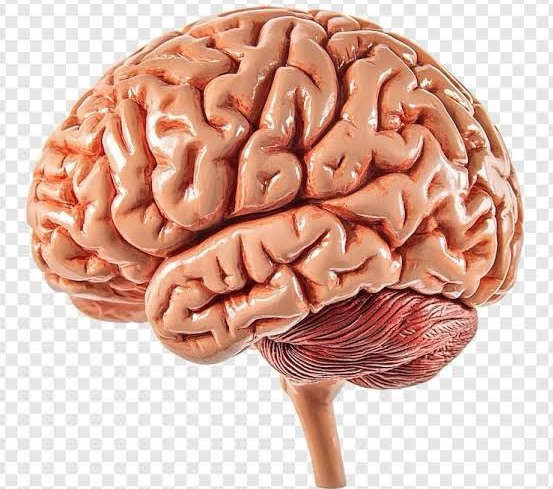
1.Research has already stated that obesity is a risk factor for neurocognitive decline. Obesity has become a widespread lifestyle disease that affects individuals regardless of age, gender, race, or culture. Many studies are being conducted on the relationship between obesity, defined as an excessive accumulation of fat, and brain function. Research has shown that structural changes in the brain are quite common among elderly obese individuals, particularly in the form of cerebral atrophy in grey matter and alterations in white matter volume. Notably, there is a reduction in the volume of the frontal lobe, hippocampus, thalamus, and anterior cingulate gyrus. Changes in brain structure can also occur in younger obese individuals.
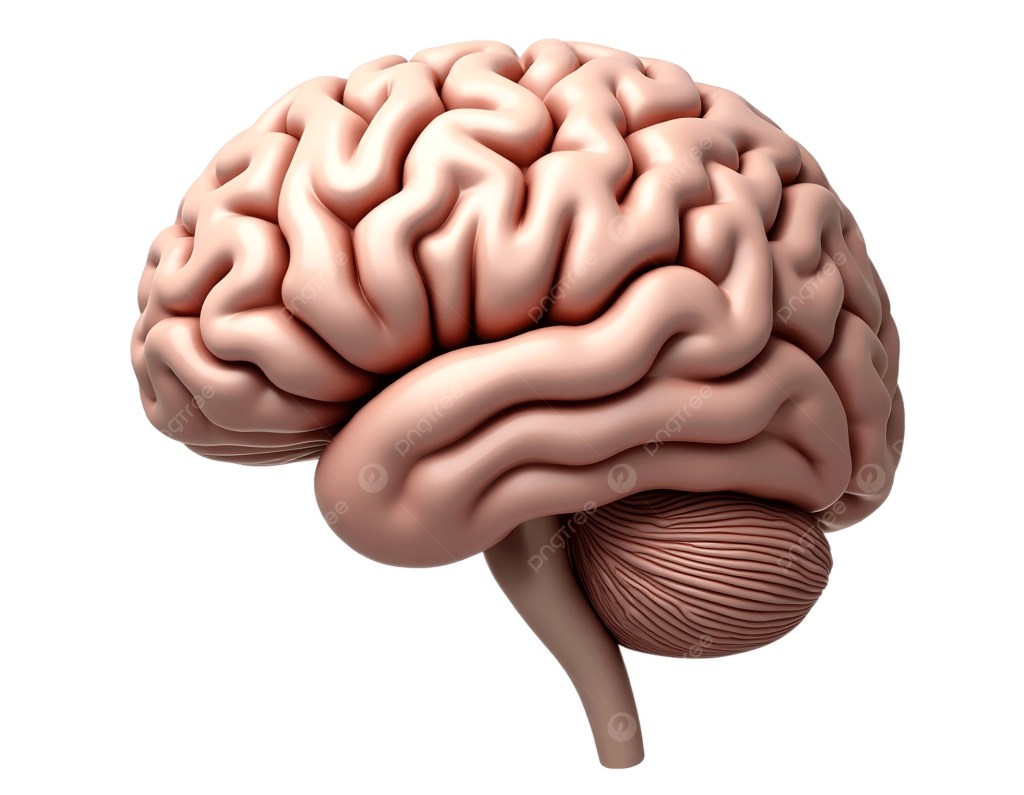
2.BDNF (Brain-Derived Neurotrophic Factor): Adverse effects of Brain-Derived Neurotrophic Factor (BDNF) have been linked to lifestyle and diet choices. Low levels of BDNF, which affect neuronal plasticity, are associated with obesity and diets high in sugar or fat. Studies have shown that a high-fat diet, which leads to increased body weight, is related to reduced BDNF levels in the prefrontal cortex. This reduction can result in learning difficulties and impaired food intake control. Additionally, elevated serum leptin levels in obese individuals can lead to changes in the structure of the hippocampus and negatively impact memory performance.

3.Inflammation: When there in increased accumulation of fat tissues, they trigger chronic inflammatory responses, chemicals (cytokines) which crosses the blood brain barrier and reaches the brain cells, thus neuro-inflammation starts. The inflammation process spreads in the brain, damaging the cells, mitochondrial malfunctions which causes oxidative stress, brain immune cells (microglia) becomes hyperactive causing inflammation which can be localised or extensive. The hypothalamus, which controls appetite, is affected, creating a vicious cycle of weight gain. The hippocampus and Amygdala are affected, which causes issues in memory and emotion control.

4. Brain metabolism: Obesity can greatly affect brain metabolism by disturbing core functions such as :

• Obesity can disturb the brain’s insulin sensitivity, which in turn disrupts appetite control and impairs neuronal energy production.

• Mitochondrial dysfunction and low energy production in brain cells can increase oxidative stress and the release of harmful toxins, leading to cellular damage.

• Neuro-inflammation spreads due to the release of inflammatory chemicals like cytokines from visceral fat, leading to an increased risk of cognitive decline, dementia, depression, anxiety and diseases like Alzheimer’s disease.
5. Obesity and insulin resistance: In a healthy individual, insulin acts as an appetite-suppressing hormone on the brain. Studies show that obesity plays a key role in disrupting insulin sensitivity, causing impaired appetite control, resulting in metabolic disorders like type 2 diabetes. Studies have already linked obesity to diseases like heart attacks and cancers. Apart from appetite regulation, insulin in the brain helps in the co-ordination of fat distribution by promoting healthy subcutaneous fat storage instead of unhealthy visceral fat storage. Obesity leads to brain insulin resistance, causing an increase in visceral fat, increased food cravings, overeating, anxiety, depression and further weight gain.

6. Behaviour changes: Dealing with obesity is a gradual process which requires lifestyle changes, dietary changes, physical activity, counselling and a constant support system. Some of the key pillars are :

• Reduction of calories on a daily basis by 500 to 1000 calories. Switching to a calorie deficit diet like whole grains, vegetables, lentils and fish. Portion control and balanced meals are necessary.

• Gradually increasing the level of physical activity like walking, jogging, swimming, weight training.

• Counselling and a support system, including family and peers, to address emotional triggers, anxiety, and stress. A good quantity of sleep is important.

• Self-motivation, self-monitoring of daily calorie intake, routine weight assessment, monitoring physical activity levels and off-course mindfulness practices like meditation and nature bathing.

• Metabolic surgery in case of severe obesity, recommended by professionals.

7.Cognitive functions: In obesity, there are enough studies to show that there is a risk of cognitive decline. There are several ways to improve cognitive functions, such as:

• Controlling neuro-inflammation by medically managing any signs of systemic inflammation, controlling blood sugar levels and managing triggers like stress and anxiety.

• Dietary changes like avoiding high-sugar foods completely, processed foods and focusing on nutrient-rich, low-calorie foods.

• Exercises like cardio workouts to increase blood flow to the brain, which helps flush toxins, help to grow the size of the hippocampus to improve memory.

• Continuous physical activity by avoiding sitting for long hours; constant physical activity apart from routine exercise to clear brain fog. Weight training regularly, which helps to boost BDNF. Improving sleep quality.

• Trying to adopt intermittent fasting, which can help reduce brain inflammation.

8. Rewiring the brain for behavioural modification: To break a behaviour pattern which has been practiced for a long time is a difficult task, requiring patience and effort. Understanding and self – assessment are key pillars.

• Understanding the stress triggers, hunger signals, and habit loops to know the emotions behind them. To change neural pathways, repetition of a corrective behaviour pattern each time such a trigger arises is necessary to rewire the brain.

• Practising mindfulness to activate control of your brain to quiet the default false hunger signals and stress triggers.

• Changing eating habits to healthier options like whole grains, fibre-dense foods, portion control and cutting down on sugary or highly processed food to prevent dopamine spikes.

9. Managing hunger signals and habit loops: Not all hunger signals are real; some of them are false alarms just to activate your brain reward system. Some of the strategies are such as :

• Drinking water or sipping green tea or black coffee to fill the stomach.

• Eating small portions of meals every 3-4 hours instead of heavy meals.

• Practise physical activity throughout the day, like light exercise, walking and avoid sitting for long hours.

• Engage in activities and hobbies apart from routine chores or office work to keep the mind distracted from hunger signals.

• Lower stress by practising deep breathing exercises.

10. Takeaway: Research has shown that a high Body Mass Index (BMI) is associated with cognitive decline, reduced brain volume, and tissue atrophy in the frontal lobes and hippocampus. Excess weight also contributes to the degradation of the corpus callosum, which connects the two hemispheres of the brain. However, it is possible to reverse these effects by losing weight and making lifestyle changes, including adjustments to behaviour and eating habits. This process is gradual but rewarding and requires self-motivation, as well as support from family and peers, to break old habits and develop new neural pathways. In extreme cases, medical interventions such as anti-obesity medications or surgical procedures may be necessary if clinically recommended.

Thanks for reading.

Peace and love 🙏

10 facts: Why TUDCA is favorable? 🙌

Liver

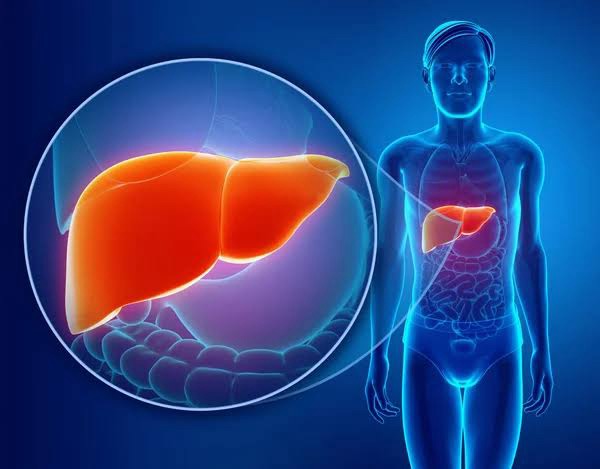
1. TUDCA is tauroursodeoxycholic acid, which is naturally produced in the body as a short-chain bile acid that facilitates the breakdown of fats and helps in the absorption of nutrients. TUDCA is necessary for the metabolism of fats and oils that are consumed in the diet. Research has shown that TUDCA has amazing health benefits, promotes overall wellbeing by supporting the gut microbiome, and protects the nervous system, brain, heart and liver. Because of its health benefits, TUDCA is prescribed by health professionals, sometimes as a supplement. Though it was mentioned long before as traditional Chinese medicine, recent research studies have made it popular as a supplement for its tremendous health benefits.

Gut health

2. TUDCA for gut health: TUDCA is known to be hepatoprotective and prevents damage to liver cells. So, it shows promising results for those dealing with fatty liver, cirrhosis and hepatitis. As far as gut health is concerned, TUDCA has amazing benefits:

•It promotes the growth of good bacteria and maintains a balance in the biodiversity.

•It strengthens the immune system by promoting the growth of immune cells, of which around 80% are in the gut microbiome.

•It helps to tone down the inflammatory response in the gut and prevent chronic inflammatory conditions like leaky gut.

3. Other health-promoting benefits of TUDCA are:

• It protects the brain cells from damage by clearing toxins from neurons and supporting brain functions.

• It supports cardiovascular health by lowering LDL levels by breaking down and removing excess cholesterol.

• It lowers blood sugar levels by increasing the sensitivity of insulin in the cells and muscle tissues.

• It promotes free radical damage due to antioxidant properties, prevents cell damage and helps cell repair.

• Protects the liver from toxins from heavy metals, alcohol and medications.

• Support immune system by reducing inflammation.

Brain

4. TUDCA for brain: Research has shown many potential benefits to the brain and nervous

system, as it can cross the blood-brain barrier and can have antioxidant effects like cell repair, prevent cell damage and reduce inflammation. Some of the neuroprotective effects are:

• It can remove toxins, harmful amyloid-beta plaques and reduce the risk of Parkinsonism and Alzheimer’s disease.

• As already mentioned, it can reduce mitochondrial damage and neuronal cell death.

• Reduces neuronal stress by easing the Endoplasmic reticulum (ER) of the cells.

Eye health

5. TUDCA and eye health: Studies have shown that TUDCA can prevent retinal damage and help in restoring vision by protecting from photoreceptor degeneration and diabetic retinopathy.

TUDCA acts as a powerful neuroprotective agent on photoreceptors and retinal ganglion cells, which helps in visual processing. Loss of photoreceptors and retinal ganglion cells (RGCs) can slowly lead to visual dysfunction and visual loss. So, TUDCA have the potential to protect the photoreceptors and RGCs. Therefore, it can prevent the risk of many retinal disorders.

6. TUDCA food sources: TUDCA is naturally produced in small quantities in the liver. Actually, the liver produces bile salts and releases them in the intestines. In the gut, the good bacteria metabolise them into UDCA (ursodeoxycholic acid). They are released back to the liver, where they combine with taurine and become TUDCA. So, there is no direct food source of TUDCA. But there are food sources which can help the body to produce TUDCA. Some food sources are :

• Taurine-rich: Non-vegetarian foods like poultry, fish like salmon, tuna, and shellfish.

• Bile stimulators like beets, artichokes, ginger, turmeric, greens like arugula, dandelion, coffee, and citrus.

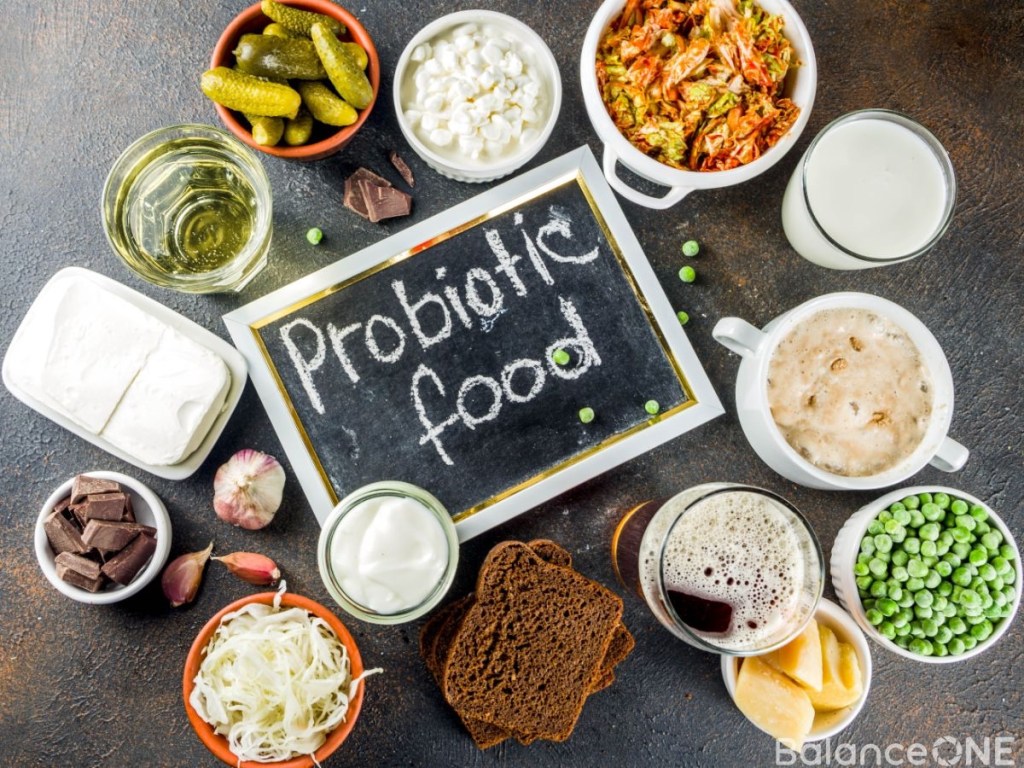
• Probiotics like fermented foods (Kimchi, kefir, yoghurt).

• Fibres like flaxseeds, chia seeds, oats.

Supplements

7. TUDCA supplement: Dietary supplements are water-soluble bile derivatives; synthetic TUDCA are used as a supplement. Commercial TUDCA are paired with Milk Thistle, which can have a dual action of liver-protective and regenerative support. The recommended dosage is 250 -1000mg/day. There are no severe side effects, but a high amount can cause diarrhoea or stomach upset. Commercially available in the form of pills, capsules and powdered form. Contraindications are for individuals with gallbladder disease, pregnant or lactating mothers and those taking diabetic drugs and insulin.

8. TUDCA and NAC: Another pairing of compounds as a supplement has been popular, such as TUDCA with NAC (N-Acetyl-L-Cysteine), which is a precursor of glutathione, an amino acid which is a potent antioxidant. Both compounds, as a pair, act as a powerful agent for free radical damage, oxidative stress, and the detoxification of cells from harmful toxins. It helps in the clearing of toxins, especially from the liver and kidneys. This combination also enhances the metabolism of dietary fat by improving the bioavailability of bile acids.

Bile salts

9. TUDCA supplement usage: TUDCA supplement is generally recommended by health care professionals mainly for liver health support, metabolic support and neurological health support for brain and eye health. Ideally, TUDCA supplement should be taken post-lunch or dinner, after a large, proper meal so that it can facilitate the smooth flow of bile salts and help in absorption. Start with a lower dose, then gradually increase the dose so that the tolerance level is assessed. Drink a full glass of water along with the dose, as it can be absorbed more smoothly. The standard dose limit should not be exceeded to prevent side effects.

10. Takeaway: TUDCA is a naturally occurring bile acid which has some amazing health benefits apart from supporting liver health. Studies have shown that it has antioxidant properties, such as reducing cellular stress, promoting cellular repair and regeneration, protecting brain and eye health, and supporting metabolic health by improving insulin sensitivity and glucose metabolism. Dietary sources and supplements are taken to increase the bioavailability and optimise the functions. It can also help to treat liver cholestatic diseases.

Thanks for reading.

Peace and love 🙏
10 facts: Is cinnamon diabetic-friendly? 🙌

1.Popularly known that cinnamon is a warm spice which is widely used in both savoury and sweet baked recipes. Basically, two types of Cinnamon used commonly: Ceylon Cinnamon, originally found in Sri Lanka and southern India. Cassia Cinnamon, dark in colour, native to Southeast Asia and China. The spice is derived from the dried bark of Cinnamomum trees. It has been used for centuries for both culinary and traditional medicine purposes. There has been much research on Cinnamon for its nutritional content for supplementation and medicinal purposes, but its effects on diseases are still not established.

2. Ceylon Cinnamon, also called “true cinnamon”, is now widely available in North America and Europe is a lighter, sweeter variety and is expensive. Cassia cinnamon is a darker, thicker variety, which has a richer and slightly bitter taste. While much research does show a wide range of health benefits due to the compound cinnamaldehyde, the dark side is that many cinnamon types also contain coumarin, which, when taken in large quantities, can cause liver damage. Meanwhile, Ceylon cinnamon doesn’t contain coumarin, and hence it is considered a safe variety.

3. Cinnamon has a unique flavour and aroma due to the oil present in the bark spice, which is rich in cinnamaldehyde. It is high in polyphenolic compounds, which are responsible for amazing benefits on health and digestion. These polyphenolic compounds are mainly responsible for antioxidant properties, which prevent the body from free radical oxidative damage. Because of the nutritional profile, it has been interpreted to have various health benefits like anti-inflammatory, antioxidant, anti-viral, heart-friendly, and diabetic friendly.

4. Cinnamon has polyphenols and powerful antioxidants, as it has been known to have a wide list of health benefits. Some important ones are:

• Prevent oxidative stress and protect against cell damage.

• Reduces chronic inflammation and prevents chronic diseases.

• Reduces bad cholesterol LDL and triglycerides, so supports the cardiovascular system.

• Supports brain health by reducing brain cell ageing.

• Anti-inflammatory, anti-viral, anti-fungal, anti-cancer.

• Protects gut health by supporting good bacterial colonies.

• Supports menstrual health.

• Supports skin health and dental health as it is anti bacterial and rich in antioxidant.

• Helps in weight loss by stabilising metabolism.

5. Diabetes: Research has shown promising benefits in the case of type 2 diabetes, as it can increase insulin sensitivity and help to lower blood sugar levels. But the effects cannot replace changes in lifestyle, diet and medication for diabetics. Therefore, cinnamon can be a supportive aid but not a replacement for treatment. Some of the research-backed benefits are:

• Studies have shown that cinnamon helps in blood sugar control. It helps to reduce blood sugar levels, both fasting and postprandial levels, and increases insulin sensitivity. It is also found to lower haemoglobin A1c.

• Cinnamon can act like insulin and help to move the sugar in the blood into the cells. Additionally, it reduces insulin resistance and helps move sugar into the cells easily, thereby reducing blood sugar levels.

• Research suggests that after a meal, the blood sugar normally spikes; cinnamon helps in slowing down gastric emptying and keeps the sugar levels in control while also reducing insulin resistance.

• Some studies state that it helps block digestive enzymes that break down carbohydrates and keeps the postprandial sugar levels in check.

6. Post-diabetic complications: In the case of diabetes, the high blood sugar levels can increase the risk of bacterial growth in cells, increase inflammation, elevate oxidative stress and overall increase the risk of chronic diseases like atherosclerosis, high blood pressure, heart diseases, kidney diseases, neurodegenerative diseases, and Alzheimer’s disease. Studies show that daily intake of cinnamon can keep blood sugar spikes in control, reduce blood sugar levels, increase insulin sensitivity and glucose tolerance, lower HbA1c and lipid profile so that the complications are considerably lowered. Therefore, with lifestyle changes, diet, medication and additional intake of cinnamon on a daily basis can be very beneficial in case of diabetic type 2.

7. Side effect: Cinnamon, as already mentioned, is naturally two main varieties – Cassia and Ceylon. 90 per cent of cinnamon production comes from Sri Lanka, India, China and other Southeast Asian countries. In the US, mostly the cassia variety is used. The downside of this very old spice is that along with beneficial compounds, it also contains coumarins. Coumarins have anticoagulant properties, which can lead to a risk of bleeding, delay wound healing in case of injury and liver distress. Prolonged consumption of heavy doses of cinnamon can pose a health risk. Higher coumarin levels are found in cassia type than in Ceylon type, which is a very negligible amount. A daily limit of 0.1 mg of coumarin per kg of body weight can be a safe limit.

8. Uses: Cinnamon is available in different forms of tubular-shaped whole spice, powdered and oil. There are various uses of cinnamon, mainly in global cuisines, desserts and household uses. Some of them are:

• Cooking: Used in both savoury meals like curries, stews and desserts like cakes and pastries.

• Beverages like tea, chocolate drinks, coffee

• Cinnamon oil is used in aromatherapy, mood-enhancing, mood enhancing as an essential oil.

• Dental care to fight bad breath in mouthwash, toothpaste.

• Used as a natural preservative.

9. Cinnamon dosage: Since cinnamon is not used as a medicine in modern science, there is no specific dose. Cassia cinnamon is the most common type available, which is found in supermarket aisles, whereas Ceylon cinnamon is quite rare and expensive as it is a safer variety and can be used as a supplement. Cassia cinnamon contains coumarin, which is a blood thinner, so a large quantity of consumption of this variety poses a health risk. Normally, 2-4gm/day of cassia can be a safe limit for an adult.

10. Takeaway: Cinnamon is an old spice which has been widely used over centuries because of the rich compounds like polyphenols and cinnamaldehyde. Studies have proven that such compounds have amazing health benefits. Cinnamon has been linked to diabetes, as it can imitate insulin and is found to be very beneficial for diabetics, as it can regulate blood sugar levels. But it is still not regarded as a replacement for diabetic treatment. It is considered a supportive therapy for diabetics. Moreover, it is a popular spice in both sweet and savoury dishes for its rich aroma and flavour.

Thanks for reading.

Peace and love 🙏
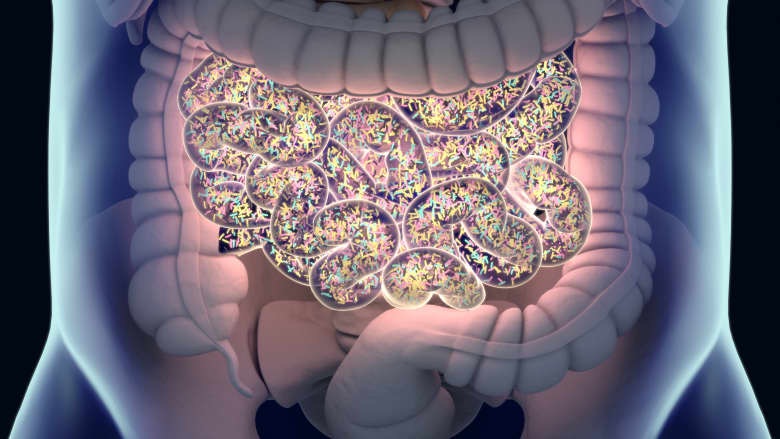
10 facts on Grains: Why are low GI grains healthier? 🙌

1. Grains are naturally grown from plants like grasses, which are a staple food for humans across the world. Grains are seeds and have basically 3 main parts: a hard outer covering called Bran, which is fibrous in nature. The second covering is called the Germ, which is the most nutritious part and contains vitamins, healthy fats and minerals. The innermost layer is the endosperm, which is a rich supply of starches, the energy source. Whole grain contains all the 3 layers. Commonly found grains are rice, wheat, oats, barley, corn and millet.

2. Grains, after they are harvested, are taken to milling and grinding plants and are cleaned and go through different processes like grinding, separation and bleaching. Depending upon the treatment they undergo, there are different grain types:

• Whole grains, where the three layers are restored, such as brown rice, whole grain wheat, oats. Whole grains are considered the most nutritious grains.

• Refined grains are fine in texture when the germ and bran layers are removed, such as white rice and refined flour.

• Enriched grains are those where nutrients like vitamins and minerals removed after refining are added back, such as enriched white rice.

• Fortified grains are grains that, after milling and grinding, are added with extra nutrients which may not be naturally found, such as fortified with iron and folic acid.

3. Whole grains are wholesome for health, providing starch (energy), vitamins, minerals and fibre. The known health benefits:

• Feeling of fullness helps in portion control and thereby in weight management.

• Lowers insulin levels.

• Lowers bad cholesterol and helps to raise HDL.

• Lowers blood pressure.

• Fibre helps to regulate bowel habits, reduces the risk of heart diseases, diabetes and stroke.

4. Much needed substitutes of regular white rice, white flour pasta, white bread with wholesome grains for daily requirement are:

• Whole grain bread, whole grain pastas, whole grain cereals.

• Quinoa

• Brown rice, black rice, red rice.

• Oatmeal

• Millet, barley, bulgur

• Pop corn

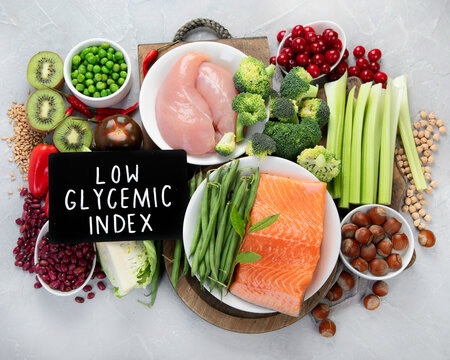
5. Glycemic index (GI): Some grains, after eating, give you instant energy and slowly make you feel worn out. While eating some types of grains doesn’t make you hungry for a long time and gives you enough energy throughout the day. This is because the glycemic index of different types of grains varies. The rate at which the body breaks down a particular type of grain and raises the blood sugar level determines the glycemic index of that grain. It depends on how much processed and refined the grains have been through. The GI ranks from 0-100, with the lowest being the healthiest starch.

• Low GI (less than 55): They are the least processed grains and gluten-free, like millet and quinoa,

• Mid GI (55- 70): Processed to some extent but still contains the bran of the grains like brown rice, whole wheat bread.

• High GI (greater than 70): Refined flour, white rice, white bread.

6. Low GI grains: The rate of 1-100 scale at which the starch is metabolised into sugar and raises the blood sugar level is considered the GI (glycemic index) of that particular grain. The highest GI is white bread, white rice, pastas and potatoes. Low GI grain is when the starch is slowly released for digestion, which is within 0-55. Examples are :

• Brown rice, steel cut oats, quinoa.

• Barley, millets, bulgu

• Sweet potatoes and non-starchy veggies like broccoli, cauliflower, spinach, carrots, beans.

• Fruits like apples, oranges, cherries and berries.

7. Health benefits of Low GI grains :

• No sugar spikes: The low GI grains release the sugar slowly and prevent sugar spikes.

• Fibre is high: These grains have high fibre and make you full for a long time and don’t make you hungry.

• Nutrient-dense: Millet, Barley, Oats, Quinoa, and buckwheat are great sources of fibre, nutritional powerhouses of vitamins, minerals and antioxidants.

8. Common myths:

• Low GI grains are tasteless and bland: In fact, depending on the palate, different methods of preparation can make these grains taste flavourful and a rich energy source.

• Portion matters: Eating large portions isn’t healthy. Always maintaining portion control and appropriate meal timings actually count.

• Too much fat: Adding too much oil and fats like cheese, butter, and oils makes a meal tasty. This isn’t true; in fact, adding natural spices, herbs, a variety of veggies, and less oil can make a meal flavourful and tasty.

• Fruits have high GI: Not true, as many fruits and berries have moderate GI and can be consumed on a daily basis.

9. Apart from grains, other food items with low GI are:

• Dairy like plain, unsweetened Greek yoghurt.

• Meat, fish, poultry, eggs

• Lentils and beans

• Leafy greens, cruciferous vegetables like broccoli, cabbage.

• Avocado has healthy fats.

• Citrus fruits, berries, apples

• Nuts, seeds

10. Takeaway: Whole grains are naturally occurring grains which are least processed, so they contain the required nutrients and fibre, which are necessary for one’s health and wellbeing. Once the grains are milled, crushed, or refined, they lose the valuable nutrients which are beneficial. So, refined grains and food items may taste better but ultimately do more harm than good. Therefore, research has shown that choosing whole grains, the least processed ones, always provides the complete package of nutrients and fibre, which are essential for good health and prevent chronic lifestyle diseases which have become so ingrained in today’s time.

Thanks for reading.

Peace and love 🙏

10 facts : Although honey 🍯 is similar to sugar, why it is still considered a healthier option ?

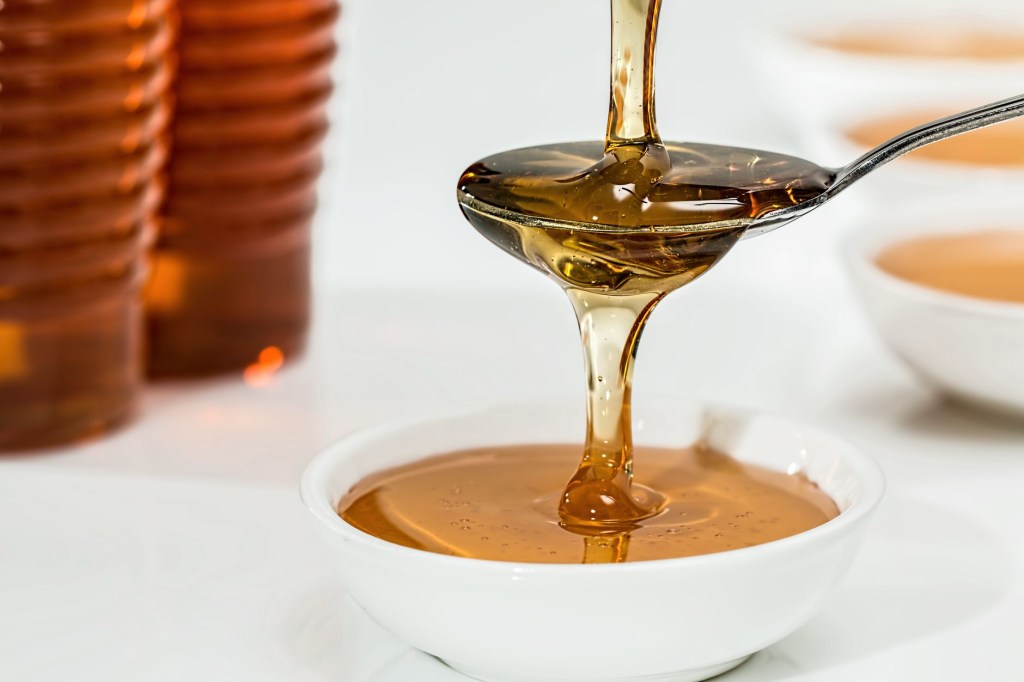
1. Honey is about 80% sugar, mostly fructose and glucose and is considered a natural sweetener. Since it is a derivative of plant nectar, it is a storehouse of bioactive compounds like polyphenols, flavonoids, vitamins, minerals and antioxidants. It is a blend of many natural substances, depending upon the different varieties of flowers whose nectar is collected by the bees. Because of its nutritional profile, honey has tremendous health benefits and is considered a healthy sweetener.

Beehives

2. Though honey is rich in sugar, it is a powerhouse of nutritional content in raw, unprocessed form. Depending upon the sources, the nutritional content can vary. Pasteurised honey is processed, filtered and can have a lesser quantity of flavonoids and polyphenols. Besides the antioxidant properties, honey includes calcium, potassium, vitamins, copper, iron and zinc. It also contains a trace amount of protein. Depending upon the varieties of flowers’ nectar, climatic conditions, examples of honey varieties are:

• Clover honey

• Wildflower honey

• Orange blossom honey

• Alfaalfa honey

• Buckwheat honey

• Rare variety like Manuka honey, found in New Zealand

3. Sources: Honey is the only natural sugar source which is produced by insects that humans consume. It is best when consumed raw and unrefined. Supermarket honey available is usually processed, pasteurised honey. Honey should be best sourced from local markets and local farmers, where the content is “pure honey” without any additives. These types of honey are lighter in colour and consistency. Darker varieties are stronger in flavour and nutritionally rich. Honey should be preserved in a glass bottle or plastic airtight container, below 32 degrees F.

4. Crystallisation: This is a natural process of honey where it is transformed from a liquid to a solid state depending upon the temperature and how it is stored. Crystallisation of honey doesn’t mean that the honey is spoiled. Honey with a higher content of sugar (fructose, glucose) is quickly crystallized like Alfalfa and clover types. Crystallisation happens as the dense sugar molecules start to hold the water permanently, which is, in fact, a sign of pure, unadulterated honey. The honey can be restored to its liquid form by putting the honey jar in a warm water container. Boiling water should be avoided as the nutritional content can be compromised.

5. Storage: Honey doesn’t require refrigeration. Its shelf life is around 2 years. Refrigeration and cold temperatures can lead to crystallisation of honey. It can be stored at room temperature at 20 to 25 degrees C or around 60 degrees F, ideally in an airtight glass container. It can also be stored in a food-grade plastic container. In the kitchen, it can be placed in a dry, dark place or pantry, avoiding direct sunlight.

6. Health benefits: As honey is rich in sugar, it should be consumed in small quantities rather than in large amounts. For centuries, the latest research has shown that honey has promising health benefits and healing properties. Some of them:

• Antioxidant rich so consuming raw, unrefined honey on regular basis can have anti-inflammatory benefits.

• Promote balance of blood sugar levels than regular refined sugar.

• Improves heart health by maintaining blood pressure, regulate heart beats.

• Since it has anti-bacterial properties , it can promote wound healing.

• Suppress sore throat and cough and support respiratory health.

• Supports gut health and is helpful in case of irritable bowel disease.

• Anti-fungal, anti-bacterial & anti-cancer.

7. Brain health: Research suggests that honey has amazing benefits for brain health and can prevent neurodegenerative diseases. Manuka honey is the best for brain health. Some of the neurological benefits of honey are:

• Unlike a refined sugar rush, honey can provide a natural, steady energy flow to neurons.• Flavonoids and phenolic acids can prevent free radical oxidative stress and cell damage in neurons.

• Supports memory by protecting brain cell mitochondria and elevates BDNF (brain-derived neurotrophic factor).

• Studies show honey is neuroprotective and prevents cognitive decline.

• Honey naturally contains melatonin, which supports sleep, and naturally removes toxins from the brain that build up while awake.

8. Alleviate cough: Studies have shown that honey is effective in soothing a cough. Drinking honey with a little warm water during a cough can help to form a coating in the throat. Its anti-bacterial and anti-inflammatory properties help as a healing aid for infections. Moreover, honey is safer as a home remedy than over-the-counter medications. It can be given to all age groups except children below 1 year of age, when there is a risk of food poisoning. Research shows that honey is far better than medicines like diphenhydramine (anti-histamine) and has a similar effect to drugs like dextromethorphan (cough suppressant ) and Salbutamol ( asthma drug).

9. Though honey is a natural sugar alternative, it is usually safe and healthy for daily consumption in moderation. There is no such standard recommendation, but experts suggest that 6-7 teaspoons daily should not be exceeded. WHO guidelines suggest that daily consumption of free sugar should not exceed 10% of daily intake. Since it has therapeutic benefits, its daily consumption can be beneficial for both gut health and the immune system. While using honey as a sugar substitute, other refined sugar food items should be completely avoided, as there are chances of weight gain (due to extra calories), sugar spikes in insulin-sensitive diabetics.

10. Takeaway: Research has shown for decades that honey is healthy with tremendous therapeutic effects when consumed in moderation as a wellness habit. Honey can replace the intake of refined sugar in several ways, such as:

• For dessert, yoghurt or breakfast bowls.

• Herbal teas, green teas.

• Morning, on an empty stomach with warm water as an aid to digestion and immunity.

• Honey should be avoided in boiling water or while cooking, as it may damage its nutritional value.

Thanks for reading.

Peace and love 🙏

10 facts: Bifidobacterium, the power members of human gut flora 🙌

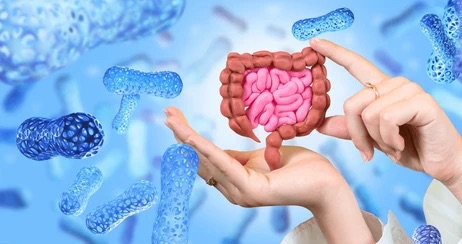
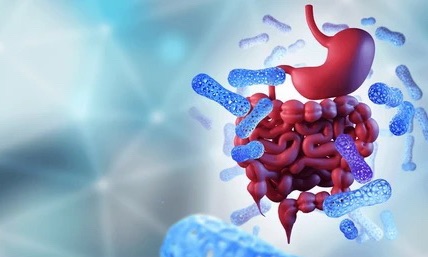
1. Bifidobacterium is a genus of microbes present naturally in human gut microbiota and the human oral cavity that are found to have potential health benefits for their host. Research has shown that these members of the gut microbiota have health-promoting properties, probiotic effects, and protection against various pathogens on their human host. Extensive studies have investigated the probiotic effect and the protective effect against pathogens on their host, for which bifidobacteria have been used to treat various gastrointestinal disorders, including colorectal cancers.

2. Bifidobacterium belongs to the phylum Actinobacteria and consists of 45 species. They have been an integral component of human and animal gut flora. They are Gram-positive, rod-shaped bacteria, non-sporing, catalase-negative, which break down carbohydrates into acetic acid and lactic acid without releasing carbon dioxide. Apart from various potential health benefits, the significant effect of bifidobacteria is that they can turn out drug chemicals, enzymes, vitamin B and K, carboxylic acid, which reduces the growth of fungi, facilitates the digestion and absorption of nutrients.

3. Bifidobacterium beneficial effect: Bifidobacterium species are most abundantly found in the large intestine, especially in the colon. The various beneficial roles played by Bifidobacterium are –

• Prevention of intestinal infections.

• Decreasing serum cholesterol.

• Stimulate the immune system.

• Alleviate the lactose intolerance.

• Help in the production of vitamins B12, B1, B7 and riboflavin synthesis.

• Prevention and treatment of colorectal cancer and inflammatory bowel diseases.

4. Bifidobacterium and diarrhoea: Because of their potential benefits, bifidobacterium strains are selectively chosen to administer and treat various gastrointestinal disorders. Studies have shown that strains of Bifidobacterium breve and Bifidobacterium longum, when administered to adults and children with acute diarrhoea, were found to reduce the duration of diarrhoea. The patients, both children and adults, who took antibiotics were also given the probiotic strains of Bifidobacterium, which do not interfere with the antibiotic effect, instead benefiting from the probiotic effect.

5. Bifidobacterium and colorectal cancer: Several animal studies have shown that various species of Bifidobacterium are found to reduce the cancer risk of the liver, colon, mammary glands and small intestine. Probiotic species of Bifidobacterium repress the growth of procarcinogens, which are responsible for tumourous growth in the intestines. Several studies have shown that probiotic strains of Bifidobacterium species have been beneficial when used as an adjuvant in cancer treatment.

6. Bifidobacterium longum species: This species has been shown to have immense benefits in various studies consistently. Some of the known benefits:

• Consumption of this strain can promote anti-oxidative properties, anti-viral benefits, and anti-obesity effects.

• It can help in developing innate immunity, preventing influenza and fever, and has an immunomodulation effect.

• Consumption of this strain can help in the protection against hepatocellular damage and help in the treatment of hepatic encephalopathy.

• It has an anti-ageing effect, supports bone health, and improves memory.

Fermented milk products

7. Bifidobacterium species like breve, lactis, and bifidum have all been found to have potential health benefits.

• B.breve has a strong anti-allergic effect, prevents oxidative stress, and alleviates UV barrier.

• B.lactis has an anti-inflammatory effect, anti-bacterial activity (against streptococci), and

protection against intestinal mucosal damage.

8.B bifidum inhibits H. pylori and is useful in the treatment of allergic diseases. It is a potent anti-inflammatory agent, too.8. Bifidus-rich foods: Bifidobacterium is a group of lactose-utilising bacteria that are mainly found in probiotic foods, such as milk with added strains. Food rich in Bifidobacterium species is:

• Yoghurt with live active culture, cultured butter milk

• Fermented soy milk

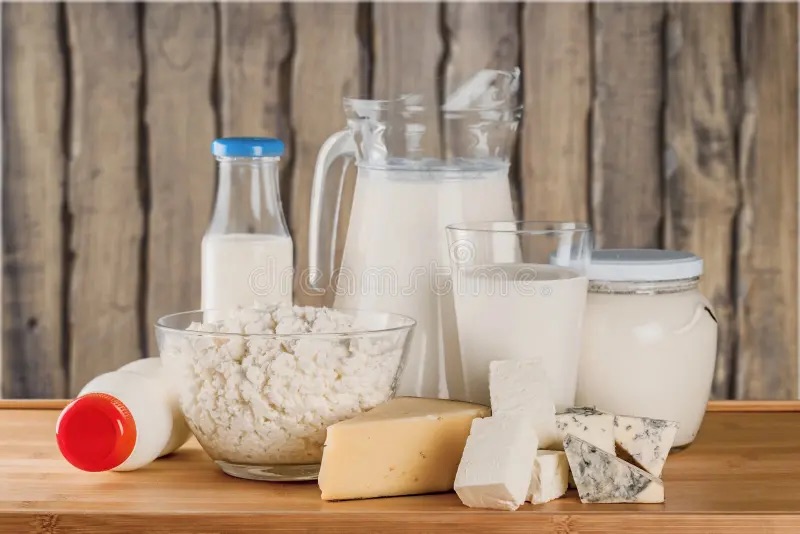
• Fermented milk, cheese like cheddar, aged, mozzarella, Gouda

• Kefir, sauerkraut, miso, kimchi, tempeh

9. While buying and consuming commercial food containing Bifidobacterium, ensure safety tips:

• Checking labels and buying products with “ live and active culture”

• Consuming together with prebiotics to get the best results. Prebiotics include bananas, onions,

garlic, and whole grains.

• Prevent heating as heat kills live bacteria. So, raw fermented food and unpasteurised foods are best.

• Supplements can be supportive in irritable bowel syndrome, immunity and bloating.

10. Takeaway: Bifidobacterium species have been proven to have immense health benefits to humans through their metabolic activity. Studies have shown that normal adults and children with healthy immunity status can regularly consume fermented food with live Bifidobacterium species, which can further boost health and prevent many chronic inflammatory diseases. People with weak immunity, the elderly, pregnant and breastfeeding mothers should avoid such foods to prevent complications like allergic reactions.

Thanks for reading.

Peace and love 🙏
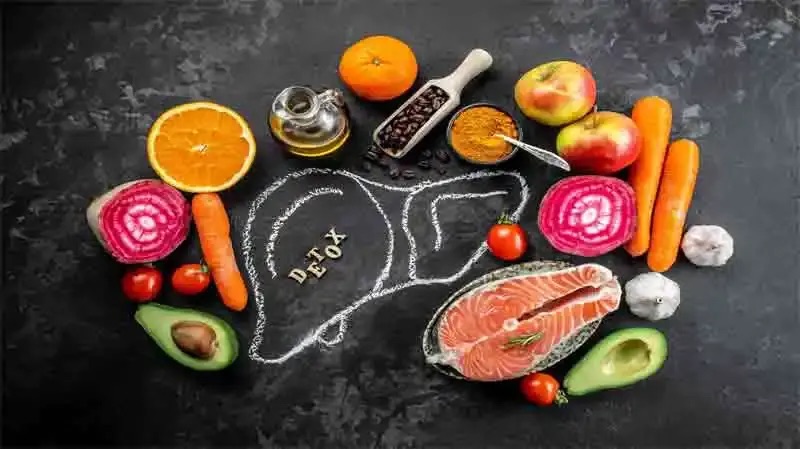
10 facts: About understanding our relationship with food 🍲

1. In general, you can either have a good relationship with food or a challenging one. A positive or a good relationship with food means that you allow yourself to enjoy any food you love, regardless of whether it is labelled as ‘good’ or ‘bad’ based on its nutritional value or calorie content. Conversely, a challenging relationship with food involves restrictions, such as stressing over certain food items you’re uncomfortable with, tracking your calorie intake obsessively, ignoring your hunger cues, overeating, and experiencing feelings of guilt or shame related to your eating habits.

2.Before recognising your relationship with food, it is important to understand that humans have a deeper relationship with food rather than a simple fuel-providing medium. Unlike animals, human preferences for food depend on a variety of factors like cultural, traditional, regional, socialisation, pleasure, comfort, simplicity, childhood memories, and nutritional content. The food preferences and choices are transient and may change many times during a lifetime. Once an individual understands how the food is grown, sourced, and reaches the table, he/she learn to appreciate and develop a healthy relationship with the food.

3. A good relationship with food can be having a comfort level, not stressing out, eating in moderation, being open about all types of food and not allowing it to control your life. The signs of having a good relationship with food can be:

• You are enjoying while eating.

• You stop eating once you feel full and satiated.

• You respect your hunger cues.

• You don’t overeat but instead eat in moderation.

• You don’t count your calories while eating and are obsessed with the numbers on the weighing scale.

• You are open to all kinds of food as per your preferences.

• You don’t allow others to opine about your food choices.

• You understand that your food choices do not define you as a person.

• You love to eat food that you enjoy the most.

4. Having a bad or, rather, difficult relationship with food can be stressful. Some of the signs of a bad/ difficult relationship with food can be:

• You have a restricted and limiting approach towards food.

• You don’t respect natural hunger cues.

• You have a history of crash dieting, trying to follow all fad diet food trends.

• You are very concerned and stressed out about the list of foods that you can or cannot eat.

• You have a feeling of guilt or shame for eating.

• You feel stressed to eat in the social circuit as other people may notice you about your food choices.

• You either starve yourself or overeat. Either way, you are not comfortable and happy.

5. Learning to develop a good relationship with food is an ongoing process. It takes a lot of patience, time and self-empathy. Allowing yourself to welcome small changes, day by day, not being judgmental, learning to enjoy and taking pleasure while eating. The food choices are not just part of routine practices, but deep-rooted in our genes, following a certain culture, which is not wrong. A good and healthy relationship with food means being open to trying new food, seeing food beyond the caloric scale, and not always judging your value as a person through your food choices. Allowing yourself food freedom.

6. Eating when hungry: It is important to understand your body’s natural signals of hunger rather than eating unnecessarily. Our body has a natural ability to metabolise the food that has been eaten, starting the process of absorption of necessary nutrients, cleaning the dead cells and releasing the roughage. In other words, the body has a natural cleaning process called autophagy. Normally, in the daytime, the body takes around a 5-6 hour gap before you experience hunger again. It is important to avoid certain habits which can prove to be harmful to health and damage our relationship with food in the long run:

• Eating while stressing out about something as a distraction has become common.

•Binging while watching TV or watching a film.

• Gorging and overeating while attending a party or buffet.

• Eating while attending a meeting or taking a flight.

• Eating or having beverages throughout the day becomes very normal in today’s time, as food is available all the time and everywhere.

7. Stress and eating behaviour: Stress can be any kind of stimulus that is perceived by the individual as stressful. Several studies have shown that stress can result in irregular eating behavior, altered eating preferences, and even alter the perception of pleasure from food. Research has shown that 40-70% of people suffering from stress can result in overeating, which can prove to be a calming process, irrespective of their physiological hunger. Whereas some 60-30% people can result in a reduction of food intake or develop a repulsion towards food. In today’s time, some people are so concerned about caloric counting and weighing scales that they develop a restricted approach towards food, where eating becomes a difficult task. Some people follow a crash diet, keeping up the dieting trends; eating becomes a burden rather than a physiological need.

8. Mindfulness: When it comes to developing a good relationship with food, there are no right or wrong answers. Food is not just a source of fuel, but your culture, habit, individual taste, memories, joy, and health, on which you plan your meals and eating preferences. If you are cooking yourself, learn to ritualise the process, enjoying every step from selecting the food ingredients, cleaning, cutting, sizzling, bubbling, until the food finally comes to life. In fact, cooking is a routine activity where you can practise mindfulness and integrate meditation. According to Buddhism, an ordinary person can practise mindfulness in everyday activities like cooking, cleaning, eating, and doing dishes, which are powerful activities where you are aware of the present moment and completely engrossed in it, instead of doing some extraordinary activities or sitting hours on meditation.

9.Mindful Eating: Practicing mindful eating can be a powerful way to develop a healthy relationship with food. When you eat, focus completely on the activity, staying in the present moment without distractions from your phone, TV, or anything else. Chew slowly and thoroughly before swallowing to enhance the digestion process. By fully engaging with your meal, you can enjoy your food more, appreciate what you’re eating, and better understand your choices. This practice allows you to tune into your body’s natural hunger and fullness signals. Initially, it may be challenging since many of us are accustomed to mindless eating. However, over time, this approach can become a habit that contributes to your overall well-being.

10.Improving your relationship with food is an ongoing process and is essential for overall health and well-being. First and foremost, it is important to value yourself as an individual. Learn to practice self-compassion, respect your uniqueness, and separate your eating habits and choices from your self-worth. Here are some small steps and changes you can make to enhance your relationship with food:

• Listening to your body, identifying your natural physical hunger cues rather than emotional hunger.

• Avoid labelling food as “bad” or “good”. Instead, focus on eating in moderation and respecting your food preferences and choices. All food can fit in a healthy lifestyle if eaten in moderation and with routine physical activity.

• Avoid impulsive eating behaviour and focus on intuitive eating.

• Stop watching the social media food trends and diets, as well as the weighing scale.

• Focus on mindful eating and practice mindfulness.

• Never relate food to a stress buster or use food as a reward or punishment.

• Though food is a source of nourishment to our body, but it gives us moments of pleasure too, through our eating experience. So, food choices should be always our own and not looking at another’s plate.

10 facts: Is hojicha tea ☕️ healthier than matcha 🍵?

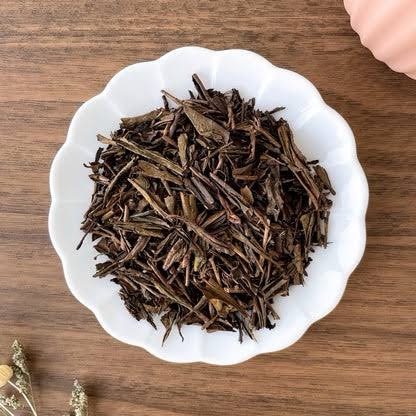
1. Hojicha tea has become a popular trend online, but what exactly is it? Hojicha is a type of Japanese green tea made from bancha, sencha, and kukicha leaves that are roasted at high temperatures and then ground into a fine powder. This roasting process gives hojicha its characteristic light brown colour and toasty flavour, although it also means that some of its antioxidant properties are diminished. Despite this, hojicha still contains beneficial compounds such as L-theanine, catechins, and polyphenols, which can help lower cholesterol levels, particularly LDL, and improve blood circulation. Additionally, the roasting method enhances the presence of pyrazines, which have a calming effect on the brain and nervous system.

2. Hojicha has become quite popular in recent times, mainly because of its low caffeine content, flavour, taste and calming effect on the nervous system. Hojicha tea is distinctive from other varieties of green teas as it is a mixture of leaves, twigs, and stems of the tea plant, which are roasted at a high temperature of 150 C. Due to roasting, it has a light brown colour, nutty taste and toasty flavour, unlike the vegetative tone of other green teas.

3. It has gained popularity in recent times due to its low caffeine content, which is milder than that of other green teas. So, it is quite safe for children as well as the elderly. In Japan, it is mostly an after-meal tea, in the evening, which has a calming effect on the nervous system, brain, reduces anxiety, stress and ensures a good night’s sleep. Hojicha infusion is quite popular as it is often used in smoothies and yoghurt.

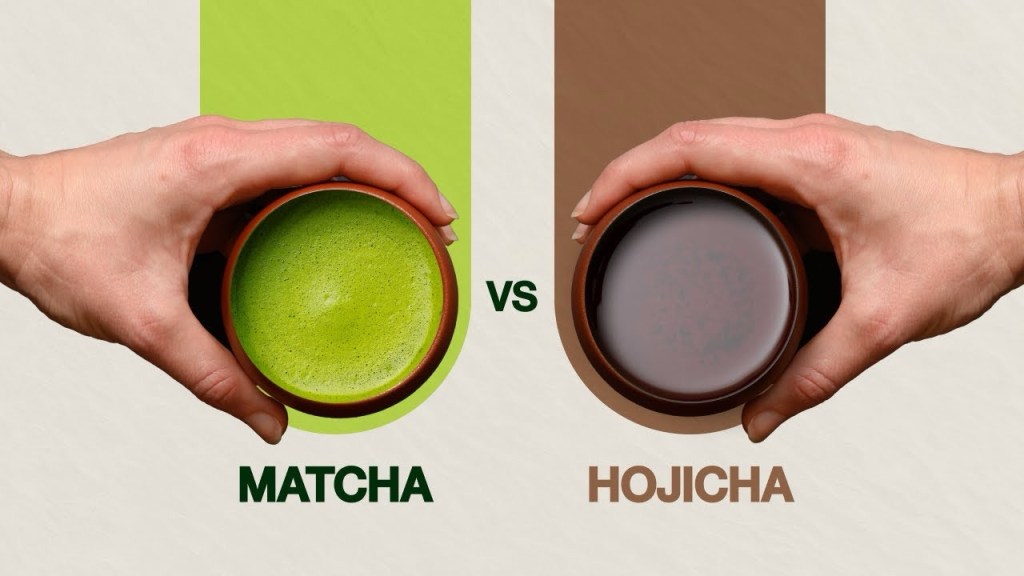
4. Though hojicha tea has a great taste and flavour, as far as health benefits are concerned, matcha is still healthier than hojicha because of its rich, concentrated properties of antioxidants. Matcha is a rich source of chlorophyll, L-theanine, polyphenols, catechins and natural caffeine. Compared to hojicha, matcha has a great amount of health benefits like preventing cellular damage, reducing inflammation, supporting brain health, heart health, liver health, improving brain function, help prevent cancer and promote weight loss.

5. Like matcha, hojicha does contain anti-oxidants and amino acids, but in significantly less quantity as compared to matcha, which is made from tencha raw leaves, not stems or twigs, which are ground into fine powder. On the other hand, matcha is rich in chlorophyll, which helps in liver detoxification and flushes out toxins from the body. Due to the presence of natural caffeine, which is quite high in matcha, it can be stimulating to the nervous system rather than calming. Too much drinking of matcha can lead to high caffeine intake, which can sometimes cause heart palpitations.

6. Hojicha contain a compound, Pyrazine, unlike matcha, which is formed due to the roasting process. Pyrazine gives a distinctive toasty flavour and scent to hojicha, which allows a pleasant aroma just like brewing coffee. Some of the health benefits of pyrazine:

• Calming and relaxation effect due to balance in the nervous system.

• Improving the quality of sleep due to low caffeine content.

• Improving blood flow in the body due to the vasodilator effect of pyrazine.

• GABA secretion is improved in the brain, which helps in reducing anxiety and depression.

• Promote skin health by improving skin hydration.

7. In addition to the above benefits, due to the presence of antioxidants, hojicha tea has other health benefits, such as:

• Improves digestion by promoting metabolism

• Reduces inflammation, especially in arthritis, by lowering pain and swelling

• Strengthen the immune system and prevent cold and cough

• Promote heart health by enhancing blood flow and lowering blood pressure

• Improves oral hygiene due to anti-bacterial properties

8. Unlike matcha, which has a raw, grassy and slightly bitter taste, hojicha has a nutty taste, toasty flavour and is not bitter. Therefore, it can be used in various ways:

• Extensive use as beverages, lattes, smoothies, and milk teas.

• Baking dishes like cake, cookies, macarons, and mochi

•Ice cream, frozen treats

• Savoury dishes, meat, pastas, roasted veggies.

9. Traditionally, in Japan, hojicha is used as evening tea as it has a low caffeine content and has a calming effect on the nervous system and aids in metabolism. It helps to improve good quality sleep. It also has a warming effect due to enhanced blood flow, and so it is ideal for nighttime. Since it has a sweet, nutty flavour, it has become very popular for its uses in a wide variety of desserts, puddings, cocktails, and beverages. Commercially, hojicha tea is available everywhere in supermarkets and malls due to its demand, taste and benefits.

10. Hojicha has received global recognition for its versatility and uniqueness in taste and flavour. Like brewing coffee, it has a distinctive toasty aroma which is very inviting. On top of it, hojicha has low caffeine content, a variety of uses, making it popular among all age groups, including children. It has a natural sweetness, so using it as an ingredient in dishes requires less sugar. It tastes great in savoury dishes too. Overall, it’s a hit among the masses.

Thanks for reading.

Peace and love 🙏

Silent Sunday 🍃🌞

Peace and love 🙏

10 facts: Why is self-awareness an ultimate goal?

1. Self-awareness is quite a commonly used term for mental health and well-being. While it has been discussed frequently, many people lack its actual understanding. Our everyday life is often caught up in autopilot mode, so our quality of awareness is very low. Our thoughts, emotions, reactions, habits, routines and impulses of day-to-day life are all on autopilot, so that instead of being aware of them, they keep us in control every day. So, it is important to understand Self- awareness and learn this ability of self-observation to improve our quality of awareness.

2. Many times in real life, we have gone through similar experiences, similar kinds of failures, attract similar people, have similar reactions, similar impulses, similar emotional meltdowns; the reason is not the outside world, but it is our inability to understand ourselves and our unwillingness to change. Most of the time, we are not self-aware of our emotional state, lack understanding of our strengths and weaknesses, so we end up in similar situations and experiences. As an individual, it is important to learn self-assessment, introspection and the ability to recognise our thoughts, feelings, emotions and actions.

3. Self-awareness is a psychological skill of knowledge and understanding about one’s own emotional state. It’s about self-observation, self-assessment of one’s emotions, thoughts, feelings, reactions and actions. It’s a capability of recognising one’s own reactions, actions, and behaviour in interacting with the outside environment and other people. Self-awareness helps in identifying tendencies, understanding emotional states, strengths, weaknesses, limitations and personal goals. It’s a lifelong learning ability to develop confidence and optimism in this dynamic world.

4. Self-awareness can be beneficial in several ways:

• Helps in building self-esteem, self-control, creativity, and skills

• Benefits include self-acceptance, emotional growth, and self-development.

• Aids in decision-making.

• Understanding strengths, weaknesses, and limitations.

• Accurate self-reports.

5. For several decades, thousands of research studies have been carried out to understand the interconnectedness between self-awareness and important key attitudes of human behaviour like habits, feelings, emotions, happiness, stress parameters, empathy and job satisfaction. Broadly, two types of self-awareness studies are recorded as :

• Internal self-awareness: It’s the ability to observe and monitor our inner world, while some label it as a state of self-consciousness temporarily. It is found to be associated more with relationships and job satisfaction as we try to fit ourselves with our personal control and social control.

• External self-awareness: Some state it as the difference between how we see ourselves and how others perceive us. Studies show that people who understand how others see them can be more empathetic and understanding of others’ perspectives.

6. Extensive research has identified five layers of self-awareness:

• Physical: Awareness of your physical body as shape, size, gender, race, ethnicity and five senses.

• Energetic: The breath and energy levels, which include the life forces that help you to move, think, create and take action.

• Mental: The thoughts, feelings, emotions that help you to react and take actions for yourself, others and life.

• The Witness: When you learn to become your witness and become aware of the different layers of self-awareness without being judgmental. This is an essential part of the path of learning self- awareness because you can bring about changes, a better understanding of your flaws, unhelpful patterns of beliefs, and habits that need to change.

• Bliss: Deep connection with a Higher Self, the Truth. A spiritual interconnectedness with the Divine.

7. The skill of knowing yourself is the biggest deal. If we actively start employing this art of self- awareness, we see ourselves as in a mirror, no hidden veil, just inside out, the reality as it is. Then,we start to find acceptance within ourselves, develop resilience if changes are not possible, and consciously bring about changes in our reactions, habits, behaviour and actions in our day-to-day life whenever required. This makes our everyday life approach easier, better handling relationships with people around, self -efficacy in controlling our mind, emotions, impulses, feelings, reactions, dealing with the external environment, people and the world around as it is.

8. Being in a path of self-awareness asks us to understand:

• Clear knowledge of our basic nature, character, impulses, flaws and desires.

• Observe our own habits and behaviour in dealing with our inner world and external world.

• In alignment with our energy levels and breath, and how they are affected by our choices and lifestyle.

• Keep an eye on our thoughts, feelings, emotions, impulses and learn to respond rather than react to whatever life throws us.

• Being a witness to self (intuitive wisdom) so that self-acceptance is easier without being judgmental.

• Searching for our connectedness to something bigger than ourselves.

9. Practising and learning to seek self-awareness is far from being an easy task; it is a lifelong process. Our day-to-day life is so much attuned to working, earning money, parenting, paying the mortgage, bills, and routine hustles that we hardly get time for ourselves. Besides, many obstacles cause hindrance in this path :

• Fear – Knowing and understanding our vulnerability, uncomfortable emotions, and weaknesses.

• Attachment – attachment to people, desires, things can often lead to internal conflicts.

• Aversions – Conscious understanding and resurfacing of situations, people, we usually avoid, internal conflicts, unresolved emotions and discomforts.

• Ego- Instead of being the centre of the world around us, knowing that ego is that tool to distinguish us “I” from the outside world, learning to balance it with wisdom rather than controlling us.

• Ignorance – Learning and understanding about the larger picture of life, rather than being happy when life goes well and disliking it whenever life throws challenges.

10. Developing and seeking self-awareness is an ongoing process, a lifelong learning. In this process, as an individual, there is tremendous personal growth, control over emotions, decision- making and self-acceptance with limitations. Some of the basic strategies are:

• Daily practising mindfulness, calmness, and reflections upon thoughts without judgement.

• Journaling your thoughts, feelings, emotions, impulses on experiences and situations.

• Getting honest feedback from trusted friends, family members, siblings, and partners.

• Self-analysing the situations that can trigger strong emotional responses like anger, panic- attacks, pain, and fear.

• Self- assessment of limitations, weaknesses, strengths, and levels of resilience.

• Routinely reviewing the day-to-day reactions, actions, decisions and interactions.

Thanks for reading.

Peace and love 🙏