

10 facts: Is cinnamon diabetic-friendly? πŸ™Œ

1.Popularly known that cinnamon is a warm spice which is widely used in both savoury and sweet baked recipes. Basically, two types of Cinnamon used commonly: Ceylon Cinnamon, originally found in Sri Lanka and southern India. Cassia Cinnamon, dark in colour, native to Southeast Asia and China. The spice is derived from the dried bark of Cinnamomum trees. It has been used for centuries for both culinary and traditional medicine purposes. There has been much research on Cinnamon for its nutritional content for supplementation and medicinal purposes, but its effects on diseases are still not established.

2. Ceylon Cinnamon, also called “true cinnamon”, is now widely available in North America and Europe is a lighter, sweeter variety and is expensive. Cassia cinnamon is a darker, thicker variety, which has a richer and slightly bitter taste. While much research does show a wide range of health benefits due to the compound cinnamaldehyde, the dark side is that many cinnamon types also contain coumarin, which, when taken in large quantities, can cause liver damage. Meanwhile, Ceylon cinnamon doesn’t contain coumarin, and hence it is considered a safe variety.

3. Cinnamon has a unique flavour and aroma due to the oil present in the bark spice, which is rich in cinnamaldehyde. It is high in polyphenolic compounds, which are responsible for amazing benefits on health and digestion. These polyphenolic compounds are mainly responsible for antioxidant properties, which prevent the body from free radical oxidative damage. Because of the nutritional profile, it has been interpreted to have various health benefits like anti-inflammatory, antioxidant, anti-viral, heart-friendly, and diabetic friendly.

4. Cinnamon has polyphenols and powerful antioxidants, as it has been known to have a wide list of health benefits. Some important ones are:

β€’ Prevent oxidative stress and protect against cell damage.

β€’ Reduces chronic inflammation and prevents chronic diseases.

β€’ Reduces bad cholesterol LDL and triglycerides, so supports the cardiovascular system.

β€’ Supports brain health by reducing brain cell ageing.

β€’ Anti-inflammatory, anti-viral, anti-fungal, anti-cancer.

β€’ Protects gut health by supporting good bacterial colonies.

β€’ Supports menstrual health.

β€’ Supports skin health and dental health as it is anti bacterial and rich in antioxidant.

β€’ Helps in weight loss by stabilising metabolism.

5. Diabetes: Research has shown promising benefits in the case of type 2 diabetes, as it can increase insulin sensitivity and help to lower blood sugar levels. But the effects cannot replace changes in lifestyle, diet and medication for diabetics. Therefore, cinnamon can be a supportive aid but not a replacement for treatment. Some of the research-backed benefits are:

β€’ Studies have shown that cinnamon helps in blood sugar control. It helps to reduce blood sugar levels, both fasting and postprandial levels, and increases insulin sensitivity. It is also found to lower haemoglobin A1c.

β€’ Cinnamon can act like insulin and help to move the sugar in the blood into the cells. Additionally, it reduces insulin resistance and helps move sugar into the cells easily, thereby reducing blood sugar levels.

β€’ Research suggests that after a meal, the blood sugar normally spikes; cinnamon helps in slowing down gastric emptying and keeps the sugar levels in control while also reducing insulin resistance.

β€’ Some studies state that it helps block digestive enzymes that break down carbohydrates and keeps the postprandial sugar levels in check.

6. Post-diabetic complications: In the case of diabetes, the high blood sugar levels can increase the risk of bacterial growth in cells, increase inflammation, elevate oxidative stress and overall increase the risk of chronic diseases like atherosclerosis, high blood pressure, heart diseases, kidney diseases, neurodegenerative diseases, and Alzheimer’s disease. Studies show that daily intake of cinnamon can keep blood sugar spikes in control, reduce blood sugar levels, increase insulin sensitivity and glucose tolerance, lower HbA1c and lipid profile so that the complications are considerably lowered. Therefore, with lifestyle changes, diet, medication and additional intake of cinnamon on a daily basis can be very beneficial in case of diabetic type 2.

7. Side effect: Cinnamon, as already mentioned, is naturally two main varieties – Cassia and Ceylon. 90 per cent of cinnamon production comes from Sri Lanka, India, China and other Southeast Asian countries. In the US, mostly the cassia variety is used. The downside of this very old spice is that along with beneficial compounds, it also contains coumarins. Coumarins have anticoagulant properties, which can lead to a risk of bleeding, delay wound healing in case of injury and liver distress. Prolonged consumption of heavy doses of cinnamon can pose a health risk. Higher coumarin levels are found in cassia type than in Ceylon type, which is a very negligible amount. A daily limit of 0.1 mg of coumarin per kg of body weight can be a safe limit.

8. Uses: Cinnamon is available in different forms of tubular-shaped whole spice, powdered and oil. There are various uses of cinnamon, mainly in global cuisines, desserts and household uses. Some of them are:

β€’ Cooking: Used in both savoury meals like curries, stews and desserts like cakes and pastries.

β€’ Beverages like tea, chocolate drinks, coffee

β€’ Cinnamon oil is used in aromatherapy, mood-enhancing, mood enhancing as an essential oil.

β€’ Dental care to fight bad breath in mouthwash, toothpaste.

β€’ Used as a natural preservative.

9. Cinnamon dosage: Since cinnamon is not used as a medicine in modern science, there is no specific dose. Cassia cinnamon is the most common type available, which is found in supermarket aisles, whereas Ceylon cinnamon is quite rare and expensive as it is a safer variety and can be used as a supplement. Cassia cinnamon contains coumarin, which is a blood thinner, so a large quantity of consumption of this variety poses a health risk. Normally, 2-4gm/day of cassia can be a safe limit for an adult.

10. Takeaway: Cinnamon is an old spice which has been widely used over centuries because of the rich compounds like polyphenols and cinnamaldehyde. Studies have proven that such compounds have amazing health benefits. Cinnamon has been linked to diabetes, as it can imitate insulin and is found to be very beneficial for diabetics, as it can regulate blood sugar levels. But it is still not regarded as a replacement for diabetic treatment. It is considered a supportive therapy for diabetics. Moreover, it is a popular spice in both sweet and savoury dishes for its rich aroma and flavour.

Thanks for reading.

Peace and love πŸ™

10 facts on Grains: Why are low GI grains healthier? πŸ™Œ

1. Grains are naturally grown from plants like grasses, which are a staple food for humans across the world. Grains are seeds and have basically 3 main parts: a hard outer covering called Bran, which is fibrous in nature. The second covering is called the Germ, which is the most nutritious part and contains vitamins, healthy fats and minerals. The innermost layer is the endosperm, which is a rich supply of starches, the energy source. Whole grain contains all the 3 layers. Commonly found grains are rice, wheat, oats, barley, corn and millet.

2. Grains, after they are harvested, are taken to milling and grinding plants and are cleaned and go through different processes like grinding, separation and bleaching. Depending upon the treatment they undergo, there are different grain types:

β€’ Whole grains, where the three layers are restored, such as brown rice, whole grain wheat, oats. Whole grains are considered the most nutritious grains.

β€’ Refined grains are fine in texture when the germ and bran layers are removed, such as white rice and refined flour.

β€’ Enriched grains are those where nutrients like vitamins and minerals removed after refining are added back, such as enriched white rice.

β€’ Fortified grains are grains that, after milling and grinding, are added with extra nutrients which may not be naturally found, such as fortified with iron and folic acid.

3. Whole grains are wholesome for health, providing starch (energy), vitamins, minerals and fibre. The known health benefits:

β€’ Feeling of fullness helps in portion control and thereby in weight management.

β€’ Lowers insulin levels.

β€’ Lowers bad cholesterol and helps to raise HDL.

β€’ Lowers blood pressure.

β€’ Fibre helps to regulate bowel habits, reduces the risk of heart diseases, diabetes and stroke.

4. Much needed substitutes of regular white rice, white flour pasta, white bread with wholesome grains for daily requirement are:

β€’ Whole grain bread, whole grain pastas, whole grain cereals.

β€’ Quinoa

β€’ Brown rice, black rice, red rice.

β€’ Oatmeal

β€’ Millet, barley, bulgur

β€’ Pop corn

5. Glycemic index (GI): Some grains, after eating, give you instant energy and slowly make you feel worn out. While eating some types of grains doesn’t make you hungry for a long time and gives you enough energy throughout the day. This is because the glycemic index of different types of grains varies. The rate at which the body breaks down a particular type of grain and raises the blood sugar level determines the glycemic index of that grain. It depends on how much processed and refined the grains have been through. The GI ranks from 0-100, with the lowest being the healthiest starch.

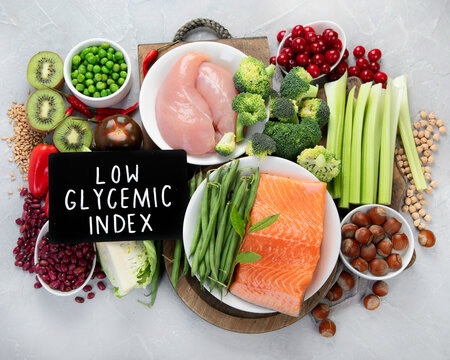
β€’ Low GI (less than 55): They are the least processed grains and gluten-free, like millet and quinoa,

β€’ Mid GI (55- 70): Processed to some extent but still contains the bran of the grains like brown rice, whole wheat bread.

β€’ High GI (greater than 70): Refined flour, white rice, white bread.

6. Low GI grains: The rate of 1-100 scale at which the starch is metabolised into sugar and raises the blood sugar level is considered the GI (glycemic index) of that particular grain. The highest GI is white bread, white rice, pastas and potatoes. Low GI grain is when the starch is slowly released for digestion, which is within 0-55. Examples are :

β€’ Brown rice, steel cut oats, quinoa.

β€’ Barley, millets, bulgu

β€’ Sweet potatoes and non-starchy veggies like broccoli, cauliflower, spinach, carrots, beans.

β€’ Fruits like apples, oranges, cherries and berries.

7. Health benefits of Low GI grains :

β€’ No sugar spikes: The low GI grains release the sugar slowly and prevent sugar spikes.

β€’ Fibre is high: These grains have high fibre and make you full for a long time and don’t make you hungry.

β€’ Nutrient-dense: Millet, Barley, Oats, Quinoa, and buckwheat are great sources of fibre, nutritional powerhouses of vitamins, minerals and antioxidants.

8. Common myths:

β€’ Low GI grains are tasteless and bland: In fact, depending on the palate, different methods of preparation can make these grains taste flavourful and a rich energy source.

β€’ Portion matters: Eating large portions isn’t healthy. Always maintaining portion control and appropriate meal timings actually count.

β€’ Too much fat: Adding too much oil and fats like cheese, butter, and oils makes a meal tasty. This isn’t true; in fact, adding natural spices, herbs, a variety of veggies, and less oil can make a meal flavourful and tasty.

β€’ Fruits have high GI: Not true, as many fruits and berries have moderate GI and can be consumed on a daily basis.

9. Apart from grains, other food items with low GI are:

β€’ Dairy like plain, unsweetened Greek yoghurt.

β€’ Meat, fish, poultry, eggs

β€’ Lentils and beans

β€’ Leafy greens, cruciferous vegetables like broccoli, cabbage.

β€’ Avocado has healthy fats.

β€’ Citrus fruits, berries, apples

β€’ Nuts, seeds

10. Takeaway: Whole grains are naturally occurring grains which are least processed, so they contain the required nutrients and fibre, which are necessary for one’s health and wellbeing. Once the grains are milled, crushed, or refined, they lose the valuable nutrients which are beneficial. So, refined grains and food items may taste better but ultimately do more harm than good. Therefore, research has shown that choosing whole grains, the least processed ones, always provides the complete package of nutrients and fibre, which are essential for good health and prevent chronic lifestyle diseases which have become so ingrained in today’s time.

Thanks for reading.

Peace and love πŸ™

10 facts: The effect of Humming Bee 🐝 sounds on health πŸ™Œ

1. A humming bee sound made by a person is defined as a low-frequency sound made with the mouth closed and the throat open. This sound causes the air to be forced through the vocal cords, vibrating the chest and the head. This sound is usually a voluntary noise which can be made by the person while exhaling. If it is not a voluntary noise made by a person, it can be linked to low-frequency tinnitus, which can cause significant distress. Otherwise, this humming sound voluntarily made causes some amazing benefits to human health, both physically and psychologically.

2. Humming is a low-pitched sound made by an individual voluntarily with the mouth closed. Such a sound is usually made by monks and yogis as a routine meditation practice. This sound has the capability of impacting both emotional and mental health. Studies have shown that humming can promote a state of calmness, peace, and stability. Humming as a mindful practise can significantly impact emotional stress, sleep and physiological health. It can improve focus and attention.

Stressful

3. The power of simple humming can have a significant impact on psychological health. The benefits are many, as such :

β€’ Stress is significantly lowered with humming by stimulating the parasympathetic nervous system.

β€’ Routine practice of humming can increase the HRV, heart rate variability by reducing the heart rate and help in cardiovascular health.

β€’ Humming increases focus and attention by improving cognitive ability.

β€’ Promote respiratory health by increasing lung capacity.

β€’ Humming can signal the autonomic nervous system to promote sleep and relaxation.

4. Humming as a quick tool for stress relief: It can be done anywhere without any equipment.

β€’Sitting or lying down in a comfortable posture.

β€’ Closing eyes, taking 2-3 deep breaths, inhaling through the nose and exhaling through the mouth.

β€’ Making a β€œmmmm” by inhaling deeply through the nose with the mouth closed, as you exhale, the low-pitched sound is produced, and the vibration can be felt on the chest, throat and head.

β€’ Notice the vibrations as they travel through the body, which helps to release the stress.

β€’ Continue for 5-10 minutes, and you will suddenly feel lighter and more relaxed.

5. Chronic stress response can increase anxiety, inflammation and sleep problems. Regular practice of humming can help to combat stress by lowering cortisol, the stress hormone.

Producing the humming sound will create vibration in the throat and chest, which in turn stimulates the vagus nerve. By stimulating the vagus nerve, the parasympathetic nervous system is activated and lowers cortisol, which creates the β€œfight or flight β€œ response.

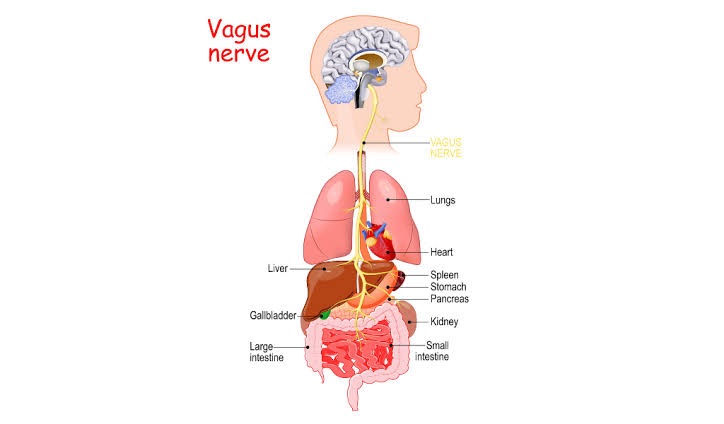
6. Humming and Vagus Nerve: The Vagus Nerve runs through the larynx (sound box) and throat (pharynx) before reaching different organs of the body, like lungs, heart, liver, stomach and intestines. So, when the humming sound is made in the throat, there are mechanical vibrations that reach the throat and chest. These vocal vibrations stimulate the parasympathetic nervous system, which quickly shifts the body from a β€œrest and digest” response to a β€œfight or flight”mode. The parasympathetic nervous system activation also helps to lower the heart rate, lower the cortisol level and reduce the overall tension and stress in the body.

7. Humming and nitric oxide (NO): Nitric oxide is naturally produced in the body during exhalation, which acts as a natural defence mechanism to clear the airways from pathogens. It also acts as a vasodilator and supports cardiovascular health. Humming naturally increases the level of NO (Nitric Oxide) in the nasal passage. The humming sound causes the mechanical vibration in the throat and chest, which in turn oscillates the airflow through the sinuses, where the concentration of NO levels is maximum. Therefore, the simple practise of humming can increase the level of NO manifold times than a normal rhythm of exhalation.

8. Humming, a tool to cope with overthinking: Overthinking is an issue commonly suffered by the majority in today’s time of uncertainty. The mind is filled with repetitive thoughts, negative thoughts, and racing thoughts. Humming can be an effective tool to combat overthinking. Focusing on the humming sound can divert the awareness to let go of repetitive thoughts, allowing one to regain control of the mind and give peace. Regular practise of humming can lower anxiety, mental tensions and restlessness.

9. Humming, a tool for meditation and Yoga: In Yogic tradition, for thousands of years, Humming Bee breath is a kind of Pranayama ( breathing technique) known as β€œBhramari”, which is regarded as a powerful breathing technique to calm the mind and create inner peace. In many Ancient Indian texts, it was considered that this humming bee breath creates a resounding echo to enhance mental clarity, reduce stress and bring mental peace and well-being.

10. Takeaway: Humming is indeed a powerful breathing technique which can instantly quiet the mind, help to break the loop of negative, unnecessary thought patterns by helping the mind to focus your awareness on the echo of the humming sound. Neuroscience research has shown that the practise of the humming bee technique can help to bring mental clarity, let go of unnecessary thoughts, calm the nervous system and enhance emotional wellbeing. The deep vibration of the throat and the chest created by the humming sound stimulates the Vagus nerve, helps to reset the mind, and lowers stress and blood pressure.

Thanks for reading.

Peace and love πŸ™

10 facts : Nitric oxide (NO) is body’s power source πŸ’ͺ

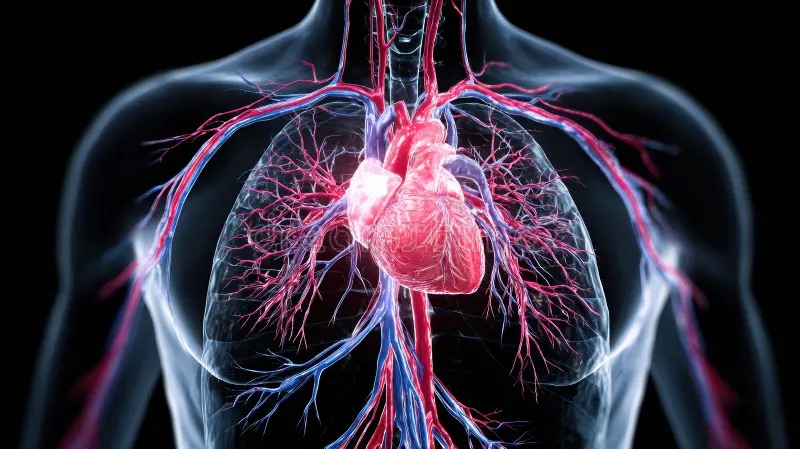
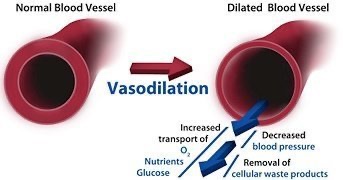
1.Nitric oxide is a gas that is naturally produced by our body. Its basic function is to relax the blood vessels, which in turn transport the blood, oxygen and nutrients to the different organs and cells of the body to function smoothly. Nitric oxide is a vital nutrient as it protects the layers of cells in the blood vessels. It regulates the cardiovascular system, immune system, and nervous system. When nitric oxide is scarce in the body, it leads to a condition called endothelial dysfunction, which can risk the cardiovascular system.

2. Nitric oxide, as a powerful molecule, has many protective health benefits and is vital to human health. The potential benefits are:

β€’ Cardiovascular system: Since it is a vasodilator, it lowers the blood pressure, relaxes the blood vessels, ensuring a smooth transportation of blood throughout the body.

β€’ It lowers the inflammation in the body as it acts as an antimicrobial agent, a free radical agent.

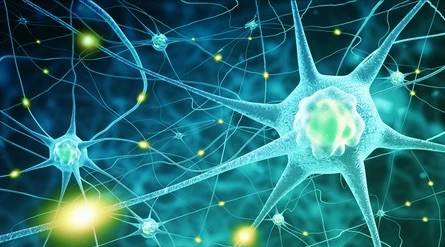
β€’ Neurological system: It is a neurotransmitter and helps in communication between nerve cells.

β€’ It helps in exercise endurance as an oxygen delivery agent and improves athletic performance.

β€’ It helps in treating erectile dysfunction.

3. Diverse physiological role: The NO (nitric oxide) molecule is synthesised from L-arginine in the tissues of the body by using the iso-forms of nitric oxide synthase. As mentioned before, NO gas is important in maintaining the endothelial layers of the blood vessels, as well as the blood flow through the vessels, and also inhibiting the activation of blood platelets. NO activates an iron- containing protein and helps to bind with haem. It regulates the immune system as a primary defense mechanism against attack by microorganisms. It acts as a neurotransmitter for nerve cells of certain types. NO activates several cellular activities.

4. Physical endurance and Nitric oxide: Research studies have clearly shown that Nitric oxide (NO) plays an active role in vasodilation, improves and enhances blood flow through blood vessels, organs and in mitochondrial respiration. Thereby, it promotes sports performance, endurance and aids in the healing and recovery of tissues. Nitric oxide and physical activity are very closely related. Evidence-based studies have shown that exercise helps to increase the level of nitric oxide, so it is highly recommended for athletes and patients with cardiovascular disorders.

5. Nitric oxide and erectile dysfunction: Erectile dysfunction is mainly caused by impaired nitric oxide bioactivity. The nerves and endothelial cells release nitric oxide when stimulated, which causes vasodilatation of blood vessels and relaxation of smooth muscles. When there is low nitric oxide production, it results in impaired vasodilation and endothelial dysfunctions, causing erectile dysfunction. Common risk factors are high blood pressure, diabetes, smoking and aging.

6. Nitric oxide as a neurotransmitter: Since it is a gas, it acts as a free radical and is synthesised in response to neural activity rather than stored in synaptic vesicles. It can diffuse rapidly through cell membrane barriers and can reach several neuronal and non-neuronal cells in multiple locations. It can act in intracellular targets on both pre-synaptic and post-synaptic neurones to stimulate neurotransmitter release and enhance synaptic plasticity. But excess nitric oxide can cause neurotoxicity, like in Alzheimer’s and Parkinson’s disease.

7. Sources: Nitric oxide naturally releases from oceans, soil bacteria, and the atmosphere by oxidation of ammonia and animal wastes. Some other sources are forest, wild vegetation, fertilizers, fossil fuels combustion and other industrial processes.

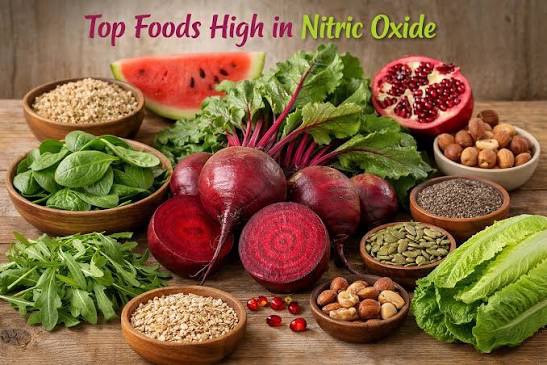
The primary source in the human body is the conversion of L-arginine (an amino acid) by enzymes, which releases nitric oxide internally. The different food sources of Nitric oxide are Beetroot, garlic, meat, poultry, leafy green vegetables, citrus fruits, nuts and seeds.

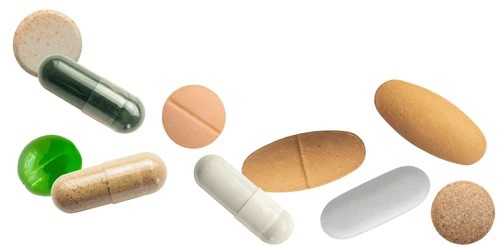
8. Nitric oxide supplement: A healthy, balanced diet rich in vegetables, poultry, and meat is enough to provide the necessary nitrites and nitrates to produce enough nitric oxide for the body’s requirements. If the body’s nitric oxide levels are low, your health care provider might give you nitric oxide supplements. They usually contain the synthetic version of the compounds, which can help the body to produce the optimal level of nitric oxide. Supplements are generally safe when taken under expert supervision and in an appropriate dosage.

9.Side-effects: Nitric oxide supplements, as mentioned above, are considered safe when taken under medical guidance. Overexposure and overdosing may cause side effects:

β€’ Physical symptoms include nausea, vomiting, headache, and stomach upset.

β€’ Heart palpitation, dizziness, lightheadedness, sudden drop of blood pressure.

β€’ Interaction with other medications, such as blood pressure medication and erectile dysfunction medication, can cause a serious risk.

β€’ Overexposure can cause coughing, shortness of breath, and lung injury.

10. Some of the known nitric oxide supplements are:

β€’ Arginine

β€’ Citrulline

β€’ Nitrates

β€’ Vitamin C, flavonoids, and polyphenols make nitric oxide easily available for the body for different purposes.

Doses depend on the individual requirements and the compounds of the supplement.

Thanks for reading.

Peace and love πŸ™

10 facts: Why mitochondrial health is of crucial importance?

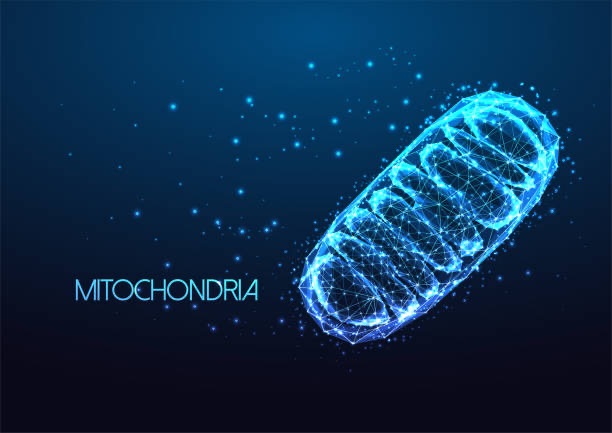
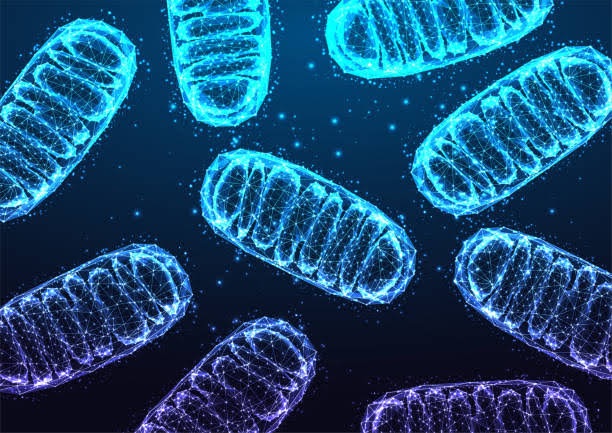
1. Right from the biology textbooks in school, to higher levels of studies and research, the importance of mitochondria has been highlighted time and again. As previously mentioned, mitochondria are known as the β€˜powerhouse’ of cells. They are the centre of energy production, metabolism, crucial for cellular functions, ranging from cellular activities, regulating vital functions and including cellular death. In other words, they are critical in maintaining overall health, preventing various diseases and increasing longevity.

2. Mitochondria have their own DNA and undergo a constant process of damage, repair, replacement, and distribution within cells of the body. Through mitochondrial dynamics, a damaged component or an impaired mitochondrion can be replaced, mitochondrial quality can be controlled, and mitochondrial functions can be maintained, thereby preventing disease processes and promoting overall health and well-being. So, continuous mitochondrial dynamics play a pivotal role in maintaining good health on the cellular level and overall longevity.

3. Mitochondria are an integral component of a cell that carries out a series of functions like cellular metabolism, energy production, fission, fusion, mitophagy, ion homeostasis, senescence and cell death (apoptosis). Studies have shown that mitochondrial dynamics play a pivotal role in diverse cellular functions, influencing the activation and functioning of cells and cell movement. Cell movement is the basis of vital processes like wound healing, tissue growth, the immune defence mechanism and disease-related processes like malignant metastasis. Therefore, mitochondrial health and functioning are fundamental to the body’s overall health at the cellular level.

Inflammation/chronic pain

4. Mitochondrial health impacts most of the vital systems of the body, including the immune system, bones, muscles, heart, neurological, cognitive and gut health. So, when mitochondria are dysfunctional or underperforming, the body will exhibit various symptoms like :

β€’ Low immunity status.

β€’ Metabolic syndrome

β€’ Brain and cognitive disorder

β€’ Fatigue syndrome

β€’ Bone and muscle conditions like osteoporosis and sarcopenia.

β€’ Inflammatory diseases.

β€’ Chronic body pain.

Fatigued

5. Mitochondrial disorders are of two types: Inherited types and acquired types. Inherited Mitochondrial disorders can be caused by genetic mutations due to defective genes encoding the ETC (Electron Transport Chain) protein.

β€’ Barth syndrome.

β€’ Kearns- Sayre syndrome.

β€’ Chronic progressive external ophthalmoplegia.

β€’ Leigh syndrome.

β€’ Ataxia.

Acquired types: Mitochondrial disease from external factors like toxins, drugs (mitotoxins), ageing, infections, inflammatory responses, secondary causes like cancer, Alzheimer’s disease, diabetes, Parkinson’s disease, long-standing COVID.

Body aches

6. Symptoms of mitochondrial disorders depend on the underlying factors, such as:

β€’Inherited types usually affect multiple organs, such as the brain, heart, liver, and muscles.

β€’People may have muscle fatigue, cognitive decline, hearing loss, vision loss, and GI issues.

β€’Secondary types can be the consequence of the primary causes, like type 1 diabetes, cancer, mental health disorders, and heart diseases.

β€’Environmental factors like toxins and drugs may result in mitochondrial dysfunctions.

Acquired types may have both the symptoms of inherited types and the underlying primary cause.

Tiredness

7. Diagnosis and treatment depend mainly on the underlying factors, triggering causes and the primary disease. The diagnosis relies mainly on many criteria, such as clinical, biochemical, tissue, and molecular specificity of clinical and laboratory findings.Treatment depends on the family history, clinical findings, laboratory findings, and metabolic/ molecular diagnosis. Treatments are usually antioxidant intakes, regular calorie intake, exercise, and specific treatment depending on the primary disease and definite mitochondrial dysfunction.

Supplements/ antioxidants

8. Commonly used agents for the treatment of both inherited and acquired types are:

β€’ Electron transport chain support, like CoQ10 (ubiquinol)

β€’ Electron carrier support, such as Niacin and Riboflavin.

β€’ Fatty acid oxidation support, Biotin L-carnitine.

β€’ Enzyme co-factors like Thiamine, Pantothenic acid, Biotin, and Alpha-lipoic acid.

β€’ Anti-oxidants like Vitamin E, C, L-carnitine, and CoQ10.

Holistic health

9. Mitochondrial diseases have no cure, but a holistic lifestyle approach can improve the quality of life. The focus is mainly on energy preservation, nutrition, exercise, and stress management.

β€’ Conservation of energy is essential to reduce fatigue, like planning out the daily and weekly schedule, taking rest in between normal chores, using assistive devices to minimise effort, and seeking help to reduce workload.

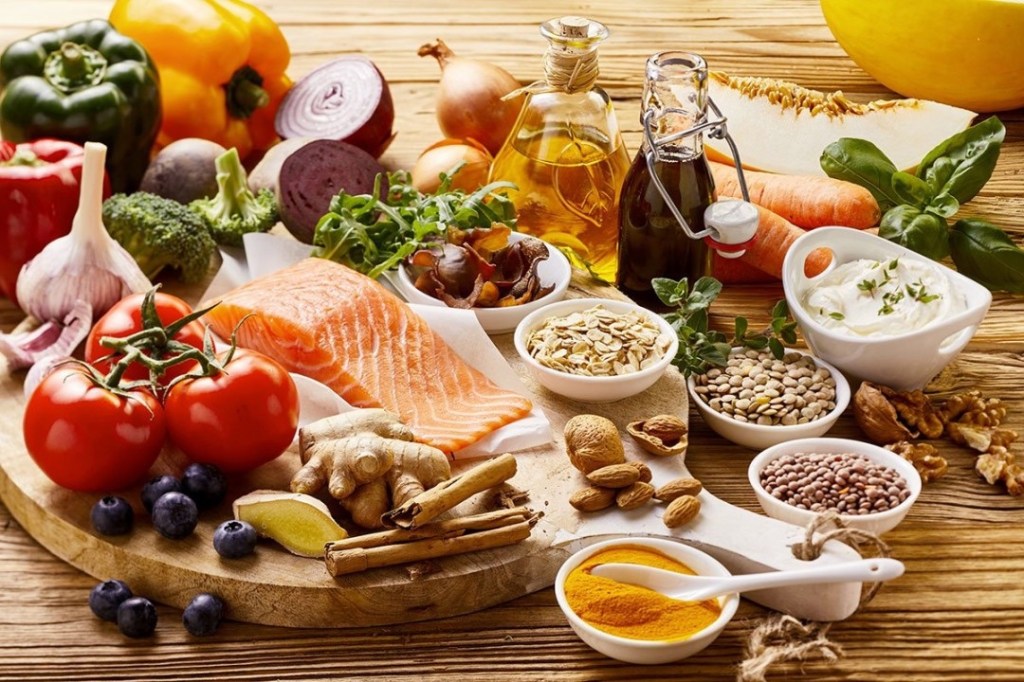
β€’ Balanced diet of healthy protein, whole grains, fruits, vegetables, and healthy fats. Hydration and using supplements for health support.

β€’ Exercise may include moderate activity, such as walking, swimming, or aerobic exercise.

β€’ Prioritising sleep, avoiding toxins like quitting alcohol and smoking, managing stress like meditation, mindfulness tools, and nature bathing.

Whole Foods

10. In a nutshell, mitochondrial dysfunction is very complex in nature and still not completely understood. Mitochondrial dysfunction is differentiated as primary and secondary (acquired) types, and the diagnosis is again very complex. But there is the MDC scoring system, which is beneficial. Millions of people across the world suffer from some types of mitochondrial dysfunctions, which include diabetes, autism, cancer, blindness, heart, kidneys, liver or infertility issues, Alzheimer’s, Parkinson’s and chronic fatigue syndrome. Bringing out lifestyle changes can be helpful to improve the quality of life as well as mitochondrial health.

Thanks for reading.

Peace and love πŸ™

10 important facts about tocotrienols πŸ™Œ

Tocotrienol complex

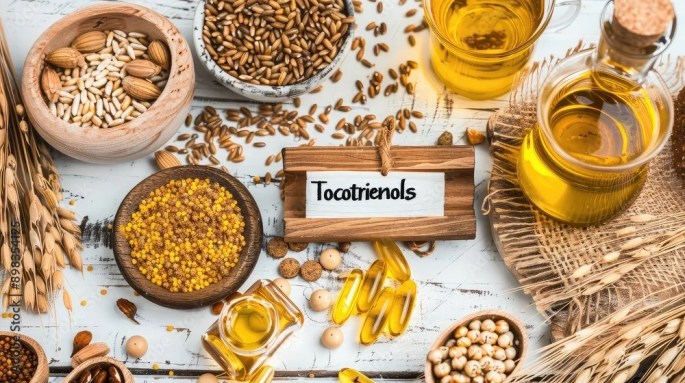
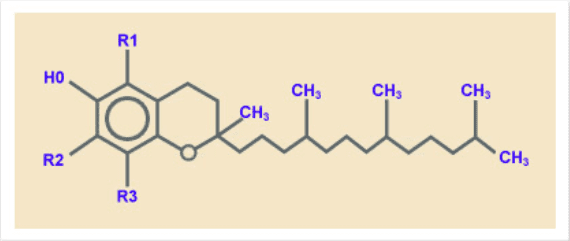
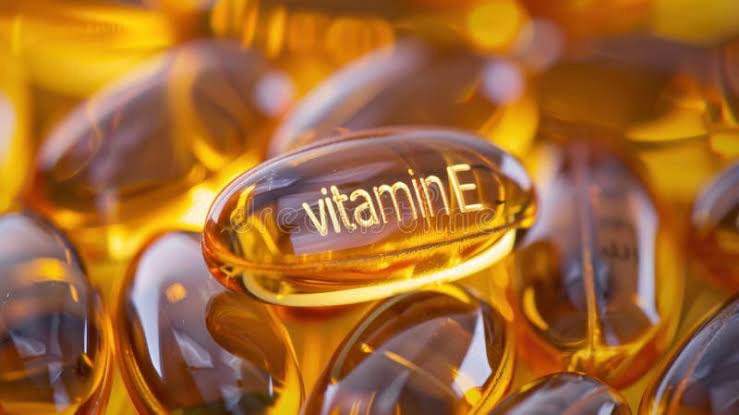
1. Vitamin E is actually a complex of 8 different compounds, which include 4 tocopherols and 4 tocotrienols , each of which can be further divided into alpha, beta, gamma, and delta forms. While tocopherols have been the focus of most research, tocotrienols have not received as much attention. Consequently, many vitamin E supplements available in the market predominantly feature tocopherols, leaving the full potential benefits of tocotrienols yet to be explored.

2.Many Vitamin E supplements on the market primarily contain tocopherol as their main ingredient, which means that their full benefits for the body are not realized. Recent research has shown that tocotrienols are powerful antioxidants with various health benefits. They possess neuroprotective properties, help reduce cholesterol levels, promote skin and hair growth, protect the liver, prevent strokes, and may even help prevent sterility. Additionally, tocotrienols are known to combat inflammation.

3.Actually, tocotrienols help significantly in the body to lower inflammation. Studies have shown that tocotrienols are five times more potent than tocopherols in reducing inflammation. Research has shown that tocotrienols are available in different forms: Delta tocotrienols and gamma tocotrienols, of which delta tocotrienols have five times more potency than tocopherols to fight inflammation in the body. In fact, tocotrienols are far more potent than tocopherols in the prevention of oxidative stress.

4. The widespread benefits of tocotrienols can be summed up as :

β€’ Powerful antioxidant.

β€’ Powerful antimicrobial

β€’ Neuro-protective.

β€’ Anti-cholesterol effect.

β€’ Anti-tumour, anti-cancer,

β€’ Prevents stroke

β€’ Anti-inflammatory, prevents autoimmune diseases.

β€’ Protective to the cardiovascular system, hepato-protective, and promotes hair growth.

β€’ Promotes bone health, especially for menopausal women.

Palm fruits

5. Extensive studies have been carried out on the neuroprotective role of tocotrienols, which have shown very positive results on people with stroke, nerve disorders and neurodegenerative diseases. Studies have revealed that astrocytes play an important role in restoring neuronal cells and protect neurons against oxidative stress. Tocotrienols help in preventing glutamate-induced injury and prevent the death of astrocytes. Therefore, tocotrienols are crucial in minimizing neurodegenerative diseases and stroke.

Annatto

6. There are several studies and clinical trials showing evidence of anti-inflammatory effects of tocotrienols by controlling the inflammatory mediators. Research suggested that tocotrienols block the activation of nuclear factor kappa-light-chain-enhancer of activated B cells (NF-kB), one of the main regulators of inflammatory response. Supplementation of tocotrienols is found to reduce tumour necrosis factor alpha (TNF-alpha), interleukin-1 and phorbol ester. It is a potential agent with significant anti-inflammatory effects in atherosclerosis, thyroid diseases, and autoimmune diseases.

7. Research shows that tocotrienols are usually safe for healthy individuals at a minimum dosage. But they do have anti-coagulant properties, so people with blood disorders should avoid taking them. Some contraindications:

β€’ Individuals allergic to any compound of Vitamin E should strictly avoid it.

β€’ As mentioned already, people with bleeding disorders, or anyone who will undergo surgery, should avoid it as it may slow blood clotting.

β€’ Tocotrienols may interact with medicines like anticoagulants and antiplatelets and increase the risk of bleeding.

β€’ Overdosing should be avoided as it may cause physical symptoms like headache, fatigue and GI symptoms.

β€’High doses of tocopherol can interfere with the efficacy and absorption of tocotrienols.

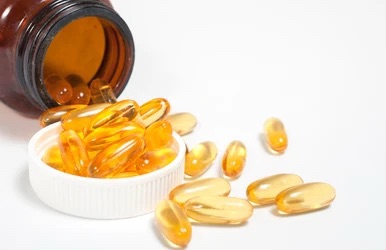
8.Tocotrienols are generally safe when taken by mouth. There is no standard medical recommendation for dosage. However, under medical supervision, the typical dose of tocotrienols in adults is 100mg – 200mg per day. Dosage can vary depending on the specific health requirement. Supplements are mainly derived from palm and annatto derivatives. They are fat- soluble and best absorbed along with a meal.

Edible oils

9. Food sources: Generally, tocotrienols are rarely found in nature. Even if some food sources are available, they are available in very low quantities. Palm oil has the most concentrated and natural source of tocotrienols, but at a very low level, which is not sufficient for potential health benefits. Other food sources are annatto ,edible oils like rice bran oil, grape seed oil, castor oil, coconut oil, peanut oil, linseed oil, cod liver oil, hazelnuts, oats, olive oil, maize, wheat germ, nuts and barley. Fish like salmon, trout, fruit like avocado, mango, vegetables like red pepper, greens, turnip, and squash are rich in vitamin E and its compounds.

10. Takeaway is that tocotrienols are the least known compound of the Vitamin E family, yet they are the most potent antioxidant and have strong evidence of widespread health benefits. Newest studies show that this compound has senolytic properties, a strong immune response, and apoptosis. They can slow down the process of ageing, reduce oxidative stress, and lower malignant potential. Though in small quantities, regular intake of natural sources of tocotrienols is sufficient for a healthy individual. Supplementation is required when medically prescribed.

Thanks for reading.

Peace and love πŸ™

10 facts : Is arsenic in rice, a health issue?

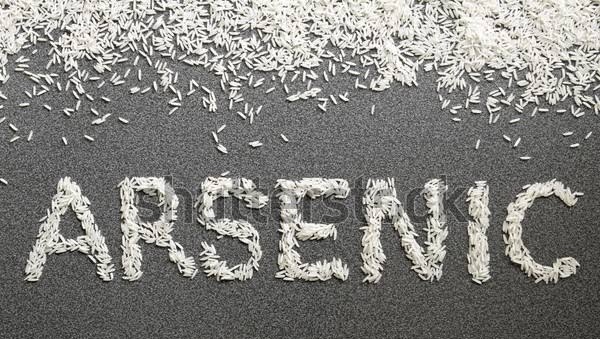
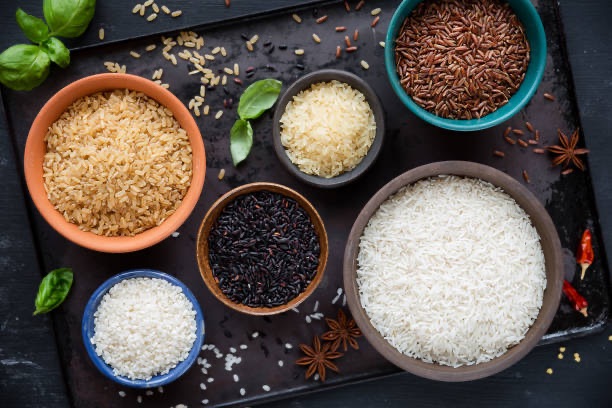
In general, we are exposed to arsenic daily. Not only through food, but also through air pollution, smoking, contaminated drinking water and so on. Rice is the most common dietary source of arsenic, along with fruits, vegetables and grains. Rice and rice-based products are vulnerable to arsenic contamination because of the method of cultivation, especially from the soil and irrigation water in paddy fields. Therefore, white rice, brown rice, rice snacks, rice milk, infant food and rice cereals are all found to have arsenic.

1.Yes, rice eating can give arsenic exposure, depending on the contamination levels, which can be a health concern in the long run. Arsenic contamination levels in rice can vary based on sources, brands, farming methods, and the use of fertilizers and pesticides.Therefore, it is a potential health hazard, especially for rice-eating countries, mainly in Asia. Consistent arsenic exposure can affect different organs, the nervous system, gastrointestinal system and can even cause cancer. Not many studies have been done so far, but research has confirmed that rice contains a relatively high level of inorganic arsenic, which can be toxic and carcinogenic.

2. Rice has been a staple diet for centuries in Asia, unlike in Europe and America. There are different varieties of rice in which the arsenic levels can differ. According to research studies, different varieties of rice can have different levels of inorganic arsenic, such as:

β€’White long-grain rice (regular type) contains a higher level of mean arsenic concentration (ppb) as compared to medium or short varieties of regular white rice.

β€’ Pigmented rice, like red rice or black rice, may have a slightly lower level of arsenic than regular white rice in many regions.

β€’Usually, brown rice, which has a bran and germ covered, is found to have higher levels of arsenic than regular white rice.

3.Research has found that brown rice, red and black rice have around 154 ppb of arsenic concentration, though the quantity varies depending on where they have been sourced. The white rice relatively has a lower quantity of 90 ppm of mean arsenic concentration. Arsenic is a heavy metal which is water-soluble, so the sources are many. It can be contaminated through soil originating from volcanic eruption, mining, power production and other geothermal activities, from irrigated water sources, pesticides, fertilisers and environmental pollution.

4.Different varieties of rice with mean arsenic levels, but the quantities may vary from region to region:

β€’ Arsenic levels are higher in rice grown in the United States and some regions of Europe than in Asian countries like India, Pakistan or China.

β€’ Aromatic rice, like Basmati and Jasmine rice, has a level of around 50-80 ppm, less than regular long-grain rice.

β€’ Medium and short grain white rice contain 80-90 ppm as compared to long grain rice.

β€’ Coloured grain rice, like brown and black rice, contains around 90 ppm.

5.Sources: Organic arsenic can be found in some seafood, seaweed is less toxic than inorganic arsenic, which is found in rice, grains and vegetables. Heath risk of having inorganic arsenic- contaminated rice and other food items can cause heart diseases, stroke, diabetes, cancers, skin and nerve diseases. Arsenic-contaminated infant food and cereals are very toxic to infants and growing children as they can interfere with the growth and development of the brain and nervous system, leading to autistic spectrum disorders, kidney diseases, and gastrointestinal system disorders.

6.Arsenic is odourless and tasteless, water-soluble, and easily absorbed in various food items. Besides, rice, vegetables, grains, arsenic can also be contaminated in poultry, such as chicken meat and eggs. When arsenic-contaminated feed is given to poultry, the arsenic is absorbed by the chicken meat and eggs. Additionally, arsenic-containing drugs administered to poultry and farm animals can lead to contamination, posing a hazard to human consumption.

7.Cutting down rice and grains, and vegetables from the diet is not a solution, as these items are very much part of the staple diet because of nutritional value in a major part of the population around the world. So, the different methods by which arsenic contamination can be reduced in the diet are:

β€’Sourcing the rice from less contaminated regions, also known brands, where the manufacturer mentions on the package.

β€’ Using the type of rice, such as white regular, short and medium-grain white rice. Cooking brown rice with appropriate method.

β€’ Correct method of cooking.

β€’ Alternative use of whole grains like millet, quinoa, oats, and barley.

8.Typical way of cooking rice, where the water dries out, does not change the arsenic level in rice. Instead, an appropriate method of cooking the rice can reduce the arsenic contamination by 50-60 per cent:

β€’ Overnight, soak the rice and drain the excess water.

β€’ Using a larger quantity of water, like a 6:1 to 10:1 ratio, to cook the rice rather than the regular water level.

β€’ Boil the rice and discard the excess water.

β€’ Cook the rice in a pot slowly rather than in a pressure cooker.

9. Unpolished brown rice naturally contains nutrients and vitamins. Many white rice brands fortify the rice with different nutrients and vitamins, too. Rinsing and draining the excess water after boiling causes a lot of water-soluble vitamins and nutrients to be lost. For instance, rinsing white rice thoroughly causes a considerable amount of folate, niacin and vitamins to be removed from the rice. But in the case of unpolished brown rice, the nutrients and vitamins remain inside the bran covering. So, rinsing the brown rice does not affect the nutrients. Hence, brown rice is still healthier than white rice.

10. Therefore, raw, unpolished brown rice can be thoroughly rinsed, cooked in a pot slowly with a large amount of excess water, like pasta in the ratio of 10:1, which can reduce arsenic concentration by 50-40 per cent. At the same time, the quantity of folate, vitamins and minerals in the boiled brown rice remains intact. In this way, the baseline risk of cancer and health hazard reduces by about 60% which is suitable too. So, eating unpolished brown rice, pigmented rice and aromatic white rice can be suitable with the appropriate method of cooking. Also, using alternative grains like quinoa, millet, and barley is considered a healthy option to be included in the diet routine.

Thanks for reading.

Peace and love πŸ™

10 facts: The connection between a bad gall bladder and right shoulder pain πŸ™Œ

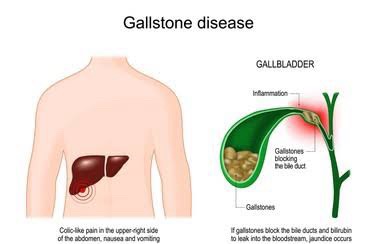
1.The link between the gall bladder and right shoulder and the neck is through the Phrenic nerve. This type of pain is called referred pain as the source of the pain is different from where the pain is experienced.The phrenic nerve runs through the abdomen, goes through the chest and then the neck. So, whenever the gall bladder is swollen and inflamed due to various factors , there is referred pain in the right shoulder blade including the neck. This pain symptom has been a common sign of some chronic gall bladder issues which should not be neglected.

2. Like other abdominal organs, the gall bladder is supplied by the celiac plexus. The nerves from the gall bladder as well as diaphragm converges at the cervical vertebrae C3-C5 of the spinal cord. Therefore, if there is any issue in either the gallbladder or diaphragm can cause pain in the neck and right shoulder blade (scapula).

3. Inflammation in gallbladder, cholecystitis, biliary sludge, gallstones, cancer or tumour in the gallbladder can cause referred pain in the right shoulder region and neck due to the above mentioned shared nerve pathways. Other than the pain in these regions, there can be other symptoms to confirm like nausea, vomiting, fever and jaundice which can indicate problems in the gall bladder.

4. It is not always that neck and right shoulder pain is linked to liver and gall bladder issues. There are still many reasons for causing neck and right shoulder pain which may not be related to gallbladder. Some of the common causes can be:

β€’ Inadequate sleeping posture like sleeping in the stomach or with a wrong pillow position.

β€’ Wear and tear of nerves and vertebrae or discs.

β€’ Poor sitting posture at work desk, in front of the computer.

β€’ Whiplash.

β€’ Cervical spondylosis or osteoarthritis.

β€’ Carrying heavy objects causing strain and tension in the neck muscles.

β€’ Stress and anxiety due to physical and mental strain.

5. Cardiac issues like stable angina where the heart does not receive enough blood can cause neck and right shoulder pain. When the heart muscles remain hypoxic, it can send signals to the spinal cord, causing a dull aching pain in the neck and right shoulder. In such cases, there are other symptoms which can accompany like sweating, nausea and shortness of breath which can help to diagnose the condition.

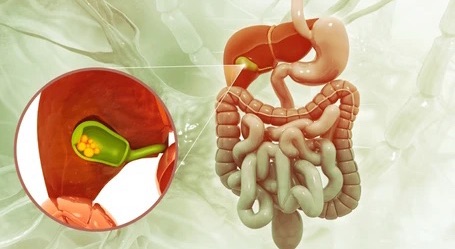
6. Gall bladder is located on the right side of the abdomen and responsible for secretion of bile for fat digestion and connected to the liver by the hepatocystic duct. As mentioned already, gall bladder is inflamed due to cholecystitis, gall stones, bile sludge and cancer. The symptoms can be vague and indicate a referred pain in right shoulder blade which can change later to a steady pain in the right abdomen. Therefore, it is important to visit a surgeon to rule out the diagnosis and further complications.

7. Gallstones are formed when bile is accumulated forming a mass which can be of varied sizes even upto a ping pong ball. When gall stones are formed, they can block the pessage of bile flow from the gall bladder which causes the organ to be inflamed and swollen. This in turn irritates the phrenic nerve which results in a dull aching pain on the neck and right shoulder blade as the nerve runs through these regions.

8. People who are risk of gall stones can be :

β€’ Diabetic

β€’ Obesity

β€’ Woman are more prone

β€’ Lost weight rapidly

β€’ Fasting

β€’ Aging , mostly over 60

β€’ Cholesterol lowering drugs.

9. Diagnosis of neck and right shoulder pain is examined by performing the physical examination and medical history and tests:

β€’ Medical history to rule out other associated symptoms, injuries.

β€’ Physical examination of tenderness, rigidity, abnormality, movement of neck and shoulder including abdominal examination for causes like inflamed gallbladder.

β€’ Imaging tests like ultrasound, X-ray, CT scan

β€’ Blood tests for inflammation and infections

β€’ ECG to rule out cardiac causes like angina or heart attack.

10. Management of right shoulder and neck pain depends on the underlying root cause:

β€’ Neck and shoulder stretches to ease the stiffness when there is no underlying cause and sign of referred pain.

β€’ Pain medication and chiropractic care.

β€’ Cervical laminectomy or shoulder replacement.

β€’ In case of underlying causes like inflammation or infection of gallbladder, cholecystitis, gall stones, depending upon the severity, either conservative methods or surgical option is required.

Thanks for reading.

Peace and love πŸ™

10 facts: Is dairy essential for overall wellbeing?

1.Whether, dairy is good or bad, still remain subjective. Dairy commonly known to offer many nutritional benefits, but it is not absolutely essential for maintaining overall health and well-being. In ancient times, when survival was challenged by harsh weather conditions, humans began consuming raw animal milk due to a scarcity of food. As these populations migrated from one geographical region to another, they gradually developed genes that allowed for lactose tolerance. This is how dairy became incorporated into the human diet. Today, many individuals may find dairy consumption uncomfortable.

2.Research has shown that though dairy is a good source of protein and calcium, it is not mandatory that without them, you can be deficient in this nutritional benefit. Having a regular balanced diet which is rich in pulses, leafy vegetables, and nuts can provide you with a better source of protein, calcium and loads of other nutrients than depending on dairy products. Though milk has been considered as wholesome food for both children and adults and is consumed throughout the millennia, many studies have shown cases of lactose intolerance and health risks to individuals through dairy. So, if you are not tolerant of dairy, it is important to avoid it, as there are plenty of other food sources which can provide the same nutrients.

3. Lactose intolerance: People who are lactose intolerant lack the enzyme lactase, which breaks down the sugar in milk. So, such individuals suffer from digestive distress and have different symptoms after consuming milk and dairy products. About 65% of the world’s population suffers from lactose intolerance. Lactose is found in almost the same amount in both A1 and A2 milk. So, people with lactose intolerance should avoid both A1and A2 milk. People with lactose intolerance may suffer from symptoms :

β€’ Gas.

β€’ Bloating.

β€’ Stomach pain.

β€’ Vomiting.

β€’ Diarrhoea.

4.Studies show lactose intolerance is mainly due to gut sensitivity and lactose malabsorption. Most of the varieties of milk and milk products contain lactose, such as cow, goat,buffalo or sheep. Again, fresh milk, curd, and cream contain more lactose than cheeses. Lactose in dairy is used in many other products like processed food, biscuits, cookies, soups,snacks, and dressings. Therefore, if you are sensitive to lactose, all these food items can cause trouble when consumed. People need to read the labels of ingredients while consuming such products. Nowadays, many dairy products are made with the lactose being removed, such as some cheeses, lactose free milk, yogurt.

5.Allergies: Allergy to milk or dairy products can appear as early as childhood, wherein there may be mild to severe symptoms on consuming them. This is an atypical immune response resulting in various symptoms. Sometimes, it is life-threatening, which is known as an anaphylactic reaction.But, fortunately, with growing age, most of the time, the allergy disappears and dairy can be consumed without difficulty. In some individuals, the allergy can continue lifelong. Cow’s milk contains an allergen which triggers an immune response. But, some people may be allergic to other milks too, like sheep, goat or buffalo. Milk allergy is caused by milk proteins like casein and whey. Symptoms can be:

β€’ Tightness of throat

β€’ Swelling of the tongue

β€’ Hives

β€’ Stomach pain

β€’ Vomiting, diarrhoea

β€’ Persistent, cough, dizziness.

6.Inflammation: Though dairy may not be related to inflammation in most people. But studies do suggest that some people may be sensitive to beta-casein A1 protein found in most of the cow’s milk, which is connected to systemic inflammation. Long-term consumption of dairy is found to have a lowered anti-inflammatory effect in the body in those who have pre-existing conditions, metabolic abnormalities and are overweight. Some studies showed that milk processing causes changes in the basic components of milk, which can trigger inflammation in some individuals.Different small studies showed that raw milk consumption, due to its vast microbiota, increased the release of cytokines, which had a pro-inflammatory response. Again, UHT, homogenised high-temperature milk also showed pro-inflammatory cytokine release production both before and after digestion. Therefore, dairy can be inflammatory in some individuals depending upon some pre-existing conditions of autoimmune, metabolic and degenerative chronic conditions. Observation is important to pinpoint the type of food which can trigger an inflammatory response.

7.Several types of milk are available in the grocery aisle of a supermarket, including whole milk, low-fat milk and skimmed milk. Apart from this, several varieties of milk and dairy products of different sources like cows, buffalo, sheep and goat are available. Organic milk and grass-fed milk, which are anyway organic, do show a higher amount of Omega-3 than regular milk. Saturated fat contained in milk previously did show a relation to a higher risk of cardiovascular disease and stroke. But recent studies did not show direct evidence of this correlation. In terms of calories, Skim milk can be a better choice, which is loaded with vitamins, minerals, calcium and fewer calories.

8.Calcium absorption: Though in children and infants, calcium is absorbed about 50-60% from milk. But, as age increases, calcium absorption starts declining. It decreases about 25% as age increases and continues to decline. So, calcium from milk sources hold no significant for maintaining bone health. Chronic conditions like osteoarthritis and osteoporosis appear as age advances due to calcium malabsorption. So, to optimise calcium intake, other calcium rich food, calcium supplements should be taken to strengthen bone and muscles.

9.Commercial milk, mostly in Western countries, is produced by a breed of cows (Holstein, British Shorthorn, Friesian) whose milk contains A1 beta-casein. Research shows that A1 casein is difficult to digest and may create digestive issues in some individuals. A2 beta-casein milk protein are found in breeds of cows like the Indian breed, Guernsey, Jersey, which is much lighter and healthier for gut health. Most regular commercial milk contains both A1 and A2 beta-casein, while A2 milk marketed contains only A2 beta-casein.

A small amount of oestrogen naturally found in milk has no harmful effect on humans. Commercial farms inject synthetic growth hormone into cows for fast growth. Exogenous oestrogen is injected into pregnant and lactating cows to increase milk production. This is also done in other animals like buffalo, sheep and goats. Studies showed that such commercial milk consumption can lead to gonadotropin suppression in men and early sexual maturation in prepubertal children. But, most cheeses do contain medium chain triglycerides, which are healthy for the body and mostly the hormonal effect is gone.

10.Dairy as a food type is a range of heterogeneous items, ranging from different varieties of milk and milk products from different sources. Though dairy continues to be an easy and common source of nutritional benefits, many studies do highlight the harmful effects of dairy on human health. Therefore, some people have considered going dairy-free. In general, dairy is not necessary for overall health and wellbeing; there are other ample sources of food items like plant-based milk, green leafy vegetables, legumes, nuts and seeds, quinoa and oats to maintain health and wellness.

Thanks for reading.

Peace and love πŸ™

10 facts: Are Psyllium husks gut-friendly?

1. Psyllium husk is derived from seeds of the plant genus Plantago ovata. It is rich in water-soluble and unfermentable dietary fibres. It is used in food and nutraceutical industries. It has become popular due to its various health benefits. Psyllium is used as a fibre supplement because of its mucilage content. The mucilage is obtained by grinding the seeds of the Plantago group. These plantago seeds are often referred to as psyllium husks.

Gut- friendly

2. Psyllium husk has been used as a food thickener, fibre supplement, binding agent, gelling agent, and so on. Research studies have shown that it is rich in soluble fibres. So, it has been used as a laxative, which eases bowel movements, making it gut-friendly. Studies have shown that since it eases constipation, it helps to prevent complications like bloating, gas, haemorrhoids, and anal fissures.

Heart friendly

3. Some research shows that it benefits heart health too. Adding psyllium to a daily diet can lower the level of LDL ( bad cholesterol) and can help to maintain cholesterol levels. As we know high cholesterol can lead to conditions like chronic heart diseases, hypertension, diabetes, stroke and heart attack. So, adding psyllium in diet can help to prevent such conditions by maintaning the blood cholesterol levels.

4. Since psyllium is rich in fibres, adding them to a daily diet can even help to maintain the glycemic balance. Therefore, having a diet rich in fibre can be an important step in maintaining the balance of insulin and blood sugar. Psyllium can be a healthy prebiotic too, which can help to produce healthy bacteria and probiotics in the gut.

Weight management

5. A 2023 review study has shown that adding a moderate amount of psyllium fibers to the diet can help reduce weight in people who are overweight and obese. Managing weight can help to reduce the risk of chronic conditions like heart diseases, high blood pressure, gallstones, and breathing issues. Therefore, using of psyllium husk can be used for weight management but, off course under guidance of trained dietary experts.

Constipation

6. Studies have been carried out with the use of psyllium husk in the treatment of irritable bowel syndrome (IBS). The symptoms of gas, bloating, and constipation of IBS have been reduced or the frequency of symptoms can be minimized by the use of psyllium in the daily diet of such patients. This significant change has been reviewed in various research on IBS treatment. Hence, the use of psyllium is found to be suitable in the treatment of IBS.

7. Psyllium is also referred as ispaghula for its mucilaginous compound. It has been used in a variety of herbal medicine to treat various ailments in Asian countries like India and China. It is used to treat skin irritations, bladder problems, wound healing, high blood pressure and digestive problems. Studies do show that psyllium has gelatinous properties, and natural polymers for wound healing and scar reduction.

8. Regarding its uses in various functional food products, for its tremendous health benefits. It has many metabolic effects, lipid-decreasing effects, anti-diabetic, anti-hypertensive, delayed gastric emptying and lower glycemic index. Clinical studies have shown that it decreases the rate of glucose absorption, lowers the post-prandial insulin, and lowers LDL cholesterol by reducing bowel absorption. For its rich source of dietary fibre, it eases bowel movements and relieves constipation.

9. Psyllium is an important source of water-soluble fibre, hydrocolloid in nature due to its solubility and viscosity. The gum extracted from psyllium husk is used in various food items like gluten free bread, pasta, pizza, cookies, ice-creams, jams and myonnaise. It is used as a gluten replacement and also added with the various nutritional benefits to the food products. Due to its prebiotic benefits, it has been very popular as a gut-friendly ingredient in food items.

Bakery items

10. Commercially, psyllium is available as in powder or particle form derived from the seeds of the Plantago plants. It is conventionally used as a laxative agent, and as dietary fibre supplements, in various functional food products, nutraceutical industries, and food industries in breakfast cereals, bakery products, desserts and snacks. Psyllium has no known serious side effects except sometimes may have allergic reactions. The dosage of psyllium is around 5-10 gm with a meal or with water as a supplement. The dosage can be increased gradually if it is tolerable. As I always mention, it is important to follow instructions from experts or Physicians while using.

Thanks for reading.

Peace and love πŸ™