
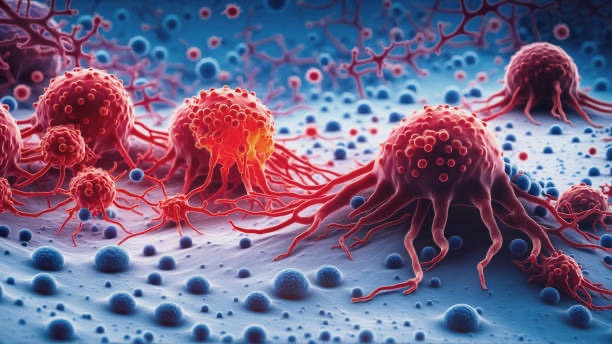
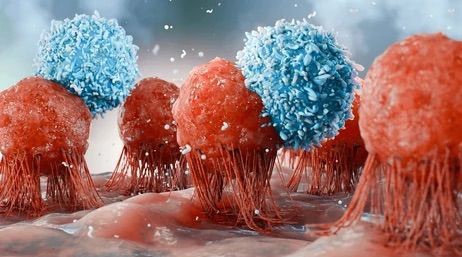
1.Carcinogens are chemicals which are found to increase the risk of cancer. According to WHO,1 in every 5 people develop cancer in their lifetime, which is quite alarming. Around 10 million people die every year world wide. Many strict regulations are already in place in various countries across the world, banning certain chemicals which are found to pose grave concerns to human health, including cancer risk. Personal care products including cosmetics use various chemicals and perfume to get the expected effects where some of the chemicals may result in health concern on long term use. Not all chemicals are tested properly, or they may not go through toxicity trials or animal testing. Research methods may sometimes differ from how the product is used by customers daily and in what quantity, it has been used. But, in spite of Regulations and Laws, it is important to have general awareness amongst individuals before purchasing any product.
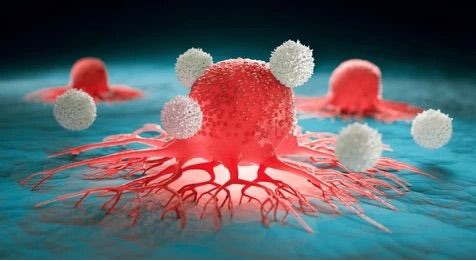
2. IARC: The International Agency for Research on Cancer, depending upon the cancer risk, has classified different agents based on evidence-based research :
Group 1: proven to be carcinogenic, like Alcohol, tobacco smoking, asbestos, formaldehyde, Benzene, sunlight (UV radiation)
Group 2A: Probable carcinogen with evidence of association with cancer risk, such as occupational hazards in case of hairdressers, shift workers (disruption of circadian rhythm), refinery workers.
Group 2B Possibly carcinogenic where there are limited evidence of an association with cancer risk. These categories include professions like firefighters, regular exposure to magnetic fields, diesel fuel, dry cleaning, textile manufacturing.
Group 3: Categorised as not classified, meaning that it is not possible to classify as carcinogenic based on evidence. Some examples include chlorinated drinking water, hair dyes, fluorescent light, and electric field exposure.
Group 4: Not carcinogenic, such as caprolactam used in the manufacture of synthetic fibres.
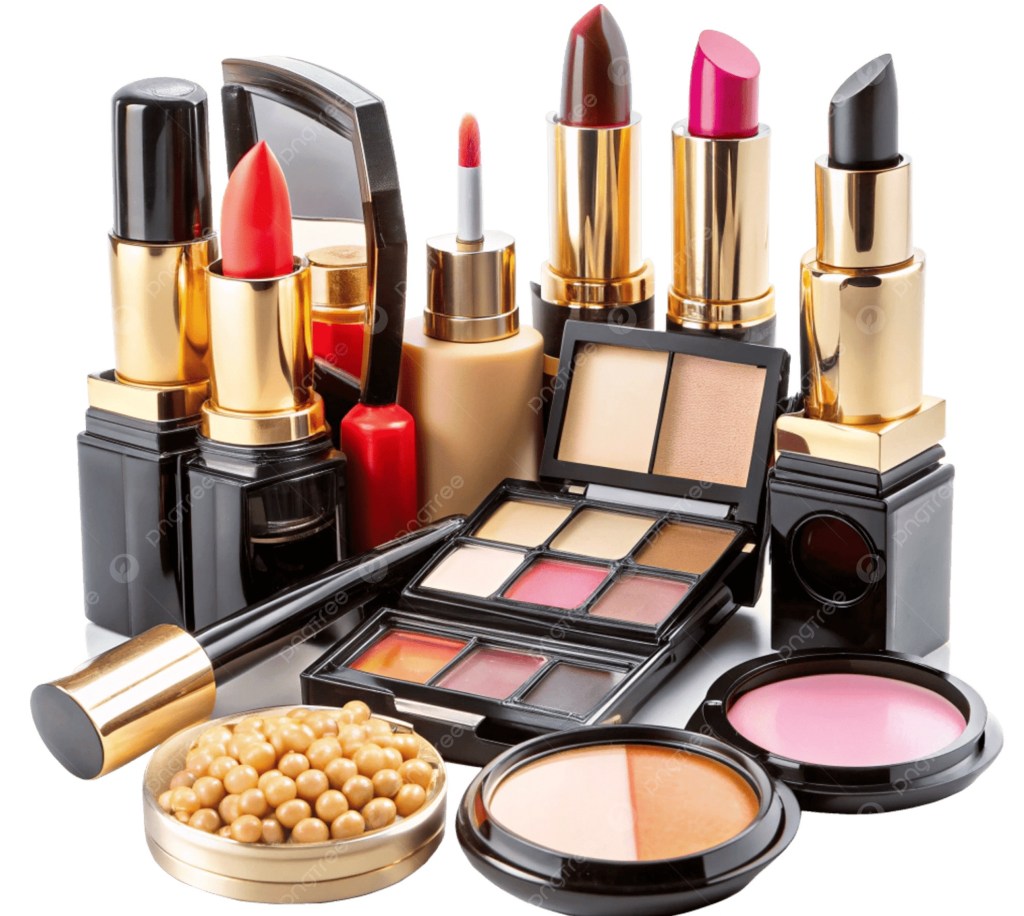
3. Many studies are carried out and are still going on in different countries for daily-use products like personal care and beauty care products. Some chemicals are banned from using in products which gave strong evidence of cancer risks. There is no specific product which has been proven to cause cancer presently in the commercial space for personal care. But, as far as consumers are concerned, there are products which should be avoided as they can be a health hazard. Some of them are:
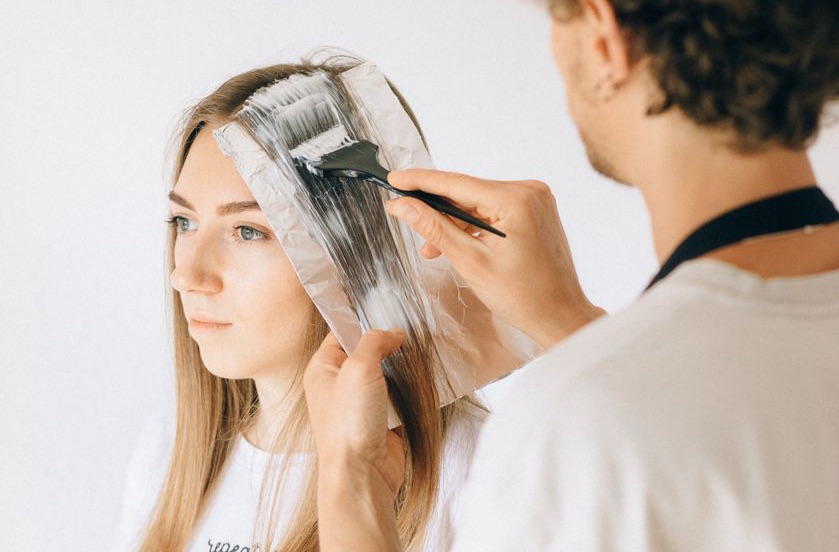
• Hair dyes which contain coal tar derivatives, phenylenediamines.
• Hair straightening treatments which can release formaldehyde gas.
• Nail polish, which contains formaldehyde or formaldehyde-releasing preservatives.
• Shampoos containing traces of benzene.
• Talc powder, blushes and face powder containing traces of asbestos.
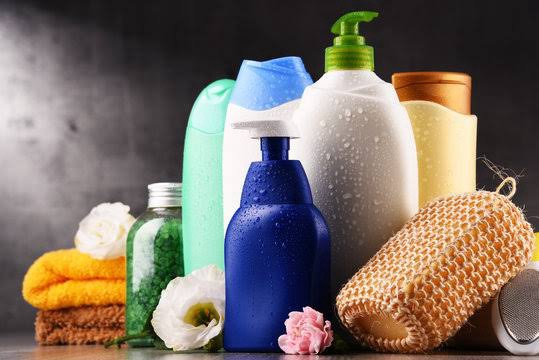
4. Formaldehyde: According to IARC, formaldehyde is categorised as a Group 1 carcinogen, meaning that it has been proven to be a carcinogen by evidence-based studies. It has been linked to various cancers like the nasal cavity, paranasal sinuses and nasopharynx. Also associated with blood and bone cancers. Formaldehyde is used in cosmetics, beauty products as preservatives which in course of time breakdown and emit formaldehyde releases. Products containing formaldehyde, and labels of items which contain DMDM hydantoin, diazolidinyl urea, quaternium-15, bronopol, sodium hydroxymethylglycinate should be completely avoided. Common products which contain formaldehyde or its derivatives include:
• Hair products like dyes, shampoo, hair straightening agents, conditioners.
• Make-up items.
• Nail polish, face creams, eyelash glue, false eyelashes.
• Body lotion, body wash (water-based products)
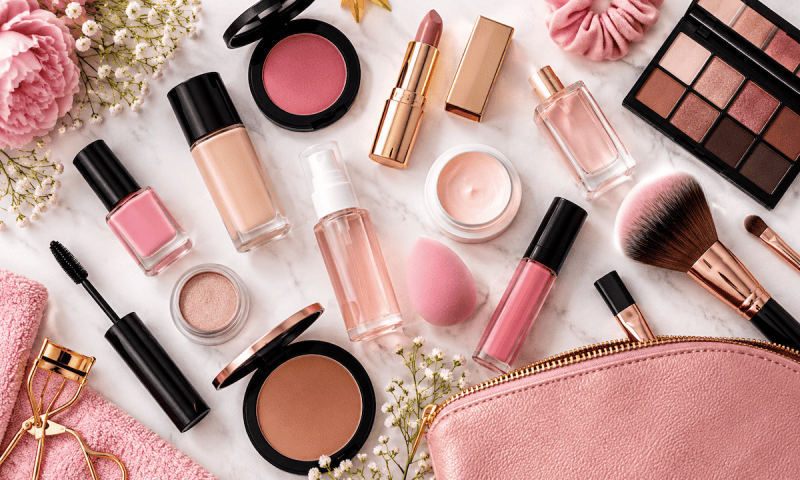
5. Apart from formaldehyde and its releases, other chemicals which are definitive proof of carcinogens such as :
• Benzene, which can be a trace contaminant in products like sunscreen, dry shampoos.
• Coal tar found in anti-dandruff products, hair colours.
• Talc, where traces of asbestos are found.
• Phenacetin is used as a stabiliser in products like hair colours, facial bleach, and depilatories.
• Ethylene oxide is prohibited in cosmetics but commonly exposed in tobacco smoke and automobile exhaust. It is commonly used to sterilise medical instruments.
• Heavy metals like chromium, cadmium, and arsenic (as a contaminant) are found in facial lotion, cream, shampoo, and foundation.

6. Mineral oils: Mineral oils are crude oils which can be refined and unrefined, used in various personal care products. Mildly treated mineral oils contain PAH (polycyclic aromatic hydrocarbons), which are categorised as carcinogens, especially benzopyrene. PAHs can damage DNA when entered in the body, they are reactivated by the enzymes and bind with DNA causing mutation. Then cells can rapidly multiply and can cause tumours. Long-term exposure can cause skin, bladder, and lung cancers. Beauty products where mineral oil can be used include hair colors, hair styling products, lipstick, lip gloss, facial bleach, moisturiser, blushes, concealer, and eye shadow.
7.1,4 Dioxane: This compound has been found in traces in cosmetic products, detergents, emulsifiers, and foaming agents. It is not intentionally added but instead used as a byproduct of manufacturing these items. This compound has been proven to be a potential carcinogen by agencies like the FDA. To find 1,4-dioxane, look at the labels of products that contain the “word” like “-eth-“ or “-oxynol-“, PEG, Polyethene, Polyethene glycol, Polyoxyethylene.
8. Endocrine disruptors: Certain substances used in many personal care products may disturb the endocrine functions in the body, which can lead to cancers like breast, ovarian and prostate cancers. These substances disturb the levels of oestrogen, progesterone and testosterone in the body. Substances like Pthalates, Parabens, Benzene, and Bisphenol A (BPA)
9. Safety: Beauty and personal products should always be purchased with proper certification like COSMOS or Ecocert. Any unregulated product should be avoided. Most beauty brands do follow the regulations and Laws of the Regulatory Bodies of the particular country of origin. Some of the tips are:
• Usually, plant-based products with fewer ingredients are preferred.
• Use products which are labelled scent- free and fragrance-free.
• Use powders or blushes using rice starch, bamboo silica and arrowroot powder.
• Instead of petroleum pigments, use mineral oil pigments like zinc and iron oxide.
Any product containing formaldehyde, or its releases like DMDM hydantoin, imidazolidine, coal tar, Pthalates, benzene should be avoided.
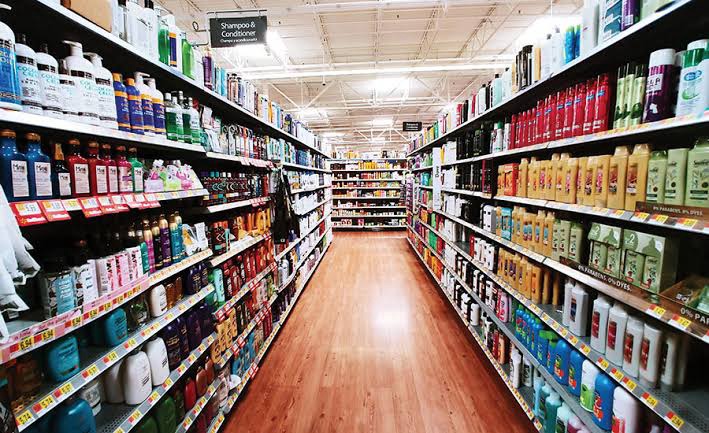
10. Takeaway: Studies have already shown that beauty and personal care products do contain many chemicals which are not just hazardous but carcinogenic to human health. It is important to discard all the toxic products that you have already purchased. Instead, look out for plant-based, clean products which are known to be safer. Always prefer products with natural, simple ingredients. It is important to read the label before buying any product, and not be satisfied with marketing gimmicks like “natural” or “organic” written on the front of the item. Always do a skin test ( patch test) before directly using a new product on the skin, face or body.
Thanks for reading.
Peace and love 🙏


Thank you for sharing this informative and thought-provoking piece. 🙏 Cancer awareness is indeed important, especially when we are surrounded by so many products and environmental exposures in our daily lives.
I particularly appreciate your emphasis on awareness rather than fear. Understanding what research says, reading product labels carefully, and making informed choices can help us take greater responsibility for our long-term well-being. Prevention begins with knowledge, and knowledge empowers us to make wiser choices.
LikeLiked by 2 people
Thank you so much for your thoughtful comment. Yes, awareness is the key.
Really appreciate your kind input 🙏
LikeLiked by 2 people
Very informative well shared 💐
LikeLiked by 3 people
Thank you so much!
LikeLiked by 2 people
💐
LikeLike
It is scary to think about all that stuff that is out there that we have no idea that we are using. Thank you for sharing this.
LikeLiked by 1 person
Yes, awareness is the key. Thanks a lot for your thoughtful response.
LikeLiked by 1 person
Very useful information helping us to choose and be aware and informed.
LikeLiked by 1 person
Thank you so much for your kind response.
LikeLiked by 1 person