


10 facts: The effect of Humming Bee sounds on health 🙌

1. A humming bee sound made by a person is defined as a low-frequency sound made with the mouth closed and the throat open. This sound causes the air to be forced through the vocal cords, vibrating the chest and the head. This sound is usually a voluntary noise which can be made by the person while exhaling. If it is not a voluntary noise made by a person, it can be linked to low-frequency tinnitus, which can cause significant distress. Otherwise, this humming sound voluntarily made causes some amazing benefits to human health, both physically and psychologically.

2. Humming is a low-pitched sound made by an individual voluntarily with the mouth closed. Such a sound is usually made by monks and yogis as a routine meditation practice. This sound has the capability of impacting both emotional and mental health. Studies have shown that humming can promote a state of calmness, peace, and stability. Humming as a mindful practise can significantly impact emotional stress, sleep and physiological health. It can improve focus and attention.

Stressful

3. The power of simple humming can have a significant impact on psychological health. The benefits are many, as such :

• Stress is significantly lowered with humming by stimulating the parasympathetic nervous system.

• Routine practice of humming can increase the HRV, heart rate variability by reducing the heart rate and help in cardiovascular health.

• Humming increases focus and attention by improving cognitive ability.

• Promote respiratory health by increasing lung capacity.

• Humming can signal the autonomic nervous system to promote sleep and relaxation.

4. Humming as a quick tool for stress relief: It can be done anywhere without any equipment.

•Sitting or lying down in a comfortable posture.

• Closing eyes, taking 2-3 deep breaths, inhaling through the nose and exhaling through the mouth.

• Making a “mmmm” by inhaling deeply through the nose with the mouth closed, as you exhale, the low-pitched sound is produced, and the vibration can be felt on the chest, throat and head.

• Notice the vibrations as they travel through the body, which helps to release the stress.

• Continue for 5-10 minutes, and you will suddenly feel lighter and more relaxed.

5. Chronic stress response can increase anxiety, inflammation and sleep problems. Regular practice of humming can help to combat stress by lowering cortisol, the stress hormone.

Producing the humming sound will create vibration in the throat and chest, which in turn stimulates the vagus nerve. By stimulating the vagus nerve, the parasympathetic nervous system is activated and lowers cortisol, which creates the “fight or flight “ response.

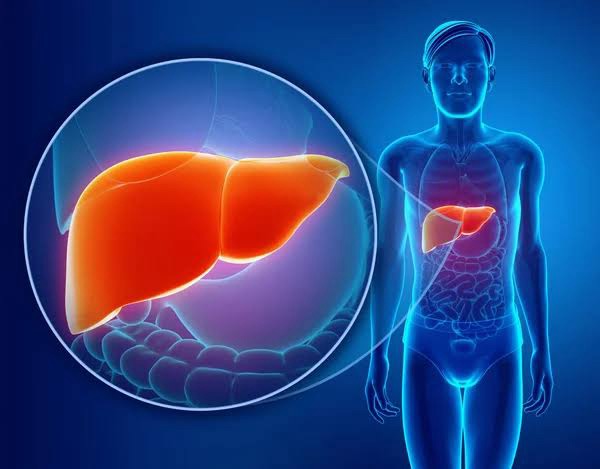
6. Humming and Vagus Nerve: The Vagus Nerve runs through the larynx (sound box) and throat (pharynx) before reaching different organs of the body, like lungs, heart, liver, stomach and intestines. So, when the humming sound is made in the throat, there are mechanical vibrations that reach the throat and chest. These vocal vibrations stimulate the parasympathetic nervous system, which quickly shifts the body from a “rest and digest” response to a “fight or flight”mode. The parasympathetic nervous system activation also helps to lower the heart rate, lower the cortisol level and reduce the overall tension and stress in the body.

7. Humming and nitric oxide (NO): Nitric oxide is naturally produced in the body during exhalation, which acts as a natural defence mechanism to clear the airways from pathogens. It also acts as a vasodilator and supports cardiovascular health. Humming naturally increases the level of NO (Nitric Oxide) in the nasal passage. The humming sound causes the mechanical vibration in the throat and chest, which in turn oscillates the airflow through the sinuses, where the concentration of NO levels is maximum. Therefore, the simple practise of humming can increase the level of NO manifold times than a normal rhythm of exhalation.

8. Humming, a tool to cope with overthinking: Overthinking is an issue commonly suffered by the majority in today’s time of uncertainty. The mind is filled with repetitive thoughts, negative thoughts, and racing thoughts. Humming can be an effective tool to combat overthinking. Focusing on the humming sound can divert the awareness to let go of repetitive thoughts, allowing one to regain control of the mind and give peace. Regular practise of humming can lower anxiety, mental tensions and restlessness.

9. Humming, a tool for meditation and Yoga: In Yogic tradition, for thousands of years, Humming Bee breath is a kind of Pranayama ( breathing technique) known as “Bhramari”, which is regarded as a powerful breathing technique to calm the mind and create inner peace. In many Ancient Indian texts, it was considered that this humming bee breath creates a resounding echo to enhance mental clarity, reduce stress and bring mental peace and well-being.

10. Takeaway: Humming is indeed a powerful breathing technique which can instantly quiet the mind, help to break the loop of negative, unnecessary thought patterns by helping the mind to focus your awareness on the echo of the humming sound. Neuroscience research has shown that the practise of the humming bee technique can help to bring mental clarity, let go of unnecessary thoughts, calm the nervous system and enhance emotional wellbeing. The deep vibration of the throat and the chest created by the humming sound stimulates the Vagus nerve, helps to reset the mind, and lowers stress and blood pressure.

Thanks for reading.

Peace and love 🙏

10 facts: Is AHCC, a beneficial supplement?

1. AHCC (active hexose correlated compound) has been used as a nutritional support, initially used in Japan and other Asian countries and now widely used by the rest of the world as well, as a potential immune booster. AHCC is a product derived from a group of fungi, like mushrooms of different varieties, found to have strong immune support benefits and anti-cancer effects. Research studies have found that it has strong immune potential benefits of fighting against the human papilloma virus (HPV), though it is still not regarded as a medical treatment.

2. AHCC is a polysaccharide, enriched in alpha-glucan and beta-glucan compounds, derived from a long-term culturing process of mushrooms like Shiitake. Studies show that glucans stimulate an immune-boosting response in the human body. Initially, it was used in Japan as a complementary supplement used by cancer patients along with the protocol treatment. Now, it has been widely used by the rest of the world too, as a general health and wellbeing and treating various chronic diseases as a supportive nutritional supplement.

3. For centuries, in traditional medicines, mushrooms have been widely used in many countries, such as Japan and China, for their strong beneficial effects on the human immune system. AHCC was first launched in Japan in the 1980s, after extensive research and clinical trials were found to have a direct effect on enhancing the non-specific immune functions of the human body. It is a blend of polysaccharides, large sugar polymers mainly derived from the cells of shiitake, lion’s mane and mistake mushroom mycelia. Studies show that these polysaccharides stimulate the human immune cell receptors of the gut that recognise pathogens like bacteria and viruses.

Shiitake

4. AHCC has been widely used as an immunomodulatory supplement to stimulate the receptors of the human immune cells, like Natural killer cells, T-cells and cytokines. Some of the known benefits are:

• HPV infections: Daily intake of AHCC can help to clear high-risk, persistent HPV infections.

• AHCC significantly improve the activity and elevates the numbers of human immune cells like Natural killer cells, T-cells, dendritic cells and boosts the human defence mechanism against pathogens.

• Support cancer therapy: AHCC helps to support the immune system, delay tumour surveillance, improve prognosis, and lower the side effects of chemotherapy, which is otherwise quite harsh on the individual.

• It has anti-inflammatory effects, reduces oxidative stress and has hepatoprotective effects.

Shiitake

5. Liver Protection: Research has shown that AHCC have hepatoprotective properties as it has a powerful response to fight inflammatory reactions. Some of the hepatoprotective responses of AHCC include:

• Increases anti-inflammatory cytokines.

• Suppresses inflammatory biomarkers in case of liver injury.

• Promote liver regeneration.

• Elevates anti-apoptotic factors.

Lion’s mane

6. AHCC is a nutritional supplement, not a replacement for medical treatment. Indications of such a supplement should be under a physician’s guidance rather than self-therapy. Individuals indicated for AHCC are generally :

• Individuals seeking immune support for those who are undergoing chemotherapy and the path of recovery, and a better prognosis.

• A woman with a high risk of HPV infections.

• Individuals with chronic illnesses need immune support and resilience.

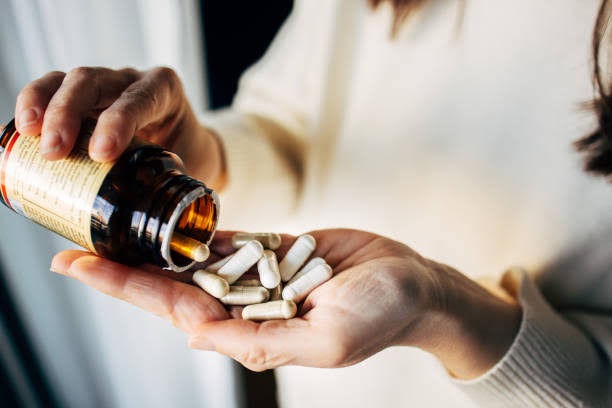
7. Side effects: There are no data on severe adverse effects except mild symptoms like nausea, vomiting or bloating. AHCC are available in capsule and powdered form. For safety issues, it should be consumed under a physician’s supervision. Since it is available widely, poor, low-quality products should not be used, as they will not yield any result. High-standard brand products like verified tested potency, transparent labelling, and GMP-certified manufacturing products should be used to get results. AHCC does not give immediate results; the effects are gradual, lasting change in the immune system.

8. Precautions: While there is no data on severe side effects of AHCC, safety precautions before using the supplements are mandatory. Generally, it should be used under health care supervision. Dosage is usually around 3 grams daily, in divided doses. Precautions and safety measures are important to individuals, such as:

• Individuals with autoimmune diseases like Lupus and rheumatoid arthritis.

• Breastfeeding or Pregnant women and young children.

• An individual with chronic illnesses on regular medication, such as blood thinners, diabetic drugs, and immunosuppressive drugs.

9. Aid to cancer treatment: Though AHCC is promoted as an aid to cancer therapy, evidence-based studies are still very limited. The effect is very preliminary and only supportive as a dietary supplement. Some of the proposed uses of AHCC are advocated as :

• Reduces chemotherapy side effects.

• Aid in inflammatory bowel disease.

• Reduces the risk of cancers like liver cancer.

• Aid in alcohol related liver disease.

• Lowers the risk of HPV infections.

10. Takeaway: The use of food as a dietary supplement for general wellbeing and aid to treatment of chronic illnesses has been widely recognised, as much research has established promising outcomes in modern medicine. AHCC, through different studies, has shown strong evidence of enhancing the immune system, increasing Natural killer cells and dendritic cells. It has shown potential benefit in lowering HPV infections. Therefore, the choice of AHCC to be used as a supplement should be made under your Physician’s guidance, knowing and evaluating your health circumstances.

Thanks for reading.

Peace and love 🙏

Silent Saturday 💚🍃

Peace and love 🙏

10 facts : Cumin, a robust spice 🙌

1. Cumin is a common spice, scientifically known as Cumin cyminum, mostly used in Indian,South Asian, and Middle Eastern cooking for a variety of dishes and also used for tempering with lentil soups and blending with other herbs. It has been used for centuries, but apart from adding aroma, taste and flavour to meals, people were not so aware of its composition and tremendous health benefits until widespread scientific research was carried out in recent years. Studies have shown that cumin is rich in nutrients, antioxidants, and iron and has a long list of health benefits. Its most important health benefit is that it improves digestion by stimulating digestive enzymes.

2. Nutritionally, cumin contains flavonoids, which are antioxidants and prevent many illnesses. The primary earthy flavour of cumin comes from a compound called cuminaldehyde. Cumin is used both as whole seeds and in powdered form. Usually, three types: white cumin, black cumin and brown variety. All the varieties are rich in vitamins B, C, A, E, and K, as well as minerals such as iron, magnesium, copper, and manganese. Cumin oil is used in cosmetics, perfumes and as an essential oil for its antibacterial activity and aroma.

3. Cumin as antioxidants: Naturally, cumin contains substances like apigenin and luteolin, which are bioactive compounds that damage free radicals and keep the healthy cells free from oxidative stress. In some studies, cumin is found to have anti-cancer properties and keeps the cancer cells from multiplying. Like curcumin, cumin has been shown to have purgative qualities which possess potential benefits from treating tumours to simple ailments like the common cold. They are found to be effective against various types of cancers, including stomach, colon and liver.

Blood sugar levels

4. Cumin and diabetes: Several studies have shown promising results that can aid in diabetes treatment. When excess blood sugar in the bloodstream leads to the formation of advanced glycation end products (AGEs), it causes harm to body cells, including damage to kidneys, eyes, nerves and small blood vessels. Cumin, on regular use, is found to lower AGEs. Routinely using cumin as a seasoning as well as a supplement has been found to lower blood sugar in diabetics.

Cholesterol levels

5. Cumin and cholesterol: Many clinical studies have shown that cumin can improve the levels of blood cholesterol in individuals who suffer from high cholesterol. Cumin contains phytosterols, which naturally inhibit cholesterol absorption in the body. It is found to increase the level of HDL, ‘good’ cholesterol, which is protective against atherosclerosis. Studies have shown regular intake of cumin lowers harmful triglycerides and total cholesterol.

Gas/ bloated

6. Cumin as a digestive aid: Cumin has been traditionally used as a digestive aid for centuries. Now, several studies have proved that cumin stimulates the digestive enzymes and facilitates digestion. It helps in the release of bile and helps in the digestion of fats. Clinical studies have shown that regular intake of cumin in concentrated form has been shown to reduce the symptoms of irritable bowel syndrome. Cumin is iron-dense and is a good source of iron in children and women.

7. Other potential powerful benefits of cumin include:

• Cumin helps in weight loss in obese and overweight individuals.

• Cumin acts as an anti-stress agent due to its effective antioxidant properties.

• Cumin supports the immune system because of its antioxidant properties and vitamin C.

• Cumin water intake causes detoxification, releases toxins and gives a healthier looking skin, preventing wrinkles. Due to its anti-bacterial properties, it prevents acne.

• Cumin supports respiratory health by reducing congestion and improving breath quality.

• Cumin has anti-inflammatory properties and improves several symptoms in cases of many chronic inflammatory diseases, like pain and swelling in chronic arthritis.

8. Side effects of Cumin: Cumin can be used in everyday cooking, and it is very beneficial and does not cause any harmful effects. But, a very concentrated extract in supplements or excessive consumption can cause side effects:

• Digestive discomfort such as belching, gas, bloating, and heartburn.

• Blood sugar drops, especially in diabetics using blood sugar medication.

• Slow blood clotting, bruising or bleeding risk when taken along with anti-coagulants.• Physical /mental stress: Heavy doses of cumin can cause drowsiness, mental clouding and strain to the liver and kidneys.

• Allergic reactions.

9. Dosing: Dietary cumin used in everyday cooking, around 1-2 teaspoons, is always harmless and beneficial to human health. But, if prescribed as a supplement, it should be used under a healthcare professional’s guidance. There is no guideline for recommended doses, but it can depend on the age, general health, pre-existing health conditions, and the kind of product used. Not all natural products found in supermarkets or pharmacies are necessarily good and safe.

10. Takeaway: Cumin is a warm, healthy aromatic spice, used both in whole and powdered form. It is full of essential nutrients and beneficial to health. For centuries, cumin has been used in traditional as well as modern cooking, and has always enhanced not only the taste, but also proved to be very significant to health. It improves metabolism, boosts digestion, supports the immune system, and is protective of overall health wellbeing and prevents chronic health issues.

Thanks for reading.

Peace and love 🙏

Silent Sunday 🌤️

Peace and love 🙏

10 facts : Extra virgin olive oil (EVOO), a potent topical supplement 🫒

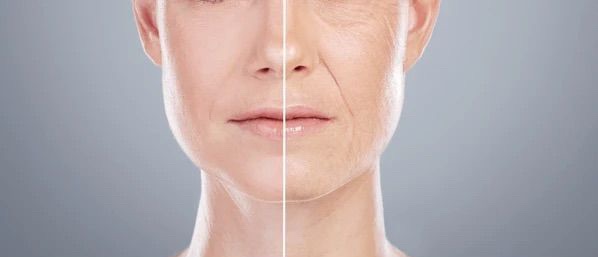
1.Olive oil is a healthy cooking oil which has been used through centuries for tremendous health benefits is a known fact. Not just cooking, cold-pressed olive oil has several other benefits, including a potent topical agent. The oil is composed of many valuable compounds that have anti-inflammatory, anti-oxidant effects and restorative properties. It is composed of 98% fatty acids such as triglycerides, oleic acids, and linoleic acids, which reduce inflammation, have an anti-ageing effect, repair epithelialized tissues and have wound healing properties.

2. Cold-pressed extra virgin olive oil is the purest variety wherein the olives are ground and pressed to extract the oil without any application of heat. So, all the valuable fatty acids and nutrients are restored. Various studies have shown that apart from the beauty benefits, skin hydrating and anti-ageing effects, EVOO polyphenols help in soft tissue regeneration, stimulate growth of human fibroblasts, wound healing and various therapeutic benefits. EVOO has been found to stimulate fibroblasts, which contribute to tissue growth and integrity and hence help in wound healing.

3. Skin benefits: Olive oil has been used for centuries to maintain young, beautiful skin. Some of the skin health benefits are :

• Hydration: EVOO restores the moisture in the skin, which helps in hydrating and softening the skin, especially during winter.

• Healing wound: EVOO acts as a skin barrier, reduces inflammation and stimulates the growth of skin collagen, so it aids in wound healing.

• Anti-ageing: Polyphenols in olive oil reduce cell damage, plump up the skin due to collagen growth and give the skin a youthful appearance.

• Cleansing: Olive oil can remove pollutants and residue from the skin. It can be used to remove makeup, but excess oil on the skin can cause acne or dark spots when exposed to the sun, as the oil helps to penetrate the UV rays.

Diabetic foot

4. Diabetic ulcers: Diabetic foot ulcers are quite common with people with type II diabetes. Recent studies have shown that the topical application of EVOO on diabetic foot ulcers gave promising results. With regular application, the wound surface and depth are reduced. Due to the anti-inflammatory effect, the healing is faster and better. The wound surrounding tissues look healthier with progressive application, the wound discharge, wound grade and healing significantly improve.

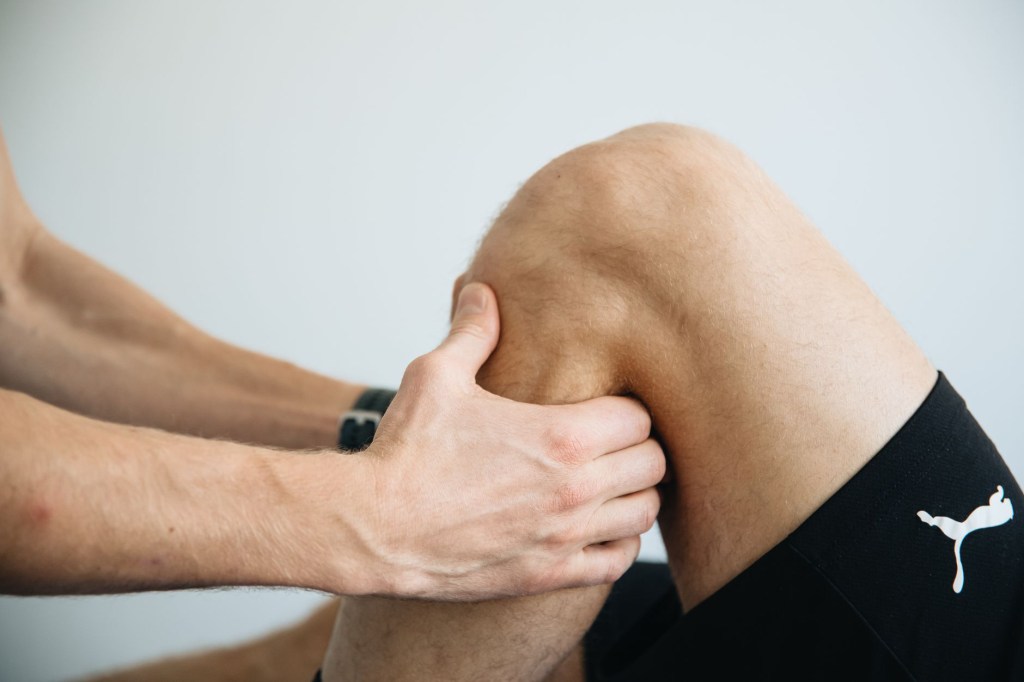
5. Painkiller: EVOO contain a polyphenol called oleocanthal, which acts like NSAIDS (ibuprofen) by inhibiting pain pathways. It can suppress the prostaglandin system and acts like a natural pain reliever. It reduces inflammation because of its anti-inflammatory and antioxidant effects. Regular messaging over the painful region topically and regular consumption can reduce the symptoms of arthritis, sore body parts or sore muscles. Though it is an excellent pain reliever and helps in joint and muscle recovery, it should not be a replacement for prescription medicine and should be used as a supportive measure.

6. Hair and scalp: EVOO is rich in vitamin E, which is a powerful agent that protects from hair damage while stimulating hair growth. Oleic acid deeply moisturises the hair strands and prevents drying and hair fall. Some of the amazing hair and scalp benefits of EVOO are :

• Olive oil can work as a deep hair conditioner and prevent damage and dullness.

• Olive oil can act as an anti-inflammatory agent and soothe scalp irritation, prevent dandruff, moisturise hair roots, and stimulate blood circulation, which helps to nourish the hair root.

• Olive oil can promote hair-strengthening benefits and provide heat protection before hair straightening or curling.

• Best hair benefits are achieved by gently massaging the slightly warm oil overnight, applying it towards the roots and scalp.

Pressure ulcers

7. Perineal and Pressure ulcers: Studies showed that EVOO topically massaged accelerates healing in the case of perineal ulcers following Episiotomy because of its potent anti- inflammatory, antioxidant, and tissue regenerative effects. In case of chronic lesions like pressure ulcers, regular application can reduce the ulcer area and the depth of the lesion. EVOO with high content of bio active compounds can promote deep hydration, protection against infection, pain relief, and accelerate the healing process when applied regularly.

8. Psoriasis: EVOO has been used as a common home remedy to reduce the symptoms of psoriasis when taken both topically and in the diet. Due to the presence of anti-inflammatory polyphenols, regular topical use can reduce itching, locking up moisture in affected regions like the knees, elbows, and scalp. Warm olive oil in bathwater when used can further relieve the skin irritation and itching, and reduce inflammation.

9. Side effects : Though EVOO is nutrient-dense and rich in polyphenols and antioxidants and a powerful topical agent, like all compounds, it also has some side effects, which should be considered as well. So, using olive oil topically requires proper medical/ health professional guidance. Some side effects are :

• Olive oil, when applied directly, can disrupt the skin lipid barrier and may worsen the irritation or sometimes flare up the inflammation.

• It can clog pores, trapping the microbes on the skin, causing acne, blackheads, and darkening the pigmented spots as it allows UV rays to penetrate the skin.

• Prolonged use can affect the skin’s moisture barrier, causing redness, irritation, and allergic reactions. In infants, it can result in eczema and rashes.

10. Takeaway: Though olive oil has proven results for being a potent topical agent as a pain reliever, beneficial for skin, hair, face issues and wound healing, it should be used with clinical guidance to reduce the risk of adverse effects. Before using, some simple steps are:

• Patch test: Apply to a small area like the forearm and wait for a day or 2 to see any adverse reaction.

• Starting to use only a thin layer of oil, a minimal amount and removing the excess oil with a wet cloth.

• Unless recommended, people with oily skin, acne-prone skin, or a history of allergy should completely avoid using it.

Thanks for reading.

Peace and love 🙏
10 facts: Bifidobacterium, the power members of human gut flora 🙌

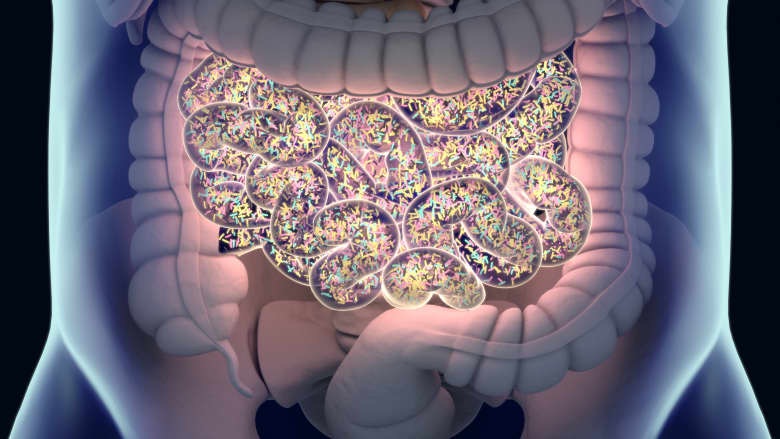
1. Bifidobacterium is a genus of microbes present naturally in human gut microbiota and the human oral cavity that are found to have potential health benefits for their host. Research has shown that these members of the gut microbiota have health-promoting properties, probiotic effects, and protection against various pathogens on their human host. Extensive studies have investigated the probiotic effect and the protective effect against pathogens on their host, for which bifidobacteria have been used to treat various gastrointestinal disorders, including colorectal cancers.

2. Bifidobacterium belongs to the phylum Actinobacteria and consists of 45 species. They have been an integral component of human and animal gut flora. They are Gram-positive, rod-shaped bacteria, non-sporing, catalase-negative, which break down carbohydrates into acetic acid and lactic acid without releasing carbon dioxide. Apart from various potential health benefits, the significant effect of bifidobacteria is that they can turn out drug chemicals, enzymes, vitamin B and K, carboxylic acid, which reduces the growth of fungi, facilitates the digestion and absorption of nutrients.

3. Bifidobacterium beneficial effect: Bifidobacterium species are most abundantly found in the large intestine, especially in the colon. The various beneficial roles played by Bifidobacterium are –

• Prevention of intestinal infections.

• Decreasing serum cholesterol.

• Stimulate the immune system.

• Alleviate the lactose intolerance.

• Help in the production of vitamins B12, B1, B7 and riboflavin synthesis.

• Prevention and treatment of colorectal cancer and inflammatory bowel diseases.

4. Bifidobacterium and diarrhoea: Because of their potential benefits, bifidobacterium strains are selectively chosen to administer and treat various gastrointestinal disorders. Studies have shown that strains of Bifidobacterium breve and Bifidobacterium longum, when administered to adults and children with acute diarrhoea, were found to reduce the duration of diarrhoea. The patients, both children and adults, who took antibiotics were also given the probiotic strains of Bifidobacterium, which do not interfere with the antibiotic effect, instead benefiting from the probiotic effect.

5. Bifidobacterium and colorectal cancer: Several animal studies have shown that various species of Bifidobacterium are found to reduce the cancer risk of the liver, colon, mammary glands and small intestine. Probiotic species of Bifidobacterium repress the growth of procarcinogens, which are responsible for tumourous growth in the intestines. Several studies have shown that probiotic strains of Bifidobacterium species have been beneficial when used as an adjuvant in cancer treatment.

6. Bifidobacterium longum species: This species has been shown to have immense benefits in various studies consistently. Some of the known benefits:

• Consumption of this strain can promote anti-oxidative properties, anti-viral benefits, and anti-obesity effects.

• It can help in developing innate immunity, preventing influenza and fever, and has an immunomodulation effect.

• Consumption of this strain can help in the protection against hepatocellular damage and help in the treatment of hepatic encephalopathy.

• It has an anti-ageing effect, supports bone health, and improves memory.

Fermented milk products

7. Bifidobacterium species like breve, lactis, and bifidum have all been found to have potential health benefits.

• B.breve has a strong anti-allergic effect, prevents oxidative stress, and alleviates UV barrier.

• B.lactis has an anti-inflammatory effect, anti-bacterial activity (against streptococci), and

protection against intestinal mucosal damage.

8.B bifidum inhibits H. pylori and is useful in the treatment of allergic diseases. It is a potent anti-inflammatory agent, too.8. Bifidus-rich foods: Bifidobacterium is a group of lactose-utilising bacteria that are mainly found in probiotic foods, such as milk with added strains. Food rich in Bifidobacterium species is:

• Yoghurt with live active culture, cultured butter milk

• Fermented soy milk

• Fermented milk, cheese like cheddar, aged, mozzarella, Gouda

• Kefir, sauerkraut, miso, kimchi, tempeh

9. While buying and consuming commercial food containing Bifidobacterium, ensure safety tips:

• Checking labels and buying products with “ live and active culture”

• Consuming together with prebiotics to get the best results. Prebiotics include bananas, onions,

garlic, and whole grains.

• Prevent heating as heat kills live bacteria. So, raw fermented food and unpasteurised foods are best.

• Supplements can be supportive in irritable bowel syndrome, immunity and bloating.

10. Takeaway: Bifidobacterium species have been proven to have immense health benefits to humans through their metabolic activity. Studies have shown that normal adults and children with healthy immunity status can regularly consume fermented food with live Bifidobacterium species, which can further boost health and prevent many chronic inflammatory diseases. People with weak immunity, the elderly, pregnant and breastfeeding mothers should avoid such foods to prevent complications like allergic reactions.

Thanks for reading.

Peace and love 🙏

Silent Sunday 🤍

Peace and love 🙏
10 facts : Nitric oxide (NO) is body’s power source 💪

1.Nitric oxide is a gas that is naturally produced by our body. Its basic function is to relax the blood vessels, which in turn transport the blood, oxygen and nutrients to the different organs and cells of the body to function smoothly. Nitric oxide is a vital nutrient as it protects the layers of cells in the blood vessels. It regulates the cardiovascular system, immune system, and nervous system. When nitric oxide is scarce in the body, it leads to a condition called endothelial dysfunction, which can risk the cardiovascular system.

2. Nitric oxide, as a powerful molecule, has many protective health benefits and is vital to human health. The potential benefits are:

• Cardiovascular system: Since it is a vasodilator, it lowers the blood pressure, relaxes the blood vessels, ensuring a smooth transportation of blood throughout the body.

• It lowers the inflammation in the body as it acts as an antimicrobial agent, a free radical agent.

• Neurological system: It is a neurotransmitter and helps in communication between nerve cells.

• It helps in exercise endurance as an oxygen delivery agent and improves athletic performance.

• It helps in treating erectile dysfunction.

3. Diverse physiological role: The NO (nitric oxide) molecule is synthesised from L-arginine in the tissues of the body by using the iso-forms of nitric oxide synthase. As mentioned before, NO gas is important in maintaining the endothelial layers of the blood vessels, as well as the blood flow through the vessels, and also inhibiting the activation of blood platelets. NO activates an iron- containing protein and helps to bind with haem. It regulates the immune system as a primary defense mechanism against attack by microorganisms. It acts as a neurotransmitter for nerve cells of certain types. NO activates several cellular activities.

4. Physical endurance and Nitric oxide: Research studies have clearly shown that Nitric oxide (NO) plays an active role in vasodilation, improves and enhances blood flow through blood vessels, organs and in mitochondrial respiration. Thereby, it promotes sports performance, endurance and aids in the healing and recovery of tissues. Nitric oxide and physical activity are very closely related. Evidence-based studies have shown that exercise helps to increase the level of nitric oxide, so it is highly recommended for athletes and patients with cardiovascular disorders.

5. Nitric oxide and erectile dysfunction: Erectile dysfunction is mainly caused by impaired nitric oxide bioactivity. The nerves and endothelial cells release nitric oxide when stimulated, which causes vasodilatation of blood vessels and relaxation of smooth muscles. When there is low nitric oxide production, it results in impaired vasodilation and endothelial dysfunctions, causing erectile dysfunction. Common risk factors are high blood pressure, diabetes, smoking and aging.

6. Nitric oxide as a neurotransmitter: Since it is a gas, it acts as a free radical and is synthesised in response to neural activity rather than stored in synaptic vesicles. It can diffuse rapidly through cell membrane barriers and can reach several neuronal and non-neuronal cells in multiple locations. It can act in intracellular targets on both pre-synaptic and post-synaptic neurones to stimulate neurotransmitter release and enhance synaptic plasticity. But excess nitric oxide can cause neurotoxicity, like in Alzheimer’s and Parkinson’s disease.

7. Sources: Nitric oxide naturally releases from oceans, soil bacteria, and the atmosphere by oxidation of ammonia and animal wastes. Some other sources are forest, wild vegetation, fertilizers, fossil fuels combustion and other industrial processes.

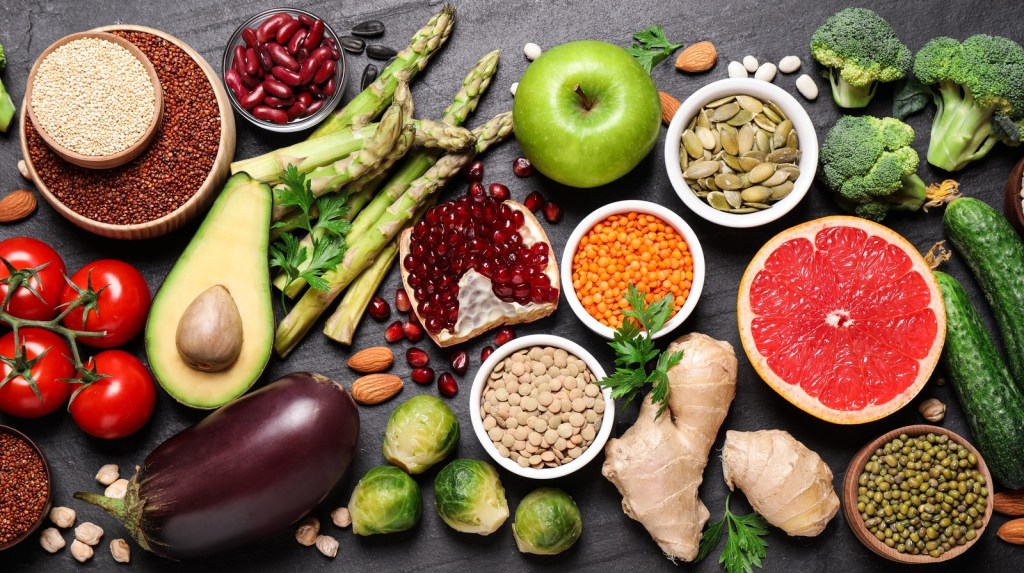
The primary source in the human body is the conversion of L-arginine (an amino acid) by enzymes, which releases nitric oxide internally. The different food sources of Nitric oxide are Beetroot, garlic, meat, poultry, leafy green vegetables, citrus fruits, nuts and seeds.

8. Nitric oxide supplement: A healthy, balanced diet rich in vegetables, poultry, and meat is enough to provide the necessary nitrites and nitrates to produce enough nitric oxide for the body’s requirements. If the body’s nitric oxide levels are low, your health care provider might give you nitric oxide supplements. They usually contain the synthetic version of the compounds, which can help the body to produce the optimal level of nitric oxide. Supplements are generally safe when taken under expert supervision and in an appropriate dosage.

9.Side-effects: Nitric oxide supplements, as mentioned above, are considered safe when taken under medical guidance. Overexposure and overdosing may cause side effects:

• Physical symptoms include nausea, vomiting, headache, and stomach upset.

• Heart palpitation, dizziness, lightheadedness, sudden drop of blood pressure.

• Interaction with other medications, such as blood pressure medication and erectile dysfunction medication, can cause a serious risk.

• Overexposure can cause coughing, shortness of breath, and lung injury.

10. Some of the known nitric oxide supplements are:

• Arginine

• Citrulline

• Nitrates

• Vitamin C, flavonoids, and polyphenols make nitric oxide easily available for the body for different purposes.

Doses depend on the individual requirements and the compounds of the supplement.

Thanks for reading.

Peace and love 🙏