
10 facts : Although honey 🍯 is similar to sugar, why it is still considered a healthier option ?

1. Honey is about 80% sugar, mostly fructose and glucose and is considered a natural sweetener. Since it is a derivative of plant nectar, it is a storehouse of bioactive compounds like polyphenols, flavonoids, vitamins, minerals and antioxidants. It is a blend of many natural substances, depending upon the different varieties of flowers whose nectar is collected by the bees. Because of its nutritional profile, honey has tremendous health benefits and is considered a healthy sweetener.

Beehives

2. Though honey is rich in sugar, it is a powerhouse of nutritional content in raw, unprocessed form. Depending upon the sources, the nutritional content can vary. Pasteurised honey is processed, filtered and can have a lesser quantity of flavonoids and polyphenols. Besides the antioxidant properties, honey includes calcium, potassium, vitamins, copper, iron and zinc. It also contains a trace amount of protein. Depending upon the varieties of flowers’ nectar, climatic conditions, examples of honey varieties are:

• Clover honey

• Wildflower honey

• Orange blossom honey

• Alfaalfa honey

• Buckwheat honey

• Rare variety like Manuka honey, found in New Zealand

3. Sources: Honey is the only natural sugar source which is produced by insects that humans consume. It is best when consumed raw and unrefined. Supermarket honey available is usually processed, pasteurised honey. Honey should be best sourced from local markets and local farmers, where the content is “pure honey” without any additives. These types of honey are lighter in colour and consistency. Darker varieties are stronger in flavour and nutritionally rich. Honey should be preserved in a glass bottle or plastic airtight container, below 32 degrees F.

4. Crystallisation: This is a natural process of honey where it is transformed from a liquid to a solid state depending upon the temperature and how it is stored. Crystallisation of honey doesn’t mean that the honey is spoiled. Honey with a higher content of sugar (fructose, glucose) is quickly crystallized like Alfalfa and clover types. Crystallisation happens as the dense sugar molecules start to hold the water permanently, which is, in fact, a sign of pure, unadulterated honey. The honey can be restored to its liquid form by putting the honey jar in a warm water container. Boiling water should be avoided as the nutritional content can be compromised.

5. Storage: Honey doesn’t require refrigeration. Its shelf life is around 2 years. Refrigeration and cold temperatures can lead to crystallisation of honey. It can be stored at room temperature at 20 to 25 degrees C or around 60 degrees F, ideally in an airtight glass container. It can also be stored in a food-grade plastic container. In the kitchen, it can be placed in a dry, dark place or pantry, avoiding direct sunlight.

6. Health benefits: As honey is rich in sugar, it should be consumed in small quantities rather than in large amounts. For centuries, the latest research has shown that honey has promising health benefits and healing properties. Some of them:

• Antioxidant rich so consuming raw, unrefined honey on regular basis can have anti-inflammatory benefits.

• Promote balance of blood sugar levels than regular refined sugar.

• Improves heart health by maintaining blood pressure, regulate heart beats.

• Since it has anti-bacterial properties , it can promote wound healing.

• Suppress sore throat and cough and support respiratory health.

• Supports gut health and is helpful in case of irritable bowel disease.

• Anti-fungal, anti-bacterial & anti-cancer.

7. Brain health: Research suggests that honey has amazing benefits for brain health and can prevent neurodegenerative diseases. Manuka honey is the best for brain health. Some of the neurological benefits of honey are:

• Unlike a refined sugar rush, honey can provide a natural, steady energy flow to neurons.• Flavonoids and phenolic acids can prevent free radical oxidative stress and cell damage in neurons.

• Supports memory by protecting brain cell mitochondria and elevates BDNF (brain-derived neurotrophic factor).

• Studies show honey is neuroprotective and prevents cognitive decline.

• Honey naturally contains melatonin, which supports sleep, and naturally removes toxins from the brain that build up while awake.

8. Alleviate cough: Studies have shown that honey is effective in soothing a cough. Drinking honey with a little warm water during a cough can help to form a coating in the throat. Its anti-bacterial and anti-inflammatory properties help as a healing aid for infections. Moreover, honey is safer as a home remedy than over-the-counter medications. It can be given to all age groups except children below 1 year of age, when there is a risk of food poisoning. Research shows that honey is far better than medicines like diphenhydramine (anti-histamine) and has a similar effect to drugs like dextromethorphan (cough suppressant ) and Salbutamol ( asthma drug).

9. Though honey is a natural sugar alternative, it is usually safe and healthy for daily consumption in moderation. There is no such standard recommendation, but experts suggest that 6-7 teaspoons daily should not be exceeded. WHO guidelines suggest that daily consumption of free sugar should not exceed 10% of daily intake. Since it has therapeutic benefits, its daily consumption can be beneficial for both gut health and the immune system. While using honey as a sugar substitute, other refined sugar food items should be completely avoided, as there are chances of weight gain (due to extra calories), sugar spikes in insulin-sensitive diabetics.

10. Takeaway: Research has shown for decades that honey is healthy with tremendous therapeutic effects when consumed in moderation as a wellness habit. Honey can replace the intake of refined sugar in several ways, such as:

• For dessert, yoghurt or breakfast bowls.

• Herbal teas, green teas.

• Morning, on an empty stomach with warm water as an aid to digestion and immunity.

• Honey should be avoided in boiling water or while cooking, as it may damage its nutritional value.

Thanks for reading.

Peace and love 🙏

10 facts: Sleep wake cycle linked to cortisol 👐

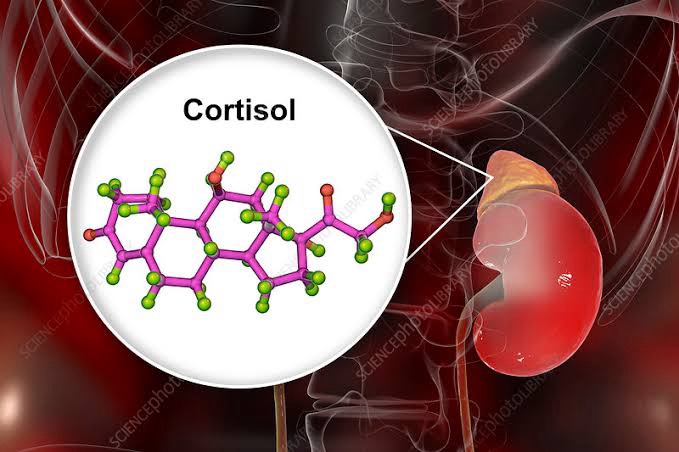
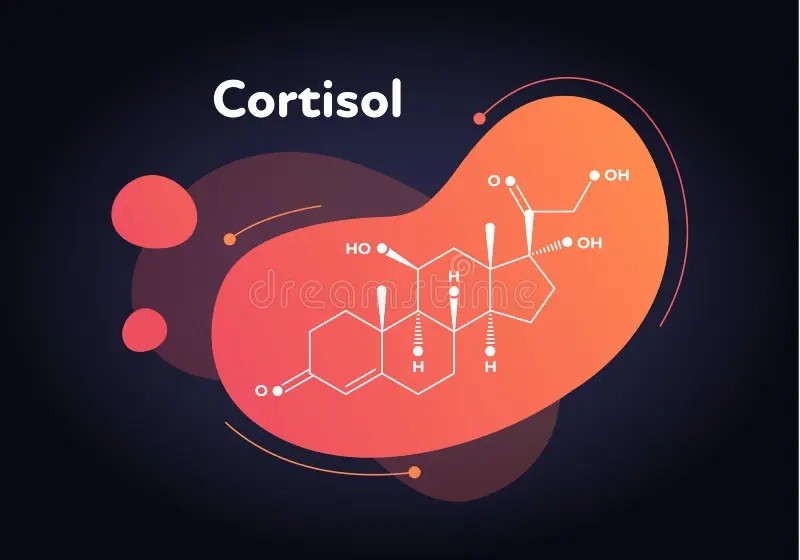
1.Cortisol is a stress hormone released from the adrenal glands, which is ideally secreted during a fight-or-flight response. However, in today’s world, our daily lives are filled with stressful situations, such as competition, comparisons, peer pressure at work, negative people, and relationships stress. As a result, cortisol is released not just in short bursts but remains chronically elevated. This persistent high level of cortisol keeps the body in a constant state of stress, leading to chronic inflammation, sleep problems, and various diseases.

2.Cortisol plays essential role in the body for survival. But when cortisol is elevated for a longer period of time can lead to health issues like weakened immunity, metabolic syndrome and mental health issues. The functions of cortisol are :

– Maintaining blood pressure

– Elevating blood sugar levels

– Regulating the circadian rhythm

– Facilitating the utilisation of energy from carbohydrates, proteins, and fats

– Reducing inflammation

3. Sleep-wake cycle follows a synchronised rhythm with the night and daytime. During the sleep phase, the body goes through different stages, such as:

• Non-REM stage: The phase where the body and mind, being awake, slowly move to a calmer state before falling asleep. Followed by a stage where the body’s core temperature drops, brain waves slow down. After this, a stage emerges where the heartbeat, breathing, and brainwaves slow down, entering a deep state of relaxation.

• REM state: This stage occurs normally after the deep sleep phase. In this phase, people have vivid dreams, and intense dreaming appears. There is weakened muscle activity similar to temporary paralysis. This stage is important as the brain is cleaning out the buildup of waste and toxins.

4. HPA axis: The hypothalamic-pituitary-adrenal axis is responsible for the neuroendocrine regulation. Hormones like melatonin and cortisol from the HPA axis modulate the sleep-wake cycle. When there is disruption of this axis disturb the sleep cycle. Studies show that there are reciprocal interactions between sleep regulation and the HPA axis. Stressful situations like PTSD, emotional trauma, and chronic workload can lead to long-standing sleep issues like insomnia, sleep deprivation, and lack of restorative sleep, which in turn lead to disruption of the HPA axis and vice versa.

Insomnia

5. The HPA axis and sleep have a significant interconnection. Good quality sleep, deep sleep causes an inhibitory effect on the HPA axis, whereas hyperactivation of the HPA axis leads to overload of glucocorticoids, wakefulness, and loss of sleep. Sleep disorders related to HPA dysfunction are:

•Insomnia is a common sleep disorder which is found to have a connection with an increase in ACTH and consistent cortisol levels and arousal of the central nervous system.

•Obstructive sleep apnea or daytime sleepiness has been associated with elevated pro- inflammatory cytokines, IL-6 and TNF.

Weight gain

6. Elevated cortisol level: Studies show that sleep deprivation has a direct connection to elevated cortisol levels, long hours of wakefulness in the daytime, glucocorticoid overload, and disruption in the HPA axis. These directly affect the well-being of the individual and increase the risk of obesity and type 2 diabetes. Other symptoms of elevated cortisol levels are:

• Weight gain

• High blood pressure

• Weakness of bones

• Muscle weakness

Stressed

7. Cortisol level: Normally, there is a spike of cortisol level in the morning, known as the awakening response, and it continues for about 60 minutes thereafter. Then, gradually the level-starts dropping and reaches the lowest level towards the evening/midnight. The factors which can affect the cortisol levels are:

• Stress

• Disturbed routine sleep schedule

• Morning light may cause the surge

• Cushing’s syndrome

Overworked/ stressed

8. Stress and cortisol level: Cortisol is a steroid hormone which is released from the adrenal glands in the body’s response to stress. Cortisol also releases sugar from the liver to combat stress. In addition to this, sleep and stress are also closely linked. Prolonged stress can lead to sleep disorders like acute insomnia. The types of stress when cortisol is secreted are:

•Short-term stress

•Long-term stress

•Trauma, both psychological and physical.

Dark chocolate

9. Food and cortisol: Certain foods can support gut health, reduce stress and lower the cortisol level naturally:

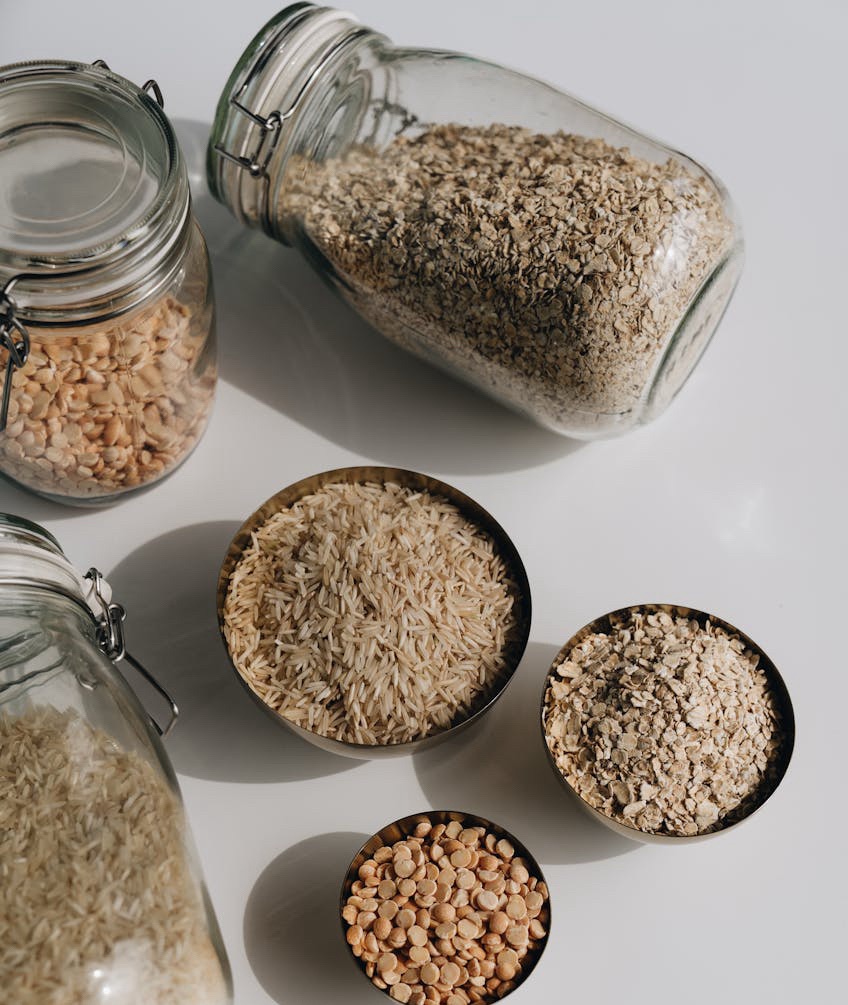
• Whole grains and natural fibres – Whole grains are rich in polyphenols, which can support gut health and reduce stress and cortisol. Fibrous foods like vegetables, fruits, and berries contain both polyphenols and antioxidants that help reduce cortisol levels.

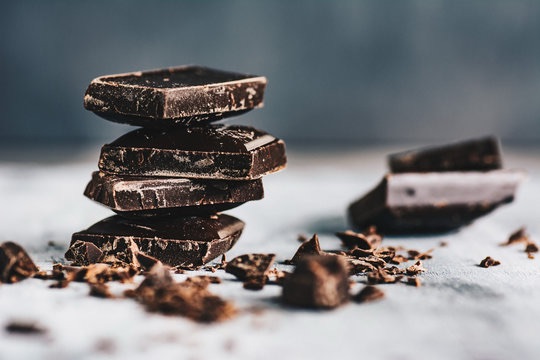
• Dark chocolate (70 – 80%) – Flavonoids in dark chocolate can lower the stress response and cortisol from the adrenal glands.

• Green tea contains polyphenols, catechins, and L-theanine, which can lower stress reactivity.

• Probiotics/Prebiotics are linked to healthy gut health, reduce stress and cortisols.

• Healthy fats in nuts, fatty fish, and seeds rich in omega3-fatty acids reduce stress and support mental health.

• Water – Consuming water throughout the day prevents dehydration and controls the cortisol level.

Meditation
Community/ kindness/ volunteer work

10. Natural habits that can keep the cortisol level under control:

• Good sleep routine – Firstly, keep away from cell phone or any kind of distraction at least 1 hour before bedtime, avoiding alcohol, caffeine intake and nicotine 5-6 hours before bedtime, maintain a bedtime schedule; going to bed and waking up the same time every day is important for sleep hygiene.

• Daily routine exercise, nature bathing, walking or any kind of physical activity.

• Practise deep breathing techniques like Pranayama, mindfulness breathing, Meditation, yoga, tai-chi.

• Maintaining your mental health by managing your personal relationships, staying away from negative people and a negative environment, cultivating hobbies, laughing, and listening to music.

• Spirituality – believing in spiritual faith, attending spiritual workshops, meditation, community spirit, kindness /charity /voluntary works, helps maintain cortisol levels.

Thanks for reading.

Peace and love 🙏

10 Essential Insights on Resistant Starch and Managing Blood Sugar Spikes 🙌

1. Resistance starch is a new buzzword nowadays. But what exactly is resistance starch? Starches are a major portion of our everyday diet. They are usually found in grains, legumes, potatoes, and many other foods. Unlike simple starches, resistance starch passes through the digestive tract, the stomach and the small intestine undigested, and reaches the colon, where it is fermented by gut bacteria, like soluble fibres. Therefore, they are very gut-friendly, hence are potentially beneficial to health.

2. Several studies have identified the components of starches in different types of food, which are resistant to digestion, and can be very beneficial in the prevention and control of chronic diseases. Evidence has shown that starches present in food, which are rapidly digested, have significantly contributed to the growing risk of chronic diseases like diabetes, obesity, and colon cancer. Ongoing studies have shown that resistance starches are highly resistant to digestion by digestive enzymes like amylase in the small intestine and pass through the colon, where they are fermented by the microbiota.

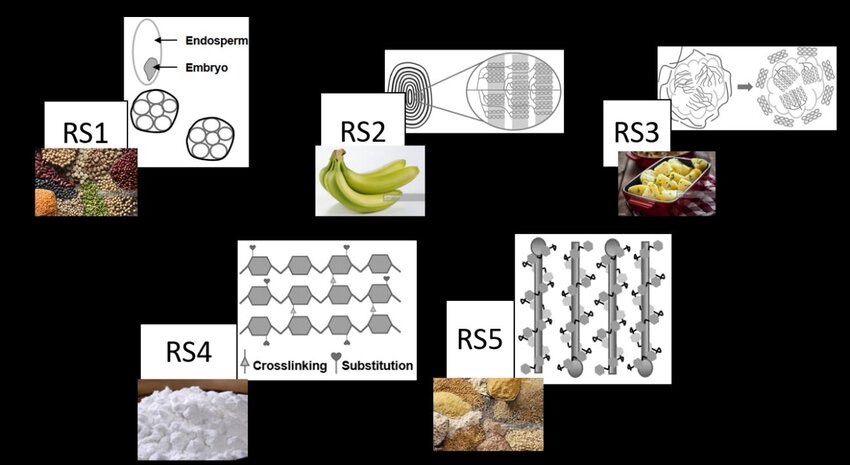
3. Five types of resistance starches have been identified such as :

• Type1 : Physically inaccessible starches like whole grains, coarsely grounded grains.

• Type 2: Granular starch like raw potato, raw banana starch.

• Type 3: Retrograde starch like cooked and cooled starch.

• Type 4: Chemically modified starch.

• Type 5: Amylose lipid complex.

4. Carbohydrates are simple in structure, like white rice, white bread, cakes, or refined food items. Resistance starches are complex carbohydrates which pass through the stomach and small intestine undigested and move to the large intestine to be fermented by the gut-friendly bacteria. Some examples of resistance starches are: Brown rice, whole grains, quinoa, lentils, plantains, oats and potatoes.

5. Simple starches are digested by the stomach enzymes and are responsible for spiking blood sugar and worsening insulin sensitivity. While resistance starches cannot be digested by the stomach enzymes, they travel through the small intestine and reach the colon. In the colon, they are fermented by the microbes and produce short-chain fatty acids like Butyrate. Butyrate improves insulin sensitivity, lowers inflammation, and provides food for gut-friendly bacteria.

6. Starch Retrogradation: It is a process where gelatinised starch molecules crystallize and become resistant to digestion in the stomach and small intestine. This trick can be done by cooling the simple starches after cooking and storing them in the refrigerator. Just before eating, heat them so that the content of resistance starch can be increased. Therefore, the effect of cooling the cooked rice or potatoes, bread can decrease the post-prandial glucose and insulin spike.

7. Simple ways to have resistance starches or increase the resistance starches content are:

• Cooking the rice, potatoes or pasta, and cooling them.

• Freeze and store them in the refrigerator.

• Reheating them before consuming.

8.Pairing food like carbohydrates with protein and fat can help in controlling the glucose spike and improving insulin sensitivity. Pairing potatoes with butter or olive oil, or rice with lentils or beans, is a common example. Acidifying the meal by adding lemon, vinegar, or fermented food can lower the rate of starch breakdown.

9. Again, food orders are another important trick to improve insulin sensitivity and lower the glucose spike. Instead of having carbohydrate first, it is wiser to eat the protein like eggs, meat or fish first, followed by vegetables and lastly the carbohydrate portion. This way, it will slow down the glucose digestion. Such behavioural change while following the food order either at home or in a restaurant can help to improve the metabolic response.

10. Eating a meal and then immediately sitting down to work, using the laptop, or taking a nap can negatively impact your metabolic response. Instead, after finishing your meal, consider taking a light walk or engaging in a gentle activity like cleaning or washing dishes. These activities can stimulate your calf muscles, particularly the soleus muscle, which can quickly utilise a significant amount of glucose. By sustaining contractions, this muscle helps burn glucose, contributing to better blood sugar control.

Thanks for reading.

Peace and love 🙏