
1.Industrial starches, or can be termed as “fake starches”, are carbohydrate additives made in industries and factories and are added to packaged food to give the required taste, texture, stability and increase the shelf life. Most consumers are unaware of these starches in modern food packages, which remain a hidden risk to long-term health. These starches are used in almost all packaged food as thickeners, stabilisers, sweeteners and filler ingredients. Packaged foods are loaded with them, which makes the food tastier, flavourful and addictive.
2.Why industrial starches? Packaged food manufacturers uses industrial starches for many benefits and as cheaper alternatives but on the contrary can become the hidden risk for the consumers. Some of the common reasons:
• As mentioned, adding glucose syrup, dextrose, sucralose, and sweeteners makes it taste delicious and satisfying, fulfilling the sugar craving.
• Adding carbohydrate can help increase the shelf life, preserve moisture, acts as a stabilisers.
• Many modified starches are added to soups, sauces, syrups, and desserts to give a creamy texture.
• Industrial and modified starches are much cheaper than whole grains, fruit pulp, puree and honey.
• Sugar alcohols are used commonly and termed as “sugar free” and “low calorie”.
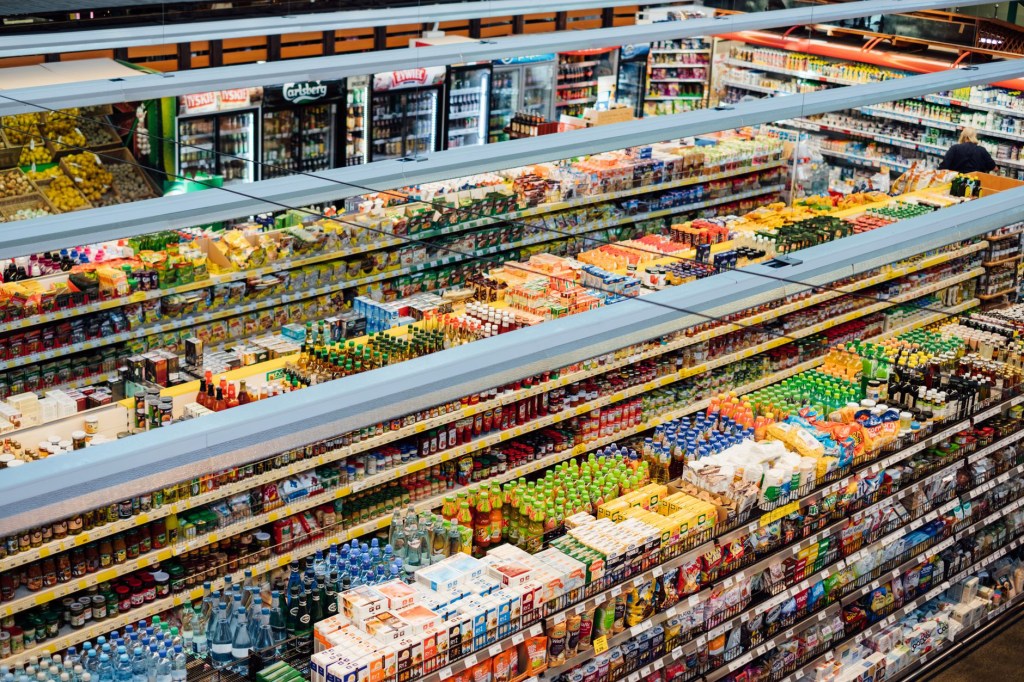
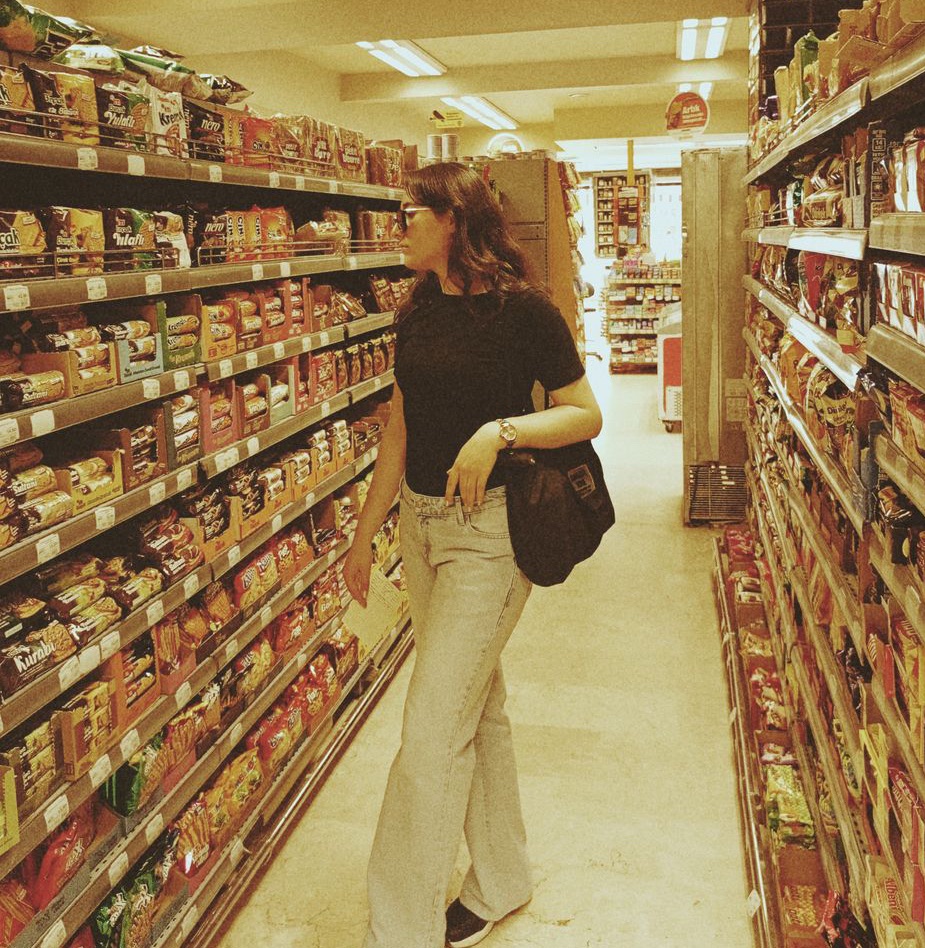
3. Common daily items where industrial starches are used are snacks, energy/ protein bars, yoghurt, desserts, breads, cakes, pastries, sweets like candies, toffees, biscuits, soups, sauces. In fact, the list is very long. A normal individual can crave certain products and eat frequently in large quantities, sometimes on a day-to-day basis, which may increase the sugar spike and result in loading calories. This is one of the commonest reason, a hidden risk of many chronic lifestyle disease, chronic inflammation, autoimmune diseases and non alcoholic liver diseases.

4. Unlike whole foods, industrial carbs lack natural fibres; that’s why the impact on health is grievous. It is important to read the Nutritional labels and look for ingredients like :
• Glucose syrup, corn syrup, fructose syrup, Malt syrup, Invert syrup.
• Sweeteners like Aspartame, sucralose, Saccharin, Erythritol.
• Dextrin, Maltodextrin, Polydextrose, Resistant Maltodextrin.
• Stabilisers, Thickeners.
• Inulin, artificial fibres, fillers.
• Hydrolysed starch, modified starch.
5. Packaged food: Common processed food packages contain industrial starches and fillers which should be generally avoided, such as:
• Breakfast cereals contain sugar, artificial sweeteners, thickeners and even instant oatmeal packets.
• Fast foods like instant noodles, chicken nuggets (breaded), frozen pizzas, canned juice, soups.
• Bakery (commercial ): packaged cakes, cookies, pastries, which mostly contain refined sugar, refined flour and synthetic binders.
• Canned sauces like ketchup, cheese dressings, salad dressings, ready-to-use gravies.
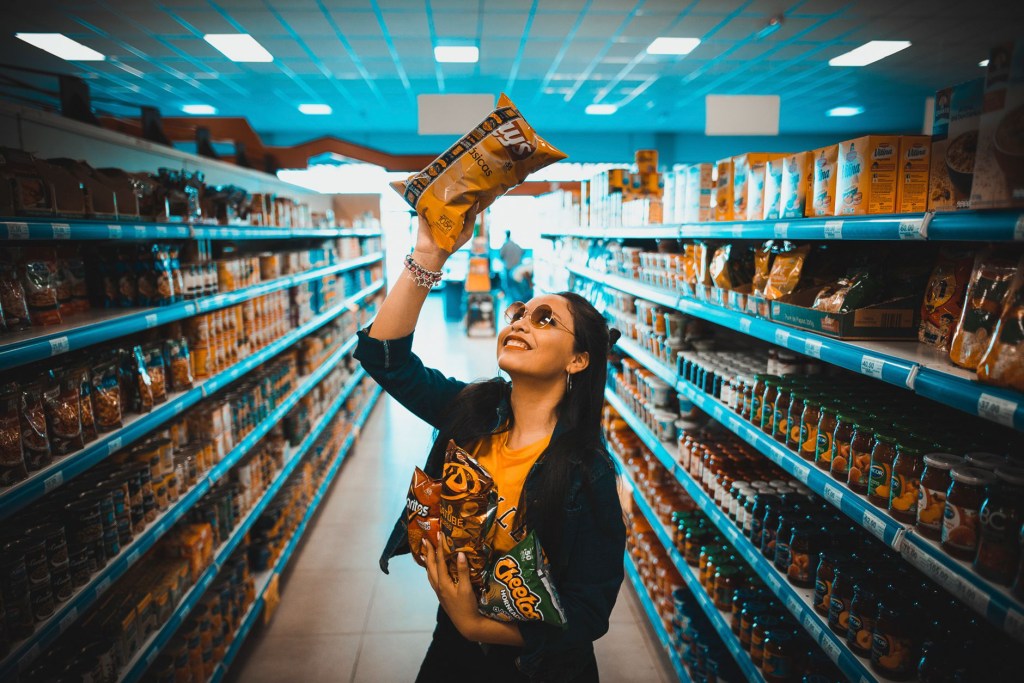
• Ultra-processed foods like chips, nachos, tortillas, crackers.

6. Potential health risks depends on the type of industrial starch used, quantity and how frequently being consumed by an individual and many more factors. Common hidden risks are :
• Blood sugar levels, insulin sensitivity: Sugar items can lead to blood sugar spikes and insulin spikes. Chronic usage can lead to a risk of weight gain, type 2 diabetes, cardiovascular risk.
• Gut health issues as industrial starches are synthetic substances can lead to gut irritation, inflammations on long term use.
• Allergy: Modified starches, synthetic fibres, fillers and sugars can create allergic issues and immune reactions in individuals with autoimmune diseases and celiac disease.
• Nutrient loss: Using bulking substances and fillers can obviously reduce the natural nutrients like natural fibres, vitamins, and minerals.
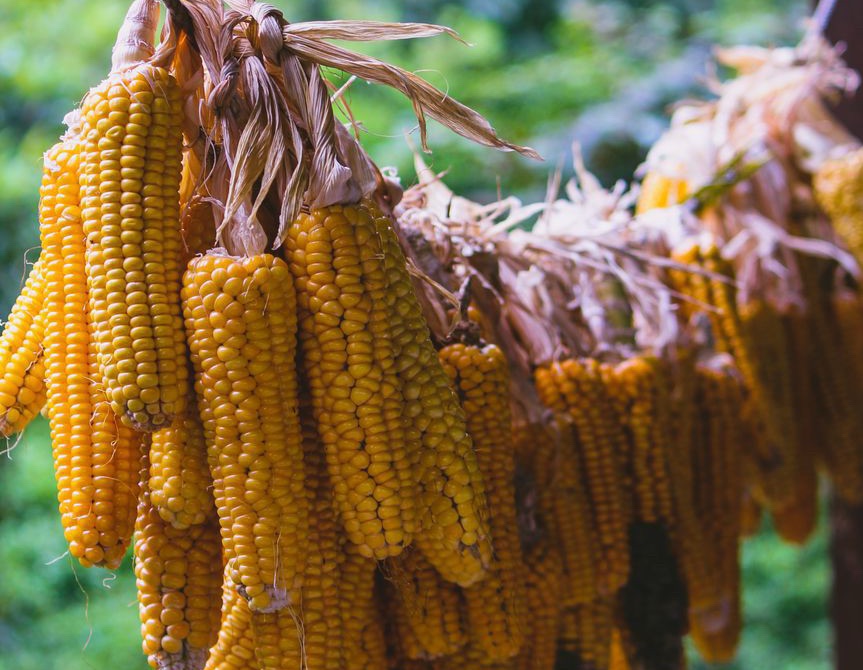
7. Maize starch (corn starch): It is the most common industrial starch used in packaged food as a stabilizer, binding agent and thickening agent. Though it is not toxic, it has no nutritional value and provides only empty calories. It is made from the corn endosperm and has no protein, no fibre, and no fat. Some crucial points on maize starch and its impact on health:
• Common food products where maize starch is used are cakes, pastries, instant soups, ready-to-eat foods like nuggets, baby foods, and dairy products like ice cream.
• Modified maize starch undergo chemical treatment and modification which may be safety concern so Food Authority do provide safe limits. Organic or non-GMO food products, free from genetically modified additives, are a healthier version and have been very popular, labelled as “clean”.
• Health impact can be on weight issues if used in excess, as it provides empty calories. It can quickly spike blood sugar, so it can be a concern to individuals with diabetes. Some people may be allergic to maize starch though rare.
• Corn flour is finely ground cornmeal, whereas corn /maize starch is highly refined corn starch, which can differ nutritionally.

8. Industrial starch impact on children: Consumption of industrial starch by children results in a higher absorption of the starch as they are in the developing stage. As these starches have no nutritional value, they can result in weight gain, fat storage, rapid blood sugar spikes, insulin resistance, dental decay, and cavity formation. They can lead to gut health issues disrupting the healthy gut flora to growth of harmful pathogens, bloating, gas and malabsorption in some cases. These types of starches are mostly found in ultra-processed snacks, candies, pastries, and baby food items.
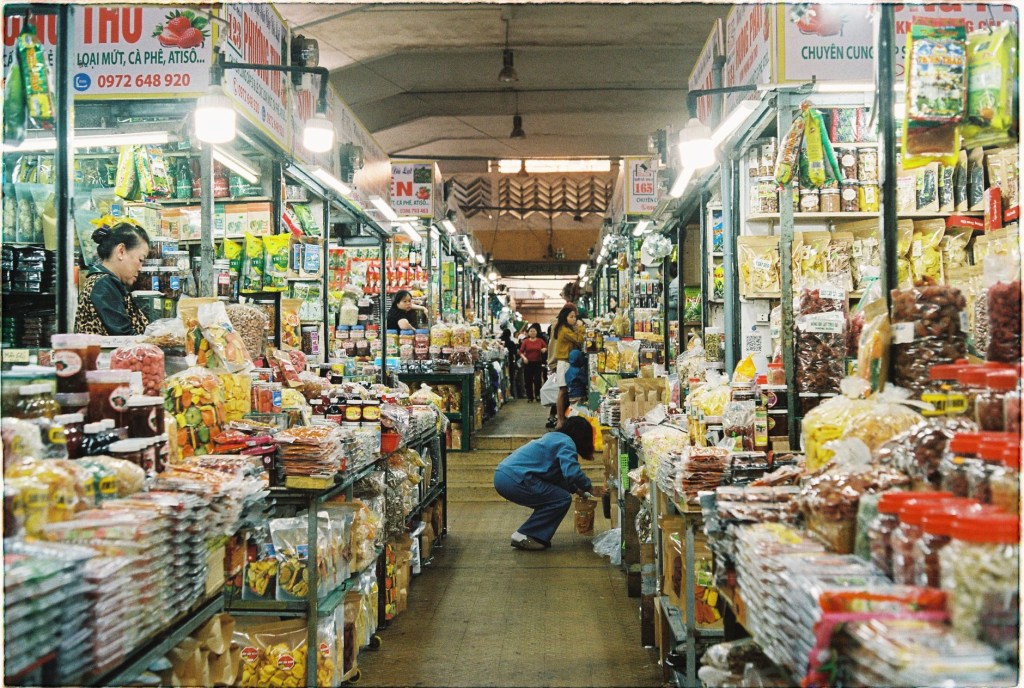
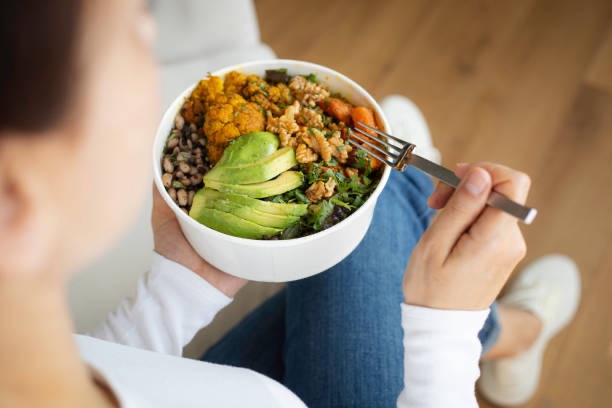
9. Label: Packaged foods are used widely in modern commercial foods, which often go unnoticed. The marketing jargon like “sugar free”, “ fresh”, “farm picked”, “organic”, “ Pure”,“ Low fat” is mostly used in labels to attract consumers, so the actual ingredients used in the products remain hidden. So, it is important to read the actual ingredient list and nutritional profile, which are usually at the back of the item. Common names of industrial sugars which should be avoided are syrups like glucose, fructose, corn, malt, sugars like maltodextrin, dextrin, poly dextrose, invert sugar, artificial sweeteners, synthetic fibres, fillers, stabilisers and thickening agents like maize starch. Products with wholesome grains like bread, pasta, unpolished rice, snacks with no syrups or fillers should be used. As for drinks, mostly plain water, herbal tea, and black coffee are preferred instead of carbonated drinks or sugary flavoured juices.
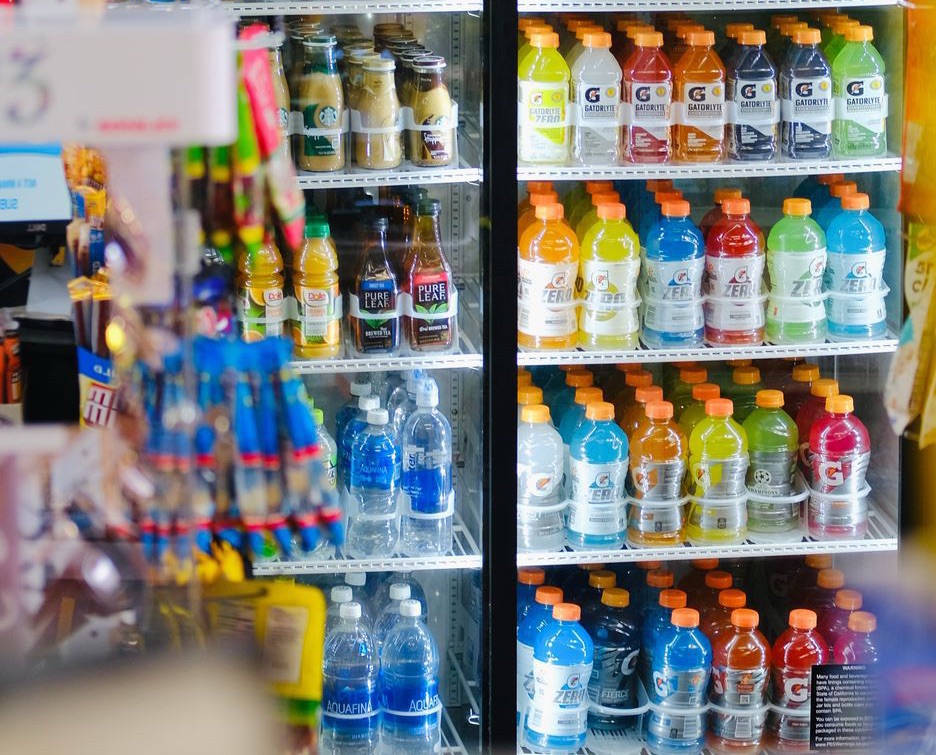
10. Takeaway: Industrial starches are indeed a dangerous risk to humans, as they are very widely used in modern times in many commercial items. These items are consumed widely by individuals within all age groups mainly because of taste, texture, easy accessibility, low cost and their addictive nature. People become dependent on them without even realising the serious health impact they have. Serious consequences can lead to weight gain, gut issues, inflammation, sugar spikes, insulin resistance and diabetes.
Thanks for reading.
Peace and love 🙏