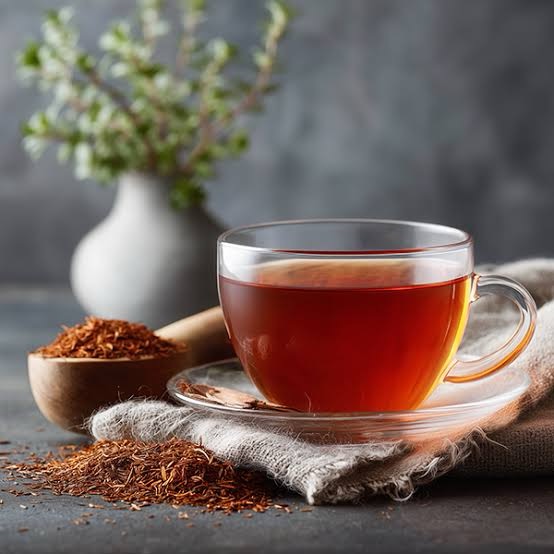
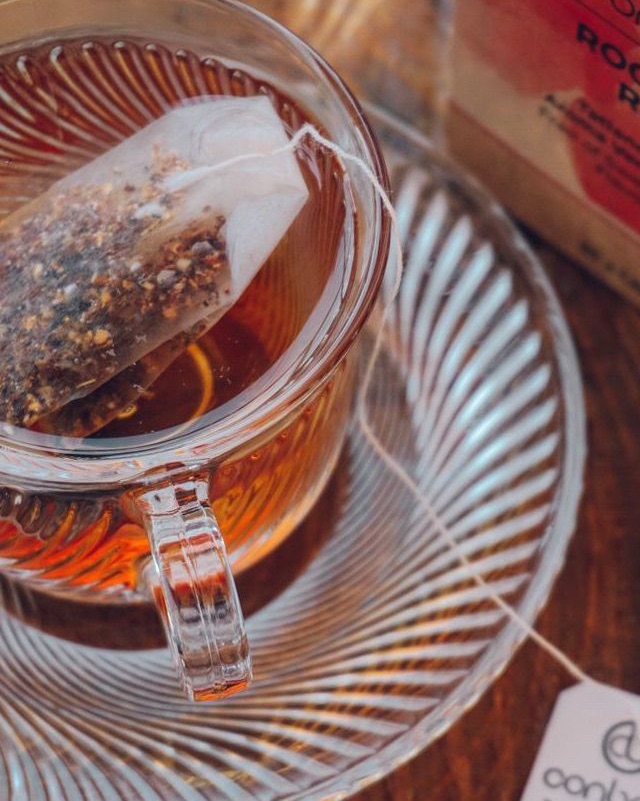
1. Rooibos, a caffeine-free, colourful tea produced from Aspalathus lineriaris, originated in South Africa and has been used for centuries in both fermented and unfermented forms. In recent times, this tea has attracted ample research studies for its nutritive profile of phenylphenols, flavones, flavonoid and several minerals. Because of its rich nutrients, this tea is known for its immune-boosting properties and has potent anti-inflammatory and antioxidant effects. It has plenty of phytochemical, which can prove to be very beneficial for humans and prevent chronic and lifestyle diseases. Therefore, this tea has been very popular worldwide.
2. Rooibos is a caffeine-free herbal infusion tea that contains very low levels of tannins. Thanks to its flavonoids and phenolic acids, which have antioxidant properties, rooibos tea helps prevent the formation of reactive oxygen species (ROS). By neutralizing and reducing ROS, rooibos can potentially help prevent chronic and lifestyle diseases, such as diabetes and cardiovascular conditions. Additionally, rooibos is effective in converting harmful ROS into less damaging hydroxyl radicals. Due to these findings from animal studies, rooibos has become a popular herbal tea and dietary supplement.
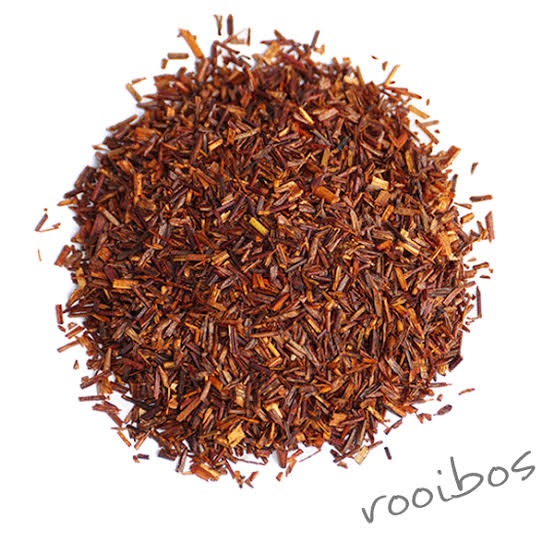
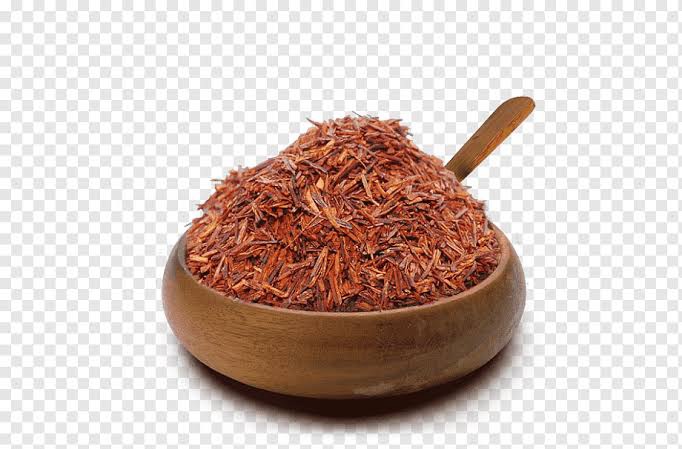
3. Rooibos tea is native to South Africa, grown originally in the mountains of Cederberg. But due to its popularity, it has been successfully grown worldwide. It is made from the bush of Aspalathus lineriasis. The loose leaves of the plant have the strongest flavour and the highest health benefits.
Though there are different varieties of rooibos, as already mentioned, loose leaves are most popular. Its taste is a little similar to green tea, with a strong nutty and sweet flavour and a pleasant aroma. Since studies have shown its amazing health benefits, and being caffeine -free, it can be taken 3-4 times daily, both day and night for overall wellness.

4. It has a potent list of amazing health benefits, namely :
• It has potent antioxidant properties which prevent oxidative stress and reduce cell-damaging radicals.
• Heart-friendly, as it can lower blood pressure by blocking ACE (angiotensin-converting enzyme). It also reduces cholesterol levels.
• It balances blood sugar levels and improves insulin sensitivity.
• It aids metabolism, and its anti-inflammatory effects help in reducing stomach cramps and bloating.
• It reduces skin irritation, prevent acne as rooibos contain Alpha -hydroxy acid and Zinc.
• Rooibos helps in strengthening bones as it is packed with minerals.
• It is a sleep aid due to its relaxing and soothing effects.
• It aids in weight loss.
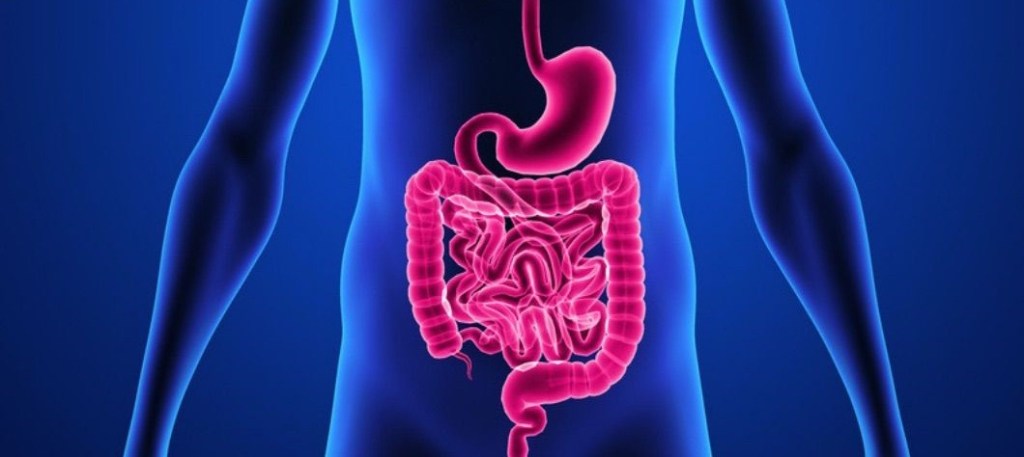
5. Digestive health: Rooibos is rich in flavonoids, phenolic acids and minerals, because of which it strongly supports gut health. It has a calming and gentle effect on the stomach. Among the many benefits for digestion, the important effects are :
• Relieves cramps and stomach pain due to its natural anti-spasmodic effect; it acts as a relaxant to stomach muscles.
• It strengthens the gut intestinal barrier and prevents leaky gut disorder. It helps in maintaining the intestinal lining. This effect is prominent with unfermented rooibos.
• Due to its anti-inflammatory effect, it reduces gut inflammation and lowers oxidative stress.
• It is soothing to the stomach and prevents acid reflux and iron absorption blockage due to its low tannin content.

6. Skin health: Rooibos has been consumed as a herbal infusion for centuries in both fermented and raw form. Because of research studies, in recent years, it has become very popular globally.
Due to its rich nutrients of polyphenols and minerals, it is considered an important ingredient in many herbal skin care products. It is considered as a valuable component in skin care for being anti-inflammatory, antioxidant, soothing, hydrating, moisture retention, hence used in many skin care products. Some of the amazing benefits to skin health are:
• Fights ageing and reduces wrinkles as it combats oxidative stress.
• Soothing to sensitive skin as it has a calming effect and prevents irritation.
• Prevents acne, reduces pores and gives clear skin.
• Protects the skin barrier, improves hydration, and helps reduce skin dryness• Reduces hyperpigmentation, promotes skin elasticity, giving firmer skin and a youthful appearance.
• Protects the skin from pollution and environmental damage.
7. Side effects: Overconsumption of any beneficial compound can lead to side effects too. Drinking rooibos tea in moderation is safe and has no severe side effects. But long-term heavy drinking of rooibos can lead to some side effects:
•Raised liver enzymes and liver toxicity in long-term use of high amounts of rooibos.
•Due to the presence of phytoestrogen which can mimic the natural oestrogen in the body can be an issue in case of hormone sensitive individual, women with breast cancer.
•Interact with medications like blood pressure medicine and cholesterol-lowering medication (statins). Due to its oxalate content, it can be problematic for kidney patients.
8. Dosage: Due to its tremendous benefits for balancing blood sugar, sleep, skin, hair, and immune-boosting properties, many people like to drink rooibos tea infusion. It is completely safe to drink every day, provided the daily intake is 2-4 cups or within 400-1200 ml/day. Overconsumption doesn’t really help in providing the benefits. Instead daily moderate intake slowly can uncover its amazing benefits to overall wellness. Studies show that a maximum limit of 4-6 cups can be tolerated as a healthy adult. Rooibos herbal infusion without sugar is healthy but adding sugar, heavy cream can increase the calorie content. It is suitable even for children and pregnant women too, in moderation.

9. Rooibos v/s other teas : Green tea, black tea contain caffeine while rooibos is caffeine free so can be taken anytime including night time. Other teas when brewed a little longer gives a bitter taste due tannin but rooibos has very low tannin and has sweet nutty taste and great aroma. Red rooibos is fermented, intense in flavour and colourful, while green rooibos is unfermented, looks similar to green tea and has high antioxidant levels.
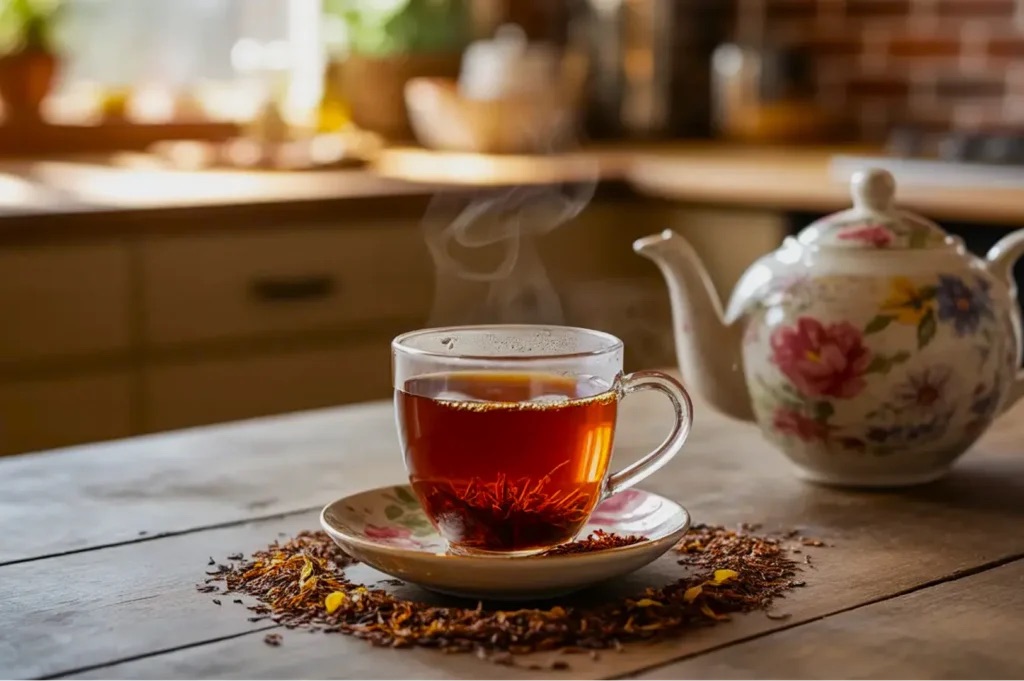
10. Takeaway: There is no doubt that rooibos is a very beneficial herbal tea, known for its nutritional profile. It does promote overall wellness, backed by science-based studies. In recent times, it has become very popular worldwide, and not just in its origin, South Africa, but several other countries have started growing it due to its increasing demand. It can be taken every day due to its anti-inflammatory, antioxidant properties and rich mineral profile for overall health and well-being. Plain rooibos tea is zero-calorie and is the healthiest version, without sugar, additives or whipped cream.
Thanks for reading.
Peace and love 🙏