
10 facts: Is cinnamon diabetic-friendly? πŸ™Œ

1.Popularly known that cinnamon is a warm spice which is widely used in both savoury and sweet baked recipes. Basically, two types of Cinnamon used commonly: Ceylon Cinnamon, originally found in Sri Lanka and southern India. Cassia Cinnamon, dark in colour, native to Southeast Asia and China. The spice is derived from the dried bark of Cinnamomum trees. It has been used for centuries for both culinary and traditional medicine purposes. There has been much research on Cinnamon for its nutritional content for supplementation and medicinal purposes, but its effects on diseases are still not established.

2. Ceylon Cinnamon, also called “true cinnamon”, is now widely available in North America and Europe is a lighter, sweeter variety and is expensive. Cassia cinnamon is a darker, thicker variety, which has a richer and slightly bitter taste. While much research does show a wide range of health benefits due to the compound cinnamaldehyde, the dark side is that many cinnamon types also contain coumarin, which, when taken in large quantities, can cause liver damage. Meanwhile, Ceylon cinnamon doesn’t contain coumarin, and hence it is considered a safe variety.

3. Cinnamon has a unique flavour and aroma due to the oil present in the bark spice, which is rich in cinnamaldehyde. It is high in polyphenolic compounds, which are responsible for amazing benefits on health and digestion. These polyphenolic compounds are mainly responsible for antioxidant properties, which prevent the body from free radical oxidative damage. Because of the nutritional profile, it has been interpreted to have various health benefits like anti-inflammatory, antioxidant, anti-viral, heart-friendly, and diabetic friendly.

4. Cinnamon has polyphenols and powerful antioxidants, as it has been known to have a wide list of health benefits. Some important ones are:

β€’ Prevent oxidative stress and protect against cell damage.

β€’ Reduces chronic inflammation and prevents chronic diseases.

β€’ Reduces bad cholesterol LDL and triglycerides, so supports the cardiovascular system.

β€’ Supports brain health by reducing brain cell ageing.

β€’ Anti-inflammatory, anti-viral, anti-fungal, anti-cancer.

β€’ Protects gut health by supporting good bacterial colonies.

β€’ Supports menstrual health.

β€’ Supports skin health and dental health as it is anti bacterial and rich in antioxidant.

β€’ Helps in weight loss by stabilising metabolism.

5. Diabetes: Research has shown promising benefits in the case of type 2 diabetes, as it can increase insulin sensitivity and help to lower blood sugar levels. But the effects cannot replace changes in lifestyle, diet and medication for diabetics. Therefore, cinnamon can be a supportive aid but not a replacement for treatment. Some of the research-backed benefits are:

β€’ Studies have shown that cinnamon helps in blood sugar control. It helps to reduce blood sugar levels, both fasting and postprandial levels, and increases insulin sensitivity. It is also found to lower haemoglobin A1c.

β€’ Cinnamon can act like insulin and help to move the sugar in the blood into the cells. Additionally, it reduces insulin resistance and helps move sugar into the cells easily, thereby reducing blood sugar levels.

β€’ Research suggests that after a meal, the blood sugar normally spikes; cinnamon helps in slowing down gastric emptying and keeps the sugar levels in control while also reducing insulin resistance.

β€’ Some studies state that it helps block digestive enzymes that break down carbohydrates and keeps the postprandial sugar levels in check.

6. Post-diabetic complications: In the case of diabetes, the high blood sugar levels can increase the risk of bacterial growth in cells, increase inflammation, elevate oxidative stress and overall increase the risk of chronic diseases like atherosclerosis, high blood pressure, heart diseases, kidney diseases, neurodegenerative diseases, and Alzheimer’s disease. Studies show that daily intake of cinnamon can keep blood sugar spikes in control, reduce blood sugar levels, increase insulin sensitivity and glucose tolerance, lower HbA1c and lipid profile so that the complications are considerably lowered. Therefore, with lifestyle changes, diet, medication and additional intake of cinnamon on a daily basis can be very beneficial in case of diabetic type 2.

7. Side effect: Cinnamon, as already mentioned, is naturally two main varieties – Cassia and Ceylon. 90 per cent of cinnamon production comes from Sri Lanka, India, China and other Southeast Asian countries. In the US, mostly the cassia variety is used. The downside of this very old spice is that along with beneficial compounds, it also contains coumarins. Coumarins have anticoagulant properties, which can lead to a risk of bleeding, delay wound healing in case of injury and liver distress. Prolonged consumption of heavy doses of cinnamon can pose a health risk. Higher coumarin levels are found in cassia type than in Ceylon type, which is a very negligible amount. A daily limit of 0.1 mg of coumarin per kg of body weight can be a safe limit.

8. Uses: Cinnamon is available in different forms of tubular-shaped whole spice, powdered and oil. There are various uses of cinnamon, mainly in global cuisines, desserts and household uses. Some of them are:

β€’ Cooking: Used in both savoury meals like curries, stews and desserts like cakes and pastries.

β€’ Beverages like tea, chocolate drinks, coffee

β€’ Cinnamon oil is used in aromatherapy, mood-enhancing, mood enhancing as an essential oil.

β€’ Dental care to fight bad breath in mouthwash, toothpaste.

β€’ Used as a natural preservative.

9. Cinnamon dosage: Since cinnamon is not used as a medicine in modern science, there is no specific dose. Cassia cinnamon is the most common type available, which is found in supermarket aisles, whereas Ceylon cinnamon is quite rare and expensive as it is a safer variety and can be used as a supplement. Cassia cinnamon contains coumarin, which is a blood thinner, so a large quantity of consumption of this variety poses a health risk. Normally, 2-4gm/day of cassia can be a safe limit for an adult.

10. Takeaway: Cinnamon is an old spice which has been widely used over centuries because of the rich compounds like polyphenols and cinnamaldehyde. Studies have proven that such compounds have amazing health benefits. Cinnamon has been linked to diabetes, as it can imitate insulin and is found to be very beneficial for diabetics, as it can regulate blood sugar levels. But it is still not regarded as a replacement for diabetic treatment. It is considered a supportive therapy for diabetics. Moreover, it is a popular spice in both sweet and savoury dishes for its rich aroma and flavour.

Thanks for reading.

Peace and love πŸ™

10 facts : Although honey 🍯 is similar to sugar, why it is still considered a healthier option ?

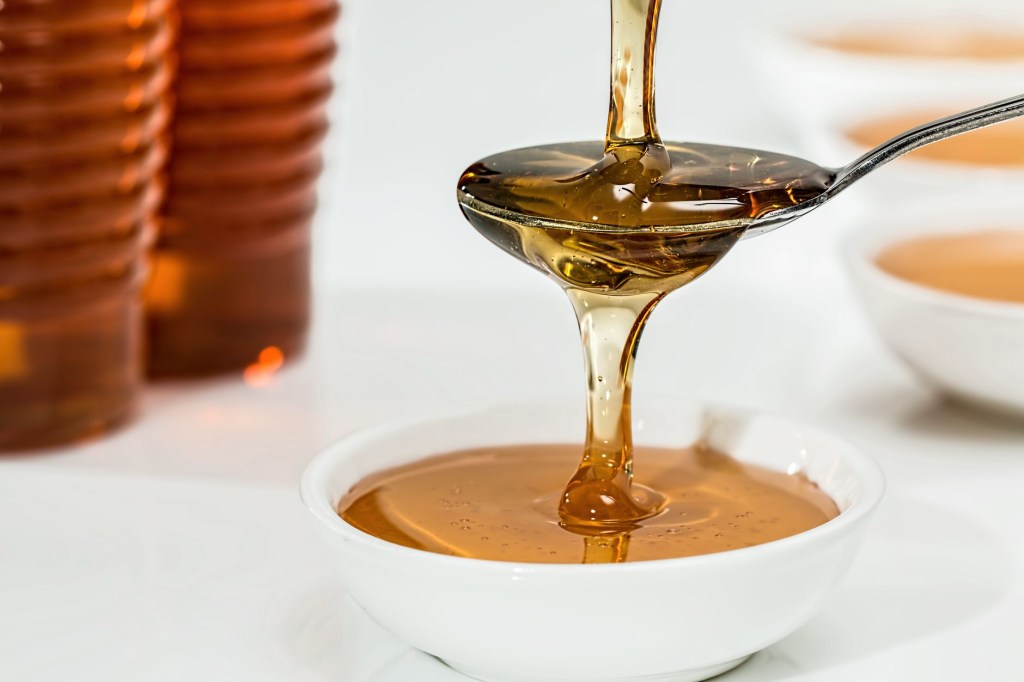
1. Honey is about 80% sugar, mostly fructose and glucose and is considered a natural sweetener. Since it is a derivative of plant nectar, it is a storehouse of bioactive compounds like polyphenols, flavonoids, vitamins, minerals and antioxidants. It is a blend of many natural substances, depending upon the different varieties of flowers whose nectar is collected by the bees. Because of its nutritional profile, honey has tremendous health benefits and is considered a healthy sweetener.

Beehives

2. Though honey is rich in sugar, it is a powerhouse of nutritional content in raw, unprocessed form. Depending upon the sources, the nutritional content can vary. Pasteurised honey is processed, filtered and can have a lesser quantity of flavonoids and polyphenols. Besides the antioxidant properties, honey includes calcium, potassium, vitamins, copper, iron and zinc. It also contains a trace amount of protein. Depending upon the varieties of flowers’ nectar, climatic conditions, examples of honey varieties are:

β€’ Clover honey

β€’ Wildflower honey

β€’ Orange blossom honey

β€’ Alfaalfa honey

β€’ Buckwheat honey

β€’ Rare variety like Manuka honey, found in New Zealand

3. Sources: Honey is the only natural sugar source which is produced by insects that humans consume. It is best when consumed raw and unrefined. Supermarket honey available is usually processed, pasteurised honey. Honey should be best sourced from local markets and local farmers, where the content is β€œpure honey” without any additives. These types of honey are lighter in colour and consistency. Darker varieties are stronger in flavour and nutritionally rich. Honey should be preserved in a glass bottle or plastic airtight container, below 32 degrees F.

4. Crystallisation: This is a natural process of honey where it is transformed from a liquid to a solid state depending upon the temperature and how it is stored. Crystallisation of honey doesn’t mean that the honey is spoiled. Honey with a higher content of sugar (fructose, glucose) is quickly crystallized like Alfalfa and clover types. Crystallisation happens as the dense sugar molecules start to hold the water permanently, which is, in fact, a sign of pure, unadulterated honey. The honey can be restored to its liquid form by putting the honey jar in a warm water container. Boiling water should be avoided as the nutritional content can be compromised.

5. Storage: Honey doesn’t require refrigeration. Its shelf life is around 2 years. Refrigeration and cold temperatures can lead to crystallisation of honey. It can be stored at room temperature at 20 to 25 degrees C or around 60 degrees F, ideally in an airtight glass container. It can also be stored in a food-grade plastic container. In the kitchen, it can be placed in a dry, dark place or pantry, avoiding direct sunlight.

6. Health benefits: As honey is rich in sugar, it should be consumed in small quantities rather than in large amounts. For centuries, the latest research has shown that honey has promising health benefits and healing properties. Some of them:

β€’ Antioxidant rich so consuming raw, unrefined honey on regular basis can have anti-inflammatory benefits.

β€’ Promote balance of blood sugar levels than regular refined sugar.

β€’ Improves heart health by maintaining blood pressure, regulate heart beats.

β€’ Since it has anti-bacterial properties , it can promote wound healing.

β€’ Suppress sore throat and cough and support respiratory health.

β€’ Supports gut health and is helpful in case of irritable bowel disease.

β€’ Anti-fungal, anti-bacterial & anti-cancer.

7. Brain health: Research suggests that honey has amazing benefits for brain health and can prevent neurodegenerative diseases. Manuka honey is the best for brain health. Some of the neurological benefits of honey are:

β€’ Unlike a refined sugar rush, honey can provide a natural, steady energy flow to neurons.β€’ Flavonoids and phenolic acids can prevent free radical oxidative stress and cell damage in neurons.

β€’ Supports memory by protecting brain cell mitochondria and elevates BDNF (brain-derived neurotrophic factor).

β€’ Studies show honey is neuroprotective and prevents cognitive decline.

β€’ Honey naturally contains melatonin, which supports sleep, and naturally removes toxins from the brain that build up while awake.

8. Alleviate cough: Studies have shown that honey is effective in soothing a cough. Drinking honey with a little warm water during a cough can help to form a coating in the throat. Its anti-bacterial and anti-inflammatory properties help as a healing aid for infections. Moreover, honey is safer as a home remedy than over-the-counter medications. It can be given to all age groups except children below 1 year of age, when there is a risk of food poisoning. Research shows that honey is far better than medicines like diphenhydramine (anti-histamine) and has a similar effect to drugs like dextromethorphan (cough suppressant ) and Salbutamol ( asthma drug).

9. Though honey is a natural sugar alternative, it is usually safe and healthy for daily consumption in moderation. There is no such standard recommendation, but experts suggest that 6-7 teaspoons daily should not be exceeded. WHO guidelines suggest that daily consumption of free sugar should not exceed 10% of daily intake. Since it has therapeutic benefits, its daily consumption can be beneficial for both gut health and the immune system. While using honey as a sugar substitute, other refined sugar food items should be completely avoided, as there are chances of weight gain (due to extra calories), sugar spikes in insulin-sensitive diabetics.

10. Takeaway: Research has shown for decades that honey is healthy with tremendous therapeutic effects when consumed in moderation as a wellness habit. Honey can replace the intake of refined sugar in several ways, such as:

β€’ For dessert, yoghurt or breakfast bowls.

β€’ Herbal teas, green teas.

β€’ Morning, on an empty stomach with warm water as an aid to digestion and immunity.

β€’ Honey should be avoided in boiling water or while cooking, as it may damage its nutritional value.

Thanks for reading.

Peace and love πŸ™

10 facts: Is hydrogen water a hoax or is it real?

1.Hydrogen water, also known as hydrogenated water, is simply regular water infused with hydrogen gas. The regular water is H2O with extra H2 gas added, which is what makes hydrogenated water. This hydrogen-rich water has become quite popular nowadays as it has been found to have health benefits. Manufacturers are now selling hydrogen water bottles across the globe for it’s health benefits. Extensive research has not been done so far, regarding the use of hydrogen water. Yet, it has been very popular in some countries, such as Japan.

2. As far as nutritional benefits are concerned, hydrogen water is the same as regular water in terms of calories, protein, fat, and carbohydrate which is nil. However, some manufacturers and providers do add trace amounts of vitamins A and C, magnesium, potassium and sodium sulfate to enhance the nutritional benefits. As already mentioned, not much research has been done in this context, but some experts do believe that drinking hydrogen water is beneficial for health.

3. Anti-inflammatory: Hydrogen water does contain anti-oxidants. Anti-oxidants fight inflammation and reduce oxidative stress. Every day, our body is inflicted with various types of physical and mental stress, which comes from external forces like pollution, sun exposure, toxins from the environment, food, day-to-day mental stress of various nature, also from normal body functioning, all these factors are sources of inflammation, diseases and cancers. Therefore, molecular hydrogen can help to some extent to combat oxidative stress and reduce inflammation.

4. Endurance and Mental health: Several studies have shown some positive results of increasing endurance and lowering fatiguability after drinking hydrogen water. It does show performance improvement, increasing energy, and endurance in the case of athletes, though scientifically, still not verified. It has been found to lower physical stress and reduce recovery time after heavy workouts.

Some studies on mental health have shown that drinking hydrogen water daily for 4 weeks showed marked improvement in mood disorders, panic disorders and anxiety.

5. COVID-19: More research is still needed to establish the fact, that hydrogen water consumption did slow down the immune response which is known as a β€œcytokine storm”. The use of hydrogen water was useful to reduce the cytokine response of Covid 19 virus which otherwise could lead to organ failure. But, as already mentioned, more studies are required to clarify that hydrogen water can potentially treat Covid 19.

6. Liver and kidney functions: Studies of cases of non-alcoholic liver diseases, cases of hepatitis –B virus, drinking hydrogen water has shown positive results in lowering fat storage in the liver, aiding the treatment process and improving the liver function. But then, research is limited in such cases too. A study on dialysis patients has shown, that intake of hydrogen-rich water caused improvement in renal function and BUN (blood urea nitrogen).

7. Cancer treatment: Hydrogen water does show positive results in aiding cancer treatment. Since hydrogen water contains anti-oxidants, and acts as an anti-inflammatory, an immune booster does give promising results during cancer treatment by improving both physical and oxidative stress. A study regarding colo-rectal cancer showed anti-cancer properties.

8. Metabolic syndrome: Metabolic syndrome is a condition which includes high blood pressure, high cholesterol, high triglycerides, obesity or excess belly fat. The risk factors of metabolic syndrome are oxidative stress and chronic inflammation. Some studies have shown that intake of hydrogen water around 1 litre daily, in individuals on a 10-week study marked a significant reduction of risk factors of metabolic syndrome and showed a favourable effect on the metabolic processes in the brain and even ageing.

9. Negative effects: As far as health experts are concerned, there are no known side effects of drinking hydrogen water. Research is still not enough to establish even the health benefits thathave been claimed so far. More studies are required to verify the health benefits. In the case of individuals with high-intensity workouts, athletes, and chronic kidney diseases, there can be a risk of hyponatremia in drinking excess hydrogen water.

10. Though several studies do show potential health benefits of drinking hydrogen water over regular water, but still, continuous trials and more studies are still required to establish the benefits. Many manufacturers are selling hydrogen water bottles which are quite expensive. Again, depending on the source of water, the authenticity of brands is important to avail the actual health benefits claimed. The bottom line is that there is still not 100% proof of the potential health benefits. If affordability is there, there is no harm in using hydrogen water for drinking, otherwise, regular drinking water is great as well.

Thanks for reading.

Peace and love πŸ™

10 facts: Are Psyllium husks gut-friendly?

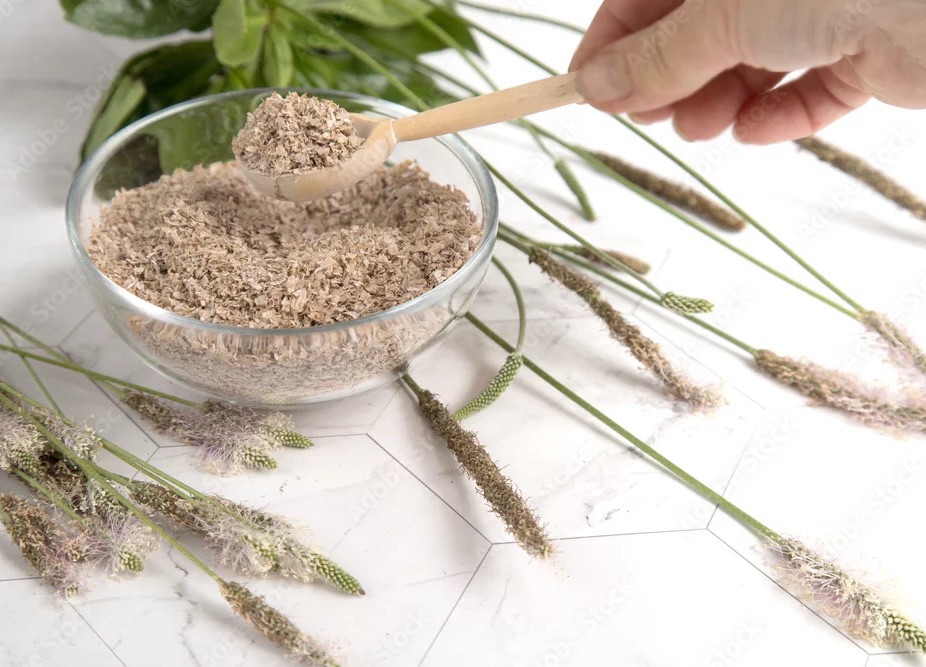
1. Psyllium husk is derived from seeds of the plant genus Plantago ovata. It is rich in water-soluble and unfermentable dietary fibres. It is used in food and nutraceutical industries. It has become popular due to its various health benefits. Psyllium is used as a fibre supplement because of its mucilage content. The mucilage is obtained by grinding the seeds of the Plantago group. These plantago seeds are often referred to as psyllium husks.

Gut- friendly

2. Psyllium husk has been used as a food thickener, fibre supplement, binding agent, gelling agent, and so on. Research studies have shown that it is rich in soluble fibres. So, it has been used as a laxative, which eases bowel movements, making it gut-friendly. Studies have shown that since it eases constipation, it helps to prevent complications like bloating, gas, haemorrhoids, and anal fissures.

Heart friendly

3. Some research shows that it benefits heart health too. Adding psyllium to a daily diet can lower the level of LDL ( bad cholesterol) and can help to maintain cholesterol levels. As we know high cholesterol can lead to conditions like chronic heart diseases, hypertension, diabetes, stroke and heart attack. So, adding psyllium in diet can help to prevent such conditions by maintaning the blood cholesterol levels.

4. Since psyllium is rich in fibres, adding them to a daily diet can even help to maintain the glycemic balance. Therefore, having a diet rich in fibre can be an important step in maintaining the balance of insulin and blood sugar. Psyllium can be a healthy prebiotic too, which can help to produce healthy bacteria and probiotics in the gut.

Weight management

5. A 2023 review study has shown that adding a moderate amount of psyllium fibers to the diet can help reduce weight in people who are overweight and obese. Managing weight can help to reduce the risk of chronic conditions like heart diseases, high blood pressure, gallstones, and breathing issues. Therefore, using of psyllium husk can be used for weight management but, off course under guidance of trained dietary experts.

Constipation

6. Studies have been carried out with the use of psyllium husk in the treatment of irritable bowel syndrome (IBS). The symptoms of gas, bloating, and constipation of IBS have been reduced or the frequency of symptoms can be minimized by the use of psyllium in the daily diet of such patients. This significant change has been reviewed in various research on IBS treatment. Hence, the use of psyllium is found to be suitable in the treatment of IBS.

7. Psyllium is also referred as ispaghula for its mucilaginous compound. It has been used in a variety of herbal medicine to treat various ailments in Asian countries like India and China. It is used to treat skin irritations, bladder problems, wound healing, high blood pressure and digestive problems. Studies do show that psyllium has gelatinous properties, and natural polymers for wound healing and scar reduction.

8. Regarding its uses in various functional food products, for its tremendous health benefits. It has many metabolic effects, lipid-decreasing effects, anti-diabetic, anti-hypertensive, delayed gastric emptying and lower glycemic index. Clinical studies have shown that it decreases the rate of glucose absorption, lowers the post-prandial insulin, and lowers LDL cholesterol by reducing bowel absorption. For its rich source of dietary fibre, it eases bowel movements and relieves constipation.

9. Psyllium is an important source of water-soluble fibre, hydrocolloid in nature due to its solubility and viscosity. The gum extracted from psyllium husk is used in various food items like gluten free bread, pasta, pizza, cookies, ice-creams, jams and myonnaise. It is used as a gluten replacement and also added with the various nutritional benefits to the food products. Due to its prebiotic benefits, it has been very popular as a gut-friendly ingredient in food items.

Bakery items

10. Commercially, psyllium is available as in powder or particle form derived from the seeds of the Plantago plants. It is conventionally used as a laxative agent, and as dietary fibre supplements, in various functional food products, nutraceutical industries, and food industries in breakfast cereals, bakery products, desserts and snacks. Psyllium has no known serious side effects except sometimes may have allergic reactions. The dosage of psyllium is around 5-10 gm with a meal or with water as a supplement. The dosage can be increased gradually if it is tolerable. As I always mention, it is important to follow instructions from experts or Physicians while using.

Thanks for reading.

Peace and love πŸ™