10 facts: Carcinogens and beauty products 🫪

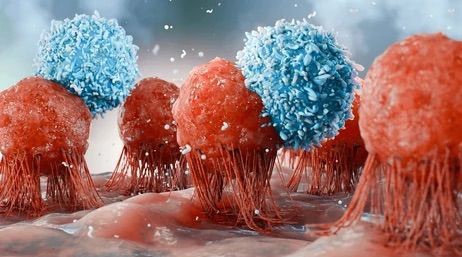
1.Carcinogens are chemicals which are found to increase the risk of cancer. According to WHO,1 in every 5 people develop cancer in their lifetime, which is quite alarming. Around 10 million people die every year world wide. Many strict regulations are already in place in various countries across the world, banning certain chemicals which are found to pose grave concerns to human health, including cancer risk. Personal care products including cosmetics use various chemicals and perfume to get the expected effects where some of the chemicals may result in health concern on long term use. Not all chemicals are tested properly, or they may not go through toxicity trials or animal testing. Research methods may sometimes differ from how the product is used by customers daily and in what quantity, it has been used. But, in spite of Regulations and Laws, it is important to have general awareness amongst individuals before purchasing any product.
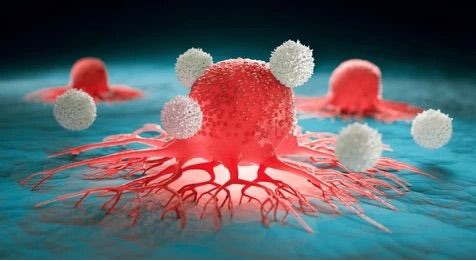
2. IARC: The International Agency for Research on Cancer, depending upon the cancer risk, has classified different agents based on evidence-based research :

Group 1: proven to be carcinogenic, like Alcohol, tobacco smoking, asbestos, formaldehyde, Benzene, sunlight (UV radiation)

Group 2A: Probable carcinogen with evidence of association with cancer risk, such as occupational hazards in case of hairdressers, shift workers (disruption of circadian rhythm), refinery workers.

Group 2B Possibly carcinogenic where there are limited evidence of an association with cancer risk. These categories include professions like firefighters, regular exposure to magnetic fields, diesel fuel, dry cleaning, textile manufacturing.

Group 3: Categorised as not classified, meaning that it is not possible to classify as carcinogenic based on evidence. Some examples include chlorinated drinking water, hair dyes, fluorescent light, and electric field exposure.

Group 4: Not carcinogenic, such as caprolactam used in the manufacture of synthetic fibres.
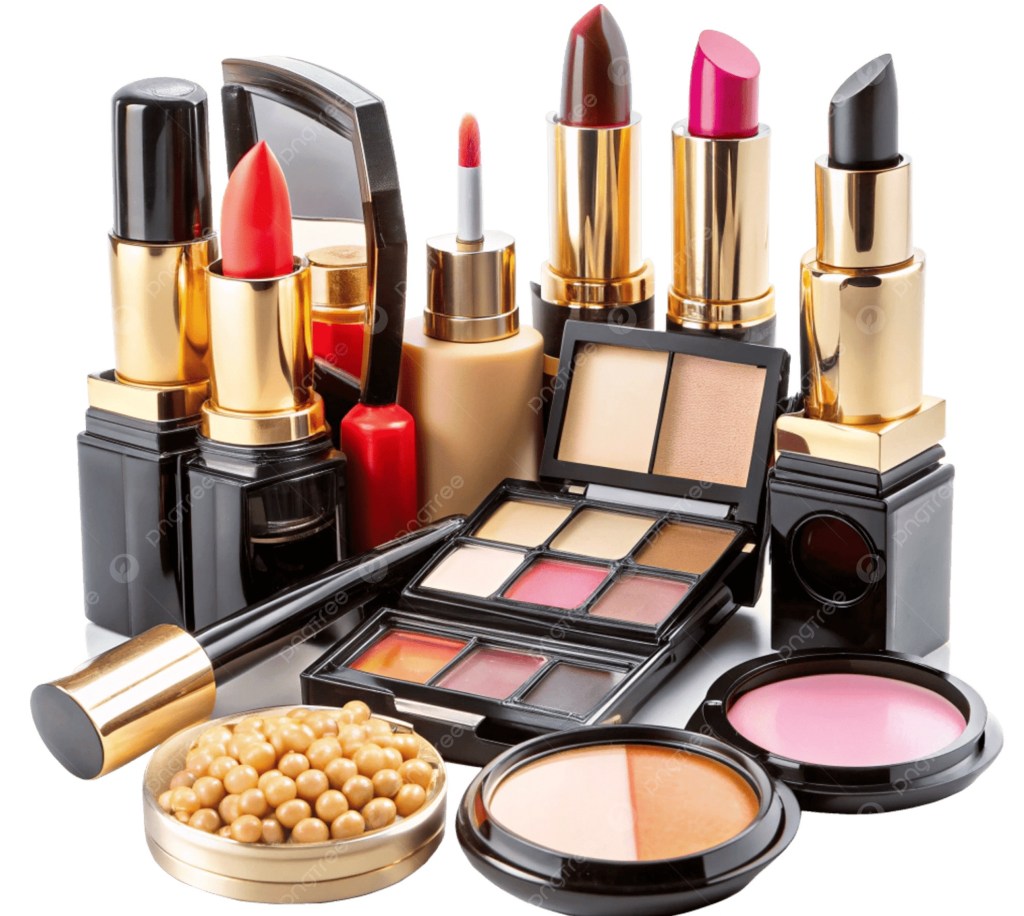
3. Many studies are carried out and are still going on in different countries for daily-use products like personal care and beauty care products. Some chemicals are banned from using in products which gave strong evidence of cancer risks. There is no specific product which has been proven to cause cancer presently in the commercial space for personal care. But, as far as consumers are concerned, there are products which should be avoided as they can be a health hazard. Some of them are:

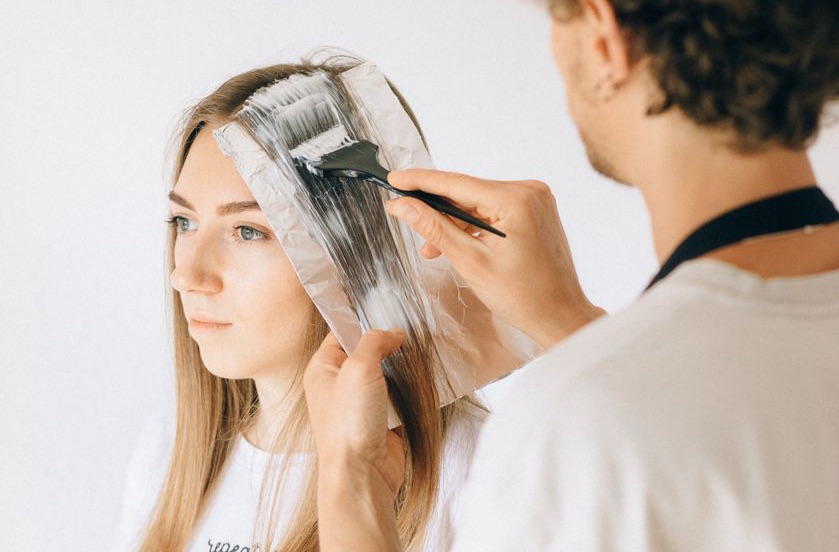
• Hair dyes which contain coal tar derivatives, phenylenediamines.

• Hair straightening treatments which can release formaldehyde gas.

• Nail polish, which contains formaldehyde or formaldehyde-releasing preservatives.

• Shampoos containing traces of benzene.

• Talc powder, blushes and face powder containing traces of asbestos.
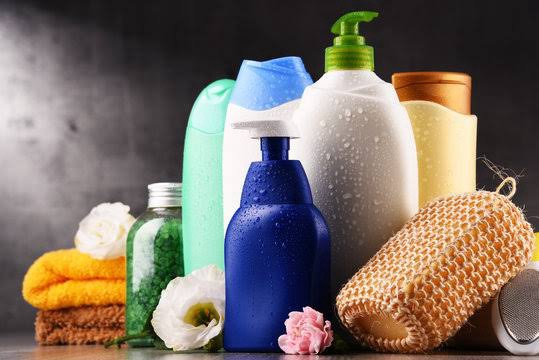
4. Formaldehyde: According to IARC, formaldehyde is categorised as a Group 1 carcinogen, meaning that it has been proven to be a carcinogen by evidence-based studies. It has been linked to various cancers like the nasal cavity, paranasal sinuses and nasopharynx. Also associated with blood and bone cancers. Formaldehyde is used in cosmetics, beauty products as preservatives which in course of time breakdown and emit formaldehyde releases. Products containing formaldehyde, and labels of items which contain DMDM hydantoin, diazolidinyl urea, quaternium-15, bronopol, sodium hydroxymethylglycinate should be completely avoided. Common products which contain formaldehyde or its derivatives include:

• Hair products like dyes, shampoo, hair straightening agents, conditioners.

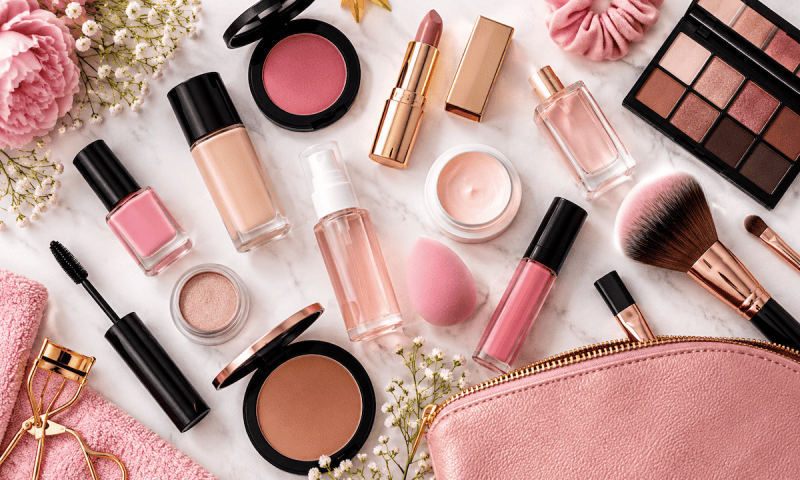
• Make-up items.

• Nail polish, face creams, eyelash glue, false eyelashes.

• Body lotion, body wash (water-based products)
5. Apart from formaldehyde and its releases, other chemicals which are definitive proof of carcinogens such as :

• Benzene, which can be a trace contaminant in products like sunscreen, dry shampoos.

• Coal tar found in anti-dandruff products, hair colours.

• Talc, where traces of asbestos are found.

• Phenacetin is used as a stabiliser in products like hair colours, facial bleach, and depilatories.

• Ethylene oxide is prohibited in cosmetics but commonly exposed in tobacco smoke and automobile exhaust. It is commonly used to sterilise medical instruments.

• Heavy metals like chromium, cadmium, and arsenic (as a contaminant) are found in facial lotion, cream, shampoo, and foundation.

6. Mineral oils: Mineral oils are crude oils which can be refined and unrefined, used in various personal care products. Mildly treated mineral oils contain PAH (polycyclic aromatic hydrocarbons), which are categorised as carcinogens, especially benzopyrene. PAHs can damage DNA when entered in the body, they are reactivated by the enzymes and bind with DNA causing mutation. Then cells can rapidly multiply and can cause tumours. Long-term exposure can cause skin, bladder, and lung cancers. Beauty products where mineral oil can be used include hair colors, hair styling products, lipstick, lip gloss, facial bleach, moisturiser, blushes, concealer, and eye shadow.

7.1,4 Dioxane: This compound has been found in traces in cosmetic products, detergents, emulsifiers, and foaming agents. It is not intentionally added but instead used as a byproduct of manufacturing these items. This compound has been proven to be a potential carcinogen by agencies like the FDA. To find 1,4-dioxane, look at the labels of products that contain the “word” like “-eth-“ or “-oxynol-“, PEG, Polyethene, Polyethene glycol, Polyoxyethylene.
8. Endocrine disruptors: Certain substances used in many personal care products may disturb the endocrine functions in the body, which can lead to cancers like breast, ovarian and prostate cancers. These substances disturb the levels of oestrogen, progesterone and testosterone in the body. Substances like Pthalates, Parabens, Benzene, and Bisphenol A (BPA)
9. Safety: Beauty and personal products should always be purchased with proper certification like COSMOS or Ecocert. Any unregulated product should be avoided. Most beauty brands do follow the regulations and Laws of the Regulatory Bodies of the particular country of origin. Some of the tips are:

• Usually, plant-based products with fewer ingredients are preferred.

• Use products which are labelled scent- free and fragrance-free.

• Use powders or blushes using rice starch, bamboo silica and arrowroot powder.

• Instead of petroleum pigments, use mineral oil pigments like zinc and iron oxide.

Any product containing formaldehyde, or its releases like DMDM hydantoin, imidazolidine, coal tar, Pthalates, benzene should be avoided.
10. Takeaway: Studies have already shown that beauty and personal care products do contain many chemicals which are not just hazardous but carcinogenic to human health. It is important to discard all the toxic products that you have already purchased. Instead, look out for plant-based, clean products which are known to be safer. Always prefer products with natural, simple ingredients. It is important to read the label before buying any product, and not be satisfied with marketing gimmicks like “natural” or “organic” written on the front of the item. Always do a skin test ( patch test) before directly using a new product on the skin, face or body.

Thanks for reading.

Peace and love 🙏
10 facts:Microplastics/Nanoplastics impact on human health 😢

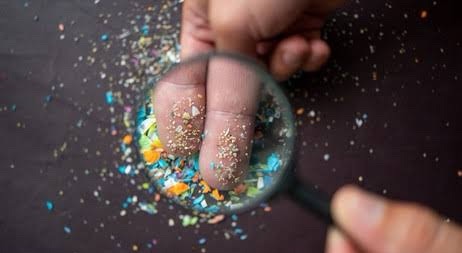
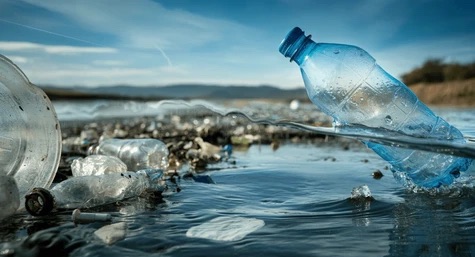
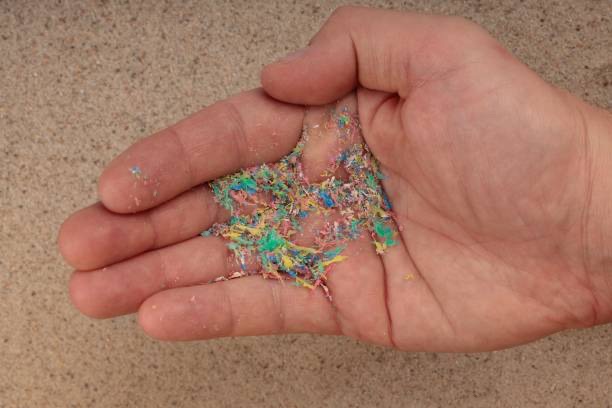
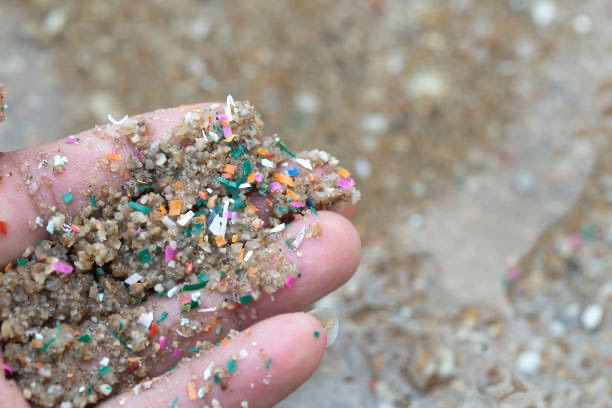
1. Microplastics are small plastic particles, less than 5mm in size, while nanoplastics are extremely small, less than 100 nanometers, and are found in the whole environment, everywhere, in the air, water, and soil. The greatest impact of these small particles on aquatic life has been a trending topic in recent times. The potential hazard to human lives is a great concern, too. Microplastics come from many sources. Tiny particles produced from polyethene plastic are used in many cosmetic products, even in health products, as an exfoliate. Plastic pollution is seen in both food and drink product packaging, the most hazardous being the bottled water. The direct effects of plastic particles, especially chemicals like BPA, on human health are still the subject of ongoing research widely carried out.

Microbeads

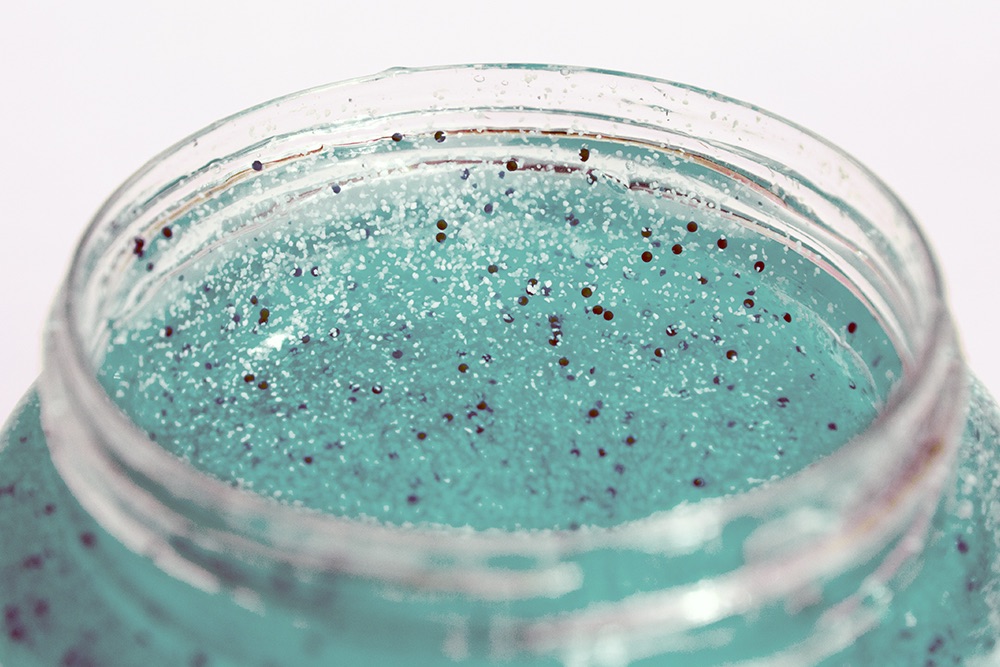
2. Microplastics have been used in many industrial and cosmetic products as microbeads. They are also used in toothpaste, as vectors for drug delivery, cleaning agents, plastic packaging in food and drinks, and manufacturing products. Some examples of primary and secondary uses of microplastics:

• Personal care /cosmetics like toothpaste, facial scrubs, and cleansers.

• Agricultural products are used as coatings in fertilisers and in seeds.

Industrial products such as paints, textiles, tyre materials, and many types of machinery.

• Sports like synthetic turf.

• Secondary microplastics are released from packaging and fragmentation of bottles, bags and debris, produced by fragmentation and weathering due to exposure to UV lights, weather and mechanical activity.

3. Microplastics as a global threat has become an issue of grave concern because of their impact on all compartments of the environment, that is, air, water and soil. The most common concern is the food packaging on major food items such as mineral water, drinks, dairy, snacks, meat, fish, and frozen products. The contact of contamination is between the food item and the container/ the outer package is actually the cause of mutual transfer between the content and the plastic. Besides these, microplastics are also found in sediments in freshwater, the ocean, soil ecosystems, and on beaches, becoming a threat to not just humans but also other life on earth, including aquatic animals.

4. Microplastic pollution: Over the years, the growing presence of microplastics in the environment has increased day by day. The microplastics have high polymer content, so they remain non-perishable, non-degradable in soil, and insoluble in water. The direct impact on humans can be:

•Consumption of bottled water and plastic packaged drinks.

•Food packaging of different items.

•Indirect effect of microplastics from consuming aquatic foods like seafood, fish, and crustaceans.

•Personal care items like fabrics ( sportswear), toothpaste, face scrubs, and exfoliating products through micro beads.

•Industrial products.

5. Accumulation in the human body: Microplastics/ Nanoplastics easily accumulate in the human body through different sources :

• Ingestion through the food supply chain.

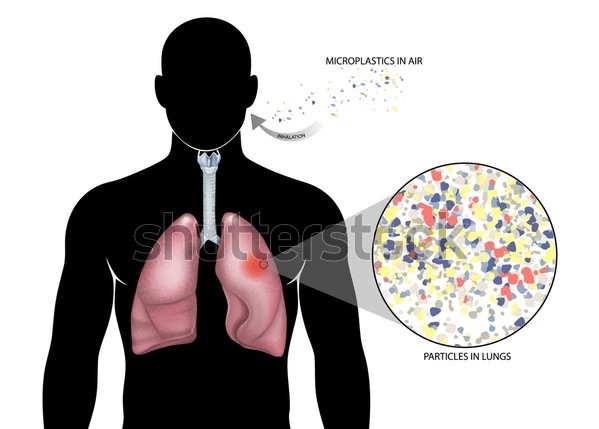
• Inhaled through air pollution.

• Ingested through drinks and water.

• Microplastics can enter the human body through dermal contact via sweat, wounds, an indirect route like unfiltered sewage plant, seawater, and seafood.

6. Recent studies have detected microplastics/nanoplastics in different human tissues and organs, including the brain. Traces are found in blood, liver, kidneys, lungs, and saliva. They mainly enter into different organs and tissues through the respiratory and gastrointestinal tracts. Nanoplastics, which are even smaller ( less than 1micrometer ), are more dangerous as they can infiltrate the human cells. Microplastics have also been found in human breast milk, placenta, meconium, and an infant’s first stool.

Health concerns

7. Impact on human health:

•Oxidative damage: Microplastics can cause oxidative damage, DNA damage and changes ingene activity.

• Reproductive effects can be ovarian scarring, low sperm count, and metabolic disorders in offspring.

• Deposits of BPA, phthalates, and heavy metals can cause damage to the brain, nervous system, reproductive, gastrointestinal and respiratory systems.

• Other effects can be inflammation, cell death, changes in hormone and lipid metabolism, and an altered gut microbiome.

8. Research shows that potential health risks due to absorption, inhalation and ingestion of microplastics and nanoplastics are an alarming public health issue. The most important key effects can be:

• Regular or frequent exposures can cause chronic inflammation in the gastrointestinal system, endocrine disruptions, and a weakened immune system.

• Accumulation in the respiratory system can cause lung inflammation, chronic asthma, chronic obstructive lung diseases and lowered lung function.

• The reproductive system can be affected, leading to low sperm count and infertility.

• Accumulation in organs like the liver, kidneys, spleen, and placenta can lead to scarring and functional irregularities.

• Increased risk of cancers and cardiovascular issues.

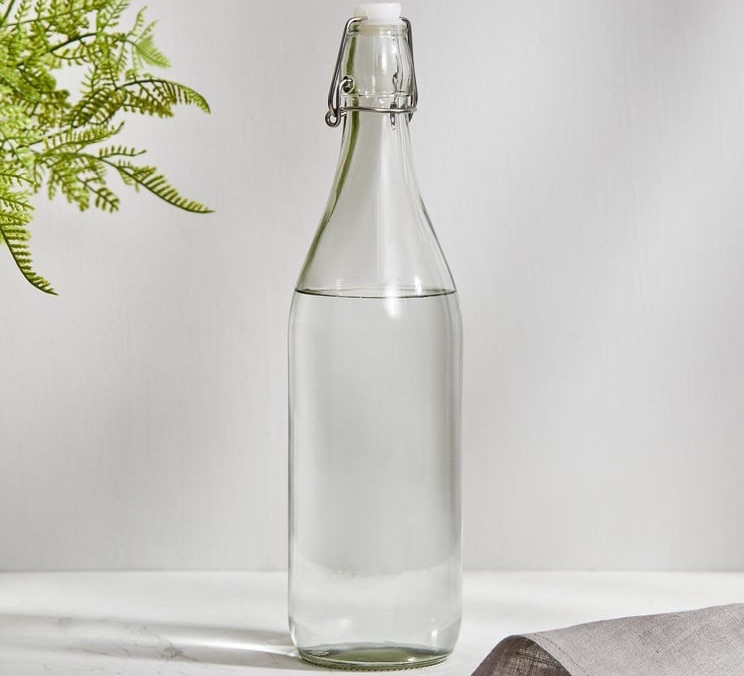
Glass bottle
Ceramic/wooden

9. Supporting the body’s natural detoxification process can be useful in removing microplastics to some extent. Some of the proven ways by which microplastics can be removed from the body are:

• Drinking plenty of water helps flush out toxins.

• Sweating it out by physical exercise, running, or walking.

• Consumption of gut-healthy food like fermented food, prebiotics and probiotics.

• Antioxidant-rich foods like flaxseeds, chia seeds, berries, and cruciferous vegetables.

• High fibre vegetables for forming bulk and binding the waste to be disposed of from the body.

Fibrous diet
Cotton fibre

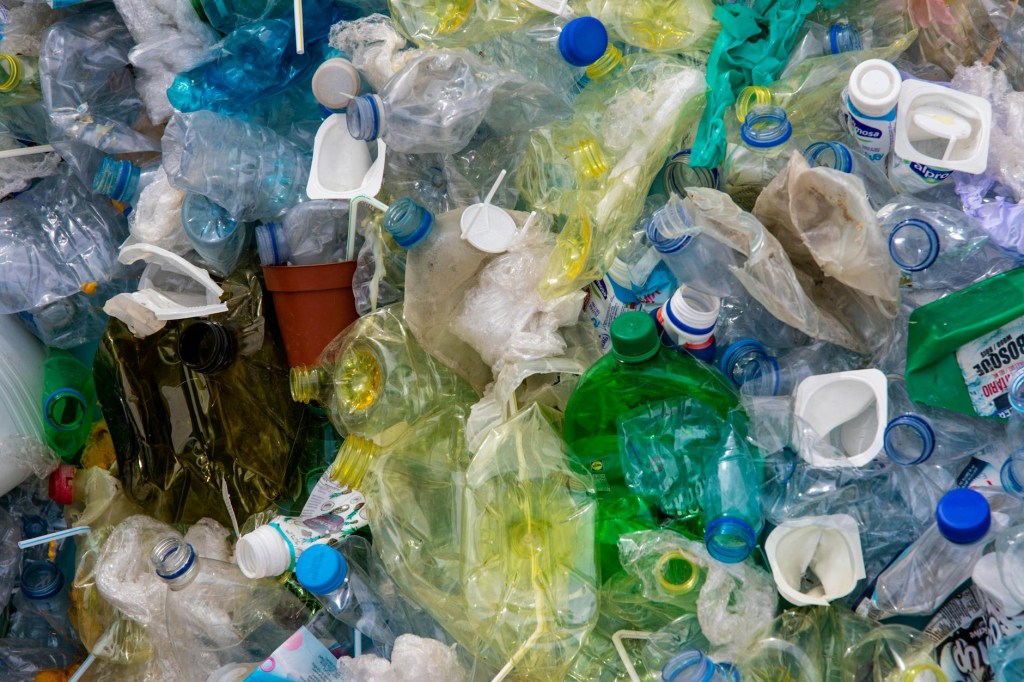
10. The use of plastic is a global environmental hazard which has been taken seriously worldwide. Some important steps taken are:

• Minimal use of plastics in food supply chains and industrial uses.

• Use of plastic alternatives like bamboo, wood, seaweed, metal, and glass packaging.

• Replacing household items like/with silicon food bags, ceramic, glass utensils, stainless steel containers, wooden utensils.

• Using reusable materials derived from sugarcane, wheat, seaweed, packaging materials like cardboard, paper, plant-based wraps, and foams.

• Natural fibres like jute, organic cotton, and wool.

• Extensive research for the environmental clean-up of plastics and recycling plastics is ongoing in many countries. Plastic-eating bacteria (Ideonella sakaiensis), microbes like Pseudomonas, and Bacillus have been identified which have biodegradable capacity to break down plastics.

Thanks for reading.

Peace and love 🙏
10 facts : Is arsenic in rice, a health issue?

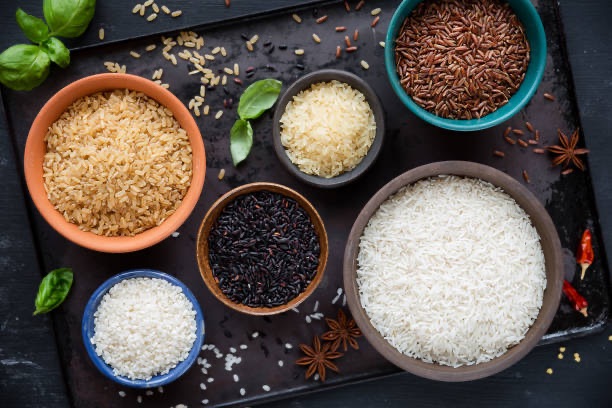
In general, we are exposed to arsenic daily. Not only through food, but also through air pollution, smoking, contaminated drinking water and so on. Rice is the most common dietary source of arsenic, along with fruits, vegetables and grains. Rice and rice-based products are vulnerable to arsenic contamination because of the method of cultivation, especially from the soil and irrigation water in paddy fields. Therefore, white rice, brown rice, rice snacks, rice milk, infant food and rice cereals are all found to have arsenic.

1.Yes, rice eating can give arsenic exposure, depending on the contamination levels, which can be a health concern in the long run. Arsenic contamination levels in rice can vary based on sources, brands, farming methods, and the use of fertilizers and pesticides.Therefore, it is a potential health hazard, especially for rice-eating countries, mainly in Asia. Consistent arsenic exposure can affect different organs, the nervous system, gastrointestinal system and can even cause cancer. Not many studies have been done so far, but research has confirmed that rice contains a relatively high level of inorganic arsenic, which can be toxic and carcinogenic.

2. Rice has been a staple diet for centuries in Asia, unlike in Europe and America. There are different varieties of rice in which the arsenic levels can differ. According to research studies, different varieties of rice can have different levels of inorganic arsenic, such as:

•White long-grain rice (regular type) contains a higher level of mean arsenic concentration (ppb) as compared to medium or short varieties of regular white rice.

• Pigmented rice, like red rice or black rice, may have a slightly lower level of arsenic than regular white rice in many regions.

•Usually, brown rice, which has a bran and germ covered, is found to have higher levels of arsenic than regular white rice.

3.Research has found that brown rice, red and black rice have around 154 ppb of arsenic concentration, though the quantity varies depending on where they have been sourced. The white rice relatively has a lower quantity of 90 ppm of mean arsenic concentration. Arsenic is a heavy metal which is water-soluble, so the sources are many. It can be contaminated through soil originating from volcanic eruption, mining, power production and other geothermal activities, from irrigated water sources, pesticides, fertilisers and environmental pollution.

4.Different varieties of rice with mean arsenic levels, but the quantities may vary from region to region:

• Arsenic levels are higher in rice grown in the United States and some regions of Europe than in Asian countries like India, Pakistan or China.

• Aromatic rice, like Basmati and Jasmine rice, has a level of around 50-80 ppm, less than regular long-grain rice.

• Medium and short grain white rice contain 80-90 ppm as compared to long grain rice.

• Coloured grain rice, like brown and black rice, contains around 90 ppm.

5.Sources: Organic arsenic can be found in some seafood, seaweed is less toxic than inorganic arsenic, which is found in rice, grains and vegetables. Heath risk of having inorganic arsenic- contaminated rice and other food items can cause heart diseases, stroke, diabetes, cancers, skin and nerve diseases. Arsenic-contaminated infant food and cereals are very toxic to infants and growing children as they can interfere with the growth and development of the brain and nervous system, leading to autistic spectrum disorders, kidney diseases, and gastrointestinal system disorders.

6.Arsenic is odourless and tasteless, water-soluble, and easily absorbed in various food items. Besides, rice, vegetables, grains, arsenic can also be contaminated in poultry, such as chicken meat and eggs. When arsenic-contaminated feed is given to poultry, the arsenic is absorbed by the chicken meat and eggs. Additionally, arsenic-containing drugs administered to poultry and farm animals can lead to contamination, posing a hazard to human consumption.

7.Cutting down rice and grains, and vegetables from the diet is not a solution, as these items are very much part of the staple diet because of nutritional value in a major part of the population around the world. So, the different methods by which arsenic contamination can be reduced in the diet are:

•Sourcing the rice from less contaminated regions, also known brands, where the manufacturer mentions on the package.

• Using the type of rice, such as white regular, short and medium-grain white rice. Cooking brown rice with appropriate method.

• Correct method of cooking.

• Alternative use of whole grains like millet, quinoa, oats, and barley.

8.Typical way of cooking rice, where the water dries out, does not change the arsenic level in rice. Instead, an appropriate method of cooking the rice can reduce the arsenic contamination by 50-60 per cent:

• Overnight, soak the rice and drain the excess water.

• Using a larger quantity of water, like a 6:1 to 10:1 ratio, to cook the rice rather than the regular water level.

• Boil the rice and discard the excess water.

• Cook the rice in a pot slowly rather than in a pressure cooker.

9. Unpolished brown rice naturally contains nutrients and vitamins. Many white rice brands fortify the rice with different nutrients and vitamins, too. Rinsing and draining the excess water after boiling causes a lot of water-soluble vitamins and nutrients to be lost. For instance, rinsing white rice thoroughly causes a considerable amount of folate, niacin and vitamins to be removed from the rice. But in the case of unpolished brown rice, the nutrients and vitamins remain inside the bran covering. So, rinsing the brown rice does not affect the nutrients. Hence, brown rice is still healthier than white rice.

10. Therefore, raw, unpolished brown rice can be thoroughly rinsed, cooked in a pot slowly with a large amount of excess water, like pasta in the ratio of 10:1, which can reduce arsenic concentration by 50-40 per cent. At the same time, the quantity of folate, vitamins and minerals in the boiled brown rice remains intact. In this way, the baseline risk of cancer and health hazard reduces by about 60% which is suitable too. So, eating unpolished brown rice, pigmented rice and aromatic white rice can be suitable with the appropriate method of cooking. Also, using alternative grains like quinoa, millet, and barley is considered a healthy option to be included in the diet routine.

Thanks for reading.

Peace and love 🙏