

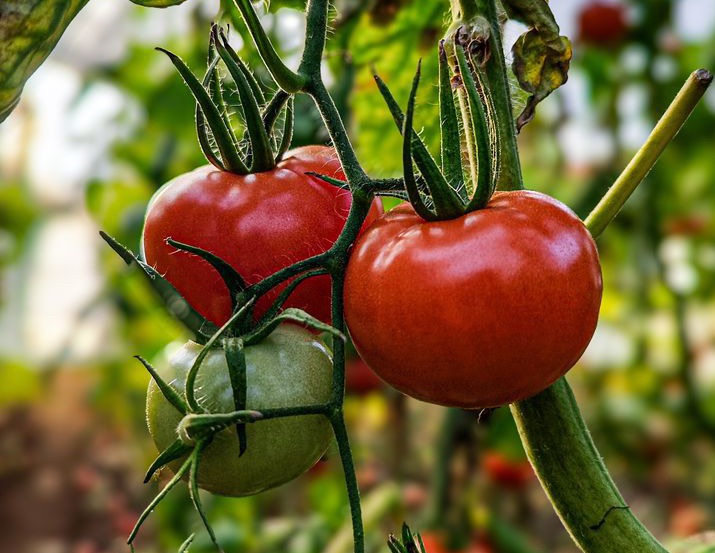
1. Tomatoes are a powerhouse of minerals and vitamins and the second most consumed vegetable in the world. In addition to these nutrients, tomatoes also contain phytochemicals. These compounds are rich in antioxidants and have anti-inflammatory properties. They fight oxidative stress, reduces the damage caused by free radicals. Among the phytochemical groups,carotenoids are present in tomatoes which gives it bright red, orange colour. Lycopene is a type of carotenoid which is highly present in tomatoes has anti-cancer properties. Besides these, lycopene helps to prevent many lifestyle chronic diseases. Tomatoes have been a widely consumed vegetable across the human race, in all cuisines because of their taste, tanginess and versatility.
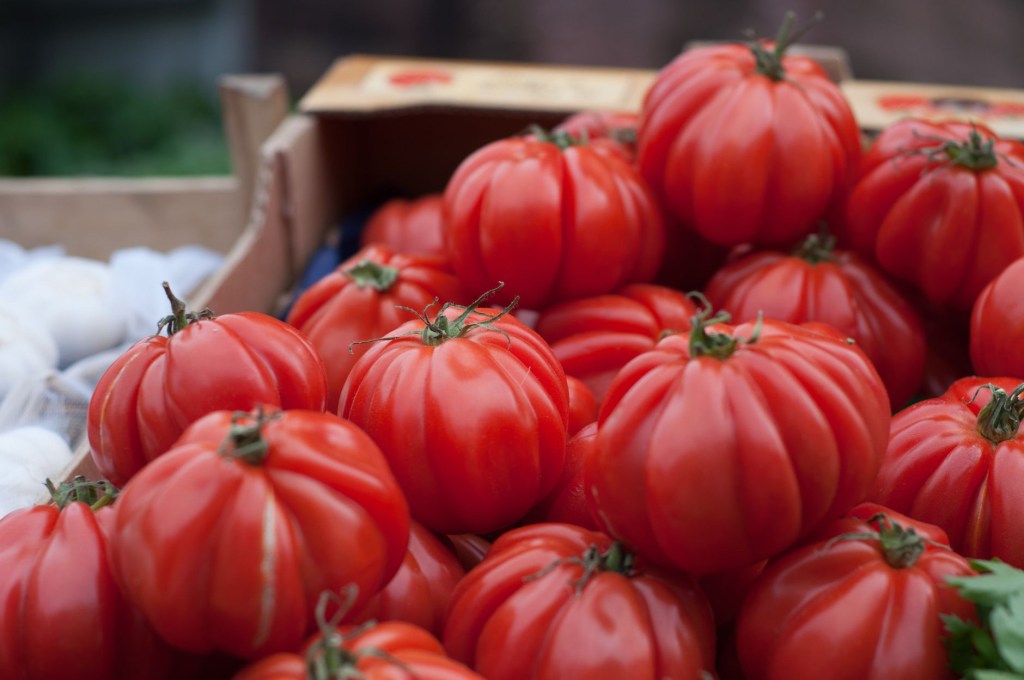
2. Tomatoes are low in calories, high in water content and rich in nutritional value. They have a rich nutritional profile which includes lycopene, vitamin C, vitamin E, beta-carotene, and many more functional compounds. Mostly, it is grown worldwide and has different varieties in colour and size, according to the climatic conditions and soil composition. Tomato peels are also rich in protein and polyphenol compounds. The main compounds found in tomatoes are :
• Vitamin C, vitamin K1
• Potassium, folate
• Lycopene
• Beta – carotene
• Naringenin, Cholinergic acid, homovanillic acid.
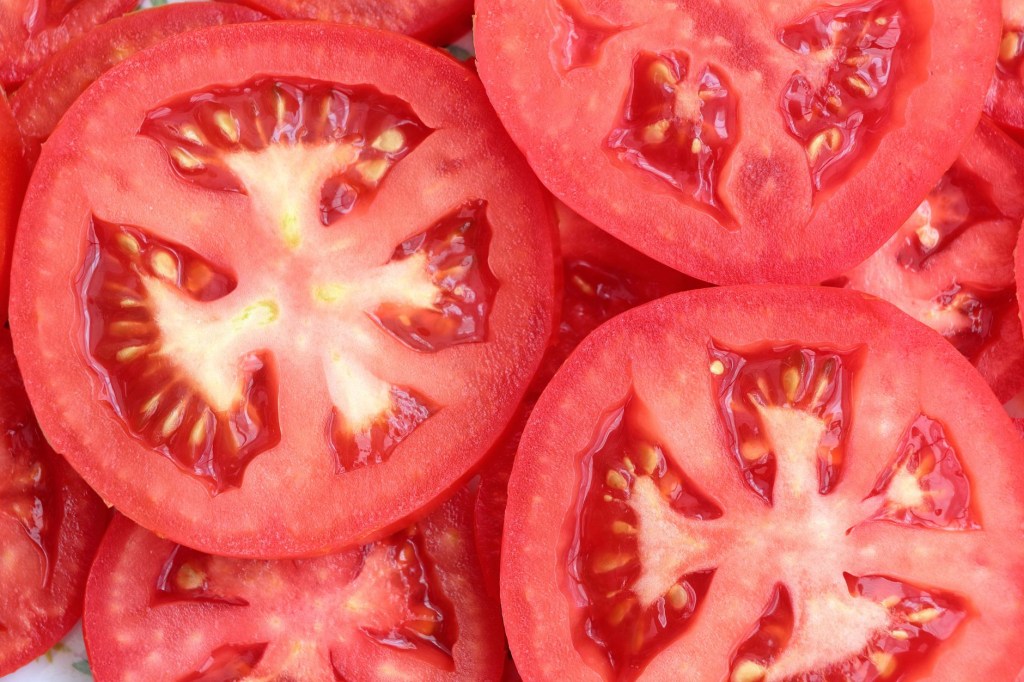
3. Tomatoes are rich in lycopene, which is found in peels, flesh and seeds. Lycopene is a very potent hydrocarbon whose antioxidant capacity is twice as powerful as beta-carotene and ten times more powerful than tocopherol. Lycopene prevents cellular oxidative stress by protecting DNA from damage, which is responsible for many chronic diseases. It can capture and neutralize the harmful reactive oxygen species (ROS) so, known as a ROS scavenger. It enhances apoptosis, inhibit cell proliferation in cancer cells. Besides the anti-cancer activity, it has potent health benefits and prevents the risk of heart diseases and age-related eye diseases. Apart from these, there are other nutrients like beta-carotene, which acts as a precursor for the production of many vital phytochemicals.

4. Health benefits: Due to being rich in phytochemicals, vitamins and minerals, tomatoes have a long list of health benefits:
• Anti-cancer properties due to the presence of lycopene, beta-carotene, vitamin C, ferric acid and healthy fibre.
• Heart-friendly, as it reduces the risk of atherosclerosis, hypertension and inflammation.
• Carotenoids help to reduce insulin resistance, lower blood sugar, and prevent diabetes.
• Lycopene prevents neurodegenerative disease.
• Promotes skin health
• Maintain a healthy gut microbiome

5. Anti-cancer activity: Strong evidence from various human-based research studies has shown that tomatoes reduce the risk of cancers. Some of the outcomes of studies are :
•Since tomatoes are non-starchy vegetables, they reduce the risk of colorectal, lung, oesophageal, throat, larynx, and stomach cancers.
•Limited evidence has shown a decreased risk of breast, prostate and bladder cancers.
•Rich in antioxidants, anti-inflammatory, free radical scavengers, they protect against cellular damage, lowers the risk of chronic degenerative diseases, helps fight cancer.

6. Tomato processing: Tomatoes are both eaten raw and in processed form. Tomato processing in the form of cooking, heating, boiling, and crushing can, in fact, increase its antioxidant effect and anti-cancer properties rather than damaging them. Important points :
• Enhanced lycopene absorption: Heating and mechanical breakdown can break the rigid cell wall of the tomatoes, making them easier to absorb.
• Increase healthy fat absorption: Cooking with healthy oils (olive oil) increases lycopene absorption as it is fat-soluble.
•Tomato products like paste, puree, and sauces are concentrated, so they can provide higher absorption of lycopene than raw tomatoes.
• Heating might affect other vitamins and minerals, but lycopene, which is known for anti-cancer activity, can be well absorbed.

7. Tomato-based products: Tomato products like canned tomatoes, paste, juices, puree, and sauces usually have a positive impact on health, as cooking and heating increase the bioavailability of lycopene and other antioxidants compared to raw tomatoes. Cooking and heating break down tomatoes cell walls and increases the higher density of lycopene due to the concentrated forms than eating raw tomatoes. Cooking with healthy oil like extra virgin olive oil even further increases the absorption of lycopene, as it is fat-soluble. Drizzling olive oil on tomato salad is necessary, as it can help in the absorption of the nutrients in the vegetables.
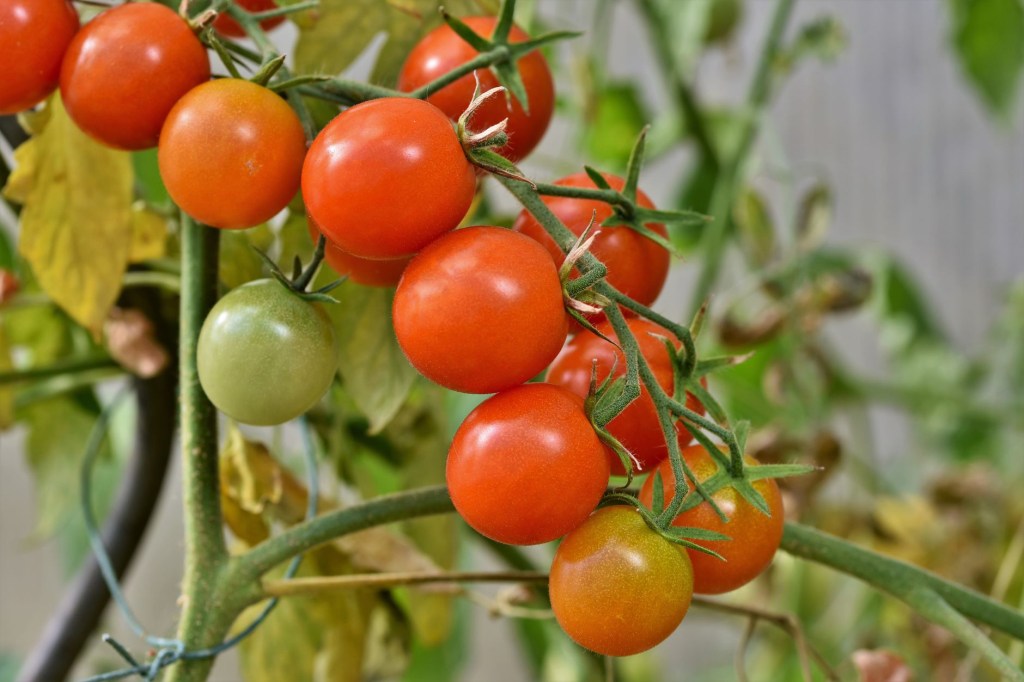
8. Commercial tomatoes v/s farm grown: Commercial companies usually harvest tomatoes in the early stage while they are green and immature to prevent spoilage by pests, birds and other environmental factors. To ripen them, they spray ethylene gas, which makes them ripen and turn red in colour. This method can affect the nutritional profile of the tomatoes which are normally present. Locally grown tomatoes which have ripen naturally are the best ones which are better choices. So, when buying tomatoes from the supermarket, one should always verify where the tomatoes are being sourced.
9. Safety: Although tomatoes are usually safe for the majority of people. There are instances of tomato allergy when the individual should avoid the vegetable. People with pollen- food allergy syndrome or latex allergy should avoid eating tomatoes, as the vegetable protein can mimic pollen to which the immune system can react, causing a swollen mouth and throat, itching, and redness.
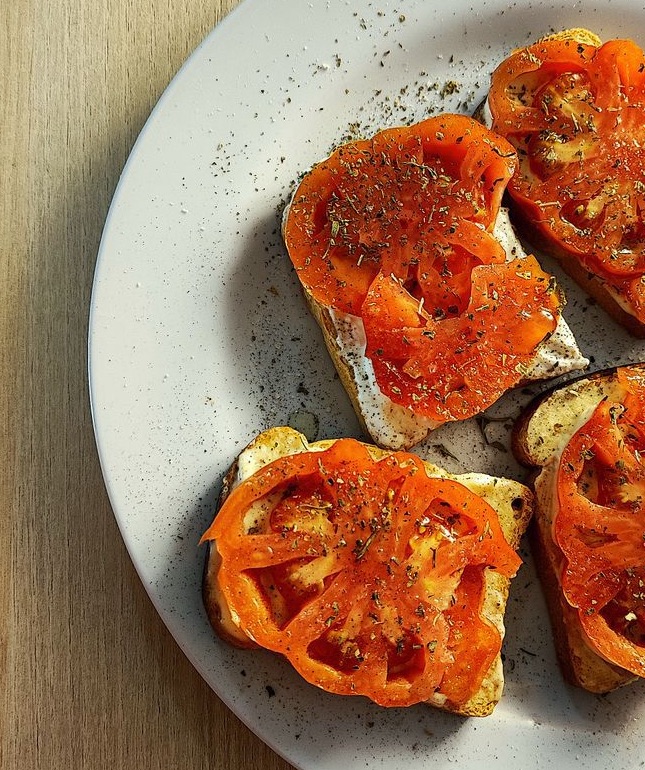
10. Takeaway: Tomatoes should be a part of a healthy routine diet as this vegetable is full of nutrients and antioxidants which can help in decreasing the risk of many chronic diseases including cancers. Due to the presence of lycopene and beta-carotene, research has proved that this vegetable has anti-cancer activity and can prevent many cancers. Tomatoes in concentrated forms like puree, paste, and sauces are better than raw tomatoes, as heating and cooking can increase the absorption of lycopene and beta-carotene.
Thanks for reading.
Peace and love 🙏

