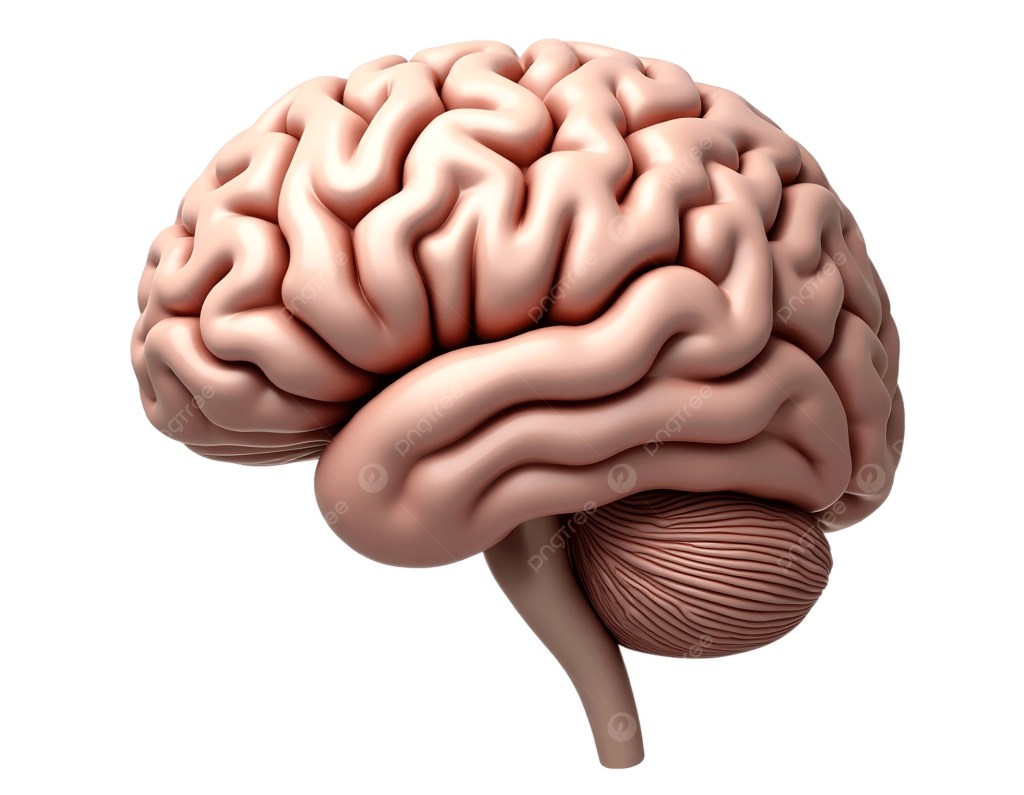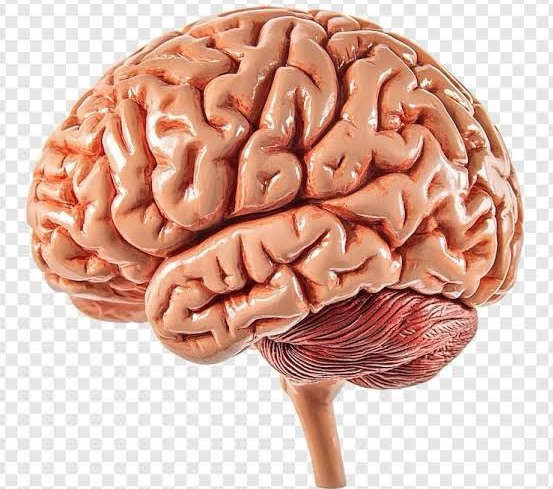



10 facts: The link between obesity and brain function🧠

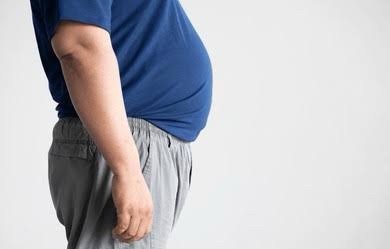
1.Research has already stated that obesity is a risk factor for neurocognitive decline. Obesity has become a widespread lifestyle disease that affects individuals regardless of age, gender, race, or culture. Many studies are being conducted on the relationship between obesity, defined as an excessive accumulation of fat, and brain function. Research has shown that structural changes in the brain are quite common among elderly obese individuals, particularly in the form of cerebral atrophy in grey matter and alterations in white matter volume. Notably, there is a reduction in the volume of the frontal lobe, hippocampus, thalamus, and anterior cingulate gyrus. Changes in brain structure can also occur in younger obese individuals.

2.BDNF (Brain-Derived Neurotrophic Factor): Adverse effects of Brain-Derived Neurotrophic Factor (BDNF) have been linked to lifestyle and diet choices. Low levels of BDNF, which affect neuronal plasticity, are associated with obesity and diets high in sugar or fat. Studies have shown that a high-fat diet, which leads to increased body weight, is related to reduced BDNF levels in the prefrontal cortex. This reduction can result in learning difficulties and impaired food intake control. Additionally, elevated serum leptin levels in obese individuals can lead to changes in the structure of the hippocampus and negatively impact memory performance.

3.Inflammation: When there in increased accumulation of fat tissues, they trigger chronic inflammatory responses, chemicals (cytokines) which crosses the blood brain barrier and reaches the brain cells, thus neuro-inflammation starts. The inflammation process spreads in the brain, damaging the cells, mitochondrial malfunctions which causes oxidative stress, brain immune cells (microglia) becomes hyperactive causing inflammation which can be localised or extensive. The hypothalamus, which controls appetite, is affected, creating a vicious cycle of weight gain. The hippocampus and Amygdala are affected, which causes issues in memory and emotion control.

4. Brain metabolism: Obesity can greatly affect brain metabolism by disturbing core functions such as :

• Obesity can disturb the brain’s insulin sensitivity, which in turn disrupts appetite control and impairs neuronal energy production.

• Mitochondrial dysfunction and low energy production in brain cells can increase oxidative stress and the release of harmful toxins, leading to cellular damage.

• Neuro-inflammation spreads due to the release of inflammatory chemicals like cytokines from visceral fat, leading to an increased risk of cognitive decline, dementia, depression, anxiety and diseases like Alzheimer’s disease.

5. Obesity and insulin resistance: In a healthy individual, insulin acts as an appetite-suppressing hormone on the brain. Studies show that obesity plays a key role in disrupting insulin sensitivity, causing impaired appetite control, resulting in metabolic disorders like type 2 diabetes. Studies have already linked obesity to diseases like heart attacks and cancers. Apart from appetite regulation, insulin in the brain helps in the co-ordination of fat distribution by promoting healthy subcutaneous fat storage instead of unhealthy visceral fat storage. Obesity leads to brain insulin resistance, causing an increase in visceral fat, increased food cravings, overeating, anxiety, depression and further weight gain.

6. Behaviour changes: Dealing with obesity is a gradual process which requires lifestyle changes, dietary changes, physical activity, counselling and a constant support system. Some of the key pillars are :

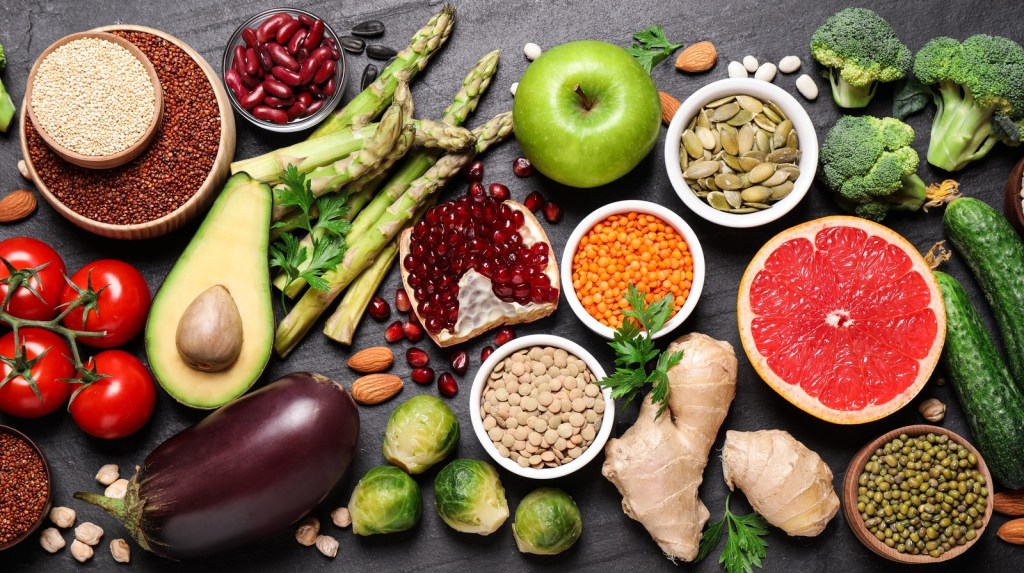
• Reduction of calories on a daily basis by 500 to 1000 calories. Switching to a calorie deficit diet like whole grains, vegetables, lentils and fish. Portion control and balanced meals are necessary.

• Gradually increasing the level of physical activity like walking, jogging, swimming, weight training.

• Counselling and a support system, including family and peers, to address emotional triggers, anxiety, and stress. A good quantity of sleep is important.

• Self-motivation, self-monitoring of daily calorie intake, routine weight assessment, monitoring physical activity levels and off-course mindfulness practices like meditation and nature bathing.

• Metabolic surgery in case of severe obesity, recommended by professionals.

7.Cognitive functions: In obesity, there are enough studies to show that there is a risk of cognitive decline. There are several ways to improve cognitive functions, such as:

• Controlling neuro-inflammation by medically managing any signs of systemic inflammation, controlling blood sugar levels and managing triggers like stress and anxiety.

• Dietary changes like avoiding high-sugar foods completely, processed foods and focusing on nutrient-rich, low-calorie foods.

• Exercises like cardio workouts to increase blood flow to the brain, which helps flush toxins, help to grow the size of the hippocampus to improve memory.

• Continuous physical activity by avoiding sitting for long hours; constant physical activity apart from routine exercise to clear brain fog. Weight training regularly, which helps to boost BDNF. Improving sleep quality.

• Trying to adopt intermittent fasting, which can help reduce brain inflammation.

8. Rewiring the brain for behavioural modification: To break a behaviour pattern which has been practiced for a long time is a difficult task, requiring patience and effort. Understanding and self – assessment are key pillars.

• Understanding the stress triggers, hunger signals, and habit loops to know the emotions behind them. To change neural pathways, repetition of a corrective behaviour pattern each time such a trigger arises is necessary to rewire the brain.

• Practising mindfulness to activate control of your brain to quiet the default false hunger signals and stress triggers.

• Changing eating habits to healthier options like whole grains, fibre-dense foods, portion control and cutting down on sugary or highly processed food to prevent dopamine spikes.

9. Managing hunger signals and habit loops: Not all hunger signals are real; some of them are false alarms just to activate your brain reward system. Some of the strategies are such as :

• Drinking water or sipping green tea or black coffee to fill the stomach.

• Eating small portions of meals every 3-4 hours instead of heavy meals.

• Practise physical activity throughout the day, like light exercise, walking and avoid sitting for long hours.

• Engage in activities and hobbies apart from routine chores or office work to keep the mind distracted from hunger signals.

• Lower stress by practising deep breathing exercises.

10. Takeaway: Research has shown that a high Body Mass Index (BMI) is associated with cognitive decline, reduced brain volume, and tissue atrophy in the frontal lobes and hippocampus. Excess weight also contributes to the degradation of the corpus callosum, which connects the two hemispheres of the brain. However, it is possible to reverse these effects by losing weight and making lifestyle changes, including adjustments to behaviour and eating habits. This process is gradual but rewarding and requires self-motivation, as well as support from family and peers, to break old habits and develop new neural pathways. In extreme cases, medical interventions such as anti-obesity medications or surgical procedures may be necessary if clinically recommended.

Thanks for reading.

Peace and love 🙏

10 facts: Hyaluronic acid (HA) is a vital prebiotic fibre 🫧

1. Structurally, all fibres are polymers of sugar molecules. Likewise, hyaluronic acid is also a polymer of sugar molecules: N-acetyl-D-glucosamine and glucuronic acid. It is naturally produced in the body, while dietary sources of hyaluronic acid are essential for the body’s optimal functioning. Though hyaluronic acid has many beneficial effects, it’s most important effect is the water holding capacity by binding water molecules, which in turn help in retaining moisture, lubrication, facilitate immune system mediators to provide protection. Generally, most women are aware of this compound as a hydrating agent for skin, as it is used widely in skin and cosmetic products.

2. Though hyaluronic acid is produced in the body, dietary sources of hyaluronic acid are necessary as they bridge the gap between naturally formed HA and the optimal amount required. HA has many beneficial effects in the body such as:

• The eyes naturally have hyaluronic acid. Additional quantity from diet can help further in lubricating eye tissues and helps in protecting vision.

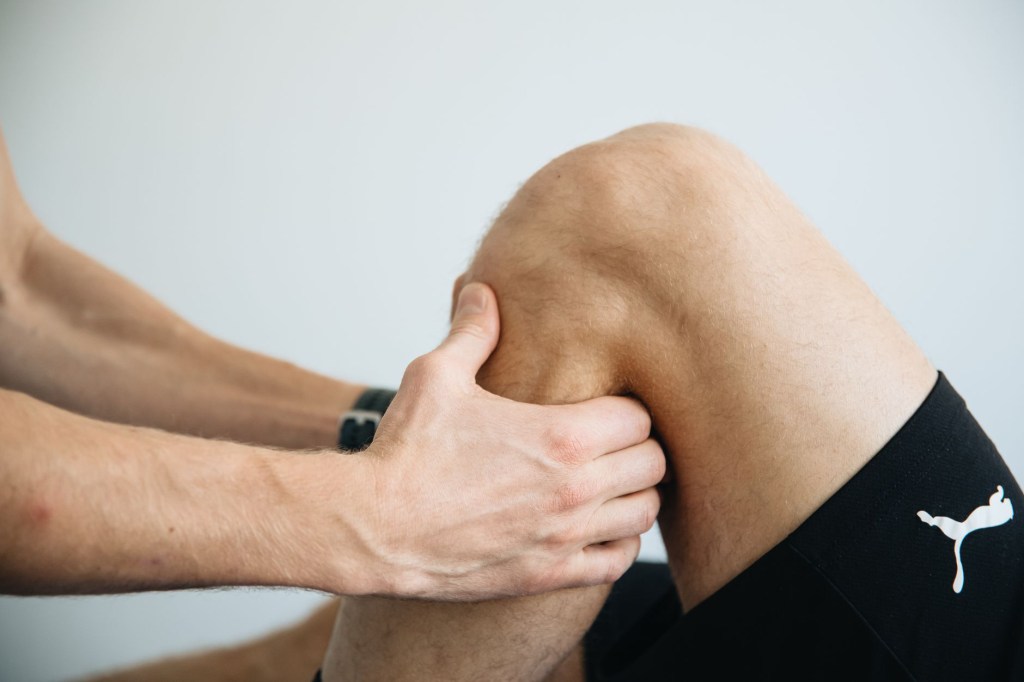
• Lubricates the joints of knees and hips, increasing synovial fluid, protecting the cartilage, and preventing arthritis.

• Adding more hyaluronic acid in the diet can help in skin and other organs by hydration and maintaining the elasticity.

• Hyaluronic acid helps in increasing butyrate-producing bacterial species in the gut, which are very important in reducing insulin resistance and HbA1c. An additional quantity added through diet can further enhanced the ability.

• Improves vaginal dryness and atrophy, so ingested hyaluronic acid (HA) can prove very helpful in menopausal women.

3. Hyaluronic acid in Prebiotic fibre: HA in the human body is found to be part of the extracellular matrix, which binds the cells together and helps in the passage of nutrients and oxygen to the cells. It provides elastoviscocity to the connective tissues, helps in hydration of tissues, acts as a lubricant in synovial fluids around the joints, and provides hydration to the eye tissues as well. HA also helps in endogenous intercellular activities, such as antioxidant activities and free radical scavenging. HA sources from plant foods can be both soluble and insoluble fibres. Both types of fibre function as prebiotic and improve the environment of the gut microbiome. Therefore, research has shown that adequate intake of fibres (daily intake of 25-35 gm) can provide additional sources of HA, which can enhance the growth of good bacteria, suppress bad bacteria and reduce gas and bloating.

Gut health

4. Gut health benefits: Natural sources of hyaluronic acid through different dietary sources can be immensely beneficial to gut health. Some of the common benefits:

• Soluble fibres can slow down digestion and delay hunger, while insoluble fibres can maintain bowel movements and form the stool bulk. It helps to prevent gas and bloating.

• Prebiotic fibres enhances the growth of beneficial bacteria by producing short chain fatty acid.

• Improvement of gut environment can reduce body’s inflammation, strengthen immune system.

• Strengthening the intestinal gut lining barrier by forming tight junctions between the epithelial cells.

• HA in fibres help in providing hydration and producing mucin that protects the mucosal lining of intestines.

Skin care

5. Hyaluronic acid as skin hydrating agent: HA has been widely used in many skin care and cosmetic products for a long time. The amazing benefits to skin health are as follows:

• HA is the most important compound in the body, including the skin, which helps in maintaining cellular hydration and tissue integrity.

• Reduces the wrinkles by filling the skin cells with water giving the plum skin.

• Maintain the viscoelasticity in the skin, keeping it soft and bouncy.

• Strengthen the natural skin lining barrier and prevent from acne and skin sensitivity problems.

Knee Joint

6. HA as supplement: Hyaluronic acid is naturally produced and found in the body in different areas, especially in the joints, bones, connective tissues, extracellular matrix, skin and eyes. HA is used as a supplement in the form of oral tablets, injectables, topical agents, eye drops and intimate creams and gels. Usually, over-the-counter hyaluronic acid pills, skin gel, creams, andeye drops are safe. Prescription-drug injectable forms should be used under medical supervision. The conditions for which hyaluronic acid is used as supplements are:

• Maintaining eye health, dry eyes.

• Skin health, dryness, actinic keratosis, scleroderma, anti-wrinkle agents, hydrating agents.

• Joints to reduce stiffness, arthritis, soft tissue injuries.

• Asthma as prescribed medication.

• Interstitial cystitis.

• Wound healing.

Skincare products

7. Hyaluronic acid with Vitamin C: Pairing of hyaluronic acid and vitamin C is recommended as they work in synergy, though their individual functions are different. Skin and cosmetic products with this pairing are amazing for skin dryness and ageing issues like wrinkles. HA is mostly used for face application as a hydrating agent, improves skin elasticity, reduces wrinkles and repairs skin damage. Vitamin C acts as an antioxidant and protects the skin from damage from UV rays and pollution.

Vegetarian food

8. Dietary sources of HA: Both non-vegetarian and vegetarian sources are found in nature which provide hyaluronic acid. Vegetarian sources can indirectly provide nutrition and facilitate the body to produce HA. Non-vegetarian sources provide HA directly to the body. Sources are such as:

• Vegetarian sources are leafy greens, root vegetables, citrus fruits, soy products and nuts and seeds.

• Non-vegetarian sources are bone broth and organ meat.

Bone broth

9. HA in dairy products: HA has been found to have a prebiotic effect, which is beneficial for gut health and other amazing benefits. It is added to dairy products as a food additive. In dairy products like milk, yoghurt, and ice cream, it helps to retain moisture, stabilises the milk protein, improves the viscosity, and increases the thickness, making it creamier. It also reduces the milk syneresis, or separation of whey, thereby lengthening the shelf life. Moreover, it has amazing health benefits too.

Skin hydration

10. Takeaway: Hyaluronic acid is a naturally occurring substance in the body in different areas like joints, connective tissue, skin, cartilage, and bones. It acts as a humectant, retaining water in the tissue, keeping them hydrated and moist. So, it has some amazing benefits like joint lubricant, prebiotic as they enhance the growth of good bacteria, wound healing, skin hydration, reduces and repairs skin damage, and anti-ageing effects. To get the optimal supply of HA, many use HA as a supplement, topical agents, creams, lotions and injectables (off course when prescribed). There are many dietary sources of both vegetarian and non-vegetarian foods which can help increase the body’s requirement of HA. It is in fact, a very essential sugar molecule for overall health.

Thanks for reading.

Peace and love 🙏

10 facts: Is cinnamon diabetic-friendly? 🙌

1.Popularly known that cinnamon is a warm spice which is widely used in both savoury and sweet baked recipes. Basically, two types of Cinnamon used commonly: Ceylon Cinnamon, originally found in Sri Lanka and southern India. Cassia Cinnamon, dark in colour, native to Southeast Asia and China. The spice is derived from the dried bark of Cinnamomum trees. It has been used for centuries for both culinary and traditional medicine purposes. There has been much research on Cinnamon for its nutritional content for supplementation and medicinal purposes, but its effects on diseases are still not established.

2. Ceylon Cinnamon, also called “true cinnamon”, is now widely available in North America and Europe is a lighter, sweeter variety and is expensive. Cassia cinnamon is a darker, thicker variety, which has a richer and slightly bitter taste. While much research does show a wide range of health benefits due to the compound cinnamaldehyde, the dark side is that many cinnamon types also contain coumarin, which, when taken in large quantities, can cause liver damage. Meanwhile, Ceylon cinnamon doesn’t contain coumarin, and hence it is considered a safe variety.

3. Cinnamon has a unique flavour and aroma due to the oil present in the bark spice, which is rich in cinnamaldehyde. It is high in polyphenolic compounds, which are responsible for amazing benefits on health and digestion. These polyphenolic compounds are mainly responsible for antioxidant properties, which prevent the body from free radical oxidative damage. Because of the nutritional profile, it has been interpreted to have various health benefits like anti-inflammatory, antioxidant, anti-viral, heart-friendly, and diabetic friendly.

4. Cinnamon has polyphenols and powerful antioxidants, as it has been known to have a wide list of health benefits. Some important ones are:

• Prevent oxidative stress and protect against cell damage.

• Reduces chronic inflammation and prevents chronic diseases.

• Reduces bad cholesterol LDL and triglycerides, so supports the cardiovascular system.

• Supports brain health by reducing brain cell ageing.

• Anti-inflammatory, anti-viral, anti-fungal, anti-cancer.

• Protects gut health by supporting good bacterial colonies.

• Supports menstrual health.

• Supports skin health and dental health as it is anti bacterial and rich in antioxidant.

• Helps in weight loss by stabilising metabolism.

5. Diabetes: Research has shown promising benefits in the case of type 2 diabetes, as it can increase insulin sensitivity and help to lower blood sugar levels. But the effects cannot replace changes in lifestyle, diet and medication for diabetics. Therefore, cinnamon can be a supportive aid but not a replacement for treatment. Some of the research-backed benefits are:

• Studies have shown that cinnamon helps in blood sugar control. It helps to reduce blood sugar levels, both fasting and postprandial levels, and increases insulin sensitivity. It is also found to lower haemoglobin A1c.

• Cinnamon can act like insulin and help to move the sugar in the blood into the cells. Additionally, it reduces insulin resistance and helps move sugar into the cells easily, thereby reducing blood sugar levels.

• Research suggests that after a meal, the blood sugar normally spikes; cinnamon helps in slowing down gastric emptying and keeps the sugar levels in control while also reducing insulin resistance.

• Some studies state that it helps block digestive enzymes that break down carbohydrates and keeps the postprandial sugar levels in check.

6. Post-diabetic complications: In the case of diabetes, the high blood sugar levels can increase the risk of bacterial growth in cells, increase inflammation, elevate oxidative stress and overall increase the risk of chronic diseases like atherosclerosis, high blood pressure, heart diseases, kidney diseases, neurodegenerative diseases, and Alzheimer’s disease. Studies show that daily intake of cinnamon can keep blood sugar spikes in control, reduce blood sugar levels, increase insulin sensitivity and glucose tolerance, lower HbA1c and lipid profile so that the complications are considerably lowered. Therefore, with lifestyle changes, diet, medication and additional intake of cinnamon on a daily basis can be very beneficial in case of diabetic type 2.

7. Side effect: Cinnamon, as already mentioned, is naturally two main varieties – Cassia and Ceylon. 90 per cent of cinnamon production comes from Sri Lanka, India, China and other Southeast Asian countries. In the US, mostly the cassia variety is used. The downside of this very old spice is that along with beneficial compounds, it also contains coumarins. Coumarins have anticoagulant properties, which can lead to a risk of bleeding, delay wound healing in case of injury and liver distress. Prolonged consumption of heavy doses of cinnamon can pose a health risk. Higher coumarin levels are found in cassia type than in Ceylon type, which is a very negligible amount. A daily limit of 0.1 mg of coumarin per kg of body weight can be a safe limit.

8. Uses: Cinnamon is available in different forms of tubular-shaped whole spice, powdered and oil. There are various uses of cinnamon, mainly in global cuisines, desserts and household uses. Some of them are:

• Cooking: Used in both savoury meals like curries, stews and desserts like cakes and pastries.

• Beverages like tea, chocolate drinks, coffee

• Cinnamon oil is used in aromatherapy, mood-enhancing, mood enhancing as an essential oil.

• Dental care to fight bad breath in mouthwash, toothpaste.

• Used as a natural preservative.

9. Cinnamon dosage: Since cinnamon is not used as a medicine in modern science, there is no specific dose. Cassia cinnamon is the most common type available, which is found in supermarket aisles, whereas Ceylon cinnamon is quite rare and expensive as it is a safer variety and can be used as a supplement. Cassia cinnamon contains coumarin, which is a blood thinner, so a large quantity of consumption of this variety poses a health risk. Normally, 2-4gm/day of cassia can be a safe limit for an adult.

10. Takeaway: Cinnamon is an old spice which has been widely used over centuries because of the rich compounds like polyphenols and cinnamaldehyde. Studies have proven that such compounds have amazing health benefits. Cinnamon has been linked to diabetes, as it can imitate insulin and is found to be very beneficial for diabetics, as it can regulate blood sugar levels. But it is still not regarded as a replacement for diabetic treatment. It is considered a supportive therapy for diabetics. Moreover, it is a popular spice in both sweet and savoury dishes for its rich aroma and flavour.

Thanks for reading.

Peace and love 🙏

10 facts: The link between the liver and the feet 🦶🏼

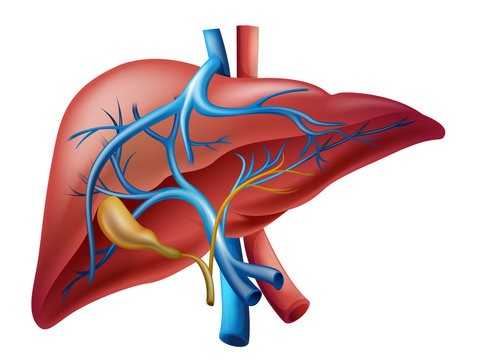
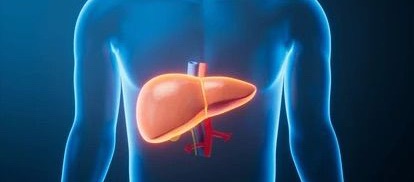
1. Though the entire body- the organs and the cells is interconnected, likewise the feet are very much connected to the liver through the nerve endings. The liver helps filter toxins, produces bile to aid fat absorption, and supports protein processing and blood clotting. Whenever the liver is not functioning properly, there are simple signs in the feet which are physically manifested as the alarming signals for liver attention. These signs, when manifested in the feet, can help in the early diagnosis of a liver problem, making its further management easier.

2. Medically, there is no direct anatomical connection between the liver and the feet. But, like all other organs, the liver is also interconnected with the rest of the body, especially the lower extremities, by nerve endings. In alternative science like Reflexology, the liver is situated on the right side of the body, so the ball and the arch of the right foot connect to the liver. Physiologically, when liver functions are irregular, the changes are reflected in the feet through fluid retention, circulatory changes, nerve endings sensations and vitamin deficiencies. Physical manifestations of secondary symptoms of the feet do reveal the presence of underlying liver disease or even any systemic diseases (like Diabetic neuropathy).

3. Liver problems and chronic liver diseases at early stages may not be known, or the physical symptoms may go unnoticed. But the body does send signals through the feet as well as the skin, which should not be neglected. Though the signals may not always indicate a liver issue, they should not be neglected either. Some of the findings are:

• Nighttime itching of the feet.

• Dryness without any known reason.

• Swelling in the feet and ankles.

• Red and brown dots in legs and feet.

• Deep heel cracks.

• Yellowish discolouration of the skin, including the feet.

4. When some of the signs are worsening and persistent for weeks, those signs can be a warning of urgent evaluation from medical experts. These warning signs can be:

• When itching is very severe.

• Swelling in the feet and around ankles. Low albumin due to a weak liver causes the fluid to leak and accumulate in the ankles and feet.

• Deep heel cracks.

• Spider veins due to a sick liver can cause hormonal imbalance, which results in small blood vessels with a spider-like appearance in the legs and feet.

• Yellowish skin.

• Excessive dryness in the feet.

Spider veins

5. Apart from the alarming signs of the feet, there are other accompanying physical symptoms which are sure signs of impending liver disease. Some of the physical signs of the body are:

• Fluid accumulation in the abdominal cavity (ascites).

• Weight loss or weight gain.

• Swelling in the feet as well as in the legs. (Peripheral oedema)

• Yellow discolouration of eyes and skin (jaundice).

• Redness of the palm.

• Brain fog.

• Numbness in the feet (Paresthesia)

• Pain around the joints and feet.

6. When such warning signs appear, it is best to book urgent medical help. Early intervention can be the key to diagnosing potential underlying liver problems and help to alleviate the foot symptoms as well as the success of treatment in liver disease. There is a long list of liver diseases which can be even genetic and autoimmune in origin. However, some of the common issues which are reported are:

• Hepatitis.

• Fatty liver disease (alcoholic or non-alcoholic)

• Cirrhosis.

• Hemochromatosis.• Wilson disease.

• Hepatocellular carcinoma.

7. Apart from the secondary symptoms of the feet, other physical symptoms which are easily missed for an underlying liver issue for which urgent medical attention is required:

• Feeling tired, weak and fatigued without any reason.

• Abdominal discomfort, especially on the right side of the belly, below the lower ribs.

• Sudden loss of appetite.

• Unexplained weight loss.

• Feeling of fullness during a meal, nausea, vomiting.

• Pale, yellow urine.

• Yellowish skin discolouration and itchiness.

• Puffiness of eyes, feet, belly area.

8. Like liver diseases, other systemic diseases whose secondary symptoms can be displayed in the feet include:

• Gout – Excess uric acid in the body is usually manifested as swelling, redness, and pain in the phalangeal joints of the big toe.

• Diabetic Neuropathy: Damaged nerves due to high blood sugar can lead to loss of sensation and numbness in the feet.

• Peripheral vascular disease: The blood flow is usually restricted to the feet, causing gangrene and eventually leading to amputation of the foot.

Liver friendly diet

9. Liver cleansing: Focusing on liver support regularly is mandatory for liver health and its normal functioning. Some of the routine practises are:

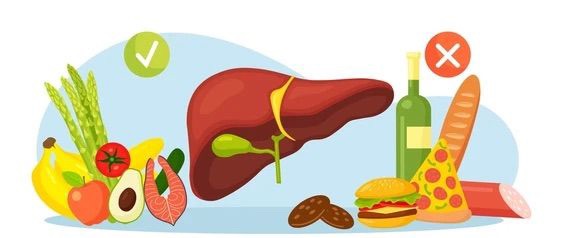
• Restricting alcohol as much as possible.

• Avoiding refined, processed food, sugary and fried foods.

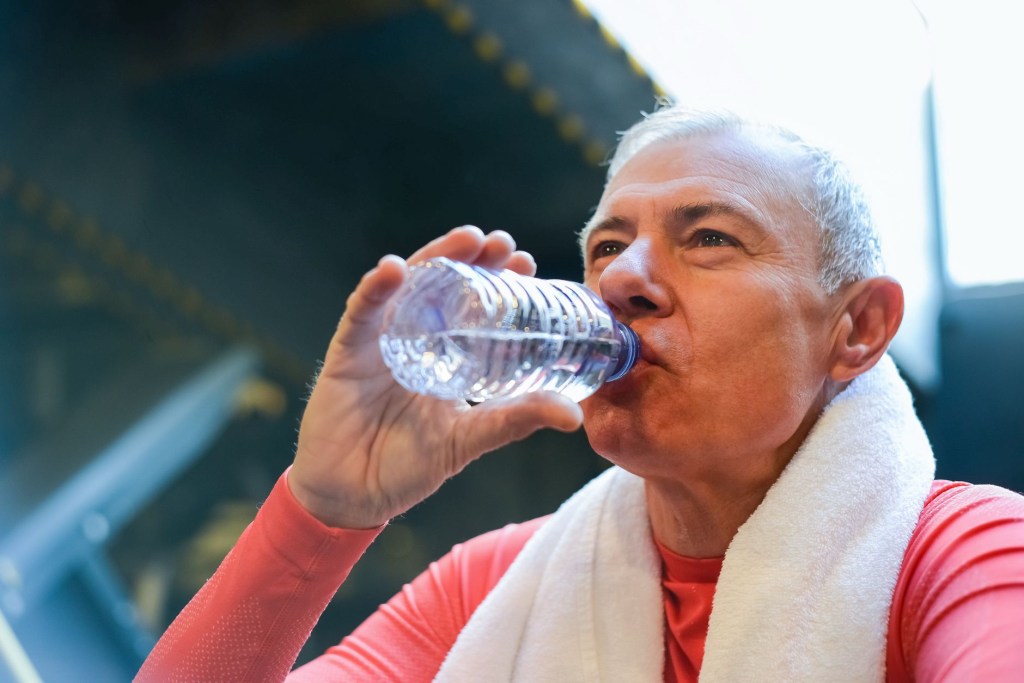
• Drinking water 8-10 glasses/day to flush toxins.

• Maintaining a healthy weight by regular exercise.

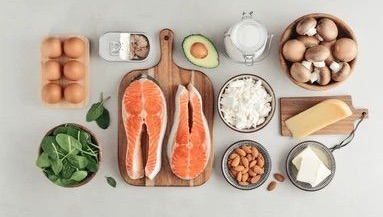
• A liver-friendly diet includes lean proteins, whole grains, and plenty of green leafy vegetables.

• Avoid unnecessary medications and supplements to lessen liver load.

Staying hydrated

10. In a nutshell, it is evident that early stages of liver issues are manifested as physical signs in the feet. Changes in the feet like swelling, spider veins, cracked heels, white nail beds, and yellowish skin are most likely signs of underlying liver issues, which should be given urgent medical attention. These signs should never be treated as minor and neglected. Early diagnosis and treatment of liver diseases can be more reversible than attending to it at a late stage, which can be difficult to treat and sometimes life-threatening.

Thanks for reading 🙏

Peace and love.

10 facts:Microplastics/Nanoplastics impact on human health 😢

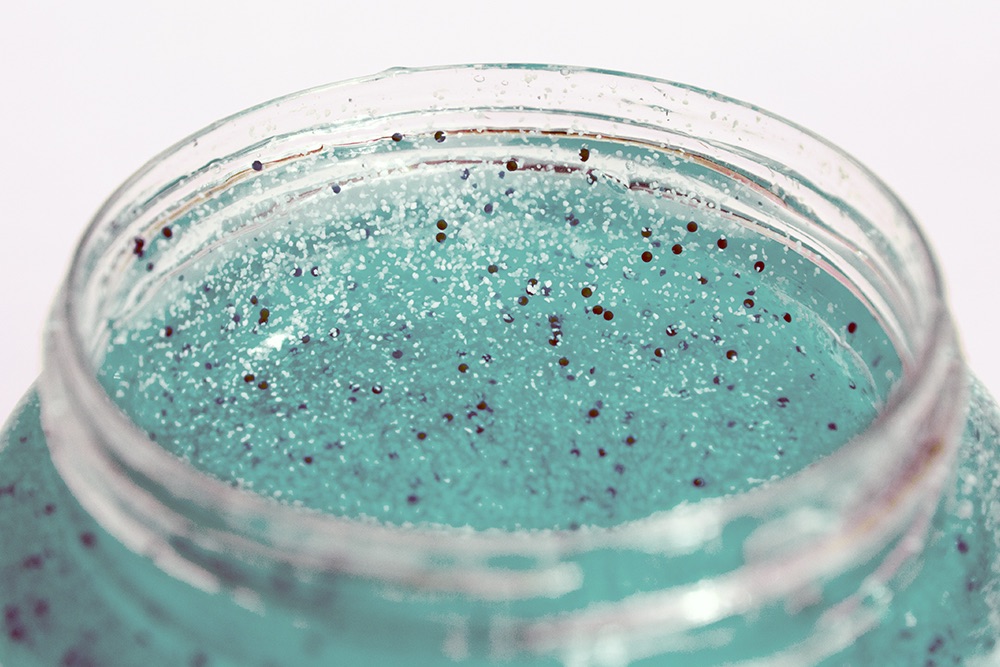
1. Microplastics are small plastic particles, less than 5mm in size, while nanoplastics are extremely small, less than 100 nanometers, and are found in the whole environment, everywhere, in the air, water, and soil. The greatest impact of these small particles on aquatic life has been a trending topic in recent times. The potential hazard to human lives is a great concern, too. Microplastics come from many sources. Tiny particles produced from polyethene plastic are used in many cosmetic products, even in health products, as an exfoliate. Plastic pollution is seen in both food and drink product packaging, the most hazardous being the bottled water. The direct effects of plastic particles, especially chemicals like BPA, on human health are still the subject of ongoing research widely carried out.

Microbeads

2. Microplastics have been used in many industrial and cosmetic products as microbeads. They are also used in toothpaste, as vectors for drug delivery, cleaning agents, plastic packaging in food and drinks, and manufacturing products. Some examples of primary and secondary uses of microplastics:

• Personal care /cosmetics like toothpaste, facial scrubs, and cleansers.

• Agricultural products are used as coatings in fertilisers and in seeds.

Industrial products such as paints, textiles, tyre materials, and many types of machinery.

• Sports like synthetic turf.

• Secondary microplastics are released from packaging and fragmentation of bottles, bags and debris, produced by fragmentation and weathering due to exposure to UV lights, weather and mechanical activity.

3. Microplastics as a global threat has become an issue of grave concern because of their impact on all compartments of the environment, that is, air, water and soil. The most common concern is the food packaging on major food items such as mineral water, drinks, dairy, snacks, meat, fish, and frozen products. The contact of contamination is between the food item and the container/ the outer package is actually the cause of mutual transfer between the content and the plastic. Besides these, microplastics are also found in sediments in freshwater, the ocean, soil ecosystems, and on beaches, becoming a threat to not just humans but also other life on earth, including aquatic animals.

4. Microplastic pollution: Over the years, the growing presence of microplastics in the environment has increased day by day. The microplastics have high polymer content, so they remain non-perishable, non-degradable in soil, and insoluble in water. The direct impact on humans can be:

•Consumption of bottled water and plastic packaged drinks.

•Food packaging of different items.

•Indirect effect of microplastics from consuming aquatic foods like seafood, fish, and crustaceans.

•Personal care items like fabrics ( sportswear), toothpaste, face scrubs, and exfoliating products through micro beads.

•Industrial products.

5. Accumulation in the human body: Microplastics/ Nanoplastics easily accumulate in the human body through different sources :

• Ingestion through the food supply chain.

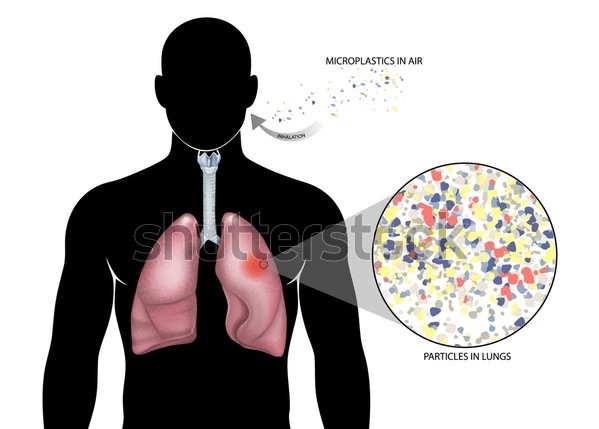
• Inhaled through air pollution.

• Ingested through drinks and water.

• Microplastics can enter the human body through dermal contact via sweat, wounds, an indirect route like unfiltered sewage plant, seawater, and seafood.

6. Recent studies have detected microplastics/nanoplastics in different human tissues and organs, including the brain. Traces are found in blood, liver, kidneys, lungs, and saliva. They mainly enter into different organs and tissues through the respiratory and gastrointestinal tracts. Nanoplastics, which are even smaller ( less than 1micrometer ), are more dangerous as they can infiltrate the human cells. Microplastics have also been found in human breast milk, placenta, meconium, and an infant’s first stool.

Health concerns

7. Impact on human health:

•Oxidative damage: Microplastics can cause oxidative damage, DNA damage and changes ingene activity.

• Reproductive effects can be ovarian scarring, low sperm count, and metabolic disorders in offspring.

• Deposits of BPA, phthalates, and heavy metals can cause damage to the brain, nervous system, reproductive, gastrointestinal and respiratory systems.

• Other effects can be inflammation, cell death, changes in hormone and lipid metabolism, and an altered gut microbiome.

8. Research shows that potential health risks due to absorption, inhalation and ingestion of microplastics and nanoplastics are an alarming public health issue. The most important key effects can be:

• Regular or frequent exposures can cause chronic inflammation in the gastrointestinal system, endocrine disruptions, and a weakened immune system.

• Accumulation in the respiratory system can cause lung inflammation, chronic asthma, chronic obstructive lung diseases and lowered lung function.

• The reproductive system can be affected, leading to low sperm count and infertility.

• Accumulation in organs like the liver, kidneys, spleen, and placenta can lead to scarring and functional irregularities.

• Increased risk of cancers and cardiovascular issues.

Glass bottle
Ceramic/wooden

9. Supporting the body’s natural detoxification process can be useful in removing microplastics to some extent. Some of the proven ways by which microplastics can be removed from the body are:

• Drinking plenty of water helps flush out toxins.

• Sweating it out by physical exercise, running, or walking.

• Consumption of gut-healthy food like fermented food, prebiotics and probiotics.

• Antioxidant-rich foods like flaxseeds, chia seeds, berries, and cruciferous vegetables.

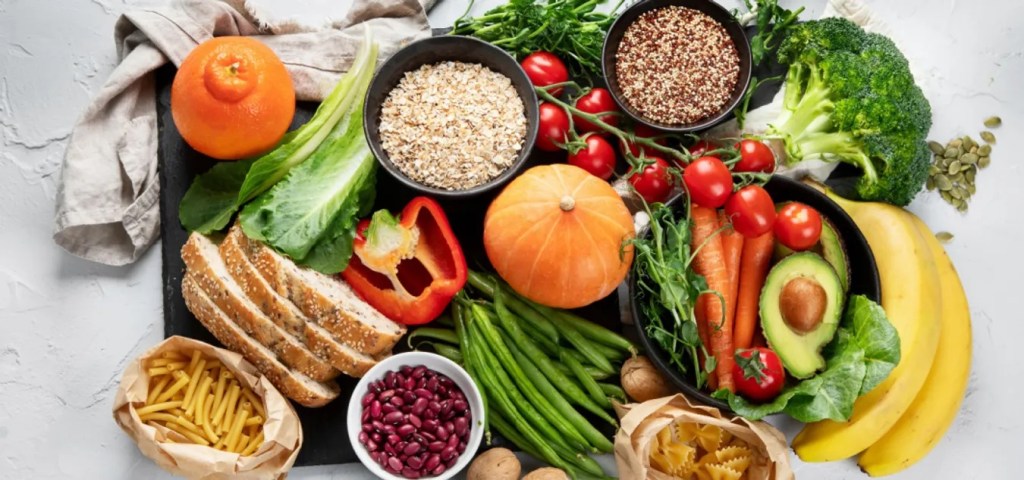
• High fibre vegetables for forming bulk and binding the waste to be disposed of from the body.

Fibrous diet
Cotton fibre

10. The use of plastic is a global environmental hazard which has been taken seriously worldwide. Some important steps taken are:

• Minimal use of plastics in food supply chains and industrial uses.

• Use of plastic alternatives like bamboo, wood, seaweed, metal, and glass packaging.

• Replacing household items like/with silicon food bags, ceramic, glass utensils, stainless steel containers, wooden utensils.

• Using reusable materials derived from sugarcane, wheat, seaweed, packaging materials like cardboard, paper, plant-based wraps, and foams.

• Natural fibres like jute, organic cotton, and wool.

• Extensive research for the environmental clean-up of plastics and recycling plastics is ongoing in many countries. Plastic-eating bacteria (Ideonella sakaiensis), microbes like Pseudomonas, and Bacillus have been identified which have biodegradable capacity to break down plastics.

Thanks for reading.

Peace and love 🙏
10 important facts about tocotrienols 🙌

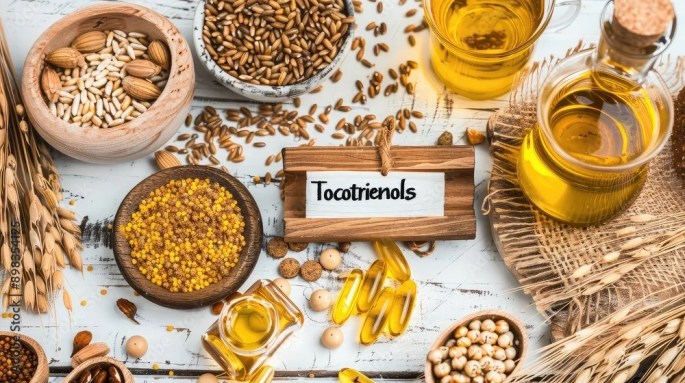
Tocotrienol complex

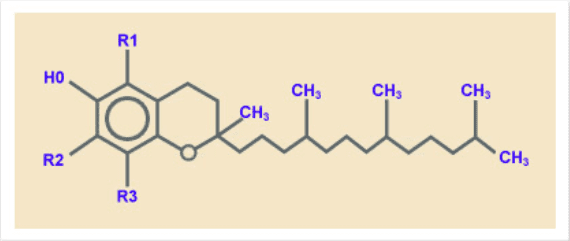
1. Vitamin E is actually a complex of 8 different compounds, which include 4 tocopherols and 4 tocotrienols , each of which can be further divided into alpha, beta, gamma, and delta forms. While tocopherols have been the focus of most research, tocotrienols have not received as much attention. Consequently, many vitamin E supplements available in the market predominantly feature tocopherols, leaving the full potential benefits of tocotrienols yet to be explored.

2.Many Vitamin E supplements on the market primarily contain tocopherol as their main ingredient, which means that their full benefits for the body are not realized. Recent research has shown that tocotrienols are powerful antioxidants with various health benefits. They possess neuroprotective properties, help reduce cholesterol levels, promote skin and hair growth, protect the liver, prevent strokes, and may even help prevent sterility. Additionally, tocotrienols are known to combat inflammation.

3.Actually, tocotrienols help significantly in the body to lower inflammation. Studies have shown that tocotrienols are five times more potent than tocopherols in reducing inflammation. Research has shown that tocotrienols are available in different forms: Delta tocotrienols and gamma tocotrienols, of which delta tocotrienols have five times more potency than tocopherols to fight inflammation in the body. In fact, tocotrienols are far more potent than tocopherols in the prevention of oxidative stress.

4. The widespread benefits of tocotrienols can be summed up as :

• Powerful antioxidant.

• Powerful antimicrobial

• Neuro-protective.

• Anti-cholesterol effect.

• Anti-tumour, anti-cancer,

• Prevents stroke

• Anti-inflammatory, prevents autoimmune diseases.

• Protective to the cardiovascular system, hepato-protective, and promotes hair growth.

• Promotes bone health, especially for menopausal women.

Palm fruits

5. Extensive studies have been carried out on the neuroprotective role of tocotrienols, which have shown very positive results on people with stroke, nerve disorders and neurodegenerative diseases. Studies have revealed that astrocytes play an important role in restoring neuronal cells and protect neurons against oxidative stress. Tocotrienols help in preventing glutamate-induced injury and prevent the death of astrocytes. Therefore, tocotrienols are crucial in minimizing neurodegenerative diseases and stroke.

Annatto

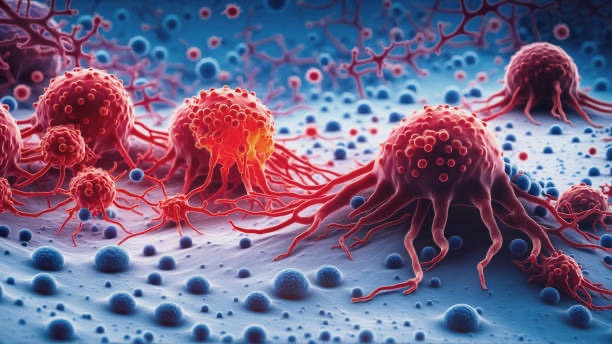
6. There are several studies and clinical trials showing evidence of anti-inflammatory effects of tocotrienols by controlling the inflammatory mediators. Research suggested that tocotrienols block the activation of nuclear factor kappa-light-chain-enhancer of activated B cells (NF-kB), one of the main regulators of inflammatory response. Supplementation of tocotrienols is found to reduce tumour necrosis factor alpha (TNF-alpha), interleukin-1 and phorbol ester. It is a potential agent with significant anti-inflammatory effects in atherosclerosis, thyroid diseases, and autoimmune diseases.

7. Research shows that tocotrienols are usually safe for healthy individuals at a minimum dosage. But they do have anti-coagulant properties, so people with blood disorders should avoid taking them. Some contraindications:

• Individuals allergic to any compound of Vitamin E should strictly avoid it.

• As mentioned already, people with bleeding disorders, or anyone who will undergo surgery, should avoid it as it may slow blood clotting.

• Tocotrienols may interact with medicines like anticoagulants and antiplatelets and increase the risk of bleeding.

• Overdosing should be avoided as it may cause physical symptoms like headache, fatigue and GI symptoms.

•High doses of tocopherol can interfere with the efficacy and absorption of tocotrienols.

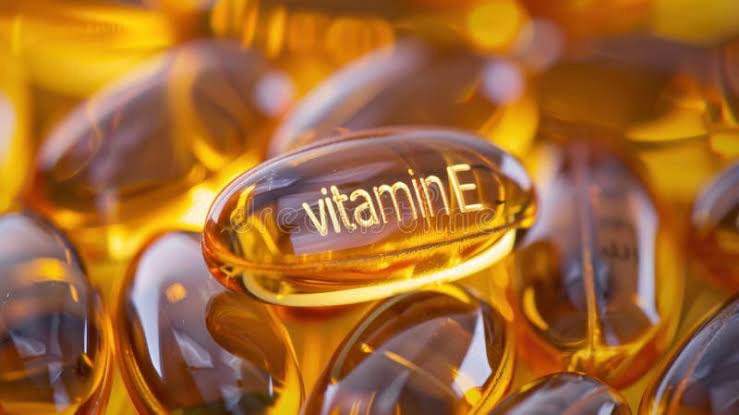
8.Tocotrienols are generally safe when taken by mouth. There is no standard medical recommendation for dosage. However, under medical supervision, the typical dose of tocotrienols in adults is 100mg – 200mg per day. Dosage can vary depending on the specific health requirement. Supplements are mainly derived from palm and annatto derivatives. They are fat- soluble and best absorbed along with a meal.

Edible oils

9. Food sources: Generally, tocotrienols are rarely found in nature. Even if some food sources are available, they are available in very low quantities. Palm oil has the most concentrated and natural source of tocotrienols, but at a very low level, which is not sufficient for potential health benefits. Other food sources are annatto ,edible oils like rice bran oil, grape seed oil, castor oil, coconut oil, peanut oil, linseed oil, cod liver oil, hazelnuts, oats, olive oil, maize, wheat germ, nuts and barley. Fish like salmon, trout, fruit like avocado, mango, vegetables like red pepper, greens, turnip, and squash are rich in vitamin E and its compounds.

10. Takeaway is that tocotrienols are the least known compound of the Vitamin E family, yet they are the most potent antioxidant and have strong evidence of widespread health benefits. Newest studies show that this compound has senolytic properties, a strong immune response, and apoptosis. They can slow down the process of ageing, reduce oxidative stress, and lower malignant potential. Though in small quantities, regular intake of natural sources of tocotrienols is sufficient for a healthy individual. Supplementation is required when medically prescribed.

Thanks for reading.

Peace and love 🙏
10 Essential Insights on Resistant Starch and Managing Blood Sugar Spikes 🙌

1. Resistance starch is a new buzzword nowadays. But what exactly is resistance starch? Starches are a major portion of our everyday diet. They are usually found in grains, legumes, potatoes, and many other foods. Unlike simple starches, resistance starch passes through the digestive tract, the stomach and the small intestine undigested, and reaches the colon, where it is fermented by gut bacteria, like soluble fibres. Therefore, they are very gut-friendly, hence are potentially beneficial to health.

2. Several studies have identified the components of starches in different types of food, which are resistant to digestion, and can be very beneficial in the prevention and control of chronic diseases. Evidence has shown that starches present in food, which are rapidly digested, have significantly contributed to the growing risk of chronic diseases like diabetes, obesity, and colon cancer. Ongoing studies have shown that resistance starches are highly resistant to digestion by digestive enzymes like amylase in the small intestine and pass through the colon, where they are fermented by the microbiota.

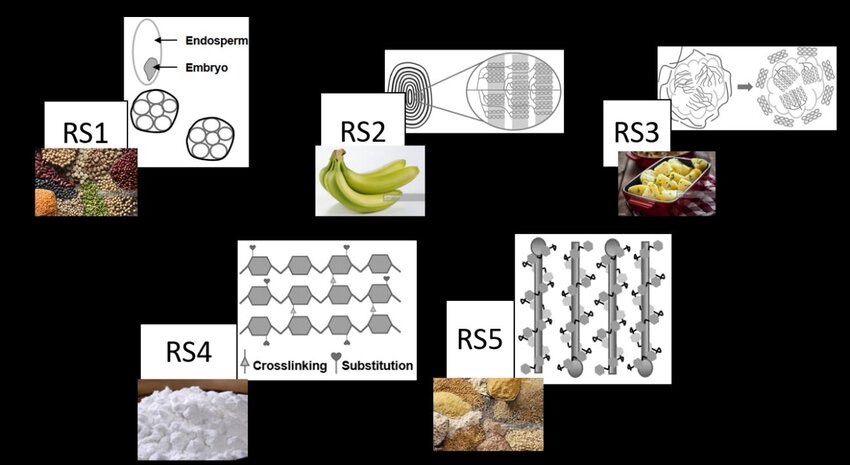
3. Five types of resistance starches have been identified such as :

• Type1 : Physically inaccessible starches like whole grains, coarsely grounded grains.

• Type 2: Granular starch like raw potato, raw banana starch.

• Type 3: Retrograde starch like cooked and cooled starch.

• Type 4: Chemically modified starch.

• Type 5: Amylose lipid complex.

4. Carbohydrates are simple in structure, like white rice, white bread, cakes, or refined food items. Resistance starches are complex carbohydrates which pass through the stomach and small intestine undigested and move to the large intestine to be fermented by the gut-friendly bacteria. Some examples of resistance starches are: Brown rice, whole grains, quinoa, lentils, plantains, oats and potatoes.

5. Simple starches are digested by the stomach enzymes and are responsible for spiking blood sugar and worsening insulin sensitivity. While resistance starches cannot be digested by the stomach enzymes, they travel through the small intestine and reach the colon. In the colon, they are fermented by the microbes and produce short-chain fatty acids like Butyrate. Butyrate improves insulin sensitivity, lowers inflammation, and provides food for gut-friendly bacteria.

6. Starch Retrogradation: It is a process where gelatinised starch molecules crystallize and become resistant to digestion in the stomach and small intestine. This trick can be done by cooling the simple starches after cooking and storing them in the refrigerator. Just before eating, heat them so that the content of resistance starch can be increased. Therefore, the effect of cooling the cooked rice or potatoes, bread can decrease the post-prandial glucose and insulin spike.

7. Simple ways to have resistance starches or increase the resistance starches content are:

• Cooking the rice, potatoes or pasta, and cooling them.

• Freeze and store them in the refrigerator.

• Reheating them before consuming.

8.Pairing food like carbohydrates with protein and fat can help in controlling the glucose spike and improving insulin sensitivity. Pairing potatoes with butter or olive oil, or rice with lentils or beans, is a common example. Acidifying the meal by adding lemon, vinegar, or fermented food can lower the rate of starch breakdown.

9. Again, food orders are another important trick to improve insulin sensitivity and lower the glucose spike. Instead of having carbohydrate first, it is wiser to eat the protein like eggs, meat or fish first, followed by vegetables and lastly the carbohydrate portion. This way, it will slow down the glucose digestion. Such behavioural change while following the food order either at home or in a restaurant can help to improve the metabolic response.

10. Eating a meal and then immediately sitting down to work, using the laptop, or taking a nap can negatively impact your metabolic response. Instead, after finishing your meal, consider taking a light walk or engaging in a gentle activity like cleaning or washing dishes. These activities can stimulate your calf muscles, particularly the soleus muscle, which can quickly utilise a significant amount of glucose. By sustaining contractions, this muscle helps burn glucose, contributing to better blood sugar control.

Thanks for reading.

Peace and love 🙏
10 facts about Fucoxanthin (FX): A promising natural supplement 🙌

1. Fucoxanthin (FX), a brown pigment, is derived from various seaweeds and algae. It helps in algae photosynthesis and photo-protection in the aquatic environment. Several studies have shown that this phytochemical can be a potential source of nutritional and health benefits against various diseases like diabetes, obesity, cancer and many infectious diseases. Recent findings have shown that it has various properties like antimicrobial, antioxidant, anti-inflammatory, anti-obesity, anti-diabetic, and hepato-protective effects. Therefore, because of its highly potent effects of prevention of obesity related diseases, anti-cardiovascular, tumour inhibition and health benefits to bones, skin, eyes and liver, this pigment has been a promising pharmaceutical asset.

2.Molecular Structure: The unique molecular structure of FX is similar to that of Beta carotene and has the allenic bond. Out of 700 naturally occurring carotenoids, only 43 of them belong to the allelic group, and FX is one of them. Therefore, there is growing interest in the pharmacological activity of this carotenoid, which can be a great potential source towards the prevention of various physical illnesses. FX is mainly found in micro-algae rather than macro-algae. Among the three kinds of micro-algae, that is green, red and brown algae, FX is in higher concentration in brown algae.

3. Multi-functional: Research has already shown that FX has a tremendous amount of health benefits because of its unusual molecular structure. The multi-functional benefits are namely, anti-oxidant, anti-microbial, anti-inflammatory, anti-allergic, anti-malarial and anti-helminthic. Apart from these activities, FX helps to correct the imbalance of lipid metabolism, which is created by a fatty, unhealthy diet. It has a positive impact on fatty acid oxidation, lipolysis, and bile acid synthesis and lowers the level of free fatty acids.

4. Anti-obesity effects: This brown pigment is a promising asset for lowering weight naturally. Obesity has been one of the main risk factors of many chronic and serious health issues like diabetes, heart diseases, high blood pressure, atherosclerosis, fatty liver, high cholesterol, infertility and many cancers. FX lowers the free fatty acids, inhibits lipogenesis, promotes beta-oxidation, bile synthesis, and influences enzymes which are essential for lipid metabolism. As a result, fat accumulation in the liver and adipose tissues is lowered, reducing cholesterol and triglyceride concentration.

5. Liver: Studies have shown that FX has hepato-protective effects. In case of fatty liver diseases, it can help in reducing the accumulation of lipid in liver cells, stimulate Beta-oxidation of hepatic fatty acids and lower the hepatic enzyme activity for fatty acid synthesis. Several animal studies have shown promising results of reducing lipid and triglyceride concentrations in the liver.

6. Inhibitory effect on cancers: Several studies on different cancers have shown that FX can scavenge free radicals and make it a potential modulator of carcinogenesis. FX has shown promising outcomes in different animal studies of inhibiting apoptosis and hindering the tumorigenesis in different types of cancers like lung cancer, colon cancer, breast cancer, liver cancer, gastric cancer, lymphoma and leukaemia. They behave as angio-modulators in cancer therapy.

7. Metabolism of FX: Because of its wide range of health benefits and potential role in the prevention of chronic illnesses, it has been a promising compound in pharmacological uses both individually and in synergy with other compounds. FX is a carotenoid which is mainly absorbed in the small intestine, similar to fats and fat-soluble vitamins. Studies have shown that consumption of this brown pigment orally does not show abnormal changes in organ tissues; therefore, it is safe for human use.

8. Food sources of FX are various species of seaweeds like Wakame, Arame, Kombu, Hizika and Laminaria digitata. Some other natural sources are microalgae like diatoms. Marine invertebrates like mussels, oysters, and clams also contain a small amount of FX. Predominantly, FX is present as a rich source in brown seaweed compared to other pigments like chlorophyll and xanthophylls.

9. As a supplement: Animal studies have shown the safe use of FX and that it has no adverse effect on the body. Therefore, it has been widely used as a supplement for its wide range of health benefits. It is used as tablets, capsules and soft gels usually labelled as Fucoxanthin or “brown seaweed pigment” While the bioavailability can be low in case of human consumption, its absorption can be increased when consumed with lipids and edible oils. Dosage can vary from 3-5 mg per day.

10. Side effects: FX has no adverse effects and no toxic accumulation in the vital organs of the body in case of animals when consumed in higher doses. Therefore, it is considered safe for human consumption. It is considered safe for vital organs like the liver, kidney, spleen and gonads when consumed moderately in humans. Further research on humans is still required for more clarification. It is always advisable to consult a Physician before introducing FX as a supplement when there is a pre-existing medical condition.

Thanks for reading.

Peace and love 🙏

10 facts: The connection between a bad gall bladder and right shoulder pain 🙌

1.The link between the gall bladder and right shoulder and the neck is through the Phrenic nerve. This type of pain is called referred pain as the source of the pain is different from where the pain is experienced.The phrenic nerve runs through the abdomen, goes through the chest and then the neck. So, whenever the gall bladder is swollen and inflamed due to various factors , there is referred pain in the right shoulder blade including the neck. This pain symptom has been a common sign of some chronic gall bladder issues which should not be neglected.

2. Like other abdominal organs, the gall bladder is supplied by the celiac plexus. The nerves from the gall bladder as well as diaphragm converges at the cervical vertebrae C3-C5 of the spinal cord. Therefore, if there is any issue in either the gallbladder or diaphragm can cause pain in the neck and right shoulder blade (scapula).

3. Inflammation in gallbladder, cholecystitis, biliary sludge, gallstones, cancer or tumour in the gallbladder can cause referred pain in the right shoulder region and neck due to the above mentioned shared nerve pathways. Other than the pain in these regions, there can be other symptoms to confirm like nausea, vomiting, fever and jaundice which can indicate problems in the gall bladder.

4. It is not always that neck and right shoulder pain is linked to liver and gall bladder issues. There are still many reasons for causing neck and right shoulder pain which may not be related to gallbladder. Some of the common causes can be:

• Inadequate sleeping posture like sleeping in the stomach or with a wrong pillow position.

• Wear and tear of nerves and vertebrae or discs.

• Poor sitting posture at work desk, in front of the computer.

• Whiplash.

• Cervical spondylosis or osteoarthritis.

• Carrying heavy objects causing strain and tension in the neck muscles.

• Stress and anxiety due to physical and mental strain.

5. Cardiac issues like stable angina where the heart does not receive enough blood can cause neck and right shoulder pain. When the heart muscles remain hypoxic, it can send signals to the spinal cord, causing a dull aching pain in the neck and right shoulder. In such cases, there are other symptoms which can accompany like sweating, nausea and shortness of breath which can help to diagnose the condition.

6. Gall bladder is located on the right side of the abdomen and responsible for secretion of bile for fat digestion and connected to the liver by the hepatocystic duct. As mentioned already, gall bladder is inflamed due to cholecystitis, gall stones, bile sludge and cancer. The symptoms can be vague and indicate a referred pain in right shoulder blade which can change later to a steady pain in the right abdomen. Therefore, it is important to visit a surgeon to rule out the diagnosis and further complications.

7. Gallstones are formed when bile is accumulated forming a mass which can be of varied sizes even upto a ping pong ball. When gall stones are formed, they can block the pessage of bile flow from the gall bladder which causes the organ to be inflamed and swollen. This in turn irritates the phrenic nerve which results in a dull aching pain on the neck and right shoulder blade as the nerve runs through these regions.

8. People who are risk of gall stones can be :

• Diabetic

• Obesity

• Woman are more prone

• Lost weight rapidly

• Fasting

• Aging , mostly over 60

• Cholesterol lowering drugs.

9. Diagnosis of neck and right shoulder pain is examined by performing the physical examination and medical history and tests:

• Medical history to rule out other associated symptoms, injuries.

• Physical examination of tenderness, rigidity, abnormality, movement of neck and shoulder including abdominal examination for causes like inflamed gallbladder.

• Imaging tests like ultrasound, X-ray, CT scan

• Blood tests for inflammation and infections

• ECG to rule out cardiac causes like angina or heart attack.

10. Management of right shoulder and neck pain depends on the underlying root cause:

• Neck and shoulder stretches to ease the stiffness when there is no underlying cause and sign of referred pain.

• Pain medication and chiropractic care.

• Cervical laminectomy or shoulder replacement.

• In case of underlying causes like inflammation or infection of gallbladder, cholecystitis, gall stones, depending upon the severity, either conservative methods or surgical option is required.

Thanks for reading.

Peace and love 🙏