


10 facts: Which type of cocoa is healthiest ? ☕️🍫

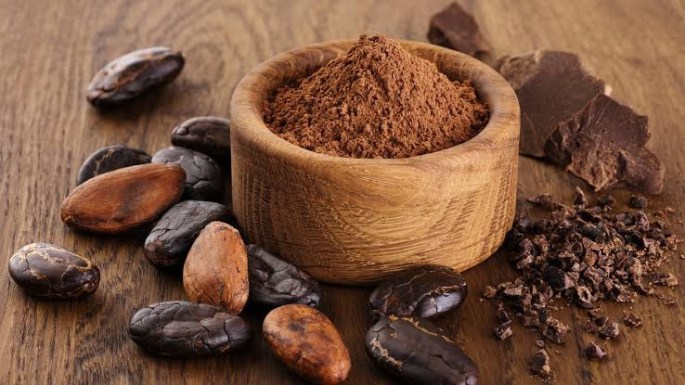
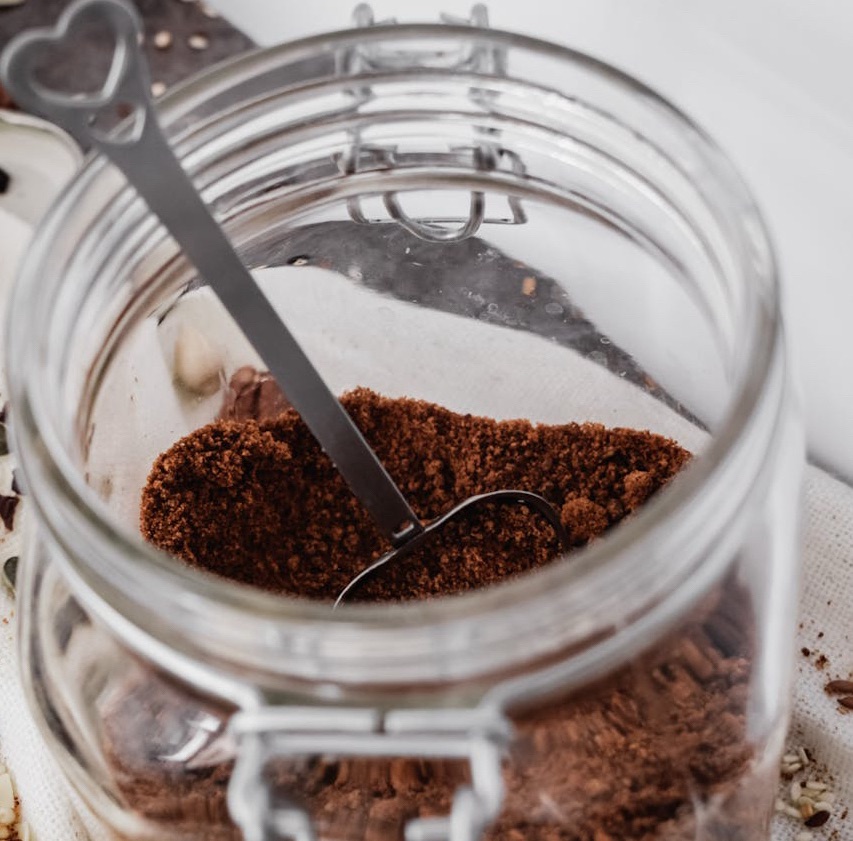
1.Like chocolate, cocoa powder is a common item which sits in the pantry of most households. It is widely used for either baking or having a chocolate drink. But what is cocoa powder? Cocoa beans are usually ground into a paste called chocolate liquor, which is later sweetened or added with other ingredients to make different types of chocolate. The paste or chocolate liquor is rich in cocoa butter, which can be de-fatted by further pressing and made into a finely ground powder, called natural cocoa powder.

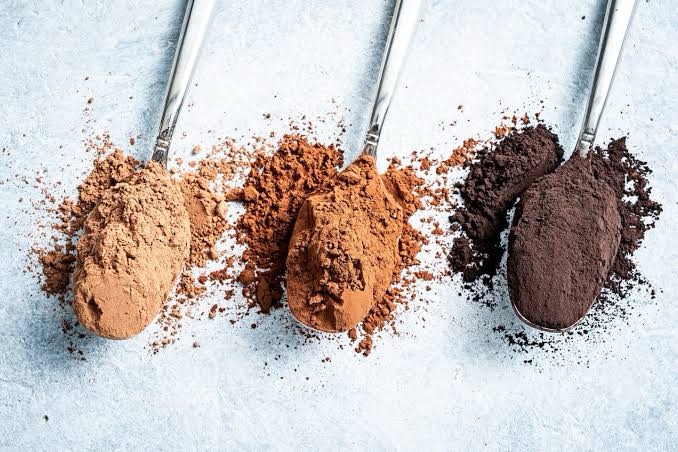
2. Cocoa powder is of different types depending on the method of processing:

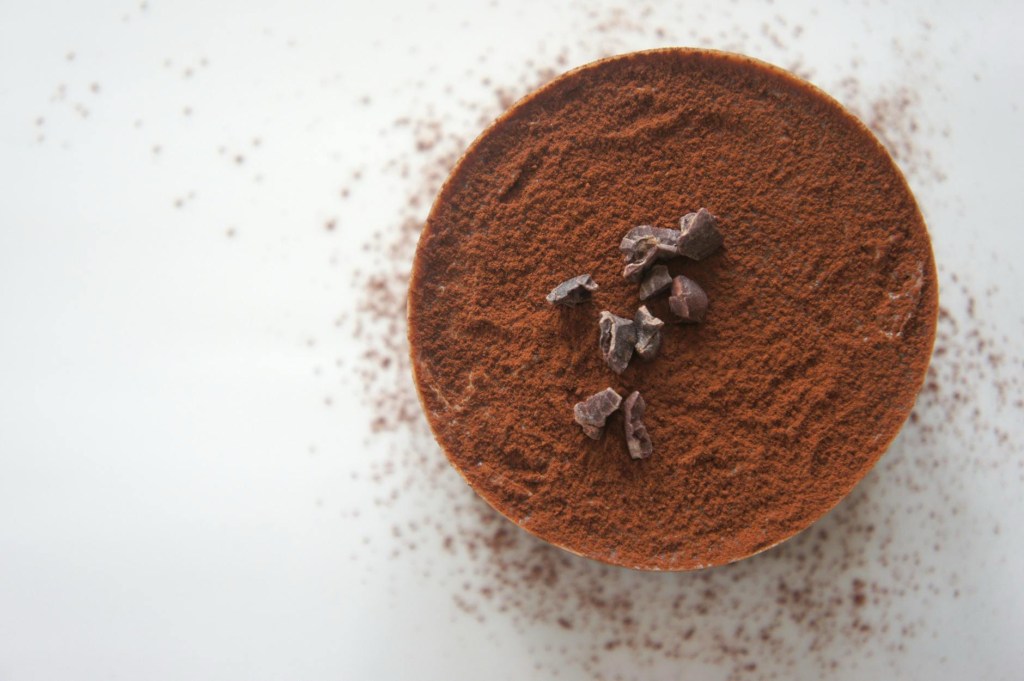
• Natural cocoa powder is de-fatted, finely ground cocoa nibs. This way they retain the original acidity, flavours and aromas. They appear light brown in colour.

• Raw cocoa powder is produced by cold pressing the cocoa beans without any chemicals being used. This has the highest nutritional value and antioxidant levels.

• Dutch-processed cocoa powder is processed by alkalizing the cocoa nibs with potassium carbonate. In this process, the colour deepens, and acidity reduces. This is how dark chocolaty colour and flavour are gained.

• Black cocoa is achieved by further alkalizing the cocoa nibs with a heavy dose of potassium carbonate, which gives the characteristic black colour famously used in Oreo cookies.

Different types of cocoa powder

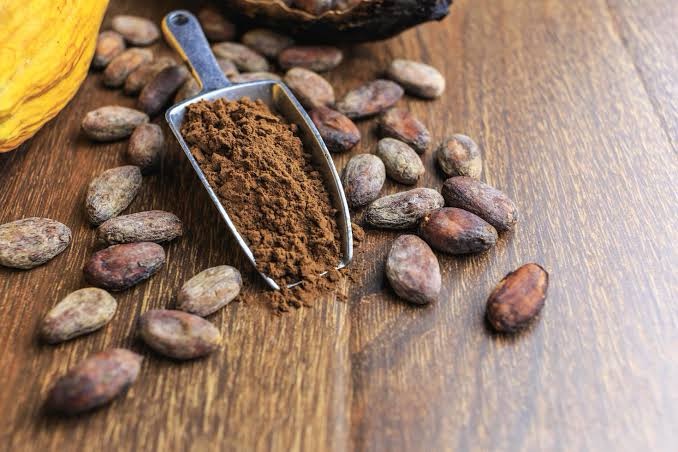
3. Cacao powder v/s cocoa powder: Though both of them have the same source as cocoa beans but the treatment of processing are different. Cacao powder is processed from unroasted cocoa beans at low temperatures, so they appear lighter, bitter in taste and pure. They retain the highest nutritional content and are very rich in antioxidants. Whereas, cocoa powder is ground from roasted cocoa beans, so it appears darker, less bitter in taste and has less nutritional content. Therefore, cacao powder is actually healthier than cocoa powder as far as health benefits are concerned.

4. Caffeine in cocoa: Cocoa beans naturally contains 0.1 -0.7% caffeine. About 0.3% caffeine is also present in the skin surrounding the cocoa beans, so at least 1.2 % caffeine is present altogether in cocoa beans, less than dry tea leaves, which is around 3-4%. Other stimulants like theobromine and phenylethylamine are also found in cocoa beans, which can influence the mood and energy levels in a mild way. But compared to coffee, the stimulant effect on the brain and body is much less.

5. Nutritional facts: Cocoa powder is a nutritional powerhouse of many healthy compounds and antioxidant properties.

• Cocoa butter, which is present in cocoa beans, is a combination of oleic acid, stearic and palmitic acid. Oleic acid is a monounsaturated fatty acid and is heart-friendly.

• Minerals: Cocoa powder is rich in minerals like magnesium, iron, calcium and potassium. It is also rich in vitamin B.

• Anti-oxidants: Rich in polyphenols, especially flavonoids, which protect the body from free radical damage.

• Fibre: Cocoa powder is rich in plant-based fibre, good for gut health.

6. Though cocoa is famous for its chocolate and chocolate-based products, research shows that the compounds found in cocoa, like polyphenols and flavonoids, have antioxidant and anti- inflammatory properties and are beneficial for the human body. But the processing and different treatments used in the manufacturing process of chocolate and its products might lower the beneficial and nutritional properties. Heating and processing cause loss of antioxidants and anti- inflammatory properties. Further, adding sweetening agents, artificial flavouring agents while processing can damage the valuable content of natural or raw cocoa and may no longer prove to be useful in terms of health. Therefore, not all types of chocolate or chocolate products can be termed healthy in today’s times.

7. Potential benefits of cocoa powder, natural and raw form, produced by crushing cocoa beans, can have various health benefits:

• May lower the risk of cardiovascular diseases, heart attack and stroke.

• May lower the high blood pressure by lowering the nitric oxide levels.

• Improves blood circulation in the brain and nervous system, elevates the mood.• Improve symptoms of type 2 diabetes.

• May contain cancer-preventive properties.

• May boost the immune system due to the presence of minerals.

• It may help in weight management.

8. Side effects of cocoa powder:

• Caffeine: Having too much caffeine in cocoa can lead to irritability, a fast heartbeat and tremors.

• Medicine interaction: Cocoa can interfere with blood thinners (Warfarin) and may increase bleeding risk.

• Allergy: Cocoa can cause digestive issues, allergic reactions like hives, itching or migraine in some individuals, though quite rare.

• Heavy metals: Some brands of dark chocolate may contain high levels of lead and cadmium, which can be harmful to the brain, especially in pregnant women and children.

• Kidney stones: Regular intake should be avoided by individuals who are prone to calcium oxalate stones. It is important to avoid the daily intake of dark chocolate due to its high oxalate content.

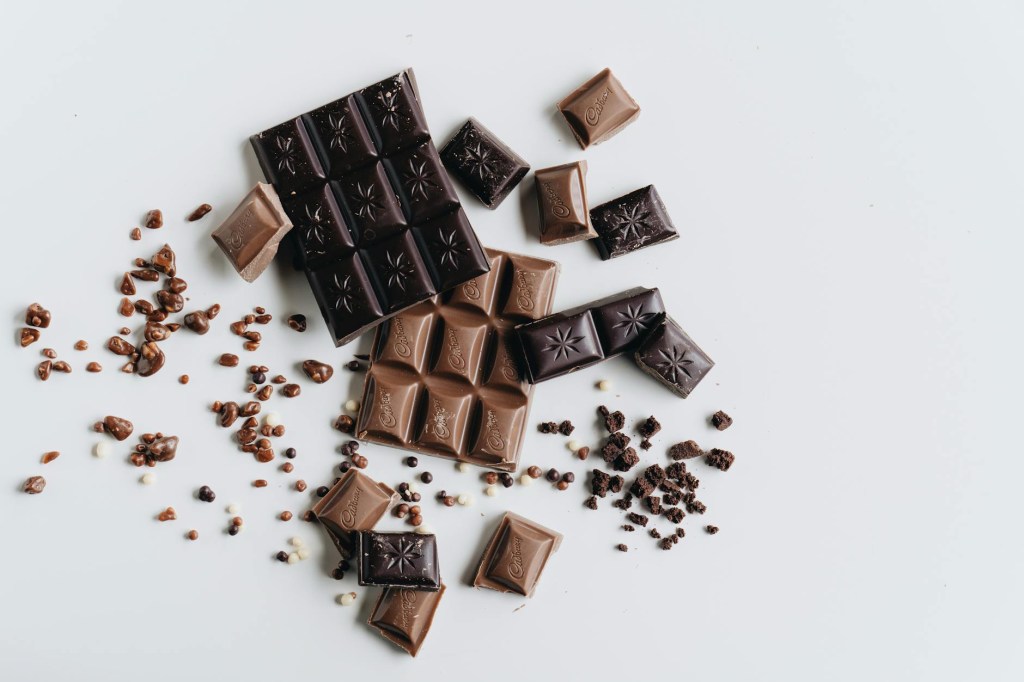
9. Cocoa beans are fermented, dried, roasted, and then ground into fine powder, which is why adding cocoa powder to the diet can be a better option than having dark chocolate bars or chocolate varieties available commercially. Cacao and cocoa powder can be incorporated in the diet to avail the potential health benefits, though in moderation –

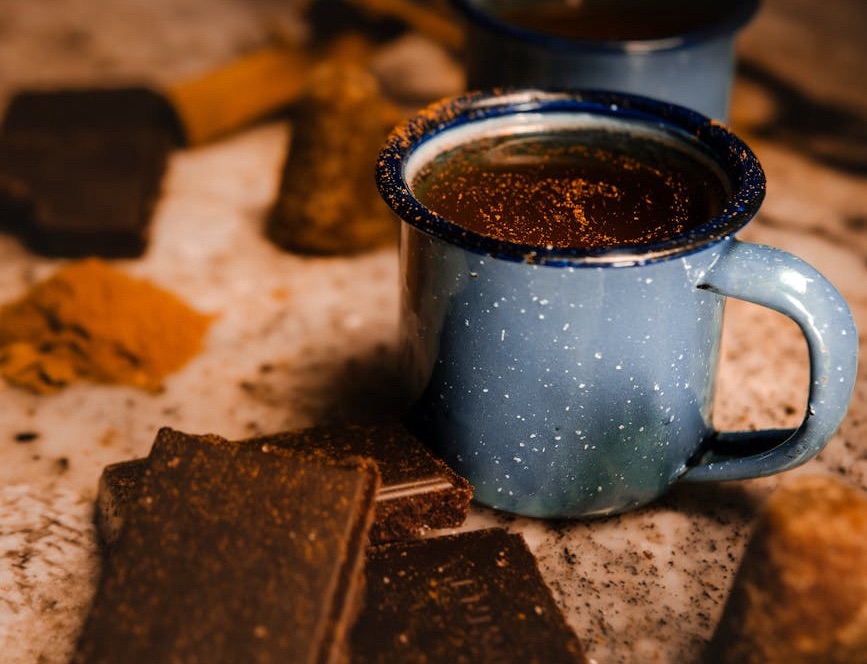
• Adding to breakfast cereals, smoothies, yoghurt, or having a hot chocolate drink.

• Using raw cocoa powder in baking recipes like cookies, cakes, granolas, and brownies.

• Eating dark chocolate bars that have 70-80 % cocoa, which have no heavy metals used, can be a healthy treat as well.

• Adding cocoa powder to your face mask, in your daily skin routine, can reduce hyperpigmentation, moisturise the skin, and reduce acne.

10. Takeaway: Yes, natural and raw cocoa powder, cacao powder are healthy in terms of their rich nutritional contents like polyphenols and flavonoids. But, diverse chocolate varieties and chocolate bars commercially still contain a significant amount of sugar, additives, artificial flavoring agents, fats, and heavy metals, which, otherwise, can be more harmful than useful to the human body. So, it is important to consume cocoa products in moderation and to properly read the labels before buying. Since there is such a wide variety of dark chocolate and even different types of cocoa powder available, moderation is the key. A recommended dose of about 20-30 grams per day of dark chocolate can give the essential benefits. Due to its caffeine content, consuming cocoa products late in the evening should be avoided as it can cause sleeplessness and irritability.

Thanks for reading.

Peace and love 🙏

10 facts: Sleep wake cycle linked to cortisol 👐

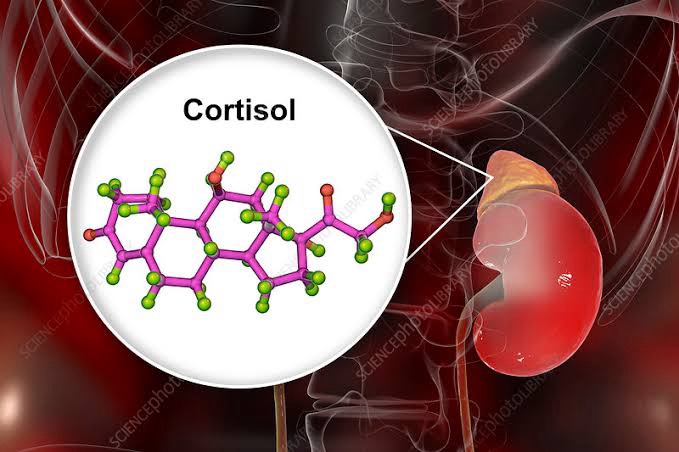
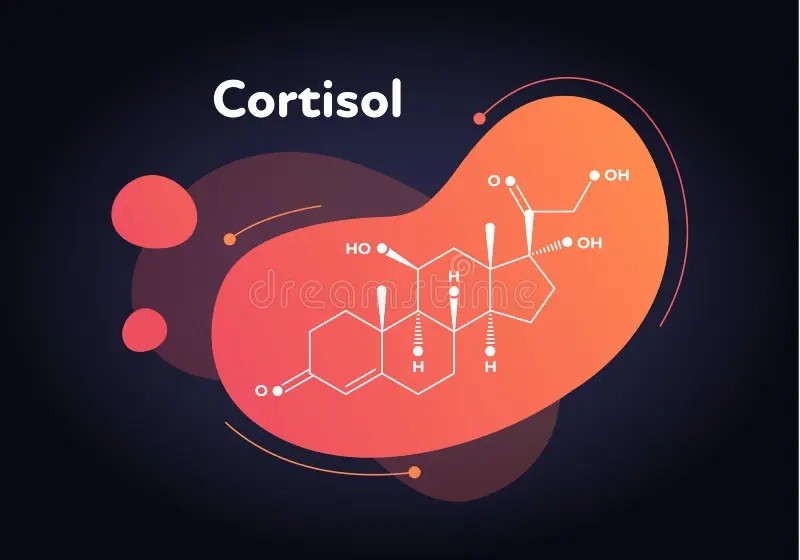
1.Cortisol is a stress hormone released from the adrenal glands, which is ideally secreted during a fight-or-flight response. However, in today’s world, our daily lives are filled with stressful situations, such as competition, comparisons, peer pressure at work, negative people, and relationships stress. As a result, cortisol is released not just in short bursts but remains chronically elevated. This persistent high level of cortisol keeps the body in a constant state of stress, leading to chronic inflammation, sleep problems, and various diseases.

2.Cortisol plays essential role in the body for survival. But when cortisol is elevated for a longer period of time can lead to health issues like weakened immunity, metabolic syndrome and mental health issues. The functions of cortisol are :

– Maintaining blood pressure

– Elevating blood sugar levels

– Regulating the circadian rhythm

– Facilitating the utilisation of energy from carbohydrates, proteins, and fats

– Reducing inflammation

3. Sleep-wake cycle follows a synchronised rhythm with the night and daytime. During the sleep phase, the body goes through different stages, such as:

• Non-REM stage: The phase where the body and mind, being awake, slowly move to a calmer state before falling asleep. Followed by a stage where the body’s core temperature drops, brain waves slow down. After this, a stage emerges where the heartbeat, breathing, and brainwaves slow down, entering a deep state of relaxation.

• REM state: This stage occurs normally after the deep sleep phase. In this phase, people have vivid dreams, and intense dreaming appears. There is weakened muscle activity similar to temporary paralysis. This stage is important as the brain is cleaning out the buildup of waste and toxins.

4. HPA axis: The hypothalamic-pituitary-adrenal axis is responsible for the neuroendocrine regulation. Hormones like melatonin and cortisol from the HPA axis modulate the sleep-wake cycle. When there is disruption of this axis disturb the sleep cycle. Studies show that there are reciprocal interactions between sleep regulation and the HPA axis. Stressful situations like PTSD, emotional trauma, and chronic workload can lead to long-standing sleep issues like insomnia, sleep deprivation, and lack of restorative sleep, which in turn lead to disruption of the HPA axis and vice versa.

Insomnia

5. The HPA axis and sleep have a significant interconnection. Good quality sleep, deep sleep causes an inhibitory effect on the HPA axis, whereas hyperactivation of the HPA axis leads to overload of glucocorticoids, wakefulness, and loss of sleep. Sleep disorders related to HPA dysfunction are:

•Insomnia is a common sleep disorder which is found to have a connection with an increase in ACTH and consistent cortisol levels and arousal of the central nervous system.

•Obstructive sleep apnea or daytime sleepiness has been associated with elevated pro- inflammatory cytokines, IL-6 and TNF.

Weight gain

6. Elevated cortisol level: Studies show that sleep deprivation has a direct connection to elevated cortisol levels, long hours of wakefulness in the daytime, glucocorticoid overload, and disruption in the HPA axis. These directly affect the well-being of the individual and increase the risk of obesity and type 2 diabetes. Other symptoms of elevated cortisol levels are:

• Weight gain

• High blood pressure

• Weakness of bones

• Muscle weakness

Stressed

7. Cortisol level: Normally, there is a spike of cortisol level in the morning, known as the awakening response, and it continues for about 60 minutes thereafter. Then, gradually the level-starts dropping and reaches the lowest level towards the evening/midnight. The factors which can affect the cortisol levels are:

• Stress

• Disturbed routine sleep schedule

• Morning light may cause the surge

• Cushing’s syndrome

Overworked/ stressed

8. Stress and cortisol level: Cortisol is a steroid hormone which is released from the adrenal glands in the body’s response to stress. Cortisol also releases sugar from the liver to combat stress. In addition to this, sleep and stress are also closely linked. Prolonged stress can lead to sleep disorders like acute insomnia. The types of stress when cortisol is secreted are:

•Short-term stress

•Long-term stress

•Trauma, both psychological and physical.

Dark chocolate

9. Food and cortisol: Certain foods can support gut health, reduce stress and lower the cortisol level naturally:

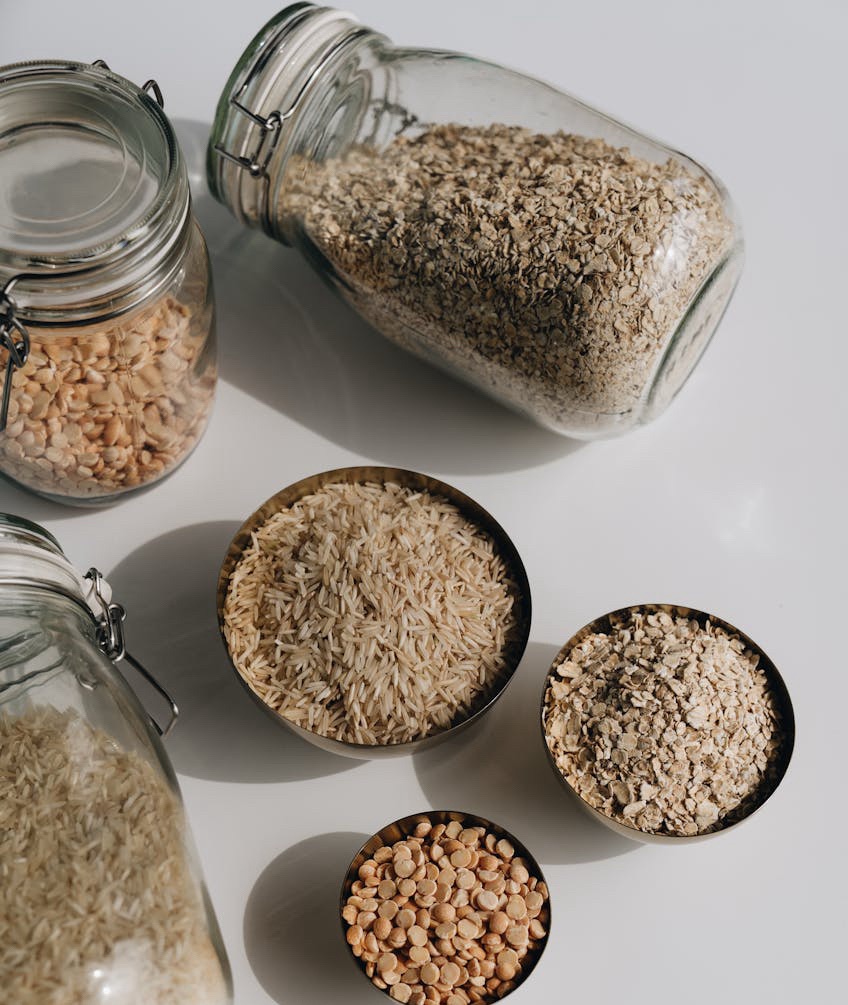
• Whole grains and natural fibres – Whole grains are rich in polyphenols, which can support gut health and reduce stress and cortisol. Fibrous foods like vegetables, fruits, and berries contain both polyphenols and antioxidants that help reduce cortisol levels.

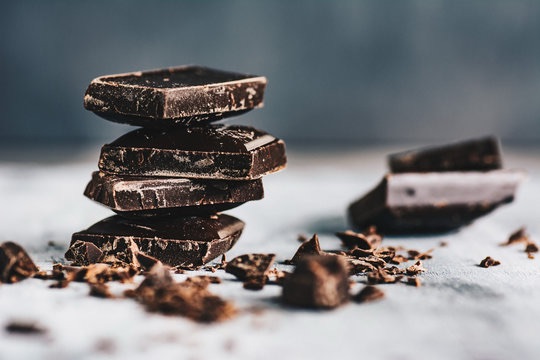
• Dark chocolate (70 – 80%) – Flavonoids in dark chocolate can lower the stress response and cortisol from the adrenal glands.

• Green tea contains polyphenols, catechins, and L-theanine, which can lower stress reactivity.

• Probiotics/Prebiotics are linked to healthy gut health, reduce stress and cortisols.

• Healthy fats in nuts, fatty fish, and seeds rich in omega3-fatty acids reduce stress and support mental health.

• Water – Consuming water throughout the day prevents dehydration and controls the cortisol level.

Meditation
Community/ kindness/ volunteer work

10. Natural habits that can keep the cortisol level under control:

• Good sleep routine – Firstly, keep away from cell phone or any kind of distraction at least 1 hour before bedtime, avoiding alcohol, caffeine intake and nicotine 5-6 hours before bedtime, maintain a bedtime schedule; going to bed and waking up the same time every day is important for sleep hygiene.

• Daily routine exercise, nature bathing, walking or any kind of physical activity.

• Practise deep breathing techniques like Pranayama, mindfulness breathing, Meditation, yoga, tai-chi.

• Maintaining your mental health by managing your personal relationships, staying away from negative people and a negative environment, cultivating hobbies, laughing, and listening to music.

• Spirituality – believing in spiritual faith, attending spiritual workshops, meditation, community spirit, kindness /charity /voluntary works, helps maintain cortisol levels.

Thanks for reading.

Peace and love 🙏
10 Essential Insights on Resistant Starch and Managing Blood Sugar Spikes 🙌

1. Resistance starch is a new buzzword nowadays. But what exactly is resistance starch? Starches are a major portion of our everyday diet. They are usually found in grains, legumes, potatoes, and many other foods. Unlike simple starches, resistance starch passes through the digestive tract, the stomach and the small intestine undigested, and reaches the colon, where it is fermented by gut bacteria, like soluble fibres. Therefore, they are very gut-friendly, hence are potentially beneficial to health.

2. Several studies have identified the components of starches in different types of food, which are resistant to digestion, and can be very beneficial in the prevention and control of chronic diseases. Evidence has shown that starches present in food, which are rapidly digested, have significantly contributed to the growing risk of chronic diseases like diabetes, obesity, and colon cancer. Ongoing studies have shown that resistance starches are highly resistant to digestion by digestive enzymes like amylase in the small intestine and pass through the colon, where they are fermented by the microbiota.

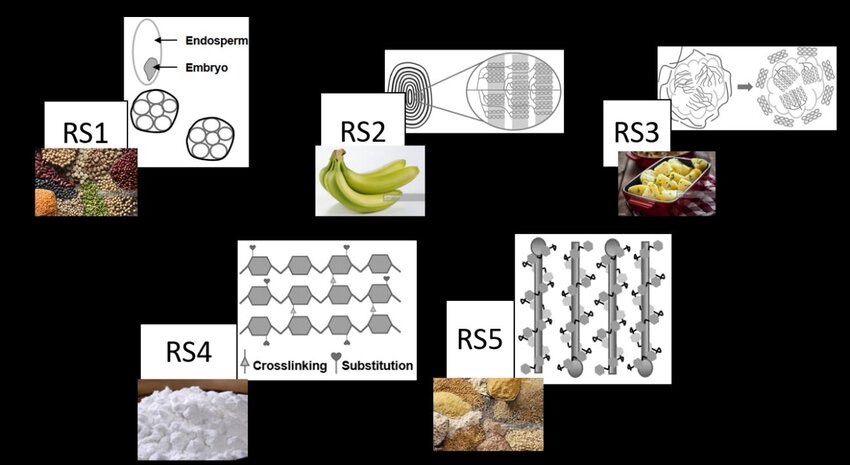
3. Five types of resistance starches have been identified such as :

• Type1 : Physically inaccessible starches like whole grains, coarsely grounded grains.

• Type 2: Granular starch like raw potato, raw banana starch.

• Type 3: Retrograde starch like cooked and cooled starch.

• Type 4: Chemically modified starch.

• Type 5: Amylose lipid complex.

4. Carbohydrates are simple in structure, like white rice, white bread, cakes, or refined food items. Resistance starches are complex carbohydrates which pass through the stomach and small intestine undigested and move to the large intestine to be fermented by the gut-friendly bacteria. Some examples of resistance starches are: Brown rice, whole grains, quinoa, lentils, plantains, oats and potatoes.

5. Simple starches are digested by the stomach enzymes and are responsible for spiking blood sugar and worsening insulin sensitivity. While resistance starches cannot be digested by the stomach enzymes, they travel through the small intestine and reach the colon. In the colon, they are fermented by the microbes and produce short-chain fatty acids like Butyrate. Butyrate improves insulin sensitivity, lowers inflammation, and provides food for gut-friendly bacteria.

6. Starch Retrogradation: It is a process where gelatinised starch molecules crystallize and become resistant to digestion in the stomach and small intestine. This trick can be done by cooling the simple starches after cooking and storing them in the refrigerator. Just before eating, heat them so that the content of resistance starch can be increased. Therefore, the effect of cooling the cooked rice or potatoes, bread can decrease the post-prandial glucose and insulin spike.

7. Simple ways to have resistance starches or increase the resistance starches content are:

• Cooking the rice, potatoes or pasta, and cooling them.

• Freeze and store them in the refrigerator.

• Reheating them before consuming.

8.Pairing food like carbohydrates with protein and fat can help in controlling the glucose spike and improving insulin sensitivity. Pairing potatoes with butter or olive oil, or rice with lentils or beans, is a common example. Acidifying the meal by adding lemon, vinegar, or fermented food can lower the rate of starch breakdown.

9. Again, food orders are another important trick to improve insulin sensitivity and lower the glucose spike. Instead of having carbohydrate first, it is wiser to eat the protein like eggs, meat or fish first, followed by vegetables and lastly the carbohydrate portion. This way, it will slow down the glucose digestion. Such behavioural change while following the food order either at home or in a restaurant can help to improve the metabolic response.

10. Eating a meal and then immediately sitting down to work, using the laptop, or taking a nap can negatively impact your metabolic response. Instead, after finishing your meal, consider taking a light walk or engaging in a gentle activity like cleaning or washing dishes. These activities can stimulate your calf muscles, particularly the soleus muscle, which can quickly utilise a significant amount of glucose. By sustaining contractions, this muscle helps burn glucose, contributing to better blood sugar control.

Thanks for reading.

Peace and love 🙏