

10 facts: The link between the liver and the feet 🦶🏼

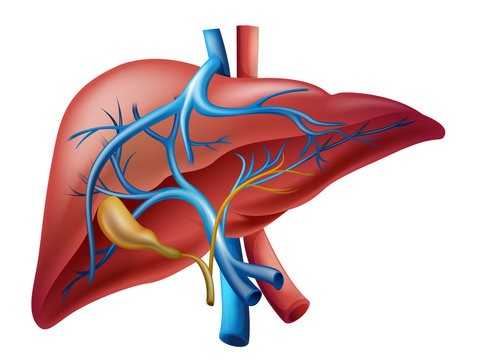
1. Though the entire body- the organs and the cells is interconnected, likewise the feet are very much connected to the liver through the nerve endings. The liver helps filter toxins, produces bile to aid fat absorption, and supports protein processing and blood clotting. Whenever the liver is not functioning properly, there are simple signs in the feet which are physically manifested as the alarming signals for liver attention. These signs, when manifested in the feet, can help in the early diagnosis of a liver problem, making its further management easier.

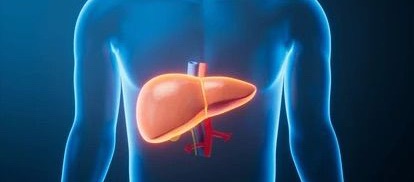
2. Medically, there is no direct anatomical connection between the liver and the feet. But, like all other organs, the liver is also interconnected with the rest of the body, especially the lower extremities, by nerve endings. In alternative science like Reflexology, the liver is situated on the right side of the body, so the ball and the arch of the right foot connect to the liver. Physiologically, when liver functions are irregular, the changes are reflected in the feet through fluid retention, circulatory changes, nerve endings sensations and vitamin deficiencies. Physical manifestations of secondary symptoms of the feet do reveal the presence of underlying liver disease or even any systemic diseases (like Diabetic neuropathy).

3. Liver problems and chronic liver diseases at early stages may not be known, or the physical symptoms may go unnoticed. But the body does send signals through the feet as well as the skin, which should not be neglected. Though the signals may not always indicate a liver issue, they should not be neglected either. Some of the findings are:

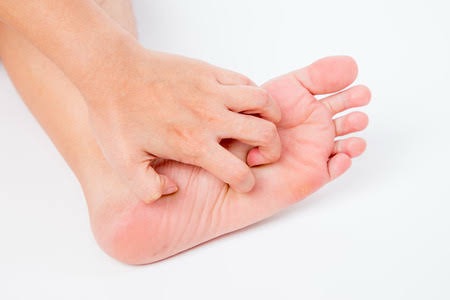
• Nighttime itching of the feet.

• Dryness without any known reason.

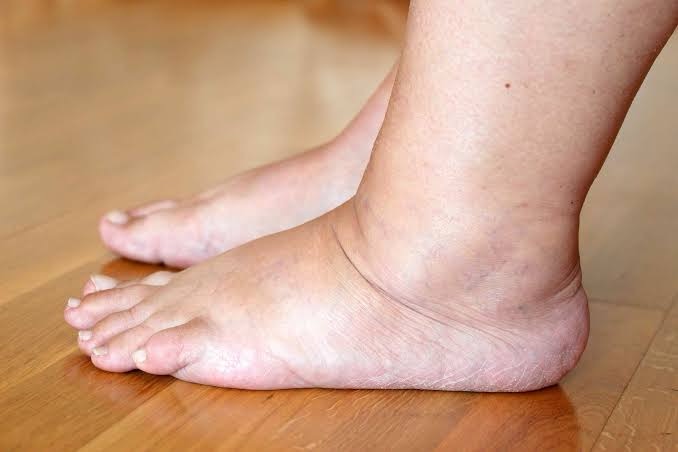
• Swelling in the feet and ankles.

• Red and brown dots in legs and feet.

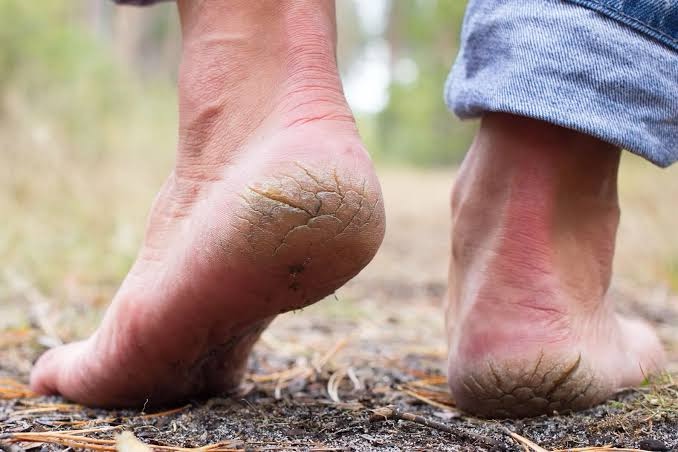
• Deep heel cracks.

• Yellowish discolouration of the skin, including the feet.

4. When some of the signs are worsening and persistent for weeks, those signs can be a warning of urgent evaluation from medical experts. These warning signs can be:

• When itching is very severe.

• Swelling in the feet and around ankles. Low albumin due to a weak liver causes the fluid to leak and accumulate in the ankles and feet.

• Deep heel cracks.

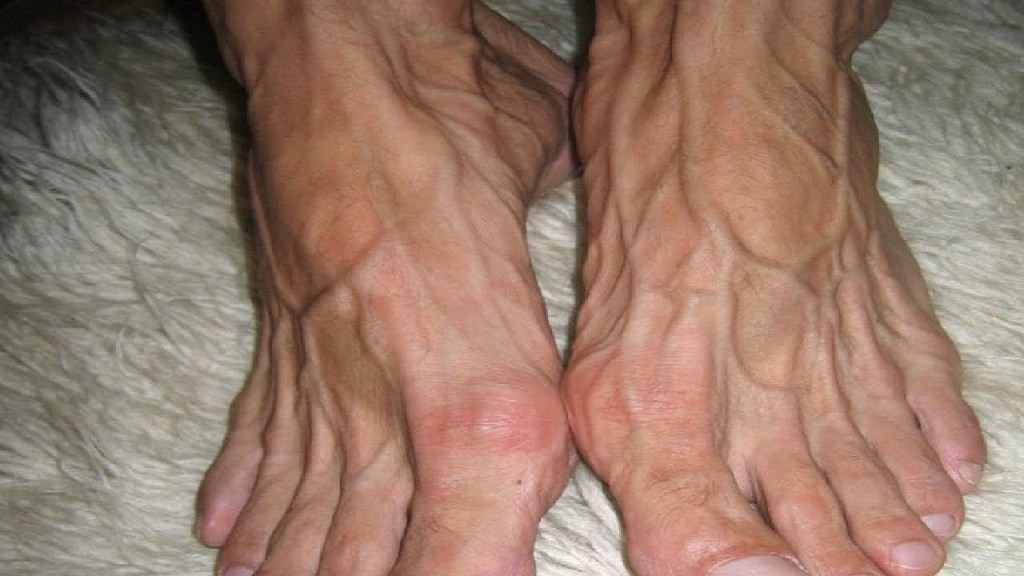
• Spider veins due to a sick liver can cause hormonal imbalance, which results in small blood vessels with a spider-like appearance in the legs and feet.

• Yellowish skin.

• Excessive dryness in the feet.

Spider veins

5. Apart from the alarming signs of the feet, there are other accompanying physical symptoms which are sure signs of impending liver disease. Some of the physical signs of the body are:

• Fluid accumulation in the abdominal cavity (ascites).

• Weight loss or weight gain.

• Swelling in the feet as well as in the legs. (Peripheral oedema)

• Yellow discolouration of eyes and skin (jaundice).

• Redness of the palm.

• Brain fog.

• Numbness in the feet (Paresthesia)

• Pain around the joints and feet.

6. When such warning signs appear, it is best to book urgent medical help. Early intervention can be the key to diagnosing potential underlying liver problems and help to alleviate the foot symptoms as well as the success of treatment in liver disease. There is a long list of liver diseases which can be even genetic and autoimmune in origin. However, some of the common issues which are reported are:

• Hepatitis.

• Fatty liver disease (alcoholic or non-alcoholic)

• Cirrhosis.

• Hemochromatosis.• Wilson disease.

• Hepatocellular carcinoma.

7. Apart from the secondary symptoms of the feet, other physical symptoms which are easily missed for an underlying liver issue for which urgent medical attention is required:

• Feeling tired, weak and fatigued without any reason.

• Abdominal discomfort, especially on the right side of the belly, below the lower ribs.

• Sudden loss of appetite.

• Unexplained weight loss.

• Feeling of fullness during a meal, nausea, vomiting.

• Pale, yellow urine.

• Yellowish skin discolouration and itchiness.

• Puffiness of eyes, feet, belly area.

8. Like liver diseases, other systemic diseases whose secondary symptoms can be displayed in the feet include:

• Gout – Excess uric acid in the body is usually manifested as swelling, redness, and pain in the phalangeal joints of the big toe.

• Diabetic Neuropathy: Damaged nerves due to high blood sugar can lead to loss of sensation and numbness in the feet.

• Peripheral vascular disease: The blood flow is usually restricted to the feet, causing gangrene and eventually leading to amputation of the foot.

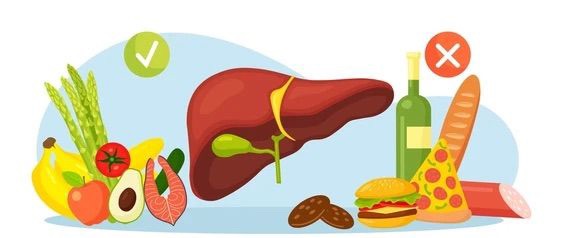
Liver friendly diet

9. Liver cleansing: Focusing on liver support regularly is mandatory for liver health and its normal functioning. Some of the routine practises are:

• Restricting alcohol as much as possible.

• Avoiding refined, processed food, sugary and fried foods.

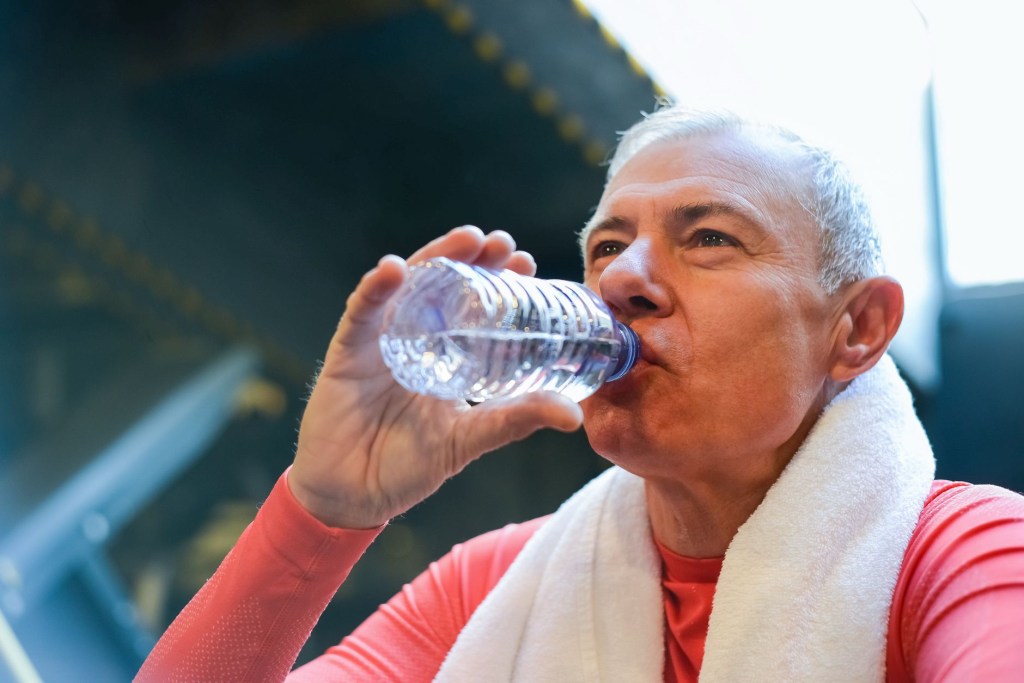
• Drinking water 8-10 glasses/day to flush toxins.

• Maintaining a healthy weight by regular exercise.

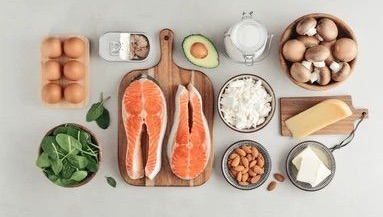
• A liver-friendly diet includes lean proteins, whole grains, and plenty of green leafy vegetables.

• Avoid unnecessary medications and supplements to lessen liver load.

Staying hydrated

10. In a nutshell, it is evident that early stages of liver issues are manifested as physical signs in the feet. Changes in the feet like swelling, spider veins, cracked heels, white nail beds, and yellowish skin are most likely signs of underlying liver issues, which should be given urgent medical attention. These signs should never be treated as minor and neglected. Early diagnosis and treatment of liver diseases can be more reversible than attending to it at a late stage, which can be difficult to treat and sometimes life-threatening.

Thanks for reading 🙏

Peace and love.

10 Essential Insights on Resistant Starch and Managing Blood Sugar Spikes 🙌

1. Resistance starch is a new buzzword nowadays. But what exactly is resistance starch? Starches are a major portion of our everyday diet. They are usually found in grains, legumes, potatoes, and many other foods. Unlike simple starches, resistance starch passes through the digestive tract, the stomach and the small intestine undigested, and reaches the colon, where it is fermented by gut bacteria, like soluble fibres. Therefore, they are very gut-friendly, hence are potentially beneficial to health.

2. Several studies have identified the components of starches in different types of food, which are resistant to digestion, and can be very beneficial in the prevention and control of chronic diseases. Evidence has shown that starches present in food, which are rapidly digested, have significantly contributed to the growing risk of chronic diseases like diabetes, obesity, and colon cancer. Ongoing studies have shown that resistance starches are highly resistant to digestion by digestive enzymes like amylase in the small intestine and pass through the colon, where they are fermented by the microbiota.

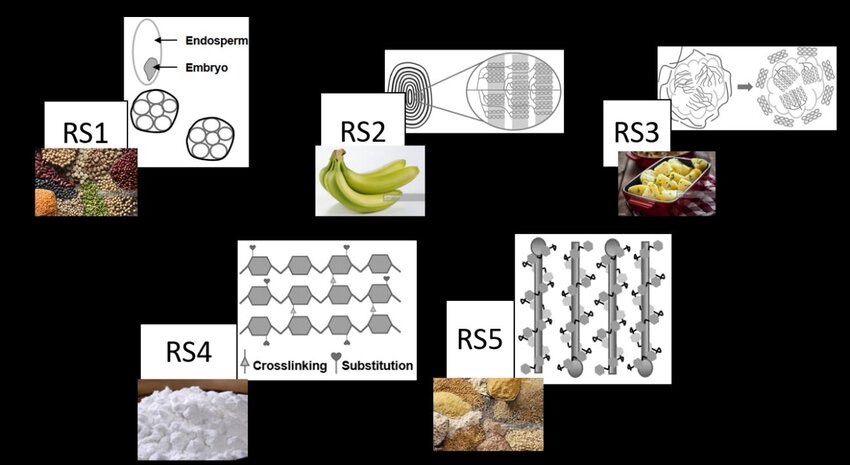
3. Five types of resistance starches have been identified such as :

• Type1 : Physically inaccessible starches like whole grains, coarsely grounded grains.

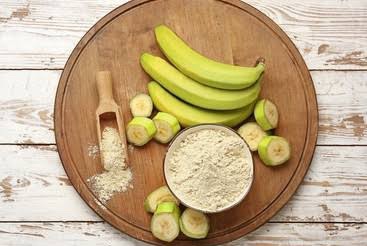
• Type 2: Granular starch like raw potato, raw banana starch.

• Type 3: Retrograde starch like cooked and cooled starch.

• Type 4: Chemically modified starch.

• Type 5: Amylose lipid complex.

4. Carbohydrates are simple in structure, like white rice, white bread, cakes, or refined food items. Resistance starches are complex carbohydrates which pass through the stomach and small intestine undigested and move to the large intestine to be fermented by the gut-friendly bacteria. Some examples of resistance starches are: Brown rice, whole grains, quinoa, lentils, plantains, oats and potatoes.

5. Simple starches are digested by the stomach enzymes and are responsible for spiking blood sugar and worsening insulin sensitivity. While resistance starches cannot be digested by the stomach enzymes, they travel through the small intestine and reach the colon. In the colon, they are fermented by the microbes and produce short-chain fatty acids like Butyrate. Butyrate improves insulin sensitivity, lowers inflammation, and provides food for gut-friendly bacteria.

6. Starch Retrogradation: It is a process where gelatinised starch molecules crystallize and become resistant to digestion in the stomach and small intestine. This trick can be done by cooling the simple starches after cooking and storing them in the refrigerator. Just before eating, heat them so that the content of resistance starch can be increased. Therefore, the effect of cooling the cooked rice or potatoes, bread can decrease the post-prandial glucose and insulin spike.

7. Simple ways to have resistance starches or increase the resistance starches content are:

• Cooking the rice, potatoes or pasta, and cooling them.

• Freeze and store them in the refrigerator.

• Reheating them before consuming.

8.Pairing food like carbohydrates with protein and fat can help in controlling the glucose spike and improving insulin sensitivity. Pairing potatoes with butter or olive oil, or rice with lentils or beans, is a common example. Acidifying the meal by adding lemon, vinegar, or fermented food can lower the rate of starch breakdown.

9. Again, food orders are another important trick to improve insulin sensitivity and lower the glucose spike. Instead of having carbohydrate first, it is wiser to eat the protein like eggs, meat or fish first, followed by vegetables and lastly the carbohydrate portion. This way, it will slow down the glucose digestion. Such behavioural change while following the food order either at home or in a restaurant can help to improve the metabolic response.

10. Eating a meal and then immediately sitting down to work, using the laptop, or taking a nap can negatively impact your metabolic response. Instead, after finishing your meal, consider taking a light walk or engaging in a gentle activity like cleaning or washing dishes. These activities can stimulate your calf muscles, particularly the soleus muscle, which can quickly utilise a significant amount of glucose. By sustaining contractions, this muscle helps burn glucose, contributing to better blood sugar control.

Thanks for reading.

Peace and love 🙏

10 facts about Fucoxanthin (FX): A promising natural supplement 🙌

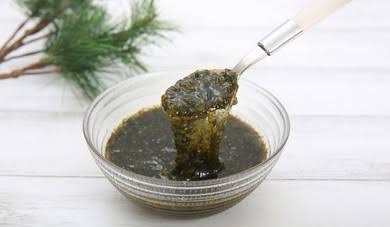
1. Fucoxanthin (FX), a brown pigment, is derived from various seaweeds and algae. It helps in algae photosynthesis and photo-protection in the aquatic environment. Several studies have shown that this phytochemical can be a potential source of nutritional and health benefits against various diseases like diabetes, obesity, cancer and many infectious diseases. Recent findings have shown that it has various properties like antimicrobial, antioxidant, anti-inflammatory, anti-obesity, anti-diabetic, and hepato-protective effects. Therefore, because of its highly potent effects of prevention of obesity related diseases, anti-cardiovascular, tumour inhibition and health benefits to bones, skin, eyes and liver, this pigment has been a promising pharmaceutical asset.

2.Molecular Structure: The unique molecular structure of FX is similar to that of Beta carotene and has the allenic bond. Out of 700 naturally occurring carotenoids, only 43 of them belong to the allelic group, and FX is one of them. Therefore, there is growing interest in the pharmacological activity of this carotenoid, which can be a great potential source towards the prevention of various physical illnesses. FX is mainly found in micro-algae rather than macro-algae. Among the three kinds of micro-algae, that is green, red and brown algae, FX is in higher concentration in brown algae.

3. Multi-functional: Research has already shown that FX has a tremendous amount of health benefits because of its unusual molecular structure. The multi-functional benefits are namely, anti-oxidant, anti-microbial, anti-inflammatory, anti-allergic, anti-malarial and anti-helminthic. Apart from these activities, FX helps to correct the imbalance of lipid metabolism, which is created by a fatty, unhealthy diet. It has a positive impact on fatty acid oxidation, lipolysis, and bile acid synthesis and lowers the level of free fatty acids.

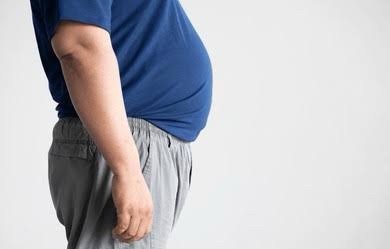
4. Anti-obesity effects: This brown pigment is a promising asset for lowering weight naturally. Obesity has been one of the main risk factors of many chronic and serious health issues like diabetes, heart diseases, high blood pressure, atherosclerosis, fatty liver, high cholesterol, infertility and many cancers. FX lowers the free fatty acids, inhibits lipogenesis, promotes beta-oxidation, bile synthesis, and influences enzymes which are essential for lipid metabolism. As a result, fat accumulation in the liver and adipose tissues is lowered, reducing cholesterol and triglyceride concentration.

5. Liver: Studies have shown that FX has hepato-protective effects. In case of fatty liver diseases, it can help in reducing the accumulation of lipid in liver cells, stimulate Beta-oxidation of hepatic fatty acids and lower the hepatic enzyme activity for fatty acid synthesis. Several animal studies have shown promising results of reducing lipid and triglyceride concentrations in the liver.

6. Inhibitory effect on cancers: Several studies on different cancers have shown that FX can scavenge free radicals and make it a potential modulator of carcinogenesis. FX has shown promising outcomes in different animal studies of inhibiting apoptosis and hindering the tumorigenesis in different types of cancers like lung cancer, colon cancer, breast cancer, liver cancer, gastric cancer, lymphoma and leukaemia. They behave as angio-modulators in cancer therapy.

7. Metabolism of FX: Because of its wide range of health benefits and potential role in the prevention of chronic illnesses, it has been a promising compound in pharmacological uses both individually and in synergy with other compounds. FX is a carotenoid which is mainly absorbed in the small intestine, similar to fats and fat-soluble vitamins. Studies have shown that consumption of this brown pigment orally does not show abnormal changes in organ tissues; therefore, it is safe for human use.

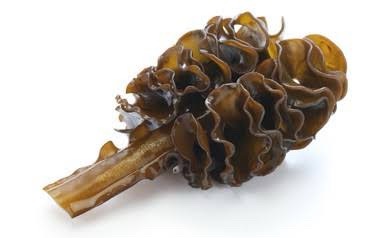
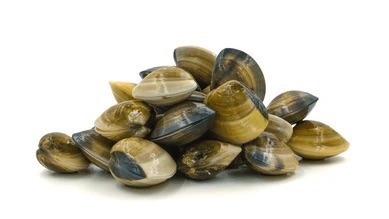
8. Food sources of FX are various species of seaweeds like Wakame, Arame, Kombu, Hizika and Laminaria digitata. Some other natural sources are microalgae like diatoms. Marine invertebrates like mussels, oysters, and clams also contain a small amount of FX. Predominantly, FX is present as a rich source in brown seaweed compared to other pigments like chlorophyll and xanthophylls.

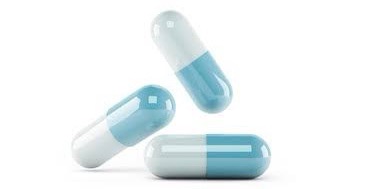
9. As a supplement: Animal studies have shown the safe use of FX and that it has no adverse effect on the body. Therefore, it has been widely used as a supplement for its wide range of health benefits. It is used as tablets, capsules and soft gels usually labelled as Fucoxanthin or “brown seaweed pigment” While the bioavailability can be low in case of human consumption, its absorption can be increased when consumed with lipids and edible oils. Dosage can vary from 3-5 mg per day.

10. Side effects: FX has no adverse effects and no toxic accumulation in the vital organs of the body in case of animals when consumed in higher doses. Therefore, it is considered safe for human consumption. It is considered safe for vital organs like the liver, kidney, spleen and gonads when consumed moderately in humans. Further research on humans is still required for more clarification. It is always advisable to consult a Physician before introducing FX as a supplement when there is a pre-existing medical condition.

Thanks for reading.

Peace and love 🙏