


10 facts: The link between obesity and brain function🧠

1.Research has already stated that obesity is a risk factor for neurocognitive decline. Obesity has become a widespread lifestyle disease that affects individuals regardless of age, gender, race, or culture. Many studies are being conducted on the relationship between obesity, defined as an excessive accumulation of fat, and brain function. Research has shown that structural changes in the brain are quite common among elderly obese individuals, particularly in the form of cerebral atrophy in grey matter and alterations in white matter volume. Notably, there is a reduction in the volume of the frontal lobe, hippocampus, thalamus, and anterior cingulate gyrus. Changes in brain structure can also occur in younger obese individuals.
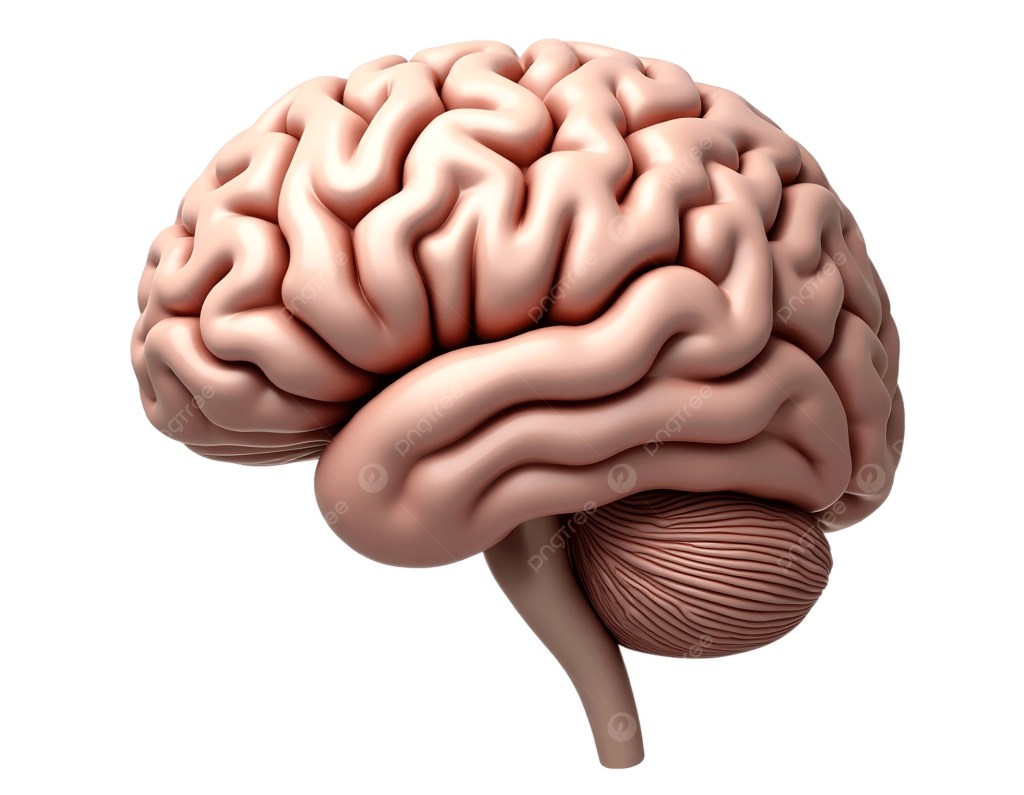
2.BDNF (Brain-Derived Neurotrophic Factor): Adverse effects of Brain-Derived Neurotrophic Factor (BDNF) have been linked to lifestyle and diet choices. Low levels of BDNF, which affect neuronal plasticity, are associated with obesity and diets high in sugar or fat. Studies have shown that a high-fat diet, which leads to increased body weight, is related to reduced BDNF levels in the prefrontal cortex. This reduction can result in learning difficulties and impaired food intake control. Additionally, elevated serum leptin levels in obese individuals can lead to changes in the structure of the hippocampus and negatively impact memory performance.

3.Inflammation: When there in increased accumulation of fat tissues, they trigger chronic inflammatory responses, chemicals (cytokines) which crosses the blood brain barrier and reaches the brain cells, thus neuro-inflammation starts. The inflammation process spreads in the brain, damaging the cells, mitochondrial malfunctions which causes oxidative stress, brain immune cells (microglia) becomes hyperactive causing inflammation which can be localised or extensive. The hypothalamus, which controls appetite, is affected, creating a vicious cycle of weight gain. The hippocampus and Amygdala are affected, which causes issues in memory and emotion control.

4. Brain metabolism: Obesity can greatly affect brain metabolism by disturbing core functions such as :

• Obesity can disturb the brain’s insulin sensitivity, which in turn disrupts appetite control and impairs neuronal energy production.

• Mitochondrial dysfunction and low energy production in brain cells can increase oxidative stress and the release of harmful toxins, leading to cellular damage.

• Neuro-inflammation spreads due to the release of inflammatory chemicals like cytokines from visceral fat, leading to an increased risk of cognitive decline, dementia, depression, anxiety and diseases like Alzheimer’s disease.
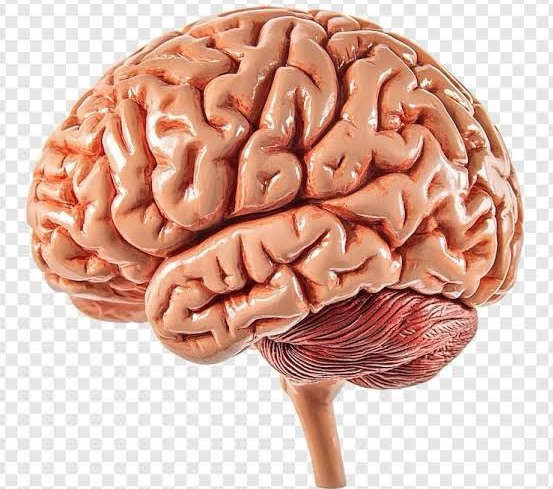
5. Obesity and insulin resistance: In a healthy individual, insulin acts as an appetite-suppressing hormone on the brain. Studies show that obesity plays a key role in disrupting insulin sensitivity, causing impaired appetite control, resulting in metabolic disorders like type 2 diabetes. Studies have already linked obesity to diseases like heart attacks and cancers. Apart from appetite regulation, insulin in the brain helps in the co-ordination of fat distribution by promoting healthy subcutaneous fat storage instead of unhealthy visceral fat storage. Obesity leads to brain insulin resistance, causing an increase in visceral fat, increased food cravings, overeating, anxiety, depression and further weight gain.

6. Behaviour changes: Dealing with obesity is a gradual process which requires lifestyle changes, dietary changes, physical activity, counselling and a constant support system. Some of the key pillars are :

• Reduction of calories on a daily basis by 500 to 1000 calories. Switching to a calorie deficit diet like whole grains, vegetables, lentils and fish. Portion control and balanced meals are necessary.

• Gradually increasing the level of physical activity like walking, jogging, swimming, weight training.

• Counselling and a support system, including family and peers, to address emotional triggers, anxiety, and stress. A good quantity of sleep is important.

• Self-motivation, self-monitoring of daily calorie intake, routine weight assessment, monitoring physical activity levels and off-course mindfulness practices like meditation and nature bathing.

• Metabolic surgery in case of severe obesity, recommended by professionals.

7.Cognitive functions: In obesity, there are enough studies to show that there is a risk of cognitive decline. There are several ways to improve cognitive functions, such as:

• Controlling neuro-inflammation by medically managing any signs of systemic inflammation, controlling blood sugar levels and managing triggers like stress and anxiety.

• Dietary changes like avoiding high-sugar foods completely, processed foods and focusing on nutrient-rich, low-calorie foods.

• Exercises like cardio workouts to increase blood flow to the brain, which helps flush toxins, help to grow the size of the hippocampus to improve memory.

• Continuous physical activity by avoiding sitting for long hours; constant physical activity apart from routine exercise to clear brain fog. Weight training regularly, which helps to boost BDNF. Improving sleep quality.

• Trying to adopt intermittent fasting, which can help reduce brain inflammation.

8. Rewiring the brain for behavioural modification: To break a behaviour pattern which has been practiced for a long time is a difficult task, requiring patience and effort. Understanding and self – assessment are key pillars.

• Understanding the stress triggers, hunger signals, and habit loops to know the emotions behind them. To change neural pathways, repetition of a corrective behaviour pattern each time such a trigger arises is necessary to rewire the brain.

• Practising mindfulness to activate control of your brain to quiet the default false hunger signals and stress triggers.

• Changing eating habits to healthier options like whole grains, fibre-dense foods, portion control and cutting down on sugary or highly processed food to prevent dopamine spikes.

9. Managing hunger signals and habit loops: Not all hunger signals are real; some of them are false alarms just to activate your brain reward system. Some of the strategies are such as :

• Drinking water or sipping green tea or black coffee to fill the stomach.

• Eating small portions of meals every 3-4 hours instead of heavy meals.

• Practise physical activity throughout the day, like light exercise, walking and avoid sitting for long hours.

• Engage in activities and hobbies apart from routine chores or office work to keep the mind distracted from hunger signals.

• Lower stress by practising deep breathing exercises.

10. Takeaway: Research has shown that a high Body Mass Index (BMI) is associated with cognitive decline, reduced brain volume, and tissue atrophy in the frontal lobes and hippocampus. Excess weight also contributes to the degradation of the corpus callosum, which connects the two hemispheres of the brain. However, it is possible to reverse these effects by losing weight and making lifestyle changes, including adjustments to behaviour and eating habits. This process is gradual but rewarding and requires self-motivation, as well as support from family and peers, to break old habits and develop new neural pathways. In extreme cases, medical interventions such as anti-obesity medications or surgical procedures may be necessary if clinically recommended.

Thanks for reading.

Peace and love 🙏

10 facts: Why TUDCA is favorable? 🙌

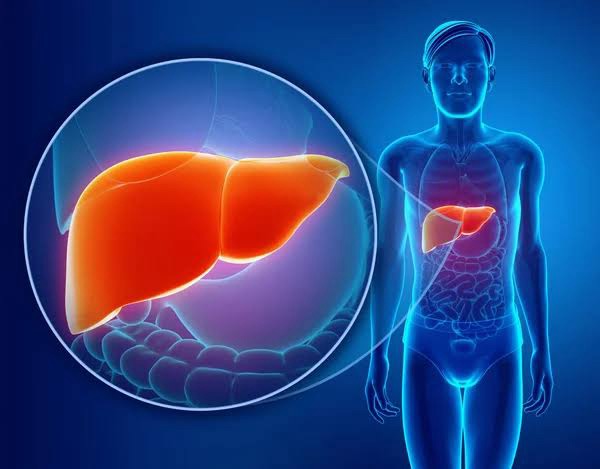
Liver

1. TUDCA is tauroursodeoxycholic acid, which is naturally produced in the body as a short-chain bile acid that facilitates the breakdown of fats and helps in the absorption of nutrients. TUDCA is necessary for the metabolism of fats and oils that are consumed in the diet. Research has shown that TUDCA has amazing health benefits, promotes overall wellbeing by supporting the gut microbiome, and protects the nervous system, brain, heart and liver. Because of its health benefits, TUDCA is prescribed by health professionals, sometimes as a supplement. Though it was mentioned long before as traditional Chinese medicine, recent research studies have made it popular as a supplement for its tremendous health benefits.

Gut health

2. TUDCA for gut health: TUDCA is known to be hepatoprotective and prevents damage to liver cells. So, it shows promising results for those dealing with fatty liver, cirrhosis and hepatitis. As far as gut health is concerned, TUDCA has amazing benefits:

•It promotes the growth of good bacteria and maintains a balance in the biodiversity.

•It strengthens the immune system by promoting the growth of immune cells, of which around 80% are in the gut microbiome.

•It helps to tone down the inflammatory response in the gut and prevent chronic inflammatory conditions like leaky gut.

3. Other health-promoting benefits of TUDCA are:

• It protects the brain cells from damage by clearing toxins from neurons and supporting brain functions.

• It supports cardiovascular health by lowering LDL levels by breaking down and removing excess cholesterol.

• It lowers blood sugar levels by increasing the sensitivity of insulin in the cells and muscle tissues.

• It promotes free radical damage due to antioxidant properties, prevents cell damage and helps cell repair.

• Protects the liver from toxins from heavy metals, alcohol and medications.

• Support immune system by reducing inflammation.

Brain

4. TUDCA for brain: Research has shown many potential benefits to the brain and nervous

system, as it can cross the blood-brain barrier and can have antioxidant effects like cell repair, prevent cell damage and reduce inflammation. Some of the neuroprotective effects are:

• It can remove toxins, harmful amyloid-beta plaques and reduce the risk of Parkinsonism and Alzheimer’s disease.

• As already mentioned, it can reduce mitochondrial damage and neuronal cell death.

• Reduces neuronal stress by easing the Endoplasmic reticulum (ER) of the cells.

Eye health

5. TUDCA and eye health: Studies have shown that TUDCA can prevent retinal damage and help in restoring vision by protecting from photoreceptor degeneration and diabetic retinopathy.

TUDCA acts as a powerful neuroprotective agent on photoreceptors and retinal ganglion cells, which helps in visual processing. Loss of photoreceptors and retinal ganglion cells (RGCs) can slowly lead to visual dysfunction and visual loss. So, TUDCA have the potential to protect the photoreceptors and RGCs. Therefore, it can prevent the risk of many retinal disorders.

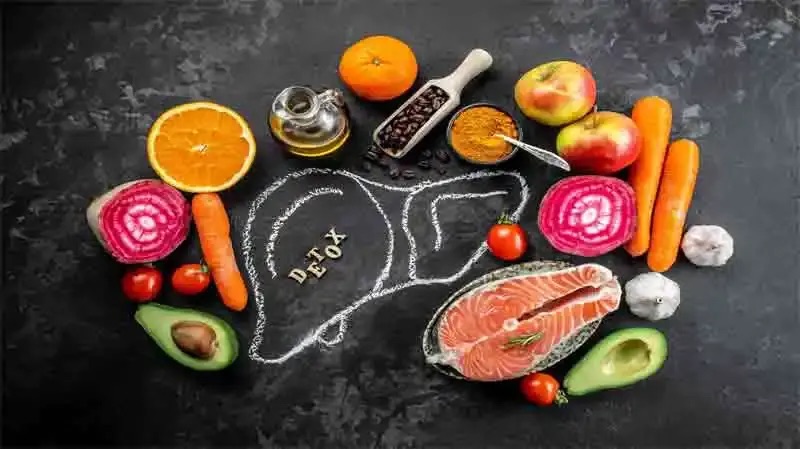
6. TUDCA food sources: TUDCA is naturally produced in small quantities in the liver. Actually, the liver produces bile salts and releases them in the intestines. In the gut, the good bacteria metabolise them into UDCA (ursodeoxycholic acid). They are released back to the liver, where they combine with taurine and become TUDCA. So, there is no direct food source of TUDCA. But there are food sources which can help the body to produce TUDCA. Some food sources are :

• Taurine-rich: Non-vegetarian foods like poultry, fish like salmon, tuna, and shellfish.

• Bile stimulators like beets, artichokes, ginger, turmeric, greens like arugula, dandelion, coffee, and citrus.

• Probiotics like fermented foods (Kimchi, kefir, yoghurt).

• Fibres like flaxseeds, chia seeds, oats.

Supplements

7. TUDCA supplement: Dietary supplements are water-soluble bile derivatives; synthetic TUDCA are used as a supplement. Commercial TUDCA are paired with Milk Thistle, which can have a dual action of liver-protective and regenerative support. The recommended dosage is 250 -1000mg/day. There are no severe side effects, but a high amount can cause diarrhoea or stomach upset. Commercially available in the form of pills, capsules and powdered form. Contraindications are for individuals with gallbladder disease, pregnant or lactating mothers and those taking diabetic drugs and insulin.

8. TUDCA and NAC: Another pairing of compounds as a supplement has been popular, such as TUDCA with NAC (N-Acetyl-L-Cysteine), which is a precursor of glutathione, an amino acid which is a potent antioxidant. Both compounds, as a pair, act as a powerful agent for free radical damage, oxidative stress, and the detoxification of cells from harmful toxins. It helps in the clearing of toxins, especially from the liver and kidneys. This combination also enhances the metabolism of dietary fat by improving the bioavailability of bile acids.

Bile salts

9. TUDCA supplement usage: TUDCA supplement is generally recommended by health care professionals mainly for liver health support, metabolic support and neurological health support for brain and eye health. Ideally, TUDCA supplement should be taken post-lunch or dinner, after a large, proper meal so that it can facilitate the smooth flow of bile salts and help in absorption. Start with a lower dose, then gradually increase the dose so that the tolerance level is assessed. Drink a full glass of water along with the dose, as it can be absorbed more smoothly. The standard dose limit should not be exceeded to prevent side effects.

10. Takeaway: TUDCA is a naturally occurring bile acid which has some amazing health benefits apart from supporting liver health. Studies have shown that it has antioxidant properties, such as reducing cellular stress, promoting cellular repair and regeneration, protecting brain and eye health, and supporting metabolic health by improving insulin sensitivity and glucose metabolism. Dietary sources and supplements are taken to increase the bioavailability and optimise the functions. It can also help to treat liver cholestatic diseases.

Thanks for reading.

Peace and love 🙏
10 facts: Sleep wake cycle linked to cortisol 👐

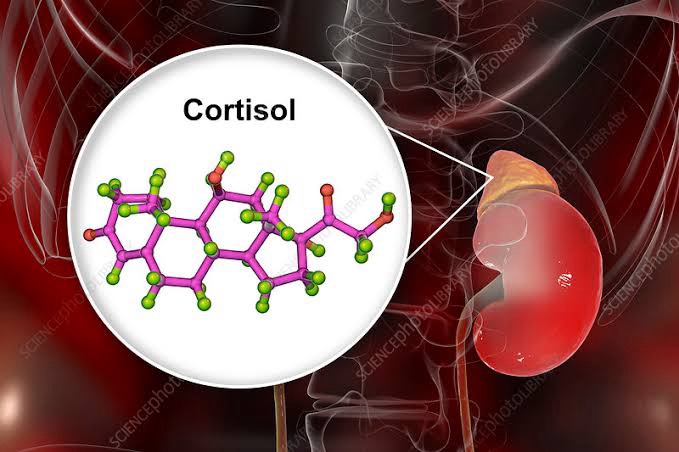
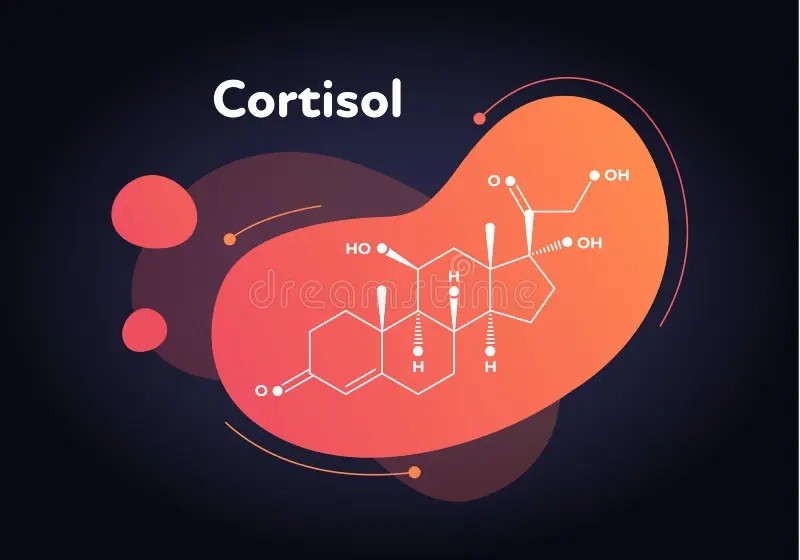
1.Cortisol is a stress hormone released from the adrenal glands, which is ideally secreted during a fight-or-flight response. However, in today’s world, our daily lives are filled with stressful situations, such as competition, comparisons, peer pressure at work, negative people, and relationships stress. As a result, cortisol is released not just in short bursts but remains chronically elevated. This persistent high level of cortisol keeps the body in a constant state of stress, leading to chronic inflammation, sleep problems, and various diseases.

2.Cortisol plays essential role in the body for survival. But when cortisol is elevated for a longer period of time can lead to health issues like weakened immunity, metabolic syndrome and mental health issues. The functions of cortisol are :

– Maintaining blood pressure

– Elevating blood sugar levels

– Regulating the circadian rhythm

– Facilitating the utilisation of energy from carbohydrates, proteins, and fats

– Reducing inflammation

3. Sleep-wake cycle follows a synchronised rhythm with the night and daytime. During the sleep phase, the body goes through different stages, such as:

• Non-REM stage: The phase where the body and mind, being awake, slowly move to a calmer state before falling asleep. Followed by a stage where the body’s core temperature drops, brain waves slow down. After this, a stage emerges where the heartbeat, breathing, and brainwaves slow down, entering a deep state of relaxation.

• REM state: This stage occurs normally after the deep sleep phase. In this phase, people have vivid dreams, and intense dreaming appears. There is weakened muscle activity similar to temporary paralysis. This stage is important as the brain is cleaning out the buildup of waste and toxins.

4. HPA axis: The hypothalamic-pituitary-adrenal axis is responsible for the neuroendocrine regulation. Hormones like melatonin and cortisol from the HPA axis modulate the sleep-wake cycle. When there is disruption of this axis disturb the sleep cycle. Studies show that there are reciprocal interactions between sleep regulation and the HPA axis. Stressful situations like PTSD, emotional trauma, and chronic workload can lead to long-standing sleep issues like insomnia, sleep deprivation, and lack of restorative sleep, which in turn lead to disruption of the HPA axis and vice versa.

Insomnia

5. The HPA axis and sleep have a significant interconnection. Good quality sleep, deep sleep causes an inhibitory effect on the HPA axis, whereas hyperactivation of the HPA axis leads to overload of glucocorticoids, wakefulness, and loss of sleep. Sleep disorders related to HPA dysfunction are:

•Insomnia is a common sleep disorder which is found to have a connection with an increase in ACTH and consistent cortisol levels and arousal of the central nervous system.

•Obstructive sleep apnea or daytime sleepiness has been associated with elevated pro- inflammatory cytokines, IL-6 and TNF.

Weight gain

6. Elevated cortisol level: Studies show that sleep deprivation has a direct connection to elevated cortisol levels, long hours of wakefulness in the daytime, glucocorticoid overload, and disruption in the HPA axis. These directly affect the well-being of the individual and increase the risk of obesity and type 2 diabetes. Other symptoms of elevated cortisol levels are:

• Weight gain

• High blood pressure

• Weakness of bones

• Muscle weakness

Stressed

7. Cortisol level: Normally, there is a spike of cortisol level in the morning, known as the awakening response, and it continues for about 60 minutes thereafter. Then, gradually the level-starts dropping and reaches the lowest level towards the evening/midnight. The factors which can affect the cortisol levels are:

• Stress

• Disturbed routine sleep schedule

• Morning light may cause the surge

• Cushing’s syndrome

Overworked/ stressed

8. Stress and cortisol level: Cortisol is a steroid hormone which is released from the adrenal glands in the body’s response to stress. Cortisol also releases sugar from the liver to combat stress. In addition to this, sleep and stress are also closely linked. Prolonged stress can lead to sleep disorders like acute insomnia. The types of stress when cortisol is secreted are:

•Short-term stress

•Long-term stress

•Trauma, both psychological and physical.

Dark chocolate

9. Food and cortisol: Certain foods can support gut health, reduce stress and lower the cortisol level naturally:

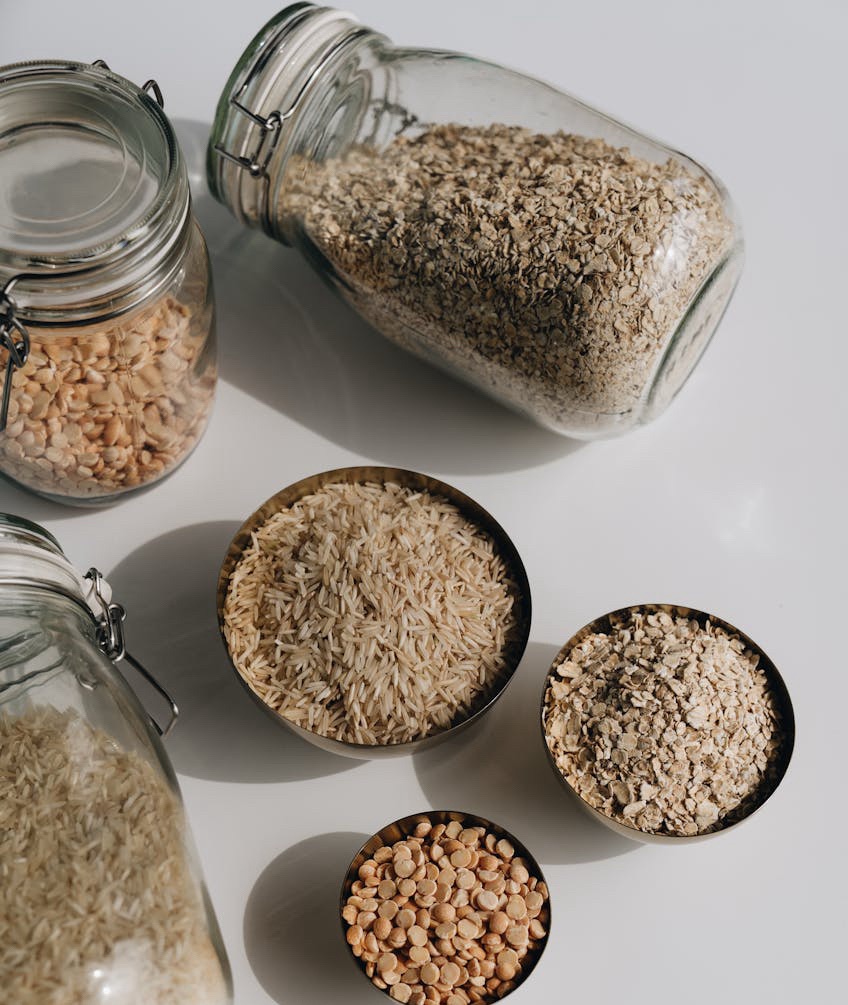
• Whole grains and natural fibres – Whole grains are rich in polyphenols, which can support gut health and reduce stress and cortisol. Fibrous foods like vegetables, fruits, and berries contain both polyphenols and antioxidants that help reduce cortisol levels.

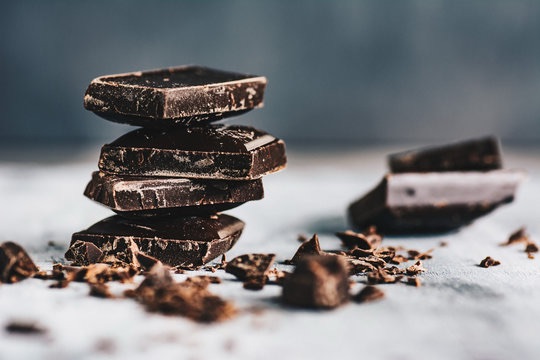
• Dark chocolate (70 – 80%) – Flavonoids in dark chocolate can lower the stress response and cortisol from the adrenal glands.

• Green tea contains polyphenols, catechins, and L-theanine, which can lower stress reactivity.

• Probiotics/Prebiotics are linked to healthy gut health, reduce stress and cortisols.

• Healthy fats in nuts, fatty fish, and seeds rich in omega3-fatty acids reduce stress and support mental health.

• Water – Consuming water throughout the day prevents dehydration and controls the cortisol level.

Meditation
Community/ kindness/ volunteer work

10. Natural habits that can keep the cortisol level under control:

• Good sleep routine – Firstly, keep away from cell phone or any kind of distraction at least 1 hour before bedtime, avoiding alcohol, caffeine intake and nicotine 5-6 hours before bedtime, maintain a bedtime schedule; going to bed and waking up the same time every day is important for sleep hygiene.

• Daily routine exercise, nature bathing, walking or any kind of physical activity.

• Practise deep breathing techniques like Pranayama, mindfulness breathing, Meditation, yoga, tai-chi.

• Maintaining your mental health by managing your personal relationships, staying away from negative people and a negative environment, cultivating hobbies, laughing, and listening to music.

• Spirituality – believing in spiritual faith, attending spiritual workshops, meditation, community spirit, kindness /charity /voluntary works, helps maintain cortisol levels.

Thanks for reading.

Peace and love 🙏
10 facts: Gut-brain impact on sleep-wake cycle 😴

1. The gut is known as the “second brain” as there is a 2 way connection between the brain and the gut via the vagus nerve. The gut microbiome produces neurotransmitters that can travel and send signals through the nervous system, affecting our mood, behaviour, emotions, and sleep. The gut and brain also send signals through hormonal pathways and the immune system.Therefore, the gut-brain axis plays a crucial role in overall well-being, and any disruption to this axis can lead to issues such as disturbances in gut health, neurological disorders, inflammation, and sleep disturbances.

2. Through the gut-brain axis, there is a mutual continuous communication between the brain and the gut. The gut microbiome produces a considerable amount of neurotransmitters and hormones like melatonin, which influence the circadian rhythm and mood. Both the sleep cycle and gut microbiota are influenced by factors like daylight, stress and diet. Hence, if there is unhealthy gut microbiome, there will be disruption in the sleep-wake cycle, while poor sleep will lead to disturbances in the gut microbiota.

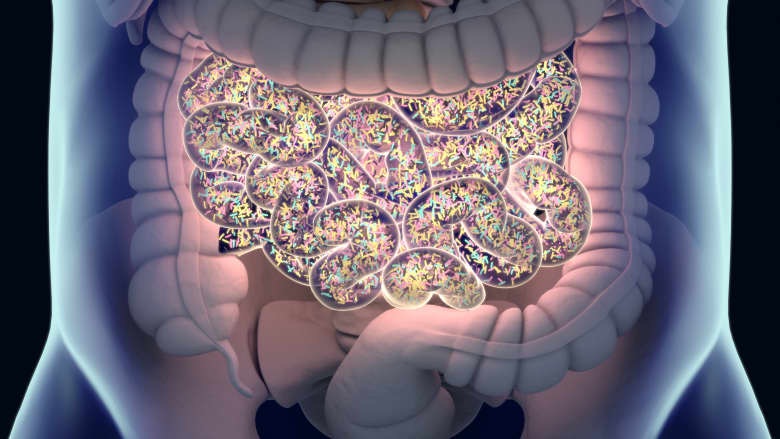
Gut microbes

3. Inflammation: Poor sleep can cause disturbances in gut health, which will lead to a pro-inflammatory state in the body. The gut microbiome composition and diversity are disrupted, creating an imbalance. Gut health issues like irritable bowel disorders, leaky gut, and hormonal issues can worsen in the body. Lack of sleep can also affect gut permeability and lead to nutritional absorption interference. Not only gut health, but poor sleep can also affect the metabolic pathways, immune state and neural pathways.

Gut microbiota

4. Research has shown that through the gut-brain axis, there is a bidirectional communication between the gut microbiota and the central nervous system. Beneficial bacteria like Lactobacillus and Bifidobacterium, which increase serotonin and gamma-aminobutyric acid production, help in the quality and lengthening of sleep. On the other hand, lack of sleep can lead to a reduction of beneficial bacterial flora, an imbalance in the microbiota, which includes probiotics, prebiotics, and postbiotics.

5. Studies have revealed that sleep, a natural physiological process, is important in maintaining a healthy gut microbiota and vice versa. Poor sleep patterns, insomnia, and sleep deprivation not only influence the emotional and cognitive well-being but also cause an imbalance in gut bacteria and gut flora. Therefore, there is a direct connection between sleep disorders and gut health, and resolving gut issues has a therapeutic effect.

6. The equilibrium of the sleep-wake cycle with the well-being of gut microbiota is very delicate and needs to be maintained by external factors. The balance can be easily disturbed by factors like stress, poor diet, lack of exercise, and poor sleep habits. Studies have shown that this reciprocal correlation shows sleep as the primary modulator between gut health issues and sleep length and quality.

7. Growing research has shown that the gut-brain axis plays a crucial role both directly and indirectly in the shift of composition of gut-microbiota with the development of sleep disorders like insomnia, sleep fragmentation, sleep deprivation and sleep apnea. Human studies have shown that 60-70% of the composition of gut microbiota depends on the oscillatory rhythm of the circadian rhythm.

8. Though Melatonin, a sleep hormone, is known to be produced by the pineal gland, it is actually the gut which is the primary source of it. This hormone is integral in modulating the sleep-wake cycle, immune-regulatory effect and antioxidant activity. The gut microbiota produces melatonin from tryptophan. This hormone has a favourable effect on microbial population and gut barrier functions. Therefore, any imbalance of gut microbiota directly influences melatonin production and disrupts the circadian rhythm.

9. Evidence from several studies has shown that a significant level of melatonin has been produced by bacteria in the intestinal flora, has a beneficial impact on intestinal barrier functions and a preventive effect in the human brain against neurodegenerative diseases like Multiple sclerosis, Alzheimer’s disease and Parkinson’s disease. Gut microbiota dysbiosis has been linked to the development of sleep disorders, autoimmune diseases, metabolic diseases like type 2 diabetes, pro inflammatory responses and neurological disorders.

10. Therefore, there is enough evidence to show that consequences in digestive health have a direct impact on the sleep-wake cycle and vice versa. Research has clearly shown that sleep deprivation can directly impact digestive disorders like gastric esophageal reflux, irritable bowel disorders and many gut health issues. Maintaining a consistent sleep schedule of 7-8 hours can help greatly in reducing the potential risk of many diseases as well as in maintaining a sound gut health. Not to forget that stress management is equally important for maintaining the equilibrium of gut health and sleep patterns. So, an early fiber rich dinner, less screen time, routine exercise, meditation and early sleep habits are essential components to maintain this balance.

Thanks for reading.

Peace and love 🙏

10 facts to know about Ghee (clarified butter) 🙌

Research has shown that Ghee is a powerhouse of anti-oxidants, healthy fats and vitamins. For centuries, it has been used traditionally in Middle Eastern and Indian culinary traditions. In Ayurvedic medicine, it has been used extensively as a remedy for various ailments.

  1. There are various dairy sources of Ghee, such as cows, buffaloes, goats, and camels. But the best source of Ghee is the cow’s ghee depending upon the fatty acid composition. Ghee is a rich source of Short-chain fatty acids (SCFA), linoleic acids, omega-3, omega-6 fatty acids and phospholipids. Research has shown that these fatty acids have the most potential benefits of anti-oxidants, and anti-inflammatory properties and are excellent sources of fat for brain health.
  2. According to Ayurvedic literature, the health benefits of Ghee depend on the manufacturing process, the source of dairy from which it was made, age and phase of the ghee. Cow’s ghee has the highest nourishing and health benefits. Buffalo ghee can be a good source of building a physical and muscular physique. Goat’s ghee has respiratory benefits whereas camel’s ghee has digestive properties.
  3. Research says that grass-fed ghee is more nutrient-dense than grain-fed ghee. Cow ghee has different varieties. Garlic grass-fed ghee is a superior quality ghee which has higher therapeutic benefits. Grass-fed Cultured Organic ghee is from grass-fed milk which is of premium quality and has several health benefits. A2 Organic ghee contains A2 protein and is purest in terms of quality which has no traces of GMOs, antibiotics or steroids. Another variety is lime grass-fed ghee which has good taste due to lime flavour.

4.Cognitive health benefit: The most important benefits of ghee are cognitive health, the overall brain wellbeing. Though limited research has been done so far, studies show that SCFA, omega-3 fatty acid, and linoleic acid in ghee show a significant role in improving memory, intellect and brilliance. Ghee helps in the management of diseases like epilepsy, ageing cognitive issues,depression, anxiety and insanity.

5.GI health: SCFAs found in ghee play an important role in enhancing digestive health. Butyrate found in ghee feeds the gut microbiome and enhances the gut immune system, improves digestion, and helps to strengthen intestinal wall integrity. Ghee has been used for centuries to treat abdominal disorders, peptic ulcers and improvement of appetite.

6.Respiratory health: According to Ayurveda, A2 ghee plays a significant role in lowering
symptoms of asthma, bronchitis, sore throat, fever, bleeding disorders and other respiratory issues A2 ghee is combined with herbs like Malabar Nut are used as herbal medicines to heal respiratory issues by Ayurvedic experts. It acts as a natural expectorant in case of colds and coughs.

7.Other ailments where ghee has been used by Ayurvedic Medicine to treat issues like abscesses, boils, liver issues, hernias, vaginal pain and other reproductive problems. It is also used for topical application for a calm relaxing skin massage. In some Ayurvedic cleansing techniques, ghee message is used to release toxins from fatty tissues and treat osteoarthritis, and insomnia.

8.Since ancient times, ghee has been a natural remedy for various issues. It was used as a
natural moisturizer, bath oil for skin, remedy for gums, and teeth when gargling with ghee, to stop nose bleeding, and to treat minor cuts and burns.

9.Butter and ghee have similar fat contents and nutrients. But for people who have problems in the digestion of dairy products, pure ghee is comparatively better as they have no or less quantity of protein than butter.

10.Ghee has been slowly emerging as a healthy cooking choice because of its various nutritional benefits and better absorption of nutrients from foods and vegetables. Recent studies show that ghee is cholesterol-friendly as it can help to increase good cholesterol over bad cholesterol. However, due to its high fat content, it has to be used in moderation. When consuming ghee daily, the person has to undergo regular physical activity and exercise to digest the fat properly and enjoy the benefits. According to health experts, consuming 2-3 teaspoonfuls of ghee can bring overall health benefits and be heart-friendly.

Thanks for reading.

Peace and love 🙏

Butyrate is the latest buzzword! Is it just a hype or the reality? 10 facts 🙌

Butter is a rich source of butyrate

1.Butyrate is a short-chain fatty acid (SFCA) released during the fermentation of dietary fibres by the gut microbiome. It plays an integral part in supporting gut health and overall well-being. It is an energy source for colonocytes which meet about 70% of their needs. Evidence has shown that this SFCA has tremendous health benefits ranging from immunity support, lowering inflammation, preventing cancers and fighting ageing. Hence, it is the latest buzzword, doing rounds in social media and among advertisers.

2.Recent studies have clearly shown that butyrate plays an important role in both the host and microbial functions in gastrointestinal health. It is a crucial energy source for colonocytes. An optimal level of butyrate promotes and maintains a healthy microbiome level, reduces inflammation, and supports colonocyte functions. It has protective actions against certain intestinal diseases like inflammatory bowel diseases and colon cancer.

3.Butyrate has been shown to prevent the process of inflammation in the gut which can be caused by pathogens, the body’s overreaction (allergic reactions) and oxidative stress. Chronic inflammation in the gut occurs when the gut’s immune system is constantly fighting against these pathogens and free radicals causing the immune health to be weakened. Eating a considerable amount of fibres causes to production of an optimal level of butyrate which helps in protecting against this inflammatory process.

Dietary fiber is a good source of butyrate

4.Studies have shown a great impact of butyrate on obesity. Butyrate is found to lower body weight and decrease lipogenesis in the liver and adipose tissues. It increases fatty acid oxidation and prevents fat accumulation in the body thereby reducing obesity. Butyrate is produced by the fermentation of dietary fibres, so it suppresses the food intake and reduces body weight and fat mass.

5.Animal and cell studies have shown that butyrate increases insulin sensitivity, helps in reducing weight gain, and obesity and promotes weight loss. It helps in maintaining blood sugar levels.

Dairy products

6.Another significant property of butyrate has been shown in research that it promotes cell differentiation. Normally, our cells have the ability to change into any specific type of body cells required like liver cells, heart cells, intestinal cells or blood cells. If the cells are not properly differentiated, then, abnormal growth or tumour appears. Butyrate is found to promote cell differentiation.

7.Studies have shown that butyrate plays an important role in the brain-gut connection. It helps in increasing Brain-Derived Neurotrophic Factor (BDNF), removes toxic byproducts from the brain and prevents brain fog. It promotes neuroplasticity and improves rapid eye movement sleep by 70%.

8.Butyrate helps to regulate the blood pressure level. Studies show that the level of butyrate inversely corresponds to the blood pressure level. A higher butyrate level gives a lower blood pressure level while low butyrate may lead to the rise of high blood pressure.

Leafy veggies

9.Sources of butyrate are :
Dietary fibres like vegetables like garlic, onion, tomatoes, beans, peas, leafy vegetables, broccoli. Fruits like bananas, apples, pears, kiwis.
Whole grains like brown rice, oats, wheat, barley, rye and pulses, legumes.
Dairy sources like milk, cheese, butter, and ghee.
Others like dark chocolate, seeds, nuts, and seawood.
Butyrate supplements are available in the form of sodium, calcium/magnesium butyrate but need to be used as per supervision as they may interfere with other medication.

10.It is important to know that consuming full-fat dairy products like butter, Ghee, cheese, and milk are rich sources of butyrate. However, consuming these products can cause the risk of elevating the level of cholesterol in the body as they are rich in saturated fatty acids too. Therefore, the risk of cardiovascular diseases and obesity may rise. So, the key point to be noted while consuming these products is having them in moderation along with lots of dietary fibre and plenty of water can benefit and maintain the balance.

Thanks for reading.

Peace and love 🙏
10 facts to know about constipation 👐

  1. According to medical terminology, constipation is when a person has irregular bowel movements, usually less than three times a week. Normally, a person with regular bowel movements has stool elimination three times a day to three times, a week. Constipation has been the most common gastrointestinal issue affecting millions of people daily.
  2. Normally, the food passes through the large intestine, and the water is absorbed in the colon while forming the faecal matter or stool. Then, the stool formed in the colon is pushed down to the rectum by muscle contraction. If the muscle contraction in the colon is prolonged, by the time, stool reaches the rectum, more water is absorbed making the stool too hard to pass. Passage of the dry hard stool becomes very difficult causing constipation.
  3. The most common causes of constipation are: Lack of movement, lack of exercise, stress. Lack of fibre in the diet.
    Not drinking enough fluids.
    Changes in dietary habits, pregnancy, traveling, ageing. Medications.
    Irritable bowel syndrome.
    Anal fissure.

4.Common symptoms of constipation:

Pain abdomen.
Painful bowel movements.
Feels uncomfortable or bloated.
Bowel movement less than 3 times a week.

5.Generally, constipation is relieved by switching the diet to more fibrous food, more intake of fluid, and exercise. However, if the person is not relieved of the symptoms despite these above- mentioned measures and maybe, there is a history of blood in stool, episodes are more frequent, then, it is necessary to seek medical attention.
Diagnosing constipation is based on medical history, a physical examination which covers an anorectal examination, barium enema, and colonoscopy.

6.Constipation is usually treated by diet and lifestyle changes.
Lifestyle changes include regular exercise, more intake of fluids in the daytime, giving enough time for daily bowel movements.
Dietary intake of at least 20-30 grams of fiber daily, including whole grains, fruits like bananas, pineapple, papaya, oranges, apples, kiwis, berries and vegetables, is recommended.
Changing the existing medication if any.
If the above measures don’t work, then laxatives are prescribed.

7.Certain risk factors which may lead to constipation:
*Mental health issues: Due to depression and stress-related issues leading to unhealthy diet, irregular meal timing, anti-depression medication, lack of exercise, and eating disorders.
*Old age causes weakening of the muscle lining so sluggish bowel movements.
*Pregnancy causes the bulky uterus to press against the intestinal wall making it harder to defecate.
*Eating lots of refined food, junk food and not eating enough fibre causes hard stool. *Medications like iron pills, antacids, blood pressure medicines, allergy medicines, anti- depressants.
*Diseases: Stroke, paralysis, Parkinson’s disease, diverticulitis, multiple sclerosis, irritable bowel disease, colon cancer.

8.Constipation commonly occurs in most cases due to dietary changes or lack of physical activity. The condition is resolved usually by changes in diet and lifestyle. But, it can be a warning sign and may require immediate medical attention when:
there is severe cramping pain with sudden onset of constipation.
Blood in stool.
Loss of weight.
Severe pain with bowel movements. Constipation is for a prolonged period.

9.Generally, dietary and lifestyle changes can prevent constipation : Drinking 3-4 glasses of water every day.
Adding vegetables and fruits to your diet every day.
Routine physical activity and exercise is a must.
Eating Probiotics such as curd, yoghurt or kefir daily. Avoiding processed food, processed meat, and fried food. Drinking less alcohol and caffeinated drinks.
Not ignoring the urge to poop.

10.There are several different laxatives available, just for your information.
Osmatic laxatives like milk of magnesia cause softening of stool.
Stimulant laxatives increase the speed of bowel movements to help the stool to move through. Lubricant laxatives like mineral oil lubricate the intestine and help to slide the stool along the colon.
Saline laxatives are used as enemas to empty the bowel.

Thanks for reading.

Peace and love 🙏

Are popcorns 🍿 healthy ? 9 facts 🙌

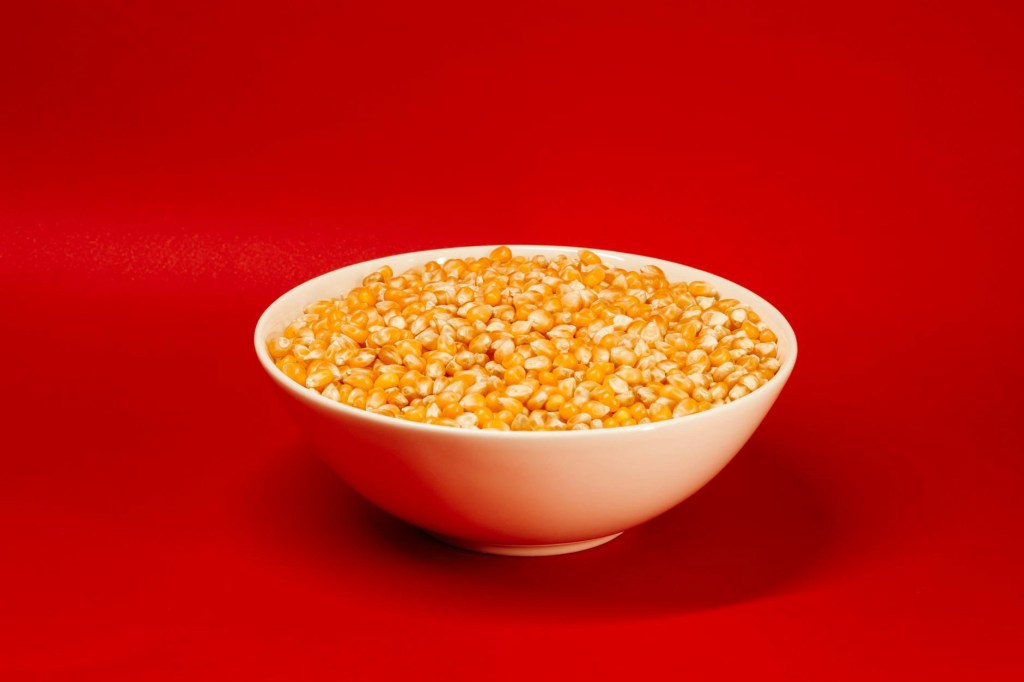
  1. Popcorns are corn kernels which get popped when heated. Today, across the world, this has become the most popular snack amongst all age groups. Corn is the oldest grain which has been consumed for over 5000 years. It has been popular due to its easy availability and low cost. As far as health point of view is considered, it is a whole grain food, rich in fibre, low in calories and dense in nutrients.
  2. Studies show that popcorn is high in fibre and contains many vitamins and minerals. Important nutrients in popcorn are vitamins B1, B3, B6, iron, potassium, manganese, zinc, copper and phosphorus. Many studies also show that it is rich in polyphenols which are potent antioxidants. Polyphenols reduce the risk of damage by free radicals, diabetes, and heart disease and improve gut health. Popcorn is gluten-free so it can be a healthy option for people with gut issues.

3.Since, it is high in fibre and low in calories, it can help in weight loss. Eating a cup of popcorn which is around 30 calories can relatively be more beneficial in terms of fibre and nutrient content than any other popular snack. Also, it can give the feeling of fullness and curb your hunger for quite some time. Therefore, eating in moderation of popcorn can be very useful in the process of weight loss in an overweight individual.

4.Popcorn contains antioxidants Zeaxanthin, beta carotene and lutein which are very essential to eye health. These antioxidants can slow the age-related macular degeneration of the eyes, lower the damage caused by blue light and overall improve the eyesight.


5.Other health benefits of yellow popcorn are :
*Boost the metabolism and energy production due to the presence of vitamins B, B3, B6 and folate.
*Popcorn contains niacin which helps to reduce depression naturally.
*Phosphorus, and manganese present in popcorn help to support bone health.
*Popcorn can combat tumour cells due to the presence of ferulic acid.
*It can reduce the level of bad cholesterol and prevent the risk of heart disease.
*It can slow down the process of ageing as it helps in free radical damage.
*It can add iron (28 gm of popcorn containing 0.9mg of iron) to the diet and reduce anaemia. *It can control blood sugar as it has a low glycaemic index and helps in diabetics.

6.Air-popped popcorn is healthiest. Unsalted popcorn, unflavoured is healthier than those with an excess of oil, butter, sugar, caramel, and salt. Microwave popcorn bags which are pre-packed contain the chemical perfluorooctanoic acid (PFOA) and sometimes, trans fat which are harmful to health.


7.Popcorn added to diet in moderation can prove to be safe and beneficial to health. But it may have side effects on certain individuals. Some individuals can have allergic reactions to popcorn like swollen face, and breathing difficulty which may require urgent medical attention. People with digestive diseases and inflammatory bowel disorders can have flaring-up symptoms when consuming popcorn.


8.Popcorn is the ideal choice for adding to your diet in moderation. You can definitely enjoy popcorn daily, as long as you stick to one cup per day without any butter, salt, sugar, or artificial flavors. This will provide a healthy dose of whole fiber content, making it the most nutritious snack option for your diet.

9. Yellow corn which is organically grown, non-GMO, is best for regular consumption. Popcorn which is popped from such type of high-quality corn, air popped with no added flavours is ideal and provides immense health benefits. Rich in phytonutrients, vitamins, and minerals, whole grain fibres can help to reduce the risk of chronic illnesses, obesity, diabetes and many malignancies.

Thanks for reading.

Peace and love 🙏
10 facts to understand why glutathione is necessary 🙌

Hello everyone ✋

1.Glutathione is a naturally found antioxidant in our body. It is important to know about this powerful antioxidant because it has a host of many benefits. Its primary function is to fight free radical that damages body cells. It’s vital for the body because it helps to protect from many diseases like autoimmune diseases, liver damage, heart diseases, respiratory diseases and neurological disorders. As we grow older, the glutathione level slowly declines and the body marches towards poor health.


2.It is essential to maintain the level of glutathione in the body. If the level drops, certain symptoms may appear, such as anemia, fatigue, increased frequency of infections, low immunity status, sleep problems, and brain fog. To boost glutathione levels, it is recommended to consume sulfur-rich foods such as cruciferous vegetables, avocados, broccoli, spinach, garlic, and unprocessed meat. Several studies have indicated that consuming vitamin C can increase glutathione levels in the body. Therefore, it is important to consume citrus fruits, bell peppers, kiwis, and papayas regularly. Additionally, it is recommended to consume foods rich in selenium such as chicken, fish, eggs, Brazil nuts, and brown rice to maintain glutathione levels in the body.

Aging

3.Glutathione is a compound that is mainly composed of three amino acids: glutamine, glycine, and cysteine. Our body naturally produces this compound, but its level decreases with age. In addition, chronic diseases, poor diet, stress, anxiety, and frequent infections can also contribute to the reduction of glutathione levels. Low levels of glutathione are commonly found in individuals suffering from chronic diseases such as heart and liver diseases, sepsis, trauma, HIV/AIDS, and cancers. The role of glutathione in the body is crucial because it helps to prevent free radical damage, repair cells, and facilitate protein synthesis. Moreover, glutathione can bind with toxic metals like arsenic, silver, lead, chromium, mercury, and copper, and help to reduce their toxicity.


4.Glutathione is a powerful antioxidant that offers several health benefits. It can reduce oxidative stress caused by free radicals and prevent the development of various diseases such as diabetes, cancer, autoimmune disorders, and rheumatoid arthritis. Glutathione can also help to reduce cell death and improve blood levels of protein, bilirubin, and enzymes in fatty liver diseases like alcoholic and non-alcoholic types. Additionally, it plays a significant role in maintaining mitochondrial DNA, which is necessary for building proteins and cells. Several studies have shown that glutathione can improve blood circulation and prevent plaque buildup, thereby improving peripheral arterial disease. It may also help to improve symptoms of tremors and rigidity in Parkinson’s disease, respiratory diseases, uncontrolled diabetes, autism in children, and psoriasis.

Glowing skin
Gut health

5.Various studies have demonstrated that glutathione has a significant role in preventing skin problems such as acne, eczema, wrinkles, and aging. It also helps in maintaining healthy and glowing skin. When the balance between good and bad microbiome in the gut is harmonized, the overall health of the body is improved, and the skin appears healthy and radiant. However, if the balance is disrupted, it leads to skin problems and other health issues, including bowel disturbances. Glutathione is instrumental in detoxifying the body, repairing cell damage, and maintaining a balanced gut health. Therefore, by improving the level of glutathione in the body, it is possible to resolve skin problems and many gut issues.

Supplements


6.Low levels of glutathione can lead to a variety of health issues. While natural food sources are the best way to improve glutathione production in the body, supplements like vitamin C and E, curcumin, N-acetylcysteine, and selenium can also help. However, injectable supplements can be toxic and oral supplements are not very effective as they break down in the stomach. In cases of low immunity, glutathione is sometimes medically prescribed. In such cases, oral or injectable supplements may be recommended under medical supervision.

Alcohol

7.Certain lifestyle changes are essential to improve the glutathione levels in the body. Avoiding smoking, alcohol, too much dairy, caffeine and processed food is required to boost the levels in the body. Having a balanced diet, with good quality natural food sources, exercise and good sleep can improve the glutathione production in the body.


8.Glutathione levels are not typically measured in the body like essential nutrients, so research is still insufficient to understand the effects of low levels and supplement requirements. Studies do show that low levels can result from poor diet, stress, environmental toxins, and increasing age. Low levels of glutathione are associated with an increased risk of chronic diseases like cancer, diabetes, liver diseases, and Parkinson’s disease. However, supplementing with glutathione does not decrease the risk, so more studies are required to determine the optimal intake and its effects.

Milk thistle


9.Supplements of glutathione that are commercially available include Selenium, Vitamin C and E, milk thistle, and N-acetylcysteine. The dose of glutathione depends upon an individual’s age, sex, past medical history, and drug allergies. Studies have shown that glutathione is given at a range of 250 to 1000 mg/day in either injectable or inhalant forms. However, it is strictly advised to seek medical guidance before taking glutathione supplements since it can cause possible side effects. Some side effects like skin rashes, cramping, bloating can appear and inhalant glutathione might cause breathing problems too.

10.In brief, glutathione is a vital antioxidant that is naturally produced in the body and offers numerous benefits. A deficiency of glutathione can lead to the development of various chronic diseases, including cancer. As we age, the level of glutathione in our bodies naturally decreases. Therefore, it is crucial to be aware of dietary sources that can help boost the natural production of glutathione in the body. If advised by a medical professional, supplements can also be taken to improve the levels of glutathione in the body.

Thanks for reading.

Peace and love 🙏

10 facts to know about stomach bloating 🙌

  1. Stomach bloating is usually feeling fullness, swelling or tightness around the abdominal region. The most common thought that comes to mind when you feel bloated is eaten too much, too heavy a meal or your stomach is filled with gas or air. Abdominal bloating is common both in adults, children and also in babies. The common symptoms of bloating can be pain, distention, belching, excessive gas causing flatulence and abdominal gurgles.
  2. Why do we feel bloated? Bloating commonly happens due to excessive gas or air. Sometimes, gas accumulates in the digestive tract due to the slow breaking down of the undigested food due to delayed emptying. This can give rise to bloating. Another common cause is air getting swallowed while eating or drinking too fast which gives the feeling of bloating.
Fizzy drinks

3.Gas is a very common cause of bloating. Drinking fizzy drinks or carbonated beverages causes swallowing of air which may give rise to bloating and disturb digestion causing pain and discomfort. Eating a heavy carbohydrate-rich meal causes difficulty in digesting tougher carbs like sugars such as fructose, lactose, sorbitol or wheat and beans. A considerable quantity of carbs remain undigested causing slow fermentation resulting in gas. The fermentation is caused by gut bacteria while digesting the carbohydrate.

4.Other causes can be constipation, heartburn, malabsorption of food, menstrual symptoms, impaired gut motility, and overgrowth of gut bacteria. There are many medical causes like irritable bowel disorder, parasitic infection, food intolerance, inflammatory bowel disorders like ulcerative colitis and Crohn’s disease, Celiac disease, anorexia or bulimia nervosa, stress, anxiety, depression, hormonal imbalance in case of women.
Some life-threatening causes of abdominal bloating can be ascites in liver diseases, kidney failure, ovarian cancer, and perforation of the GI tract causing the gas to escape giving the symptom of bloating.

5.Bloating is a common symptom in a healthy individual every now and then. Usually, the symptoms of pain, fullness, and discomfort are moderate to severe. It can ease off within hours to 1-2 days normally. Mobility, mild exercise, and having water or herbal teas can slowly ease the symptom. In case of gas, flatulence and constipation, pooping can relieve the symptoms. But, if the condition worsens within days, medical attention is required for evaluation of underlying cause.

6.If the abdominal bloating has a specific cause like food intolerance or food sensitivity, avoiding the particular food or eliminating it from the diet is necessary. Certain food items like sugar food rich in high lactose, and fructose are difficult to digest and can result in intestinal gas and bloating. Food items like wheat, beans, dairy, cauliflower, cabbage, fatty food, fizzy drinks, processed food, beverages can lead to stomach bloating.

7.Bloating is a common problem in many women due to hormonal fluctuations. The female hormone estrogen can cause fluid retention in the body. During phases of estrogen high and progesterone drop, bloating is very common. Moreover, during menstruation, the uterus is already heavy due to fluid can cause stomach bloating. Therefore, in women, during perimenopausal phase and before or during monthly periods, stomach bloating is common. Hormonal birth control pills and oestrogen supplementation can relieve the symptoms with advice from medical experts.

8.Bloating is serious and requires medical attention when the symptoms worsen, continuous pain, bloody stools, fever, and vomiting occurs. Stomach bloating, when associated with physical injury, surgery, ascites in the liver or kidney failure requires medical help immediately. When the abdominal bloating and gas retention becomes chronic, the underlying cause needs to be investigated. As already mentioned before, when hollow organs like the stomach, intestines, gall bladder, uterus, and bladder are distended, they can be palpable and felt on physical examination. Causes like undigested items, fluid, intestinal gas, poop, urine, and internal bleeding in case of injury can be the probable reasons. Inflammation and bacterial overgrowth can also lead to enlargement of the hollow organs. The underlying problem needs to be thoroughly investigated.

9.However, prevention of abdominal bloating can be done if the individual does have this history of bloating quite often. In case of food sensitivity, or food intolerance, avoiding the particular food item is required. Taking long intervals between meals is helpful.
*Having fibres in diet to prevent constipation and easy passage of wastes.
*Drinking water to prevent dehydration,
*Reducing salt intake to prevent water retention,
*Regular exercise and walking.
*Taking probiotic supplements is also quite helpful.
*Some home remedies like apple cider vinegar and applying a warm pad on the stomach may sometimes work too.
*OTC medication like antacids to relieve gas, laxatives to relieve constipation or enema to have bowel motility can be useful too.

Carb rich foods
Beverages

10.Bloating is quite common in a normal individual. If you have an episode of bloating, it is wise to identify and avoid the particular food item that leads to bloating. Normally, avoiding certain situations like having…
*Salty food
*Fizzy drinks,
*Eating too fast should be avoided as it leads to swallowing air.
*Avoiding processed, carb-rich food,
*Fatty food,
*Avoiding alcohol, and smoking as they can create digestive issues .
Having a balanced meal with a bigger portion of fibre in the diet, intervals between meals, drinking plenty of water, and eating slowly can be helpful. Bloating is serious and needs medical attention when the symptom persists, accompanied by other symptoms like bloody stool, weight loss, loss of appetite and persistent pain abdomen. Once the cause is evaluated, treatment can be done accordingly.

Thanks for reading.

Peace and love 🙏