

10 facts: Hyaluronic acid (HA) is a vital prebiotic fibre 🫧

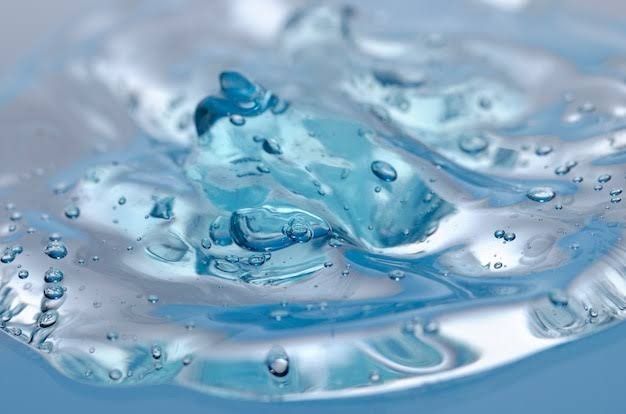
1. Structurally, all fibres are polymers of sugar molecules. Likewise, hyaluronic acid is also a polymer of sugar molecules: N-acetyl-D-glucosamine and glucuronic acid. It is naturally produced in the body, while dietary sources of hyaluronic acid are essential for the body’s optimal functioning. Though hyaluronic acid has many beneficial effects, it’s most important effect is the water holding capacity by binding water molecules, which in turn help in retaining moisture, lubrication, facilitate immune system mediators to provide protection. Generally, most women are aware of this compound as a hydrating agent for skin, as it is used widely in skin and cosmetic products.

2. Though hyaluronic acid is produced in the body, dietary sources of hyaluronic acid are necessary as they bridge the gap between naturally formed HA and the optimal amount required. HA has many beneficial effects in the body such as:

• The eyes naturally have hyaluronic acid. Additional quantity from diet can help further in lubricating eye tissues and helps in protecting vision.

• Lubricates the joints of knees and hips, increasing synovial fluid, protecting the cartilage, and preventing arthritis.

• Adding more hyaluronic acid in the diet can help in skin and other organs by hydration and maintaining the elasticity.

• Hyaluronic acid helps in increasing butyrate-producing bacterial species in the gut, which are very important in reducing insulin resistance and HbA1c. An additional quantity added through diet can further enhanced the ability.

• Improves vaginal dryness and atrophy, so ingested hyaluronic acid (HA) can prove very helpful in menopausal women.

3. Hyaluronic acid in Prebiotic fibre: HA in the human body is found to be part of the extracellular matrix, which binds the cells together and helps in the passage of nutrients and oxygen to the cells. It provides elastoviscocity to the connective tissues, helps in hydration of tissues, acts as a lubricant in synovial fluids around the joints, and provides hydration to the eye tissues as well. HA also helps in endogenous intercellular activities, such as antioxidant activities and free radical scavenging. HA sources from plant foods can be both soluble and insoluble fibres. Both types of fibre function as prebiotic and improve the environment of the gut microbiome. Therefore, research has shown that adequate intake of fibres (daily intake of 25-35 gm) can provide additional sources of HA, which can enhance the growth of good bacteria, suppress bad bacteria and reduce gas and bloating.

Gut health

4. Gut health benefits: Natural sources of hyaluronic acid through different dietary sources can be immensely beneficial to gut health. Some of the common benefits:

• Soluble fibres can slow down digestion and delay hunger, while insoluble fibres can maintain bowel movements and form the stool bulk. It helps to prevent gas and bloating.

• Prebiotic fibres enhances the growth of beneficial bacteria by producing short chain fatty acid.

• Improvement of gut environment can reduce body’s inflammation, strengthen immune system.

• Strengthening the intestinal gut lining barrier by forming tight junctions between the epithelial cells.

• HA in fibres help in providing hydration and producing mucin that protects the mucosal lining of intestines.

Skin care

5. Hyaluronic acid as skin hydrating agent: HA has been widely used in many skin care and cosmetic products for a long time. The amazing benefits to skin health are as follows:

• HA is the most important compound in the body, including the skin, which helps in maintaining cellular hydration and tissue integrity.

• Reduces the wrinkles by filling the skin cells with water giving the plum skin.

• Maintain the viscoelasticity in the skin, keeping it soft and bouncy.

• Strengthen the natural skin lining barrier and prevent from acne and skin sensitivity problems.

Knee Joint

6. HA as supplement: Hyaluronic acid is naturally produced and found in the body in different areas, especially in the joints, bones, connective tissues, extracellular matrix, skin and eyes. HA is used as a supplement in the form of oral tablets, injectables, topical agents, eye drops and intimate creams and gels. Usually, over-the-counter hyaluronic acid pills, skin gel, creams, andeye drops are safe. Prescription-drug injectable forms should be used under medical supervision. The conditions for which hyaluronic acid is used as supplements are:

• Maintaining eye health, dry eyes.

• Skin health, dryness, actinic keratosis, scleroderma, anti-wrinkle agents, hydrating agents.

• Joints to reduce stiffness, arthritis, soft tissue injuries.

• Asthma as prescribed medication.

• Interstitial cystitis.

• Wound healing.

Skincare products

7. Hyaluronic acid with Vitamin C: Pairing of hyaluronic acid and vitamin C is recommended as they work in synergy, though their individual functions are different. Skin and cosmetic products with this pairing are amazing for skin dryness and ageing issues like wrinkles. HA is mostly used for face application as a hydrating agent, improves skin elasticity, reduces wrinkles and repairs skin damage. Vitamin C acts as an antioxidant and protects the skin from damage from UV rays and pollution.

Vegetarian food

8. Dietary sources of HA: Both non-vegetarian and vegetarian sources are found in nature which provide hyaluronic acid. Vegetarian sources can indirectly provide nutrition and facilitate the body to produce HA. Non-vegetarian sources provide HA directly to the body. Sources are such as:

• Vegetarian sources are leafy greens, root vegetables, citrus fruits, soy products and nuts and seeds.

• Non-vegetarian sources are bone broth and organ meat.

Bone broth

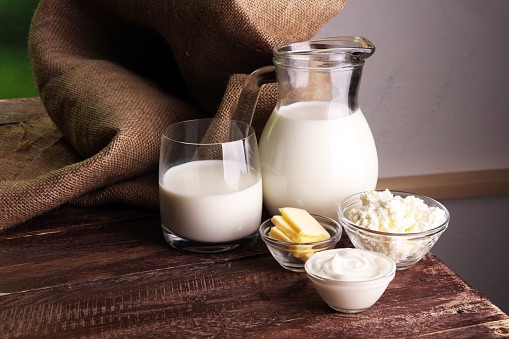
9. HA in dairy products: HA has been found to have a prebiotic effect, which is beneficial for gut health and other amazing benefits. It is added to dairy products as a food additive. In dairy products like milk, yoghurt, and ice cream, it helps to retain moisture, stabilises the milk protein, improves the viscosity, and increases the thickness, making it creamier. It also reduces the milk syneresis, or separation of whey, thereby lengthening the shelf life. Moreover, it has amazing health benefits too.

Skin hydration

10. Takeaway: Hyaluronic acid is a naturally occurring substance in the body in different areas like joints, connective tissue, skin, cartilage, and bones. It acts as a humectant, retaining water in the tissue, keeping them hydrated and moist. So, it has some amazing benefits like joint lubricant, prebiotic as they enhance the growth of good bacteria, wound healing, skin hydration, reduces and repairs skin damage, and anti-ageing effects. To get the optimal supply of HA, many use HA as a supplement, topical agents, creams, lotions and injectables (off course when prescribed). There are many dietary sources of both vegetarian and non-vegetarian foods which can help increase the body’s requirement of HA. It is in fact, a very essential sugar molecule for overall health.

Thanks for reading.

Peace and love 🙏
10 facts: Is cinnamon diabetic-friendly? 🙌

1.Popularly known that cinnamon is a warm spice which is widely used in both savoury and sweet baked recipes. Basically, two types of Cinnamon used commonly: Ceylon Cinnamon, originally found in Sri Lanka and southern India. Cassia Cinnamon, dark in colour, native to Southeast Asia and China. The spice is derived from the dried bark of Cinnamomum trees. It has been used for centuries for both culinary and traditional medicine purposes. There has been much research on Cinnamon for its nutritional content for supplementation and medicinal purposes, but its effects on diseases are still not established.

2. Ceylon Cinnamon, also called “true cinnamon”, is now widely available in North America and Europe is a lighter, sweeter variety and is expensive. Cassia cinnamon is a darker, thicker variety, which has a richer and slightly bitter taste. While much research does show a wide range of health benefits due to the compound cinnamaldehyde, the dark side is that many cinnamon types also contain coumarin, which, when taken in large quantities, can cause liver damage. Meanwhile, Ceylon cinnamon doesn’t contain coumarin, and hence it is considered a safe variety.

3. Cinnamon has a unique flavour and aroma due to the oil present in the bark spice, which is rich in cinnamaldehyde. It is high in polyphenolic compounds, which are responsible for amazing benefits on health and digestion. These polyphenolic compounds are mainly responsible for antioxidant properties, which prevent the body from free radical oxidative damage. Because of the nutritional profile, it has been interpreted to have various health benefits like anti-inflammatory, antioxidant, anti-viral, heart-friendly, and diabetic friendly.

4. Cinnamon has polyphenols and powerful antioxidants, as it has been known to have a wide list of health benefits. Some important ones are:

• Prevent oxidative stress and protect against cell damage.

• Reduces chronic inflammation and prevents chronic diseases.

• Reduces bad cholesterol LDL and triglycerides, so supports the cardiovascular system.

• Supports brain health by reducing brain cell ageing.

• Anti-inflammatory, anti-viral, anti-fungal, anti-cancer.

• Protects gut health by supporting good bacterial colonies.

• Supports menstrual health.

• Supports skin health and dental health as it is anti bacterial and rich in antioxidant.

• Helps in weight loss by stabilising metabolism.

5. Diabetes: Research has shown promising benefits in the case of type 2 diabetes, as it can increase insulin sensitivity and help to lower blood sugar levels. But the effects cannot replace changes in lifestyle, diet and medication for diabetics. Therefore, cinnamon can be a supportive aid but not a replacement for treatment. Some of the research-backed benefits are:

• Studies have shown that cinnamon helps in blood sugar control. It helps to reduce blood sugar levels, both fasting and postprandial levels, and increases insulin sensitivity. It is also found to lower haemoglobin A1c.

• Cinnamon can act like insulin and help to move the sugar in the blood into the cells. Additionally, it reduces insulin resistance and helps move sugar into the cells easily, thereby reducing blood sugar levels.

• Research suggests that after a meal, the blood sugar normally spikes; cinnamon helps in slowing down gastric emptying and keeps the sugar levels in control while also reducing insulin resistance.

• Some studies state that it helps block digestive enzymes that break down carbohydrates and keeps the postprandial sugar levels in check.

6. Post-diabetic complications: In the case of diabetes, the high blood sugar levels can increase the risk of bacterial growth in cells, increase inflammation, elevate oxidative stress and overall increase the risk of chronic diseases like atherosclerosis, high blood pressure, heart diseases, kidney diseases, neurodegenerative diseases, and Alzheimer’s disease. Studies show that daily intake of cinnamon can keep blood sugar spikes in control, reduce blood sugar levels, increase insulin sensitivity and glucose tolerance, lower HbA1c and lipid profile so that the complications are considerably lowered. Therefore, with lifestyle changes, diet, medication and additional intake of cinnamon on a daily basis can be very beneficial in case of diabetic type 2.

7. Side effect: Cinnamon, as already mentioned, is naturally two main varieties – Cassia and Ceylon. 90 per cent of cinnamon production comes from Sri Lanka, India, China and other Southeast Asian countries. In the US, mostly the cassia variety is used. The downside of this very old spice is that along with beneficial compounds, it also contains coumarins. Coumarins have anticoagulant properties, which can lead to a risk of bleeding, delay wound healing in case of injury and liver distress. Prolonged consumption of heavy doses of cinnamon can pose a health risk. Higher coumarin levels are found in cassia type than in Ceylon type, which is a very negligible amount. A daily limit of 0.1 mg of coumarin per kg of body weight can be a safe limit.

8. Uses: Cinnamon is available in different forms of tubular-shaped whole spice, powdered and oil. There are various uses of cinnamon, mainly in global cuisines, desserts and household uses. Some of them are:

• Cooking: Used in both savoury meals like curries, stews and desserts like cakes and pastries.

• Beverages like tea, chocolate drinks, coffee

• Cinnamon oil is used in aromatherapy, mood-enhancing, mood enhancing as an essential oil.

• Dental care to fight bad breath in mouthwash, toothpaste.

• Used as a natural preservative.

9. Cinnamon dosage: Since cinnamon is not used as a medicine in modern science, there is no specific dose. Cassia cinnamon is the most common type available, which is found in supermarket aisles, whereas Ceylon cinnamon is quite rare and expensive as it is a safer variety and can be used as a supplement. Cassia cinnamon contains coumarin, which is a blood thinner, so a large quantity of consumption of this variety poses a health risk. Normally, 2-4gm/day of cassia can be a safe limit for an adult.

10. Takeaway: Cinnamon is an old spice which has been widely used over centuries because of the rich compounds like polyphenols and cinnamaldehyde. Studies have proven that such compounds have amazing health benefits. Cinnamon has been linked to diabetes, as it can imitate insulin and is found to be very beneficial for diabetics, as it can regulate blood sugar levels. But it is still not regarded as a replacement for diabetic treatment. It is considered a supportive therapy for diabetics. Moreover, it is a popular spice in both sweet and savoury dishes for its rich aroma and flavour.

Thanks for reading.

Peace and love 🙏
10 facts on Grains: Why are low GI grains healthier? 🙌

1. Grains are naturally grown from plants like grasses, which are a staple food for humans across the world. Grains are seeds and have basically 3 main parts: a hard outer covering called Bran, which is fibrous in nature. The second covering is called the Germ, which is the most nutritious part and contains vitamins, healthy fats and minerals. The innermost layer is the endosperm, which is a rich supply of starches, the energy source. Whole grain contains all the 3 layers. Commonly found grains are rice, wheat, oats, barley, corn and millet.

2. Grains, after they are harvested, are taken to milling and grinding plants and are cleaned and go through different processes like grinding, separation and bleaching. Depending upon the treatment they undergo, there are different grain types:

• Whole grains, where the three layers are restored, such as brown rice, whole grain wheat, oats. Whole grains are considered the most nutritious grains.

• Refined grains are fine in texture when the germ and bran layers are removed, such as white rice and refined flour.

• Enriched grains are those where nutrients like vitamins and minerals removed after refining are added back, such as enriched white rice.

• Fortified grains are grains that, after milling and grinding, are added with extra nutrients which may not be naturally found, such as fortified with iron and folic acid.

3. Whole grains are wholesome for health, providing starch (energy), vitamins, minerals and fibre. The known health benefits:

• Feeling of fullness helps in portion control and thereby in weight management.

• Lowers insulin levels.

• Lowers bad cholesterol and helps to raise HDL.

• Lowers blood pressure.

• Fibre helps to regulate bowel habits, reduces the risk of heart diseases, diabetes and stroke.

4. Much needed substitutes of regular white rice, white flour pasta, white bread with wholesome grains for daily requirement are:

• Whole grain bread, whole grain pastas, whole grain cereals.

• Quinoa

• Brown rice, black rice, red rice.

• Oatmeal

• Millet, barley, bulgur

• Pop corn

5. Glycemic index (GI): Some grains, after eating, give you instant energy and slowly make you feel worn out. While eating some types of grains doesn’t make you hungry for a long time and gives you enough energy throughout the day. This is because the glycemic index of different types of grains varies. The rate at which the body breaks down a particular type of grain and raises the blood sugar level determines the glycemic index of that grain. It depends on how much processed and refined the grains have been through. The GI ranks from 0-100, with the lowest being the healthiest starch.

• Low GI (less than 55): They are the least processed grains and gluten-free, like millet and quinoa,

• Mid GI (55- 70): Processed to some extent but still contains the bran of the grains like brown rice, whole wheat bread.

• High GI (greater than 70): Refined flour, white rice, white bread.

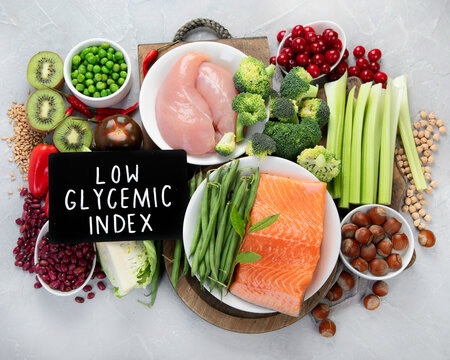
6. Low GI grains: The rate of 1-100 scale at which the starch is metabolised into sugar and raises the blood sugar level is considered the GI (glycemic index) of that particular grain. The highest GI is white bread, white rice, pastas and potatoes. Low GI grain is when the starch is slowly released for digestion, which is within 0-55. Examples are :

• Brown rice, steel cut oats, quinoa.

• Barley, millets, bulgu

• Sweet potatoes and non-starchy veggies like broccoli, cauliflower, spinach, carrots, beans.

• Fruits like apples, oranges, cherries and berries.

7. Health benefits of Low GI grains :

• No sugar spikes: The low GI grains release the sugar slowly and prevent sugar spikes.

• Fibre is high: These grains have high fibre and make you full for a long time and don’t make you hungry.

• Nutrient-dense: Millet, Barley, Oats, Quinoa, and buckwheat are great sources of fibre, nutritional powerhouses of vitamins, minerals and antioxidants.

8. Common myths:

• Low GI grains are tasteless and bland: In fact, depending on the palate, different methods of preparation can make these grains taste flavourful and a rich energy source.

• Portion matters: Eating large portions isn’t healthy. Always maintaining portion control and appropriate meal timings actually count.

• Too much fat: Adding too much oil and fats like cheese, butter, and oils makes a meal tasty. This isn’t true; in fact, adding natural spices, herbs, a variety of veggies, and less oil can make a meal flavourful and tasty.

• Fruits have high GI: Not true, as many fruits and berries have moderate GI and can be consumed on a daily basis.

9. Apart from grains, other food items with low GI are:

• Dairy like plain, unsweetened Greek yoghurt.

• Meat, fish, poultry, eggs

• Lentils and beans

• Leafy greens, cruciferous vegetables like broccoli, cabbage.

• Avocado has healthy fats.

• Citrus fruits, berries, apples

• Nuts, seeds

10. Takeaway: Whole grains are naturally occurring grains which are least processed, so they contain the required nutrients and fibre, which are necessary for one’s health and wellbeing. Once the grains are milled, crushed, or refined, they lose the valuable nutrients which are beneficial. So, refined grains and food items may taste better but ultimately do more harm than good. Therefore, research has shown that choosing whole grains, the least processed ones, always provides the complete package of nutrients and fibre, which are essential for good health and prevent chronic lifestyle diseases which have become so ingrained in today’s time.

Thanks for reading.

Peace and love 🙏

10 facts : Although honey 🍯 is similar to sugar, why it is still considered a healthier option ?

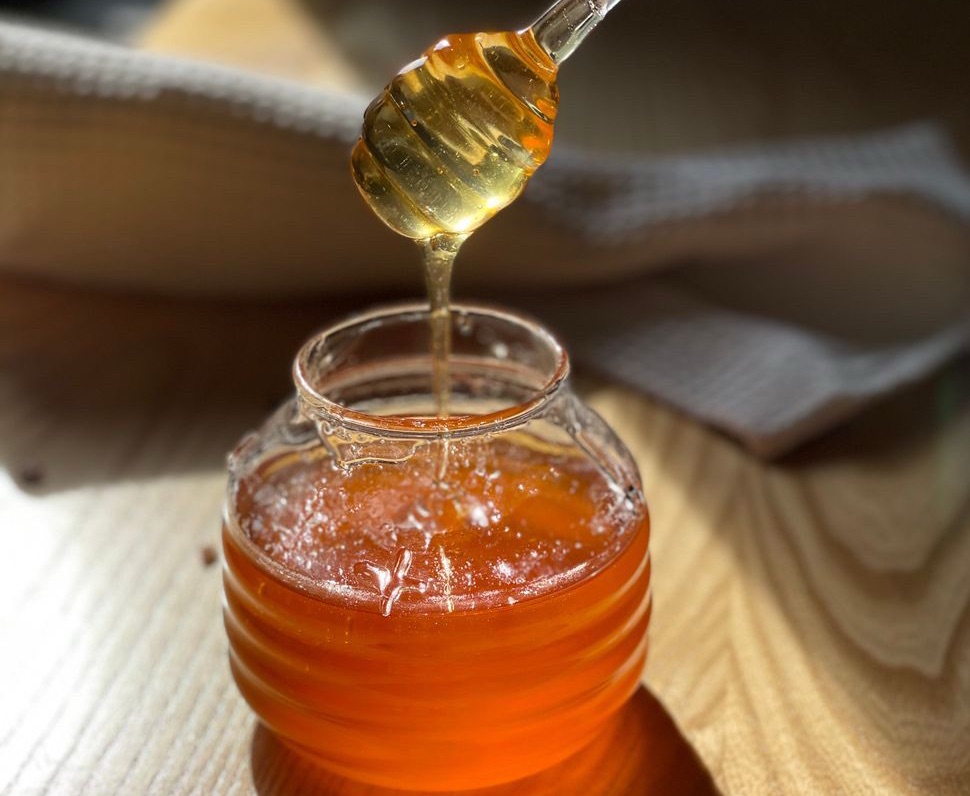
1. Honey is about 80% sugar, mostly fructose and glucose and is considered a natural sweetener. Since it is a derivative of plant nectar, it is a storehouse of bioactive compounds like polyphenols, flavonoids, vitamins, minerals and antioxidants. It is a blend of many natural substances, depending upon the different varieties of flowers whose nectar is collected by the bees. Because of its nutritional profile, honey has tremendous health benefits and is considered a healthy sweetener.

Beehives

2. Though honey is rich in sugar, it is a powerhouse of nutritional content in raw, unprocessed form. Depending upon the sources, the nutritional content can vary. Pasteurised honey is processed, filtered and can have a lesser quantity of flavonoids and polyphenols. Besides the antioxidant properties, honey includes calcium, potassium, vitamins, copper, iron and zinc. It also contains a trace amount of protein. Depending upon the varieties of flowers’ nectar, climatic conditions, examples of honey varieties are:

• Clover honey

• Wildflower honey

• Orange blossom honey

• Alfaalfa honey

• Buckwheat honey

• Rare variety like Manuka honey, found in New Zealand

3. Sources: Honey is the only natural sugar source which is produced by insects that humans consume. It is best when consumed raw and unrefined. Supermarket honey available is usually processed, pasteurised honey. Honey should be best sourced from local markets and local farmers, where the content is “pure honey” without any additives. These types of honey are lighter in colour and consistency. Darker varieties are stronger in flavour and nutritionally rich. Honey should be preserved in a glass bottle or plastic airtight container, below 32 degrees F.

4. Crystallisation: This is a natural process of honey where it is transformed from a liquid to a solid state depending upon the temperature and how it is stored. Crystallisation of honey doesn’t mean that the honey is spoiled. Honey with a higher content of sugar (fructose, glucose) is quickly crystallized like Alfalfa and clover types. Crystallisation happens as the dense sugar molecules start to hold the water permanently, which is, in fact, a sign of pure, unadulterated honey. The honey can be restored to its liquid form by putting the honey jar in a warm water container. Boiling water should be avoided as the nutritional content can be compromised.

5. Storage: Honey doesn’t require refrigeration. Its shelf life is around 2 years. Refrigeration and cold temperatures can lead to crystallisation of honey. It can be stored at room temperature at 20 to 25 degrees C or around 60 degrees F, ideally in an airtight glass container. It can also be stored in a food-grade plastic container. In the kitchen, it can be placed in a dry, dark place or pantry, avoiding direct sunlight.

6. Health benefits: As honey is rich in sugar, it should be consumed in small quantities rather than in large amounts. For centuries, the latest research has shown that honey has promising health benefits and healing properties. Some of them:

• Antioxidant rich so consuming raw, unrefined honey on regular basis can have anti-inflammatory benefits.

• Promote balance of blood sugar levels than regular refined sugar.

• Improves heart health by maintaining blood pressure, regulate heart beats.

• Since it has anti-bacterial properties , it can promote wound healing.

• Suppress sore throat and cough and support respiratory health.

• Supports gut health and is helpful in case of irritable bowel disease.

• Anti-fungal, anti-bacterial & anti-cancer.

7. Brain health: Research suggests that honey has amazing benefits for brain health and can prevent neurodegenerative diseases. Manuka honey is the best for brain health. Some of the neurological benefits of honey are:

• Unlike a refined sugar rush, honey can provide a natural, steady energy flow to neurons.• Flavonoids and phenolic acids can prevent free radical oxidative stress and cell damage in neurons.

• Supports memory by protecting brain cell mitochondria and elevates BDNF (brain-derived neurotrophic factor).

• Studies show honey is neuroprotective and prevents cognitive decline.

• Honey naturally contains melatonin, which supports sleep, and naturally removes toxins from the brain that build up while awake.

8. Alleviate cough: Studies have shown that honey is effective in soothing a cough. Drinking honey with a little warm water during a cough can help to form a coating in the throat. Its anti-bacterial and anti-inflammatory properties help as a healing aid for infections. Moreover, honey is safer as a home remedy than over-the-counter medications. It can be given to all age groups except children below 1 year of age, when there is a risk of food poisoning. Research shows that honey is far better than medicines like diphenhydramine (anti-histamine) and has a similar effect to drugs like dextromethorphan (cough suppressant ) and Salbutamol ( asthma drug).

9. Though honey is a natural sugar alternative, it is usually safe and healthy for daily consumption in moderation. There is no such standard recommendation, but experts suggest that 6-7 teaspoons daily should not be exceeded. WHO guidelines suggest that daily consumption of free sugar should not exceed 10% of daily intake. Since it has therapeutic benefits, its daily consumption can be beneficial for both gut health and the immune system. While using honey as a sugar substitute, other refined sugar food items should be completely avoided, as there are chances of weight gain (due to extra calories), sugar spikes in insulin-sensitive diabetics.

10. Takeaway: Research has shown for decades that honey is healthy with tremendous therapeutic effects when consumed in moderation as a wellness habit. Honey can replace the intake of refined sugar in several ways, such as:

• For dessert, yoghurt or breakfast bowls.

• Herbal teas, green teas.

• Morning, on an empty stomach with warm water as an aid to digestion and immunity.

• Honey should be avoided in boiling water or while cooking, as it may damage its nutritional value.

Thanks for reading.

Peace and love 🙏

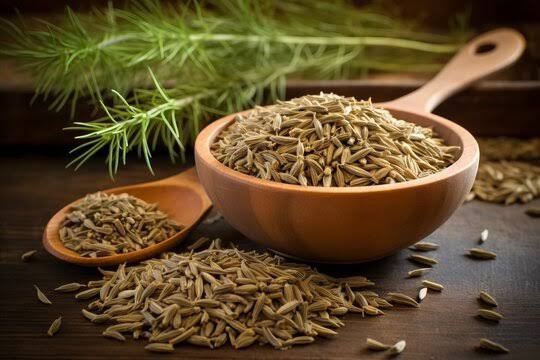
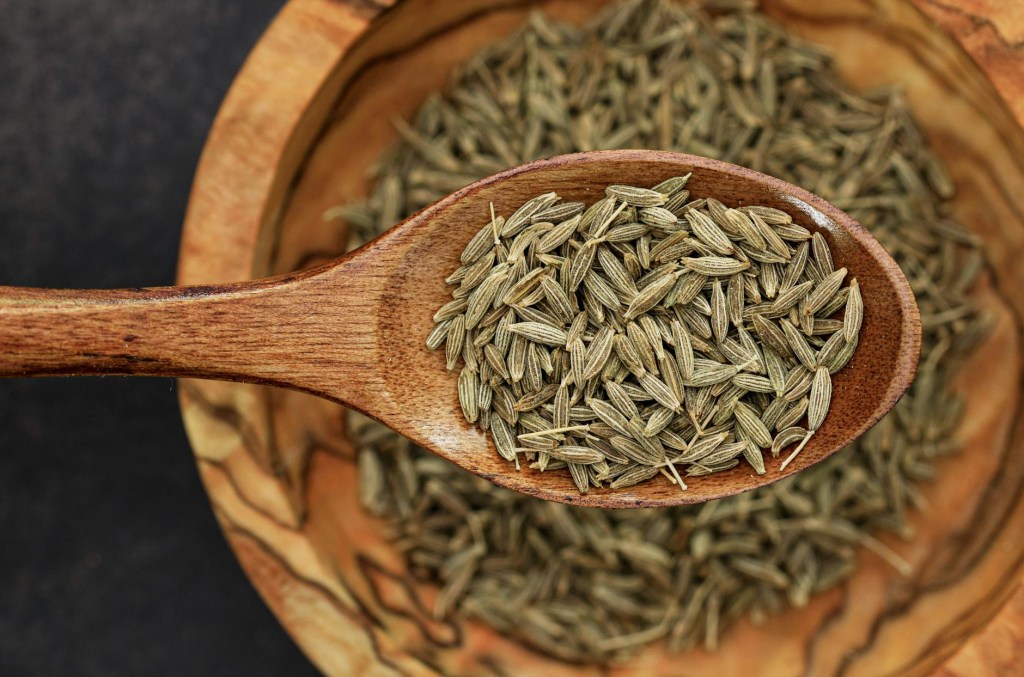
10 facts : Cumin, a robust spice 🙌

1. Cumin is a common spice, scientifically known as Cumin cyminum, mostly used in Indian,South Asian, and Middle Eastern cooking for a variety of dishes and also used for tempering with lentil soups and blending with other herbs. It has been used for centuries, but apart from adding aroma, taste and flavour to meals, people were not so aware of its composition and tremendous health benefits until widespread scientific research was carried out in recent years. Studies have shown that cumin is rich in nutrients, antioxidants, and iron and has a long list of health benefits. Its most important health benefit is that it improves digestion by stimulating digestive enzymes.

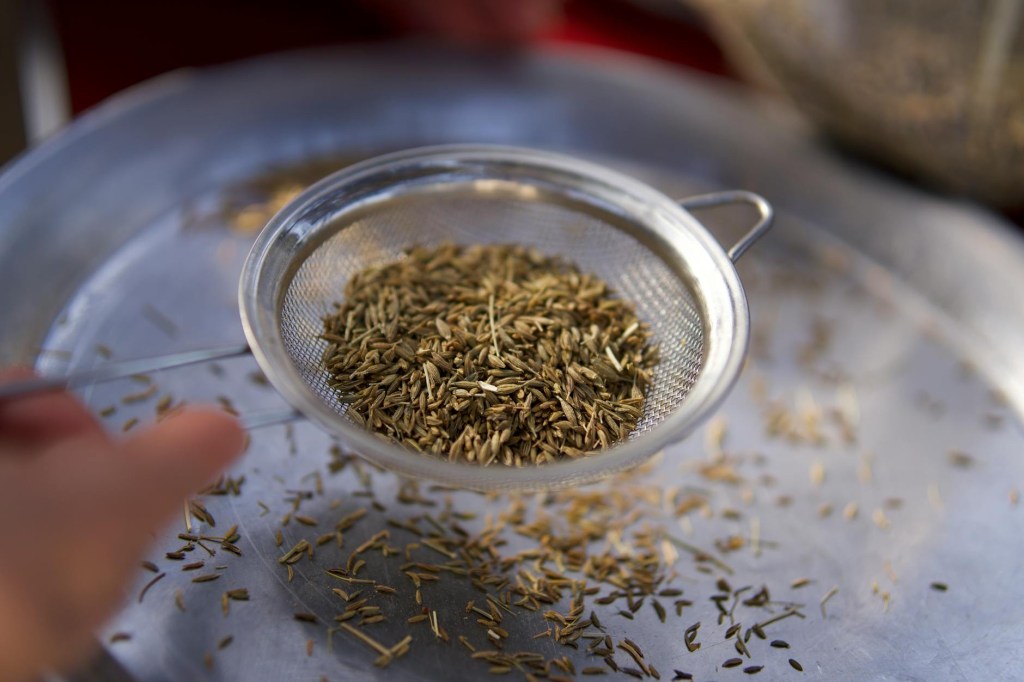
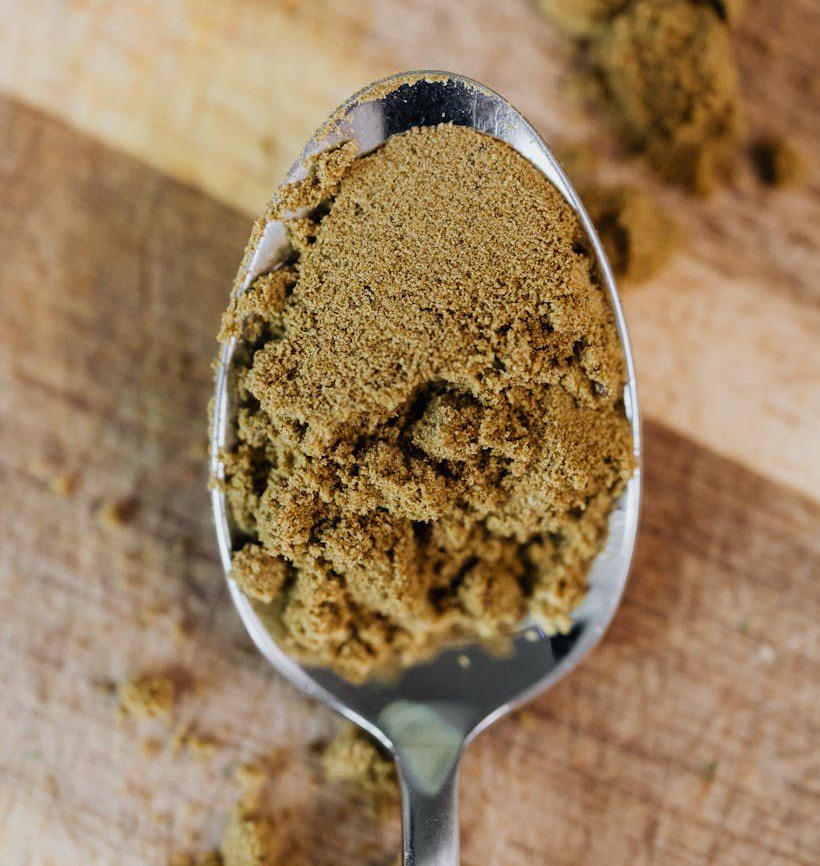
2. Nutritionally, cumin contains flavonoids, which are antioxidants and prevent many illnesses. The primary earthy flavour of cumin comes from a compound called cuminaldehyde. Cumin is used both as whole seeds and in powdered form. Usually, three types: white cumin, black cumin and brown variety. All the varieties are rich in vitamins B, C, A, E, and K, as well as minerals such as iron, magnesium, copper, and manganese. Cumin oil is used in cosmetics, perfumes and as an essential oil for its antibacterial activity and aroma.

3. Cumin as antioxidants: Naturally, cumin contains substances like apigenin and luteolin, which are bioactive compounds that damage free radicals and keep the healthy cells free from oxidative stress. In some studies, cumin is found to have anti-cancer properties and keeps the cancer cells from multiplying. Like curcumin, cumin has been shown to have purgative qualities which possess potential benefits from treating tumours to simple ailments like the common cold. They are found to be effective against various types of cancers, including stomach, colon and liver.

Blood sugar levels

4. Cumin and diabetes: Several studies have shown promising results that can aid in diabetes treatment. When excess blood sugar in the bloodstream leads to the formation of advanced glycation end products (AGEs), it causes harm to body cells, including damage to kidneys, eyes, nerves and small blood vessels. Cumin, on regular use, is found to lower AGEs. Routinely using cumin as a seasoning as well as a supplement has been found to lower blood sugar in diabetics.

Cholesterol levels

5. Cumin and cholesterol: Many clinical studies have shown that cumin can improve the levels of blood cholesterol in individuals who suffer from high cholesterol. Cumin contains phytosterols, which naturally inhibit cholesterol absorption in the body. It is found to increase the level of HDL, ‘good’ cholesterol, which is protective against atherosclerosis. Studies have shown regular intake of cumin lowers harmful triglycerides and total cholesterol.

Gas/ bloated

6. Cumin as a digestive aid: Cumin has been traditionally used as a digestive aid for centuries. Now, several studies have proved that cumin stimulates the digestive enzymes and facilitates digestion. It helps in the release of bile and helps in the digestion of fats. Clinical studies have shown that regular intake of cumin in concentrated form has been shown to reduce the symptoms of irritable bowel syndrome. Cumin is iron-dense and is a good source of iron in children and women.

7. Other potential powerful benefits of cumin include:

• Cumin helps in weight loss in obese and overweight individuals.

• Cumin acts as an anti-stress agent due to its effective antioxidant properties.

• Cumin supports the immune system because of its antioxidant properties and vitamin C.

• Cumin water intake causes detoxification, releases toxins and gives a healthier looking skin, preventing wrinkles. Due to its anti-bacterial properties, it prevents acne.

• Cumin supports respiratory health by reducing congestion and improving breath quality.

• Cumin has anti-inflammatory properties and improves several symptoms in cases of many chronic inflammatory diseases, like pain and swelling in chronic arthritis.

8. Side effects of Cumin: Cumin can be used in everyday cooking, and it is very beneficial and does not cause any harmful effects. But, a very concentrated extract in supplements or excessive consumption can cause side effects:

• Digestive discomfort such as belching, gas, bloating, and heartburn.

• Blood sugar drops, especially in diabetics using blood sugar medication.

• Slow blood clotting, bruising or bleeding risk when taken along with anti-coagulants.• Physical /mental stress: Heavy doses of cumin can cause drowsiness, mental clouding and strain to the liver and kidneys.

• Allergic reactions.

9. Dosing: Dietary cumin used in everyday cooking, around 1-2 teaspoons, is always harmless and beneficial to human health. But, if prescribed as a supplement, it should be used under a healthcare professional’s guidance. There is no guideline for recommended doses, but it can depend on the age, general health, pre-existing health conditions, and the kind of product used. Not all natural products found in supermarkets or pharmacies are necessarily good and safe.

10. Takeaway: Cumin is a warm, healthy aromatic spice, used both in whole and powdered form. It is full of essential nutrients and beneficial to health. For centuries, cumin has been used in traditional as well as modern cooking, and has always enhanced not only the taste, but also proved to be very significant to health. It improves metabolism, boosts digestion, supports the immune system, and is protective of overall health wellbeing and prevents chronic health issues.

Thanks for reading.

Peace and love 🙏

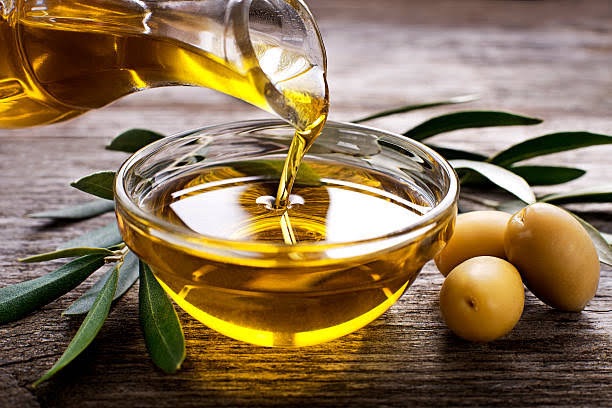
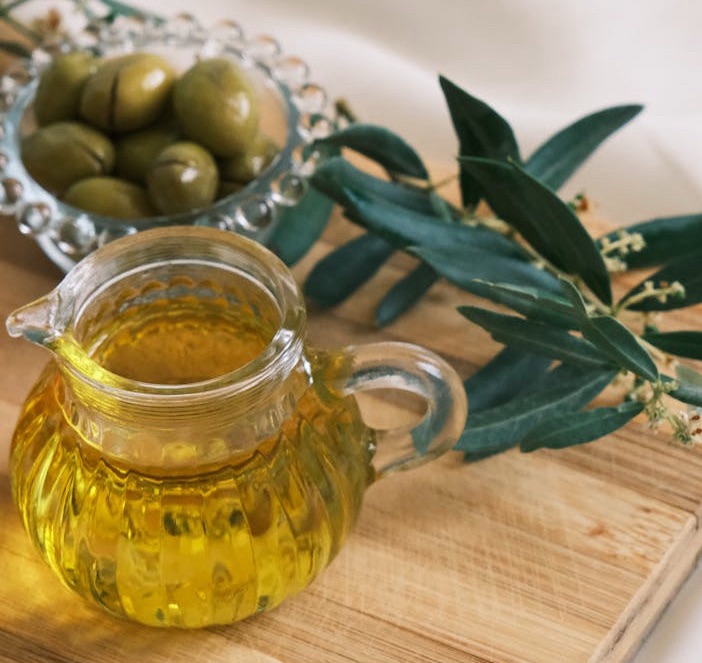
10 facts : Extra virgin olive oil (EVOO), a potent topical supplement 🫒

1.Olive oil is a healthy cooking oil which has been used through centuries for tremendous health benefits is a known fact. Not just cooking, cold-pressed olive oil has several other benefits, including a potent topical agent. The oil is composed of many valuable compounds that have anti-inflammatory, anti-oxidant effects and restorative properties. It is composed of 98% fatty acids such as triglycerides, oleic acids, and linoleic acids, which reduce inflammation, have an anti-ageing effect, repair epithelialized tissues and have wound healing properties.

2. Cold-pressed extra virgin olive oil is the purest variety wherein the olives are ground and pressed to extract the oil without any application of heat. So, all the valuable fatty acids and nutrients are restored. Various studies have shown that apart from the beauty benefits, skin hydrating and anti-ageing effects, EVOO polyphenols help in soft tissue regeneration, stimulate growth of human fibroblasts, wound healing and various therapeutic benefits. EVOO has been found to stimulate fibroblasts, which contribute to tissue growth and integrity and hence help in wound healing.

3. Skin benefits: Olive oil has been used for centuries to maintain young, beautiful skin. Some of the skin health benefits are :

• Hydration: EVOO restores the moisture in the skin, which helps in hydrating and softening the skin, especially during winter.

• Healing wound: EVOO acts as a skin barrier, reduces inflammation and stimulates the growth of skin collagen, so it aids in wound healing.

• Anti-ageing: Polyphenols in olive oil reduce cell damage, plump up the skin due to collagen growth and give the skin a youthful appearance.

• Cleansing: Olive oil can remove pollutants and residue from the skin. It can be used to remove makeup, but excess oil on the skin can cause acne or dark spots when exposed to the sun, as the oil helps to penetrate the UV rays.

Diabetic foot

4. Diabetic ulcers: Diabetic foot ulcers are quite common with people with type II diabetes. Recent studies have shown that the topical application of EVOO on diabetic foot ulcers gave promising results. With regular application, the wound surface and depth are reduced. Due to the anti-inflammatory effect, the healing is faster and better. The wound surrounding tissues look healthier with progressive application, the wound discharge, wound grade and healing significantly improve.

5. Painkiller: EVOO contain a polyphenol called oleocanthal, which acts like NSAIDS (ibuprofen) by inhibiting pain pathways. It can suppress the prostaglandin system and acts like a natural pain reliever. It reduces inflammation because of its anti-inflammatory and antioxidant effects. Regular messaging over the painful region topically and regular consumption can reduce the symptoms of arthritis, sore body parts or sore muscles. Though it is an excellent pain reliever and helps in joint and muscle recovery, it should not be a replacement for prescription medicine and should be used as a supportive measure.

6. Hair and scalp: EVOO is rich in vitamin E, which is a powerful agent that protects from hair damage while stimulating hair growth. Oleic acid deeply moisturises the hair strands and prevents drying and hair fall. Some of the amazing hair and scalp benefits of EVOO are :

• Olive oil can work as a deep hair conditioner and prevent damage and dullness.

• Olive oil can act as an anti-inflammatory agent and soothe scalp irritation, prevent dandruff, moisturise hair roots, and stimulate blood circulation, which helps to nourish the hair root.

• Olive oil can promote hair-strengthening benefits and provide heat protection before hair straightening or curling.

• Best hair benefits are achieved by gently massaging the slightly warm oil overnight, applying it towards the roots and scalp.

Pressure ulcers

7. Perineal and Pressure ulcers: Studies showed that EVOO topically massaged accelerates healing in the case of perineal ulcers following Episiotomy because of its potent anti- inflammatory, antioxidant, and tissue regenerative effects. In case of chronic lesions like pressure ulcers, regular application can reduce the ulcer area and the depth of the lesion. EVOO with high content of bio active compounds can promote deep hydration, protection against infection, pain relief, and accelerate the healing process when applied regularly.

8. Psoriasis: EVOO has been used as a common home remedy to reduce the symptoms of psoriasis when taken both topically and in the diet. Due to the presence of anti-inflammatory polyphenols, regular topical use can reduce itching, locking up moisture in affected regions like the knees, elbows, and scalp. Warm olive oil in bathwater when used can further relieve the skin irritation and itching, and reduce inflammation.

9. Side effects : Though EVOO is nutrient-dense and rich in polyphenols and antioxidants and a powerful topical agent, like all compounds, it also has some side effects, which should be considered as well. So, using olive oil topically requires proper medical/ health professional guidance. Some side effects are :

• Olive oil, when applied directly, can disrupt the skin lipid barrier and may worsen the irritation or sometimes flare up the inflammation.

• It can clog pores, trapping the microbes on the skin, causing acne, blackheads, and darkening the pigmented spots as it allows UV rays to penetrate the skin.

• Prolonged use can affect the skin’s moisture barrier, causing redness, irritation, and allergic reactions. In infants, it can result in eczema and rashes.

10. Takeaway: Though olive oil has proven results for being a potent topical agent as a pain reliever, beneficial for skin, hair, face issues and wound healing, it should be used with clinical guidance to reduce the risk of adverse effects. Before using, some simple steps are:

• Patch test: Apply to a small area like the forearm and wait for a day or 2 to see any adverse reaction.

• Starting to use only a thin layer of oil, a minimal amount and removing the excess oil with a wet cloth.

• Unless recommended, people with oily skin, acne-prone skin, or a history of allergy should completely avoid using it.

Thanks for reading.

Peace and love 🙏

10 facts: Bifidobacterium, the power members of human gut flora 🙌

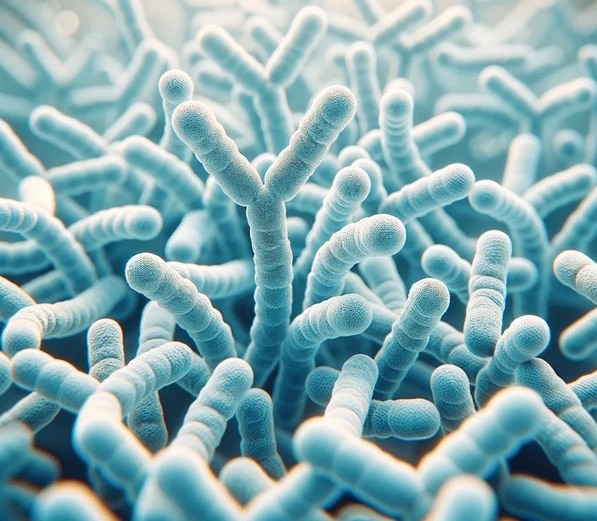
1. Bifidobacterium is a genus of microbes present naturally in human gut microbiota and the human oral cavity that are found to have potential health benefits for their host. Research has shown that these members of the gut microbiota have health-promoting properties, probiotic effects, and protection against various pathogens on their human host. Extensive studies have investigated the probiotic effect and the protective effect against pathogens on their host, for which bifidobacteria have been used to treat various gastrointestinal disorders, including colorectal cancers.

2. Bifidobacterium belongs to the phylum Actinobacteria and consists of 45 species. They have been an integral component of human and animal gut flora. They are Gram-positive, rod-shaped bacteria, non-sporing, catalase-negative, which break down carbohydrates into acetic acid and lactic acid without releasing carbon dioxide. Apart from various potential health benefits, the significant effect of bifidobacteria is that they can turn out drug chemicals, enzymes, vitamin B and K, carboxylic acid, which reduces the growth of fungi, facilitates the digestion and absorption of nutrients.

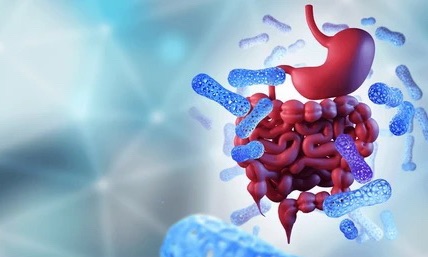
3. Bifidobacterium beneficial effect: Bifidobacterium species are most abundantly found in the large intestine, especially in the colon. The various beneficial roles played by Bifidobacterium are –

• Prevention of intestinal infections.

• Decreasing serum cholesterol.

• Stimulate the immune system.

• Alleviate the lactose intolerance.

• Help in the production of vitamins B12, B1, B7 and riboflavin synthesis.

• Prevention and treatment of colorectal cancer and inflammatory bowel diseases.

4. Bifidobacterium and diarrhoea: Because of their potential benefits, bifidobacterium strains are selectively chosen to administer and treat various gastrointestinal disorders. Studies have shown that strains of Bifidobacterium breve and Bifidobacterium longum, when administered to adults and children with acute diarrhoea, were found to reduce the duration of diarrhoea. The patients, both children and adults, who took antibiotics were also given the probiotic strains of Bifidobacterium, which do not interfere with the antibiotic effect, instead benefiting from the probiotic effect.

5. Bifidobacterium and colorectal cancer: Several animal studies have shown that various species of Bifidobacterium are found to reduce the cancer risk of the liver, colon, mammary glands and small intestine. Probiotic species of Bifidobacterium repress the growth of procarcinogens, which are responsible for tumourous growth in the intestines. Several studies have shown that probiotic strains of Bifidobacterium species have been beneficial when used as an adjuvant in cancer treatment.

6. Bifidobacterium longum species: This species has been shown to have immense benefits in various studies consistently. Some of the known benefits:

• Consumption of this strain can promote anti-oxidative properties, anti-viral benefits, and anti-obesity effects.

• It can help in developing innate immunity, preventing influenza and fever, and has an immunomodulation effect.

• Consumption of this strain can help in the protection against hepatocellular damage and help in the treatment of hepatic encephalopathy.

• It has an anti-ageing effect, supports bone health, and improves memory.

Fermented milk products

7. Bifidobacterium species like breve, lactis, and bifidum have all been found to have potential health benefits.

• B.breve has a strong anti-allergic effect, prevents oxidative stress, and alleviates UV barrier.

• B.lactis has an anti-inflammatory effect, anti-bacterial activity (against streptococci), and

protection against intestinal mucosal damage.

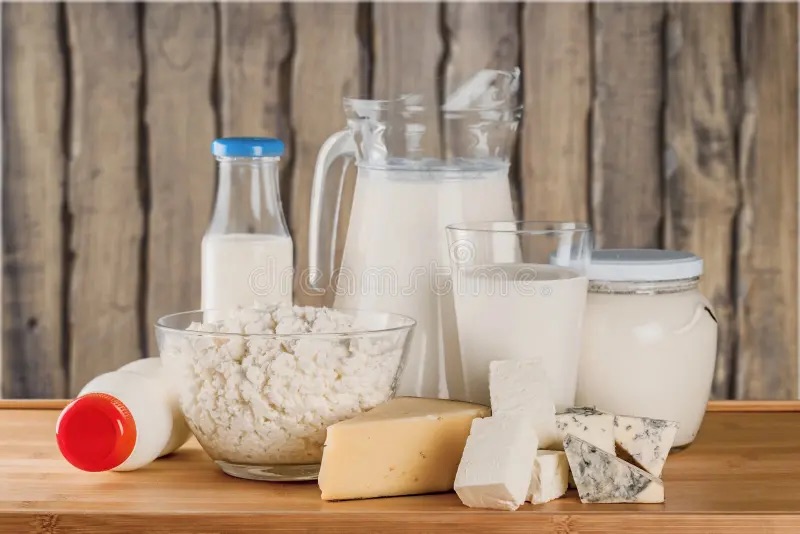
8.B bifidum inhibits H. pylori and is useful in the treatment of allergic diseases. It is a potent anti-inflammatory agent, too.8. Bifidus-rich foods: Bifidobacterium is a group of lactose-utilising bacteria that are mainly found in probiotic foods, such as milk with added strains. Food rich in Bifidobacterium species is:

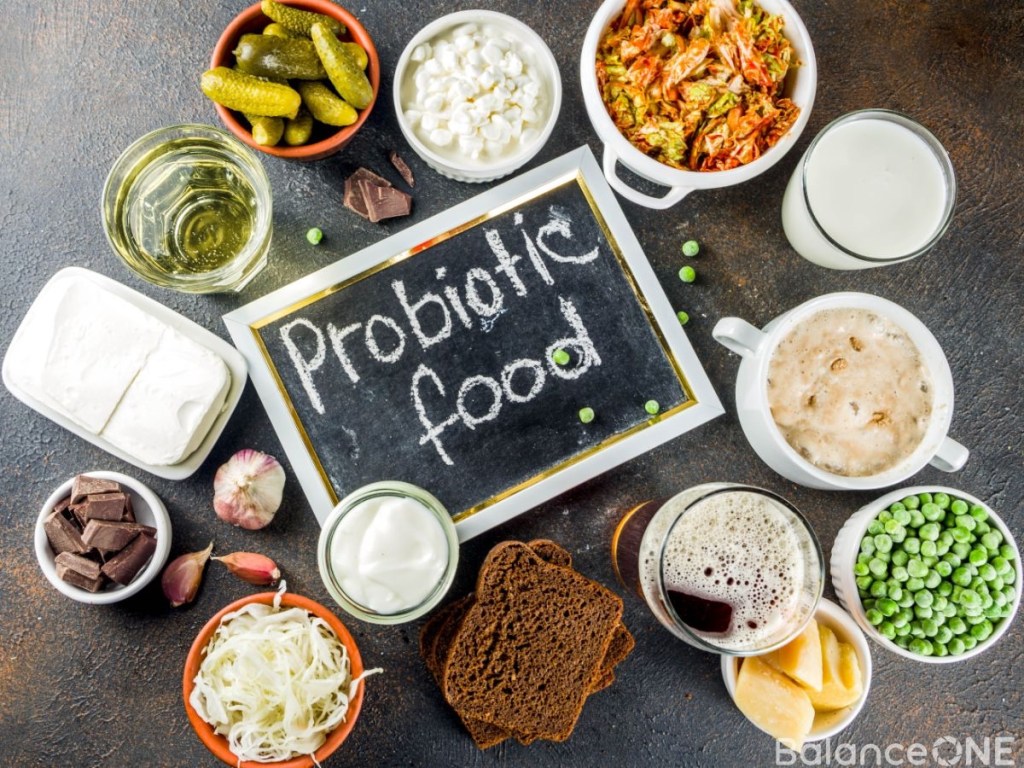
• Yoghurt with live active culture, cultured butter milk

• Fermented soy milk

• Fermented milk, cheese like cheddar, aged, mozzarella, Gouda

• Kefir, sauerkraut, miso, kimchi, tempeh

9. While buying and consuming commercial food containing Bifidobacterium, ensure safety tips:

• Checking labels and buying products with “ live and active culture”

• Consuming together with prebiotics to get the best results. Prebiotics include bananas, onions,

garlic, and whole grains.

• Prevent heating as heat kills live bacteria. So, raw fermented food and unpasteurised foods are best.

• Supplements can be supportive in irritable bowel syndrome, immunity and bloating.

10. Takeaway: Bifidobacterium species have been proven to have immense health benefits to humans through their metabolic activity. Studies have shown that normal adults and children with healthy immunity status can regularly consume fermented food with live Bifidobacterium species, which can further boost health and prevent many chronic inflammatory diseases. People with weak immunity, the elderly, pregnant and breastfeeding mothers should avoid such foods to prevent complications like allergic reactions.

Thanks for reading.

Peace and love 🙏

10 facts : Nitric oxide (NO) is body’s power source 💪

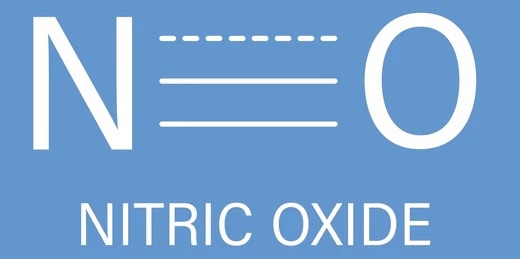
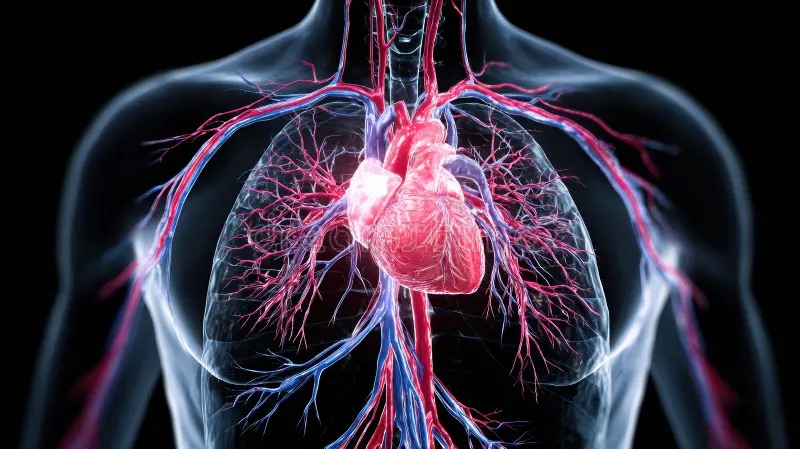
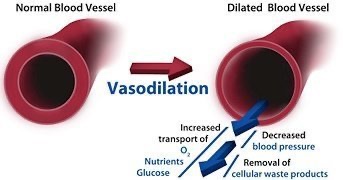
1.Nitric oxide is a gas that is naturally produced by our body. Its basic function is to relax the blood vessels, which in turn transport the blood, oxygen and nutrients to the different organs and cells of the body to function smoothly. Nitric oxide is a vital nutrient as it protects the layers of cells in the blood vessels. It regulates the cardiovascular system, immune system, and nervous system. When nitric oxide is scarce in the body, it leads to a condition called endothelial dysfunction, which can risk the cardiovascular system.

2. Nitric oxide, as a powerful molecule, has many protective health benefits and is vital to human health. The potential benefits are:

• Cardiovascular system: Since it is a vasodilator, it lowers the blood pressure, relaxes the blood vessels, ensuring a smooth transportation of blood throughout the body.

• It lowers the inflammation in the body as it acts as an antimicrobial agent, a free radical agent.

• Neurological system: It is a neurotransmitter and helps in communication between nerve cells.

• It helps in exercise endurance as an oxygen delivery agent and improves athletic performance.

• It helps in treating erectile dysfunction.

3. Diverse physiological role: The NO (nitric oxide) molecule is synthesised from L-arginine in the tissues of the body by using the iso-forms of nitric oxide synthase. As mentioned before, NO gas is important in maintaining the endothelial layers of the blood vessels, as well as the blood flow through the vessels, and also inhibiting the activation of blood platelets. NO activates an iron- containing protein and helps to bind with haem. It regulates the immune system as a primary defense mechanism against attack by microorganisms. It acts as a neurotransmitter for nerve cells of certain types. NO activates several cellular activities.

4. Physical endurance and Nitric oxide: Research studies have clearly shown that Nitric oxide (NO) plays an active role in vasodilation, improves and enhances blood flow through blood vessels, organs and in mitochondrial respiration. Thereby, it promotes sports performance, endurance and aids in the healing and recovery of tissues. Nitric oxide and physical activity are very closely related. Evidence-based studies have shown that exercise helps to increase the level of nitric oxide, so it is highly recommended for athletes and patients with cardiovascular disorders.

5. Nitric oxide and erectile dysfunction: Erectile dysfunction is mainly caused by impaired nitric oxide bioactivity. The nerves and endothelial cells release nitric oxide when stimulated, which causes vasodilatation of blood vessels and relaxation of smooth muscles. When there is low nitric oxide production, it results in impaired vasodilation and endothelial dysfunctions, causing erectile dysfunction. Common risk factors are high blood pressure, diabetes, smoking and aging.

6. Nitric oxide as a neurotransmitter: Since it is a gas, it acts as a free radical and is synthesised in response to neural activity rather than stored in synaptic vesicles. It can diffuse rapidly through cell membrane barriers and can reach several neuronal and non-neuronal cells in multiple locations. It can act in intracellular targets on both pre-synaptic and post-synaptic neurones to stimulate neurotransmitter release and enhance synaptic plasticity. But excess nitric oxide can cause neurotoxicity, like in Alzheimer’s and Parkinson’s disease.

7. Sources: Nitric oxide naturally releases from oceans, soil bacteria, and the atmosphere by oxidation of ammonia and animal wastes. Some other sources are forest, wild vegetation, fertilizers, fossil fuels combustion and other industrial processes.

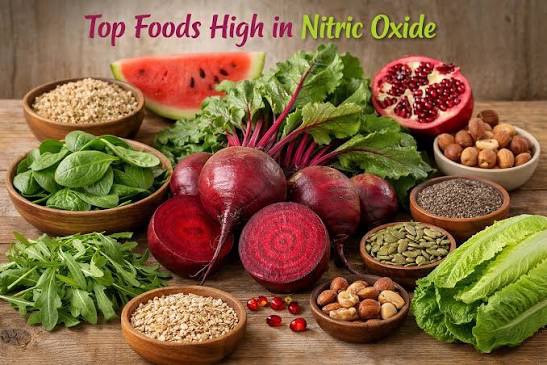
The primary source in the human body is the conversion of L-arginine (an amino acid) by enzymes, which releases nitric oxide internally. The different food sources of Nitric oxide are Beetroot, garlic, meat, poultry, leafy green vegetables, citrus fruits, nuts and seeds.

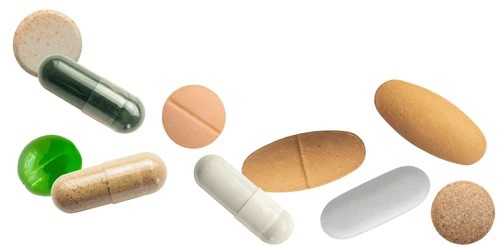
8. Nitric oxide supplement: A healthy, balanced diet rich in vegetables, poultry, and meat is enough to provide the necessary nitrites and nitrates to produce enough nitric oxide for the body’s requirements. If the body’s nitric oxide levels are low, your health care provider might give you nitric oxide supplements. They usually contain the synthetic version of the compounds, which can help the body to produce the optimal level of nitric oxide. Supplements are generally safe when taken under expert supervision and in an appropriate dosage.

9.Side-effects: Nitric oxide supplements, as mentioned above, are considered safe when taken under medical guidance. Overexposure and overdosing may cause side effects:

• Physical symptoms include nausea, vomiting, headache, and stomach upset.

• Heart palpitation, dizziness, lightheadedness, sudden drop of blood pressure.

• Interaction with other medications, such as blood pressure medication and erectile dysfunction medication, can cause a serious risk.

• Overexposure can cause coughing, shortness of breath, and lung injury.

10. Some of the known nitric oxide supplements are:

• Arginine

• Citrulline

• Nitrates

• Vitamin C, flavonoids, and polyphenols make nitric oxide easily available for the body for different purposes.

Doses depend on the individual requirements and the compounds of the supplement.

Thanks for reading.

Peace and love 🙏
10 facts: Which type of cocoa is healthiest ? ☕️🍫

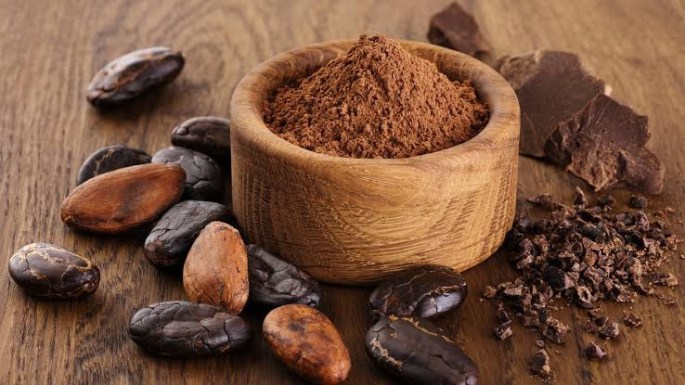
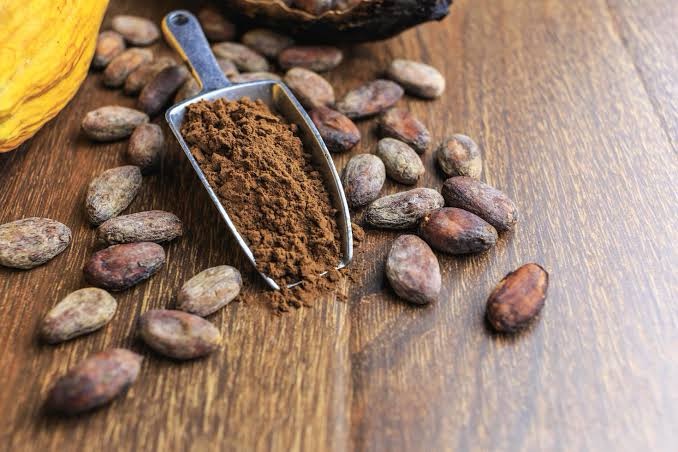
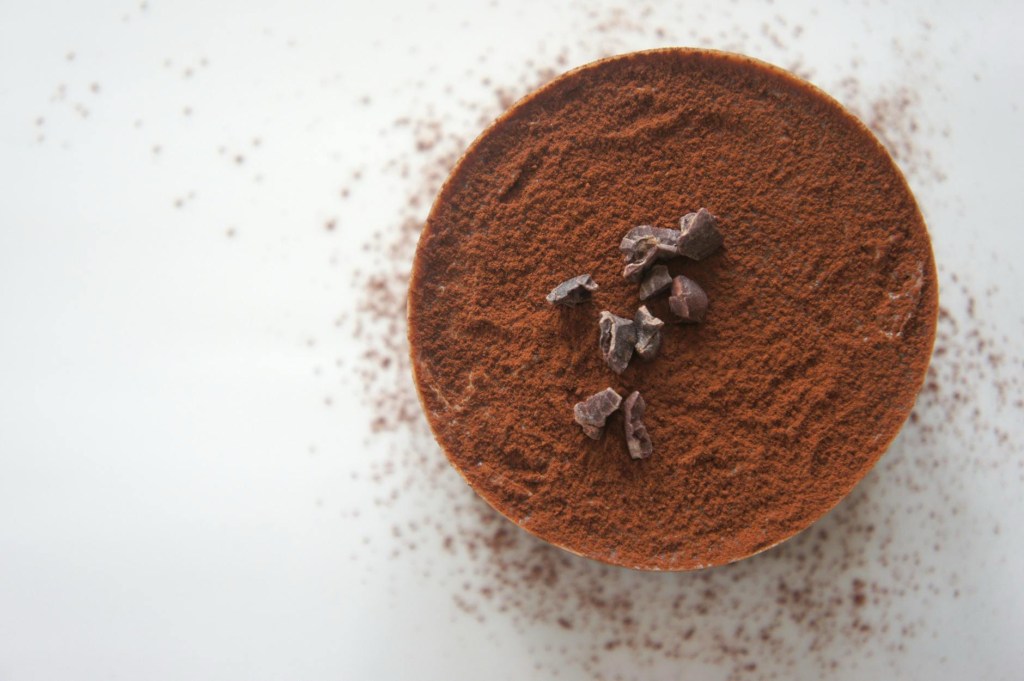
1.Like chocolate, cocoa powder is a common item which sits in the pantry of most households. It is widely used for either baking or having a chocolate drink. But what is cocoa powder? Cocoa beans are usually ground into a paste called chocolate liquor, which is later sweetened or added with other ingredients to make different types of chocolate. The paste or chocolate liquor is rich in cocoa butter, which can be de-fatted by further pressing and made into a finely ground powder, called natural cocoa powder.

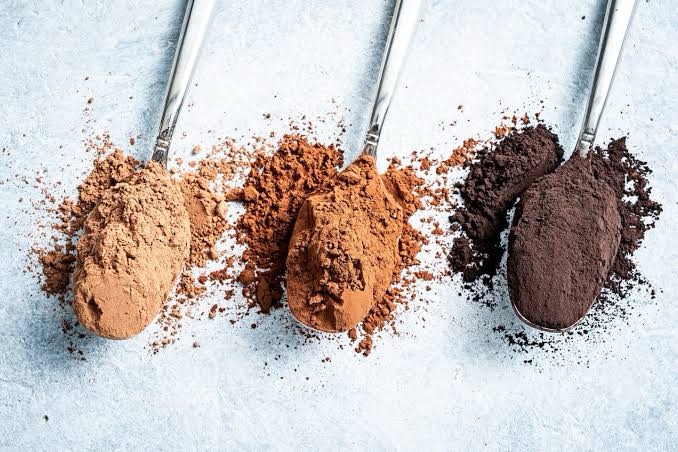
2. Cocoa powder is of different types depending on the method of processing:

• Natural cocoa powder is de-fatted, finely ground cocoa nibs. This way they retain the original acidity, flavours and aromas. They appear light brown in colour.

• Raw cocoa powder is produced by cold pressing the cocoa beans without any chemicals being used. This has the highest nutritional value and antioxidant levels.

• Dutch-processed cocoa powder is processed by alkalizing the cocoa nibs with potassium carbonate. In this process, the colour deepens, and acidity reduces. This is how dark chocolaty colour and flavour are gained.

• Black cocoa is achieved by further alkalizing the cocoa nibs with a heavy dose of potassium carbonate, which gives the characteristic black colour famously used in Oreo cookies.

Different types of cocoa powder

3. Cacao powder v/s cocoa powder: Though both of them have the same source as cocoa beans but the treatment of processing are different. Cacao powder is processed from unroasted cocoa beans at low temperatures, so they appear lighter, bitter in taste and pure. They retain the highest nutritional content and are very rich in antioxidants. Whereas, cocoa powder is ground from roasted cocoa beans, so it appears darker, less bitter in taste and has less nutritional content. Therefore, cacao powder is actually healthier than cocoa powder as far as health benefits are concerned.

4. Caffeine in cocoa: Cocoa beans naturally contains 0.1 -0.7% caffeine. About 0.3% caffeine is also present in the skin surrounding the cocoa beans, so at least 1.2 % caffeine is present altogether in cocoa beans, less than dry tea leaves, which is around 3-4%. Other stimulants like theobromine and phenylethylamine are also found in cocoa beans, which can influence the mood and energy levels in a mild way. But compared to coffee, the stimulant effect on the brain and body is much less.

5. Nutritional facts: Cocoa powder is a nutritional powerhouse of many healthy compounds and antioxidant properties.

• Cocoa butter, which is present in cocoa beans, is a combination of oleic acid, stearic and palmitic acid. Oleic acid is a monounsaturated fatty acid and is heart-friendly.

• Minerals: Cocoa powder is rich in minerals like magnesium, iron, calcium and potassium. It is also rich in vitamin B.

• Anti-oxidants: Rich in polyphenols, especially flavonoids, which protect the body from free radical damage.

• Fibre: Cocoa powder is rich in plant-based fibre, good for gut health.

6. Though cocoa is famous for its chocolate and chocolate-based products, research shows that the compounds found in cocoa, like polyphenols and flavonoids, have antioxidant and anti- inflammatory properties and are beneficial for the human body. But the processing and different treatments used in the manufacturing process of chocolate and its products might lower the beneficial and nutritional properties. Heating and processing cause loss of antioxidants and anti- inflammatory properties. Further, adding sweetening agents, artificial flavouring agents while processing can damage the valuable content of natural or raw cocoa and may no longer prove to be useful in terms of health. Therefore, not all types of chocolate or chocolate products can be termed healthy in today’s times.

7. Potential benefits of cocoa powder, natural and raw form, produced by crushing cocoa beans, can have various health benefits:

• May lower the risk of cardiovascular diseases, heart attack and stroke.

• May lower the high blood pressure by lowering the nitric oxide levels.

• Improves blood circulation in the brain and nervous system, elevates the mood.• Improve symptoms of type 2 diabetes.

• May contain cancer-preventive properties.

• May boost the immune system due to the presence of minerals.

• It may help in weight management.

8. Side effects of cocoa powder:

• Caffeine: Having too much caffeine in cocoa can lead to irritability, a fast heartbeat and tremors.

• Medicine interaction: Cocoa can interfere with blood thinners (Warfarin) and may increase bleeding risk.

• Allergy: Cocoa can cause digestive issues, allergic reactions like hives, itching or migraine in some individuals, though quite rare.

• Heavy metals: Some brands of dark chocolate may contain high levels of lead and cadmium, which can be harmful to the brain, especially in pregnant women and children.

• Kidney stones: Regular intake should be avoided by individuals who are prone to calcium oxalate stones. It is important to avoid the daily intake of dark chocolate due to its high oxalate content.

9. Cocoa beans are fermented, dried, roasted, and then ground into fine powder, which is why adding cocoa powder to the diet can be a better option than having dark chocolate bars or chocolate varieties available commercially. Cacao and cocoa powder can be incorporated in the diet to avail the potential health benefits, though in moderation –

• Adding to breakfast cereals, smoothies, yoghurt, or having a hot chocolate drink.

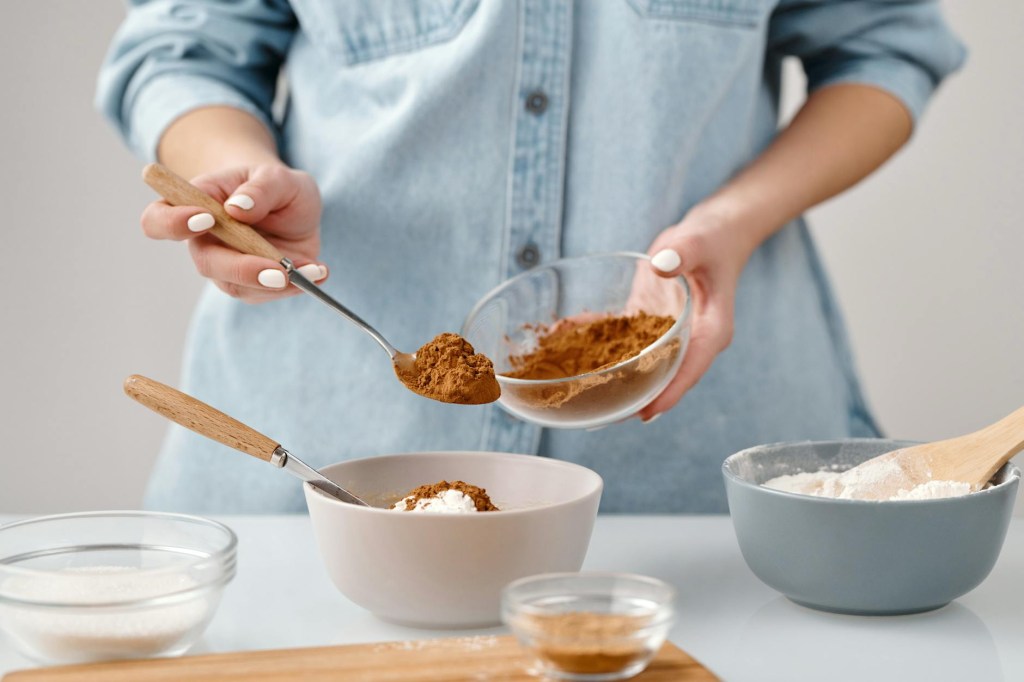
• Using raw cocoa powder in baking recipes like cookies, cakes, granolas, and brownies.

• Eating dark chocolate bars that have 70-80 % cocoa, which have no heavy metals used, can be a healthy treat as well.

• Adding cocoa powder to your face mask, in your daily skin routine, can reduce hyperpigmentation, moisturise the skin, and reduce acne.

10. Takeaway: Yes, natural and raw cocoa powder, cacao powder are healthy in terms of their rich nutritional contents like polyphenols and flavonoids. But, diverse chocolate varieties and chocolate bars commercially still contain a significant amount of sugar, additives, artificial flavoring agents, fats, and heavy metals, which, otherwise, can be more harmful than useful to the human body. So, it is important to consume cocoa products in moderation and to properly read the labels before buying. Since there is such a wide variety of dark chocolate and even different types of cocoa powder available, moderation is the key. A recommended dose of about 20-30 grams per day of dark chocolate can give the essential benefits. Due to its caffeine content, consuming cocoa products late in the evening should be avoided as it can cause sleeplessness and irritability.

Thanks for reading.

Peace and love 🙏

10 facts: Is hojicha tea ☕️ healthier than matcha 🍵?

1. Hojicha tea has become a popular trend online, but what exactly is it? Hojicha is a type of Japanese green tea made from bancha, sencha, and kukicha leaves that are roasted at high temperatures and then ground into a fine powder. This roasting process gives hojicha its characteristic light brown colour and toasty flavour, although it also means that some of its antioxidant properties are diminished. Despite this, hojicha still contains beneficial compounds such as L-theanine, catechins, and polyphenols, which can help lower cholesterol levels, particularly LDL, and improve blood circulation. Additionally, the roasting method enhances the presence of pyrazines, which have a calming effect on the brain and nervous system.

2. Hojicha has become quite popular in recent times, mainly because of its low caffeine content, flavour, taste and calming effect on the nervous system. Hojicha tea is distinctive from other varieties of green teas as it is a mixture of leaves, twigs, and stems of the tea plant, which are roasted at a high temperature of 150 C. Due to roasting, it has a light brown colour, nutty taste and toasty flavour, unlike the vegetative tone of other green teas.

3. It has gained popularity in recent times due to its low caffeine content, which is milder than that of other green teas. So, it is quite safe for children as well as the elderly. In Japan, it is mostly an after-meal tea, in the evening, which has a calming effect on the nervous system, brain, reduces anxiety, stress and ensures a good night’s sleep. Hojicha infusion is quite popular as it is often used in smoothies and yoghurt.

4. Though hojicha tea has a great taste and flavour, as far as health benefits are concerned, matcha is still healthier than hojicha because of its rich, concentrated properties of antioxidants. Matcha is a rich source of chlorophyll, L-theanine, polyphenols, catechins and natural caffeine. Compared to hojicha, matcha has a great amount of health benefits like preventing cellular damage, reducing inflammation, supporting brain health, heart health, liver health, improving brain function, help prevent cancer and promote weight loss.

5. Like matcha, hojicha does contain anti-oxidants and amino acids, but in significantly less quantity as compared to matcha, which is made from tencha raw leaves, not stems or twigs, which are ground into fine powder. On the other hand, matcha is rich in chlorophyll, which helps in liver detoxification and flushes out toxins from the body. Due to the presence of natural caffeine, which is quite high in matcha, it can be stimulating to the nervous system rather than calming. Too much drinking of matcha can lead to high caffeine intake, which can sometimes cause heart palpitations.

6. Hojicha contain a compound, Pyrazine, unlike matcha, which is formed due to the roasting process. Pyrazine gives a distinctive toasty flavour and scent to hojicha, which allows a pleasant aroma just like brewing coffee. Some of the health benefits of pyrazine:

• Calming and relaxation effect due to balance in the nervous system.

• Improving the quality of sleep due to low caffeine content.

• Improving blood flow in the body due to the vasodilator effect of pyrazine.

• GABA secretion is improved in the brain, which helps in reducing anxiety and depression.

• Promote skin health by improving skin hydration.

7. In addition to the above benefits, due to the presence of antioxidants, hojicha tea has other health benefits, such as:

• Improves digestion by promoting metabolism

• Reduces inflammation, especially in arthritis, by lowering pain and swelling

• Strengthen the immune system and prevent cold and cough

• Promote heart health by enhancing blood flow and lowering blood pressure

• Improves oral hygiene due to anti-bacterial properties

8. Unlike matcha, which has a raw, grassy and slightly bitter taste, hojicha has a nutty taste, toasty flavour and is not bitter. Therefore, it can be used in various ways:

• Extensive use as beverages, lattes, smoothies, and milk teas.

• Baking dishes like cake, cookies, macarons, and mochi

•Ice cream, frozen treats

• Savoury dishes, meat, pastas, roasted veggies.

9. Traditionally, in Japan, hojicha is used as evening tea as it has a low caffeine content and has a calming effect on the nervous system and aids in metabolism. It helps to improve good quality sleep. It also has a warming effect due to enhanced blood flow, and so it is ideal for nighttime. Since it has a sweet, nutty flavour, it has become very popular for its uses in a wide variety of desserts, puddings, cocktails, and beverages. Commercially, hojicha tea is available everywhere in supermarkets and malls due to its demand, taste and benefits.

10. Hojicha has received global recognition for its versatility and uniqueness in taste and flavour. Like brewing coffee, it has a distinctive toasty aroma which is very inviting. On top of it, hojicha has low caffeine content, a variety of uses, making it popular among all age groups, including children. It has a natural sweetness, so using it as an ingredient in dishes requires less sugar. It tastes great in savoury dishes too. Overall, it’s a hit among the masses.

Thanks for reading.

Peace and love 🙏