
10 facts on Grains: Why are low GI grains healthier? 🙌

1. Grains are naturally grown from plants like grasses, which are a staple food for humans across the world. Grains are seeds and have basically 3 main parts: a hard outer covering called Bran, which is fibrous in nature. The second covering is called the Germ, which is the most nutritious part and contains vitamins, healthy fats and minerals. The innermost layer is the endosperm, which is a rich supply of starches, the energy source. Whole grain contains all the 3 layers. Commonly found grains are rice, wheat, oats, barley, corn and millet.

2. Grains, after they are harvested, are taken to milling and grinding plants and are cleaned and go through different processes like grinding, separation and bleaching. Depending upon the treatment they undergo, there are different grain types:

• Whole grains, where the three layers are restored, such as brown rice, whole grain wheat, oats. Whole grains are considered the most nutritious grains.

• Refined grains are fine in texture when the germ and bran layers are removed, such as white rice and refined flour.

• Enriched grains are those where nutrients like vitamins and minerals removed after refining are added back, such as enriched white rice.

• Fortified grains are grains that, after milling and grinding, are added with extra nutrients which may not be naturally found, such as fortified with iron and folic acid.

3. Whole grains are wholesome for health, providing starch (energy), vitamins, minerals and fibre. The known health benefits:

• Feeling of fullness helps in portion control and thereby in weight management.

• Lowers insulin levels.

• Lowers bad cholesterol and helps to raise HDL.

• Lowers blood pressure.

• Fibre helps to regulate bowel habits, reduces the risk of heart diseases, diabetes and stroke.

4. Much needed substitutes of regular white rice, white flour pasta, white bread with wholesome grains for daily requirement are:

• Whole grain bread, whole grain pastas, whole grain cereals.

• Quinoa

• Brown rice, black rice, red rice.

• Oatmeal

• Millet, barley, bulgur

• Pop corn

5. Glycemic index (GI): Some grains, after eating, give you instant energy and slowly make you feel worn out. While eating some types of grains doesn’t make you hungry for a long time and gives you enough energy throughout the day. This is because the glycemic index of different types of grains varies. The rate at which the body breaks down a particular type of grain and raises the blood sugar level determines the glycemic index of that grain. It depends on how much processed and refined the grains have been through. The GI ranks from 0-100, with the lowest being the healthiest starch.

• Low GI (less than 55): They are the least processed grains and gluten-free, like millet and quinoa,

• Mid GI (55- 70): Processed to some extent but still contains the bran of the grains like brown rice, whole wheat bread.

• High GI (greater than 70): Refined flour, white rice, white bread.

6. Low GI grains: The rate of 1-100 scale at which the starch is metabolised into sugar and raises the blood sugar level is considered the GI (glycemic index) of that particular grain. The highest GI is white bread, white rice, pastas and potatoes. Low GI grain is when the starch is slowly released for digestion, which is within 0-55. Examples are :

• Brown rice, steel cut oats, quinoa.

• Barley, millets, bulgu

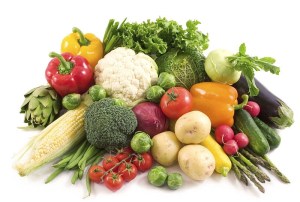
• Sweet potatoes and non-starchy veggies like broccoli, cauliflower, spinach, carrots, beans.

• Fruits like apples, oranges, cherries and berries.

7. Health benefits of Low GI grains :

• No sugar spikes: The low GI grains release the sugar slowly and prevent sugar spikes.

• Fibre is high: These grains have high fibre and make you full for a long time and don’t make you hungry.

• Nutrient-dense: Millet, Barley, Oats, Quinoa, and buckwheat are great sources of fibre, nutritional powerhouses of vitamins, minerals and antioxidants.

8. Common myths:

• Low GI grains are tasteless and bland: In fact, depending on the palate, different methods of preparation can make these grains taste flavourful and a rich energy source.

• Portion matters: Eating large portions isn’t healthy. Always maintaining portion control and appropriate meal timings actually count.

• Too much fat: Adding too much oil and fats like cheese, butter, and oils makes a meal tasty. This isn’t true; in fact, adding natural spices, herbs, a variety of veggies, and less oil can make a meal flavourful and tasty.

• Fruits have high GI: Not true, as many fruits and berries have moderate GI and can be consumed on a daily basis.
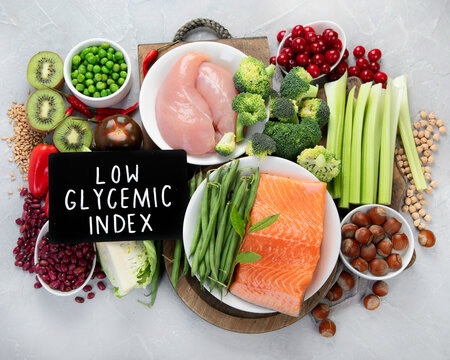
9. Apart from grains, other food items with low GI are:

• Dairy like plain, unsweetened Greek yoghurt.

• Meat, fish, poultry, eggs

• Lentils and beans

• Leafy greens, cruciferous vegetables like broccoli, cabbage.

• Avocado has healthy fats.

• Citrus fruits, berries, apples

• Nuts, seeds

10. Takeaway: Whole grains are naturally occurring grains which are least processed, so they contain the required nutrients and fibre, which are necessary for one’s health and wellbeing. Once the grains are milled, crushed, or refined, they lose the valuable nutrients which are beneficial. So, refined grains and food items may taste better but ultimately do more harm than good. Therefore, research has shown that choosing whole grains, the least processed ones, always provides the complete package of nutrients and fibre, which are essential for good health and prevent chronic lifestyle diseases which have become so ingrained in today’s time.

Thanks for reading.

Peace and love 🙏
10 facts: Are Artificial flavouring substances safe?

1. Artificial flavouring substances are usually used in foods, beverages and some medicines too, to enhance the taste, aromas, natural-like flavours and to extend the shelf life. These artificial flavouring substances are chemical compounds produced in the laboratory to give characteristic taste and smell. Unlike natural flavours, which are naturally available, these chemical compounds are made from petroleum or synthetic agents and mixed with alcohol or propylene glycol, which acts as a solvent. The process of making and purifying artificial flavours has to maintain safety protocols, and the standards are approved by the Food and Drug Administration (FDA) and other Food authorities.

2. Laboratory-made chemical compounds are easy to extract, less expensive and can mimic the required taste and smell. Widely used in products like bakery items, processed food, candies, beverages, processed meat and dairy items. Some of the common examples of artificial flavours are:

• Ethyl vanillin, which mimics natural vanilla

• Ethyl propionate, which gives a fruity flavour

• Benzaldehyde, which gives a cherry flavour

• Diacetyl, which mimics a buttery flavour

• Smoke flavourings are smoke obtained from heated steam from wood, a mixture of carboxylic acids and phenolic compounds.

3. Natural flavouring /Artificial flavouring: Natural flavourings are nature-derived compounds from plants and animal sources, obtained by extraction and distillation through physical, enzymatic and various microbiological processes. Such as vanilla derived from natural vanilla pods, citral from lemongrass.

Artificial flavouring substances are synthetic chemical compounds which are nature-identical but not natural substances. They are produced in the laboratory by many chemical-engineered substances by flavouring preparations, thermal processes, distillation, smoke flavourings and flavouring precursors. Examples of artificial flavours are vanilla flavour derived from ethyl vanillin, Methyl anthranilate which mimics grape flavour, and isoamyl acetate, which mimics banana flavour. Artificial flavours are preferred more than natural flavours as they are cheap, easily available and easier to produce in a laboratory.

4. Artificial flavourings are safe as long as they meet strict safety regulations and are approved by different regulatory bodies and Food Safety International expert committees. Some of the well-known regulatory bodies are:

• US FDA (Food and Drug Administration)

• EFSA (European Food Safety Authority)

• International Expert Bodies like FEMA (Flavour and Extract Manufacturers Association), JECFA (Joint FAO/WHO Expert Committee on Food Additives).

• Country-specific authorities such as FSSAI (India’s Food and Safety Standards Authority), BfR (German Federal Institute of Risk Assessment).

5. Why artificial flavours? The main goal behind using artificial flavours in various food items, bakery products, and processed foods is to mimic a certain flavour, taste, smell, and crunchiness, which makes a person crave such items and stimulates the sensory organs. While consuming any kind of food, the taste receptors detect certain compounds in that particular food item and send a stimulus to the brain via nerves, which actually create the sensation of taste. So, artificial flavours are engineered in such a way that they can create a specific taste similar to a natural flavour and stimulate the taste receptors so that the person becomes addicted to that particular food item.

6. Artificial flavours and health: Though artificial flavours are safe in small quantities for consumption, some side effects are reported, such as allergic reactions, headache, fatigue, stomach pain, dizziness and chest pain. Some studies have shown a link between certain diseases and artificial flavours such as:

• Artificial flavouring compounds like diacetyl can be carcinogenic and pose a health risk.

• Artificial flavours and artificial sweeteners are found to disturb the gut bacterial flora. But more studies are required in this topic.

• Artificial colour (yellow) tartrazine is linked to allergic reactions.

• Artificial flavours and colours are linked to affecting brain health, memory and ADHD in children.

• Addiction and obesity are issues that have been linked to artificial flavours in some research and can affect the brain. The taste bud receptors send signals to the brain, which in turn releases dopamine to give pleasure. Some studies show that artificial sweeteners affect the hunger and satiety centre and lead to weight gain.

7. A wide range of products where artificial flavours are mostly used include:

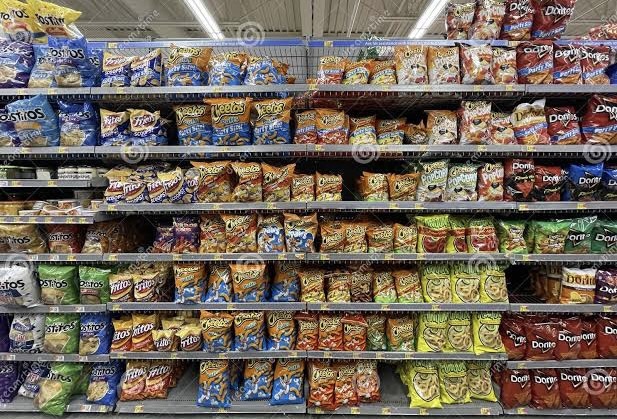
• Snacks: Cookies, candies, shakers, chips and many snack items.

• Soft drinks and energy beverages.

• Bakery items.

• Dairy items like yoghurt, ice creams, flavoured milk.

• Processed meats.

• Sauces, mayonnaise, ketchups, dressings.

8. Common names of artificial flavours which should be known by individuals so that they can be aware and selective while buying snacks, bakery or processed food in a supermarket.

• Ethyl vanillin, ethyl maltol, ethyl propionate.

• Diacetyl

• Benzaldehyde

• L-menthol

The best way to avoid eating artificial flavours and colours is to select minimally processed food items, plain dairy products, whole foods, unprocessed meat items and preferably organic food items.

9. Safe quantity: There is no standard safe quantity of artificial flavours and colours worldwide. But there are international committees, food regulatory authorities, and other regulatory bodies in each country to regulate the quantity of artificial flavours used in each of the food items before they go for consumption. Acceptable Daily Intake (ADI) limits are set for compound-specific limits, which are standardised by local food safety authorities and are decided by strict testing and toxicity tests before approval.

Wholesome food/ Natural Foods

10. Takeaway: Artificial flavouring is very common in a wide range of food items. Realistically, you may not completely avoid food flavourings. But it is always a wise choice to prefer natural wholesome food items to processed flavouring food items as far as health is concerned. Moreover, both artificial and natural flavourings have similar effects on health, as one cannot rule out which is healthier or safer. Therefore, it is a matter of habit formation and lifestyle choices for individuals, parents and children to learn to make healthier choices for wholesome food and minimal use of processed food items.

Thanks for reading.

Peace and love 🙏

10 facts : Why sea buckthorn has gained popularity?

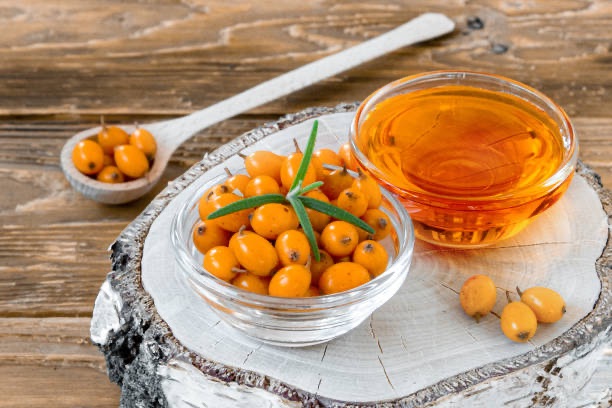
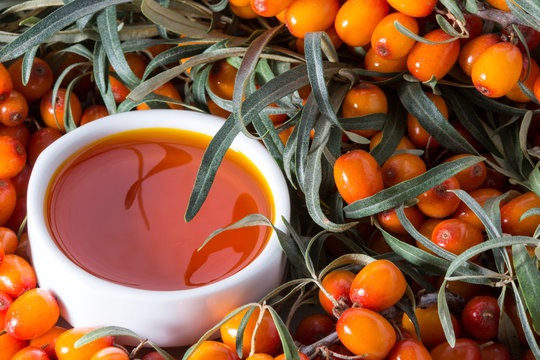
1.Sea Buckthorn (Hippophae rhamnoides) is a shrub with yellowish-orange berries, a native of Southeast Asia and Europe. Other names used are sea berry, sand thorn and Siberian pineapple. Recent research has highlighted the tremendous health benefits of the fruit berries grown on this high-altitude shrub, which has been quite common on the Himalayan steep slopes for centuries. This shrub and its fruits are not new to the natives living in those regions. But, suddenly, it has gained much popularity due to its label as “Super food” by the recent scientific studies. The berries of this shrub are identified to have about 190 flavonoids and polyphenols, rich in Omega fatty acids and 15 times more vitamin C than oranges.

2. Sea Buckthorn’s nutritional profile stands out among many fruits and berries provided by the plant kingdom. It is considered a “superfood” for its amazing nutritional value.

• These berries have a rich supply of fat-soluble vitamin A, such as Beta-carotene (due to the orange colour), lycopene and Zeaxanthin.

• Vitamin E includes 8 natural variants, the tocotrienols.

• Vitamin K2 in natural form, which is quite rare in plants.

• Plant-based Omega 3, 6, 9, which is a complete omega fatty acid profile.

• Omega 7, which is Palmitoleic acid, is a rare variant.

• Vitamin C, which is 15 times more than that of a typical orange.

• Multiple bioactive compounds like flavonoids, phytosterols, organic acids and Tanins.

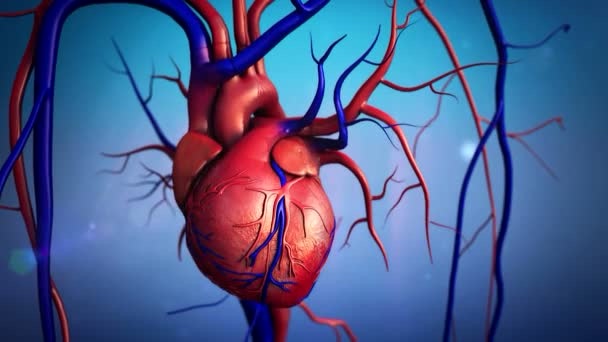
3. Heart-friendly: One of the main reasons for Sea Buckthorn berries’ attraction is their profound benefit to cardiovascular health.

• The Omega profile and bioactive compound help to lower LDL cholesterol, prevent plaque buildup, and lower blood pressure.

• Improve Cholesterol: Phytosterols reduce cholesterol absorption, LDL and triglycerides in the gut and maintain the level of good cholesterol, HDL.

• Relaxes the blood vessels and lowers the blood pressure.

• The antioxidant properties prevent LDL plaques from being deposited on the arterial wall and lower the risk of atherosclerosis.

• Reduces the risk of thrombosis by thinning the blood due to antiplatelet aggregation properties.

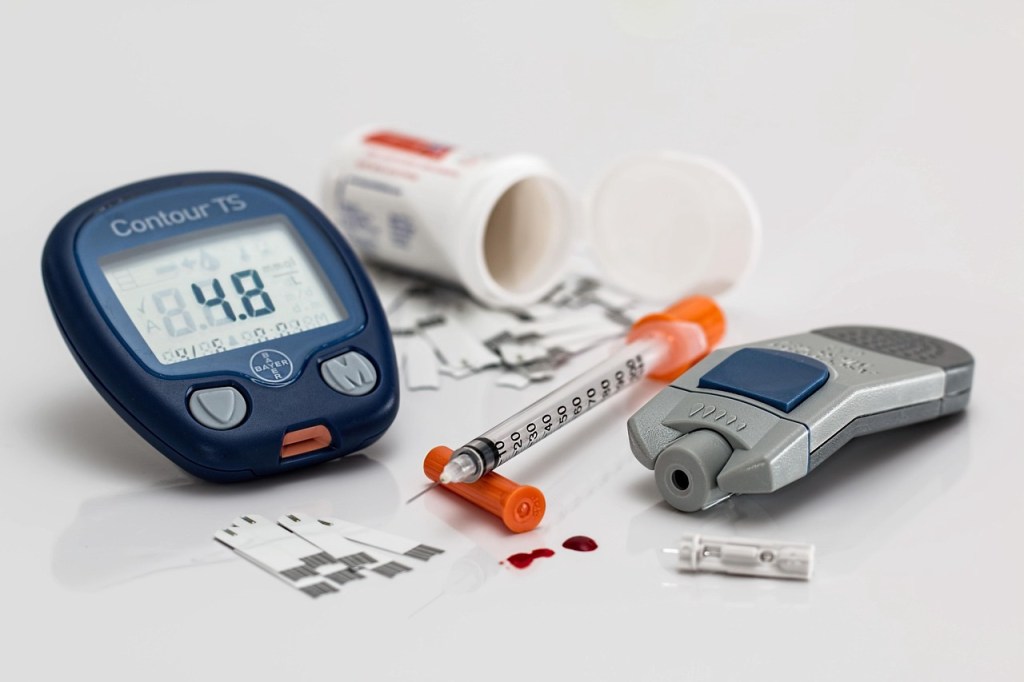
4. Diabetes: Studies have proven that sea buckthorn berries, due to their powerful antioxidant profile, help in the management of type 2 diabetes. Here are some of the potential benefits:

• These berries improve the metabolic function and lower the fasting blood sugar levels.

• Helps the body to improve insulin sensitivity and lower the resistance in due course.

• Its anti-inflammatory properties help to fight inflammation and prevent organ damage, which is a characteristic of diabetic progression.

• Reduce the damage to the beta cells of the pancreas, which produce insulin.

• Promotes heart health, which is otherwise a cardiovascular risk for diabetics.

• Boost immunity, which is important for diabetics or anyone with a chronic illness.

5. Metabolic disorder: Collectively, metabolic disorders include obesity, hyperglycaemia, high blood pressure, and dyslipidemia. The different ways of managing metabolic syndrome can be controlling blood sugar, lowering insulin resistance, improving dyslipidemia, reducing abnormal lipogenesis, lowering blood pressure and also improving gut health. The rich nutritional profile of sea buckthorn, which contains various flavonoids, omega fatty acids, and vitamins, helps to promote a positive impact on metabolic activities and prevent complications in metabolic pathways in such individuals.

6. Other amazing benefits :

• Aids cancer therapy: Studies have shown that flavonoids such as quercetin, kaempferol, and isorhemnetin present in sea buckthorn berry juice and oil extract can induce a cytotoxic response and prevent cancer cells from multiplying.

• Skin / cosmetic uses: Due to their rich nutritional profile of vitamins and omega fatty acids, these berries promote skin health, promote hair growth, increase blood circulation and reduce signs of ageing.

• Effective in promoting gut health and liver health by lowering liver inflammation, fibrosis and scarring.

• Disease prevention: Sea buckthorn, due to flavonoids and antioxidants, prevents free radical damage, reduces oxidative stress and lowers the risk of chronic diseases.

7. Interaction: Sea buckthorn berries are usually safe, and there is no evidence of adverse side effects. But due to its rich content of various nutrients, there may be drug interactions, and precautions are necessary:

• People with bleeding disorders and those undergoing surgery should avoid situations where there is a risk of slowing blood clotting, bruising and bleeding.

• Anticoagulant and antiplatelet drugs can interact with sea buckthorn and pose a risk of bleeding.

• People on high blood pressure medication should avoid it as they can further lower their BP.

8. Uses: The raw berries are sour and acidic in taste. So, it is not usually consumed raw; instead, it is converted into functional foods.

• Juices and pulp: They are diluted in water before drinking and used in pies, desserts, jams and herbal teas.

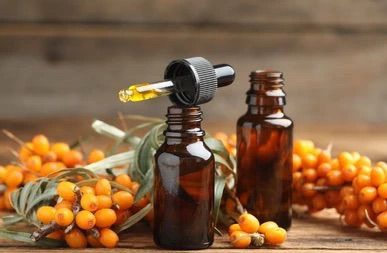
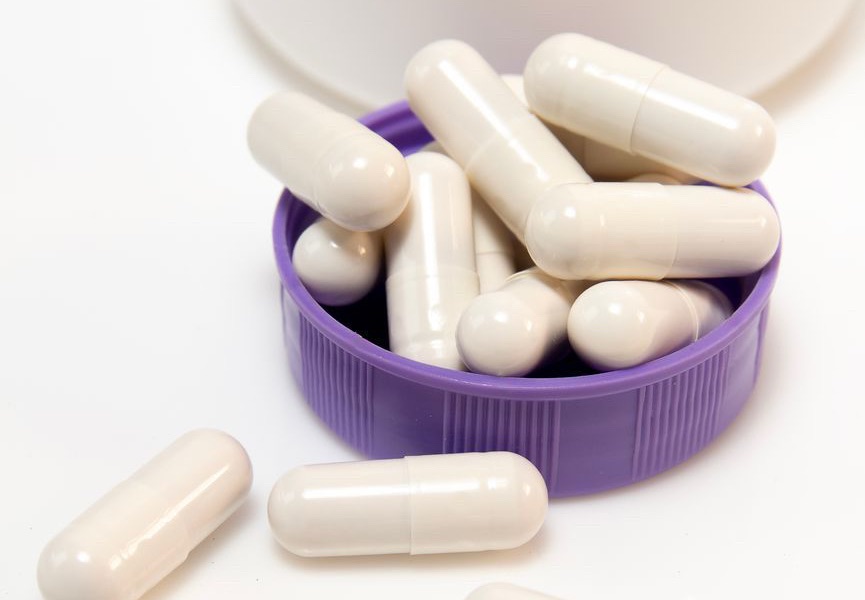
• Oils are used in the form of capsules as a vegan Omega fatty acid source, used in hair and skin wellness.

• Powders: As supplements in drinks, smoothies and teas.

9. Availability: Sea buckthorn berries are available in local markets specific to the native regions of Asia -Pacific where they are grown. Otherwise, they are available as products in supermarkets, stores, and retail in different brands. It is important to buy from known, reputable brands for safety issues.

They are available in juices (cold-pressed is best), pulps, dried berry powder, gummies, tablets, capsules and in oil extract. Due to their nutritional value, the products are widely used and have been quite popular.

10. Takeaway: Sea buckthorn berries have been used for centuries by the native people of mainly Asia, especially in the Himalayan regions, Ladakh, China and European regions. But recent scientific studies and research have identified its rich nutritional profile, which has attracted the attention of health enthusiasts. Therefore, these tiny berries have become popular, and the products are selling widely nowadays. No doubt, sea buckthorn is, indeed, a super fruit and its intake in moderation, in whatever form, can be helpful for overall health and wellness.

Thanks for reading.

Peace and love 🙏

10 compelling reasons to consume Flavanoids to combat oxidative stress 🙌

  1. Flavonoids are naturally occurring polyphenolic compounds in various deep-coloured fruits and vegetables. There are 6 different varieties of flavonoids, all of which have antioxidant properties and can help the human body to get rid of different toxins and stress. Therefore, including flavonoids in your routine diet can help to get rid of many chronic health conditions.
  2. Dietary Flavonoids are of 6 subtypes :
    Flavanols , Flavones, Flavan-3-ols, Flavanones, Isoflavones, Anthocyanins.
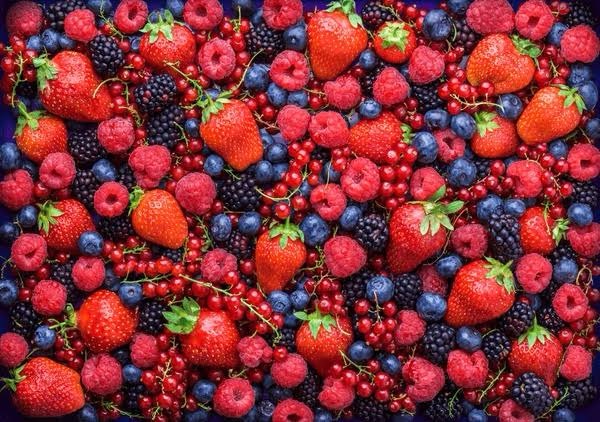
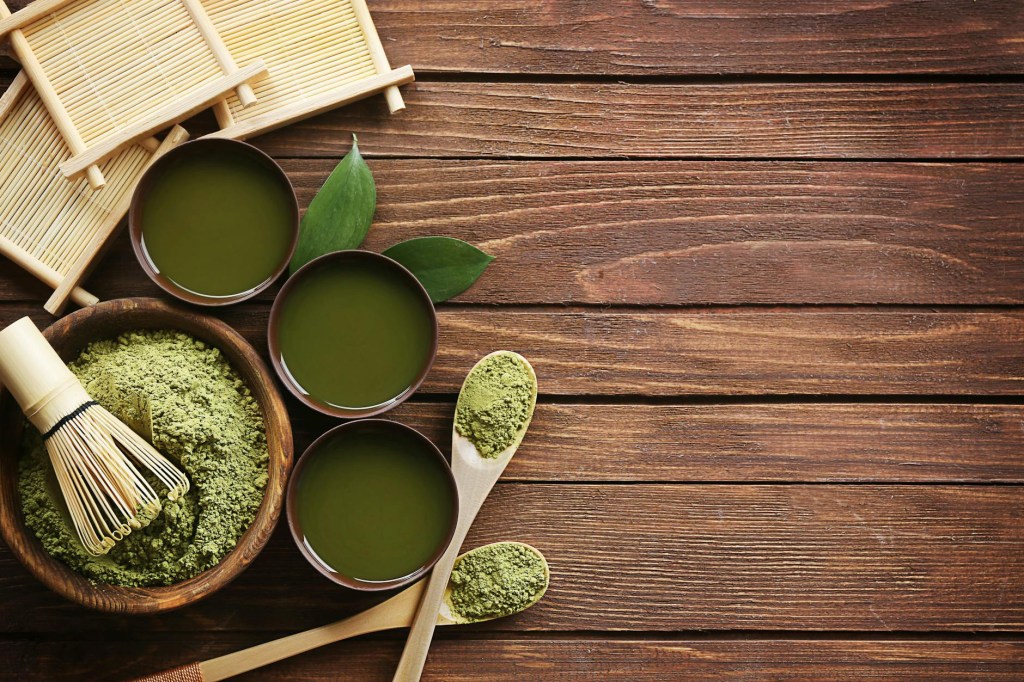
    Coloured fruits, vegetables, and plants are all rich in flavonoids. Naturally, they are found in apples,purple and red grapes, berries, peaches, oranges, cocoa, chocolate, green tea, black tea, chamomile tea, vegetables like broccoli, lettuce, tomatoes, scallions, red peppers and onions. Flavonoids are dark-coloured pigments so they act as natural pesticides and protect the plants from harmful UV rays, bacteria, viruses and harmful insects.

3. Main functions of flavonoids:
•Powerful antioxidants
•Fights inflammation
•Free radical damage and prevent oxidative stress.

•Anti-haemorrhagic and vasodilatory effects.
•Certain flavonoids, due to their anti-inflammatory and antioxidant properties prevent cancer cells from multiplying and decrease the risk of some cancers.

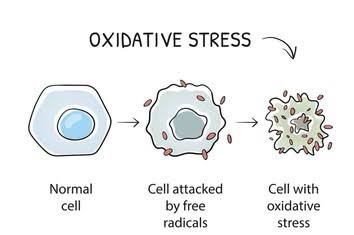
4.Research shows that oxidative stress can lead to cellular damage and disease development. So, oxidative stress can cause many disease conditions like cancers, diabetes, cardiovascular diseases like hypertension, atherosclerosis, chronic inflammatory diseases, and neurodegenerative diseases. Flavonoids play an important role in reducing this oxidative stress and free radical damage, thereby preventing cellular damage.

Cocoa (Dark Chocolate)

5.Numerous studies have shown that cancers develop due to oxidative stress, genetic mutations,hypoxia and reduced apoptotic function. Apoptosis, in simple terms, is a normal cellular activity whereby the body tries to eliminate unwanted cells. Flavonoids play an integral part in promoting apoptotic cellular pathways and preventing cancer cells from proliferating and multiplying.

6.Research shows that flavonoids protect the different organs including the liver and brain from free radical damage. Studies show that flavonoids have protective effects of various liver injuries caused by drug and alcohol usage. Since, they are anti-inflammatory, and antitumor, they protect the hepatocytes from inflammation and fibrosis.

7.Flavonoids are a polyphenol group of compounds that can improve and reduce the symptoms of depression and anxiety. Clinical studies in the past have shown that dietary intake of flavonoids can lower the risk of depression. However, further studies are still anticipated to make substantial proof.

8.Flavonoids are best when naturally consumed as all dark-coloured fruits, vegetables, and green tea contain abundant polyphenolic compounds. It should be included in the routine diet for overall
well-being. However, many flavonoid supplements are out in the market. The best supplements are Cucurmin (Tumeric), Green tea, grape seed extract, Resveratrol, Quercetin, hesperidin and Rutin.

9. Toxicity: Intake of natural flavonoids on a daily diet is usually enough. Sometimes, flavonoids supplements are clinically recommended. However, the risk of flavanoid toxicity exists, if someone takes a huge amount of highly potent supplements. It may affect anaemic and elderly patients as flavonoids may bind with non-heme iron. Flavanoid toxicity may cause liver failure, hemolytic anaemia and male reproductive issues. Recommended daily dose of consumption should be around 400-600mg/day.

10.A healthy routine diet rich in flavonoids will provide all the necessary support to the human body to maintain biological activity, provide anti-oxidant effects, reduce oxidative stress and prevent chronic diseases, maintain cardiovascular health and prevent infectious diseases. The key point is that the food readily available to us contains the most effective flavonoids and antioxidants that fortify our health and immune system, making expensive supplements unnecessary

Thanks for reading.

Peace and love 🙏

10 facts to know why cold pressed oil is a healthier option 🙌

Hi everyone !

  1. Any edible oil is cold-pressed oil when it is produced by precipitation, by pressing the seeds at room temperature without using heat for extraction. Unlike refined oil, the process of extraction of cold-pressed oil and filtration is done without using any harmful chemicals and heat. It is produced by the natural method of extraction from seeds by pressing at room temperature so found to be more natural and nutrient-dense.
  2. How the cold-pressed oil is different from other oils? Refined oil extraction involves machinery with different steps of refining, by using chemicals, heat and sometimes bleaching agents so the oil has a high smoking point. Hot-pressed oil involves applying heat during extraction but no chemicals. Vegetable oils are usually hot-pressed oil. Virgin oil involves the extraction of oil from fresh fruits or seeds like virgin olive oil or virgin coconut oil. In some cases, it may differ from cold- pressed oil as the oil is extracted from the fruits or seeds from drying them earlier so the oil retains its nutrients and antioxidants.

3.From a health point of view, out of all cooking oils, cold-pressed oil and virgin oil have the maximum benefits. Both the oil extraction and filtration processes have been made to preserve the maximum nutrients, antioxidants and healthy fats. Even after extraction, these oils are rich in healthy fats like omega 3 and 6, vitamins, and minerals like zinc, magnesium and potassium. These nutrients are very essential for health as anti-inflammatory, and anti-cancer properties and are good for the cardiovascular system.

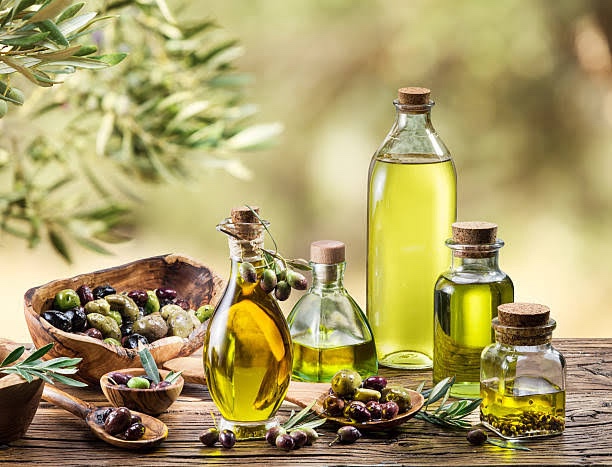
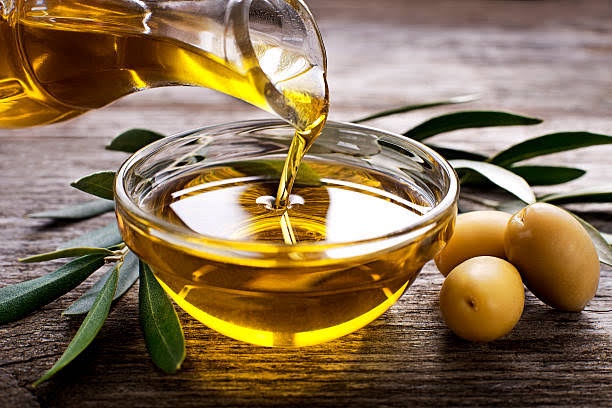
4.The cold-pressed oil of any variety, restores the natural flavour and physical characteristics of the oil like colour, taste and smell. Apart from having immense health benefits, the oil is light and good for cooking depending on the variety of oil used as per taste buds. Extra virgin olive oil is considered the healthiest as it is extracted from the freshest olives by cold pressed method.

5.Depending on the cooking culture and taste buds, there are a wide variety of cold pressed oil types in the Supermarket like olive oil, soybean, canola, cottonseed, palm, peanut, coconut, sesame, mustard, sunflower and avocado oil. Out of them all, olive oil and coconut oil are among the healthiest varieties as a cooking medium. Extra virgin olive oil, avocado oil and walnut oil varieties have been used as dressing for salads.

6.The reason of the disadvantage of cold-pressed oil is due to its low yielding while extraction and short shelf life of 3-4 months. To increase the volume of the cold-pressed oil, the raw material has to be crushed several times. The method of extraction is usually manual or simple mechanical tool of crushings used at room temperature. Then, the oil is filtered to remove precipitates or any toxins. Due to low production, the cost is usually high.

7.Nowadays, cold-pressed oil is preferred for its environmentally friendly method of extraction. Moreover, the oil is nutrient-rich with tremendous health benefit properties of lowering the risk of heart disease by reducing bad cholesterol, anti-cancer properties and anti-ageing benefits. These oils are rich in polyunsaturated fatty acids which are necessary for brain function and heart health.

8.Another important benefit of cold-pressed oil is that it can aid in the weight loss process. Since it has a high metabolic rate it can facilitate in burning of fat. It is also easier to digest due to its low cholesterol content. But, using excess oil while cooking may overshadow these benefits.

9.Some variety of cold-pressed oil has some special benefits in particular. Like groundnut oil, olive oil improves insulin sensitivity and helps in better control of blood sugar. Lignan is a powerful antioxidant found in cold-pressed sesame oil which helps in lipid peroxidation and thereby lowers blood pressure. There is strong evidence that shows that consumption of olive oil lowers the risk of cancers like breast and GI tracts cancers.

10.It is very essential to switch to a healthy type of cooking medium like cold pressed oil and use them in moderate quantities for cooking daily to lower the health risk. Nutrient-dense, high-calorie- rich oil helps make you feel fuller after eating and reduce your hunger. Together with everyday exercise and considerable hours of fasting between meals can help to maintain overall well-being.

Thanks for reading.

Peace and love 🙏

10 facts about nutty Nutmeg 🙌

Hello everyone ✋


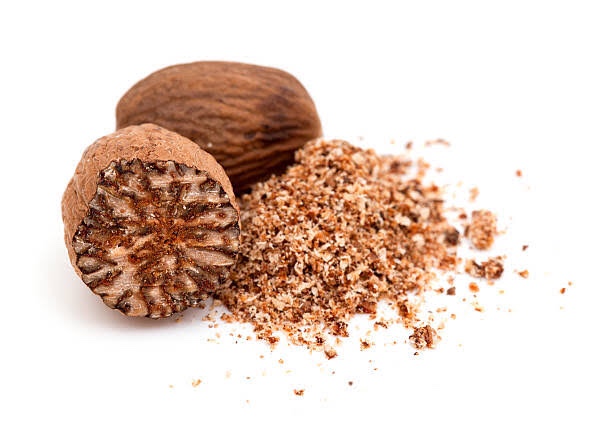
1.Nutmeg is an oval shaped spice seed commonly found in our kitchen. A native spice of Indonesia but is now popular in many cuisines used in both sweet and savoury dishes. It is available as a whole spice and as well as powdered.

2.Anti inflammatory: Studies have shown that nutmeg is rich in anti-inflammatory compounds which help by inhibiting the enzymes that promotes the inflammation process.

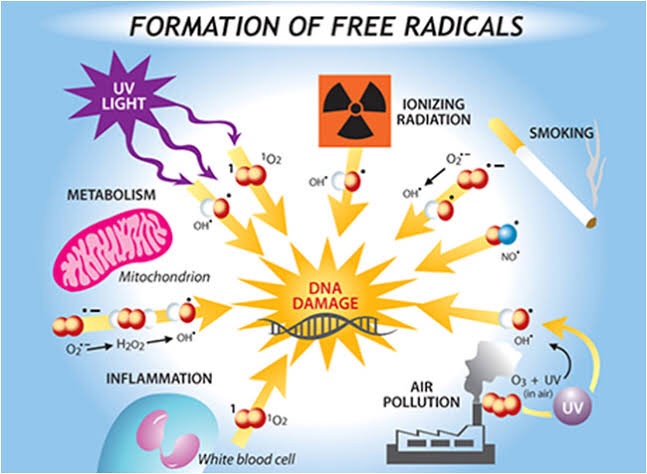
3.Antioxidants: It contains powerful antioxidants which reduces oxidative stress and keep the free radical damage under control. Therefore, it’s consumption can help in controlling the progress of certain chronic conditions like neuro degerative diseases, some cancers and heart ailments.

4.Indigestion: Nutmeg has been found to be beneficial when consumed during indigestion, abdominal discomfort and flatulence.

5.Antibacterial: Because of it’s antibacterial properties, it is effective against acne when applied in powdered form along with cinnamon and honey. It is also very helpful in cases of dental cavities, bad breath and gum inflammation.

6.Insomnia: Studies have shown that this spice helps in aiding sleep by improving both the duration and quality. Adding a pinch of nutmeg in a glass of milk before bedtime can do the trick. Research have shown that it can boost libido in men and is also a potential anti-depressant. But further studies are needed in these aspects.


7.Common cold: Since it is rich in anti bacterial properties, it is useful in cases of rhinitis and common cold.

8.Nutrition: It is a source of wide variety of vitamins and minerals like Vitamin A,C,E and minerals like maganese, magnesium, zinc and iron.

9.Toxicity: Small amount of consumption as less than 2 grams is quite safe. But consumption of larger quantity can lead to serious toxicity or even death. Cases of nutmeg toxicity has been reported in the past when used in larger quantity for recreational purposes or due to ignorance.

10.Uses: Nutmeg is a common ingredient used in various European, Indian, Asian cooking, baking dishes, curries etc. Also, we can sprinkle it in our breakfast cereal, coffee, milk, or fruit salad to add the nutty flavor.

Thanks for reading.

Peace and love 🙏

6 important facts: Probiotics and SBO supplements 🙌

Hello everyone! Have a wonderful and safe day 🙋🏻


We know by now that our gut flora is full of the microbiome. It is this microbiome flora which maintains our health and wellbeing. Previously, nobody ever worried about this microbiome flora which is natural and responsible for our good health. But in today’s time, due to consuming highly processed, refined food, heavy toxins and pesticides in food, unhealthy lifestyle, artificial farming and hybrid products, environmental toxins, this gut microbiome flora is greatly affected. The overall health and immunity status of people have suffered much. As a result, many chronic health issues like chronic inflammation, inflammatory bowel diseases, autoimmune conditions, and cancers have increased.

In the past, food used to come directly from the soil. People lived closer to nature. Nowadays, whatever food is available in the Supermarket, are all cleaned, bleached grains, vegetables, fruits, and processed refined, packaged foods. Therefore, the gut microbiome flora is shrinking slowly. This is why more and more people are suffering from gut health issues and other chronic severe conditions.

6 Important facts about Probiotics and SBO supplements:

1. Probiotics are live organisms which are found in some natural foods. They are also available in the form of supplements. There are mainly two types: Lactobacillus acidophilus and Bifidobacteria. They have become very popular in recent times because they provide the gut microbiome flora with good bacteria, improve digestion, increase immunity, and improve overall health and wellbeing.


Probiotics are found naturally in fermented foods like:
Kefir
Saurkraut
Kombucha
Natto
Yoghurt
Apple cider vinegar
Miso
Gherkins
Kimchi

3. Dairy-based probiotics are naturally found in yoghurt, especially in goat milk yoghurt and raw cheese. But, in processed cheese and poorly storage dairy products, probiotic bacteria get denatured. Sometimes, acidic ph in the stomach also can harm the good probiotic bacteria found in dairy. So, having dairy products may not provide enough probiotic in our body.

4. SBOs are soil-based organisms found in the soil, about 6 inches below the topsoil. They are found to be very beneficial to overall good health. To name a few, like Anthrobacter Simplex, Bacillus brevis and many more. Commercially grown plants and crops lack SBOs as they are no longer grown on the natural organic environment. So, SBO supplements are very much in demand.

5. SBO supplements are useful in improving overall immunity status, improving inflammation and digestion. Patients affected by chronic issues, or who undergo chemotherapy, SBOs supplements help improve gut functions and immunity status significantly.

6. While taking Probiotics and SBO supplements, one should start slowly and in consultation with a Physician. About 70%-80% of people can show marked improvement after taking supplements like improving digestion, reducing inflammation, and improving immunity. While some may show slow progress like the symptoms can slowly reduce. While there may not be any improvement or sometimes some people, there may have a negative impact. So the response is quite variable. The decision of using such supplements depends on the individual and his or her requirement. Otherwise, regular intake of natural sources of Probiotics can be very beneficial too.

Thanks for reading.

Blessings and much love to all 💐

Food for Pancreas 🙌

Hello everyone! Have a wonderful day 🙋🏻‍♀️

Courtesy; Pinterest

Thanks for reading.

Blessings and much love to all 💐

Glycemic index: 6 facts to know 🙌

Hello everyone! Have a wonderful and safe day 🙋🏻

Why do we need to know about the glycemic index of food? The answer is simple. Whatever food we eat, we should know how fast the food is digested and absorbed in our body and raises our blood sugar level. Knowing this, we can arrange our daily meal plan and maintain good health. It will help us to lose weight if necessary, and avoid lifestyle diseases like diabetes, heart diseases.

Six facts to know:

1. Glycemic index refers to how fast a type of carbohydrate consumed is digested and absorbed in the body and raises the blood sugar level. Insulin then helps the sugar molecules to be absorbed by the cells of our body for energy. To be precise, the Glycemic index is referred to the measurement scale of 0 – 100 of the rate at which the carbohydrate is digested and absorbed in the body.

2. Note that the Glycemic index is influenced by other food content also like protein and fat content, as we usually do not consume carbohydrates in isolation during a meal.

3. On the Glycemic index scale :
Low GI – Less than 55
Medium GI – 55-69
High GI – 70 or more
Low GI index means that the particular food has a slower rise of blood sugar levels but has a sustained release of energy.
High GI index means that the particular food indicates a rapid rise in blood sugar and release energy quickly for a shorter period.

4. It is relatively healthy and safe to prefer food with a low GI index as:
It reduces hunger as the energy is slowly reduced.
Helps to lose weight.
Improve cholesterol level.
It helps to lower the risk of heart disease and type 2 diabetes.

This doesn’t mean that all food with higher GI index like potatoes, rice, watermelon, dates, raisins should be avoided entirely, but can be consumed in moderation. But, we should avoid high GI foods like processed, refined, sugary food altogether for better health and wellbeing.

5. Glycemic load: This is a term which is used commonly along with Glycemic index, often as well. It refers to both the quality and quantity of carbohydrate that is eaten during the meal. It indicates how food choices in the feed would affect the blood glucose level in the body.
The equation is Glycemic load = Glycemic index, multiplied by how much quantity of carbohydrate is eaten.

6. Some practical tips:
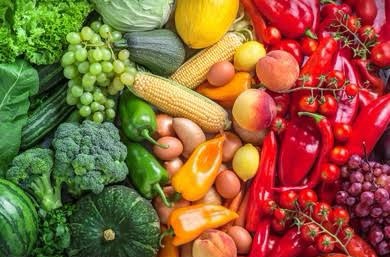
a. Fibrous vegetables are best in the sense as they are dense and rich in fibres. They are digested by the gut microbes, which in turn provide food for the microbes and in exchange causes a slow and steady absorption. Subsequently, blood sugar is released slowly.

b. Some food like eggs, lean meat, fishes, pulses, full-fat dairy, cheese are not considered in the GI index. So, these foods have little effect on blood sugar level directly. We should consume these foods regularly.

c. Enjoy daily a considerable portion of vegetables and fruits, preferably with a low GI index along with a limited quantity of carbohydrate to regulate the blood sugar efficiently.

d. Acid content in food can slow down the digestion of food so lemon, vinegar, should be added to the meal.

Thanks for reading.

Blessings and much love to all 💐

Pic courtesy :Pinterest

Immunity : 8 signs to indicate that your immunity is intact 🙌

Hello everone ! Have a wonderful and great day 🙋🏻

1.You have a bodyweight within the range of average weight, according to the height and not being overweight.
2.You have a routine, regular bowel habit.
3.You have clean and clear skin.
4.You get up fresh and remain energetic. There is an absence of laziness.
5.Experiencing a sense of hunger once or twice a day.
6.You don’t have general body ache except with injury or heavy exercise.
7. You experience a sense of wellbeing and generate positive thoughts.
8. You experience deep sleep at night.

These are general signs that indicate that your body is functioning optimally and your immunity is intact. Our body’s immunity and vitality is not acquired by having a glass of smoothy, or daily going to the gym and having a load of supplements. It is the result of what you eat, how you think and how you live.

Three simple ways to build up a strong immunity is:

1.Fasting: Fasting is the simplest and easiest way of building your immunity. Ideally,15 to 16 hours of fasting every day are good enough. It is also the easiest way of losing weight. Having everyday dinner at around 6-7 PM, and not having any meal or snacks in between except water. Then, followed by having breakfast, the next morning around 10 to 11 AM gives you fasting of at least 16 hours quickly.

2. Food: Having food which is as much as close to Mother Nature. Fruits and vegetables, in their natural form or cooking minimum to restore their nutritional value. Preferable having a one-grain meal a day like brown rice or whole wheat and having meals (1-2 times /per day) with enriched portions of fibres, healthy saturated fat, protein and carbohydrate. It is necessary for avoiding processed, refined food altogether. Limiting the intake of beverages, alcohol and having more water, instead is ideal.

3. Mind and body care: Exercising every day is a must. Instead of heavy workouts in the gym, simple exercises like walking in nature, running, jogging are ideal. Physical activity throughout the day is good enough to give you a good night sleep. It is essential to maintain a positive attitude and a calm mind, to keep stress at bay. So, meditation, yoga, mindfulness practices, spiritual practices helps to build a positive and healthy mind.

Thanks for reading.

Blessings and much love to all 💐