
1. Artificial flavouring substances are usually used in foods, beverages and some medicines too, to enhance the taste, aromas, natural-like flavours and to extend the shelf life. These artificial flavouring substances are chemical compounds produced in the laboratory to give characteristic taste and smell. Unlike natural flavours, which are naturally available, these chemical compounds are made from petroleum or synthetic agents and mixed with alcohol or propylene glycol, which acts as a solvent. The process of making and purifying artificial flavours has to maintain safety protocols, and the standards are approved by the Food and Drug Administration (FDA) and other Food authorities.
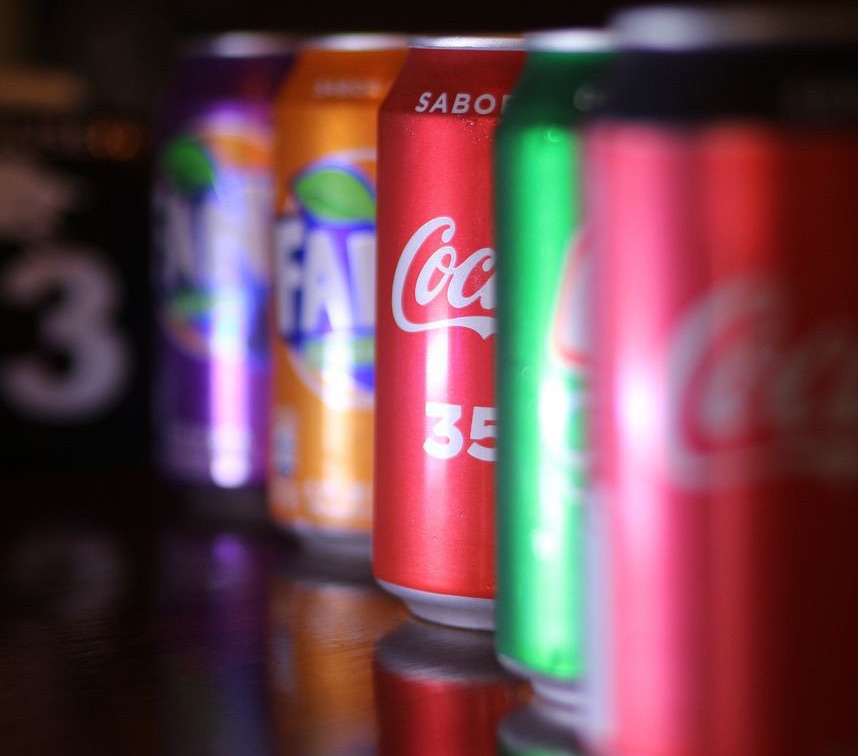
2. Laboratory-made chemical compounds are easy to extract, less expensive and can mimic the required taste and smell. Widely used in products like bakery items, processed food, candies, beverages, processed meat and dairy items. Some of the common examples of artificial flavours are:
• Ethyl vanillin, which mimics natural vanilla
• Ethyl propionate, which gives a fruity flavour
• Benzaldehyde, which gives a cherry flavour
• Diacetyl, which mimics a buttery flavour
• Smoke flavourings are smoke obtained from heated steam from wood, a mixture of carboxylic acids and phenolic compounds.
3. Natural flavouring /Artificial flavouring: Natural flavourings are nature-derived compounds from plants and animal sources, obtained by extraction and distillation through physical, enzymatic and various microbiological processes. Such as vanilla derived from natural vanilla pods, citral from lemongrass.
Artificial flavouring substances are synthetic chemical compounds which are nature-identical but not natural substances. They are produced in the laboratory by many chemical-engineered substances by flavouring preparations, thermal processes, distillation, smoke flavourings and flavouring precursors. Examples of artificial flavours are vanilla flavour derived from ethyl vanillin, Methyl anthranilate which mimics grape flavour, and isoamyl acetate, which mimics banana flavour. Artificial flavours are preferred more than natural flavours as they are cheap, easily available and easier to produce in a laboratory.
4. Artificial flavourings are safe as long as they meet strict safety regulations and are approved by different regulatory bodies and Food Safety International expert committees. Some of the well-known regulatory bodies are:
• US FDA (Food and Drug Administration)
• EFSA (European Food Safety Authority)
• International Expert Bodies like FEMA (Flavour and Extract Manufacturers Association), JECFA (Joint FAO/WHO Expert Committee on Food Additives).
• Country-specific authorities such as FSSAI (India’s Food and Safety Standards Authority), BfR (German Federal Institute of Risk Assessment).
5. Why artificial flavours? The main goal behind using artificial flavours in various food items, bakery products, and processed foods is to mimic a certain flavour, taste, smell, and crunchiness, which makes a person crave such items and stimulates the sensory organs. While consuming any kind of food, the taste receptors detect certain compounds in that particular food item and send a stimulus to the brain via nerves, which actually create the sensation of taste. So, artificial flavours are engineered in such a way that they can create a specific taste similar to a natural flavour and stimulate the taste receptors so that the person becomes addicted to that particular food item.

6. Artificial flavours and health: Though artificial flavours are safe in small quantities for consumption, some side effects are reported, such as allergic reactions, headache, fatigue, stomach pain, dizziness and chest pain. Some studies have shown a link between certain diseases and artificial flavours such as:
• Artificial flavouring compounds like diacetyl can be carcinogenic and pose a health risk.
• Artificial flavours and artificial sweeteners are found to disturb the gut bacterial flora. But more studies are required in this topic.
• Artificial colour (yellow) tartrazine is linked to allergic reactions.
• Artificial flavours and colours are linked to affecting brain health, memory and ADHD in children.
• Addiction and obesity are issues that have been linked to artificial flavours in some research and can affect the brain. The taste bud receptors send signals to the brain, which in turn releases dopamine to give pleasure. Some studies show that artificial sweeteners affect the hunger and satiety centre and lead to weight gain.
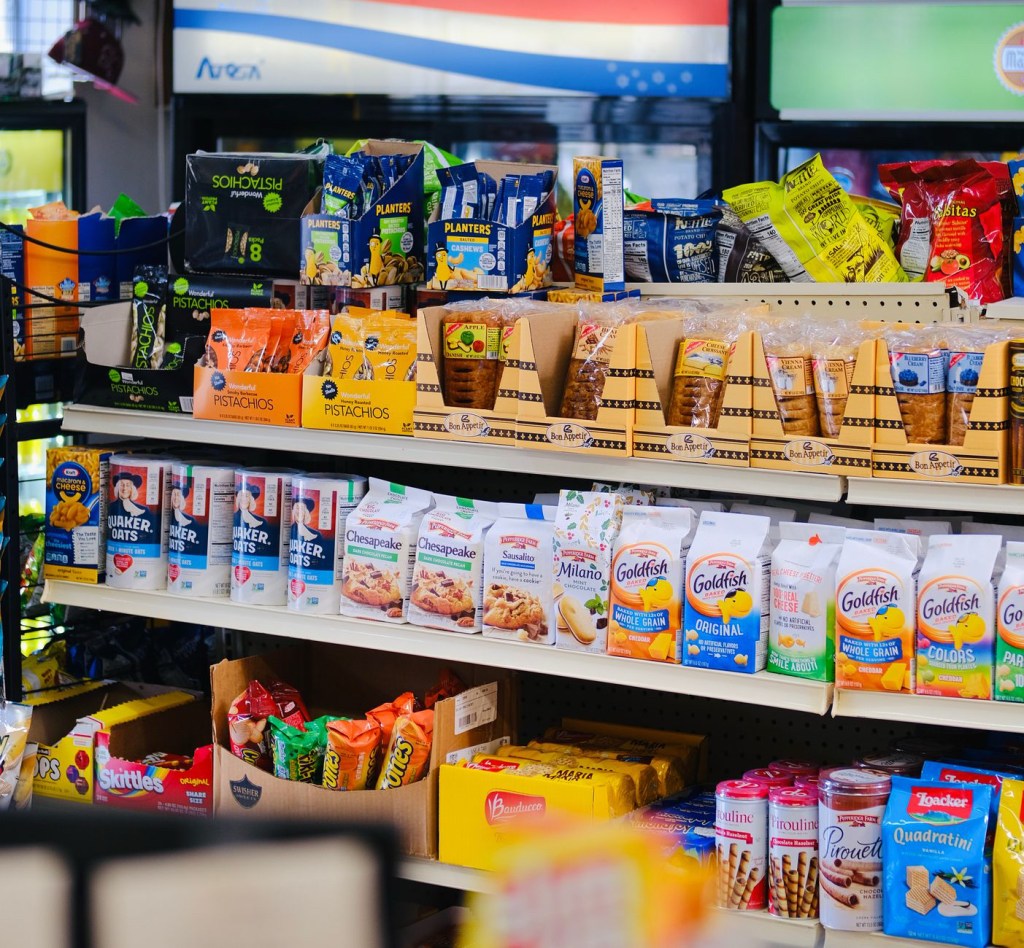
7. A wide range of products where artificial flavours are mostly used include:
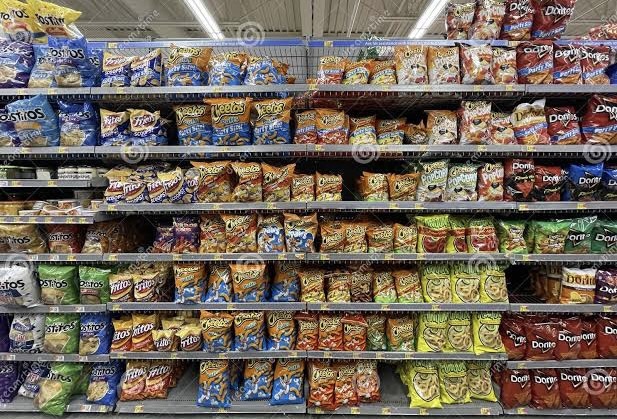
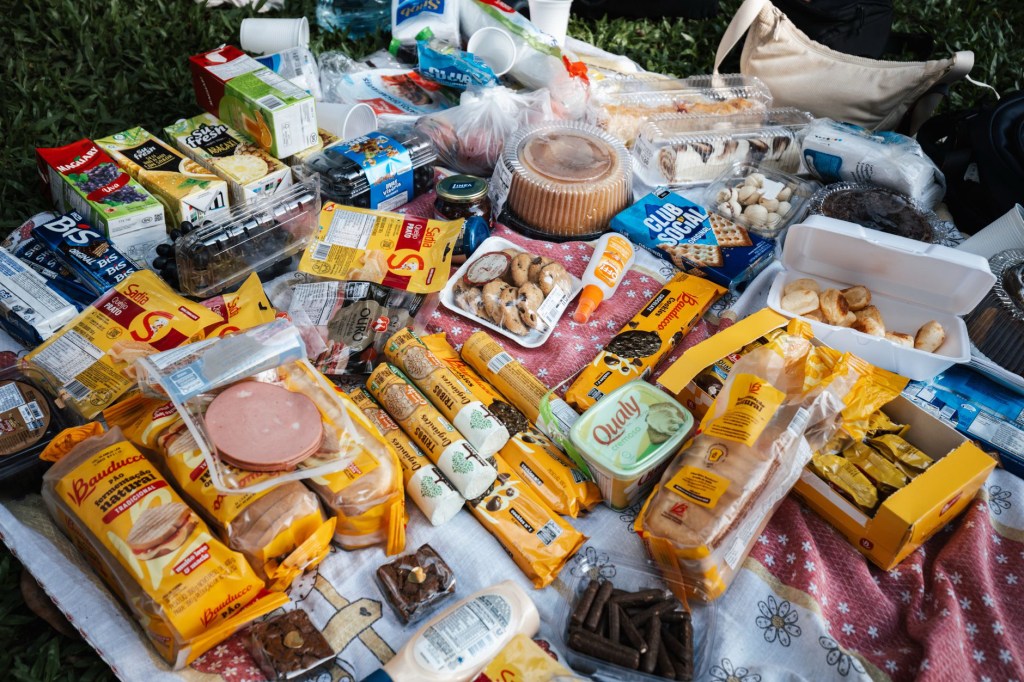
• Snacks: Cookies, candies, shakers, chips and many snack items.
• Soft drinks and energy beverages.
• Bakery items.
• Dairy items like yoghurt, ice creams, flavoured milk.
• Processed meats.
• Sauces, mayonnaise, ketchups, dressings.
8. Common names of artificial flavours which should be known by individuals so that they can be aware and selective while buying snacks, bakery or processed food in a supermarket.
• Ethyl vanillin, ethyl maltol, ethyl propionate.
• Diacetyl
• Benzaldehyde
• L-menthol
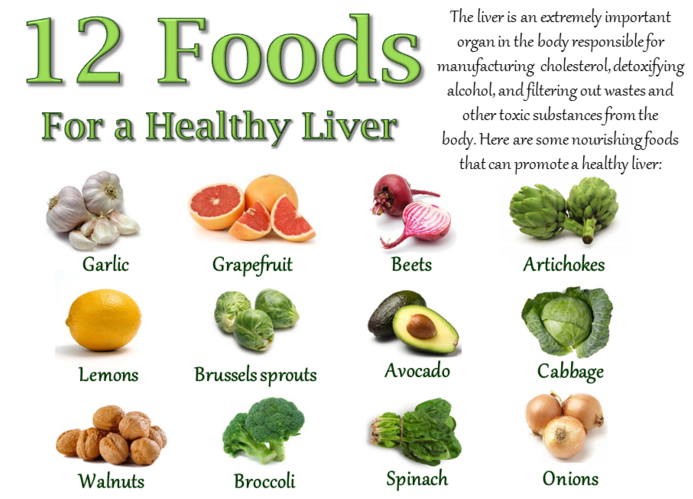
The best way to avoid eating artificial flavours and colours is to select minimally processed food items, plain dairy products, whole foods, unprocessed meat items and preferably organic food items.
9. Safe quantity: There is no standard safe quantity of artificial flavours and colours worldwide. But there are international committees, food regulatory authorities, and other regulatory bodies in each country to regulate the quantity of artificial flavours used in each of the food items before they go for consumption. Acceptable Daily Intake (ADI) limits are set for compound-specific limits, which are standardised by local food safety authorities and are decided by strict testing and toxicity tests before approval.

10. Takeaway: Artificial flavouring is very common in a wide range of food items. Realistically, you may not completely avoid food flavourings. But it is always a wise choice to prefer natural wholesome food items to processed flavouring food items as far as health is concerned. Moreover, both artificial and natural flavourings have similar effects on health, as one cannot rule out which is healthier or safer. Therefore, it is a matter of habit formation and lifestyle choices for individuals, parents and children to learn to make healthier choices for wholesome food and minimal use of processed food items.
Thanks for reading.
Peace and love 🙏