


10 facts: Is dairy essential for overall wellbeing?

1.Whether, dairy is good or bad, still remain subjective. Dairy commonly known to offer many nutritional benefits, but it is not absolutely essential for maintaining overall health and well-being. In ancient times, when survival was challenged by harsh weather conditions, humans began consuming raw animal milk due to a scarcity of food. As these populations migrated from one geographical region to another, they gradually developed genes that allowed for lactose tolerance. This is how dairy became incorporated into the human diet. Today, many individuals may find dairy consumption uncomfortable.

2.Research has shown that though dairy is a good source of protein and calcium, it is not mandatory that without them, you can be deficient in this nutritional benefit. Having a regular balanced diet which is rich in pulses, leafy vegetables, and nuts can provide you with a better source of protein, calcium and loads of other nutrients than depending on dairy products. Though milk has been considered as wholesome food for both children and adults and is consumed throughout the millennia, many studies have shown cases of lactose intolerance and health risks to individuals through dairy. So, if you are not tolerant of dairy, it is important to avoid it, as there are plenty of other food sources which can provide the same nutrients.

3. Lactose intolerance: People who are lactose intolerant lack the enzyme lactase, which breaks down the sugar in milk. So, such individuals suffer from digestive distress and have different symptoms after consuming milk and dairy products. About 65% of the world’s population suffers from lactose intolerance. Lactose is found in almost the same amount in both A1 and A2 milk. So, people with lactose intolerance should avoid both A1and A2 milk. People with lactose intolerance may suffer from symptoms :

• Gas.

• Bloating.

• Stomach pain.

• Vomiting.

• Diarrhoea.

4.Studies show lactose intolerance is mainly due to gut sensitivity and lactose malabsorption. Most of the varieties of milk and milk products contain lactose, such as cow, goat,buffalo or sheep. Again, fresh milk, curd, and cream contain more lactose than cheeses. Lactose in dairy is used in many other products like processed food, biscuits, cookies, soups,snacks, and dressings. Therefore, if you are sensitive to lactose, all these food items can cause trouble when consumed. People need to read the labels of ingredients while consuming such products. Nowadays, many dairy products are made with the lactose being removed, such as some cheeses, lactose free milk, yogurt.

5.Allergies: Allergy to milk or dairy products can appear as early as childhood, wherein there may be mild to severe symptoms on consuming them. This is an atypical immune response resulting in various symptoms. Sometimes, it is life-threatening, which is known as an anaphylactic reaction.But, fortunately, with growing age, most of the time, the allergy disappears and dairy can be consumed without difficulty. In some individuals, the allergy can continue lifelong. Cow’s milk contains an allergen which triggers an immune response. But, some people may be allergic to other milks too, like sheep, goat or buffalo. Milk allergy is caused by milk proteins like casein and whey. Symptoms can be:

• Tightness of throat

• Swelling of the tongue

• Hives

• Stomach pain

• Vomiting, diarrhoea

• Persistent, cough, dizziness.

6.Inflammation: Though dairy may not be related to inflammation in most people. But studies do suggest that some people may be sensitive to beta-casein A1 protein found in most of the cow’s milk, which is connected to systemic inflammation. Long-term consumption of dairy is found to have a lowered anti-inflammatory effect in the body in those who have pre-existing conditions, metabolic abnormalities and are overweight. Some studies showed that milk processing causes changes in the basic components of milk, which can trigger inflammation in some individuals.Different small studies showed that raw milk consumption, due to its vast microbiota, increased the release of cytokines, which had a pro-inflammatory response. Again, UHT, homogenised high-temperature milk also showed pro-inflammatory cytokine release production both before and after digestion. Therefore, dairy can be inflammatory in some individuals depending upon some pre-existing conditions of autoimmune, metabolic and degenerative chronic conditions. Observation is important to pinpoint the type of food which can trigger an inflammatory response.

7.Several types of milk are available in the grocery aisle of a supermarket, including whole milk, low-fat milk and skimmed milk. Apart from this, several varieties of milk and dairy products of different sources like cows, buffalo, sheep and goat are available. Organic milk and grass-fed milk, which are anyway organic, do show a higher amount of Omega-3 than regular milk. Saturated fat contained in milk previously did show a relation to a higher risk of cardiovascular disease and stroke. But recent studies did not show direct evidence of this correlation. In terms of calories, Skim milk can be a better choice, which is loaded with vitamins, minerals, calcium and fewer calories.

8.Calcium absorption: Though in children and infants, calcium is absorbed about 50-60% from milk. But, as age increases, calcium absorption starts declining. It decreases about 25% as age increases and continues to decline. So, calcium from milk sources hold no significant for maintaining bone health. Chronic conditions like osteoarthritis and osteoporosis appear as age advances due to calcium malabsorption. So, to optimise calcium intake, other calcium rich food, calcium supplements should be taken to strengthen bone and muscles.

9.Commercial milk, mostly in Western countries, is produced by a breed of cows (Holstein, British Shorthorn, Friesian) whose milk contains A1 beta-casein. Research shows that A1 casein is difficult to digest and may create digestive issues in some individuals. A2 beta-casein milk protein are found in breeds of cows like the Indian breed, Guernsey, Jersey, which is much lighter and healthier for gut health. Most regular commercial milk contains both A1 and A2 beta-casein, while A2 milk marketed contains only A2 beta-casein.

A small amount of oestrogen naturally found in milk has no harmful effect on humans. Commercial farms inject synthetic growth hormone into cows for fast growth. Exogenous oestrogen is injected into pregnant and lactating cows to increase milk production. This is also done in other animals like buffalo, sheep and goats. Studies showed that such commercial milk consumption can lead to gonadotropin suppression in men and early sexual maturation in prepubertal children. But, most cheeses do contain medium chain triglycerides, which are healthy for the body and mostly the hormonal effect is gone.

10.Dairy as a food type is a range of heterogeneous items, ranging from different varieties of milk and milk products from different sources. Though dairy continues to be an easy and common source of nutritional benefits, many studies do highlight the harmful effects of dairy on human health. Therefore, some people have considered going dairy-free. In general, dairy is not necessary for overall health and wellbeing; there are other ample sources of food items like plant-based milk, green leafy vegetables, legumes, nuts and seeds, quinoa and oats to maintain health and wellness.

Thanks for reading.

Peace and love 🙏

10 facts: Is hydrogen water a hoax or is it real?

1.Hydrogen water, also known as hydrogenated water, is simply regular water infused with hydrogen gas. The regular water is H2O with extra H2 gas added, which is what makes hydrogenated water. This hydrogen-rich water has become quite popular nowadays as it has been found to have health benefits. Manufacturers are now selling hydrogen water bottles across the globe for it’s health benefits. Extensive research has not been done so far, regarding the use of hydrogen water. Yet, it has been very popular in some countries, such as Japan.

2. As far as nutritional benefits are concerned, hydrogen water is the same as regular water in terms of calories, protein, fat, and carbohydrate which is nil. However, some manufacturers and providers do add trace amounts of vitamins A and C, magnesium, potassium and sodium sulfate to enhance the nutritional benefits. As already mentioned, not much research has been done in this context, but some experts do believe that drinking hydrogen water is beneficial for health.

3. Anti-inflammatory: Hydrogen water does contain anti-oxidants. Anti-oxidants fight inflammation and reduce oxidative stress. Every day, our body is inflicted with various types of physical and mental stress, which comes from external forces like pollution, sun exposure, toxins from the environment, food, day-to-day mental stress of various nature, also from normal body functioning, all these factors are sources of inflammation, diseases and cancers. Therefore, molecular hydrogen can help to some extent to combat oxidative stress and reduce inflammation.

4. Endurance and Mental health: Several studies have shown some positive results of increasing endurance and lowering fatiguability after drinking hydrogen water. It does show performance improvement, increasing energy, and endurance in the case of athletes, though scientifically, still not verified. It has been found to lower physical stress and reduce recovery time after heavy workouts.

Some studies on mental health have shown that drinking hydrogen water daily for 4 weeks showed marked improvement in mood disorders, panic disorders and anxiety.

5. COVID-19: More research is still needed to establish the fact, that hydrogen water consumption did slow down the immune response which is known as a “cytokine storm”. The use of hydrogen water was useful to reduce the cytokine response of Covid 19 virus which otherwise could lead to organ failure. But, as already mentioned, more studies are required to clarify that hydrogen water can potentially treat Covid 19.

6. Liver and kidney functions: Studies of cases of non-alcoholic liver diseases, cases of hepatitis –B virus, drinking hydrogen water has shown positive results in lowering fat storage in the liver, aiding the treatment process and improving the liver function. But then, research is limited in such cases too. A study on dialysis patients has shown, that intake of hydrogen-rich water caused improvement in renal function and BUN (blood urea nitrogen).

7. Cancer treatment: Hydrogen water does show positive results in aiding cancer treatment. Since hydrogen water contains anti-oxidants, and acts as an anti-inflammatory, an immune booster does give promising results during cancer treatment by improving both physical and oxidative stress. A study regarding colo-rectal cancer showed anti-cancer properties.

8. Metabolic syndrome: Metabolic syndrome is a condition which includes high blood pressure, high cholesterol, high triglycerides, obesity or excess belly fat. The risk factors of metabolic syndrome are oxidative stress and chronic inflammation. Some studies have shown that intake of hydrogen water around 1 litre daily, in individuals on a 10-week study marked a significant reduction of risk factors of metabolic syndrome and showed a favourable effect on the metabolic processes in the brain and even ageing.

9. Negative effects: As far as health experts are concerned, there are no known side effects of drinking hydrogen water. Research is still not enough to establish even the health benefits thathave been claimed so far. More studies are required to verify the health benefits. In the case of individuals with high-intensity workouts, athletes, and chronic kidney diseases, there can be a risk of hyponatremia in drinking excess hydrogen water.

10. Though several studies do show potential health benefits of drinking hydrogen water over regular water, but still, continuous trials and more studies are still required to establish the benefits. Many manufacturers are selling hydrogen water bottles which are quite expensive. Again, depending on the source of water, the authenticity of brands is important to avail the actual health benefits claimed. The bottom line is that there is still not 100% proof of the potential health benefits. If affordability is there, there is no harm in using hydrogen water for drinking, otherwise, regular drinking water is great as well.

Thanks for reading.

Peace and love 🙏

Dealing with emotional thoughts: A perspective 🙌

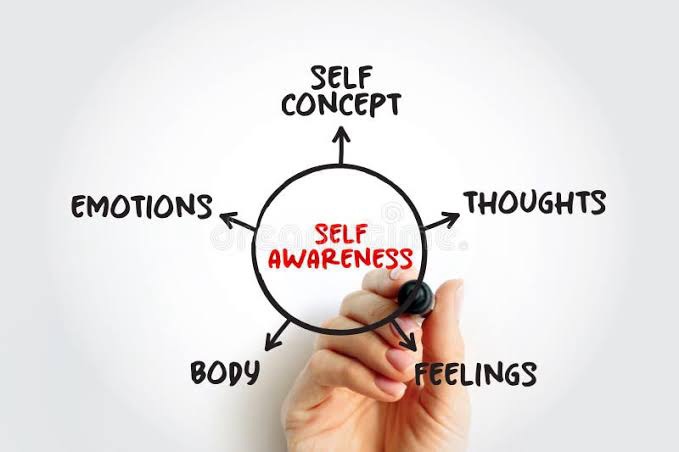
Emotions are subjective yet universal among all humans. They significantly influence our daily lives, decision-making, behavior, relationships, psychological states, and physical health.

Our emotional thoughts arise from emotional reasoning in response to situations, people around us, events, and past experiences. Emotional responses trigger our thoughts, feelings, actions and behaviors in reaction to external events, situations, or circumstances. Thus, emotions play a crucial role in our everyday lives and the decisions, we make.

Research states that all things in the Universe are made of energy which has a vibrational frequency. Emotions too, have amplitude and frequencies. Positive emotions like peace, love, and joy are found to have higher frequencies as compared to negative emotions like anger, fear, guilt, and sadness. According to the frequency chart, emotions like guilt, and shame have as low a frequency of 30-20 Hz to emotions like love, peace have as high as 500-600 Hz. Studies often link low frequency to disease state, depression and stress. Negative thoughts and feelings can often create a low vibrational frequency state which can create anxiety, and stress and affect our physical health.

Studies have consistently shown that negative emotional thoughts and feelings can significantly affect our physical health and overall well-being. The importance of the mind-body connection and the gut-brain connection highlights how our physical body responds to our thoughts, feelings, and mental state.

While unwanted changes, negative experiences, and challenging situations are a part of life, learning to manage our emotional state and well-being is a significant challenge—but it is certainly not impossible. Events such as:

Death of a loved one

Suffering from an illness

Getting laid off from a job

Divorced

Getting married, having a baby

Financial issues

Dealing with a pandemic or war-like situations

Cheating partners

Domestic violence

Physical health often suffers when emotional health is struggling. During times of emotional crisis, many individuals may seek an escape through unhealthy coping mechanisms such as alcohol abuse, drug abuse, or binge eating, attempting to suppress their emotional turmoil. Unfortunately, this approach does not lead to healing and can result in disastrous consequences. The list of physical impacts and symptoms experienced in a state of emotional stress is extensive.

Physical symtoms frequently seen as:

Palpitation

Chest pain

Back pain, neck stiffness

Fatigue , tiredness

Poor sleep, insomnia

High blood pressure

weight loss / obesity

Stomach upset like bloating, acidity

Physical signs of our mental state can often be quite apparent. Additionally, there are mental symptoms that we or those around us may observe, even if we attempt to deny them. Here are several such signs:

*Resisting to acknowledge the thoughts instead of accepting

*Not self-realising and accepting the present situation

*Trying to control the situation or the people around

*Suppressing emotional thoughts and feelings instead of expressing

*Living in blame

*Focussing on lacks

*Forgetting gratitude

Dealing with emotional thoughts is not easy. It’s important to remember that while I cannot control external events or situations, I can influence my own mental state to cope and adapt positively. Here are five simple tools that can help bring about a positive shift in the mental state:

1.Self-Responsibility: Recognizing and taking responsibility for our mental state is crucial. Often, we create more pain and hurt from emotional thoughts and feelings by overthinking and getting caught in repetitive loops, rather than addressing the actual situation. It’s important to remember that 95 to 98 percent of our worries are self-created rather than based on reality. Only about 2 to 3 percent of our concerns are truly justified. Therefore, it’s essential to become aware of and take responsibility for our mental state, as this is the first step towards creating positive change.

2. Let go of control: We have to understand that we cannot control everything that happens in our lives. We have to let go and trust the Divine and timings of life. Letting go is important to heal and restore balance.

3.Journaling and practicing gratitude: Daily journaling can release deep thoughts that might otherwise feel heavy and hurtful. Practicing gratitude and maintaining a thankful mindset can elevate our vibrational frequency and promote healing.

4. Healing the Sacral Plexus Chakra: According to Yogic science, the sacral chakra is responsible for maintaining emotional balance, creativity, and a sense of vitality. To heal this chakra, engaging in yoga and physical activities such as dancing, swimming, and savoring life’s simple pleasures— like playing with a child, listening to birds chirping, or enjoying the sound of flowing water—can help release blockages.

5. Daily Affirmations: Choosing words and phrases that align with your life goals, such as mantras or sacred verses, can significantly enhance your positivity and resilience. Reciting these affirmations each morning can set a positive tone for the day. Some powerful examples include: “I trust the Universe,” “I am strong and powerful,” and “I let go” “My food nourishes my body and mind”.

Every day, we experience a wide range of emotions based on external events, past memories, current situations, and various circumstances. It is essential for us to recognize our emotional limitations and boundaries in order to protect our mental well-being. One of the most important things we can do is to let go and trust the Supreme, the Divine, as not everything is within our control.

Self-reflection is crucial for restoring our emotional balance. Engaging in daily activities such as meditation, yoga, chanting, and appreciating the small joys in life holds great significance in achieving mental equilibrium. Finally, staying grateful and expressing our thankfulness for this journey of life is truly fulfilling.

Thanks for reading.

Peace and love 🙏

Silent Sunday 🌻

Peace and love 🙏

10 facts: How Radon enter our homes 🏠?

1. Radon is a naturally radioactive gas released from soil, water, and rocks. It is invisible, tasteless, and odourless. According to WHO, this gas is a potential health risk to the human population.Studies show that this gas is the second leading cause of lung cancer, next to smoking. When radon decays, it produces radioactive dust, which, when inhaled for a long time, can damage lung tissues, causing lung cancer. Therefore, it is considered a human carcinogen.

2. Research shows other potential health risks related to inhalation of radon gas exposure are Parkinson’s disease, Alzheimer’s disease, and dementia. Radon gas poisoning is considered hazardous to human health. There is no specific threshold up to which level it can be considered a health risk. Even a small concentration of long-term exposure can cause lung cancer.

3. In Nature, radon is everywhere. But in some areas, radon is present in higher levels like near coal mines, limestone caverns and near surface of bedrock. Soil with high permeability, soil of a slope or hill, soil close to bedrock, mining plant, oil refineries are found to have higher concentration of radon.

4. How does radon exposure affect human life on a day-to-day basis? Buildings which are homes, offices, and educational institutions like schools, colleges, and shopping malls, where we spend most of our hours cause the exposure to this harmful gas. Radon gas is trapped in cracks of walls, floors, in the basement, crawl spaces, in the drainage system like pipes, wires that are not sealed properly. Bulding materials like concrete, granite also emit radon but in low levels.

Cracks on walls

5. Radioactive particles are released when radon gas decays, which are inhaled in the lungs when breathed. The particles get deposited in the lung tissues over a period causing damage to lung tissues. The onset of the disease and the period of exposure can be many years. Many risk factors can influence like:

• Age and duration of exposure.

• Concentration of exposure.

• Climate-like exposure is higher in winter than in summer.

• Water sources.

• Smoking.

6. Children are more vulnerable to radon exposure as they breathe faster than an adult. Young children’s lungs are different in shape and size as compared to adult lungs. These factors make them at greater risk of high level of radon exposure than average adult. But there are not yet, any concrete studies to prove that children have higher risk of lung cancer than adult due to radon exposure.

Reservoir

7. Radon is present in water of the reservoirs, lakes, rivers and underground sources. So, home water supply coming from a treatment facility is much safer than coming directly from underground sources and wells. People working in underground work like coal mines, other metal mining businesses, fertilizer factories, oil refineries are more vulnerable to radon exposure.

Lake

8. Safety measures to reduce radon gas exposures at homes are like :

• Proper ventilation and airflow inside the house by opening windows, using fans and air conditioning.

• Using safe treatment water supply.

• Sealing cracks in floors, walls, and pipes with materials recommended for these purposes.

• Prevent smoking inside the house as well as outside.

• Using radon-resistant techniques while in the construction phase of the building rather than later.

9. Testing: If the radon level is never tested at your house, it is important to contact a Professional use a Test Kit or install a radon reduction system. However, every Country has their safety standards, but usually radon level of 4 pCi/L or above is not safe. Below 2pCi/L is considered safe.A radon reduction system is usually important to install in such homes. While buying a property, renovating, and repairing, the radon levels need to be measured before and after.

10. As already mentioned, radon present everywhere in the environment is not a health risk factor to the human population. Trouble occurs when radon exposure reaches inside homes or the buildings that people live or visit daily like schools and offices. So, it is important to have general awareness, using regular radon testing kits, installing radon reduction system if necessary, safety measures to reduce exposures and safe water supply. Homes and buildings below 2pCi/L is recommended and safe for human dwelling.

Thanks for reading.

Peace and love 🙏

8 facts: Broken Heart Syndrome 💔

1.Broken heart Syndrome is a temporary heart condition known as Takotsubo cardiomyopathy, as it was first described in Japan in 1990. This condition of the heart weakens the left ventricular muscles, making blood pumping difficult. The condition is associated with a severe emotional episode, extreme physical stress, loss of a loved one, sudden illness, or a serious accident.

2.Broken heart syndrome symptoms may mimic the classic symptoms of a heart attack like pain in the chest, severe pressure or heaviness in the chest, shortness of breath, fatigue and cold sweats. Pathologically, there is no actual blockage in the coronary arteries. Research shows that extreme emotional, and traumatic stress, the rise of catecholamines and stress hormones like adrenaline causes the heart muscles or the coronary arteries to stun the heart temporarily, preventing the left ventricle from pumping blood effectively.

Ballooning of left ventricle

3. Studies show about 90% of the cases are women and many of them recover without any long-term damage. The exact cause is still not known. But the common causes which are found to be:

• Sudden loss of a loved one.

• Severe physical pain.

• Sudden illness.

• Domestic violence.

• Serious accident.

• Huge financial loss.

• Intense fear.

4. Though physical symptoms and ECG changes like ST segment elevation can misdiagnose a heart attack, other imaging studies are required to rule out a heart attack. The most common diagnosis of Broken heart syndrome is no evidence of blockages in coronary arteries which on the other hand, is a classical sign of a heart attack. In the echocardiogram, there is a bulging of the lower part of the left ventricle seen in Broken heart syndrome, which resembles a tako-tsubo (a Japanese octopus trap pot), hence the name is derived. This is quite a confirmatory sign of Broken heart syndrome or Takotsubo cardiomyopathy.

5. To sum up the differences between Broken heart syndrome and heart attack are:

• The angiogram shows no signs of blockage of coronary arteries.

• Blood work, especially enzyme levels shows no sign of heart damage.

• An echocardiogram shows abnormal bulging or ballooning of the lower part of the left venticle so, also known as Balloning heart syndrome.

• Recovery is faster within days to a couple of weeks.

6. Broken heart syndrome is not usually fatal, and under treatment and observation, the individual recovers within weeks to a month. The prognosis is good and there is also less risk of such episodes in future. But in rare cases, it may become fatal causing severe short-term heart muscle failure. Research continues to learn more about the diagnosis and treatment of cases of Broken heart syndrome.

7. There is no standard treatment for Broken heart syndrome and is mainly individual-specific. Medication is required to reduce the stress on the heart muscles. Medications like Angiotensin-converting enzyme inhibitors (ACE), Beta-blockers, diuretics, and blood thinners are used to heal the heart muscles and prevent further episodes. Complete recovery is likely within a month or so.In addition to this, management of stress is also required to prevent such episodes in future.Regular follow-ups are required for the individual.

8. Broken heart syndrome or Takotsubo syndrome has been researched to have certain general pre-disposing risk factors like smoking, hypertension, obesity, diabetes, pulmonary diseases, malignancies, neurological diseases and psychological disorders. Evidence also shows higher prevalences in females compared to males. Although routine checkups, ECG, blood work and echocardiograms are necessary at regular intervals, it is important to work on stress factors like meditation, yoga, deep breathing and mindfulness techniques.

Thanks for reading.

Peace and love 🙏

8 facts: Are CoQ10 supplements actually necessary ? 🙌

CoQ10 supplement

1.We have often encountered a supplement named CoQ10, commonly seen in the drug aisle of a supermarket. Let’s know, what exactly CoQ10 is. Well, it is Coenzyme Q10, a fat-soluble, vitamin-like molecule, which is naturally present in every human cell. It is a powerful antioxidant that converts food into energy. Like all other antioxidants, it can neutralize the free radicals and prevent oxidative stress. Therefore, it can prevent us from many chronic health problems and slow down the ageing process.


2.Clinical studies have suggested that CoQ10 plays a significant role in:
It may help in preventing heart-related problems.
Improving the overall immunity.
Improve physical endurance.
Improves male fertility.
Prevent migraine.
Improves blood sugar level in diabetes.
Supports treatment of neuro-degenerative disease like Parkinson’s disease.


3.Evidence-based studies show that people who have a history of heart failure show reduced incidence of heart attack when they take CoQ10 supplements daily along with conventional medications. But then, it has to be prescribed or taken under expert guidance. Several studies have shown similar preventive or improvement levels in cases of heart issues like high cholesterol, high blood pressure, congestive heart diseases and heart damage caused by chemotherapy.


4.CoQ10 supplements have no approval from the FDA or other Drug Regulatory Authorities for the treatment of any medical conditions. However, yet it is easily accessible and available as the over the counter supplements and has been quite popular. It is often recommended as a dietary supplement by many Physicians and Specialists as a supportive therapy to conventional
treatments.

Food sources

5.Naturally dietary sources of CoQ10 intake are enough for overall well-being. Dietary sources are wide variety of whole grains and oily fishes. CoQ10 supplements are not necessary for a healthy individual who has a balanced diet. Supplements of CoQ10 is only necessary for those who suffer from CoQ10 deffeciency, or have health issues like heart disease, migraine, neuro-degenerative
disease or other chronic health conditions. It is not advisable to pick a supplement bottle from the supermarket aisle and start popping unless clinically recommended.

Nuts and seeds

6.As already mentioned, the human body makes enough of CoQ10 as much as it needs. The body content is about 500 to 1500mg and it declines with ageing. The food sources are organ meats, fatty fishes like salmon, sardines, trout, mackerel. As for vegetarians, soya products like tofu, soy milk, and soy yogurt are good food sources. Nuts and seeds, lots of vegetables including broccoli are rich sources of CoQ10.


7.Though CoQ10 supplements do not have major risk or side effects, it is still not advisable to take unless necessary for specific health issues. Some side effects of supplementation can be diarrhea, nausea, heartburn. It may interact with medications like blood thinners with further lowering of blood pressure, or in case of diabetes, subsequent lowering of blood sugar along with hypoglycemic drugs.


8.Due to certain chronic health issues like heart problems, migraine, fertility issues or
neurogenerative conditions, Physicians do recommend CoQ10 supplements. There is no standard dose as such. Depending on the individual’s requirement, dosage varies from 60-500 mg daily. The highest dose recommended daily is about 1200 mg. As it is a fat-soluble substance, it is best absorbed with a fatty meal and better if taken at night.

Thanks for reading.

Peace and love 🙏

8 facts: Giloy, an understated herb 🪴

Hello everyone 🙌

  1. Giloy is a herbaceous plant, a climbing shrub, where every part of the plant including the stems has various medicinal benefits. It is mainly grown in the Indian subcontinent, many Asian countries including China, Thailand, Philippines, Myanmar, tropical regions of Australia, and North and South Africa. It prefers a warm tropical climate to grow. Despite its holistic health benefits, it is still not known to many. Scientifically, it is called Tinospora cordifolia.
  2. Giloy is considered an essential herb in Ayurvedic medicine. For centuries, people have been using this herb to treat a long list of health ailments, including infections, fever, asthma, diabetes, gout, diarrhoea, jaundice, urinary problems, and skin conditions.

3.Research studies have found that giloy has many potential compounds like alkaloids, terpenoids, lignans, and steroids which have therapeutic benefits. Studies have also found that the herb contains anti-inflammatory and antioxidant properties which can fight oxidative stress and prevent microbial growth of viruses, bacteria and fungi.

4.Studies show that the entire herbaceous plant including roots, stems, and leaves have medicinal properties. The stems of the plants, especially are potent anti-stress, antioxidant, anti-diabetic, anti-arthritic, anti-allergic, anti-inflammatory, immunomodulatory and anti-cancer properties. Giloy also aids in digestion and gut health.

5.Some studies have shown that the alkaloids found in giloy called berberine work like the medicine metformin and help to reduce blood sugar. It can be effective in controlling blood pressure and reducing the level of LDL( bad cholesterol), hence lowering the risk of heart disease.

6.Lab studies have shown that Giloy can be effective in treating seasonal allergies, and skin conditions like scabies and hay fever. It is effective in controlling asthma. Studies show that it can strengthen the immune system and fight against many pathogens like Klebsiella pneumonia, Pseudomonas, Ecoli and many more.


7.Though Giloy doesn’t have harmful side effects, it is important to use it under expert guidance. The herb can interfere with medications like diabetic medicines, anti-hypertensives, and autoimmune medications. It should be avoided during pregnancy and breastfeeding. Commercially, it is available in capsule form, powder form and tincture. The dosage can be different in different forms depending upon the manufacturer’s preparation. So, it is important to read the label and dosage before buying and using the product.


8.Depending upon the recommended dose on the label of the package and under expert guidance, giloy can be consumed safely with the best outcome. However, in the case of auto-immune diseases like Crohn’s disease, and lupus, the immune system can be overstimulated. Side effects like hypoglycaemia, dizziness or stomach irritation might appear in some individuals. The recommended dosage is about 2-6 gm in the case of adults and less than 500mg in the case of children in either powder or capsule form. Giloy juice can be taken in 2-3 teaspoonfuls with water on an empty stomach in the morning.

Thanks for reading.

Peace and love 🙏

Butyrate is the latest buzzword! Is it just a hype or the reality? 10 facts 🙌

Butter is a rich source of butyrate

1.Butyrate is a short-chain fatty acid (SFCA) released during the fermentation of dietary fibres by the gut microbiome. It plays an integral part in supporting gut health and overall well-being. It is an energy source for colonocytes which meet about 70% of their needs. Evidence has shown that this SFCA has tremendous health benefits ranging from immunity support, lowering inflammation, preventing cancers and fighting ageing. Hence, it is the latest buzzword, doing rounds in social media and among advertisers.

2.Recent studies have clearly shown that butyrate plays an important role in both the host and microbial functions in gastrointestinal health. It is a crucial energy source for colonocytes. An optimal level of butyrate promotes and maintains a healthy microbiome level, reduces inflammation, and supports colonocyte functions. It has protective actions against certain intestinal diseases like inflammatory bowel diseases and colon cancer.

3.Butyrate has been shown to prevent the process of inflammation in the gut which can be caused by pathogens, the body’s overreaction (allergic reactions) and oxidative stress. Chronic inflammation in the gut occurs when the gut’s immune system is constantly fighting against these pathogens and free radicals causing the immune health to be weakened. Eating a considerable amount of fibres causes to production of an optimal level of butyrate which helps in protecting against this inflammatory process.

Dietary fiber is a good source of butyrate

4.Studies have shown a great impact of butyrate on obesity. Butyrate is found to lower body weight and decrease lipogenesis in the liver and adipose tissues. It increases fatty acid oxidation and prevents fat accumulation in the body thereby reducing obesity. Butyrate is produced by the fermentation of dietary fibres, so it suppresses the food intake and reduces body weight and fat mass.

5.Animal and cell studies have shown that butyrate increases insulin sensitivity, helps in reducing weight gain, and obesity and promotes weight loss. It helps in maintaining blood sugar levels.

Dairy products

6.Another significant property of butyrate has been shown in research that it promotes cell differentiation. Normally, our cells have the ability to change into any specific type of body cells required like liver cells, heart cells, intestinal cells or blood cells. If the cells are not properly differentiated, then, abnormal growth or tumour appears. Butyrate is found to promote cell differentiation.

7.Studies have shown that butyrate plays an important role in the brain-gut connection. It helps in increasing Brain-Derived Neurotrophic Factor (BDNF), removes toxic byproducts from the brain and prevents brain fog. It promotes neuroplasticity and improves rapid eye movement sleep by 70%.

8.Butyrate helps to regulate the blood pressure level. Studies show that the level of butyrate inversely corresponds to the blood pressure level. A higher butyrate level gives a lower blood pressure level while low butyrate may lead to the rise of high blood pressure.

Leafy veggies

9.Sources of butyrate are :
Dietary fibres like vegetables like garlic, onion, tomatoes, beans, peas, leafy vegetables, broccoli. Fruits like bananas, apples, pears, kiwis.
Whole grains like brown rice, oats, wheat, barley, rye and pulses, legumes.
Dairy sources like milk, cheese, butter, and ghee.
Others like dark chocolate, seeds, nuts, and seawood.
Butyrate supplements are available in the form of sodium, calcium/magnesium butyrate but need to be used as per supervision as they may interfere with other medication.

10.It is important to know that consuming full-fat dairy products like butter, Ghee, cheese, and milk are rich sources of butyrate. However, consuming these products can cause the risk of elevating the level of cholesterol in the body as they are rich in saturated fatty acids too. Therefore, the risk of cardiovascular diseases and obesity may rise. So, the key point to be noted while consuming these products is having them in moderation along with lots of dietary fibre and plenty of water can benefit and maintain the balance.

Thanks for reading.

Peace and love 🙏
10 facts to know about constipation 👐

  1. According to medical terminology, constipation is when a person has irregular bowel movements, usually less than three times a week. Normally, a person with regular bowel movements has stool elimination three times a day to three times, a week. Constipation has been the most common gastrointestinal issue affecting millions of people daily.
  2. Normally, the food passes through the large intestine, and the water is absorbed in the colon while forming the faecal matter or stool. Then, the stool formed in the colon is pushed down to the rectum by muscle contraction. If the muscle contraction in the colon is prolonged, by the time, stool reaches the rectum, more water is absorbed making the stool too hard to pass. Passage of the dry hard stool becomes very difficult causing constipation.
  3. The most common causes of constipation are: Lack of movement, lack of exercise, stress. Lack of fibre in the diet.
    Not drinking enough fluids.
    Changes in dietary habits, pregnancy, traveling, ageing. Medications.
    Irritable bowel syndrome.
    Anal fissure.

4.Common symptoms of constipation:

Pain abdomen.
Painful bowel movements.
Feels uncomfortable or bloated.
Bowel movement less than 3 times a week.

5.Generally, constipation is relieved by switching the diet to more fibrous food, more intake of fluid, and exercise. However, if the person is not relieved of the symptoms despite these above- mentioned measures and maybe, there is a history of blood in stool, episodes are more frequent, then, it is necessary to seek medical attention.
Diagnosing constipation is based on medical history, a physical examination which covers an anorectal examination, barium enema, and colonoscopy.

6.Constipation is usually treated by diet and lifestyle changes.
Lifestyle changes include regular exercise, more intake of fluids in the daytime, giving enough time for daily bowel movements.
Dietary intake of at least 20-30 grams of fiber daily, including whole grains, fruits like bananas, pineapple, papaya, oranges, apples, kiwis, berries and vegetables, is recommended.
Changing the existing medication if any.
If the above measures don’t work, then laxatives are prescribed.

7.Certain risk factors which may lead to constipation:
*Mental health issues: Due to depression and stress-related issues leading to unhealthy diet, irregular meal timing, anti-depression medication, lack of exercise, and eating disorders.
*Old age causes weakening of the muscle lining so sluggish bowel movements.
*Pregnancy causes the bulky uterus to press against the intestinal wall making it harder to defecate.
*Eating lots of refined food, junk food and not eating enough fibre causes hard stool. *Medications like iron pills, antacids, blood pressure medicines, allergy medicines, anti- depressants.
*Diseases: Stroke, paralysis, Parkinson’s disease, diverticulitis, multiple sclerosis, irritable bowel disease, colon cancer.

8.Constipation commonly occurs in most cases due to dietary changes or lack of physical activity. The condition is resolved usually by changes in diet and lifestyle. But, it can be a warning sign and may require immediate medical attention when:
there is severe cramping pain with sudden onset of constipation.
Blood in stool.
Loss of weight.
Severe pain with bowel movements. Constipation is for a prolonged period.

9.Generally, dietary and lifestyle changes can prevent constipation : Drinking 3-4 glasses of water every day.
Adding vegetables and fruits to your diet every day.
Routine physical activity and exercise is a must.
Eating Probiotics such as curd, yoghurt or kefir daily. Avoiding processed food, processed meat, and fried food. Drinking less alcohol and caffeinated drinks.
Not ignoring the urge to poop.

10.There are several different laxatives available, just for your information.
Osmatic laxatives like milk of magnesia cause softening of stool.
Stimulant laxatives increase the speed of bowel movements to help the stool to move through. Lubricant laxatives like mineral oil lubricate the intestine and help to slide the stool along the colon.
Saline laxatives are used as enemas to empty the bowel.

Thanks for reading.

Peace and love 🙏