10 facts: Bifidobacterium, the power members of human gut flora 🙌

1. Bifidobacterium is a genus of microbes present naturally in human gut microbiota and the human oral cavity that are found to have potential health benefits for their host. Research has shown that these members of the gut microbiota have health-promoting properties, probiotic effects, and protection against various pathogens on their human host. Extensive studies have investigated the probiotic effect and the protective effect against pathogens on their host, for which bifidobacteria have been used to treat various gastrointestinal disorders, including colorectal cancers.

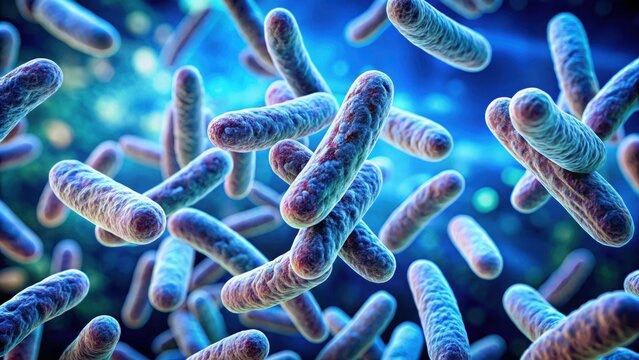
2. Bifidobacterium belongs to the phylum Actinobacteria and consists of 45 species. They have been an integral component of human and animal gut flora. They are Gram-positive, rod-shaped bacteria, non-sporing, catalase-negative, which break down carbohydrates into acetic acid and lactic acid without releasing carbon dioxide. Apart from various potential health benefits, the significant effect of bifidobacteria is that they can turn out drug chemicals, enzymes, vitamin B and K, carboxylic acid, which reduces the growth of fungi, facilitates the digestion and absorption of nutrients.
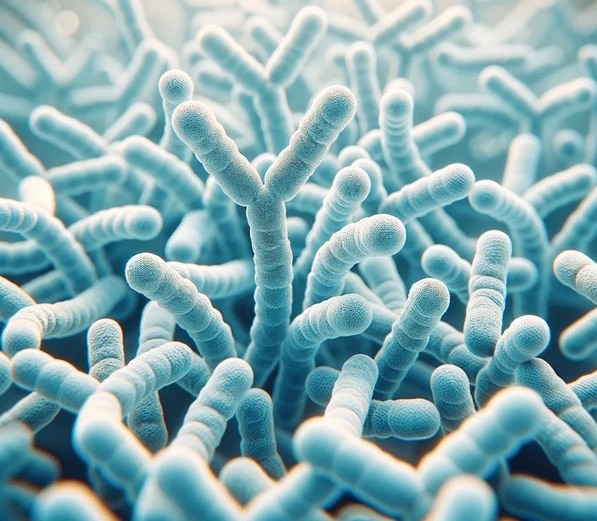
3. Bifidobacterium beneficial effect: Bifidobacterium species are most abundantly found in the large intestine, especially in the colon. The various beneficial roles played by Bifidobacterium are –

• Prevention of intestinal infections.

• Decreasing serum cholesterol.

• Stimulate the immune system.

• Alleviate the lactose intolerance.

• Help in the production of vitamins B12, B1, B7 and riboflavin synthesis.

• Prevention and treatment of colorectal cancer and inflammatory bowel diseases.
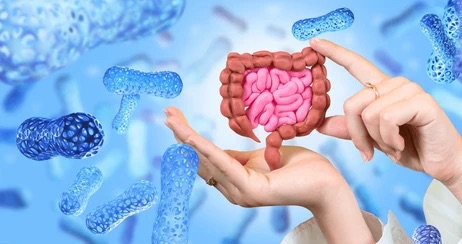
4. Bifidobacterium and diarrhoea: Because of their potential benefits, bifidobacterium strains are selectively chosen to administer and treat various gastrointestinal disorders. Studies have shown that strains of Bifidobacterium breve and Bifidobacterium longum, when administered to adults and children with acute diarrhoea, were found to reduce the duration of diarrhoea. The patients, both children and adults, who took antibiotics were also given the probiotic strains of Bifidobacterium, which do not interfere with the antibiotic effect, instead benefiting from the probiotic effect.

5. Bifidobacterium and colorectal cancer: Several animal studies have shown that various species of Bifidobacterium are found to reduce the cancer risk of the liver, colon, mammary glands and small intestine. Probiotic species of Bifidobacterium repress the growth of procarcinogens, which are responsible for tumourous growth in the intestines. Several studies have shown that probiotic strains of Bifidobacterium species have been beneficial when used as an adjuvant in cancer treatment.
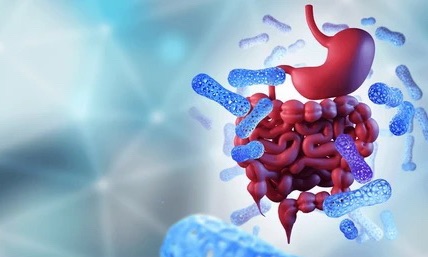
6. Bifidobacterium longum species: This species has been shown to have immense benefits in various studies consistently. Some of the known benefits:

• Consumption of this strain can promote anti-oxidative properties, anti-viral benefits, and anti-obesity effects.

• It can help in developing innate immunity, preventing influenza and fever, and has an immunomodulation effect.

• Consumption of this strain can help in the protection against hepatocellular damage and help in the treatment of hepatic encephalopathy.

• It has an anti-ageing effect, supports bone health, and improves memory.
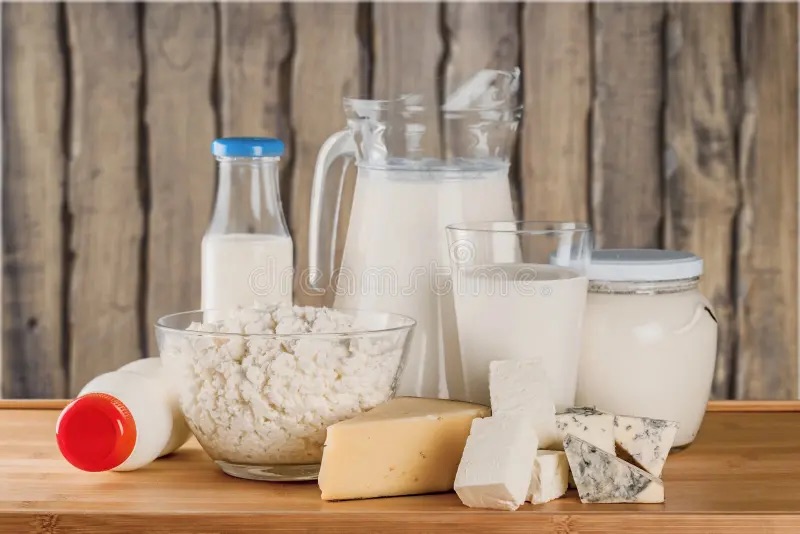
Fermented milk products

7. Bifidobacterium species like breve, lactis, and bifidum have all been found to have potential health benefits.

• B.breve has a strong anti-allergic effect, prevents oxidative stress, and alleviates UV barrier.

• B.lactis has an anti-inflammatory effect, anti-bacterial activity (against streptococci), and

protection against intestinal mucosal damage.
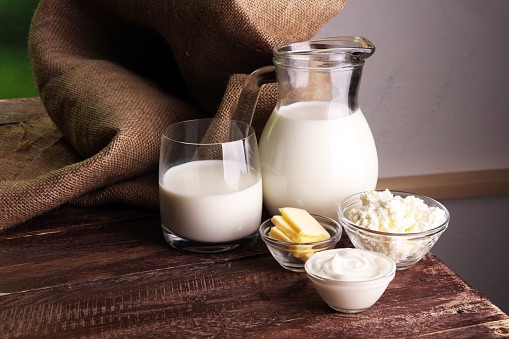
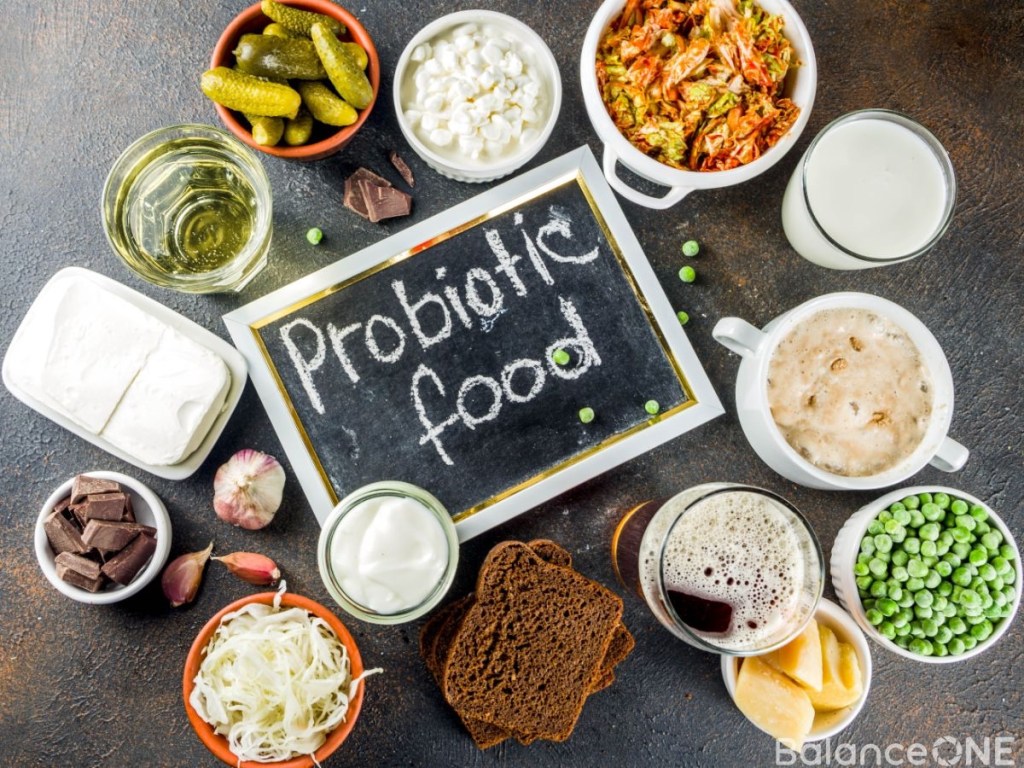
8.B bifidum inhibits H. pylori and is useful in the treatment of allergic diseases. It is a potent anti-inflammatory agent, too.8. Bifidus-rich foods: Bifidobacterium is a group of lactose-utilising bacteria that are mainly found in probiotic foods, such as milk with added strains. Food rich in Bifidobacterium species is:

• Yoghurt with live active culture, cultured butter milk

• Fermented soy milk

• Fermented milk, cheese like cheddar, aged, mozzarella, Gouda

• Kefir, sauerkraut, miso, kimchi, tempeh
9. While buying and consuming commercial food containing Bifidobacterium, ensure safety tips:

• Checking labels and buying products with “ live and active culture”

• Consuming together with prebiotics to get the best results. Prebiotics include bananas, onions,

garlic, and whole grains.

• Prevent heating as heat kills live bacteria. So, raw fermented food and unpasteurised foods are best.

• Supplements can be supportive in irritable bowel syndrome, immunity and bloating.
10. Takeaway: Bifidobacterium species have been proven to have immense health benefits to humans through their metabolic activity. Studies have shown that normal adults and children with healthy immunity status can regularly consume fermented food with live Bifidobacterium species, which can further boost health and prevent many chronic inflammatory diseases. People with weak immunity, the elderly, pregnant and breastfeeding mothers should avoid such foods to prevent complications like allergic reactions.

Thanks for reading.

Peace and love 🙏
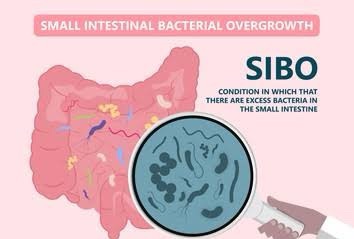
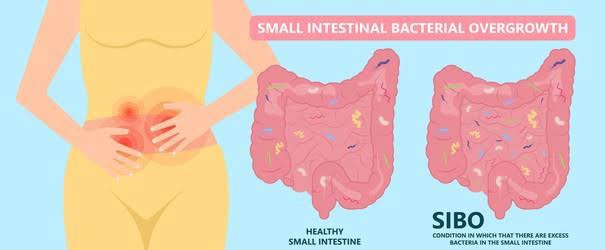
10 facts : What is SIBO or blind loop syndrome ?

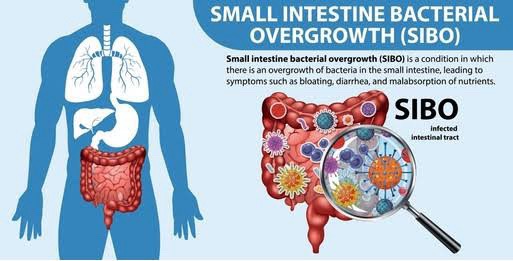
1. SIBO, abbreviated as small intestinal bacterial overgrowth, is a condition where there is an overgrowth of bacteria that are not supposed to be present in the normal scenario in that part of the digestive tract. This occurs particularly following a disease or abdominal surgery, when the passage of food and waste becomes slower, creating a breeding ground for bacterial overgrowth.

2. When the wrong types of bacteria overgrow in the small intestine, they feed on the nutrients and food for the otherwise beneficial bacteria, which can lead to abnormal symptoms in gut health. These wrong types of bacteria can feed on the protein and vitamin B12, bile salts which are supposed to support the digestion of fats. In normal circumstances, the small intestinal bacteria digest the carbohydrate and convert it to short-chain fatty acids and gas. Therefore, when there is overgrowth of bacteria, more gas and toxins are produced in the gut leading to many GI symptoms and malnutrition in the long run.

3.The prevalence of SIBO is about 80-90% in cases of irritable bowel disorder, intestinal dysmotility , pancreatitis and chronic systemic conditions. It is more prevalent in the elderly and female population. Usually, the incidence increases with age and the presence of chronic intestinal disorders and dysmotility. SIBO is considered by clinicians as a differential diagnosis of other gastrointestinal non-specific disorders as the actual aetiology is still unknown.

4. The GI symptoms following SIBO are many:

• Gas, bloating, nausea

• Abdominal pain, distention

• Constipation

• Indigestion

• Weight loss, fatigue

• Watery or mucus in poop.

• Hard or lumpy poop.

5.Unexpected and systemic signs may appear due to excess toxins released in bloodstream

(endotoxemia) in SIBO:

• Food intolerence

• Fatty liver

• Fibromyalgia

• Irritable bowel syndrome

• Anxiety, depression, suicidal thoughts

• Endometriasis

• Disruption of mentrual cycle.

• Prostate diseases.

• Atrial fibrillation

• Siezure

6.Though the actual cause of SIBO is unknown, hence, there are several underlying conditions which can be the risk factors:

• Ageing: As age progresses, there may be changes in microflora, degeneration of acid-producing gastric cells, intestinal dysmotility which may lead to bacterial overgrowth.

• Irritable bowel syndrome leads to dysmotility, delayed transition of food, wastage.

• Chonic metabolic diseases like uncontrolled diabetes,

• Celiac disease,

• Lupus,

• Scleroderma,

• Pancreatitis,

• Chronic kidney diseases

• Fatty liver,

• Structural problems in the intestine due to gastric surgery, partial blockage, antibiotics or narcotic drugs overuse.

7. Several complications of SIBO can eventually worsen gut health if left untreated:

• Inadequate digestion and absorption of fat, protein, carbohydrate: Since, overgrowth of bacteria in the small intestine damages the bile salts so the fat remains undigested. The mucous lining of the intestines is damaged too by the excess bacteria causing poor absorption of carbohydrate, fat and protein. Therefore, there is malnutrition, diarrhoea, and weight loss.

• Vitamin B12 deficiency: As the fat remains undigested, the fat-soluble vitamins A, D, E, and K remain unabsorbed. Vitamin B12 which is synthesised in the small intestine is completely affected So, the individual may suffer from vitamin B12 deficiency. Therefore, due to B12 deficiency, nervous system functioning is affected, and blood cell production is lowered. There can be irreversible damage to the nervous system in the long run.

• Calcium absorption: Bacterial overgrowth damages the intestine slowly, resulting in poor absorption of calcium thereby affecting bone health. Weakened bones, prone to fractures, and osteoporosis are common. Kidney stones are also common in cases of poor calcium absorption.

8.There are no standard diagnostic tests for SIBO. The clinical symptoms of SIBO can be nonspecific. Usually, a carbohydrate breath test is considered which is inexpensive and non-invasive. A bacterial culture of jejunal aspirate of more than 1000 units/ml can support the diagnosis. Upper endoscopy is invasive but is done in patients to further support the diagnosis. Laboratory findings like vitamin levels, malnutrition markers are considered to support the diagnosis. Only, in rare cases is, biopsy of the small intestine done. Imaging tests like CT, MRI are done to rule out intestinal abnormalities.

9.Since the condition of SIBO is complex and can be involved with multiple underlying conditions, it is very difficult to manage and treat such cases. The treatment is mainly symptomatic like changing diet, lifestyle, and antibiotics to reduce the bacterial colonies. The recurrence of SIBO is also common so repeated courses of antibiotics are necessary. Supplementation of vitamins in certain cases is required. Surgery is only necessary in case of small intestinal abnormality, diverticula, bowel obstruction, or Crohn’s disease.

10.Again there is no standard diet for every individual who suffers from SIBO. It is individual-specific depending on symptoms and underlying conditions. The goal of diet change is to assist in the treatment and lower the symptoms. The diet should be low in carbohydrates, low in fat, and moderate to low in fibre. Processed sugar items, dairy, whole grains, deep-fried items, and raw vegetables should be avoided. Generally, probiotic-rich food, meat or fish, rice, cooked vegetables, plenty of fluid/water/soups and vitamin supplementation are recommended by the experts.

Thanks for reading.

Peace and love 🙏