

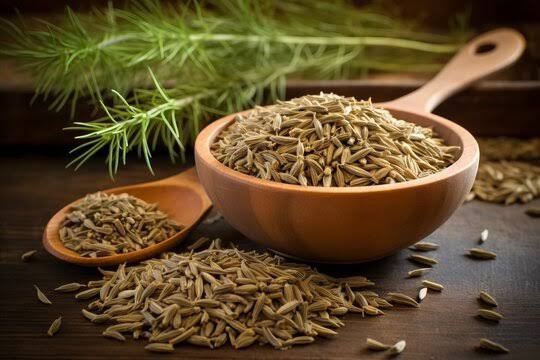
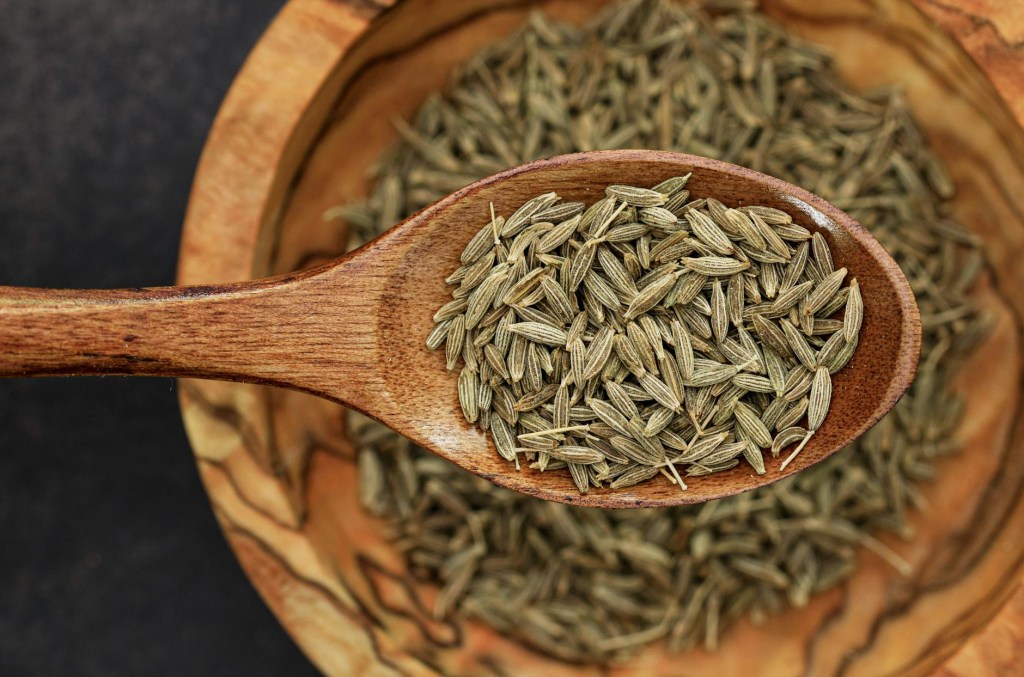
1. Cumin is a common spice, scientifically known as Cumin cyminum, mostly used in Indian,South Asian, and Middle Eastern cooking for a variety of dishes and also used for tempering with lentil soups and blending with other herbs. It has been used for centuries, but apart from adding aroma, taste and flavour to meals, people were not so aware of its composition and tremendous health benefits until widespread scientific research was carried out in recent years. Studies have shown that cumin is rich in nutrients, antioxidants, and iron and has a long list of health benefits. Its most important health benefit is that it improves digestion by stimulating digestive enzymes.
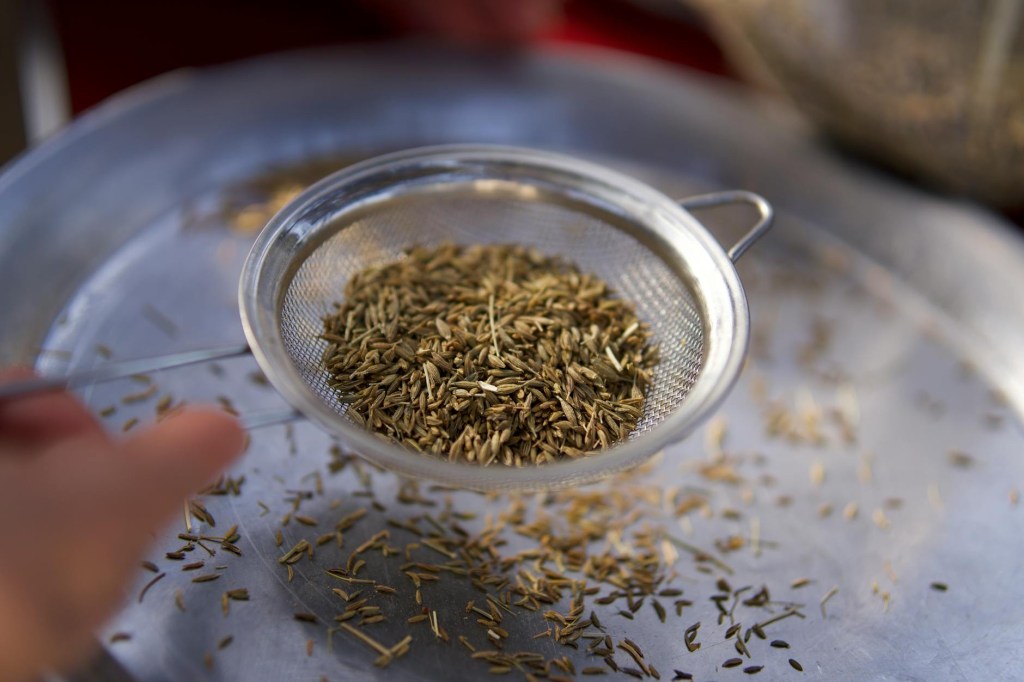
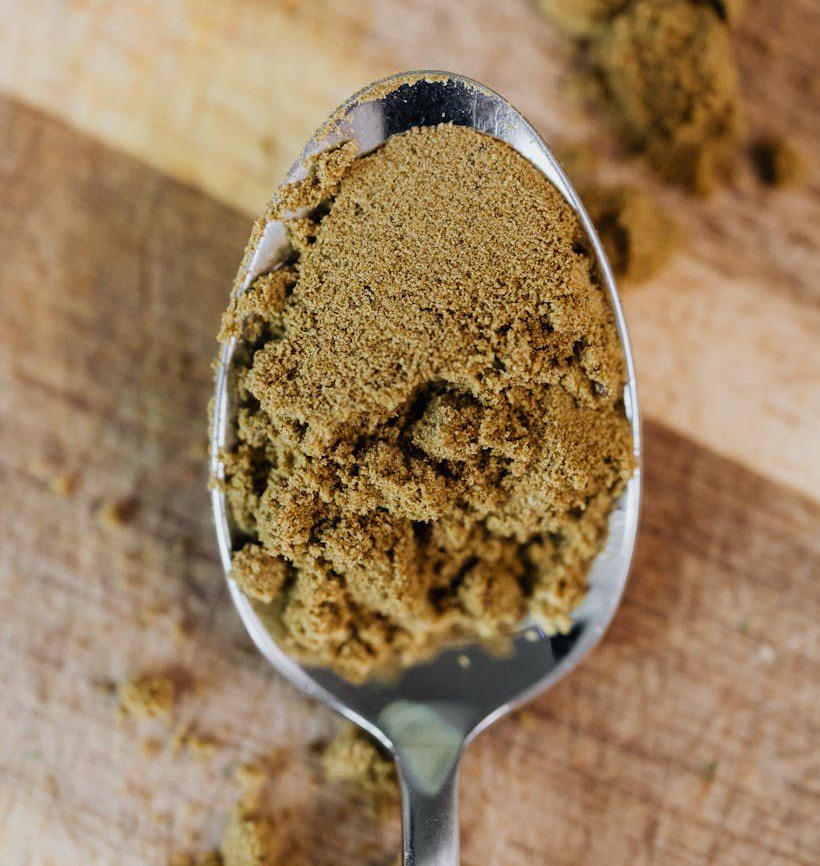
2. Nutritionally, cumin contains flavonoids, which are antioxidants and prevent many illnesses. The primary earthy flavour of cumin comes from a compound called cuminaldehyde. Cumin is used both as whole seeds and in powdered form. Usually, three types: white cumin, black cumin and brown variety. All the varieties are rich in vitamins B, C, A, E, and K, as well as minerals such as iron, magnesium, copper, and manganese. Cumin oil is used in cosmetics, perfumes and as an essential oil for its antibacterial activity and aroma.
3. Cumin as antioxidants: Naturally, cumin contains substances like apigenin and luteolin, which are bioactive compounds that damage free radicals and keep the healthy cells free from oxidative stress. In some studies, cumin is found to have anti-cancer properties and keeps the cancer cells from multiplying. Like curcumin, cumin has been shown to have purgative qualities which possess potential benefits from treating tumours to simple ailments like the common cold. They are found to be effective against various types of cancers, including stomach, colon and liver.

4. Cumin and diabetes: Several studies have shown promising results that can aid in diabetes treatment. When excess blood sugar in the bloodstream leads to the formation of advanced glycation end products (AGEs), it causes harm to body cells, including damage to kidneys, eyes, nerves and small blood vessels. Cumin, on regular use, is found to lower AGEs. Routinely using cumin as a seasoning as well as a supplement has been found to lower blood sugar in diabetics.

5. Cumin and cholesterol: Many clinical studies have shown that cumin can improve the levels of blood cholesterol in individuals who suffer from high cholesterol. Cumin contains phytosterols, which naturally inhibit cholesterol absorption in the body. It is found to increase the level of HDL, ‘good’ cholesterol, which is protective against atherosclerosis. Studies have shown regular intake of cumin lowers harmful triglycerides and total cholesterol.

6. Cumin as a digestive aid: Cumin has been traditionally used as a digestive aid for centuries. Now, several studies have proved that cumin stimulates the digestive enzymes and facilitates digestion. It helps in the release of bile and helps in the digestion of fats. Clinical studies have shown that regular intake of cumin in concentrated form has been shown to reduce the symptoms of irritable bowel syndrome. Cumin is iron-dense and is a good source of iron in children and women.

7. Other potential powerful benefits of cumin include:
• Cumin helps in weight loss in obese and overweight individuals.
• Cumin acts as an anti-stress agent due to its effective antioxidant properties.
• Cumin supports the immune system because of its antioxidant properties and vitamin C.
• Cumin water intake causes detoxification, releases toxins and gives a healthier looking skin, preventing wrinkles. Due to its anti-bacterial properties, it prevents acne.
• Cumin supports respiratory health by reducing congestion and improving breath quality.
• Cumin has anti-inflammatory properties and improves several symptoms in cases of many chronic inflammatory diseases, like pain and swelling in chronic arthritis.
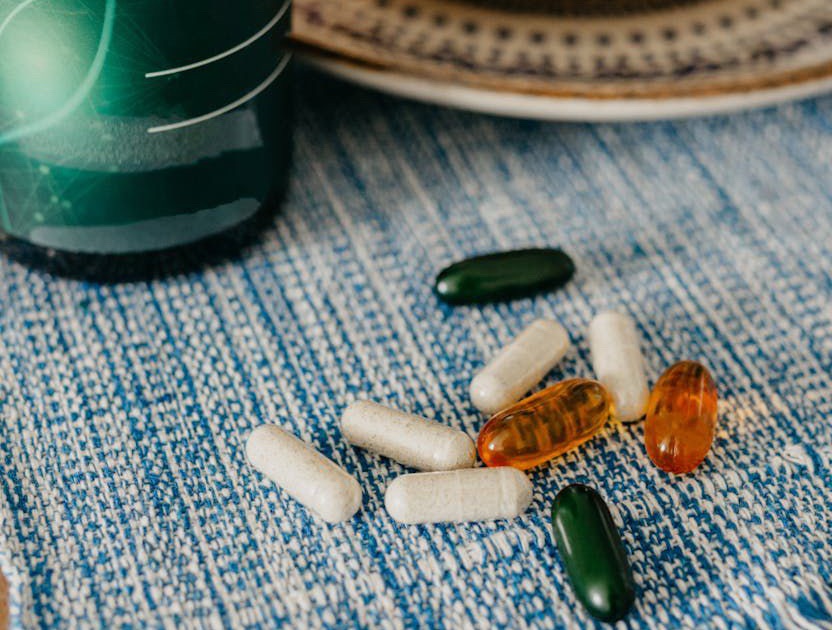
8. Side effects of Cumin: Cumin can be used in everyday cooking, and it is very beneficial and does not cause any harmful effects. But, a very concentrated extract in supplements or excessive consumption can cause side effects:
• Digestive discomfort such as belching, gas, bloating, and heartburn.
• Blood sugar drops, especially in diabetics using blood sugar medication.
• Slow blood clotting, bruising or bleeding risk when taken along with anti-coagulants.• Physical /mental stress: Heavy doses of cumin can cause drowsiness, mental clouding and strain to the liver and kidneys.
• Allergic reactions.
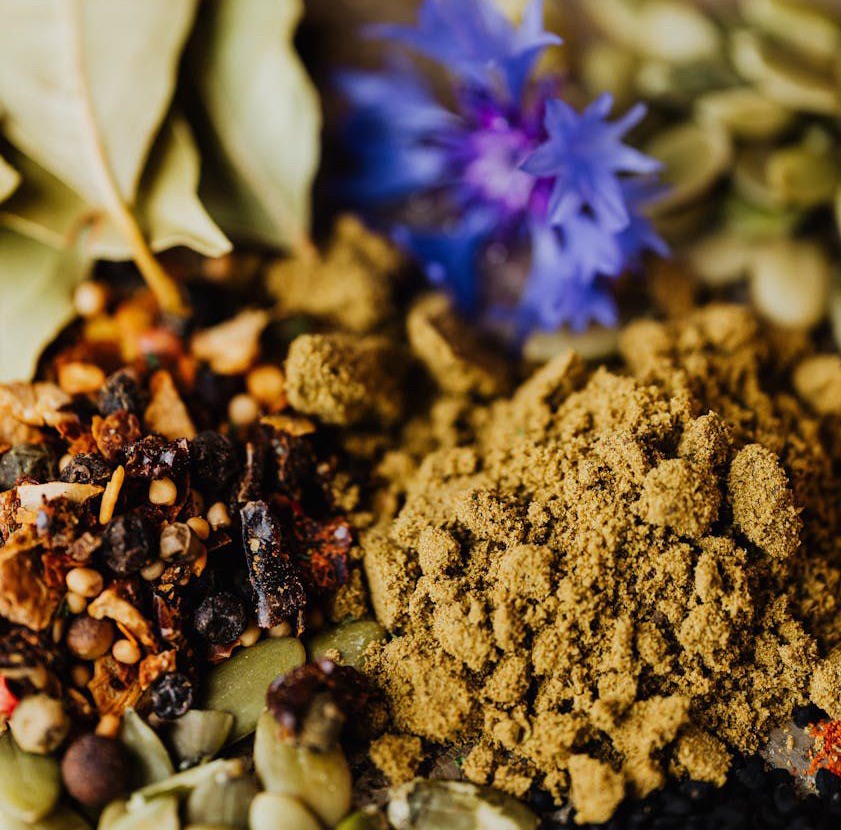
9. Dosing: Dietary cumin used in everyday cooking, around 1-2 teaspoons, is always harmless and beneficial to human health. But, if prescribed as a supplement, it should be used under a healthcare professional’s guidance. There is no guideline for recommended doses, but it can depend on the age, general health, pre-existing health conditions, and the kind of product used. Not all natural products found in supermarkets or pharmacies are necessarily good and safe.
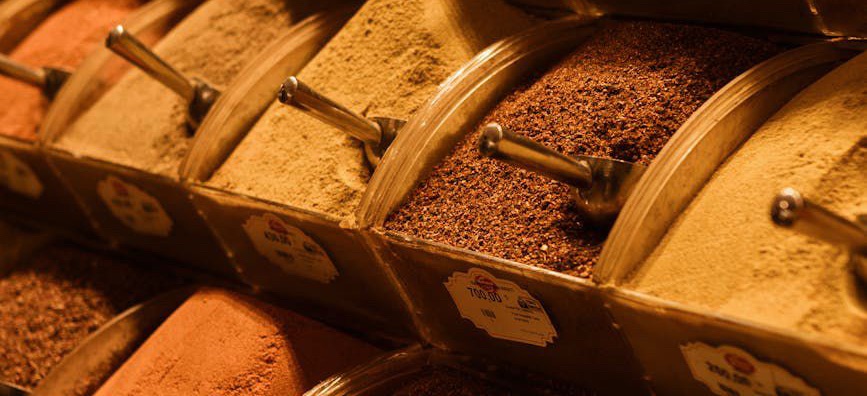
10. Takeaway: Cumin is a warm, healthy aromatic spice, used both in whole and powdered form. It is full of essential nutrients and beneficial to health. For centuries, cumin has been used in traditional as well as modern cooking, and has always enhanced not only the taste, but also proved to be very significant to health. It improves metabolism, boosts digestion, supports the immune system, and is protective of overall health wellbeing and prevents chronic health issues.
Thanks for reading.
Peace and love 🙏

