


1. Honey is about 80% sugar, mostly fructose and glucose and is considered a natural sweetener. Since it is a derivative of plant nectar, it is a storehouse of bioactive compounds like polyphenols, flavonoids, vitamins, minerals and antioxidants. It is a blend of many natural substances, depending upon the different varieties of flowers whose nectar is collected by the bees. Because of its nutritional profile, honey has tremendous health benefits and is considered a healthy sweetener.

2. Though honey is rich in sugar, it is a powerhouse of nutritional content in raw, unprocessed form. Depending upon the sources, the nutritional content can vary. Pasteurised honey is processed, filtered and can have a lesser quantity of flavonoids and polyphenols. Besides the antioxidant properties, honey includes calcium, potassium, vitamins, copper, iron and zinc. It also contains a trace amount of protein. Depending upon the varieties of flowers’ nectar, climatic conditions, examples of honey varieties are:
• Clover honey
• Wildflower honey
• Orange blossom honey
• Alfaalfa honey
• Buckwheat honey
• Rare variety like Manuka honey, found in New Zealand

3. Sources: Honey is the only natural sugar source which is produced by insects that humans consume. It is best when consumed raw and unrefined. Supermarket honey available is usually processed, pasteurised honey. Honey should be best sourced from local markets and local farmers, where the content is “pure honey” without any additives. These types of honey are lighter in colour and consistency. Darker varieties are stronger in flavour and nutritionally rich. Honey should be preserved in a glass bottle or plastic airtight container, below 32 degrees F.

4. Crystallisation: This is a natural process of honey where it is transformed from a liquid to a solid state depending upon the temperature and how it is stored. Crystallisation of honey doesn’t mean that the honey is spoiled. Honey with a higher content of sugar (fructose, glucose) is quickly crystallized like Alfalfa and clover types. Crystallisation happens as the dense sugar molecules start to hold the water permanently, which is, in fact, a sign of pure, unadulterated honey. The honey can be restored to its liquid form by putting the honey jar in a warm water container. Boiling water should be avoided as the nutritional content can be compromised.
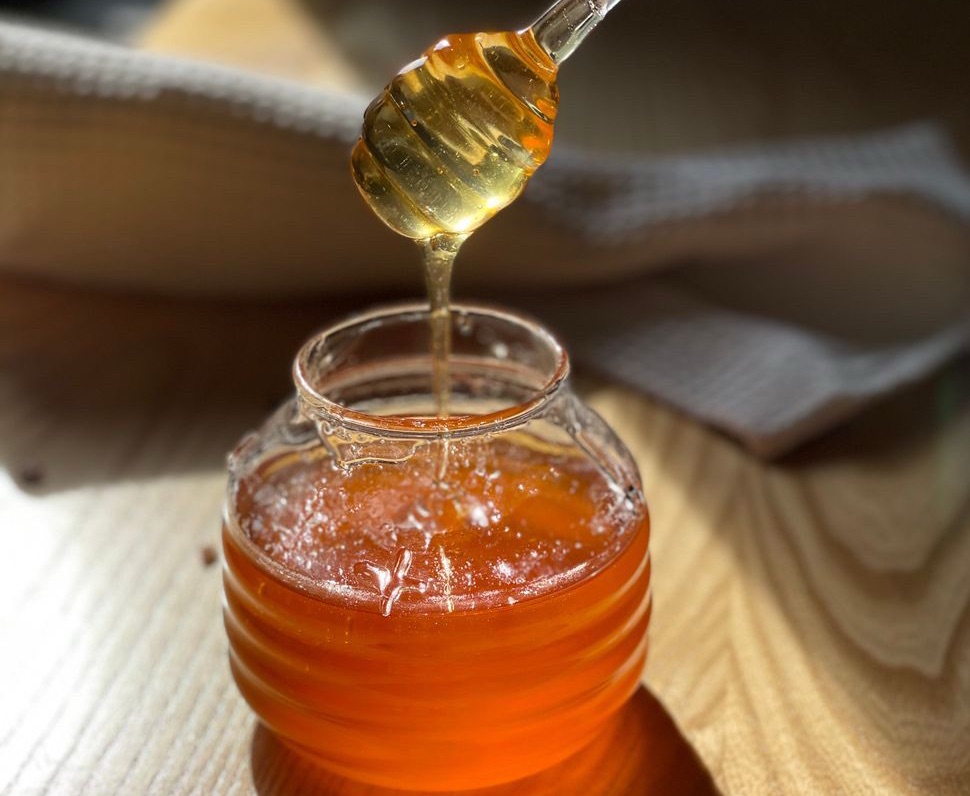
5. Storage: Honey doesn’t require refrigeration. Its shelf life is around 2 years. Refrigeration and cold temperatures can lead to crystallisation of honey. It can be stored at room temperature at 20 to 25 degrees C or around 60 degrees F, ideally in an airtight glass container. It can also be stored in a food-grade plastic container. In the kitchen, it can be placed in a dry, dark place or pantry, avoiding direct sunlight.
6. Health benefits: As honey is rich in sugar, it should be consumed in small quantities rather than in large amounts. For centuries, the latest research has shown that honey has promising health benefits and healing properties. Some of them:
• Antioxidant rich so consuming raw, unrefined honey on regular basis can have anti-inflammatory benefits.
• Promote balance of blood sugar levels than regular refined sugar.
• Improves heart health by maintaining blood pressure, regulate heart beats.
• Since it has anti-bacterial properties , it can promote wound healing.
• Suppress sore throat and cough and support respiratory health.
• Supports gut health and is helpful in case of irritable bowel disease.
• Anti-fungal, anti-bacterial & anti-cancer.

7. Brain health: Research suggests that honey has amazing benefits for brain health and can prevent neurodegenerative diseases. Manuka honey is the best for brain health. Some of the neurological benefits of honey are:
• Unlike a refined sugar rush, honey can provide a natural, steady energy flow to neurons.• Flavonoids and phenolic acids can prevent free radical oxidative stress and cell damage in neurons.
• Supports memory by protecting brain cell mitochondria and elevates BDNF (brain-derived neurotrophic factor).
• Studies show honey is neuroprotective and prevents cognitive decline.
• Honey naturally contains melatonin, which supports sleep, and naturally removes toxins from the brain that build up while awake.

8. Alleviate cough: Studies have shown that honey is effective in soothing a cough. Drinking honey with a little warm water during a cough can help to form a coating in the throat. Its anti-bacterial and anti-inflammatory properties help as a healing aid for infections. Moreover, honey is safer as a home remedy than over-the-counter medications. It can be given to all age groups except children below 1 year of age, when there is a risk of food poisoning. Research shows that honey is far better than medicines like diphenhydramine (anti-histamine) and has a similar effect to drugs like dextromethorphan (cough suppressant ) and Salbutamol ( asthma drug).
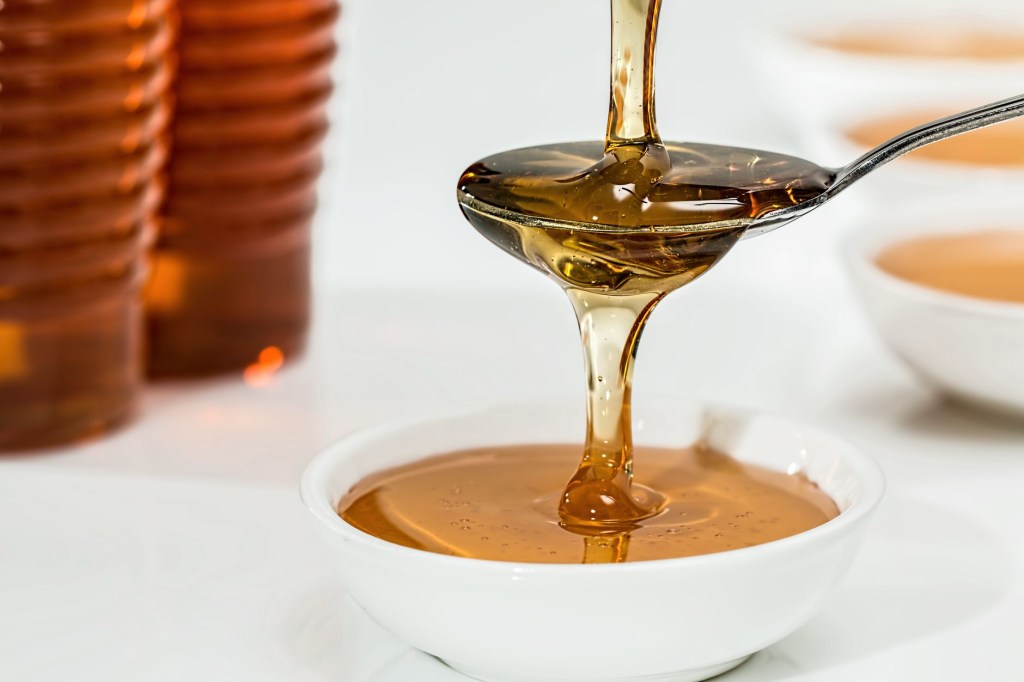
9. Though honey is a natural sugar alternative, it is usually safe and healthy for daily consumption in moderation. There is no such standard recommendation, but experts suggest that 6-7 teaspoons daily should not be exceeded. WHO guidelines suggest that daily consumption of free sugar should not exceed 10% of daily intake. Since it has therapeutic benefits, its daily consumption can be beneficial for both gut health and the immune system. While using honey as a sugar substitute, other refined sugar food items should be completely avoided, as there are chances of weight gain (due to extra calories), sugar spikes in insulin-sensitive diabetics.

10. Takeaway: Research has shown for decades that honey is healthy with tremendous therapeutic effects when consumed in moderation as a wellness habit. Honey can replace the intake of refined sugar in several ways, such as:
• For dessert, yoghurt or breakfast bowls.
• Herbal teas, green teas.
• Morning, on an empty stomach with warm water as an aid to digestion and immunity.
• Honey should be avoided in boiling water or while cooking, as it may damage its nutritional value.
Thanks for reading.
Peace and love 🙏