First of all, I am incredibly appreciative that I get to celebrate another new year with the Supreme and all of my beautiful bloggers.
Let us hope that this new year, with its 365 fresh days, will bring us growth, positivity, action, hope, and the drive to achieve our objectives. Not to mention to make time for our loved ones and family.
Both failure and success are fleeting. The capacity to continue going forward is most important.
I’m wishing everyone a wonderful and prosperous 2024 New Year !
Today’s world is full of negativity and uncertainty where change is inevitable. Not all changes are comfortable. But faster, we accept, the sooner is the liberation and reconciliation process. Never lose the sight of hope and faith in the Supreme because it is this light which will lead us through the journey, no matter how hard it may be.
On this auspicious occasion, may the Supreme enlighten our hearts and fill our minds with happiness and positivity by strengthening the human bonds within family, friends and community.
Happy Diwali to all my dear readers with lots of love and luck. God Bless 🙌
Bad posture is a real issue not just to the aging population but to people of all age groups. Asymmetry in the bodily posture may not only cause body aches but also shocking symptoms like indigestion, headaches and breathing difficulties.
I am presenting you today a Guest post on this topic written by Jennifer McGregor, a pre-med student, who can help you understand the importance of postural care. You can also check her website https://publichealthlibrary.org
Dr. Juri Sharma of The 3H: Health, Happiness, Healing shares ever-evolving knowledge and research in the health field.
Do you ever find yourself slouching over your keyboard or slumping in your chair? Poor posture isn’t just unattractive, it can also lead to a variety of health issues. Improving your posture can also benefit your overall well-being. Building back muscle strength, improving sleep habits, investing in ergonomics, stretching, and visiting the chiropractor can all contribute to better posture, which can lead to a body that feels better and a more confident you. In this article from The 3H: Health, Happiness, Healing, we’ll discuss some simple ways to start improving your posture, and the many benefits of doing so.
Build Your Back Muscles
In addition to the many other benefits of exercise, strengthening your back also helps to strengthen the muscles that support good posture. Some exercises to consider include pull-ups, presses, and rows. Building a strong back can also help prevent pain and injury that can be caused by poor posture.
Staying active by working in regular walking sessions is also a good way to build up your back. Walking can contribute to the strengthening of back muscles through its low-impact, repetitive motion. When you walk, the muscles in your back are engaged to maintain proper posture and stability. Look for a walkablearea to get in your steps – these areas have high Walk Scores of 70 and above.
Improve Your Sleep Habits
The way you sleep can have a significant impact on your posture. Sleeping on your stomach can place strain on your neck and spine or cause you to twist your spine unnaturally. Switch to sleeping on your back or side, and invest in a firmer mattress to better support your spine. Additionally, as USA Today points out, adding a pillow between your legs while sleeping on your side can alleviate pressure on your lower back.
Invest in Ergonomic Furniture
Sitting for long periods in an office can cause back pain and poor posture, making it essential to invest in ergonomic furniture. Ergonomic chairs with lumbar support and adjustable standing desks are two practical options that can help alleviate these problems. By making these investments, you can enhance your overall comfort and well-being throughout the workday.
Stretch and Practice Yoga
Adding stretching and yoga to your daily routine can benefit both your physical and mental well-being. Regular stretching helps to alleviate muscle tension and improve flexibility while practicing yoga enhances mind-body awareness and can improve posture. By incorporating these practices into your day, you can experience greater overall health and wellness.
Mind Your Sitting Posture
Although sitting may seem like a relaxing idea, Medical News Today points out that it can affect your overall posture. Sit with your feet flat on the floor or propped up, with your back straight and your shoulders relaxed. If you notice yourself slouching, remind yourself to maintain good posture by pushing your head and upper back into the backrest of the chair.
Finally, keep in mind that good posture isn’t just about looking good, it’s about feeling good, too. Poor posture can make you appear shorter and less confident, whereas good posture exudes self-assurance, as evidenced by celebrities and their successful careers (learn more here). So, stand tall and perform your daily tasks intentionally, with your shoulders back and head held high.
Stay Motivated with Visual Cues
Consider making motivational wall art and posting it by your workstation as a reminder to maintain your posture. Motivational posters remind you of your goals, aspirations, and the importance of perseverance. They also have the potential to foster a more positive mindset and contribute to increased productivity and well-being. You can use images to enhance the message, so get started with a free online poster maker that will personalize wall art.
Improving your posture can do more than just make you look better. It can lead to less pain and injury, better sleep, and a boost in overall confidence. Incorporate these tips into your daily routine to achieve a healthier, happier you. Don’t forget to visit your chiropractor regularly, and keep your medical documents organized by converting them into PDFs. You’ll soon see the benefits of good posture in all aspects of your life. So, start today and get ready to stand tall and feel great.
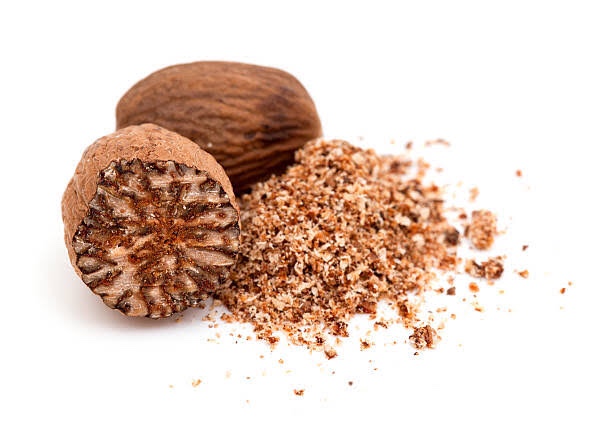
1.Nutmeg is an oval shaped spice seed commonly found in our kitchen. A native spice of Indonesia but is now popular in many cuisines used in both sweet and savoury dishes. It is available as a whole spice and as well as powdered.
2.Anti inflammatory: Studies have shown that nutmeg is rich in anti-inflammatory compounds which help by inhibiting the enzymes that promotes the inflammation process.
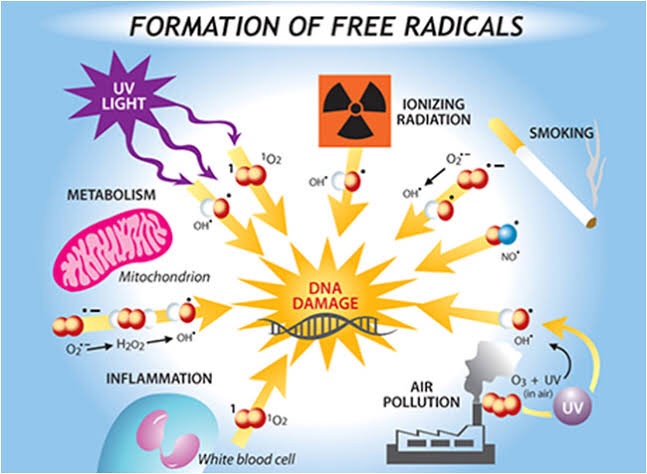
3.Antioxidants: It contains powerful antioxidants which reduces oxidative stress and keep the free radical damage under control. Therefore, it’s consumption can help in controlling the progress of certain chronic conditions like neuro degerative diseases, some cancers and heart ailments.
4.Indigestion: Nutmeg has been found to be beneficial when consumed during indigestion, abdominal discomfort and flatulence.
5.Antibacterial: Because of it’s antibacterial properties, it is effective against acne when applied in powdered form along with cinnamon and honey. It is also very helpful in cases of dental cavities, bad breath and gum inflammation.
6.Insomnia: Studies have shown that this spice helps in aiding sleep by improving both the duration and quality. Adding a pinch of nutmeg in a glass of milk before bedtime can do the trick. Research have shown that it can boost libido in men and is also a potential anti-depressant. But further studies are needed in these aspects.
7.Common cold: Since it is rich in anti bacterial properties, it is useful in cases of rhinitis and common cold.
8.Nutrition: It is a source of wide variety of vitamins and minerals like Vitamin A,C,E and minerals like maganese, magnesium, zinc and iron.
9.Toxicity: Small amount of consumption as less than 2 grams is quite safe. But consumption of larger quantity can lead to serious toxicity or even death. Cases of nutmeg toxicity has been reported in the past when used in larger quantity for recreational purposes or due to ignorance.
10.Uses: Nutmeg is a common ingredient used in various European, Indian, Asian cooking, baking dishes, curries etc. Also, we can sprinkle it in our breakfast cereal, coffee, milk, or fruit salad to add the nutty flavor.
1.The lateral hypothalamus and prefrontal cortex produce a hormone called Orexin, also known as hypocretin. It is produced in two forms like Orexin A and Orexin B. It has various functions related to Central Nervous System. It helps in regulating important functions like sleep-wake cycle, arousal state, energy homeostasis, feeding behaviour, emotions, mood and cognition.
2.Sleep: Orexin is usually released in the daytime and keeps us awake. It stimulates those neurons which in turn help in the release of neurotransmitters like serotonin, dopamine and nor- epinephrine. In case of individuals with orexin deficiency, are usually diagnosed with narcolepsy, insomnia, sleep imbalance, daytime sleepiness and cataplexy.
3.Stress regulator: Orexin is highly responsive to environmental stimuli and our mood. When in stress situations ,the orexin neurons stimulate the body’s response to increase heart rate, blood pressure and disturb the resting state.
4.Obesity: It is a result of the influence of orexin-producing neurons on energy metabolism.Orexin deficiency in the body can lead to slowing down energy metabolism, physical inactivity, and excessive weight gain, even if the calorie intake is low.
5.Mood: Orexin has an influence on mood through its impact on the hippocampus. Abnormal orexin activity has been related to mental health conditions like depression, PTSD, anxiety and addiction. Deficits in orexin influence can result in hippocampus problems such as learning disability and memory deficits, as it also promotes the development of neurons in the hippocampus.
6.Narcolepsy: Orexin helps us stay awake during the day. So, people with orexin deficiency suffer from narcolepsy. They have daytime sleepiness and sleep paralysis. Mostly, these type of individuals can also suffer from cataplexy. The person is unable to move for a short time even if he is awake or about to fall asleep. It is usually occurs in a conscious state of mind and triggered by strong emotions like being angry, or laughing.
7.Alzheimer’s Disease: Several studies show that orexin has direct connection with sleep, cognition and as a stress regular. So it does play a significant impact on Alzheimer’s disease pathology. An increase level of orexin has been found in cerebrospinal fluid of people with Alzheimer’s. So, they usually have circadian cycle disorders, daytime sleepiness and cognition problems. However, researches are still going on for further prospectives of using orexin antagonist receptors as a potential treatment alternative.
8.Heart: Lack of sleep and insomnia have a direct impact on cardiovascular health and hypertension. Studies show that increased levels of orexin stimulation can elevate blood pressure and heart rate. Both orexin A and B receptors have a direct role in the regulation of sympathetic nervous system. Therefore orexin antagonist receptors might be a therapeutic option for hypertension.
9.Orexin levels: High levels of orexin may lead to sleep disorders, stress prone and eating disorders. But lack of orexin or loss of orexin in brain injury may lead to narcolepsy or other sleep disorders. The normal level of orexin found in cerebrospinal fluid in a healthy individual is around 250 – 500 pg/ml.
10.Food: Optimal level of orexin can be provided in a healthy individual by regular intake of fermented food like pickles or sauerkraut. Having excessive sugar or carbohydrate rich food can inhibit orexing production.
1. Chicory is a tuberous herbeceous root, usually grown in winter. Though it is a native herb from Europe and Asia, but nowadays it widely grown in many areas for its health benefits and as a herbal remedy.
2. Chicory roots are a good source of carbs, minerals, and phytochemicals, including flavonoids. It has been utilized as herbal medicine for generations due to its high nutritional value. Research have shown that it has anti-inflammatory, antibacterial, and antioxidant properties.
3. In modern days, many of its benefits has been scientifically proven. Chicory root is rich in inulin which is a fructose rich fiber and acts as a prebiotic. It promotes growth of healthy bacteria in the gut. Since, it is undigested in the gut when consumed, so it can act as a laxative and relieves constipation.
4. Studies have shown that chicory can contribute to lower blood sugar and helps in insulin resistance. Therefore, it can be an aid in the treatment of diabetes.
5. Other list of benefits of chicory roots are it can promote the weight loss process, improves liver health, boost kidney function by its diuretic properties and may help in treating candida and eczema.
Chicory coffee
6. Since chicory roots are naturally caffeine free, so they have widely been used as a coffee alternative to reduce the intake of caffeine. Repeated consumption of coffee may lead to excess caffeine intake which in turn can cause issues like increasing the level of cortisol and stress.
7. Extensively used method of including chicory in diet is by blending with coffee as chicory coffee, or as herbal tea. It is also integrated in cereals, protein bars and other food items.
8. Like any other food, Chicory roots also have it’s share of side effects like over consumption can lead to allergic reactions, skin rashes, GI symptoms like discomfort, diarrhoea and gall stone.It is contraindicated during pregnancy and lactation.
9. As there is no specific doses of daily consumption of chicory, generally having around 5 gram of inulin in 500ml of chicory coffee in regular diet may not lead to any adverse effects. However, a Physician’s or an expert advice is recommended.
10. Chicory roots have been in ancient cultures for ages as a herbal medicine. History says that it has been in use as a healthy beverage for many centuries for its health benefits.
Ginger is an ingredient common to our cuisine for centuries. It is widely used in most of the culinary dishes. Besides adding the zing in our taste buds, it has immense medicinal and health benefits.
Ginger contains gingerol that imparts its unique taste and flavour to cooking. This compound gingerol is a natural antioxidant and anti-inflammatory. Hence, ginger helps to cure common cold, flu, seasonal rhinitis and fungal infections.
Previous studies have shown that ginger has played an important role in controlling blood sugar levels in people with type 2 diabetes. Researches also show that regular intake of ginger helps to reduce the levels of LDL cholesterol and triglycerides, thereby reducing the risk factors of cardiovascular diseases. It is also effective in weight loss.
Ginger is highly effective against swelling, itchiness and minor skin allergies such as hives. Having ginger juice along with jaggary powder can be consumed to reduce skin allergies and itching.
Ginger is an effective pain reliever. Consuming ginger slices or ginger juice can help to reduce joint pain, body ache and earache.
Consuming ginger or raw ginger juice has helped in improving many digestive issues. Eating raw ginger slices before a meal will help to stimulate digestion and improves the appetite. A person having indigestion, belching, bloating will be relieved after having ginger juice along with lemon juice or ginger slices. Problems like nausea, vomiting, diarrhea can all be relieved after consuming ginger. So, it can be used during Morning sickness. People taking chemotherapy may use ginger to alleviate post-drug side effects.
Ginger is very effective when used freshly, but also beneficial when consumed as a powder for juices or tea. A common spice used in various cuisines.
Ginger is effective against degenerative diseases like multiple sclerosis, Parkinson’s disease, Alzheimer’s disease due to the presence of compounds like 6-gingerol and 6- shogoal.
Ginger is grown especially in tropical areas. Ginger roots are mainly used for cooking and healing purpose. It can be stored in dried or powdered form for a long time. Ginger supplements are available in capsules or liquid extracts. Ginger oil as essential oil is used in beauty products.
Ginger is rich in dietary fibre and in vitamins like B3, B6 and C. It is rich in folate, magnesium, phosphorus and zinc.
Ginger is usually safe, but it must be used in moderation as part of a healthy diet. Too much consumption or concentrated higher doses may lead to heartburn, stomach upset or loose motion.
Being irritable at times, feeling less energetic, having sleep disturbances may not be familiar with me alone but with many of you as well. We blame it to our lifestyle of working up to late hours, stress, anxiety or maybe having too much tea/ coffee in the day. But, we fail to understand that this could be the reason for the deficiency of mineral-like Magnesium—an unknown epidemicwhich most of us are generally not acquainted. About 80% of the population suffer from magnesium deficiency, so imagine how prevalent the problem exists.
A vital mineral as well as an electrolyte, Magnesium is used in many biochemical processes within our body. Lifestyle habits like stress, anxiety, lack of sleep, sugar intake, having carbonated drinks can deplete magnesium storage in the body. Even the soil where crops and greens are grown can be devoid of Magnesium. Therefore, many reasons contribute to magnesium deficiency issue. So, despite following a healthy diet, we may end up having a magnesium deficiency.
Magnesium is a vital mineral used as a co-factor in many of the essential enzymatic biochemical processes. Energy production cycle called the Krebs cycle; it plays an important role.Magnesium contributes as a vasodilator, anti-inflammatory, anticoagulant. It is used in a considerable amount in the mineralisation of bones. Almost 60% of Magnesium is stored in bones, and the rest is stored in the red blood cells, kidney. Clinically, Magnesium deficiency or Hypomagnesemia is measured by a blood test or magnesium level in urine. But, despite being such a common problem, many physicians failed to acknowledge it because of lack of enough researches or maybe it isn’t easy to measure the exact level in the body.
Some common causes of magnesium deficiency are:
1. Decreased intake: High intake of processed food and prolonged fasting. 2. Malabsorption: Irritable bowel syndrome-like Crohn’s disease, frequent laxative use and diarrhoea. 3, Certain conditions like SIADH (a condition in which the body secretes too much of antidiuretic hormone), 4, Acute pancreatitis, Burns, lactation, diabetes, excessive sweating and alcoholism. 5. Medication that causes of depletion of stored Magnesium are antibiotics, antivirals, antiepileptics, 6. Uses of Cisplatin, corticosteroids, proton pump inhibitors and diuretics.
Some common symptoms are : 1. Muscle twitching, cramps, spasm. 2.Tiredness, dysphagia.
3. Irregular heartbeats. 4. Migraine headache. 5. Insomnia 6. Kidney stones 7. Weight gain 8. Anxiety 9.Autoimmune diseases 10. Ringing in the ears.
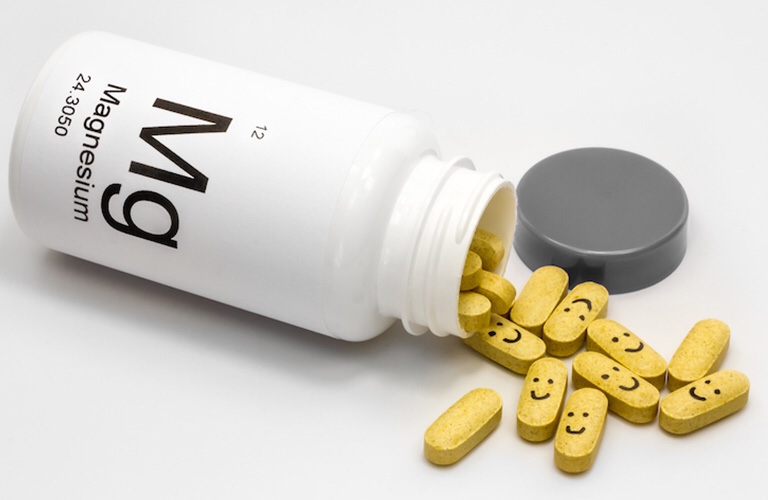
Usually, the ideal dose is about 400mg/day. The important sources can be dietary sources like Almonds, nuts, seeds, spinach, pulses. Other methods are magnesium ionic drops, magnesium oils for body massage and supplements. Oral supplements are available in bound form like Mg oxide, citrate, glutamate, glycinate, taurate and so on. But, supplementation should be used under a physician’s supervision.