
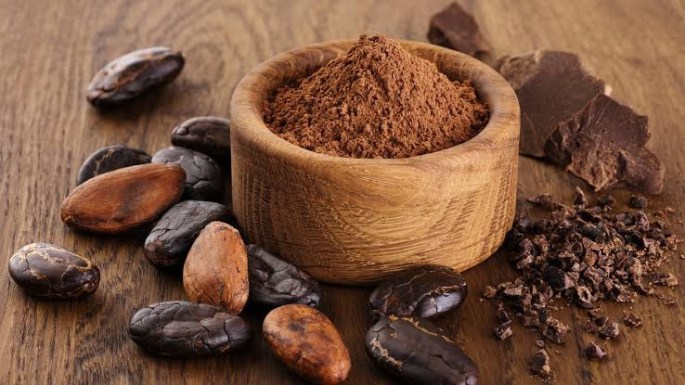
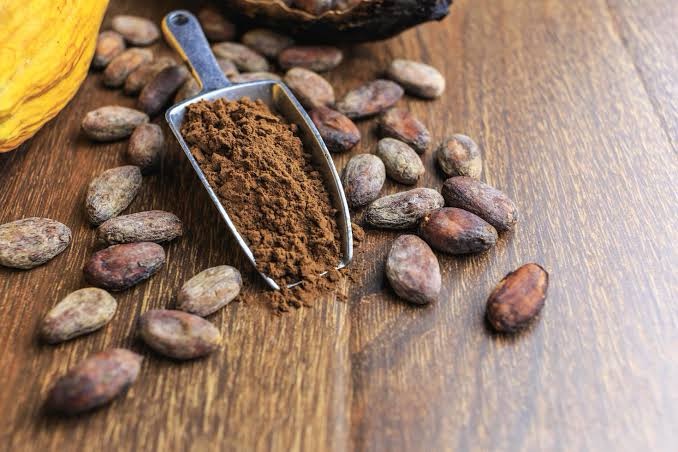
1.Like chocolate, cocoa powder is a common item which sits in the pantry of most households. It is widely used for either baking or having a chocolate drink. But what is cocoa powder? Cocoa beans are usually ground into a paste called chocolate liquor, which is later sweetened or added with other ingredients to make different types of chocolate. The paste or chocolate liquor is rich in cocoa butter, which can be de-fatted by further pressing and made into a finely ground powder, called natural cocoa powder.
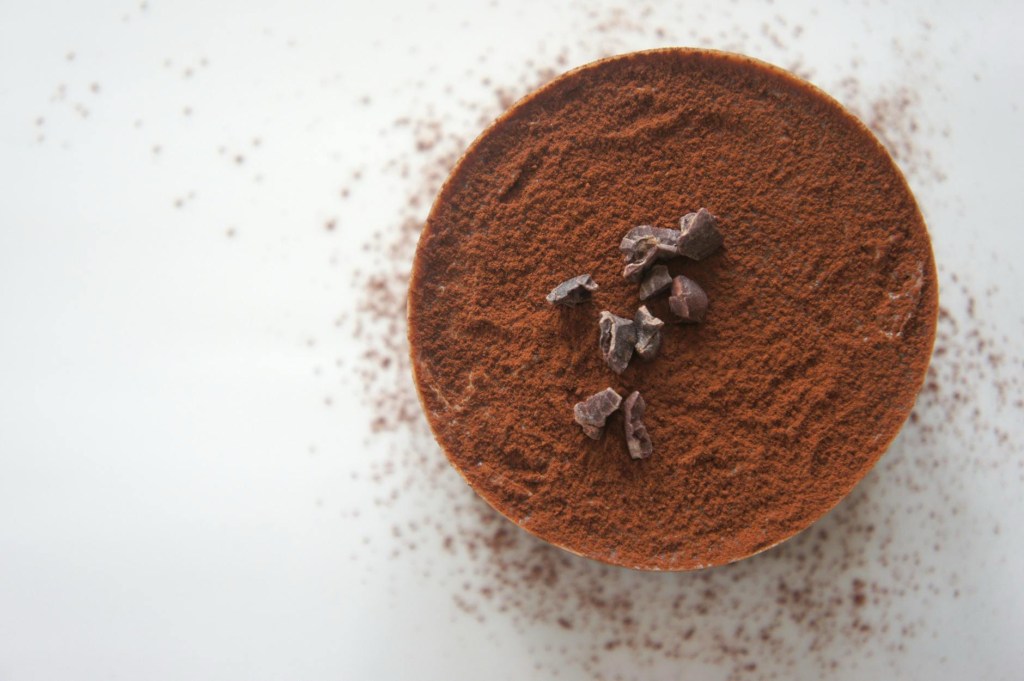
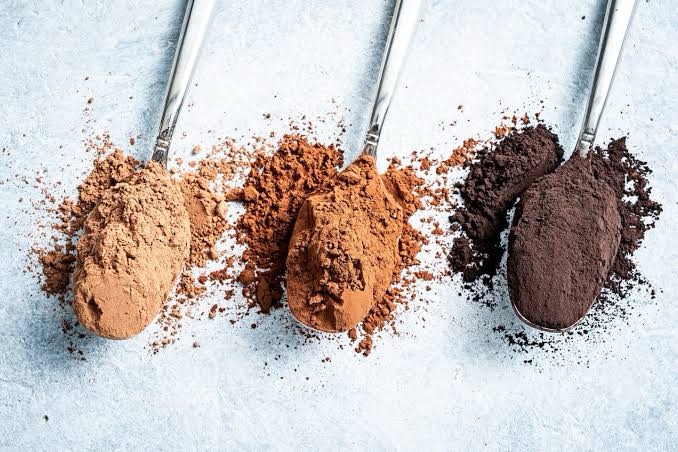
2. Cocoa powder is of different types depending on the method of processing:
• Natural cocoa powder is de-fatted, finely ground cocoa nibs. This way they retain the original acidity, flavours and aromas. They appear light brown in colour.
• Raw cocoa powder is produced by cold pressing the cocoa beans without any chemicals being used. This has the highest nutritional value and antioxidant levels.
• Dutch-processed cocoa powder is processed by alkalizing the cocoa nibs with potassium carbonate. In this process, the colour deepens, and acidity reduces. This is how dark chocolaty colour and flavour are gained.
• Black cocoa is achieved by further alkalizing the cocoa nibs with a heavy dose of potassium carbonate, which gives the characteristic black colour famously used in Oreo cookies.
3. Cacao powder v/s cocoa powder: Though both of them have the same source as cocoa beans but the treatment of processing are different. Cacao powder is processed from unroasted cocoa beans at low temperatures, so they appear lighter, bitter in taste and pure. They retain the highest nutritional content and are very rich in antioxidants. Whereas, cocoa powder is ground from roasted cocoa beans, so it appears darker, less bitter in taste and has less nutritional content. Therefore, cacao powder is actually healthier than cocoa powder as far as health benefits are concerned.

4. Caffeine in cocoa: Cocoa beans naturally contains 0.1 -0.7% caffeine. About 0.3% caffeine is also present in the skin surrounding the cocoa beans, so at least 1.2 % caffeine is present altogether in cocoa beans, less than dry tea leaves, which is around 3-4%. Other stimulants like theobromine and phenylethylamine are also found in cocoa beans, which can influence the mood and energy levels in a mild way. But compared to coffee, the stimulant effect on the brain and body is much less.

5. Nutritional facts: Cocoa powder is a nutritional powerhouse of many healthy compounds and antioxidant properties.
• Cocoa butter, which is present in cocoa beans, is a combination of oleic acid, stearic and palmitic acid. Oleic acid is a monounsaturated fatty acid and is heart-friendly.
• Minerals: Cocoa powder is rich in minerals like magnesium, iron, calcium and potassium. It is also rich in vitamin B.
• Anti-oxidants: Rich in polyphenols, especially flavonoids, which protect the body from free radical damage.
• Fibre: Cocoa powder is rich in plant-based fibre, good for gut health.

6. Though cocoa is famous for its chocolate and chocolate-based products, research shows that the compounds found in cocoa, like polyphenols and flavonoids, have antioxidant and anti- inflammatory properties and are beneficial for the human body. But the processing and different treatments used in the manufacturing process of chocolate and its products might lower the beneficial and nutritional properties. Heating and processing cause loss of antioxidants and anti- inflammatory properties. Further, adding sweetening agents, artificial flavouring agents while processing can damage the valuable content of natural or raw cocoa and may no longer prove to be useful in terms of health. Therefore, not all types of chocolate or chocolate products can be termed healthy in today’s times.

7. Potential benefits of cocoa powder, natural and raw form, produced by crushing cocoa beans, can have various health benefits:
• May lower the risk of cardiovascular diseases, heart attack and stroke.
• May lower the high blood pressure by lowering the nitric oxide levels.
• Improves blood circulation in the brain and nervous system, elevates the mood.• Improve symptoms of type 2 diabetes.
• May contain cancer-preventive properties.
• May boost the immune system due to the presence of minerals.
• It may help in weight management.

8. Side effects of cocoa powder:
• Caffeine: Having too much caffeine in cocoa can lead to irritability, a fast heartbeat and tremors.
• Medicine interaction: Cocoa can interfere with blood thinners (Warfarin) and may increase bleeding risk.
• Allergy: Cocoa can cause digestive issues, allergic reactions like hives, itching or migraine in some individuals, though quite rare.
• Heavy metals: Some brands of dark chocolate may contain high levels of lead and cadmium, which can be harmful to the brain, especially in pregnant women and children.
• Kidney stones: Regular intake should be avoided by individuals who are prone to calcium oxalate stones. It is important to avoid the daily intake of dark chocolate due to its high oxalate content.

9. Cocoa beans are fermented, dried, roasted, and then ground into fine powder, which is why adding cocoa powder to the diet can be a better option than having dark chocolate bars or chocolate varieties available commercially. Cacao and cocoa powder can be incorporated in the diet to avail the potential health benefits, though in moderation –
• Adding to breakfast cereals, smoothies, yoghurt, or having a hot chocolate drink.
• Using raw cocoa powder in baking recipes like cookies, cakes, granolas, and brownies.
• Eating dark chocolate bars that have 70-80 % cocoa, which have no heavy metals used, can be a healthy treat as well.
• Adding cocoa powder to your face mask, in your daily skin routine, can reduce hyperpigmentation, moisturise the skin, and reduce acne.

10. Takeaway: Yes, natural and raw cocoa powder, cacao powder are healthy in terms of their rich nutritional contents like polyphenols and flavonoids. But, diverse chocolate varieties and chocolate bars commercially still contain a significant amount of sugar, additives, artificial flavoring agents, fats, and heavy metals, which, otherwise, can be more harmful than useful to the human body. So, it is important to consume cocoa products in moderation and to properly read the labels before buying. Since there is such a wide variety of dark chocolate and even different types of cocoa powder available, moderation is the key. A recommended dose of about 20-30 grams per day of dark chocolate can give the essential benefits. Due to its caffeine content, consuming cocoa products late in the evening should be avoided as it can cause sleeplessness and irritability.
Thanks for reading.
Peace and love 🙏