

1. A humming bee sound made by a person is defined as a low-frequency sound made with the mouth closed and the throat open. This sound causes the air to be forced through the vocal cords, vibrating the chest and the head. This sound is usually a voluntary noise which can be made by the person while exhaling. If it is not a voluntary noise made by a person, it can be linked to low-frequency tinnitus, which can cause significant distress. Otherwise, this humming sound voluntarily made causes some amazing benefits to human health, both physically and psychologically.

2. Humming is a low-pitched sound made by an individual voluntarily with the mouth closed. Such a sound is usually made by monks and yogis as a routine meditation practice. This sound has the capability of impacting both emotional and mental health. Studies have shown that humming can promote a state of calmness, peace, and stability. Humming as a mindful practise can significantly impact emotional stress, sleep and physiological health. It can improve focus and attention.

3. The power of simple humming can have a significant impact on psychological health. The benefits are many, as such :
• Stress is significantly lowered with humming by stimulating the parasympathetic nervous system.
• Routine practice of humming can increase the HRV, heart rate variability by reducing the heart rate and help in cardiovascular health.
• Humming increases focus and attention by improving cognitive ability.
• Promote respiratory health by increasing lung capacity.
• Humming can signal the autonomic nervous system to promote sleep and relaxation.

4. Humming as a quick tool for stress relief: It can be done anywhere without any equipment.
•Sitting or lying down in a comfortable posture.
• Closing eyes, taking 2-3 deep breaths, inhaling through the nose and exhaling through the mouth.
• Making a “mmmm” by inhaling deeply through the nose with the mouth closed, as you exhale, the low-pitched sound is produced, and the vibration can be felt on the chest, throat and head.
• Notice the vibrations as they travel through the body, which helps to release the stress.
• Continue for 5-10 minutes, and you will suddenly feel lighter and more relaxed.

5. Chronic stress response can increase anxiety, inflammation and sleep problems. Regular practice of humming can help to combat stress by lowering cortisol, the stress hormone.
Producing the humming sound will create vibration in the throat and chest, which in turn stimulates the vagus nerve. By stimulating the vagus nerve, the parasympathetic nervous system is activated and lowers cortisol, which creates the “fight or flight “ response.
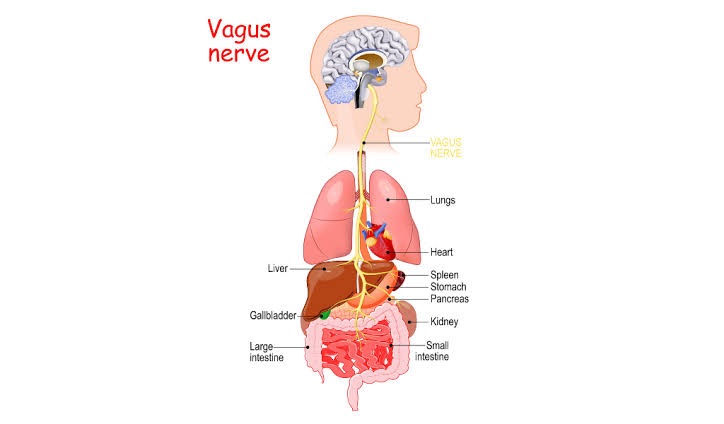
6. Humming and Vagus Nerve: The Vagus Nerve runs through the larynx (sound box) and throat (pharynx) before reaching different organs of the body, like lungs, heart, liver, stomach and intestines. So, when the humming sound is made in the throat, there are mechanical vibrations that reach the throat and chest. These vocal vibrations stimulate the parasympathetic nervous system, which quickly shifts the body from a “rest and digest” response to a “fight or flight”mode. The parasympathetic nervous system activation also helps to lower the heart rate, lower the cortisol level and reduce the overall tension and stress in the body.

7. Humming and nitric oxide (NO): Nitric oxide is naturally produced in the body during exhalation, which acts as a natural defence mechanism to clear the airways from pathogens. It also acts as a vasodilator and supports cardiovascular health. Humming naturally increases the level of NO (Nitric Oxide) in the nasal passage. The humming sound causes the mechanical vibration in the throat and chest, which in turn oscillates the airflow through the sinuses, where the concentration of NO levels is maximum. Therefore, the simple practise of humming can increase the level of NO manifold times than a normal rhythm of exhalation.

8. Humming, a tool to cope with overthinking: Overthinking is an issue commonly suffered by the majority in today’s time of uncertainty. The mind is filled with repetitive thoughts, negative thoughts, and racing thoughts. Humming can be an effective tool to combat overthinking. Focusing on the humming sound can divert the awareness to let go of repetitive thoughts, allowing one to regain control of the mind and give peace. Regular practise of humming can lower anxiety, mental tensions and restlessness.

9. Humming, a tool for meditation and Yoga: In Yogic tradition, for thousands of years, Humming Bee breath is a kind of Pranayama ( breathing technique) known as “Bhramari”, which is regarded as a powerful breathing technique to calm the mind and create inner peace. In many Ancient Indian texts, it was considered that this humming bee breath creates a resounding echo to enhance mental clarity, reduce stress and bring mental peace and well-being.

10. Takeaway: Humming is indeed a powerful breathing technique which can instantly quiet the mind, help to break the loop of negative, unnecessary thought patterns by helping the mind to focus your awareness on the echo of the humming sound. Neuroscience research has shown that the practise of the humming bee technique can help to bring mental clarity, let go of unnecessary thoughts, calm the nervous system and enhance emotional wellbeing. The deep vibration of the throat and the chest created by the humming sound stimulates the Vagus nerve, helps to reset the mind, and lowers stress and blood pressure.
Thanks for reading.
Peace and love 🙏