

Are popcorns 🍿 healthy ? 9 facts 🙌

  1. Popcorns are corn kernels which get popped when heated. Today, across the world, this has become the most popular snack amongst all age groups. Corn is the oldest grain which has been consumed for over 5000 years. It has been popular due to its easy availability and low cost. As far as health point of view is considered, it is a whole grain food, rich in fibre, low in calories and dense in nutrients.
  2. Studies show that popcorn is high in fibre and contains many vitamins and minerals. Important nutrients in popcorn are vitamins B1, B3, B6, iron, potassium, manganese, zinc, copper and phosphorus. Many studies also show that it is rich in polyphenols which are potent antioxidants. Polyphenols reduce the risk of damage by free radicals, diabetes, and heart disease and improve gut health. Popcorn is gluten-free so it can be a healthy option for people with gut issues.

3.Since, it is high in fibre and low in calories, it can help in weight loss. Eating a cup of popcorn which is around 30 calories can relatively be more beneficial in terms of fibre and nutrient content than any other popular snack. Also, it can give the feeling of fullness and curb your hunger for quite some time. Therefore, eating in moderation of popcorn can be very useful in the process of weight loss in an overweight individual.

4.Popcorn contains antioxidants Zeaxanthin, beta carotene and lutein which are very essential to eye health. These antioxidants can slow the age-related macular degeneration of the eyes, lower the damage caused by blue light and overall improve the eyesight.


5.Other health benefits of yellow popcorn are :
*Boost the metabolism and energy production due to the presence of vitamins B, B3, B6 and folate.
*Popcorn contains niacin which helps to reduce depression naturally.
*Phosphorus, and manganese present in popcorn help to support bone health.
*Popcorn can combat tumour cells due to the presence of ferulic acid.
*It can reduce the level of bad cholesterol and prevent the risk of heart disease.
*It can slow down the process of ageing as it helps in free radical damage.
*It can add iron (28 gm of popcorn containing 0.9mg of iron) to the diet and reduce anaemia. *It can control blood sugar as it has a low glycaemic index and helps in diabetics.

6.Air-popped popcorn is healthiest. Unsalted popcorn, unflavoured is healthier than those with an excess of oil, butter, sugar, caramel, and salt. Microwave popcorn bags which are pre-packed contain the chemical perfluorooctanoic acid (PFOA) and sometimes, trans fat which are harmful to health.


7.Popcorn added to diet in moderation can prove to be safe and beneficial to health. But it may have side effects on certain individuals. Some individuals can have allergic reactions to popcorn like swollen face, and breathing difficulty which may require urgent medical attention. People with digestive diseases and inflammatory bowel disorders can have flaring-up symptoms when consuming popcorn.


8.Popcorn is the ideal choice for adding to your diet in moderation. You can definitely enjoy popcorn daily, as long as you stick to one cup per day without any butter, salt, sugar, or artificial flavors. This will provide a healthy dose of whole fiber content, making it the most nutritious snack option for your diet.

9. Yellow corn which is organically grown, non-GMO, is best for regular consumption. Popcorn which is popped from such type of high-quality corn, air popped with no added flavours is ideal and provides immense health benefits. Rich in phytonutrients, vitamins, and minerals, whole grain fibres can help to reduce the risk of chronic illnesses, obesity, diabetes and many malignancies.

Thanks for reading.

Peace and love 🙏

Are canned food healthy? 10 facts 🙌


1.Canning is a method of packing food in air tight containers to last longer period of time. It can last from 1-5 years depending upon the kind of food preserved. 3 steps which include canning are processing the food by cleaning, peeling and slicing. Next step is packing them in air tight containers and lastly, heating or thermal sterilization of those containers to kill harmful bacteria and germs.


2.We often hear that canned food and vegetables are not good enough. Though the fact is true that having freshly picked or buying fresh produce vegetables from the farmer’s market is best. While canned food and vegetables are fine as long as it is not used daily. Canning restores nutrients and is easy and handy to use. They can be kept in the freezer for days when the availability of fresh produce is low.


3.Some studies show that canning restores the high nutrients of the food. Since canning involves heating, heat releases more antioxidants from food like tomatoes and corn. So, certain nutrient levels like antioxidants are increased. However, some water-soluble vitamins like C and B can get damaged due to the heating process. In general, canned food is good enough as comparable to fresh and frozen food.


4.Commercial canning and food packaging involves a chemical named BPA (bisphenol-A). Studies do show that the BPA in cans do get mixed with the food that has been preserved. Certain studies show that BPA can be linked to heart disease and type 2 diabetes. But, more studies are required to prove the hypothesis. Sometimes, bad and unhygienic canning can lead to contamination by harmful bacteria like botulism. So, it is important to avoid canned food which is damaged, leaked or cracked.


5.Preservatives, salt, and sugar can be used to enhance the flavours of the canned food. The high salt content can risk to people with high blood pressure while sugar preservatives can be an issue in the case of diabetic people. Therefore, it is very important to read the labels and ingredients list before buying a canned product. Before using canned food, draining and rinsing the food is necessary so that the excess salt or sugar is released.

6.Canned meat, chicken, and seafood are handy sources of protein with vitamins and minerals. Usually, the shelf life is 2-5 years depending upon the product. They might contain extra sodium or salt while canning. So, the food needs to be drained completely to remove the excess salt before consuming. Depending upon the brand to brand, reading the label and the ingredients lists before purchasing, the canned meat and seafood can be used as a healthy and filling source of protein and vitamins as when necessary.


7.The most important aspects of using canned food in our diet are knowing the brand, a reputed brand, buying the product from a known store and the ingredient lists. The most crucial risk factors can be spoilage, damaged or leaked cans, BPA exposure, the potential for quality variation, environmental impacts, high sodium content, lack of freshness and nutrient loss.

8. In spite of some of the risk factors, there are still a lot of advantages of canned food and are widely being used worldwide. They are concentrated food, handy to use, safe and can be stored for a long time at a room temperature. They are usually protected from contamination of micro- organisms, insects, pests and pollutants. They are available throughout the year and can be consumed instantly.

9.The disadvantages are important to note too. Nowadays, apart from BPA, several preservatives are used in canned food like nitrites, sulfites, potassium, sodium benzoate, and BHA (Butylated Hydroxyanisole 320) which can be hazardous to health. So, it is very essential to read the labels and ingredients list while buying a canned product. Already mentioned about the risk of botulism if the canned food container is leaked or damaged.

10. Yes, canned food is easy, quick, handy and affordable. Not all canned products are bad and can provide the necessary nutrients for health when consumed. When food availability is low, or when you are travelling, canned food is convenient to use. Having canned food, only whenever is required and never using it regularly is recommended. Eating fresh produce or frozen vegetables is a far better option than having a canned product which might prove detrimental to health in the long run as harmful preservatives do often get mixed with the canned food.

Thanks for reading.

Peace and love 🙏

10 facts about Nigella seeds 🙌


1.Throughout history, Nigella seeds, known scientifically as ‘Nigella Sativa’, have been utilized in a variety of culinary dishes in South Asian and Middle Eastern regions. These seeds grow from a flowering plant. The taste of these tiny black seeds is similar to that of onion and oregano, but they are slightly bitter. They are known for centuries for their immense medicinal and health benefits. They can be utilized in various forms, such as whole, oil, capsules, or powdered form.

2.Nutrition: Packed full of minerals and vitamins, including iron, calcium, zinc, copper, thiamine, phosphorus, folic acid, and many more, it’s a power meal. Useful fatty acids including linoleic, oleic, palmitic, and arachidonic acids make up the seed oil. Thymoquinone, its primary active ingredient, is extremely beneficial to health.

3.Antioxidants: Nigella seeds are full of antioxidants, which can fight free radicals and prevent oxidative stress. Studies show that nigella seeds contain several amino acids like carvacrol, thymoquinone, and 4-terpineol, which are powerful antioxidants. Hence, regular intake of nigella seeds can help protect against a wide variety of diseases, like heart disease, diabetes, cancer, and obesity.

4.Cholesterol: Many studies have shown that taking nigella seeds powder can help to lower LDL cholesterol and increase HDL cholesterol levels. This powerful effect can help the body prevent atherosclerotic diseases and ischaemic heart disease.

5.Brain: Nigella seeds have been shown to have the ability to slow down or prevent the progression of certain neurological inflammation in the brain, including Alzheimer’s disease, epilepsy, encephalomyelitis, depression, and Parkinson’s disease. Some research have also shown that nigella seeds can slow down the progression of dementia and age related memory loss.

6.Anti-cancer: Research has shown that the antioxidant thymoquinone has strong anti-cancer properties. Lung, cervical, pancreatic, prostate, skin, and colon cancers can all be prevented with the use of nigella seeds and their constituents. However, further data and investigation are needed to validate these effects.

7.Anti-bacterial: Studies have demonstrated the anti-bacterial properties of nigella seeds on germs that cause everything from ear infections to pneumonia. Their antibacterial and antibiotic qualities aid in the treatment of skin infections. They can aid in the management of chronic obstructive lung disorders and asthma because of their anti-inflammatory qualities. To manage such problems, people take the oil in capsules. However, further investigation is needed to fully understand these impacts.

8.Skin: Studies have shown that black seed oil can be used routinely to moisturize and skin cleansing. It can help to manage certain skin issues like psoriasis, eczema, vitiligo, pigmentation and wound healing. It can fasten wound healing, repair tissue damage, reduce skin irritation, heal minor burns, scar tissues. It can also help to moisturize hair, reduce hair loss.


9.Dosage: Nigella seeds have been found to have many health and healing properties and is widely been used. It’s available in capsule, powder, tablets, creams, oil, soaps, shampoos and many more forms. It is safe in small doses , about 1-2.5 gm by mouth on daily basis. But, it is recommended to inform your Primary Physician before using it.

10.Side-effects:
*Bleeding disorder: It slows blood clotting, so it is contraindicated in people with bleeding disorders. *

*Since nigella seeds may interfere with metabolism, it is important to inform the treating physician while using them.

*It can slow down uterine contraction so nigella seeds supplementation should not be used during pregnancy.
*Usually it protects the kidneys but excess consumption like 2000-2500mg daily may affect kidney health.
*The best way to minimize the potential side effects is by incorporating nigella seeds paste or oil in very small quantity in meals to enjoy the immense health benefits, these seeds provide.

Thanks for reading.

Peace and love 🙏

10 interesting facts about creatine 🙌

Hello everyone!


1.Creatine is a natural chemical found in the body, specially in the skeletal muscle. It is found in the form of creatine phosphate, around 95% in muscles cells and 5% in brain and testes. It’s main fuction is to provide energy for the muscles. Creatine helps to increase the reservoir of adenosine triphosphate (ATP) which store energy in cells. Basically, creatine helps to increase muscle mass, muscle strength and helps healing due to any injury of muscles.


2.The main way that creatine works in muscles is by giving them energy, which alters how cells operate and promotes muscle growth. It promotes muscular growth throughout the long and short terms. Research has indicated that creatine can enhance muscular growth, mass, and strength in people of all ages, including athletes.

3.A number of studies have demonstrated that creatine can boost muscle growth and strength as much as three times faster than exercise training. It can also increase muscle endurance. Thus, athletes have used it extensively. Sports athletes who use creatinine to improve their performance include runners, bikers, soccer players, and swimmers.


4.In addition to muscles, creatine supports the brain’s optimal function by replenishing ATP and phosphocreatine storage. Studies reveal that taking supplements of creatinine can help individuals with injuries to the brain, and neurodegenerative conditions like Alzheimer’s disease, epilepsy, and amyotrophic lateral sclerosis.

5.There is evidence from clinical trials that creatine may help lower blood sugar, treat fatty liver disease, strengthen the heart, and lessen the risk of stroke. Confirmation requires a great deal of additional study. Among women who have passed experienced menopause, creatine can improve bone and muscular density.


6.Supplementation is often used by older persons, young adults, and athletes, as well as in certain situations under medical supervision. Creatine monohydrate supplements are the most often utilized. According to research, this is the most extensively used, reasonably priced supplement. Generally, under supervision, 20 grams per day for 5-7 days is advised based on each individual’s unique body type and needs. Lowering the dosage gradually in order to keep the ideal levels in the body intact.


7.Regarding safety, there is no proof that creatine damages the kidneys or liver or has any adverse effects on healthy people. People who use creatine supplements during really intensive workouts do report experiencing cramps and dehydration.


8.Animal-based sources of protein such as meat, poultry, and seafood are the primary natural sources of creatine.
For vegetarians, milk and cheese contain very little creatine. Regarding vegans, there isn’t any specific food source for creatine.

9.Since the words “creatine” and “creatinine” sound identical, individuals sometimes confuse them. To be clear, creatine is the energy source for building and strengthening muscle, whereas creatinine is a waste product that the kidneys filter after the muscle produces it. To determine the kidneys’ ideal performance, blood creatinine levels are measured; these levels tend to rise in chronic renal failure.

10.To ensure that we consume enough creatine in our diet, it’s critical to incorporate food sources of the protein so that muscle build in the body is adequate. Creatine helps in recovery of post- trauma muscle fibres, exercise- induced injury recovery, muscle soreness and inflammation.

Thanks for reading.

Peace and love 🙏
10 facts to understand why glutathione is necessary 🙌

Hello everyone ✋

1.Glutathione is a naturally found antioxidant in our body. It is important to know about this powerful antioxidant because it has a host of many benefits. Its primary function is to fight free radical that damages body cells. It’s vital for the body because it helps to protect from many diseases like autoimmune diseases, liver damage, heart diseases, respiratory diseases and neurological disorders. As we grow older, the glutathione level slowly declines and the body marches towards poor health.


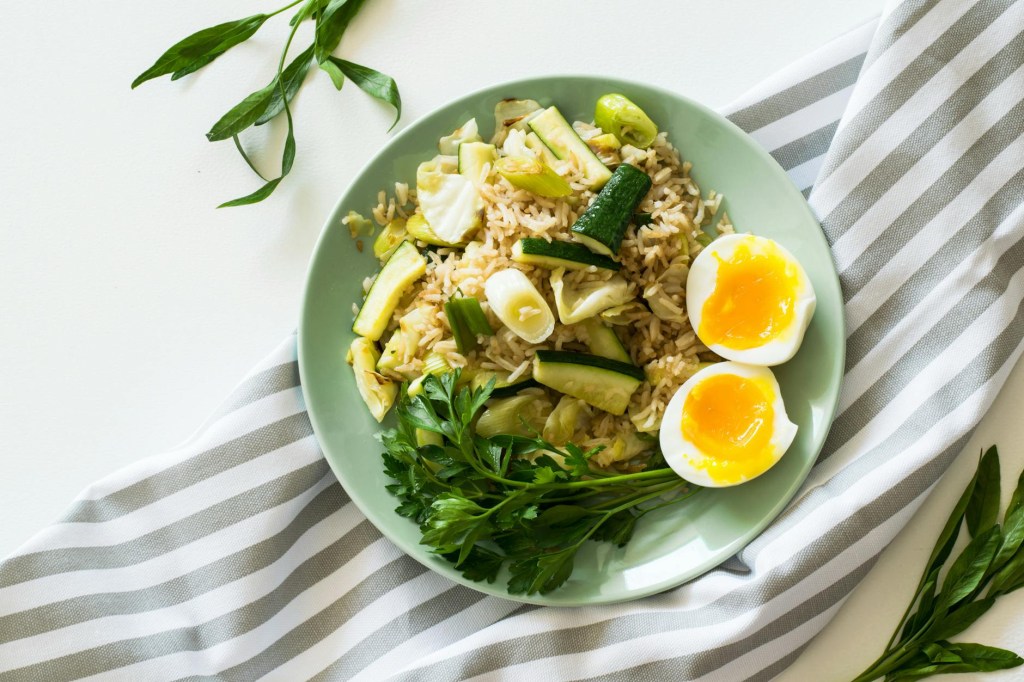
2.It is essential to maintain the level of glutathione in the body. If the level drops, certain symptoms may appear, such as anemia, fatigue, increased frequency of infections, low immunity status, sleep problems, and brain fog. To boost glutathione levels, it is recommended to consume sulfur-rich foods such as cruciferous vegetables, avocados, broccoli, spinach, garlic, and unprocessed meat. Several studies have indicated that consuming vitamin C can increase glutathione levels in the body. Therefore, it is important to consume citrus fruits, bell peppers, kiwis, and papayas regularly. Additionally, it is recommended to consume foods rich in selenium such as chicken, fish, eggs, Brazil nuts, and brown rice to maintain glutathione levels in the body.

Aging

3.Glutathione is a compound that is mainly composed of three amino acids: glutamine, glycine, and cysteine. Our body naturally produces this compound, but its level decreases with age. In addition, chronic diseases, poor diet, stress, anxiety, and frequent infections can also contribute to the reduction of glutathione levels. Low levels of glutathione are commonly found in individuals suffering from chronic diseases such as heart and liver diseases, sepsis, trauma, HIV/AIDS, and cancers. The role of glutathione in the body is crucial because it helps to prevent free radical damage, repair cells, and facilitate protein synthesis. Moreover, glutathione can bind with toxic metals like arsenic, silver, lead, chromium, mercury, and copper, and help to reduce their toxicity.


4.Glutathione is a powerful antioxidant that offers several health benefits. It can reduce oxidative stress caused by free radicals and prevent the development of various diseases such as diabetes, cancer, autoimmune disorders, and rheumatoid arthritis. Glutathione can also help to reduce cell death and improve blood levels of protein, bilirubin, and enzymes in fatty liver diseases like alcoholic and non-alcoholic types. Additionally, it plays a significant role in maintaining mitochondrial DNA, which is necessary for building proteins and cells. Several studies have shown that glutathione can improve blood circulation and prevent plaque buildup, thereby improving peripheral arterial disease. It may also help to improve symptoms of tremors and rigidity in Parkinson’s disease, respiratory diseases, uncontrolled diabetes, autism in children, and psoriasis.

Glowing skin
Gut health

5.Various studies have demonstrated that glutathione has a significant role in preventing skin problems such as acne, eczema, wrinkles, and aging. It also helps in maintaining healthy and glowing skin. When the balance between good and bad microbiome in the gut is harmonized, the overall health of the body is improved, and the skin appears healthy and radiant. However, if the balance is disrupted, it leads to skin problems and other health issues, including bowel disturbances. Glutathione is instrumental in detoxifying the body, repairing cell damage, and maintaining a balanced gut health. Therefore, by improving the level of glutathione in the body, it is possible to resolve skin problems and many gut issues.

Supplements


6.Low levels of glutathione can lead to a variety of health issues. While natural food sources are the best way to improve glutathione production in the body, supplements like vitamin C and E, curcumin, N-acetylcysteine, and selenium can also help. However, injectable supplements can be toxic and oral supplements are not very effective as they break down in the stomach. In cases of low immunity, glutathione is sometimes medically prescribed. In such cases, oral or injectable supplements may be recommended under medical supervision.

Alcohol

7.Certain lifestyle changes are essential to improve the glutathione levels in the body. Avoiding smoking, alcohol, too much dairy, caffeine and processed food is required to boost the levels in the body. Having a balanced diet, with good quality natural food sources, exercise and good sleep can improve the glutathione production in the body.


8.Glutathione levels are not typically measured in the body like essential nutrients, so research is still insufficient to understand the effects of low levels and supplement requirements. Studies do show that low levels can result from poor diet, stress, environmental toxins, and increasing age. Low levels of glutathione are associated with an increased risk of chronic diseases like cancer, diabetes, liver diseases, and Parkinson’s disease. However, supplementing with glutathione does not decrease the risk, so more studies are required to determine the optimal intake and its effects.

Milk thistle


9.Supplements of glutathione that are commercially available include Selenium, Vitamin C and E, milk thistle, and N-acetylcysteine. The dose of glutathione depends upon an individual’s age, sex, past medical history, and drug allergies. Studies have shown that glutathione is given at a range of 250 to 1000 mg/day in either injectable or inhalant forms. However, it is strictly advised to seek medical guidance before taking glutathione supplements since it can cause possible side effects. Some side effects like skin rashes, cramping, bloating can appear and inhalant glutathione might cause breathing problems too.

10.In brief, glutathione is a vital antioxidant that is naturally produced in the body and offers numerous benefits. A deficiency of glutathione can lead to the development of various chronic diseases, including cancer. As we age, the level of glutathione in our bodies naturally decreases. Therefore, it is crucial to be aware of dietary sources that can help boost the natural production of glutathione in the body. If advised by a medical professional, supplements can also be taken to improve the levels of glutathione in the body.

Thanks for reading.

Peace and love 🙏
10 facts to know about stomach bloating 🙌

  1. Stomach bloating is usually feeling fullness, swelling or tightness around the abdominal region. The most common thought that comes to mind when you feel bloated is eaten too much, too heavy a meal or your stomach is filled with gas or air. Abdominal bloating is common both in adults, children and also in babies. The common symptoms of bloating can be pain, distention, belching, excessive gas causing flatulence and abdominal gurgles.
  2. Why do we feel bloated? Bloating commonly happens due to excessive gas or air. Sometimes, gas accumulates in the digestive tract due to the slow breaking down of the undigested food due to delayed emptying. This can give rise to bloating. Another common cause is air getting swallowed while eating or drinking too fast which gives the feeling of bloating.
Fizzy drinks

3.Gas is a very common cause of bloating. Drinking fizzy drinks or carbonated beverages causes swallowing of air which may give rise to bloating and disturb digestion causing pain and discomfort. Eating a heavy carbohydrate-rich meal causes difficulty in digesting tougher carbs like sugars such as fructose, lactose, sorbitol or wheat and beans. A considerable quantity of carbs remain undigested causing slow fermentation resulting in gas. The fermentation is caused by gut bacteria while digesting the carbohydrate.

4.Other causes can be constipation, heartburn, malabsorption of food, menstrual symptoms, impaired gut motility, and overgrowth of gut bacteria. There are many medical causes like irritable bowel disorder, parasitic infection, food intolerance, inflammatory bowel disorders like ulcerative colitis and Crohn’s disease, Celiac disease, anorexia or bulimia nervosa, stress, anxiety, depression, hormonal imbalance in case of women.
Some life-threatening causes of abdominal bloating can be ascites in liver diseases, kidney failure, ovarian cancer, and perforation of the GI tract causing the gas to escape giving the symptom of bloating.

5.Bloating is a common symptom in a healthy individual every now and then. Usually, the symptoms of pain, fullness, and discomfort are moderate to severe. It can ease off within hours to 1-2 days normally. Mobility, mild exercise, and having water or herbal teas can slowly ease the symptom. In case of gas, flatulence and constipation, pooping can relieve the symptoms. But, if the condition worsens within days, medical attention is required for evaluation of underlying cause.

6.If the abdominal bloating has a specific cause like food intolerance or food sensitivity, avoiding the particular food or eliminating it from the diet is necessary. Certain food items like sugar food rich in high lactose, and fructose are difficult to digest and can result in intestinal gas and bloating. Food items like wheat, beans, dairy, cauliflower, cabbage, fatty food, fizzy drinks, processed food, beverages can lead to stomach bloating.

7.Bloating is a common problem in many women due to hormonal fluctuations. The female hormone estrogen can cause fluid retention in the body. During phases of estrogen high and progesterone drop, bloating is very common. Moreover, during menstruation, the uterus is already heavy due to fluid can cause stomach bloating. Therefore, in women, during perimenopausal phase and before or during monthly periods, stomach bloating is common. Hormonal birth control pills and oestrogen supplementation can relieve the symptoms with advice from medical experts.

8.Bloating is serious and requires medical attention when the symptoms worsen, continuous pain, bloody stools, fever, and vomiting occurs. Stomach bloating, when associated with physical injury, surgery, ascites in the liver or kidney failure requires medical help immediately. When the abdominal bloating and gas retention becomes chronic, the underlying cause needs to be investigated. As already mentioned before, when hollow organs like the stomach, intestines, gall bladder, uterus, and bladder are distended, they can be palpable and felt on physical examination. Causes like undigested items, fluid, intestinal gas, poop, urine, and internal bleeding in case of injury can be the probable reasons. Inflammation and bacterial overgrowth can also lead to enlargement of the hollow organs. The underlying problem needs to be thoroughly investigated.

9.However, prevention of abdominal bloating can be done if the individual does have this history of bloating quite often. In case of food sensitivity, or food intolerance, avoiding the particular food item is required. Taking long intervals between meals is helpful.
*Having fibres in diet to prevent constipation and easy passage of wastes.
*Drinking water to prevent dehydration,
*Reducing salt intake to prevent water retention,
*Regular exercise and walking.
*Taking probiotic supplements is also quite helpful.
*Some home remedies like apple cider vinegar and applying a warm pad on the stomach may sometimes work too.
*OTC medication like antacids to relieve gas, laxatives to relieve constipation or enema to have bowel motility can be useful too.

Carb rich foods
Beverages

10.Bloating is quite common in a normal individual. If you have an episode of bloating, it is wise to identify and avoid the particular food item that leads to bloating. Normally, avoiding certain situations like having…
*Salty food
*Fizzy drinks,
*Eating too fast should be avoided as it leads to swallowing air.
*Avoiding processed, carb-rich food,
*Fatty food,
*Avoiding alcohol, and smoking as they can create digestive issues .
Having a balanced meal with a bigger portion of fibre in the diet, intervals between meals, drinking plenty of water, and eating slowly can be helpful. Bloating is serious and needs medical attention when the symptom persists, accompanied by other symptoms like bloody stool, weight loss, loss of appetite and persistent pain abdomen. Once the cause is evaluated, treatment can be done accordingly.

Thanks for reading.

Peace and love 🙏

10 facts to know why cold pressed oil is a healthier option 🙌

Hi everyone !

  1. Any edible oil is cold-pressed oil when it is produced by precipitation, by pressing the seeds at room temperature without using heat for extraction. Unlike refined oil, the process of extraction of cold-pressed oil and filtration is done without using any harmful chemicals and heat. It is produced by the natural method of extraction from seeds by pressing at room temperature so found to be more natural and nutrient-dense.
  2. How the cold-pressed oil is different from other oils? Refined oil extraction involves machinery with different steps of refining, by using chemicals, heat and sometimes bleaching agents so the oil has a high smoking point. Hot-pressed oil involves applying heat during extraction but no chemicals. Vegetable oils are usually hot-pressed oil. Virgin oil involves the extraction of oil from fresh fruits or seeds like virgin olive oil or virgin coconut oil. In some cases, it may differ from cold- pressed oil as the oil is extracted from the fruits or seeds from drying them earlier so the oil retains its nutrients and antioxidants.

3.From a health point of view, out of all cooking oils, cold-pressed oil and virgin oil have the maximum benefits. Both the oil extraction and filtration processes have been made to preserve the maximum nutrients, antioxidants and healthy fats. Even after extraction, these oils are rich in healthy fats like omega 3 and 6, vitamins, and minerals like zinc, magnesium and potassium. These nutrients are very essential for health as anti-inflammatory, and anti-cancer properties and are good for the cardiovascular system.

4.The cold-pressed oil of any variety, restores the natural flavour and physical characteristics of the oil like colour, taste and smell. Apart from having immense health benefits, the oil is light and good for cooking depending on the variety of oil used as per taste buds. Extra virgin olive oil is considered the healthiest as it is extracted from the freshest olives by cold pressed method.

5.Depending on the cooking culture and taste buds, there are a wide variety of cold pressed oil types in the Supermarket like olive oil, soybean, canola, cottonseed, palm, peanut, coconut, sesame, mustard, sunflower and avocado oil. Out of them all, olive oil and coconut oil are among the healthiest varieties as a cooking medium. Extra virgin olive oil, avocado oil and walnut oil varieties have been used as dressing for salads.

6.The reason of the disadvantage of cold-pressed oil is due to its low yielding while extraction and short shelf life of 3-4 months. To increase the volume of the cold-pressed oil, the raw material has to be crushed several times. The method of extraction is usually manual or simple mechanical tool of crushings used at room temperature. Then, the oil is filtered to remove precipitates or any toxins. Due to low production, the cost is usually high.

7.Nowadays, cold-pressed oil is preferred for its environmentally friendly method of extraction. Moreover, the oil is nutrient-rich with tremendous health benefit properties of lowering the risk of heart disease by reducing bad cholesterol, anti-cancer properties and anti-ageing benefits. These oils are rich in polyunsaturated fatty acids which are necessary for brain function and heart health.

8.Another important benefit of cold-pressed oil is that it can aid in the weight loss process. Since it has a high metabolic rate it can facilitate in burning of fat. It is also easier to digest due to its low cholesterol content. But, using excess oil while cooking may overshadow these benefits.

9.Some variety of cold-pressed oil has some special benefits in particular. Like groundnut oil, olive oil improves insulin sensitivity and helps in better control of blood sugar. Lignan is a powerful antioxidant found in cold-pressed sesame oil which helps in lipid peroxidation and thereby lowers blood pressure. There is strong evidence that shows that consumption of olive oil lowers the risk of cancers like breast and GI tracts cancers.

10.It is very essential to switch to a healthy type of cooking medium like cold pressed oil and use them in moderate quantities for cooking daily to lower the health risk. Nutrient-dense, high-calorie- rich oil helps make you feel fuller after eating and reduce your hunger. Together with everyday exercise and considerable hours of fasting between meals can help to maintain overall well-being.

Thanks for reading.

Peace and love 🙏

Trapped emotions: Time to let go! 🙌

Hello everyone ! Have a wonderful and safe day 🙋🏻

As a human being…

Everybody in this world has a deep longing for love and affection. From the new born to the older adult, everybody yearns the sense of belonging, love and compassion. Social acceptance, being valued, and recognition is longed for by one and all in the human community. Infact, we all deserve our inherent birthright of being loved, happiness, vitality, freedom, fearless and growth. So, then, from where does the negativity arise? A child being born is always happy and cheerful. It is the environment, caregivers, parents, teachers, elders, peers, and the competetive nature of this material world that pushes the child towards negativity, egoistic, pain, fear and unhappiness. These growing years, his interaction with the people around him, the environment that slowly programmed his subconscious mind with doubts, anxiety, worries, sadness, lacks and unhappiness. So, like you and me, every individual has grown up with our share of fear, limitations, and inadequacy.

Trapped emotions impact on physical health…
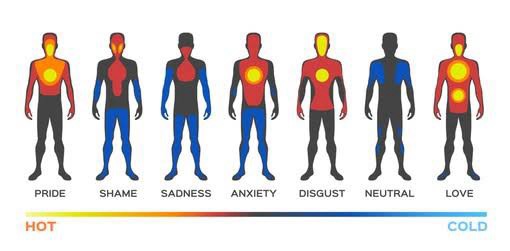
Within this paradigm of limitation and inadequacy in our subconscious mind, we move forward with the life journey. We are then, bombarded with challenges of day-to-day stress, relationship stress, work pressure, financial strain, and other constraints that affect our emotional health even more. Maybe, bad experiences, conflict with parents, loss of a closed one, heartbreak, deep trauma due to a failure, a toxic boss, rejection, and anger can all be overwhelming and add to our emotional baggage. We may think that emotions come and go. We can get over it, quickly or healed after some time. But, the truth is, certain emotions are’nt so superficial. Infact, it has a lasting impact on both our physical and mental health. Studies have shown that certain intense emotions get trapped in particular organs of our body. Like, anger gets trapped in the liver, while hurt, fear get trapped in the heart and so on. Ancient Ayurvedic science which is 5000 years old has rightly pointed out that too much of trapped emotions like anger, worry, chronic stress can create too much heat (Pitta) in the body which may affect the hameostasis and start creating physical illness. So, the emotional component is critical in the overall wellbeing. In reality, it is the emotional health and wellbeing that transcend physical health. Hence, the term disease means (dis-ease, absence of ease).

Evid Based Complement Alternat Med. 2017; 2017: 7618419.

Published online 2017 Aug 22. doi: 10.1155/2017/7618419

Emotional health is crucial…

Fundamentally, our mind and body are designed to be in a state of growth, restore, repair and relax. Yes, in times of potential threat and danger, the body reacts to the survival mode of fight and flight response. But, then as evolutionary, the body naturally comes back to its state of homeostasis when the threat is gone. The parasympathetic mode’s natural restoration mechanism is greatly affected by the daily’s state of chronic stress, being on the run, and always being overwhelmed. Moreover, this everyday struggle within our emotional health of mental barriers, mindset, limitations, fears, and worries added to day-to-day stress. So, leading a healthy lifestyle and caring about physical fitness has not stopped people from falling sick. People follow the best possible diet, take their best supplements, and follow an exercise routine, yet they fall into various illnesses like chronic diseases, mental issues and autoimmune diseases. Now, it has become very crucial to consider emotional health, a priority before everthing else. Maybe, this is the most critical component in our path of mental, physical, spiritual wellbeing and being a successful person we all longed to be.

It is vital to slow down...
It is essential to annalyse our emotional and mental state daily, introspect at times, and slow down to understand what affects us the most. It is crucial to change the way we think, elevate our vibration, be in the positive mind space and overcome the mental barrier if we want to take charge of our mental and physical heath and wellbeing. As, for all of us, it is much easier said than done. But, indeed, we have to put some efforts on our own to make our life the way we want it to be. To take control of our physical and mental wellbeing and be in a happy, comfortable space that we all longed for.

Some ways that we can work towards for self-improvement:
1. Self-acceptance: Being aware and acceptance is an essential and fundamental change. Any circumstances, any issue or conflict that we are facing, in terms of physical or mental health, needs self-acceptance. Self-resisting, self-denial, result in more stress, conflict, and high cortisol release, which makes us unfavourable to heal or change. So, self-acceptance and being self-aware is an essential step towards change. It is necessary to accept, share with a closed one or a therapist and let go the emotional baggage. Sharing with somebody or writing down the emotions and thoughts helps us acknowledge them better and give ourselves time and space to change. Meditation and mindfullness practices also helps us in emotional growth.


2. Victimhood: Instead of living in victimhood mentality, or self-blaming, starting to explore ways and methods to be part of the healing process. Suppose, somebody is being affected by a physical or mental issue must be an integral part of the healing process. Taking responsibility and works towards healing instead of surrendering yourself fully in caregivers’ hands. It is crucial to actively partcipate in the healing process.


3. Self-compassion and patience: It is vital to approach onself with self-compassion. Being compassionate towards self, putting oneself in the right frame of mind dramatically counts. Because failing or falling is the very essence of human nature. Having faith in the Higher Power and a lot of patience is beneficial in the healing process. Because, like good times, adverse times, doesn’t last long too.

Thanks for reading.

Blessings and much love to all 💐


10 top benefits of music on health 🎧 🎼

Hello everyone ! Have a wonderful and safe day. 🙋🏻

Whether on purpose or without purpose, music has become a part of our lives. The day starts with a busy schedule, yet we happen to listen to music, maybe while driving to work, a shop, cafe, gas station or wherever we happen to pass by. After a day’s long work, we may intentionally listen to music to calm and rejuvenate our mind. Music is of different genre and variety, loud, hard, soft, calming or with and without lyrics. It is all about individual choices and preferences.

Both in the past and in the present time, studies show the tremendous effect of music on all mental, emotional and overall health.

Ten effects of music influence on health:

1.Mood booster: Listening to music can stimulate the release of neurotransmitters like dopamine which gives a feeling of satisfaction and reward. It makes us repeat the behaviour, that is to continue listening to music. Therefore, it can elevate the mood to pleasure, motivation and enthusiasm. It can strengthen you emotionally by fine-tuning your emotional health.

2.Improves sleep efficiency: Listening to soothing music, stimulates the parasympathetic system, lowers the blood pressure and slows down the physiological functions. It relaxes the mind and body, making it ready to fall asleep. Music has been instrumental in treating sleep disorders.


3.Exercise performance : Studies show that music increases the level of performance, strength, endurance level while exercising. It delays fatigue by boosting the stamina level.

4.Focus: Listening to fine instrumental music helps to capture attention and to focus. So, some people prefer listening to music while on work which allows them to concentrate and increase productivity.

5.Divergent creativity: We all have the same cognitive capacity to think original thoughts and ideas; it’s the area on the right side of the brain, the creative brain. Research shows that listening to lively, happy music helps to stimulate this area of divergent creative thinking.


6.Reduce stress: Listening to calming music of about 60 beats/min can stimulate alpha brain waves which can make you feel calm and conscious. It reduces the cortisol level and releases endorphins which helps you relieve stress. It has been used successfully by many as a stress-reducing technique.


7.Memory: The frontal cortex and hippocampus of the brain are associated with memory. So, revoking memories are challenging in person with dementia and Alzheimer’s disease. Sometimes, music with a particular tune or lyrics can help significantly to relieve some of the memories in such individual.


8.Immunity: Music stimulate the parasympathetic response in the body which elevates the physiological coherence and promote the immune response. It boosts the release of antibodies and natural killer cells which helps to combat infections and chronic conditions like cancers and autoimmune issues.

9.Improves vascular health: Music helps to ease the anxiety and stress level by bringing the blood pressure and heart rate to the average baseline level. It relaxes the arterial wall and enhances the blood flow, thereby improving vascular health.

10.Weight loss: Music has a visceral effect too. Listening to music helps you to eat slowly, with relaxation. This effect improves our chewing ability and promotes metabolism. As you are eating slowly, you end up eating in a lesser quantity. Moreover, music also helps your exercise performance. So, in the process, you end up losing weight too.

Thanks for reading.

Blessings and much love to all 💐

Negative emotions: 6 ways to deal with…😇

Hello everyone ! Have a wonderful and safe day 🙋🏻

img_0843

Scientists are yet to give a proper standard definition of emotion. Enough researches are done in the past and are still going on. Yet, it is quite challenging to define this experience of mind called ’emotion’. Emotion is usually a state of mind which is neurophysiological. It can be linked to the person’s personality, thought process, feeling, mood or temperament. It’s a mental state where he/she may experience either pleasure or displeasure. So, every day and every moment, a person’s emotional state may vary.

img_0844

Researches have revealed that the left side of the brain is a logical and more analytical half while the right side is imaginative, creative and emotional. There is a total of at least 27 emotions which appear in the human mind. Everday, both positive and negative emotions surface in the human mind throughout the day. As the flickering mind keep reacting and responding to the different internal and external experiences, so does the emotion keep changing. I think emotion/feelings have a lot to do with our subconscious mind. The subconscious mind, with its conditioning and tendencies, ingrained through our life journey. Therefore, depending on these tendencies, the emotional state may vary from individual to individual for the same human experience.

Having an emotion, pleasant or unpleasant, we blame it to the external environment. But we fail to acknowledge that our internal environment has a greater role to play than any external environment when it comes to our emotions. Here, I would like to emphasize more on the negative emotions that are generated in our mind daily because they have a toxic effect both on our physical and mental health. We can at least try developing a habit and make behavioural changes to reduce or try getting rid of them as much as practically possible for the sake of our wellbeing.

img_0849

The sources of negative emotions evolve through a toxic and adverse thought process like anger, pride, ego, greed, jealousy, hatred, lust, infatuation and so on. So, how do we stop ourselves or at least try getting rid of them daily? It is an ever-evolving process and learning experience that grows with time.

Six ways, we can try getting rid of them are :

img_0846
1. Replacement techniques: Every time an unpleasant experience happens, the negative emotion of anger, pain, hurt, resentment appears. Further, the mental pattern of overthinking and ruminating makes it worst to bear. Being aware of our state of mind is an important step to initiate. And the slowly deliberate attempt of replacing the negative thinking pattern with a positive and a more constructive thought process. It is something that isn’t easy at all. But, it isn’t impossible either. It’s a habit that has to be grown and nurtured through time. Therefore, replacement with a better pattern is an efficient method.
2. Bring in the opposite action: Intentionally doing an act of service or showing good conduct even in a bitter experience. It can lead to a change in our mental state to a more positive environment and reduce the negativity. No matter what the other person’s reaction, you remain in a positive and gratitude state. It can help us get rid of negative emotion and maintain a balanced state of mind.

img_0848
3. The mind of service: Every individual is deep down selfish. We live, work, desire all the time for our own selfish needs. We feel we will be happier this way. But, we end up suffering because of our selfish desires and needs. We need to realise this sooner or later. The more, we grow towards an unselfish mind, a mind in service to others, the lesser is the negativity around.

4.A bigger picture: Whenever we breed a negative emotion towards a person or a situation, we tend to have a narrow perspective. We become selfish as our ego hurts, and our ‘sense of self’ is threatened. Realizing this fault of our’s is a great help. Being self aware of our narrow-mindedness is a crucial step. It will help us to view the person or the situation in a wide broader picture. Therefore, we become less judgemental towards the state or the person.

5. Nurturing positive emotions: We need deliberate efforts to boost positive feelings of compassion, kindness, love and gratitude. Nurturing these emotions can substitute negative emotions of anger, hatred and jealousy. Cultivating a habit of doing good to others can create good mental impressions and thereby bring good feelings of joy and happiness.

background-calm-clouds-747964
6.Meditation: The daily practices of meditation, nature walk, chanting, yoga, creative activities enhances self-awareness. Through self-awareness, we can gain better clarity of mind. We have better control of our mind, emotions and actions.

Thanks for reading.

Blessings and much love to all 💐