
10 important facts about tocotrienols 🙌

Tocotrienol complex

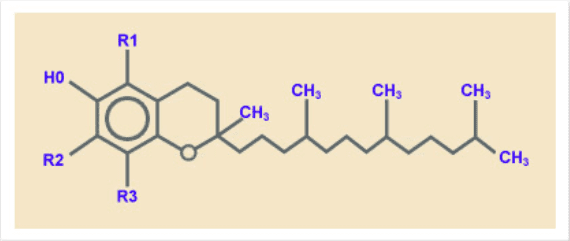
1. Vitamin E is actually a complex of 8 different compounds, which include 4 tocopherols and 4 tocotrienols , each of which can be further divided into alpha, beta, gamma, and delta forms. While tocopherols have been the focus of most research, tocotrienols have not received as much attention. Consequently, many vitamin E supplements available in the market predominantly feature tocopherols, leaving the full potential benefits of tocotrienols yet to be explored.
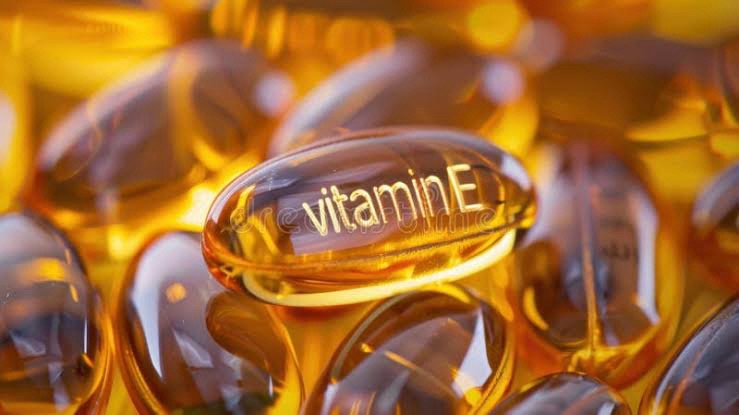
2.Many Vitamin E supplements on the market primarily contain tocopherol as their main ingredient, which means that their full benefits for the body are not realized. Recent research has shown that tocotrienols are powerful antioxidants with various health benefits. They possess neuroprotective properties, help reduce cholesterol levels, promote skin and hair growth, protect the liver, prevent strokes, and may even help prevent sterility. Additionally, tocotrienols are known to combat inflammation.

3.Actually, tocotrienols help significantly in the body to lower inflammation. Studies have shown that tocotrienols are five times more potent than tocopherols in reducing inflammation. Research has shown that tocotrienols are available in different forms: Delta tocotrienols and gamma tocotrienols, of which delta tocotrienols have five times more potency than tocopherols to fight inflammation in the body. In fact, tocotrienols are far more potent than tocopherols in the prevention of oxidative stress.

4. The widespread benefits of tocotrienols can be summed up as :

• Powerful antioxidant.

• Powerful antimicrobial

• Neuro-protective.

• Anti-cholesterol effect.

• Anti-tumour, anti-cancer,

• Prevents stroke

• Anti-inflammatory, prevents autoimmune diseases.

• Protective to the cardiovascular system, hepato-protective, and promotes hair growth.

• Promotes bone health, especially for menopausal women.

Palm fruits

5. Extensive studies have been carried out on the neuroprotective role of tocotrienols, which have shown very positive results on people with stroke, nerve disorders and neurodegenerative diseases. Studies have revealed that astrocytes play an important role in restoring neuronal cells and protect neurons against oxidative stress. Tocotrienols help in preventing glutamate-induced injury and prevent the death of astrocytes. Therefore, tocotrienols are crucial in minimizing neurodegenerative diseases and stroke.

Annatto

6. There are several studies and clinical trials showing evidence of anti-inflammatory effects of tocotrienols by controlling the inflammatory mediators. Research suggested that tocotrienols block the activation of nuclear factor kappa-light-chain-enhancer of activated B cells (NF-kB), one of the main regulators of inflammatory response. Supplementation of tocotrienols is found to reduce tumour necrosis factor alpha (TNF-alpha), interleukin-1 and phorbol ester. It is a potential agent with significant anti-inflammatory effects in atherosclerosis, thyroid diseases, and autoimmune diseases.

7. Research shows that tocotrienols are usually safe for healthy individuals at a minimum dosage. But they do have anti-coagulant properties, so people with blood disorders should avoid taking them. Some contraindications:

• Individuals allergic to any compound of Vitamin E should strictly avoid it.

• As mentioned already, people with bleeding disorders, or anyone who will undergo surgery, should avoid it as it may slow blood clotting.

• Tocotrienols may interact with medicines like anticoagulants and antiplatelets and increase the risk of bleeding.

• Overdosing should be avoided as it may cause physical symptoms like headache, fatigue and GI symptoms.

•High doses of tocopherol can interfere with the efficacy and absorption of tocotrienols.

8.Tocotrienols are generally safe when taken by mouth. There is no standard medical recommendation for dosage. However, under medical supervision, the typical dose of tocotrienols in adults is 100mg – 200mg per day. Dosage can vary depending on the specific health requirement. Supplements are mainly derived from palm and annatto derivatives. They are fat- soluble and best absorbed along with a meal.

Edible oils

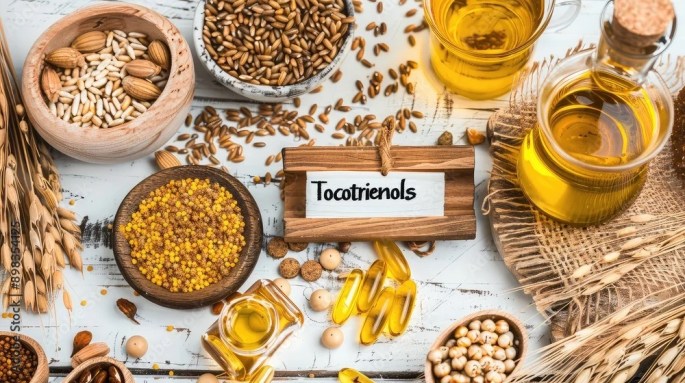
9. Food sources: Generally, tocotrienols are rarely found in nature. Even if some food sources are available, they are available in very low quantities. Palm oil has the most concentrated and natural source of tocotrienols, but at a very low level, which is not sufficient for potential health benefits. Other food sources are annatto ,edible oils like rice bran oil, grape seed oil, castor oil, coconut oil, peanut oil, linseed oil, cod liver oil, hazelnuts, oats, olive oil, maize, wheat germ, nuts and barley. Fish like salmon, trout, fruit like avocado, mango, vegetables like red pepper, greens, turnip, and squash are rich in vitamin E and its compounds.
10. Takeaway is that tocotrienols are the least known compound of the Vitamin E family, yet they are the most potent antioxidant and have strong evidence of widespread health benefits. Newest studies show that this compound has senolytic properties, a strong immune response, and apoptosis. They can slow down the process of ageing, reduce oxidative stress, and lower malignant potential. Though in small quantities, regular intake of natural sources of tocotrienols is sufficient for a healthy individual. Supplementation is required when medically prescribed.

Thanks for reading.

Peace and love 🙏

10 facts about Fucoxanthin (FX): A promising natural supplement 🙌

1. Fucoxanthin (FX), a brown pigment, is derived from various seaweeds and algae. It helps in algae photosynthesis and photo-protection in the aquatic environment. Several studies have shown that this phytochemical can be a potential source of nutritional and health benefits against various diseases like diabetes, obesity, cancer and many infectious diseases. Recent findings have shown that it has various properties like antimicrobial, antioxidant, anti-inflammatory, anti-obesity, anti-diabetic, and hepato-protective effects. Therefore, because of its highly potent effects of prevention of obesity related diseases, anti-cardiovascular, tumour inhibition and health benefits to bones, skin, eyes and liver, this pigment has been a promising pharmaceutical asset.

2.Molecular Structure: The unique molecular structure of FX is similar to that of Beta carotene and has the allenic bond. Out of 700 naturally occurring carotenoids, only 43 of them belong to the allelic group, and FX is one of them. Therefore, there is growing interest in the pharmacological activity of this carotenoid, which can be a great potential source towards the prevention of various physical illnesses. FX is mainly found in micro-algae rather than macro-algae. Among the three kinds of micro-algae, that is green, red and brown algae, FX is in higher concentration in brown algae.

3. Multi-functional: Research has already shown that FX has a tremendous amount of health benefits because of its unusual molecular structure. The multi-functional benefits are namely, anti-oxidant, anti-microbial, anti-inflammatory, anti-allergic, anti-malarial and anti-helminthic. Apart from these activities, FX helps to correct the imbalance of lipid metabolism, which is created by a fatty, unhealthy diet. It has a positive impact on fatty acid oxidation, lipolysis, and bile acid synthesis and lowers the level of free fatty acids.

4. Anti-obesity effects: This brown pigment is a promising asset for lowering weight naturally. Obesity has been one of the main risk factors of many chronic and serious health issues like diabetes, heart diseases, high blood pressure, atherosclerosis, fatty liver, high cholesterol, infertility and many cancers. FX lowers the free fatty acids, inhibits lipogenesis, promotes beta-oxidation, bile synthesis, and influences enzymes which are essential for lipid metabolism. As a result, fat accumulation in the liver and adipose tissues is lowered, reducing cholesterol and triglyceride concentration.

5. Liver: Studies have shown that FX has hepato-protective effects. In case of fatty liver diseases, it can help in reducing the accumulation of lipid in liver cells, stimulate Beta-oxidation of hepatic fatty acids and lower the hepatic enzyme activity for fatty acid synthesis. Several animal studies have shown promising results of reducing lipid and triglyceride concentrations in the liver.

6. Inhibitory effect on cancers: Several studies on different cancers have shown that FX can scavenge free radicals and make it a potential modulator of carcinogenesis. FX has shown promising outcomes in different animal studies of inhibiting apoptosis and hindering the tumorigenesis in different types of cancers like lung cancer, colon cancer, breast cancer, liver cancer, gastric cancer, lymphoma and leukaemia. They behave as angio-modulators in cancer therapy.

7. Metabolism of FX: Because of its wide range of health benefits and potential role in the prevention of chronic illnesses, it has been a promising compound in pharmacological uses both individually and in synergy with other compounds. FX is a carotenoid which is mainly absorbed in the small intestine, similar to fats and fat-soluble vitamins. Studies have shown that consumption of this brown pigment orally does not show abnormal changes in organ tissues; therefore, it is safe for human use.

8. Food sources of FX are various species of seaweeds like Wakame, Arame, Kombu, Hizika and Laminaria digitata. Some other natural sources are microalgae like diatoms. Marine invertebrates like mussels, oysters, and clams also contain a small amount of FX. Predominantly, FX is present as a rich source in brown seaweed compared to other pigments like chlorophyll and xanthophylls.

9. As a supplement: Animal studies have shown the safe use of FX and that it has no adverse effect on the body. Therefore, it has been widely used as a supplement for its wide range of health benefits. It is used as tablets, capsules and soft gels usually labelled as Fucoxanthin or “brown seaweed pigment” While the bioavailability can be low in case of human consumption, its absorption can be increased when consumed with lipids and edible oils. Dosage can vary from 3-5 mg per day.

10. Side effects: FX has no adverse effects and no toxic accumulation in the vital organs of the body in case of animals when consumed in higher doses. Therefore, it is considered safe for human consumption. It is considered safe for vital organs like the liver, kidney, spleen and gonads when consumed moderately in humans. Further research on humans is still required for more clarification. It is always advisable to consult a Physician before introducing FX as a supplement when there is a pre-existing medical condition.

Thanks for reading.

Peace and love 🙏

10 facts: Is dairy essential for overall wellbeing?

1.Whether, dairy is good or bad, still remain subjective. Dairy commonly known to offer many nutritional benefits, but it is not absolutely essential for maintaining overall health and well-being. In ancient times, when survival was challenged by harsh weather conditions, humans began consuming raw animal milk due to a scarcity of food. As these populations migrated from one geographical region to another, they gradually developed genes that allowed for lactose tolerance. This is how dairy became incorporated into the human diet. Today, many individuals may find dairy consumption uncomfortable.

2.Research has shown that though dairy is a good source of protein and calcium, it is not mandatory that without them, you can be deficient in this nutritional benefit. Having a regular balanced diet which is rich in pulses, leafy vegetables, and nuts can provide you with a better source of protein, calcium and loads of other nutrients than depending on dairy products. Though milk has been considered as wholesome food for both children and adults and is consumed throughout the millennia, many studies have shown cases of lactose intolerance and health risks to individuals through dairy. So, if you are not tolerant of dairy, it is important to avoid it, as there are plenty of other food sources which can provide the same nutrients.

3. Lactose intolerance: People who are lactose intolerant lack the enzyme lactase, which breaks down the sugar in milk. So, such individuals suffer from digestive distress and have different symptoms after consuming milk and dairy products. About 65% of the world’s population suffers from lactose intolerance. Lactose is found in almost the same amount in both A1 and A2 milk. So, people with lactose intolerance should avoid both A1and A2 milk. People with lactose intolerance may suffer from symptoms :

• Gas.

• Bloating.

• Stomach pain.

• Vomiting.

• Diarrhoea.

4.Studies show lactose intolerance is mainly due to gut sensitivity and lactose malabsorption. Most of the varieties of milk and milk products contain lactose, such as cow, goat,buffalo or sheep. Again, fresh milk, curd, and cream contain more lactose than cheeses. Lactose in dairy is used in many other products like processed food, biscuits, cookies, soups,snacks, and dressings. Therefore, if you are sensitive to lactose, all these food items can cause trouble when consumed. People need to read the labels of ingredients while consuming such products. Nowadays, many dairy products are made with the lactose being removed, such as some cheeses, lactose free milk, yogurt.

5.Allergies: Allergy to milk or dairy products can appear as early as childhood, wherein there may be mild to severe symptoms on consuming them. This is an atypical immune response resulting in various symptoms. Sometimes, it is life-threatening, which is known as an anaphylactic reaction.But, fortunately, with growing age, most of the time, the allergy disappears and dairy can be consumed without difficulty. In some individuals, the allergy can continue lifelong. Cow’s milk contains an allergen which triggers an immune response. But, some people may be allergic to other milks too, like sheep, goat or buffalo. Milk allergy is caused by milk proteins like casein and whey. Symptoms can be:

• Tightness of throat

• Swelling of the tongue

• Hives

• Stomach pain

• Vomiting, diarrhoea

• Persistent, cough, dizziness.

6.Inflammation: Though dairy may not be related to inflammation in most people. But studies do suggest that some people may be sensitive to beta-casein A1 protein found in most of the cow’s milk, which is connected to systemic inflammation. Long-term consumption of dairy is found to have a lowered anti-inflammatory effect in the body in those who have pre-existing conditions, metabolic abnormalities and are overweight. Some studies showed that milk processing causes changes in the basic components of milk, which can trigger inflammation in some individuals.Different small studies showed that raw milk consumption, due to its vast microbiota, increased the release of cytokines, which had a pro-inflammatory response. Again, UHT, homogenised high-temperature milk also showed pro-inflammatory cytokine release production both before and after digestion. Therefore, dairy can be inflammatory in some individuals depending upon some pre-existing conditions of autoimmune, metabolic and degenerative chronic conditions. Observation is important to pinpoint the type of food which can trigger an inflammatory response.

7.Several types of milk are available in the grocery aisle of a supermarket, including whole milk, low-fat milk and skimmed milk. Apart from this, several varieties of milk and dairy products of different sources like cows, buffalo, sheep and goat are available. Organic milk and grass-fed milk, which are anyway organic, do show a higher amount of Omega-3 than regular milk. Saturated fat contained in milk previously did show a relation to a higher risk of cardiovascular disease and stroke. But recent studies did not show direct evidence of this correlation. In terms of calories, Skim milk can be a better choice, which is loaded with vitamins, minerals, calcium and fewer calories.

8.Calcium absorption: Though in children and infants, calcium is absorbed about 50-60% from milk. But, as age increases, calcium absorption starts declining. It decreases about 25% as age increases and continues to decline. So, calcium from milk sources hold no significant for maintaining bone health. Chronic conditions like osteoarthritis and osteoporosis appear as age advances due to calcium malabsorption. So, to optimise calcium intake, other calcium rich food, calcium supplements should be taken to strengthen bone and muscles.

9.Commercial milk, mostly in Western countries, is produced by a breed of cows (Holstein, British Shorthorn, Friesian) whose milk contains A1 beta-casein. Research shows that A1 casein is difficult to digest and may create digestive issues in some individuals. A2 beta-casein milk protein are found in breeds of cows like the Indian breed, Guernsey, Jersey, which is much lighter and healthier for gut health. Most regular commercial milk contains both A1 and A2 beta-casein, while A2 milk marketed contains only A2 beta-casein.

A small amount of oestrogen naturally found in milk has no harmful effect on humans. Commercial farms inject synthetic growth hormone into cows for fast growth. Exogenous oestrogen is injected into pregnant and lactating cows to increase milk production. This is also done in other animals like buffalo, sheep and goats. Studies showed that such commercial milk consumption can lead to gonadotropin suppression in men and early sexual maturation in prepubertal children. But, most cheeses do contain medium chain triglycerides, which are healthy for the body and mostly the hormonal effect is gone.

10.Dairy as a food type is a range of heterogeneous items, ranging from different varieties of milk and milk products from different sources. Though dairy continues to be an easy and common source of nutritional benefits, many studies do highlight the harmful effects of dairy on human health. Therefore, some people have considered going dairy-free. In general, dairy is not necessary for overall health and wellbeing; there are other ample sources of food items like plant-based milk, green leafy vegetables, legumes, nuts and seeds, quinoa and oats to maintain health and wellness.

Thanks for reading.

Peace and love 🙏

10 facts: Is hydrogen water a hoax or is it real?

1.Hydrogen water, also known as hydrogenated water, is simply regular water infused with hydrogen gas. The regular water is H2O with extra H2 gas added, which is what makes hydrogenated water. This hydrogen-rich water has become quite popular nowadays as it has been found to have health benefits. Manufacturers are now selling hydrogen water bottles across the globe for it’s health benefits. Extensive research has not been done so far, regarding the use of hydrogen water. Yet, it has been very popular in some countries, such as Japan.

2. As far as nutritional benefits are concerned, hydrogen water is the same as regular water in terms of calories, protein, fat, and carbohydrate which is nil. However, some manufacturers and providers do add trace amounts of vitamins A and C, magnesium, potassium and sodium sulfate to enhance the nutritional benefits. As already mentioned, not much research has been done in this context, but some experts do believe that drinking hydrogen water is beneficial for health.

3. Anti-inflammatory: Hydrogen water does contain anti-oxidants. Anti-oxidants fight inflammation and reduce oxidative stress. Every day, our body is inflicted with various types of physical and mental stress, which comes from external forces like pollution, sun exposure, toxins from the environment, food, day-to-day mental stress of various nature, also from normal body functioning, all these factors are sources of inflammation, diseases and cancers. Therefore, molecular hydrogen can help to some extent to combat oxidative stress and reduce inflammation.

4. Endurance and Mental health: Several studies have shown some positive results of increasing endurance and lowering fatiguability after drinking hydrogen water. It does show performance improvement, increasing energy, and endurance in the case of athletes, though scientifically, still not verified. It has been found to lower physical stress and reduce recovery time after heavy workouts.

Some studies on mental health have shown that drinking hydrogen water daily for 4 weeks showed marked improvement in mood disorders, panic disorders and anxiety.

5. COVID-19: More research is still needed to establish the fact, that hydrogen water consumption did slow down the immune response which is known as a “cytokine storm”. The use of hydrogen water was useful to reduce the cytokine response of Covid 19 virus which otherwise could lead to organ failure. But, as already mentioned, more studies are required to clarify that hydrogen water can potentially treat Covid 19.

6. Liver and kidney functions: Studies of cases of non-alcoholic liver diseases, cases of hepatitis –B virus, drinking hydrogen water has shown positive results in lowering fat storage in the liver, aiding the treatment process and improving the liver function. But then, research is limited in such cases too. A study on dialysis patients has shown, that intake of hydrogen-rich water caused improvement in renal function and BUN (blood urea nitrogen).

7. Cancer treatment: Hydrogen water does show positive results in aiding cancer treatment. Since hydrogen water contains anti-oxidants, and acts as an anti-inflammatory, an immune booster does give promising results during cancer treatment by improving both physical and oxidative stress. A study regarding colo-rectal cancer showed anti-cancer properties.

8. Metabolic syndrome: Metabolic syndrome is a condition which includes high blood pressure, high cholesterol, high triglycerides, obesity or excess belly fat. The risk factors of metabolic syndrome are oxidative stress and chronic inflammation. Some studies have shown that intake of hydrogen water around 1 litre daily, in individuals on a 10-week study marked a significant reduction of risk factors of metabolic syndrome and showed a favourable effect on the metabolic processes in the brain and even ageing.

9. Negative effects: As far as health experts are concerned, there are no known side effects of drinking hydrogen water. Research is still not enough to establish even the health benefits thathave been claimed so far. More studies are required to verify the health benefits. In the case of individuals with high-intensity workouts, athletes, and chronic kidney diseases, there can be a risk of hyponatremia in drinking excess hydrogen water.

10. Though several studies do show potential health benefits of drinking hydrogen water over regular water, but still, continuous trials and more studies are still required to establish the benefits. Many manufacturers are selling hydrogen water bottles which are quite expensive. Again, depending on the source of water, the authenticity of brands is important to avail the actual health benefits claimed. The bottom line is that there is still not 100% proof of the potential health benefits. If affordability is there, there is no harm in using hydrogen water for drinking, otherwise, regular drinking water is great as well.

Thanks for reading.

Peace and love 🙏

10 compelling reasons to consume Flavanoids to combat oxidative stress 🙌

  1. Flavonoids are naturally occurring polyphenolic compounds in various deep-coloured fruits and vegetables. There are 6 different varieties of flavonoids, all of which have antioxidant properties and can help the human body to get rid of different toxins and stress. Therefore, including flavonoids in your routine diet can help to get rid of many chronic health conditions.
  2. Dietary Flavonoids are of 6 subtypes :
    Flavanols , Flavones, Flavan-3-ols, Flavanones, Isoflavones, Anthocyanins.
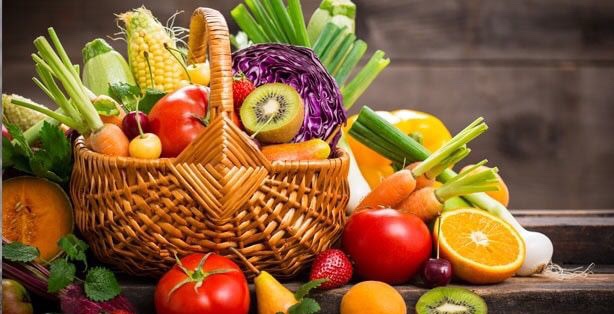
    Coloured fruits, vegetables, and plants are all rich in flavonoids. Naturally, they are found in apples,purple and red grapes, berries, peaches, oranges, cocoa, chocolate, green tea, black tea, chamomile tea, vegetables like broccoli, lettuce, tomatoes, scallions, red peppers and onions. Flavonoids are dark-coloured pigments so they act as natural pesticides and protect the plants from harmful UV rays, bacteria, viruses and harmful insects.

3. Main functions of flavonoids:
•Powerful antioxidants
•Fights inflammation
•Free radical damage and prevent oxidative stress.

•Anti-haemorrhagic and vasodilatory effects.
•Certain flavonoids, due to their anti-inflammatory and antioxidant properties prevent cancer cells from multiplying and decrease the risk of some cancers.

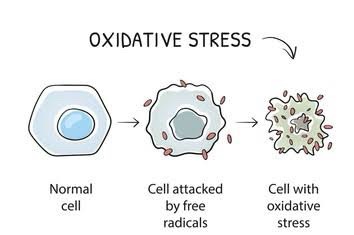
4.Research shows that oxidative stress can lead to cellular damage and disease development. So, oxidative stress can cause many disease conditions like cancers, diabetes, cardiovascular diseases like hypertension, atherosclerosis, chronic inflammatory diseases, and neurodegenerative diseases. Flavonoids play an important role in reducing this oxidative stress and free radical damage, thereby preventing cellular damage.

Cocoa (Dark Chocolate)

5.Numerous studies have shown that cancers develop due to oxidative stress, genetic mutations,hypoxia and reduced apoptotic function. Apoptosis, in simple terms, is a normal cellular activity whereby the body tries to eliminate unwanted cells. Flavonoids play an integral part in promoting apoptotic cellular pathways and preventing cancer cells from proliferating and multiplying.

6.Research shows that flavonoids protect the different organs including the liver and brain from free radical damage. Studies show that flavonoids have protective effects of various liver injuries caused by drug and alcohol usage. Since, they are anti-inflammatory, and antitumor, they protect the hepatocytes from inflammation and fibrosis.

7.Flavonoids are a polyphenol group of compounds that can improve and reduce the symptoms of depression and anxiety. Clinical studies in the past have shown that dietary intake of flavonoids can lower the risk of depression. However, further studies are still anticipated to make substantial proof.

8.Flavonoids are best when naturally consumed as all dark-coloured fruits, vegetables, and green tea contain abundant polyphenolic compounds. It should be included in the routine diet for overall
well-being. However, many flavonoid supplements are out in the market. The best supplements are Cucurmin (Tumeric), Green tea, grape seed extract, Resveratrol, Quercetin, hesperidin and Rutin.

9. Toxicity: Intake of natural flavonoids on a daily diet is usually enough. Sometimes, flavonoids supplements are clinically recommended. However, the risk of flavanoid toxicity exists, if someone takes a huge amount of highly potent supplements. It may affect anaemic and elderly patients as flavonoids may bind with non-heme iron. Flavanoid toxicity may cause liver failure, hemolytic anaemia and male reproductive issues. Recommended daily dose of consumption should be around 400-600mg/day.

10.A healthy routine diet rich in flavonoids will provide all the necessary support to the human body to maintain biological activity, provide anti-oxidant effects, reduce oxidative stress and prevent chronic diseases, maintain cardiovascular health and prevent infectious diseases. The key point is that the food readily available to us contains the most effective flavonoids and antioxidants that fortify our health and immune system, making expensive supplements unnecessary

Thanks for reading.

Peace and love 🙏
10 facts to know about Ghee (clarified butter) 🙌

Research has shown that Ghee is a powerhouse of anti-oxidants, healthy fats and vitamins. For centuries, it has been used traditionally in Middle Eastern and Indian culinary traditions. In Ayurvedic medicine, it has been used extensively as a remedy for various ailments.

  1. There are various dairy sources of Ghee, such as cows, buffaloes, goats, and camels. But the best source of Ghee is the cow’s ghee depending upon the fatty acid composition. Ghee is a rich source of Short-chain fatty acids (SCFA), linoleic acids, omega-3, omega-6 fatty acids and phospholipids. Research has shown that these fatty acids have the most potential benefits of anti-oxidants, and anti-inflammatory properties and are excellent sources of fat for brain health.
  2. According to Ayurvedic literature, the health benefits of Ghee depend on the manufacturing process, the source of dairy from which it was made, age and phase of the ghee. Cow’s ghee has the highest nourishing and health benefits. Buffalo ghee can be a good source of building a physical and muscular physique. Goat’s ghee has respiratory benefits whereas camel’s ghee has digestive properties.
  3. Research says that grass-fed ghee is more nutrient-dense than grain-fed ghee. Cow ghee has different varieties. Garlic grass-fed ghee is a superior quality ghee which has higher therapeutic benefits. Grass-fed Cultured Organic ghee is from grass-fed milk which is of premium quality and has several health benefits. A2 Organic ghee contains A2 protein and is purest in terms of quality which has no traces of GMOs, antibiotics or steroids. Another variety is lime grass-fed ghee which has good taste due to lime flavour.

4.Cognitive health benefit: The most important benefits of ghee are cognitive health, the overall brain wellbeing. Though limited research has been done so far, studies show that SCFA, omega-3 fatty acid, and linoleic acid in ghee show a significant role in improving memory, intellect and brilliance. Ghee helps in the management of diseases like epilepsy, ageing cognitive issues,depression, anxiety and insanity.

5.GI health: SCFAs found in ghee play an important role in enhancing digestive health. Butyrate found in ghee feeds the gut microbiome and enhances the gut immune system, improves digestion, and helps to strengthen intestinal wall integrity. Ghee has been used for centuries to treat abdominal disorders, peptic ulcers and improvement of appetite.

6.Respiratory health: According to Ayurveda, A2 ghee plays a significant role in lowering
symptoms of asthma, bronchitis, sore throat, fever, bleeding disorders and other respiratory issues A2 ghee is combined with herbs like Malabar Nut are used as herbal medicines to heal respiratory issues by Ayurvedic experts. It acts as a natural expectorant in case of colds and coughs.

7.Other ailments where ghee has been used by Ayurvedic Medicine to treat issues like abscesses, boils, liver issues, hernias, vaginal pain and other reproductive problems. It is also used for topical application for a calm relaxing skin massage. In some Ayurvedic cleansing techniques, ghee message is used to release toxins from fatty tissues and treat osteoarthritis, and insomnia.

8.Since ancient times, ghee has been a natural remedy for various issues. It was used as a
natural moisturizer, bath oil for skin, remedy for gums, and teeth when gargling with ghee, to stop nose bleeding, and to treat minor cuts and burns.

9.Butter and ghee have similar fat contents and nutrients. But for people who have problems in the digestion of dairy products, pure ghee is comparatively better as they have no or less quantity of protein than butter.

10.Ghee has been slowly emerging as a healthy cooking choice because of its various nutritional benefits and better absorption of nutrients from foods and vegetables. Recent studies show that ghee is cholesterol-friendly as it can help to increase good cholesterol over bad cholesterol. However, due to its high fat content, it has to be used in moderation. When consuming ghee daily, the person has to undergo regular physical activity and exercise to digest the fat properly and enjoy the benefits. According to health experts, consuming 2-3 teaspoonfuls of ghee can bring overall health benefits and be heart-friendly.

Thanks for reading.

Peace and love 🙏

8 facts: Giloy, an understated herb 🪴

Hello everyone 🙌

  1. Giloy is a herbaceous plant, a climbing shrub, where every part of the plant including the stems has various medicinal benefits. It is mainly grown in the Indian subcontinent, many Asian countries including China, Thailand, Philippines, Myanmar, tropical regions of Australia, and North and South Africa. It prefers a warm tropical climate to grow. Despite its holistic health benefits, it is still not known to many. Scientifically, it is called Tinospora cordifolia.
  2. Giloy is considered an essential herb in Ayurvedic medicine. For centuries, people have been using this herb to treat a long list of health ailments, including infections, fever, asthma, diabetes, gout, diarrhoea, jaundice, urinary problems, and skin conditions.

3.Research studies have found that giloy has many potential compounds like alkaloids, terpenoids, lignans, and steroids which have therapeutic benefits. Studies have also found that the herb contains anti-inflammatory and antioxidant properties which can fight oxidative stress and prevent microbial growth of viruses, bacteria and fungi.

4.Studies show that the entire herbaceous plant including roots, stems, and leaves have medicinal properties. The stems of the plants, especially are potent anti-stress, antioxidant, anti-diabetic, anti-arthritic, anti-allergic, anti-inflammatory, immunomodulatory and anti-cancer properties. Giloy also aids in digestion and gut health.

5.Some studies have shown that the alkaloids found in giloy called berberine work like the medicine metformin and help to reduce blood sugar. It can be effective in controlling blood pressure and reducing the level of LDL( bad cholesterol), hence lowering the risk of heart disease.

6.Lab studies have shown that Giloy can be effective in treating seasonal allergies, and skin conditions like scabies and hay fever. It is effective in controlling asthma. Studies show that it can strengthen the immune system and fight against many pathogens like Klebsiella pneumonia, Pseudomonas, Ecoli and many more.


7.Though Giloy doesn’t have harmful side effects, it is important to use it under expert guidance. The herb can interfere with medications like diabetic medicines, anti-hypertensives, and autoimmune medications. It should be avoided during pregnancy and breastfeeding. Commercially, it is available in capsule form, powder form and tincture. The dosage can be different in different forms depending upon the manufacturer’s preparation. So, it is important to read the label and dosage before buying and using the product.


8.Depending upon the recommended dose on the label of the package and under expert guidance, giloy can be consumed safely with the best outcome. However, in the case of auto-immune diseases like Crohn’s disease, and lupus, the immune system can be overstimulated. Side effects like hypoglycaemia, dizziness or stomach irritation might appear in some individuals. The recommended dosage is about 2-6 gm in the case of adults and less than 500mg in the case of children in either powder or capsule form. Giloy juice can be taken in 2-3 teaspoonfuls with water on an empty stomach in the morning.

Thanks for reading.

Peace and love 🙏

Face ageing: 5 crucial tips 😌

Hello everyone!

Skin is the largest organ in the body and is most prominent. So, any kind of changes of ageing can be visible clearly in the skin. The skin, like other tissues, possess the extracellular matrix. This matrix comprises collagen and other structural compounds called Glycosaminoglycans (GAGs) and proteoglycans. All these compounds together contribute to the tightness of the tissues which keep our skin stiff and makes us look younger and radiant.

As we age, we tend to lose more collagen, proteoglycans and GAGs slowly. A research study has shown that another vital hormone produced in the liver called Insulin Growth Factor -1 (IGF-1) is related to facial ageing. These IGF-1 levels are inversely proportional to the levels of serum insulin in the body. When insulin level is high like in case of insulin resistance individuals, the IGF-1 level is low. So, insulin resistance individuals tend to age faster usually. Hyaluronic acid is a lubricant which is also naturally produced by our body which helps the skin and connective tissues to retain the moisture. We tend to lose this lubricant due to ageing and unhealthy food habits.

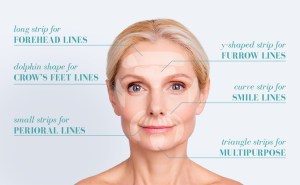
Facial ageing causes the horizontal and vertical lines to look prominent, thinned skin, loss of elasticity and collagen, loss of tissues and bones in the cheeks, fat atrophy, puffiness around eyes, sagginess around the neck and so on.

Common factors which aggravate the ageing process:

1.Smoking
2.Too much sun exposure causes skin damage. But, daily exposure to 10-15 mins of sunlight is useful for Vitamin D synthesis in the body.

3.Too much chemical-based cosmetic products like cremes, lotions, make up products are harmful.
4.Alcohol /drugs consumption
5.Refined processed food and too much sugar


6.Chronic stress causes high cortisol level.
7.Sedantery lifestyle and lack of exercise.

Specific important ways which prevent facial ageing :


1.Exercise: Most preferably maintaining an active lifestyle with the routine exercise of 30 mins to1 hour is ideal.A particular activity like high-intensity interval training (HIIT) is short periods of 7-10mins of intense exercise with intervals of rest, and low-intensity exercise is beneficial to keep the cortisol level optimum. 

2.Enhance the quality of sleep: Sleep induces the release of HGH, human growth hormone and Insulin growth factor-1, which helps to prevent the breakdown of collagen and proteoglycans.


3.Intemittent fasting: Fasting of at least 16 hours can stimulate autophagy, body’s renewal mechanism, activates the immune system. Fasting increases the antioxidant activity and increase stem cell production.
4: Foods:
Collagen rich foods: These foods are a rich source of collagen, amino acids and hyaluronic acids.
Fermented foods: bone broth, green leafy veggies, caviar or fish roe, citrus fruits, mushrooms and tofu.

Healthy fats: Omega 3 fatty acids like EPA and DHA found in oily fishes like salmon, tuna, sardines, nuts like walnuts, macadamia, pecan nuts, seeds like chia seeds, flax seeds.
Saturated fats like in grass-fed butter, ghee, coconut oil, olive oil are very helpful.


Organic Acids: Organic acids promote the growth of probiotics in the body, which helps to support the immune system and the cell renewal process. Organic acids found in fermented foods like saurkraut, kombucha are quite known for beauty benefits. The citric acid found in citrus fruits is also vital. Enzyme rich foods: Enzymes are essential for digestion and absorption of proteins in the body. Certain fruits with individual enzymes present in each of them like papaya contain papain. Figs contain ficans. Pineapple contains bromelain and kiwi have actinidain are all-powerful proteolytic enzymes which helps in the polysaccharide metabolism and the digestive process. Fruits are also rich in antioxidants which prevent free radical damage.


Vitamins: Fat-soluble vitamins D, K, E, A are all essential for the prevention of free radical damage and cells renewal process.

5.Essential oils: These natural oils work naturally on the skin by hydrating and moisturizing. Some commonly used oils for beauty purpose are geranium, frankincense, lavender, jojoba, myrrh, rose and rosemary.

So, it is crucial to understand that to have a healthy body, a glowing skin, and healthy hair; it is necessary to correct our food habits and lifestyle rather than spending an enormous amount on cosmetic treatments and beauty products. The approach should be inside out rather than external means.

Thanks for reading.

Blessings and much love to all 💐

Food and mood 😇

Hello everyone ! Have a wonderful and safe Sunday 🙋🏻

There is an old Spanish proverb “The belly rules the mind” which is indeed true. Food, not only has a significant impact on the physical body and overall health but also on our day to day thinking, decision making, and the entire mental health as well. This saying has been prevalent among various faiths and belief systems from the ancient time. Science has proved in recent times in various researched-based studies.

According to the widely practised Yogic and Ayurvedic literature, everything that is matter arises from a fundamental source called Prakriti (meaning Mother Nature). So, the three primary Gunas (qualities) arises from Mother Nature. The three primary Gunas which are present in all objects and beings surrounding us are – Tamas, Rajas and Sattva. We, human unlike other beings or objects can choose the level of the three qualities in our individual lives and minds depending upon our choices of food, lifestyle and the kind of thoughts we like to cultivate. Our wellbeing and health mainly depend on these preferences. The three states are relative, and keep changing during our day to day life depending on our food choices and lifestyle preferences. Therefore, the three states are:

Satva: It is a state of beingness, in balance, in harmony and a favourable condition. For these qualities to nurture, we need to adapt to the food, that comes directly from Mother Nature. The food that comes from the soil and not from factories. To maintain calmness of mind, we have to adopt and practise Yoga, meditation regularly, which keep the mind stable and peaceful. Such a state is an ideal state of health and wellbeing free from diseases.

Rajas: This is the state of mind related to desires, passion, longing and attachment to worldly pleasures, excessive material goods, excessive work, excessive exercising and even extreme thinking. When we have this state of mind, there is craving for fried, spicy food and stimulants like alcohol, smoking and all sorts of other stimulants.

Tamas: This state of mind is darkness, ignorance and passive. It is the most unproductive state of mind. Such a state mainly attracts overeating, oversleeping, passive state, fearful state. This state of mind mostly attracts fatty meat, processed and refined food.

So, the kind of food, we have on our plate, that we consume every day, or with each meal determines the state of mind, thought process, our prospects of the world, people around us. Therefore, in yogic practises, the ultimate goal is to cultivate the practice of Satva, adopt Satvic food to be close to our Creator, our truest self, our soul.

Not just mentioned in ancient literature, food impact on both physical and mental health have been studied in several research-based projects all over the world in recent times. For decades, we have been surrounded by sugary, refined, processed and fatty foods, which are like impossible to avoid. Because of their easy accessibility, binging on this kind of foods has made it difficult for the body to deal with them. Apart from causing multiple physical health issues, including lifestyle diseases and obesity, they are grievous for our mental health and brain too. Researches have found out; junk foods are not only killing our health but also causes the shrinking of our brain. The primary functions of the brain being the cognitive functions, the ability to think, perform challenging tasks have found to impact the wrong kind of nutrition. Such a diet is found to have a long term effect on normal brain activities and memory. Habitual intake of such foods changes and alter the programming of the brain.

An Australian study found that not just in the adults and adolescence. Still, pregnant women, too who fed on junk foods, gave birth to children who were more aggressive, fearful, throw tantrums and has less tolerable personality. Without Omega 3 fatty acids, and other nutrients dense food, the brain does not develop naturally.

So to conclude, the impact of nutrition in the overall health is wholesome. Not just the diseases but also chronic health issues like autoimmune diseases, obesity, heart diseases, rheumatoid arthritis, diabetes, cancers, celiac disease, irritable bowel syndrome, thyroid issues can be controlled and well managed by changing the diet and lifestyle. Even the impact of nutrition on mental health has been immense. So, with proper diet and lifestyle changes, depression, mood disorders and day to day cognitive functions thought process, task performance, agility, tolerance, decision-making skills could all be improved.

Thanks for reading.

Blessings and much love to all 🙏