
10 facts: Are Psyllium husks gut-friendly?

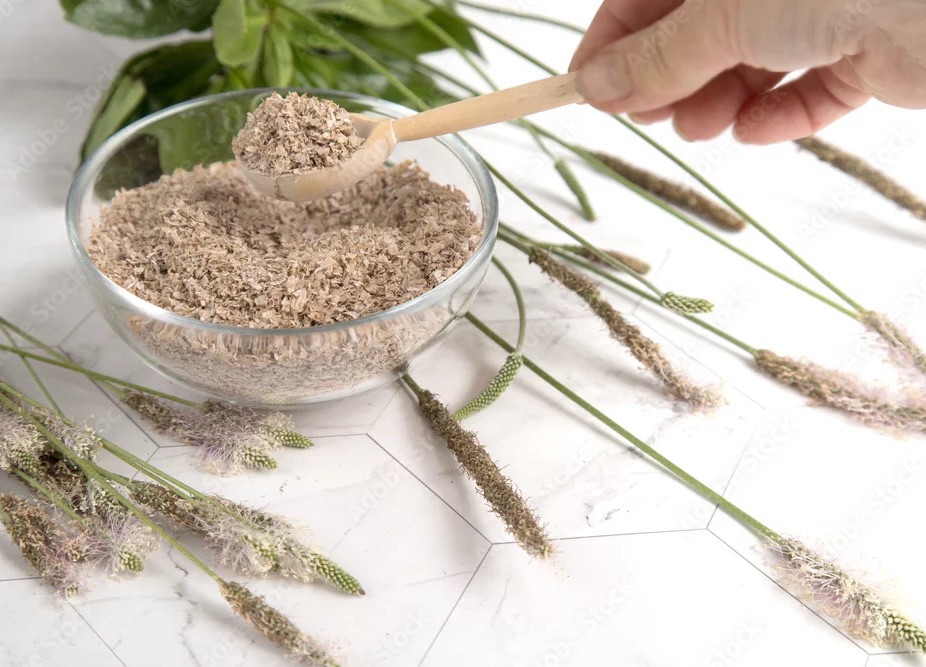
1. Psyllium husk is derived from seeds of the plant genus Plantago ovata. It is rich in water-soluble and unfermentable dietary fibres. It is used in food and nutraceutical industries. It has become popular due to its various health benefits. Psyllium is used as a fibre supplement because of its mucilage content. The mucilage is obtained by grinding the seeds of the Plantago group. These plantago seeds are often referred to as psyllium husks.

Gut- friendly

2. Psyllium husk has been used as a food thickener, fibre supplement, binding agent, gelling agent, and so on. Research studies have shown that it is rich in soluble fibres. So, it has been used as a laxative, which eases bowel movements, making it gut-friendly. Studies have shown that since it eases constipation, it helps to prevent complications like bloating, gas, haemorrhoids, and anal fissures.

Heart friendly

3. Some research shows that it benefits heart health too. Adding psyllium to a daily diet can lower the level of LDL ( bad cholesterol) and can help to maintain cholesterol levels. As we know high cholesterol can lead to conditions like chronic heart diseases, hypertension, diabetes, stroke and heart attack. So, adding psyllium in diet can help to prevent such conditions by maintaning the blood cholesterol levels.

4. Since psyllium is rich in fibres, adding them to a daily diet can even help to maintain the glycemic balance. Therefore, having a diet rich in fibre can be an important step in maintaining the balance of insulin and blood sugar. Psyllium can be a healthy prebiotic too, which can help to produce healthy bacteria and probiotics in the gut.

Weight management

5. A 2023 review study has shown that adding a moderate amount of psyllium fibers to the diet can help reduce weight in people who are overweight and obese. Managing weight can help to reduce the risk of chronic conditions like heart diseases, high blood pressure, gallstones, and breathing issues. Therefore, using of psyllium husk can be used for weight management but, off course under guidance of trained dietary experts.

Constipation

6. Studies have been carried out with the use of psyllium husk in the treatment of irritable bowel syndrome (IBS). The symptoms of gas, bloating, and constipation of IBS have been reduced or the frequency of symptoms can be minimized by the use of psyllium in the daily diet of such patients. This significant change has been reviewed in various research on IBS treatment. Hence, the use of psyllium is found to be suitable in the treatment of IBS.

7. Psyllium is also referred as ispaghula for its mucilaginous compound. It has been used in a variety of herbal medicine to treat various ailments in Asian countries like India and China. It is used to treat skin irritations, bladder problems, wound healing, high blood pressure and digestive problems. Studies do show that psyllium has gelatinous properties, and natural polymers for wound healing and scar reduction.

8. Regarding its uses in various functional food products, for its tremendous health benefits. It has many metabolic effects, lipid-decreasing effects, anti-diabetic, anti-hypertensive, delayed gastric emptying and lower glycemic index. Clinical studies have shown that it decreases the rate of glucose absorption, lowers the post-prandial insulin, and lowers LDL cholesterol by reducing bowel absorption. For its rich source of dietary fibre, it eases bowel movements and relieves constipation.

9. Psyllium is an important source of water-soluble fibre, hydrocolloid in nature due to its solubility and viscosity. The gum extracted from psyllium husk is used in various food items like gluten free bread, pasta, pizza, cookies, ice-creams, jams and myonnaise. It is used as a gluten replacement and also added with the various nutritional benefits to the food products. Due to its prebiotic benefits, it has been very popular as a gut-friendly ingredient in food items.

Bakery items

10. Commercially, psyllium is available as in powder or particle form derived from the seeds of the Plantago plants. It is conventionally used as a laxative agent, and as dietary fibre supplements, in various functional food products, nutraceutical industries, and food industries in breakfast cereals, bakery products, desserts and snacks. Psyllium has no known serious side effects except sometimes may have allergic reactions. The dosage of psyllium is around 5-10 gm with a meal or with water as a supplement. The dosage can be increased gradually if it is tolerable. As I always mention, it is important to follow instructions from experts or Physicians while using.

Thanks for reading.

Peace and love 🙏

8 facts: Burning mouth syndrome or Glossodynia 👅

1.Glossodynia, also known as Burning Mouth Syndrome (BMS), is a fairly common condition. It’s an intermittent burning sensation in the mouth, especially in the tongue, lips, or other areas of the mouth, that is not accompanied by a specific reason. It feels as though the tongue is injured by a very hot liquid. The syndrome may be gradual or sudden in onset. There is no observable physical sign seen either in the tongue or in the mouth while having an episode. The specific cause of BMS is difficult to determine.

2. Most causes of burning mouth syndrome are unknown or idiopathic. Research suggests that it can be related to nerves which carry sensations of taste and pain. The causes are broadly divided into primary and secondary. Primary burning mouth syndrome is uncommon and mainly idiopathic.

3, Secondary burning mouth syndrome is quite common and causes can be related to :

* Vitamin deficiency like Vitamin B complex, lack of iron, zinc ,folate.

* Oral infections like oral thrush, oral lichen planus.

* Allergies following food additives, flavouring substances, mouth care products.

* Acidic drinks, extreme hot liquids, irritating foods like highly spiced foods.

* Dental materials, ill-fitted dentures.

* Dry mouth due to some medicines like anti hypertensives, anti cancer treatments.

* Reflux or Gastro esophageal reflux.

* Endocrine issues like diabetes, hypothyroidism.

* Anxiety, stress, depression.

Hot spicy food

4. Burning mouth syndrome, (BMS) can occur in any individual irrespective of age and gender. But the common risk factors are seen mostly:

* Females.

* More common over the age of 50.

* Post menopausal or perimenopausal women leading to low estrogen levels affecting taste buds.

* Smoking.

5. When a person experience BMS, there is no visible symptoms like discolouration of tongue or bumps. The symptoms found are :

* Altered taste, or metallic taste or loss of taste.

* Tongue and mouth feels like scalding, burning or tingling.

* Dryness of tongue, lips, gums.

* Numbness in the mouth.

Sipping cold water

6. BMS treatment and diagnosis are individual specific depending upon the symptoms. Diagnosis can be done by a saliva or oral swab tests. As far as treatment are concerned, there is no approved drugs. Remedies are there to ease the symptoms like :

* Mild mouth rinses.

* Saliva substitue like Biotene.

* Getting enough vitamin B complex, iron and folate.

* Pain relievers if necessary.

* Sipping cold water or ice chips.

* Sugar free gums chewing to encourage saliva production.

Hot beverages

7. Though it is not always possible to prevent BMS. But,if we are prone to BMS or have been affected in the past, it is important to avoids certain things :

* Very hot liquids, hot bevereges or drinks like highly acidic ones.

* Hot or spicy food.

* Alcohol

* Mouthwash containing alcohol.

* Smoking.

8.Feeling fire, irritations, and a burning sensation in the mouth, you can be sure to have Burning Mouth Syndrome, which is frustrating and irritating. But, once you have acquired it, it takes a while to go away. You can take the above-mentioned remedies and precautions till it heals. But, if there are flare-ups or hasn’t gone for long, you should surely visit your Physician or Dentist.

Thanks for reading.

Peace and love 🙏

8 facts: Are CoQ10 supplements actually necessary ? 🙌

CoQ10 supplement

1.We have often encountered a supplement named CoQ10, commonly seen in the drug aisle of a supermarket. Let’s know, what exactly CoQ10 is. Well, it is Coenzyme Q10, a fat-soluble, vitamin-like molecule, which is naturally present in every human cell. It is a powerful antioxidant that converts food into energy. Like all other antioxidants, it can neutralize the free radicals and prevent oxidative stress. Therefore, it can prevent us from many chronic health problems and slow down the ageing process.


2.Clinical studies have suggested that CoQ10 plays a significant role in:
It may help in preventing heart-related problems.
Improving the overall immunity.
Improve physical endurance.
Improves male fertility.
Prevent migraine.
Improves blood sugar level in diabetes.
Supports treatment of neuro-degenerative disease like Parkinson’s disease.


3.Evidence-based studies show that people who have a history of heart failure show reduced incidence of heart attack when they take CoQ10 supplements daily along with conventional medications. But then, it has to be prescribed or taken under expert guidance. Several studies have shown similar preventive or improvement levels in cases of heart issues like high cholesterol, high blood pressure, congestive heart diseases and heart damage caused by chemotherapy.


4.CoQ10 supplements have no approval from the FDA or other Drug Regulatory Authorities for the treatment of any medical conditions. However, yet it is easily accessible and available as the over the counter supplements and has been quite popular. It is often recommended as a dietary supplement by many Physicians and Specialists as a supportive therapy to conventional
treatments.

Food sources

5.Naturally dietary sources of CoQ10 intake are enough for overall well-being. Dietary sources are wide variety of whole grains and oily fishes. CoQ10 supplements are not necessary for a healthy individual who has a balanced diet. Supplements of CoQ10 is only necessary for those who suffer from CoQ10 deffeciency, or have health issues like heart disease, migraine, neuro-degenerative
disease or other chronic health conditions. It is not advisable to pick a supplement bottle from the supermarket aisle and start popping unless clinically recommended.

Nuts and seeds

6.As already mentioned, the human body makes enough of CoQ10 as much as it needs. The body content is about 500 to 1500mg and it declines with ageing. The food sources are organ meats, fatty fishes like salmon, sardines, trout, mackerel. As for vegetarians, soya products like tofu, soy milk, and soy yogurt are good food sources. Nuts and seeds, lots of vegetables including broccoli are rich sources of CoQ10.


7.Though CoQ10 supplements do not have major risk or side effects, it is still not advisable to take unless necessary for specific health issues. Some side effects of supplementation can be diarrhea, nausea, heartburn. It may interact with medications like blood thinners with further lowering of blood pressure, or in case of diabetes, subsequent lowering of blood sugar along with hypoglycemic drugs.


8.Due to certain chronic health issues like heart problems, migraine, fertility issues or
neurogenerative conditions, Physicians do recommend CoQ10 supplements. There is no standard dose as such. Depending on the individual’s requirement, dosage varies from 60-500 mg daily. The highest dose recommended daily is about 1200 mg. As it is a fat-soluble substance, it is best absorbed with a fatty meal and better if taken at night.

Thanks for reading.

Peace and love 🙏

Butyrate is the latest buzzword! Is it just a hype or the reality? 10 facts 🙌

Butter is a rich source of butyrate

1.Butyrate is a short-chain fatty acid (SFCA) released during the fermentation of dietary fibres by the gut microbiome. It plays an integral part in supporting gut health and overall well-being. It is an energy source for colonocytes which meet about 70% of their needs. Evidence has shown that this SFCA has tremendous health benefits ranging from immunity support, lowering inflammation, preventing cancers and fighting ageing. Hence, it is the latest buzzword, doing rounds in social media and among advertisers.

2.Recent studies have clearly shown that butyrate plays an important role in both the host and microbial functions in gastrointestinal health. It is a crucial energy source for colonocytes. An optimal level of butyrate promotes and maintains a healthy microbiome level, reduces inflammation, and supports colonocyte functions. It has protective actions against certain intestinal diseases like inflammatory bowel diseases and colon cancer.

3.Butyrate has been shown to prevent the process of inflammation in the gut which can be caused by pathogens, the body’s overreaction (allergic reactions) and oxidative stress. Chronic inflammation in the gut occurs when the gut’s immune system is constantly fighting against these pathogens and free radicals causing the immune health to be weakened. Eating a considerable amount of fibres causes to production of an optimal level of butyrate which helps in protecting against this inflammatory process.

Dietary fiber is a good source of butyrate

4.Studies have shown a great impact of butyrate on obesity. Butyrate is found to lower body weight and decrease lipogenesis in the liver and adipose tissues. It increases fatty acid oxidation and prevents fat accumulation in the body thereby reducing obesity. Butyrate is produced by the fermentation of dietary fibres, so it suppresses the food intake and reduces body weight and fat mass.

5.Animal and cell studies have shown that butyrate increases insulin sensitivity, helps in reducing weight gain, and obesity and promotes weight loss. It helps in maintaining blood sugar levels.

Dairy products

6.Another significant property of butyrate has been shown in research that it promotes cell differentiation. Normally, our cells have the ability to change into any specific type of body cells required like liver cells, heart cells, intestinal cells or blood cells. If the cells are not properly differentiated, then, abnormal growth or tumour appears. Butyrate is found to promote cell differentiation.

7.Studies have shown that butyrate plays an important role in the brain-gut connection. It helps in increasing Brain-Derived Neurotrophic Factor (BDNF), removes toxic byproducts from the brain and prevents brain fog. It promotes neuroplasticity and improves rapid eye movement sleep by 70%.

8.Butyrate helps to regulate the blood pressure level. Studies show that the level of butyrate inversely corresponds to the blood pressure level. A higher butyrate level gives a lower blood pressure level while low butyrate may lead to the rise of high blood pressure.

Leafy veggies

9.Sources of butyrate are :
Dietary fibres like vegetables like garlic, onion, tomatoes, beans, peas, leafy vegetables, broccoli. Fruits like bananas, apples, pears, kiwis.
Whole grains like brown rice, oats, wheat, barley, rye and pulses, legumes.
Dairy sources like milk, cheese, butter, and ghee.
Others like dark chocolate, seeds, nuts, and seawood.
Butyrate supplements are available in the form of sodium, calcium/magnesium butyrate but need to be used as per supervision as they may interfere with other medication.

10.It is important to know that consuming full-fat dairy products like butter, Ghee, cheese, and milk are rich sources of butyrate. However, consuming these products can cause the risk of elevating the level of cholesterol in the body as they are rich in saturated fatty acids too. Therefore, the risk of cardiovascular diseases and obesity may rise. So, the key point to be noted while consuming these products is having them in moderation along with lots of dietary fibre and plenty of water can benefit and maintain the balance.

Thanks for reading.

Peace and love 🙏

Are popcorns 🍿 healthy ? 9 facts 🙌

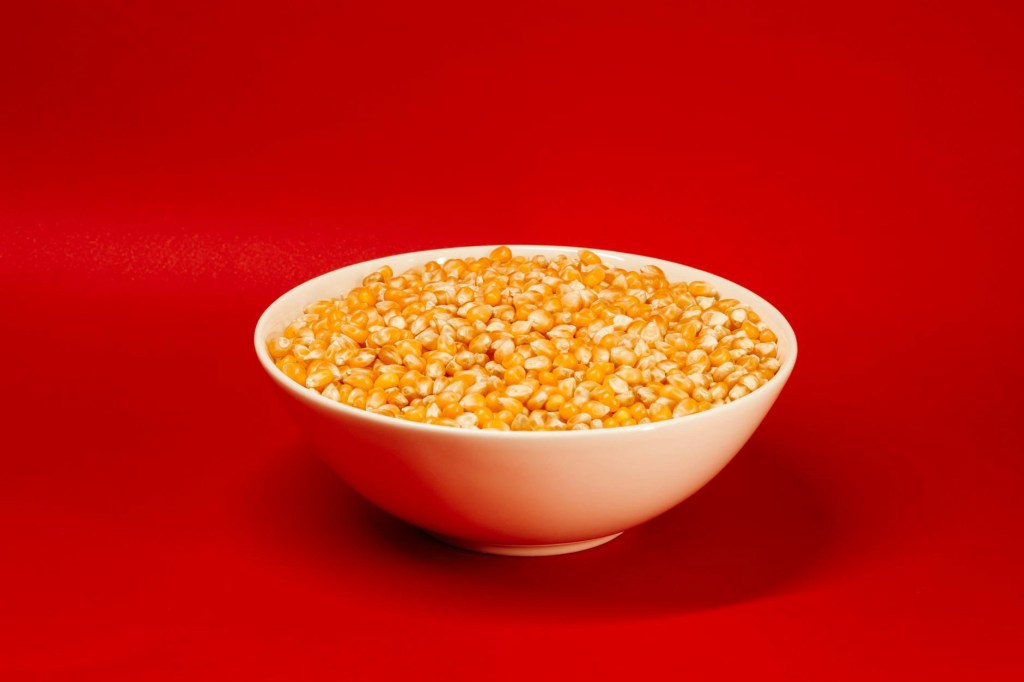
  1. Popcorns are corn kernels which get popped when heated. Today, across the world, this has become the most popular snack amongst all age groups. Corn is the oldest grain which has been consumed for over 5000 years. It has been popular due to its easy availability and low cost. As far as health point of view is considered, it is a whole grain food, rich in fibre, low in calories and dense in nutrients.
  2. Studies show that popcorn is high in fibre and contains many vitamins and minerals. Important nutrients in popcorn are vitamins B1, B3, B6, iron, potassium, manganese, zinc, copper and phosphorus. Many studies also show that it is rich in polyphenols which are potent antioxidants. Polyphenols reduce the risk of damage by free radicals, diabetes, and heart disease and improve gut health. Popcorn is gluten-free so it can be a healthy option for people with gut issues.

3.Since, it is high in fibre and low in calories, it can help in weight loss. Eating a cup of popcorn which is around 30 calories can relatively be more beneficial in terms of fibre and nutrient content than any other popular snack. Also, it can give the feeling of fullness and curb your hunger for quite some time. Therefore, eating in moderation of popcorn can be very useful in the process of weight loss in an overweight individual.

4.Popcorn contains antioxidants Zeaxanthin, beta carotene and lutein which are very essential to eye health. These antioxidants can slow the age-related macular degeneration of the eyes, lower the damage caused by blue light and overall improve the eyesight.


5.Other health benefits of yellow popcorn are :
*Boost the metabolism and energy production due to the presence of vitamins B, B3, B6 and folate.
*Popcorn contains niacin which helps to reduce depression naturally.
*Phosphorus, and manganese present in popcorn help to support bone health.
*Popcorn can combat tumour cells due to the presence of ferulic acid.
*It can reduce the level of bad cholesterol and prevent the risk of heart disease.
*It can slow down the process of ageing as it helps in free radical damage.
*It can add iron (28 gm of popcorn containing 0.9mg of iron) to the diet and reduce anaemia. *It can control blood sugar as it has a low glycaemic index and helps in diabetics.

6.Air-popped popcorn is healthiest. Unsalted popcorn, unflavoured is healthier than those with an excess of oil, butter, sugar, caramel, and salt. Microwave popcorn bags which are pre-packed contain the chemical perfluorooctanoic acid (PFOA) and sometimes, trans fat which are harmful to health.


7.Popcorn added to diet in moderation can prove to be safe and beneficial to health. But it may have side effects on certain individuals. Some individuals can have allergic reactions to popcorn like swollen face, and breathing difficulty which may require urgent medical attention. People with digestive diseases and inflammatory bowel disorders can have flaring-up symptoms when consuming popcorn.


8.Popcorn is the ideal choice for adding to your diet in moderation. You can definitely enjoy popcorn daily, as long as you stick to one cup per day without any butter, salt, sugar, or artificial flavors. This will provide a healthy dose of whole fiber content, making it the most nutritious snack option for your diet.

9. Yellow corn which is organically grown, non-GMO, is best for regular consumption. Popcorn which is popped from such type of high-quality corn, air popped with no added flavours is ideal and provides immense health benefits. Rich in phytonutrients, vitamins, and minerals, whole grain fibres can help to reduce the risk of chronic illnesses, obesity, diabetes and many malignancies.

Thanks for reading.

Peace and love 🙏

10 facts about Nigella seeds 🙌


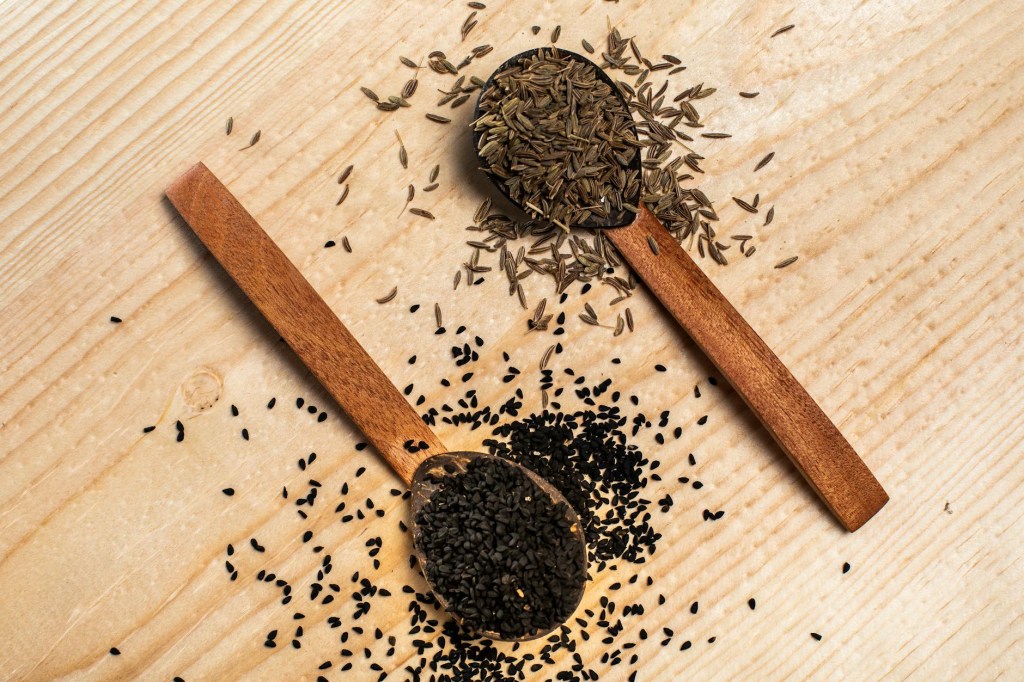
1.Throughout history, Nigella seeds, known scientifically as ‘Nigella Sativa’, have been utilized in a variety of culinary dishes in South Asian and Middle Eastern regions. These seeds grow from a flowering plant. The taste of these tiny black seeds is similar to that of onion and oregano, but they are slightly bitter. They are known for centuries for their immense medicinal and health benefits. They can be utilized in various forms, such as whole, oil, capsules, or powdered form.

2.Nutrition: Packed full of minerals and vitamins, including iron, calcium, zinc, copper, thiamine, phosphorus, folic acid, and many more, it’s a power meal. Useful fatty acids including linoleic, oleic, palmitic, and arachidonic acids make up the seed oil. Thymoquinone, its primary active ingredient, is extremely beneficial to health.

3.Antioxidants: Nigella seeds are full of antioxidants, which can fight free radicals and prevent oxidative stress. Studies show that nigella seeds contain several amino acids like carvacrol, thymoquinone, and 4-terpineol, which are powerful antioxidants. Hence, regular intake of nigella seeds can help protect against a wide variety of diseases, like heart disease, diabetes, cancer, and obesity.

4.Cholesterol: Many studies have shown that taking nigella seeds powder can help to lower LDL cholesterol and increase HDL cholesterol levels. This powerful effect can help the body prevent atherosclerotic diseases and ischaemic heart disease.

5.Brain: Nigella seeds have been shown to have the ability to slow down or prevent the progression of certain neurological inflammation in the brain, including Alzheimer’s disease, epilepsy, encephalomyelitis, depression, and Parkinson’s disease. Some research have also shown that nigella seeds can slow down the progression of dementia and age related memory loss.

6.Anti-cancer: Research has shown that the antioxidant thymoquinone has strong anti-cancer properties. Lung, cervical, pancreatic, prostate, skin, and colon cancers can all be prevented with the use of nigella seeds and their constituents. However, further data and investigation are needed to validate these effects.

7.Anti-bacterial: Studies have demonstrated the anti-bacterial properties of nigella seeds on germs that cause everything from ear infections to pneumonia. Their antibacterial and antibiotic qualities aid in the treatment of skin infections. They can aid in the management of chronic obstructive lung disorders and asthma because of their anti-inflammatory qualities. To manage such problems, people take the oil in capsules. However, further investigation is needed to fully understand these impacts.

8.Skin: Studies have shown that black seed oil can be used routinely to moisturize and skin cleansing. It can help to manage certain skin issues like psoriasis, eczema, vitiligo, pigmentation and wound healing. It can fasten wound healing, repair tissue damage, reduce skin irritation, heal minor burns, scar tissues. It can also help to moisturize hair, reduce hair loss.


9.Dosage: Nigella seeds have been found to have many health and healing properties and is widely been used. It’s available in capsule, powder, tablets, creams, oil, soaps, shampoos and many more forms. It is safe in small doses , about 1-2.5 gm by mouth on daily basis. But, it is recommended to inform your Primary Physician before using it.

10.Side-effects:
*Bleeding disorder: It slows blood clotting, so it is contraindicated in people with bleeding disorders. *

*Since nigella seeds may interfere with metabolism, it is important to inform the treating physician while using them.

*It can slow down uterine contraction so nigella seeds supplementation should not be used during pregnancy.
*Usually it protects the kidneys but excess consumption like 2000-2500mg daily may affect kidney health.
*The best way to minimize the potential side effects is by incorporating nigella seeds paste or oil in very small quantity in meals to enjoy the immense health benefits, these seeds provide.

Thanks for reading.

Peace and love 🙏

10 facts to know about warts 🙌

  1. Warts are painless growths that are bumpy in nature and can grow on various parts of the body, such as the hands, knees, face, extremities, and even genitals. They are caused by various strains of the Human Papilloma Virus (HPV). Warts are contagious and can spread from one part of the body to another through contact, and person-to-person transmission is possible through skin contact and sexual contact.
  2. Different types of warts can occur depending on the location of the body: – Common warts can appear on the fingers, feet, and toes. They are usually not serious and not painful. Plantar warts appear on the sole of the feet. Filiform warts grow on the face, chin, around the mouth, or nose. Genital warts grow in and around the genitals and are caused by specific strains of HPV. They are usually serious, and warts in the cervix can potentially lead to cervical cancer.
  3. Warts are usually not dangerous and are quite common. Common warts that grow on the face, hands, and feet are painless and harmless. If they become uncomfortable, they can be treated by using salicylic acid cream, cryotherapy, laser therapy, or surgical removal. Home remedies such as using apple cider vinegar and duct tape can also be effective. Recurrence is common, so treatment should only be done if necessary.

4.Warts can be dangerous and require medical attention if they appear on the genital regions, inside the mouth, or nostrils. Warning signs for needing medical consultation include bleeding, a change in the color of the warts, or if they become painful. Individuals with immunodeficiency conditions such as HIV infection, AIDS, or diabetes should seek medical attention if they develop warts.

5.Genital warts are commonly sexually transmitted infections. Some particular strains of HPV are responsible for genital warts. They are skin-coloured bumps usually grown on moist areas of genital regions. They are common in both males and females. It can also be transmitted in the mouth and throat regions through oral sex with an infected person. Such conditions require immediate medical attention.

6.Around 40 strains of HPV causes genital warts. People who are at risk to get infected are those who have a weak immune system, people with diabetes, people who are sexually active with a partner who have a past history of infection, not getting HPV vaccine, unprotected sex and multiple sexual partners.
Genital warts can lead to complications like cervical cancer, or cancer of other genital region. PAP smear tests in females are important to those who are at higher risk of HPV infection.

7.Difference between common warts and genital warts are common warts are harmless, benign, painless and self limiting. Whereas genital warts are a type of STD, sexually transmitted disease and are potentially dangerous. Genital warts require medical attention. Both types of warts resolve spontaneously but can reoccur mostly. Both of them are caused by different strains of HPV. Treatment are topical cream, cryotherapy, electrocautery and laser therapy.

8.It is important to know the symptoms of warts so as to indentify whenever appear in the body. Normally, they appear as bumpy small swelling on the hands, fingers, toes, knees, face and eyelid. Rough to touch, usually painless, and can bleed while friction with clothes or while scratching. Warts might have black dots beneath the top layers as these are clotted blood vessels.

9.Recurrence of common warts as well as genital warts require the attention of Dermatologist. Persistence of common warts in face, eyelid, fingers, toes may make require special treatment like laser therapy, cryotherapy or surgical removal. In case of genital warts’ recurrence, biopsy may be necessary to rule out cancer.

10.Understanding preventive measures can help to prevent and get rid of warts. Some ways:

*Prevent sharing of towels, clothing and personal items like nail cutter, razors of another person who has warts.
*Prevent touching of another person’s warts.
*HPV can enter through cut or broken skin. So, preventing dry, cracked skin by using moisturizer.

*Taking precautions like using condoms to prevent genital warts.
*Always wearing shoes, sandels, flip flops while using public toilet, locker room, pool area and showers.

Thanks for reading 🙏

Peace and love 💐

10 facts to understand why glutathione is necessary 🙌

Hello everyone ✋

1.Glutathione is a naturally found antioxidant in our body. It is important to know about this powerful antioxidant because it has a host of many benefits. Its primary function is to fight free radical that damages body cells. It’s vital for the body because it helps to protect from many diseases like autoimmune diseases, liver damage, heart diseases, respiratory diseases and neurological disorders. As we grow older, the glutathione level slowly declines and the body marches towards poor health.


2.It is essential to maintain the level of glutathione in the body. If the level drops, certain symptoms may appear, such as anemia, fatigue, increased frequency of infections, low immunity status, sleep problems, and brain fog. To boost glutathione levels, it is recommended to consume sulfur-rich foods such as cruciferous vegetables, avocados, broccoli, spinach, garlic, and unprocessed meat. Several studies have indicated that consuming vitamin C can increase glutathione levels in the body. Therefore, it is important to consume citrus fruits, bell peppers, kiwis, and papayas regularly. Additionally, it is recommended to consume foods rich in selenium such as chicken, fish, eggs, Brazil nuts, and brown rice to maintain glutathione levels in the body.

Aging

3.Glutathione is a compound that is mainly composed of three amino acids: glutamine, glycine, and cysteine. Our body naturally produces this compound, but its level decreases with age. In addition, chronic diseases, poor diet, stress, anxiety, and frequent infections can also contribute to the reduction of glutathione levels. Low levels of glutathione are commonly found in individuals suffering from chronic diseases such as heart and liver diseases, sepsis, trauma, HIV/AIDS, and cancers. The role of glutathione in the body is crucial because it helps to prevent free radical damage, repair cells, and facilitate protein synthesis. Moreover, glutathione can bind with toxic metals like arsenic, silver, lead, chromium, mercury, and copper, and help to reduce their toxicity.


4.Glutathione is a powerful antioxidant that offers several health benefits. It can reduce oxidative stress caused by free radicals and prevent the development of various diseases such as diabetes, cancer, autoimmune disorders, and rheumatoid arthritis. Glutathione can also help to reduce cell death and improve blood levels of protein, bilirubin, and enzymes in fatty liver diseases like alcoholic and non-alcoholic types. Additionally, it plays a significant role in maintaining mitochondrial DNA, which is necessary for building proteins and cells. Several studies have shown that glutathione can improve blood circulation and prevent plaque buildup, thereby improving peripheral arterial disease. It may also help to improve symptoms of tremors and rigidity in Parkinson’s disease, respiratory diseases, uncontrolled diabetes, autism in children, and psoriasis.

Glowing skin
Gut health

5.Various studies have demonstrated that glutathione has a significant role in preventing skin problems such as acne, eczema, wrinkles, and aging. It also helps in maintaining healthy and glowing skin. When the balance between good and bad microbiome in the gut is harmonized, the overall health of the body is improved, and the skin appears healthy and radiant. However, if the balance is disrupted, it leads to skin problems and other health issues, including bowel disturbances. Glutathione is instrumental in detoxifying the body, repairing cell damage, and maintaining a balanced gut health. Therefore, by improving the level of glutathione in the body, it is possible to resolve skin problems and many gut issues.

Supplements


6.Low levels of glutathione can lead to a variety of health issues. While natural food sources are the best way to improve glutathione production in the body, supplements like vitamin C and E, curcumin, N-acetylcysteine, and selenium can also help. However, injectable supplements can be toxic and oral supplements are not very effective as they break down in the stomach. In cases of low immunity, glutathione is sometimes medically prescribed. In such cases, oral or injectable supplements may be recommended under medical supervision.

Alcohol

7.Certain lifestyle changes are essential to improve the glutathione levels in the body. Avoiding smoking, alcohol, too much dairy, caffeine and processed food is required to boost the levels in the body. Having a balanced diet, with good quality natural food sources, exercise and good sleep can improve the glutathione production in the body.


8.Glutathione levels are not typically measured in the body like essential nutrients, so research is still insufficient to understand the effects of low levels and supplement requirements. Studies do show that low levels can result from poor diet, stress, environmental toxins, and increasing age. Low levels of glutathione are associated with an increased risk of chronic diseases like cancer, diabetes, liver diseases, and Parkinson’s disease. However, supplementing with glutathione does not decrease the risk, so more studies are required to determine the optimal intake and its effects.

Milk thistle


9.Supplements of glutathione that are commercially available include Selenium, Vitamin C and E, milk thistle, and N-acetylcysteine. The dose of glutathione depends upon an individual’s age, sex, past medical history, and drug allergies. Studies have shown that glutathione is given at a range of 250 to 1000 mg/day in either injectable or inhalant forms. However, it is strictly advised to seek medical guidance before taking glutathione supplements since it can cause possible side effects. Some side effects like skin rashes, cramping, bloating can appear and inhalant glutathione might cause breathing problems too.

10.In brief, glutathione is a vital antioxidant that is naturally produced in the body and offers numerous benefits. A deficiency of glutathione can lead to the development of various chronic diseases, including cancer. As we age, the level of glutathione in our bodies naturally decreases. Therefore, it is crucial to be aware of dietary sources that can help boost the natural production of glutathione in the body. If advised by a medical professional, supplements can also be taken to improve the levels of glutathione in the body.

Thanks for reading.

Peace and love 🙏

10 facts to know about stomach bloating 🙌

  1. Stomach bloating is usually feeling fullness, swelling or tightness around the abdominal region. The most common thought that comes to mind when you feel bloated is eaten too much, too heavy a meal or your stomach is filled with gas or air. Abdominal bloating is common both in adults, children and also in babies. The common symptoms of bloating can be pain, distention, belching, excessive gas causing flatulence and abdominal gurgles.
  2. Why do we feel bloated? Bloating commonly happens due to excessive gas or air. Sometimes, gas accumulates in the digestive tract due to the slow breaking down of the undigested food due to delayed emptying. This can give rise to bloating. Another common cause is air getting swallowed while eating or drinking too fast which gives the feeling of bloating.
Fizzy drinks

3.Gas is a very common cause of bloating. Drinking fizzy drinks or carbonated beverages causes swallowing of air which may give rise to bloating and disturb digestion causing pain and discomfort. Eating a heavy carbohydrate-rich meal causes difficulty in digesting tougher carbs like sugars such as fructose, lactose, sorbitol or wheat and beans. A considerable quantity of carbs remain undigested causing slow fermentation resulting in gas. The fermentation is caused by gut bacteria while digesting the carbohydrate.

4.Other causes can be constipation, heartburn, malabsorption of food, menstrual symptoms, impaired gut motility, and overgrowth of gut bacteria. There are many medical causes like irritable bowel disorder, parasitic infection, food intolerance, inflammatory bowel disorders like ulcerative colitis and Crohn’s disease, Celiac disease, anorexia or bulimia nervosa, stress, anxiety, depression, hormonal imbalance in case of women.
Some life-threatening causes of abdominal bloating can be ascites in liver diseases, kidney failure, ovarian cancer, and perforation of the GI tract causing the gas to escape giving the symptom of bloating.

5.Bloating is a common symptom in a healthy individual every now and then. Usually, the symptoms of pain, fullness, and discomfort are moderate to severe. It can ease off within hours to 1-2 days normally. Mobility, mild exercise, and having water or herbal teas can slowly ease the symptom. In case of gas, flatulence and constipation, pooping can relieve the symptoms. But, if the condition worsens within days, medical attention is required for evaluation of underlying cause.

6.If the abdominal bloating has a specific cause like food intolerance or food sensitivity, avoiding the particular food or eliminating it from the diet is necessary. Certain food items like sugar food rich in high lactose, and fructose are difficult to digest and can result in intestinal gas and bloating. Food items like wheat, beans, dairy, cauliflower, cabbage, fatty food, fizzy drinks, processed food, beverages can lead to stomach bloating.

7.Bloating is a common problem in many women due to hormonal fluctuations. The female hormone estrogen can cause fluid retention in the body. During phases of estrogen high and progesterone drop, bloating is very common. Moreover, during menstruation, the uterus is already heavy due to fluid can cause stomach bloating. Therefore, in women, during perimenopausal phase and before or during monthly periods, stomach bloating is common. Hormonal birth control pills and oestrogen supplementation can relieve the symptoms with advice from medical experts.

8.Bloating is serious and requires medical attention when the symptoms worsen, continuous pain, bloody stools, fever, and vomiting occurs. Stomach bloating, when associated with physical injury, surgery, ascites in the liver or kidney failure requires medical help immediately. When the abdominal bloating and gas retention becomes chronic, the underlying cause needs to be investigated. As already mentioned before, when hollow organs like the stomach, intestines, gall bladder, uterus, and bladder are distended, they can be palpable and felt on physical examination. Causes like undigested items, fluid, intestinal gas, poop, urine, and internal bleeding in case of injury can be the probable reasons. Inflammation and bacterial overgrowth can also lead to enlargement of the hollow organs. The underlying problem needs to be thoroughly investigated.

9.However, prevention of abdominal bloating can be done if the individual does have this history of bloating quite often. In case of food sensitivity, or food intolerance, avoiding the particular food item is required. Taking long intervals between meals is helpful.
*Having fibres in diet to prevent constipation and easy passage of wastes.
*Drinking water to prevent dehydration,
*Reducing salt intake to prevent water retention,
*Regular exercise and walking.
*Taking probiotic supplements is also quite helpful.
*Some home remedies like apple cider vinegar and applying a warm pad on the stomach may sometimes work too.
*OTC medication like antacids to relieve gas, laxatives to relieve constipation or enema to have bowel motility can be useful too.

Carb rich foods
Beverages

10.Bloating is quite common in a normal individual. If you have an episode of bloating, it is wise to identify and avoid the particular food item that leads to bloating. Normally, avoiding certain situations like having…
*Salty food
*Fizzy drinks,
*Eating too fast should be avoided as it leads to swallowing air.
*Avoiding processed, carb-rich food,
*Fatty food,
*Avoiding alcohol, and smoking as they can create digestive issues .
Having a balanced meal with a bigger portion of fibre in the diet, intervals between meals, drinking plenty of water, and eating slowly can be helpful. Bloating is serious and needs medical attention when the symptom persists, accompanied by other symptoms like bloody stool, weight loss, loss of appetite and persistent pain abdomen. Once the cause is evaluated, treatment can be done accordingly.

Thanks for reading.

Peace and love 🙏

10 facts to know about chia seeds 🙌

1.Originally from Guatemala and Mexico, Chia seeds also called Salba seeds are grown from a flowering plant. Its known widely for its medicinal benefits. These seeds are rich sources of antioxidants and polyphenols like quercetin, chlorogenic, kaempferol and caffeic acid. They are plant-based sources of omega-3 fatty acids, mostly alpha-linoleic acid (ALA) and nutrients rich in calcium, magnesium, iron and phosphorus that support the immune system. Because of its immense health benefits, it has been commercially grown across the globe to meet the demands.


2.Antioxidant-rich chia seeds can remove oxidative stress by destroying the free radicals in the body. Having it regularly can reduce the risk of developing heart disease, lower the risk of diabetes by improving blood sugar, reduce inflammatory diseases and lower blood pressure. Due to its high calcium content, it helps to maintain bone health, and nerve and muscle function.


3.Though it is a rich source of plant-based omega-3 fatty acids, but eating only chia seeds may not be enough. Other sources of Omega-3 fatty acids like flax seeds, hemp seeds, walnuts etc need to be taken to complete the body’s requirement to prevent developing chronic diseases. Research has shown that having regular Omega-3 fatty acids can maintain heart health, lower cholesterol, lower blood pressure, prevent blood clots and reduce the risk of inflammation like rheumatoid arthritis, lupus, and eczema.


4.Chia seeds are used mainly for healthy weight management. Since the seeds are rich in fibres, they absorb plenty of water, and expand in the stomach. They give a sensation of fullness in the stomach making you eat less. Therefore, it is good for weight management and reduces bloating and belly fat. The rich fibres in the seeds are also good for gut health by providing food for the gut microbiome.


5.Medications: People who have already known cases of diabetes and hypertension and have been using medication for the lowering of blood pressure and blood sugar can use chia seeds but with precautions. Having a teaspoon of the seeds with the physician’s supervision can cause no harm. However, having in big amount can further lower the blood pressure and blood sugar leading to complications.


6.In spite of it’s great health benefits, chia seeds can sometimes cause some issues. Eating in big quantities can further complicate certain conditions like inflammatory bowel disease, in some cases, they can cause diarrhoea, constipation and bloating. Due to it’s fibre content, the seeds are difficult to digest when having in large quantities. Like other seeds, it can be allergic to some individuals. So, having 1-2 teaspoonfuls is recommended normally rather than having a big quantity to prevent complications.


7.Chia seeds are tiny seeds which break easily. Many people use them in either whole form or in powdered form. Sprinkling a teaspoon full of chia seeds in your breakfast bowl of oatmeal, smoothies, and soups are common. Soaking them overnight and using them as chia sprouts is very beneficial. Chia pudding is commonly used as well by mixing them with milk or juice. Ideally, chia seeds are soaked in liquid or sprinkled over meal so that the seeds expand before eating is useful rather than having them directly.


8.The consumption of a high-fibre diet which is a healthy requirement of the body can cause dehydration due to the pulling of water from the tissues. So, chia seeds can be added to your drinking water which can help you remain hydrated throughout the day and also along with meals, this way, the nutrient-dense of the seeds can also be received.


9.Another cosmetic benefit of chia seeds that needed to be mention is that these seeds are good for skin maintainence, reducing skin pigmentation and dark spots. Due to the presence of omega-3-fatty acids, polyphenols and other nutrients, it can prevent or lessen the UV damage to skin. They are good for hair as well and can be used as hair mask.

10.Like all other superfoods, chia seeds should be consumed daily, not more than 25-30 grams per day, or 1-2 teaspoonful daily. They are cooling agents as they retain water in the body and keep you hydrated. Ideally, they should be consumed after soaking them overnight in water to get the maximum benefits.

Thanks for reading.

Peace and love 🙏