

10 important facts about tocotrienols 🙌

Tocotrienol complex

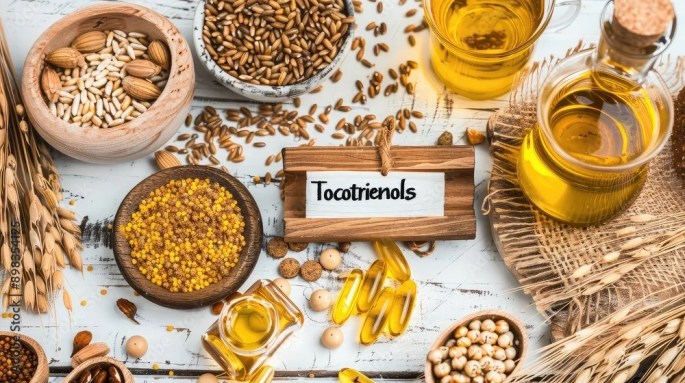
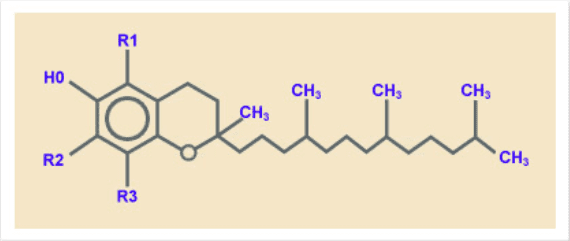
1. Vitamin E is actually a complex of 8 different compounds, which include 4 tocopherols and 4 tocotrienols , each of which can be further divided into alpha, beta, gamma, and delta forms. While tocopherols have been the focus of most research, tocotrienols have not received as much attention. Consequently, many vitamin E supplements available in the market predominantly feature tocopherols, leaving the full potential benefits of tocotrienols yet to be explored.

2.Many Vitamin E supplements on the market primarily contain tocopherol as their main ingredient, which means that their full benefits for the body are not realized. Recent research has shown that tocotrienols are powerful antioxidants with various health benefits. They possess neuroprotective properties, help reduce cholesterol levels, promote skin and hair growth, protect the liver, prevent strokes, and may even help prevent sterility. Additionally, tocotrienols are known to combat inflammation.

3.Actually, tocotrienols help significantly in the body to lower inflammation. Studies have shown that tocotrienols are five times more potent than tocopherols in reducing inflammation. Research has shown that tocotrienols are available in different forms: Delta tocotrienols and gamma tocotrienols, of which delta tocotrienols have five times more potency than tocopherols to fight inflammation in the body. In fact, tocotrienols are far more potent than tocopherols in the prevention of oxidative stress.

4. The widespread benefits of tocotrienols can be summed up as :

• Powerful antioxidant.

• Powerful antimicrobial

• Neuro-protective.

• Anti-cholesterol effect.

• Anti-tumour, anti-cancer,

• Prevents stroke

• Anti-inflammatory, prevents autoimmune diseases.

• Protective to the cardiovascular system, hepato-protective, and promotes hair growth.

• Promotes bone health, especially for menopausal women.

Palm fruits

5. Extensive studies have been carried out on the neuroprotective role of tocotrienols, which have shown very positive results on people with stroke, nerve disorders and neurodegenerative diseases. Studies have revealed that astrocytes play an important role in restoring neuronal cells and protect neurons against oxidative stress. Tocotrienols help in preventing glutamate-induced injury and prevent the death of astrocytes. Therefore, tocotrienols are crucial in minimizing neurodegenerative diseases and stroke.

Annatto

6. There are several studies and clinical trials showing evidence of anti-inflammatory effects of tocotrienols by controlling the inflammatory mediators. Research suggested that tocotrienols block the activation of nuclear factor kappa-light-chain-enhancer of activated B cells (NF-kB), one of the main regulators of inflammatory response. Supplementation of tocotrienols is found to reduce tumour necrosis factor alpha (TNF-alpha), interleukin-1 and phorbol ester. It is a potential agent with significant anti-inflammatory effects in atherosclerosis, thyroid diseases, and autoimmune diseases.

7. Research shows that tocotrienols are usually safe for healthy individuals at a minimum dosage. But they do have anti-coagulant properties, so people with blood disorders should avoid taking them. Some contraindications:

• Individuals allergic to any compound of Vitamin E should strictly avoid it.

• As mentioned already, people with bleeding disorders, or anyone who will undergo surgery, should avoid it as it may slow blood clotting.

• Tocotrienols may interact with medicines like anticoagulants and antiplatelets and increase the risk of bleeding.

• Overdosing should be avoided as it may cause physical symptoms like headache, fatigue and GI symptoms.

•High doses of tocopherol can interfere with the efficacy and absorption of tocotrienols.

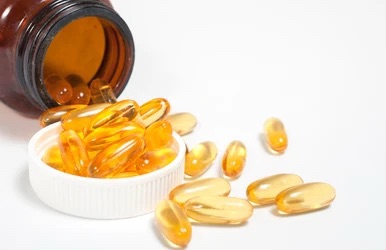
8.Tocotrienols are generally safe when taken by mouth. There is no standard medical recommendation for dosage. However, under medical supervision, the typical dose of tocotrienols in adults is 100mg – 200mg per day. Dosage can vary depending on the specific health requirement. Supplements are mainly derived from palm and annatto derivatives. They are fat- soluble and best absorbed along with a meal.

Edible oils

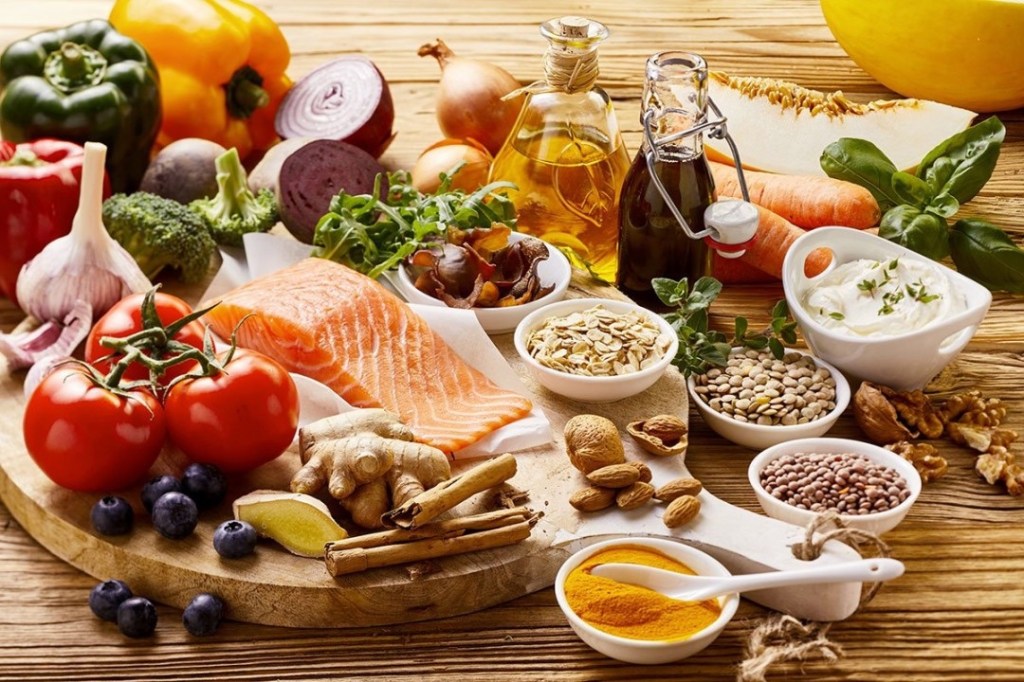
9. Food sources: Generally, tocotrienols are rarely found in nature. Even if some food sources are available, they are available in very low quantities. Palm oil has the most concentrated and natural source of tocotrienols, but at a very low level, which is not sufficient for potential health benefits. Other food sources are annatto ,edible oils like rice bran oil, grape seed oil, castor oil, coconut oil, peanut oil, linseed oil, cod liver oil, hazelnuts, oats, olive oil, maize, wheat germ, nuts and barley. Fish like salmon, trout, fruit like avocado, mango, vegetables like red pepper, greens, turnip, and squash are rich in vitamin E and its compounds.

10. Takeaway is that tocotrienols are the least known compound of the Vitamin E family, yet they are the most potent antioxidant and have strong evidence of widespread health benefits. Newest studies show that this compound has senolytic properties, a strong immune response, and apoptosis. They can slow down the process of ageing, reduce oxidative stress, and lower malignant potential. Though in small quantities, regular intake of natural sources of tocotrienols is sufficient for a healthy individual. Supplementation is required when medically prescribed.

Thanks for reading.

Peace and love 🙏

10 Essential Insights on Resistant Starch and Managing Blood Sugar Spikes 🙌

1. Resistance starch is a new buzzword nowadays. But what exactly is resistance starch? Starches are a major portion of our everyday diet. They are usually found in grains, legumes, potatoes, and many other foods. Unlike simple starches, resistance starch passes through the digestive tract, the stomach and the small intestine undigested, and reaches the colon, where it is fermented by gut bacteria, like soluble fibres. Therefore, they are very gut-friendly, hence are potentially beneficial to health.

2. Several studies have identified the components of starches in different types of food, which are resistant to digestion, and can be very beneficial in the prevention and control of chronic diseases. Evidence has shown that starches present in food, which are rapidly digested, have significantly contributed to the growing risk of chronic diseases like diabetes, obesity, and colon cancer. Ongoing studies have shown that resistance starches are highly resistant to digestion by digestive enzymes like amylase in the small intestine and pass through the colon, where they are fermented by the microbiota.

3. Five types of resistance starches have been identified such as :

• Type1 : Physically inaccessible starches like whole grains, coarsely grounded grains.

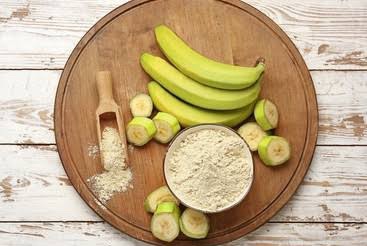
• Type 2: Granular starch like raw potato, raw banana starch.

• Type 3: Retrograde starch like cooked and cooled starch.

• Type 4: Chemically modified starch.

• Type 5: Amylose lipid complex.

4. Carbohydrates are simple in structure, like white rice, white bread, cakes, or refined food items. Resistance starches are complex carbohydrates which pass through the stomach and small intestine undigested and move to the large intestine to be fermented by the gut-friendly bacteria. Some examples of resistance starches are: Brown rice, whole grains, quinoa, lentils, plantains, oats and potatoes.

5. Simple starches are digested by the stomach enzymes and are responsible for spiking blood sugar and worsening insulin sensitivity. While resistance starches cannot be digested by the stomach enzymes, they travel through the small intestine and reach the colon. In the colon, they are fermented by the microbes and produce short-chain fatty acids like Butyrate. Butyrate improves insulin sensitivity, lowers inflammation, and provides food for gut-friendly bacteria.

6. Starch Retrogradation: It is a process where gelatinised starch molecules crystallize and become resistant to digestion in the stomach and small intestine. This trick can be done by cooling the simple starches after cooking and storing them in the refrigerator. Just before eating, heat them so that the content of resistance starch can be increased. Therefore, the effect of cooling the cooked rice or potatoes, bread can decrease the post-prandial glucose and insulin spike.

7. Simple ways to have resistance starches or increase the resistance starches content are:

• Cooking the rice, potatoes or pasta, and cooling them.

• Freeze and store them in the refrigerator.

• Reheating them before consuming.

8.Pairing food like carbohydrates with protein and fat can help in controlling the glucose spike and improving insulin sensitivity. Pairing potatoes with butter or olive oil, or rice with lentils or beans, is a common example. Acidifying the meal by adding lemon, vinegar, or fermented food can lower the rate of starch breakdown.

9. Again, food orders are another important trick to improve insulin sensitivity and lower the glucose spike. Instead of having carbohydrate first, it is wiser to eat the protein like eggs, meat or fish first, followed by vegetables and lastly the carbohydrate portion. This way, it will slow down the glucose digestion. Such behavioural change while following the food order either at home or in a restaurant can help to improve the metabolic response.

10. Eating a meal and then immediately sitting down to work, using the laptop, or taking a nap can negatively impact your metabolic response. Instead, after finishing your meal, consider taking a light walk or engaging in a gentle activity like cleaning or washing dishes. These activities can stimulate your calf muscles, particularly the soleus muscle, which can quickly utilise a significant amount of glucose. By sustaining contractions, this muscle helps burn glucose, contributing to better blood sugar control.

Thanks for reading.

Peace and love 🙏

10 facts: Is dairy essential for overall wellbeing?

1.Whether, dairy is good or bad, still remain subjective. Dairy commonly known to offer many nutritional benefits, but it is not absolutely essential for maintaining overall health and well-being. In ancient times, when survival was challenged by harsh weather conditions, humans began consuming raw animal milk due to a scarcity of food. As these populations migrated from one geographical region to another, they gradually developed genes that allowed for lactose tolerance. This is how dairy became incorporated into the human diet. Today, many individuals may find dairy consumption uncomfortable.

2.Research has shown that though dairy is a good source of protein and calcium, it is not mandatory that without them, you can be deficient in this nutritional benefit. Having a regular balanced diet which is rich in pulses, leafy vegetables, and nuts can provide you with a better source of protein, calcium and loads of other nutrients than depending on dairy products. Though milk has been considered as wholesome food for both children and adults and is consumed throughout the millennia, many studies have shown cases of lactose intolerance and health risks to individuals through dairy. So, if you are not tolerant of dairy, it is important to avoid it, as there are plenty of other food sources which can provide the same nutrients.

3. Lactose intolerance: People who are lactose intolerant lack the enzyme lactase, which breaks down the sugar in milk. So, such individuals suffer from digestive distress and have different symptoms after consuming milk and dairy products. About 65% of the world’s population suffers from lactose intolerance. Lactose is found in almost the same amount in both A1 and A2 milk. So, people with lactose intolerance should avoid both A1and A2 milk. People with lactose intolerance may suffer from symptoms :

• Gas.

• Bloating.

• Stomach pain.

• Vomiting.

• Diarrhoea.

4.Studies show lactose intolerance is mainly due to gut sensitivity and lactose malabsorption. Most of the varieties of milk and milk products contain lactose, such as cow, goat,buffalo or sheep. Again, fresh milk, curd, and cream contain more lactose than cheeses. Lactose in dairy is used in many other products like processed food, biscuits, cookies, soups,snacks, and dressings. Therefore, if you are sensitive to lactose, all these food items can cause trouble when consumed. People need to read the labels of ingredients while consuming such products. Nowadays, many dairy products are made with the lactose being removed, such as some cheeses, lactose free milk, yogurt.

5.Allergies: Allergy to milk or dairy products can appear as early as childhood, wherein there may be mild to severe symptoms on consuming them. This is an atypical immune response resulting in various symptoms. Sometimes, it is life-threatening, which is known as an anaphylactic reaction.But, fortunately, with growing age, most of the time, the allergy disappears and dairy can be consumed without difficulty. In some individuals, the allergy can continue lifelong. Cow’s milk contains an allergen which triggers an immune response. But, some people may be allergic to other milks too, like sheep, goat or buffalo. Milk allergy is caused by milk proteins like casein and whey. Symptoms can be:

• Tightness of throat

• Swelling of the tongue

• Hives

• Stomach pain

• Vomiting, diarrhoea

• Persistent, cough, dizziness.

6.Inflammation: Though dairy may not be related to inflammation in most people. But studies do suggest that some people may be sensitive to beta-casein A1 protein found in most of the cow’s milk, which is connected to systemic inflammation. Long-term consumption of dairy is found to have a lowered anti-inflammatory effect in the body in those who have pre-existing conditions, metabolic abnormalities and are overweight. Some studies showed that milk processing causes changes in the basic components of milk, which can trigger inflammation in some individuals.Different small studies showed that raw milk consumption, due to its vast microbiota, increased the release of cytokines, which had a pro-inflammatory response. Again, UHT, homogenised high-temperature milk also showed pro-inflammatory cytokine release production both before and after digestion. Therefore, dairy can be inflammatory in some individuals depending upon some pre-existing conditions of autoimmune, metabolic and degenerative chronic conditions. Observation is important to pinpoint the type of food which can trigger an inflammatory response.

7.Several types of milk are available in the grocery aisle of a supermarket, including whole milk, low-fat milk and skimmed milk. Apart from this, several varieties of milk and dairy products of different sources like cows, buffalo, sheep and goat are available. Organic milk and grass-fed milk, which are anyway organic, do show a higher amount of Omega-3 than regular milk. Saturated fat contained in milk previously did show a relation to a higher risk of cardiovascular disease and stroke. But recent studies did not show direct evidence of this correlation. In terms of calories, Skim milk can be a better choice, which is loaded with vitamins, minerals, calcium and fewer calories.

8.Calcium absorption: Though in children and infants, calcium is absorbed about 50-60% from milk. But, as age increases, calcium absorption starts declining. It decreases about 25% as age increases and continues to decline. So, calcium from milk sources hold no significant for maintaining bone health. Chronic conditions like osteoarthritis and osteoporosis appear as age advances due to calcium malabsorption. So, to optimise calcium intake, other calcium rich food, calcium supplements should be taken to strengthen bone and muscles.

9.Commercial milk, mostly in Western countries, is produced by a breed of cows (Holstein, British Shorthorn, Friesian) whose milk contains A1 beta-casein. Research shows that A1 casein is difficult to digest and may create digestive issues in some individuals. A2 beta-casein milk protein are found in breeds of cows like the Indian breed, Guernsey, Jersey, which is much lighter and healthier for gut health. Most regular commercial milk contains both A1 and A2 beta-casein, while A2 milk marketed contains only A2 beta-casein.

A small amount of oestrogen naturally found in milk has no harmful effect on humans. Commercial farms inject synthetic growth hormone into cows for fast growth. Exogenous oestrogen is injected into pregnant and lactating cows to increase milk production. This is also done in other animals like buffalo, sheep and goats. Studies showed that such commercial milk consumption can lead to gonadotropin suppression in men and early sexual maturation in prepubertal children. But, most cheeses do contain medium chain triglycerides, which are healthy for the body and mostly the hormonal effect is gone.

10.Dairy as a food type is a range of heterogeneous items, ranging from different varieties of milk and milk products from different sources. Though dairy continues to be an easy and common source of nutritional benefits, many studies do highlight the harmful effects of dairy on human health. Therefore, some people have considered going dairy-free. In general, dairy is not necessary for overall health and wellbeing; there are other ample sources of food items like plant-based milk, green leafy vegetables, legumes, nuts and seeds, quinoa and oats to maintain health and wellness.

Thanks for reading.

Peace and love 🙏

10 facts: Are Psyllium husks gut-friendly?

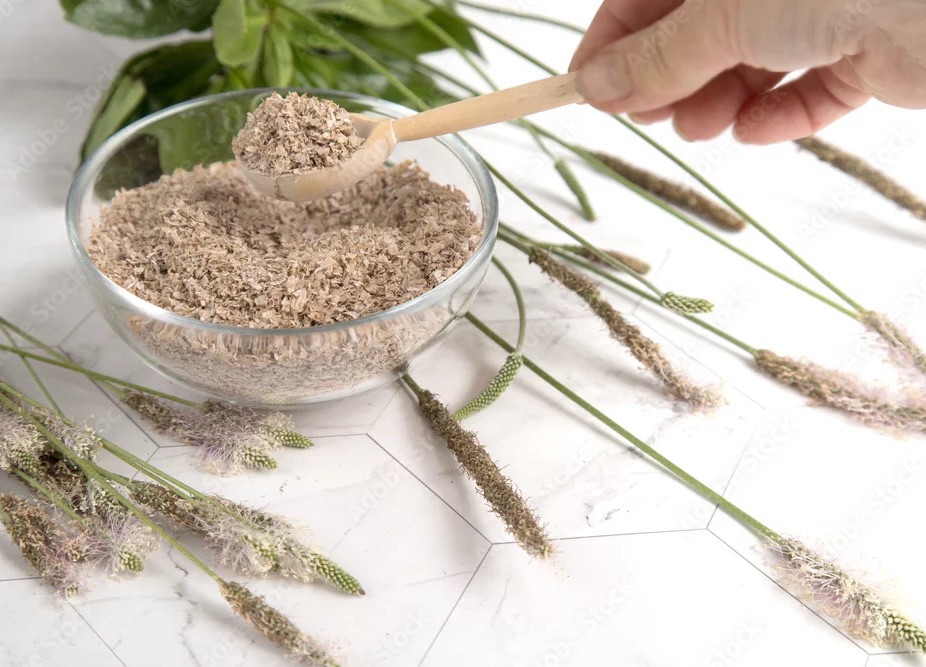
1. Psyllium husk is derived from seeds of the plant genus Plantago ovata. It is rich in water-soluble and unfermentable dietary fibres. It is used in food and nutraceutical industries. It has become popular due to its various health benefits. Psyllium is used as a fibre supplement because of its mucilage content. The mucilage is obtained by grinding the seeds of the Plantago group. These plantago seeds are often referred to as psyllium husks.

Gut- friendly

2. Psyllium husk has been used as a food thickener, fibre supplement, binding agent, gelling agent, and so on. Research studies have shown that it is rich in soluble fibres. So, it has been used as a laxative, which eases bowel movements, making it gut-friendly. Studies have shown that since it eases constipation, it helps to prevent complications like bloating, gas, haemorrhoids, and anal fissures.

Heart friendly

3. Some research shows that it benefits heart health too. Adding psyllium to a daily diet can lower the level of LDL ( bad cholesterol) and can help to maintain cholesterol levels. As we know high cholesterol can lead to conditions like chronic heart diseases, hypertension, diabetes, stroke and heart attack. So, adding psyllium in diet can help to prevent such conditions by maintaning the blood cholesterol levels.

4. Since psyllium is rich in fibres, adding them to a daily diet can even help to maintain the glycemic balance. Therefore, having a diet rich in fibre can be an important step in maintaining the balance of insulin and blood sugar. Psyllium can be a healthy prebiotic too, which can help to produce healthy bacteria and probiotics in the gut.

Weight management

5. A 2023 review study has shown that adding a moderate amount of psyllium fibers to the diet can help reduce weight in people who are overweight and obese. Managing weight can help to reduce the risk of chronic conditions like heart diseases, high blood pressure, gallstones, and breathing issues. Therefore, using of psyllium husk can be used for weight management but, off course under guidance of trained dietary experts.

Constipation

6. Studies have been carried out with the use of psyllium husk in the treatment of irritable bowel syndrome (IBS). The symptoms of gas, bloating, and constipation of IBS have been reduced or the frequency of symptoms can be minimized by the use of psyllium in the daily diet of such patients. This significant change has been reviewed in various research on IBS treatment. Hence, the use of psyllium is found to be suitable in the treatment of IBS.

7. Psyllium is also referred as ispaghula for its mucilaginous compound. It has been used in a variety of herbal medicine to treat various ailments in Asian countries like India and China. It is used to treat skin irritations, bladder problems, wound healing, high blood pressure and digestive problems. Studies do show that psyllium has gelatinous properties, and natural polymers for wound healing and scar reduction.

8. Regarding its uses in various functional food products, for its tremendous health benefits. It has many metabolic effects, lipid-decreasing effects, anti-diabetic, anti-hypertensive, delayed gastric emptying and lower glycemic index. Clinical studies have shown that it decreases the rate of glucose absorption, lowers the post-prandial insulin, and lowers LDL cholesterol by reducing bowel absorption. For its rich source of dietary fibre, it eases bowel movements and relieves constipation.

9. Psyllium is an important source of water-soluble fibre, hydrocolloid in nature due to its solubility and viscosity. The gum extracted from psyllium husk is used in various food items like gluten free bread, pasta, pizza, cookies, ice-creams, jams and myonnaise. It is used as a gluten replacement and also added with the various nutritional benefits to the food products. Due to its prebiotic benefits, it has been very popular as a gut-friendly ingredient in food items.

Bakery items

10. Commercially, psyllium is available as in powder or particle form derived from the seeds of the Plantago plants. It is conventionally used as a laxative agent, and as dietary fibre supplements, in various functional food products, nutraceutical industries, and food industries in breakfast cereals, bakery products, desserts and snacks. Psyllium has no known serious side effects except sometimes may have allergic reactions. The dosage of psyllium is around 5-10 gm with a meal or with water as a supplement. The dosage can be increased gradually if it is tolerable. As I always mention, it is important to follow instructions from experts or Physicians while using.

Thanks for reading.

Peace and love 🙏

10 facts to know about our body’s ph equation 🙌

1.“ph” measures hydrogen ions in any solution. Generally, the ph scale range is between 0 -14, where 0 is highly acidic,14 is highly alkaline and neutral is 7. Our human body’s ph, usually maintained between the range of 6.8 to 7.4. The normal ph of blood is maintained around 7.4, being slightly alkaline as the blood has to nourish the entire organ system.

2. Amongst all the organs, the kidneys are the main ph balancer. Other organs like the lungs, lymphatic system, intestines, and liver help as a support system in the overall ph balance. The factors like the diet, liquid drinks, environment, exercises, stress levels, and breathing pattern can all have an impact on the ph levels. When the body’s ph becomes too acidic, all the tissues, including bones, muscles suffer. To restore the ph balance, the blood needs to pull out calcium, magnesium, potassium and water and neutralise the excess acid.

3. The body’s ph imbalance can lead to stored excess acid in tissue, which can cause inflammation and lead to many chronic diseases. Therefore, research has shown that an underlying ph imbalance is responsible for various diseases like:

• high blood pressure, high cholesterol, heart attacks, and cardiovascular diseases

• Arthritis, Osteoporosis

• Hormonal imbalance

• Respiratory ailments like sinusitis, bronchitis, breathing issues, and chronic infections

• Allergies

• Kidney diseases

• Autoimmune diseases

• Stroke

• Dementia, Parkinson’s disease, Alzheimer’s disease, depression

• Diabetes

• Cancers

• Tooth decays

Sugary and fried foods

4.Risk factors for the body’s ph imbalance are plenty. But the most important factors are:

• Acidic diet like sugary food, high trans fats, refined and processed food, fried food, alcohol, meat and dairy.

• Toxins that are consumed in food in the form of pesticides, chemicals in food additives, heavy metals, beauty products, cleaning agents, and environmental and industrial pollutants.

• Being in stress state causes the body to secrete stress hormones, which causes acidity and inflammation.

• Wrong breathing pattern like shallow and rapid breathing can cause inadequate intake of oxygen which leaves the blood ph to remain acidic instead of being alkaline.

Constant high stress can cause acidosis and inflammation.

5. The causes of ph balance can differ depending upon underlying conditions or simple factors like extreme heat, high stress, heavy exercise or high elevation. Some of the causes can be listed as:

• High altitude, lack of oxygen

• Heavy and excessive exercises

• Alcohol overuse

• Ceratin medication, aspirin poisoning, sedatives

• dehydration

• seizure

• low blood sugar

• lung diseases, chest injuries, abnormalities

• cancers

• sleep apnea

Dehydration can cause ph imbalance

6. Since food is the most important factor to maintain the body’s ph balance, it is necessary to avoid certain food items:• Sugary and acidic food when consumed creates a perfect flora in the gut for overgrowth of bad bacteria, yeast, fungi which causes diseases and infections.

• Food additives like artificial colours, preservatives, chemicals not only increases the acidity but also causes toxicity in the tissues.

• Unhealthy fats like trans fat, highly saturated fat cause an acidic medium.

• Animal products like meat, dairy, processed meat and dairy are highly acidic to the body. So, it is important to cut down the consumption or switch to organic and grass fed options.

• Alcohol and caffeine consumption also cause acidic ph, so the consumption of such food should be avoided or reduced to a minimum.

• Toxins such as chemicals, pesticides, preservatives, antibiotics in meat, vegetables, fruits should be avoided. Locally grown, organic food like meat, eggs, fish and grass-fed dairy, meat, should be used as much as possible.

Alkaline foods

7. Intake of alkaline food in diet should be increased by about 70%. All vegetables like avocado, greens, sprouts, onion, beet, tomatoes, root veggies, coconut, lemon are alkalizing to the body. Legumes, olive oil, buckwheat, quinoa and using plant based milk like almond milk can reduce acidity in the body. Instead of fried or processed items, switching to raw or healthier option of cooking can reduce acidity in the body.

8. But having only alkalizing food is not healthier either. Acidic foods are also essential for the body. Fruits, when eaten raw and fresh, can be acidic to the body, but they are rich in fibres, vitamins and antioxidants, which are very essential for the body. Grains like brown rice, wild rice, millet, and oats are acidic but are rich in nutrients, so they should be consumed, but in moderation. Cold-pressed oils, nuts, seeds, honey, and maple syrup can be consumed in small quantities and can be included as part of a healthy diet.

Musculoskeletal spasms

9. The ph imbalance can be in the form of both acidosis and alkalosis.

Acidosis is when the body is unable to remove the excess acid through airway, blood, sweat or urine. Types of acidosis can be : Metabolic acidosis (diabetic acidosis), renal acidosis, respiratory acidosis, lactic acidosis.

Symptoms of acidosis are fatigue, confusion, vomiting, nausea, and sleepiness.

Alkalosis is mainly: Metabolic alkalosis, when bicarbonate is too much in the body.

Respiratory alkalosis occurs when carbon dioxide is deficient in the blood.

Symptoms of alkalosis are heart palpitations, fatigue, nausea, headache, and muscular spasms.

Medical assistance

10. It is important to visit a medical facility when there is a ph imbalance. It is diagnosed by metabolic panel analysis, blood gas, urine ph, urinalysis, and glucose test. Treatment is based on underlying conditions and is mainly symptomatic. Like in dehydration with electrolyte solutions, changing medication in case of diabetics, COPD, using a ventilator in breathing issues and so on. Often, treating the underlying condition, the ph is restored and maintained.

Thanks for reading.

Peace and love 🙏

10 facts to know about Vitamin D linking to mental health🧠

Vitamin D deficiency is critical for both physical and mental health. Here are some facts to understand the impact of vitamin D on mental health.

1.Several research studies have concluded that low vitamin D levels are directly linked to anxiety, mood changes, depression and cognitive dysfunction such as impaired memory, sadness, weight loss and loss of appetite. Studies have not shown that vitamin D deficiency causes depression but people who suffer from depression do show low levels of vitamin D.

2. Vitamin D mainly maintains the body’s calcium homeostasis. It is also crucial as a neurosteroid hormone and plays a significant role in maintaining normal brain functions and helping in brain development. Therefore, numerous studies have shown that hypovitaminosis D is linked to depression and neurocognitive disorders.

3.Some studies have shown that seasonal affective disorder (SAD) is more prevalent in winter as there is a lowering of Vitamin D levels in the cold season. Lack of exposure to sunlight in winter months is shown to increase the incidences of depression, mood changes and anxiety issues.

4. Rising cases of suicide have been a common risk factor for low vitamin D levels (psychiatric times.com).A research study in 2023 found a correlation between low vitamin D levels with cases of suicidal behaviour. Therefore, vitamin D supplementation is mandatory for all those who have low levels can help to address mental health issues and prevent cases of suicide thereby saving lives.

5.As mentioned earlier, Vitamin D is required for normal brain development. Vitamin D supplementation is essential in childhood for overall brain and cognitive development. Low levels of vitamin D have been found in many cases of ADHD (attention deficit hyperactive disorder). Improved levels of vitamin D by supplementation have shown marked improvement in symptoms of ADHD children.

6. Vitamin D deficiency has been found to have a direct correlation with adult schizophrenia. Studies show that it is quite common to have in individuals with poor nutrition, elderly persons, people living in regions with insufficient sunlight, or during pregnancy. So, it is important to routinely check the levels of Vitamin D to reduce such risk factors. Correction of the levels of vitamin D shows marked improvements in symptoms of such mental illness.

7. Vitamin D acts as a neuroprotective neurotransmitter and helps to maintain the functions of neurons and glial cells of the central nervous system. So, administrating Vitamin D helps to reduce the oxidative stress and neurotoxicity on the cortical neurons. Therefore, controlling the neuronal inflammations helps to reduce many psychiatric illnesses.

8.Strong evidence shows that low levels of Vitamin D are related to neurodegenerative diseases like Alzheimer’s disease, dementia, and Parkinson’s disease. Vitamin D supplementation can improve or even prevent the neurodegenerative process by reducing the deposition of beta-amyloid plaques, intra-neuronal tangles of tau-protein and loss of cholinergic neurons and synapses.

9. Vitamin D levels ranging from 50nmol/L or above are sufficient to maintain overall physical and mental health well-being. Blood levels below 20 ng/mL are treated as insufficient and require immediate vitamin D administration. Normal levels can be maintained by exposure to sunlight, vitamin D supplementation and food sources like oily fishes, eggs, meat, liver, veggies like broccoli, pumpkin, green leafy veggies, green peas, avocados and many more.

10. Though vitamin D is not the only cause of mental health issues, essentially, it is an important nutrient to maintain normal brain function and neurochemistry. In the general population, many people do suffer from vitamin D deficiency, unknowingly. Supplementation of vitamin D can improve the blood levels in individuals and can at least help address the challenges of mental health issues.

Thanks for reading.

Peace and love 🙏

10 compelling reasons to consume Flavanoids to combat oxidative stress 🙌

  1. Flavonoids are naturally occurring polyphenolic compounds in various deep-coloured fruits and vegetables. There are 6 different varieties of flavonoids, all of which have antioxidant properties and can help the human body to get rid of different toxins and stress. Therefore, including flavonoids in your routine diet can help to get rid of many chronic health conditions.
  2. Dietary Flavonoids are of 6 subtypes :
    Flavanols , Flavones, Flavan-3-ols, Flavanones, Isoflavones, Anthocyanins.
    Coloured fruits, vegetables, and plants are all rich in flavonoids. Naturally, they are found in apples,purple and red grapes, berries, peaches, oranges, cocoa, chocolate, green tea, black tea, chamomile tea, vegetables like broccoli, lettuce, tomatoes, scallions, red peppers and onions. Flavonoids are dark-coloured pigments so they act as natural pesticides and protect the plants from harmful UV rays, bacteria, viruses and harmful insects.

3. Main functions of flavonoids:
•Powerful antioxidants
•Fights inflammation
•Free radical damage and prevent oxidative stress.

•Anti-haemorrhagic and vasodilatory effects.
•Certain flavonoids, due to their anti-inflammatory and antioxidant properties prevent cancer cells from multiplying and decrease the risk of some cancers.

4.Research shows that oxidative stress can lead to cellular damage and disease development. So, oxidative stress can cause many disease conditions like cancers, diabetes, cardiovascular diseases like hypertension, atherosclerosis, chronic inflammatory diseases, and neurodegenerative diseases. Flavonoids play an important role in reducing this oxidative stress and free radical damage, thereby preventing cellular damage.

Cocoa (Dark Chocolate)

5.Numerous studies have shown that cancers develop due to oxidative stress, genetic mutations,hypoxia and reduced apoptotic function. Apoptosis, in simple terms, is a normal cellular activity whereby the body tries to eliminate unwanted cells. Flavonoids play an integral part in promoting apoptotic cellular pathways and preventing cancer cells from proliferating and multiplying.

6.Research shows that flavonoids protect the different organs including the liver and brain from free radical damage. Studies show that flavonoids have protective effects of various liver injuries caused by drug and alcohol usage. Since, they are anti-inflammatory, and antitumor, they protect the hepatocytes from inflammation and fibrosis.

7.Flavonoids are a polyphenol group of compounds that can improve and reduce the symptoms of depression and anxiety. Clinical studies in the past have shown that dietary intake of flavonoids can lower the risk of depression. However, further studies are still anticipated to make substantial proof.

8.Flavonoids are best when naturally consumed as all dark-coloured fruits, vegetables, and green tea contain abundant polyphenolic compounds. It should be included in the routine diet for overall
well-being. However, many flavonoid supplements are out in the market. The best supplements are Cucurmin (Tumeric), Green tea, grape seed extract, Resveratrol, Quercetin, hesperidin and Rutin.

9. Toxicity: Intake of natural flavonoids on a daily diet is usually enough. Sometimes, flavonoids supplements are clinically recommended. However, the risk of flavanoid toxicity exists, if someone takes a huge amount of highly potent supplements. It may affect anaemic and elderly patients as flavonoids may bind with non-heme iron. Flavanoid toxicity may cause liver failure, hemolytic anaemia and male reproductive issues. Recommended daily dose of consumption should be around 400-600mg/day.

10.A healthy routine diet rich in flavonoids will provide all the necessary support to the human body to maintain biological activity, provide anti-oxidant effects, reduce oxidative stress and prevent chronic diseases, maintain cardiovascular health and prevent infectious diseases. The key point is that the food readily available to us contains the most effective flavonoids and antioxidants that fortify our health and immune system, making expensive supplements unnecessary

Thanks for reading.

Peace and love 🙏

10 facts to know about Ghee (clarified butter) 🙌

Research has shown that Ghee is a powerhouse of anti-oxidants, healthy fats and vitamins. For centuries, it has been used traditionally in Middle Eastern and Indian culinary traditions. In Ayurvedic medicine, it has been used extensively as a remedy for various ailments.

  1. There are various dairy sources of Ghee, such as cows, buffaloes, goats, and camels. But the best source of Ghee is the cow’s ghee depending upon the fatty acid composition. Ghee is a rich source of Short-chain fatty acids (SCFA), linoleic acids, omega-3, omega-6 fatty acids and phospholipids. Research has shown that these fatty acids have the most potential benefits of anti-oxidants, and anti-inflammatory properties and are excellent sources of fat for brain health.
  2. According to Ayurvedic literature, the health benefits of Ghee depend on the manufacturing process, the source of dairy from which it was made, age and phase of the ghee. Cow’s ghee has the highest nourishing and health benefits. Buffalo ghee can be a good source of building a physical and muscular physique. Goat’s ghee has respiratory benefits whereas camel’s ghee has digestive properties.
  3. Research says that grass-fed ghee is more nutrient-dense than grain-fed ghee. Cow ghee has different varieties. Garlic grass-fed ghee is a superior quality ghee which has higher therapeutic benefits. Grass-fed Cultured Organic ghee is from grass-fed milk which is of premium quality and has several health benefits. A2 Organic ghee contains A2 protein and is purest in terms of quality which has no traces of GMOs, antibiotics or steroids. Another variety is lime grass-fed ghee which has good taste due to lime flavour.

4.Cognitive health benefit: The most important benefits of ghee are cognitive health, the overall brain wellbeing. Though limited research has been done so far, studies show that SCFA, omega-3 fatty acid, and linoleic acid in ghee show a significant role in improving memory, intellect and brilliance. Ghee helps in the management of diseases like epilepsy, ageing cognitive issues,depression, anxiety and insanity.

5.GI health: SCFAs found in ghee play an important role in enhancing digestive health. Butyrate found in ghee feeds the gut microbiome and enhances the gut immune system, improves digestion, and helps to strengthen intestinal wall integrity. Ghee has been used for centuries to treat abdominal disorders, peptic ulcers and improvement of appetite.

6.Respiratory health: According to Ayurveda, A2 ghee plays a significant role in lowering
symptoms of asthma, bronchitis, sore throat, fever, bleeding disorders and other respiratory issues A2 ghee is combined with herbs like Malabar Nut are used as herbal medicines to heal respiratory issues by Ayurvedic experts. It acts as a natural expectorant in case of colds and coughs.

7.Other ailments where ghee has been used by Ayurvedic Medicine to treat issues like abscesses, boils, liver issues, hernias, vaginal pain and other reproductive problems. It is also used for topical application for a calm relaxing skin massage. In some Ayurvedic cleansing techniques, ghee message is used to release toxins from fatty tissues and treat osteoarthritis, and insomnia.

8.Since ancient times, ghee has been a natural remedy for various issues. It was used as a
natural moisturizer, bath oil for skin, remedy for gums, and teeth when gargling with ghee, to stop nose bleeding, and to treat minor cuts and burns.

9.Butter and ghee have similar fat contents and nutrients. But for people who have problems in the digestion of dairy products, pure ghee is comparatively better as they have no or less quantity of protein than butter.

10.Ghee has been slowly emerging as a healthy cooking choice because of its various nutritional benefits and better absorption of nutrients from foods and vegetables. Recent studies show that ghee is cholesterol-friendly as it can help to increase good cholesterol over bad cholesterol. However, due to its high fat content, it has to be used in moderation. When consuming ghee daily, the person has to undergo regular physical activity and exercise to digest the fat properly and enjoy the benefits. According to health experts, consuming 2-3 teaspoonfuls of ghee can bring overall health benefits and be heart-friendly.

Thanks for reading.

Peace and love 🙏

8 facts: Giloy, an understated herb 🪴

Hello everyone 🙌

  1. Giloy is a herbaceous plant, a climbing shrub, where every part of the plant including the stems has various medicinal benefits. It is mainly grown in the Indian subcontinent, many Asian countries including China, Thailand, Philippines, Myanmar, tropical regions of Australia, and North and South Africa. It prefers a warm tropical climate to grow. Despite its holistic health benefits, it is still not known to many. Scientifically, it is called Tinospora cordifolia.
  2. Giloy is considered an essential herb in Ayurvedic medicine. For centuries, people have been using this herb to treat a long list of health ailments, including infections, fever, asthma, diabetes, gout, diarrhoea, jaundice, urinary problems, and skin conditions.

3.Research studies have found that giloy has many potential compounds like alkaloids, terpenoids, lignans, and steroids which have therapeutic benefits. Studies have also found that the herb contains anti-inflammatory and antioxidant properties which can fight oxidative stress and prevent microbial growth of viruses, bacteria and fungi.

4.Studies show that the entire herbaceous plant including roots, stems, and leaves have medicinal properties. The stems of the plants, especially are potent anti-stress, antioxidant, anti-diabetic, anti-arthritic, anti-allergic, anti-inflammatory, immunomodulatory and anti-cancer properties. Giloy also aids in digestion and gut health.

5.Some studies have shown that the alkaloids found in giloy called berberine work like the medicine metformin and help to reduce blood sugar. It can be effective in controlling blood pressure and reducing the level of LDL( bad cholesterol), hence lowering the risk of heart disease.

6.Lab studies have shown that Giloy can be effective in treating seasonal allergies, and skin conditions like scabies and hay fever. It is effective in controlling asthma. Studies show that it can strengthen the immune system and fight against many pathogens like Klebsiella pneumonia, Pseudomonas, Ecoli and many more.


7.Though Giloy doesn’t have harmful side effects, it is important to use it under expert guidance. The herb can interfere with medications like diabetic medicines, anti-hypertensives, and autoimmune medications. It should be avoided during pregnancy and breastfeeding. Commercially, it is available in capsule form, powder form and tincture. The dosage can be different in different forms depending upon the manufacturer’s preparation. So, it is important to read the label and dosage before buying and using the product.


8.Depending upon the recommended dose on the label of the package and under expert guidance, giloy can be consumed safely with the best outcome. However, in the case of auto-immune diseases like Crohn’s disease, and lupus, the immune system can be overstimulated. Side effects like hypoglycaemia, dizziness or stomach irritation might appear in some individuals. The recommended dosage is about 2-6 gm in the case of adults and less than 500mg in the case of children in either powder or capsule form. Giloy juice can be taken in 2-3 teaspoonfuls with water on an empty stomach in the morning.

Thanks for reading.

Peace and love 🙏

Diwali wishes 2024 🪔

We keep moving forward in life because that’s the only option left with us. We may meet new challenges and new obstacles on our path. In this festival of light, may the Divine show us the path, lead us through darkness and protect us in this journey of life and self discovery.

Dear readers, wishing you and your loved ones, a prosperous, joyful and healthy Diwali 2024.

Thanks for reading.

Love and light 🙏