
10 important facts about tocotrienols 🙌

Tocotrienol complex

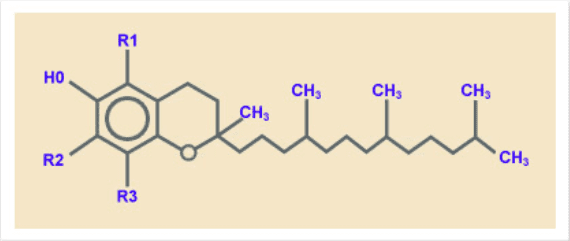
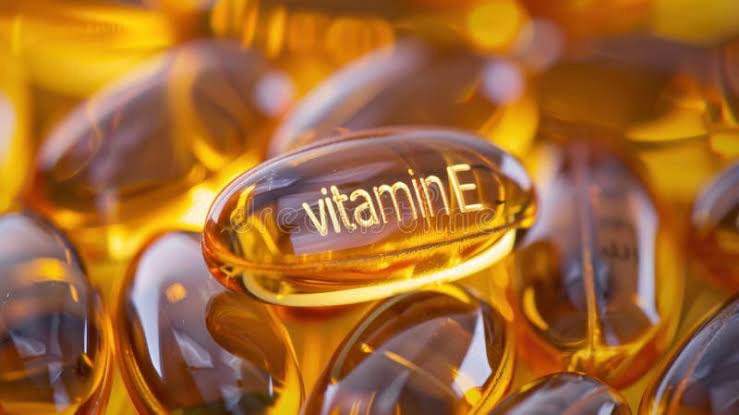
1. Vitamin E is actually a complex of 8 different compounds, which include 4 tocopherols and 4 tocotrienols , each of which can be further divided into alpha, beta, gamma, and delta forms. While tocopherols have been the focus of most research, tocotrienols have not received as much attention. Consequently, many vitamin E supplements available in the market predominantly feature tocopherols, leaving the full potential benefits of tocotrienols yet to be explored.

2.Many Vitamin E supplements on the market primarily contain tocopherol as their main ingredient, which means that their full benefits for the body are not realized. Recent research has shown that tocotrienols are powerful antioxidants with various health benefits. They possess neuroprotective properties, help reduce cholesterol levels, promote skin and hair growth, protect the liver, prevent strokes, and may even help prevent sterility. Additionally, tocotrienols are known to combat inflammation.

3.Actually, tocotrienols help significantly in the body to lower inflammation. Studies have shown that tocotrienols are five times more potent than tocopherols in reducing inflammation. Research has shown that tocotrienols are available in different forms: Delta tocotrienols and gamma tocotrienols, of which delta tocotrienols have five times more potency than tocopherols to fight inflammation in the body. In fact, tocotrienols are far more potent than tocopherols in the prevention of oxidative stress.

4. The widespread benefits of tocotrienols can be summed up as :

• Powerful antioxidant.

• Powerful antimicrobial

• Neuro-protective.

• Anti-cholesterol effect.

• Anti-tumour, anti-cancer,

• Prevents stroke

• Anti-inflammatory, prevents autoimmune diseases.

• Protective to the cardiovascular system, hepato-protective, and promotes hair growth.

• Promotes bone health, especially for menopausal women.

Palm fruits

5. Extensive studies have been carried out on the neuroprotective role of tocotrienols, which have shown very positive results on people with stroke, nerve disorders and neurodegenerative diseases. Studies have revealed that astrocytes play an important role in restoring neuronal cells and protect neurons against oxidative stress. Tocotrienols help in preventing glutamate-induced injury and prevent the death of astrocytes. Therefore, tocotrienols are crucial in minimizing neurodegenerative diseases and stroke.

Annatto

6. There are several studies and clinical trials showing evidence of anti-inflammatory effects of tocotrienols by controlling the inflammatory mediators. Research suggested that tocotrienols block the activation of nuclear factor kappa-light-chain-enhancer of activated B cells (NF-kB), one of the main regulators of inflammatory response. Supplementation of tocotrienols is found to reduce tumour necrosis factor alpha (TNF-alpha), interleukin-1 and phorbol ester. It is a potential agent with significant anti-inflammatory effects in atherosclerosis, thyroid diseases, and autoimmune diseases.

7. Research shows that tocotrienols are usually safe for healthy individuals at a minimum dosage. But they do have anti-coagulant properties, so people with blood disorders should avoid taking them. Some contraindications:

• Individuals allergic to any compound of Vitamin E should strictly avoid it.

• As mentioned already, people with bleeding disorders, or anyone who will undergo surgery, should avoid it as it may slow blood clotting.

• Tocotrienols may interact with medicines like anticoagulants and antiplatelets and increase the risk of bleeding.

• Overdosing should be avoided as it may cause physical symptoms like headache, fatigue and GI symptoms.

•High doses of tocopherol can interfere with the efficacy and absorption of tocotrienols.

8.Tocotrienols are generally safe when taken by mouth. There is no standard medical recommendation for dosage. However, under medical supervision, the typical dose of tocotrienols in adults is 100mg – 200mg per day. Dosage can vary depending on the specific health requirement. Supplements are mainly derived from palm and annatto derivatives. They are fat- soluble and best absorbed along with a meal.

Edible oils

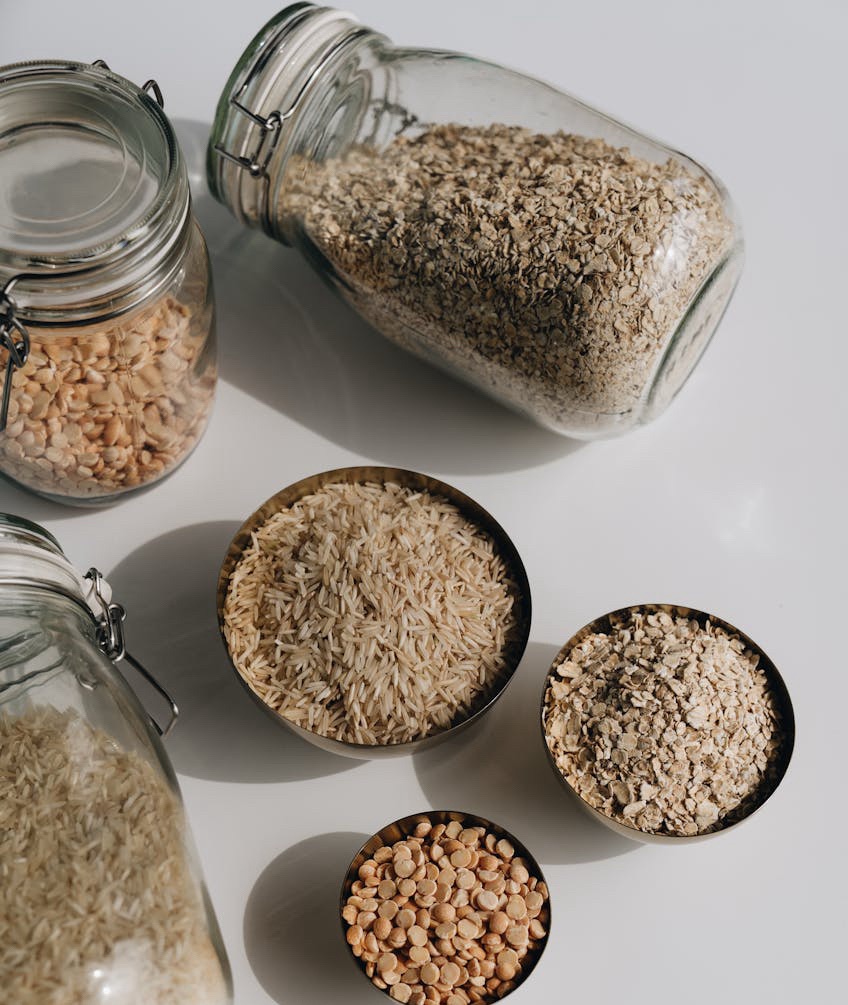
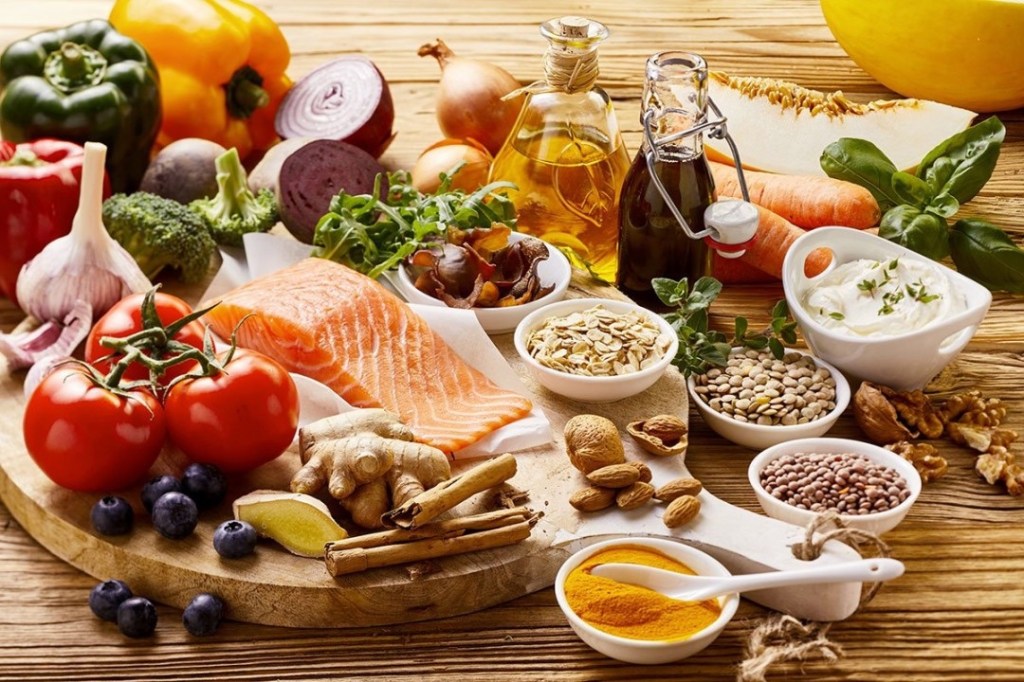
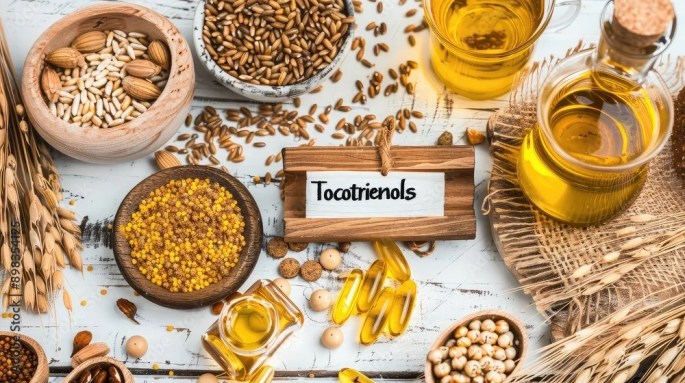
9. Food sources: Generally, tocotrienols are rarely found in nature. Even if some food sources are available, they are available in very low quantities. Palm oil has the most concentrated and natural source of tocotrienols, but at a very low level, which is not sufficient for potential health benefits. Other food sources are annatto ,edible oils like rice bran oil, grape seed oil, castor oil, coconut oil, peanut oil, linseed oil, cod liver oil, hazelnuts, oats, olive oil, maize, wheat germ, nuts and barley. Fish like salmon, trout, fruit like avocado, mango, vegetables like red pepper, greens, turnip, and squash are rich in vitamin E and its compounds.

10. Takeaway is that tocotrienols are the least known compound of the Vitamin E family, yet they are the most potent antioxidant and have strong evidence of widespread health benefits. Newest studies show that this compound has senolytic properties, a strong immune response, and apoptosis. They can slow down the process of ageing, reduce oxidative stress, and lower malignant potential. Though in small quantities, regular intake of natural sources of tocotrienols is sufficient for a healthy individual. Supplementation is required when medically prescribed.

Thanks for reading.

Peace and love 🙏

10 facts : Is arsenic in rice, a health issue?

In general, we are exposed to arsenic daily. Not only through food, but also through air pollution, smoking, contaminated drinking water and so on. Rice is the most common dietary source of arsenic, along with fruits, vegetables and grains. Rice and rice-based products are vulnerable to arsenic contamination because of the method of cultivation, especially from the soil and irrigation water in paddy fields. Therefore, white rice, brown rice, rice snacks, rice milk, infant food and rice cereals are all found to have arsenic.

1.Yes, rice eating can give arsenic exposure, depending on the contamination levels, which can be a health concern in the long run. Arsenic contamination levels in rice can vary based on sources, brands, farming methods, and the use of fertilizers and pesticides.Therefore, it is a potential health hazard, especially for rice-eating countries, mainly in Asia. Consistent arsenic exposure can affect different organs, the nervous system, gastrointestinal system and can even cause cancer. Not many studies have been done so far, but research has confirmed that rice contains a relatively high level of inorganic arsenic, which can be toxic and carcinogenic.

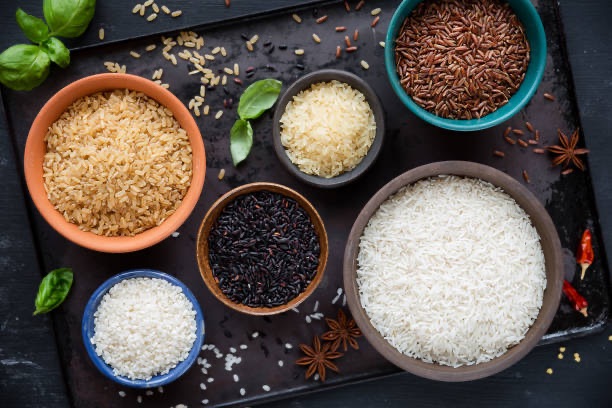
2. Rice has been a staple diet for centuries in Asia, unlike in Europe and America. There are different varieties of rice in which the arsenic levels can differ. According to research studies, different varieties of rice can have different levels of inorganic arsenic, such as:

•White long-grain rice (regular type) contains a higher level of mean arsenic concentration (ppb) as compared to medium or short varieties of regular white rice.

• Pigmented rice, like red rice or black rice, may have a slightly lower level of arsenic than regular white rice in many regions.

•Usually, brown rice, which has a bran and germ covered, is found to have higher levels of arsenic than regular white rice.

3.Research has found that brown rice, red and black rice have around 154 ppb of arsenic concentration, though the quantity varies depending on where they have been sourced. The white rice relatively has a lower quantity of 90 ppm of mean arsenic concentration. Arsenic is a heavy metal which is water-soluble, so the sources are many. It can be contaminated through soil originating from volcanic eruption, mining, power production and other geothermal activities, from irrigated water sources, pesticides, fertilisers and environmental pollution.

4.Different varieties of rice with mean arsenic levels, but the quantities may vary from region to region:

• Arsenic levels are higher in rice grown in the United States and some regions of Europe than in Asian countries like India, Pakistan or China.

• Aromatic rice, like Basmati and Jasmine rice, has a level of around 50-80 ppm, less than regular long-grain rice.

• Medium and short grain white rice contain 80-90 ppm as compared to long grain rice.

• Coloured grain rice, like brown and black rice, contains around 90 ppm.

5.Sources: Organic arsenic can be found in some seafood, seaweed is less toxic than inorganic arsenic, which is found in rice, grains and vegetables. Heath risk of having inorganic arsenic- contaminated rice and other food items can cause heart diseases, stroke, diabetes, cancers, skin and nerve diseases. Arsenic-contaminated infant food and cereals are very toxic to infants and growing children as they can interfere with the growth and development of the brain and nervous system, leading to autistic spectrum disorders, kidney diseases, and gastrointestinal system disorders.

6.Arsenic is odourless and tasteless, water-soluble, and easily absorbed in various food items. Besides, rice, vegetables, grains, arsenic can also be contaminated in poultry, such as chicken meat and eggs. When arsenic-contaminated feed is given to poultry, the arsenic is absorbed by the chicken meat and eggs. Additionally, arsenic-containing drugs administered to poultry and farm animals can lead to contamination, posing a hazard to human consumption.

7.Cutting down rice and grains, and vegetables from the diet is not a solution, as these items are very much part of the staple diet because of nutritional value in a major part of the population around the world. So, the different methods by which arsenic contamination can be reduced in the diet are:

•Sourcing the rice from less contaminated regions, also known brands, where the manufacturer mentions on the package.

• Using the type of rice, such as white regular, short and medium-grain white rice. Cooking brown rice with appropriate method.

• Correct method of cooking.

• Alternative use of whole grains like millet, quinoa, oats, and barley.

8.Typical way of cooking rice, where the water dries out, does not change the arsenic level in rice. Instead, an appropriate method of cooking the rice can reduce the arsenic contamination by 50-60 per cent:

• Overnight, soak the rice and drain the excess water.

• Using a larger quantity of water, like a 6:1 to 10:1 ratio, to cook the rice rather than the regular water level.

• Boil the rice and discard the excess water.

• Cook the rice in a pot slowly rather than in a pressure cooker.

9. Unpolished brown rice naturally contains nutrients and vitamins. Many white rice brands fortify the rice with different nutrients and vitamins, too. Rinsing and draining the excess water after boiling causes a lot of water-soluble vitamins and nutrients to be lost. For instance, rinsing white rice thoroughly causes a considerable amount of folate, niacin and vitamins to be removed from the rice. But in the case of unpolished brown rice, the nutrients and vitamins remain inside the bran covering. So, rinsing the brown rice does not affect the nutrients. Hence, brown rice is still healthier than white rice.

10. Therefore, raw, unpolished brown rice can be thoroughly rinsed, cooked in a pot slowly with a large amount of excess water, like pasta in the ratio of 10:1, which can reduce arsenic concentration by 50-40 per cent. At the same time, the quantity of folate, vitamins and minerals in the boiled brown rice remains intact. In this way, the baseline risk of cancer and health hazard reduces by about 60% which is suitable too. So, eating unpolished brown rice, pigmented rice and aromatic white rice can be suitable with the appropriate method of cooking. Also, using alternative grains like quinoa, millet, and barley is considered a healthy option to be included in the diet routine.

Thanks for reading.

Peace and love 🙏

10 Essential Insights on Resistant Starch and Managing Blood Sugar Spikes 🙌

1. Resistance starch is a new buzzword nowadays. But what exactly is resistance starch? Starches are a major portion of our everyday diet. They are usually found in grains, legumes, potatoes, and many other foods. Unlike simple starches, resistance starch passes through the digestive tract, the stomach and the small intestine undigested, and reaches the colon, where it is fermented by gut bacteria, like soluble fibres. Therefore, they are very gut-friendly, hence are potentially beneficial to health.

2. Several studies have identified the components of starches in different types of food, which are resistant to digestion, and can be very beneficial in the prevention and control of chronic diseases. Evidence has shown that starches present in food, which are rapidly digested, have significantly contributed to the growing risk of chronic diseases like diabetes, obesity, and colon cancer. Ongoing studies have shown that resistance starches are highly resistant to digestion by digestive enzymes like amylase in the small intestine and pass through the colon, where they are fermented by the microbiota.

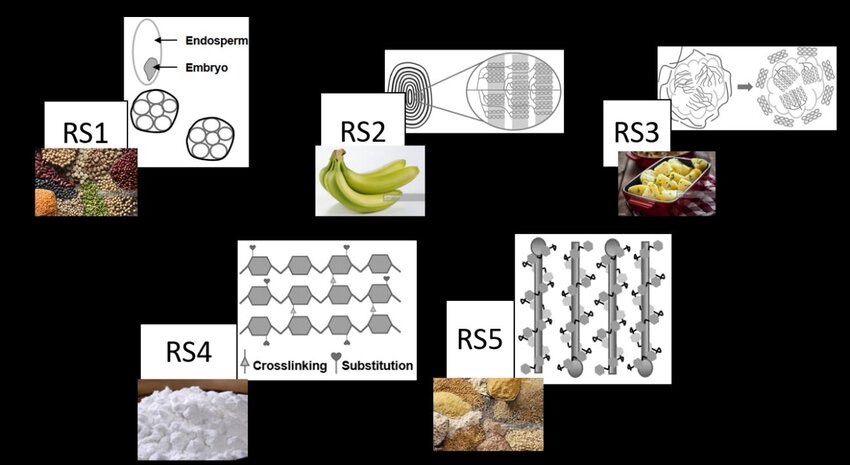
3. Five types of resistance starches have been identified such as :

• Type1 : Physically inaccessible starches like whole grains, coarsely grounded grains.

• Type 2: Granular starch like raw potato, raw banana starch.

• Type 3: Retrograde starch like cooked and cooled starch.

• Type 4: Chemically modified starch.

• Type 5: Amylose lipid complex.

4. Carbohydrates are simple in structure, like white rice, white bread, cakes, or refined food items. Resistance starches are complex carbohydrates which pass through the stomach and small intestine undigested and move to the large intestine to be fermented by the gut-friendly bacteria. Some examples of resistance starches are: Brown rice, whole grains, quinoa, lentils, plantains, oats and potatoes.

5. Simple starches are digested by the stomach enzymes and are responsible for spiking blood sugar and worsening insulin sensitivity. While resistance starches cannot be digested by the stomach enzymes, they travel through the small intestine and reach the colon. In the colon, they are fermented by the microbes and produce short-chain fatty acids like Butyrate. Butyrate improves insulin sensitivity, lowers inflammation, and provides food for gut-friendly bacteria.

6. Starch Retrogradation: It is a process where gelatinised starch molecules crystallize and become resistant to digestion in the stomach and small intestine. This trick can be done by cooling the simple starches after cooking and storing them in the refrigerator. Just before eating, heat them so that the content of resistance starch can be increased. Therefore, the effect of cooling the cooked rice or potatoes, bread can decrease the post-prandial glucose and insulin spike.

7. Simple ways to have resistance starches or increase the resistance starches content are:

• Cooking the rice, potatoes or pasta, and cooling them.

• Freeze and store them in the refrigerator.

• Reheating them before consuming.

8.Pairing food like carbohydrates with protein and fat can help in controlling the glucose spike and improving insulin sensitivity. Pairing potatoes with butter or olive oil, or rice with lentils or beans, is a common example. Acidifying the meal by adding lemon, vinegar, or fermented food can lower the rate of starch breakdown.

9. Again, food orders are another important trick to improve insulin sensitivity and lower the glucose spike. Instead of having carbohydrate first, it is wiser to eat the protein like eggs, meat or fish first, followed by vegetables and lastly the carbohydrate portion. This way, it will slow down the glucose digestion. Such behavioural change while following the food order either at home or in a restaurant can help to improve the metabolic response.

10. Eating a meal and then immediately sitting down to work, using the laptop, or taking a nap can negatively impact your metabolic response. Instead, after finishing your meal, consider taking a light walk or engaging in a gentle activity like cleaning or washing dishes. These activities can stimulate your calf muscles, particularly the soleus muscle, which can quickly utilise a significant amount of glucose. By sustaining contractions, this muscle helps burn glucose, contributing to better blood sugar control.

Thanks for reading.

Peace and love 🙏

10 facts about Fucoxanthin (FX): A promising natural supplement 🙌

1. Fucoxanthin (FX), a brown pigment, is derived from various seaweeds and algae. It helps in algae photosynthesis and photo-protection in the aquatic environment. Several studies have shown that this phytochemical can be a potential source of nutritional and health benefits against various diseases like diabetes, obesity, cancer and many infectious diseases. Recent findings have shown that it has various properties like antimicrobial, antioxidant, anti-inflammatory, anti-obesity, anti-diabetic, and hepato-protective effects. Therefore, because of its highly potent effects of prevention of obesity related diseases, anti-cardiovascular, tumour inhibition and health benefits to bones, skin, eyes and liver, this pigment has been a promising pharmaceutical asset.

2.Molecular Structure: The unique molecular structure of FX is similar to that of Beta carotene and has the allenic bond. Out of 700 naturally occurring carotenoids, only 43 of them belong to the allelic group, and FX is one of them. Therefore, there is growing interest in the pharmacological activity of this carotenoid, which can be a great potential source towards the prevention of various physical illnesses. FX is mainly found in micro-algae rather than macro-algae. Among the three kinds of micro-algae, that is green, red and brown algae, FX is in higher concentration in brown algae.

3. Multi-functional: Research has already shown that FX has a tremendous amount of health benefits because of its unusual molecular structure. The multi-functional benefits are namely, anti-oxidant, anti-microbial, anti-inflammatory, anti-allergic, anti-malarial and anti-helminthic. Apart from these activities, FX helps to correct the imbalance of lipid metabolism, which is created by a fatty, unhealthy diet. It has a positive impact on fatty acid oxidation, lipolysis, and bile acid synthesis and lowers the level of free fatty acids.

4. Anti-obesity effects: This brown pigment is a promising asset for lowering weight naturally. Obesity has been one of the main risk factors of many chronic and serious health issues like diabetes, heart diseases, high blood pressure, atherosclerosis, fatty liver, high cholesterol, infertility and many cancers. FX lowers the free fatty acids, inhibits lipogenesis, promotes beta-oxidation, bile synthesis, and influences enzymes which are essential for lipid metabolism. As a result, fat accumulation in the liver and adipose tissues is lowered, reducing cholesterol and triglyceride concentration.

5. Liver: Studies have shown that FX has hepato-protective effects. In case of fatty liver diseases, it can help in reducing the accumulation of lipid in liver cells, stimulate Beta-oxidation of hepatic fatty acids and lower the hepatic enzyme activity for fatty acid synthesis. Several animal studies have shown promising results of reducing lipid and triglyceride concentrations in the liver.

6. Inhibitory effect on cancers: Several studies on different cancers have shown that FX can scavenge free radicals and make it a potential modulator of carcinogenesis. FX has shown promising outcomes in different animal studies of inhibiting apoptosis and hindering the tumorigenesis in different types of cancers like lung cancer, colon cancer, breast cancer, liver cancer, gastric cancer, lymphoma and leukaemia. They behave as angio-modulators in cancer therapy.

7. Metabolism of FX: Because of its wide range of health benefits and potential role in the prevention of chronic illnesses, it has been a promising compound in pharmacological uses both individually and in synergy with other compounds. FX is a carotenoid which is mainly absorbed in the small intestine, similar to fats and fat-soluble vitamins. Studies have shown that consumption of this brown pigment orally does not show abnormal changes in organ tissues; therefore, it is safe for human use.

8. Food sources of FX are various species of seaweeds like Wakame, Arame, Kombu, Hizika and Laminaria digitata. Some other natural sources are microalgae like diatoms. Marine invertebrates like mussels, oysters, and clams also contain a small amount of FX. Predominantly, FX is present as a rich source in brown seaweed compared to other pigments like chlorophyll and xanthophylls.

9. As a supplement: Animal studies have shown the safe use of FX and that it has no adverse effect on the body. Therefore, it has been widely used as a supplement for its wide range of health benefits. It is used as tablets, capsules and soft gels usually labelled as Fucoxanthin or “brown seaweed pigment” While the bioavailability can be low in case of human consumption, its absorption can be increased when consumed with lipids and edible oils. Dosage can vary from 3-5 mg per day.

10. Side effects: FX has no adverse effects and no toxic accumulation in the vital organs of the body in case of animals when consumed in higher doses. Therefore, it is considered safe for human consumption. It is considered safe for vital organs like the liver, kidney, spleen and gonads when consumed moderately in humans. Further research on humans is still required for more clarification. It is always advisable to consult a Physician before introducing FX as a supplement when there is a pre-existing medical condition.

Thanks for reading.

Peace and love 🙏

10 facts: Gut-brain impact on sleep-wake cycle 😴

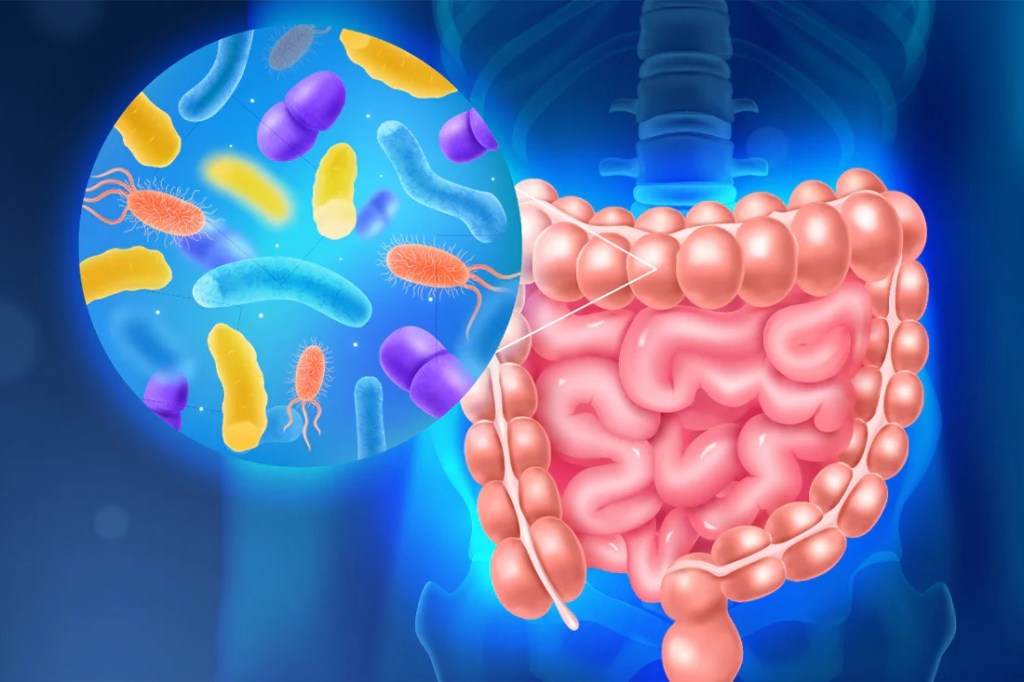
1. The gut is known as the “second brain” as there is a 2 way connection between the brain and the gut via the vagus nerve. The gut microbiome produces neurotransmitters that can travel and send signals through the nervous system, affecting our mood, behaviour, emotions, and sleep. The gut and brain also send signals through hormonal pathways and the immune system.Therefore, the gut-brain axis plays a crucial role in overall well-being, and any disruption to this axis can lead to issues such as disturbances in gut health, neurological disorders, inflammation, and sleep disturbances.

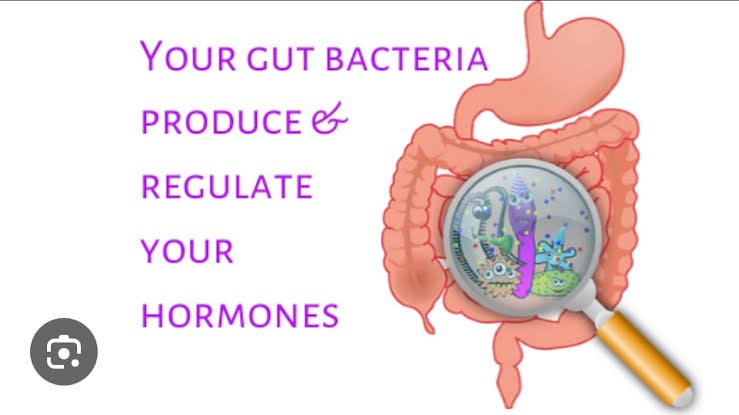
2. Through the gut-brain axis, there is a mutual continuous communication between the brain and the gut. The gut microbiome produces a considerable amount of neurotransmitters and hormones like melatonin, which influence the circadian rhythm and mood. Both the sleep cycle and gut microbiota are influenced by factors like daylight, stress and diet. Hence, if there is unhealthy gut microbiome, there will be disruption in the sleep-wake cycle, while poor sleep will lead to disturbances in the gut microbiota.

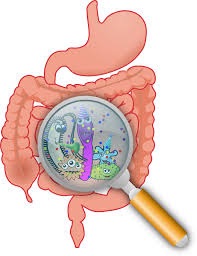
Gut microbes

3. Inflammation: Poor sleep can cause disturbances in gut health, which will lead to a pro-inflammatory state in the body. The gut microbiome composition and diversity are disrupted, creating an imbalance. Gut health issues like irritable bowel disorders, leaky gut, and hormonal issues can worsen in the body. Lack of sleep can also affect gut permeability and lead to nutritional absorption interference. Not only gut health, but poor sleep can also affect the metabolic pathways, immune state and neural pathways.

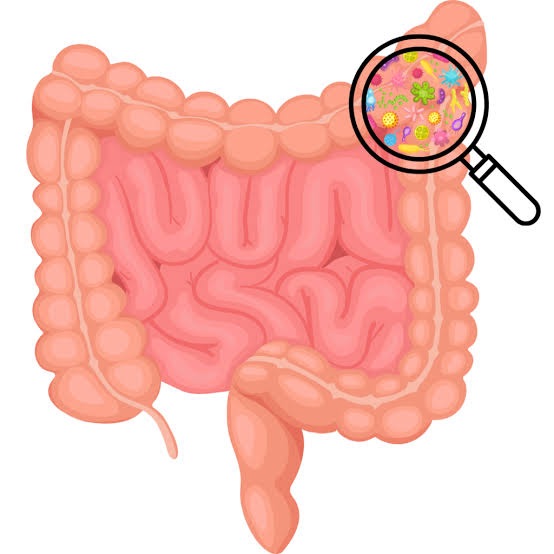
Gut microbiota

4. Research has shown that through the gut-brain axis, there is a bidirectional communication between the gut microbiota and the central nervous system. Beneficial bacteria like Lactobacillus and Bifidobacterium, which increase serotonin and gamma-aminobutyric acid production, help in the quality and lengthening of sleep. On the other hand, lack of sleep can lead to a reduction of beneficial bacterial flora, an imbalance in the microbiota, which includes probiotics, prebiotics, and postbiotics.

5. Studies have revealed that sleep, a natural physiological process, is important in maintaining a healthy gut microbiota and vice versa. Poor sleep patterns, insomnia, and sleep deprivation not only influence the emotional and cognitive well-being but also cause an imbalance in gut bacteria and gut flora. Therefore, there is a direct connection between sleep disorders and gut health, and resolving gut issues has a therapeutic effect.

6. The equilibrium of the sleep-wake cycle with the well-being of gut microbiota is very delicate and needs to be maintained by external factors. The balance can be easily disturbed by factors like stress, poor diet, lack of exercise, and poor sleep habits. Studies have shown that this reciprocal correlation shows sleep as the primary modulator between gut health issues and sleep length and quality.

7. Growing research has shown that the gut-brain axis plays a crucial role both directly and indirectly in the shift of composition of gut-microbiota with the development of sleep disorders like insomnia, sleep fragmentation, sleep deprivation and sleep apnea. Human studies have shown that 60-70% of the composition of gut microbiota depends on the oscillatory rhythm of the circadian rhythm.

8. Though Melatonin, a sleep hormone, is known to be produced by the pineal gland, it is actually the gut which is the primary source of it. This hormone is integral in modulating the sleep-wake cycle, immune-regulatory effect and antioxidant activity. The gut microbiota produces melatonin from tryptophan. This hormone has a favourable effect on microbial population and gut barrier functions. Therefore, any imbalance of gut microbiota directly influences melatonin production and disrupts the circadian rhythm.

9. Evidence from several studies has shown that a significant level of melatonin has been produced by bacteria in the intestinal flora, has a beneficial impact on intestinal barrier functions and a preventive effect in the human brain against neurodegenerative diseases like Multiple sclerosis, Alzheimer’s disease and Parkinson’s disease. Gut microbiota dysbiosis has been linked to the development of sleep disorders, autoimmune diseases, metabolic diseases like type 2 diabetes, pro inflammatory responses and neurological disorders.

10. Therefore, there is enough evidence to show that consequences in digestive health have a direct impact on the sleep-wake cycle and vice versa. Research has clearly shown that sleep deprivation can directly impact digestive disorders like gastric esophageal reflux, irritable bowel disorders and many gut health issues. Maintaining a consistent sleep schedule of 7-8 hours can help greatly in reducing the potential risk of many diseases as well as in maintaining a sound gut health. Not to forget that stress management is equally important for maintaining the equilibrium of gut health and sleep patterns. So, an early fiber rich dinner, less screen time, routine exercise, meditation and early sleep habits are essential components to maintain this balance.

Thanks for reading.

Peace and love 🙏

10 facts: Is dairy essential for overall wellbeing?

1.Whether, dairy is good or bad, still remain subjective. Dairy commonly known to offer many nutritional benefits, but it is not absolutely essential for maintaining overall health and well-being. In ancient times, when survival was challenged by harsh weather conditions, humans began consuming raw animal milk due to a scarcity of food. As these populations migrated from one geographical region to another, they gradually developed genes that allowed for lactose tolerance. This is how dairy became incorporated into the human diet. Today, many individuals may find dairy consumption uncomfortable.

2.Research has shown that though dairy is a good source of protein and calcium, it is not mandatory that without them, you can be deficient in this nutritional benefit. Having a regular balanced diet which is rich in pulses, leafy vegetables, and nuts can provide you with a better source of protein, calcium and loads of other nutrients than depending on dairy products. Though milk has been considered as wholesome food for both children and adults and is consumed throughout the millennia, many studies have shown cases of lactose intolerance and health risks to individuals through dairy. So, if you are not tolerant of dairy, it is important to avoid it, as there are plenty of other food sources which can provide the same nutrients.

3. Lactose intolerance: People who are lactose intolerant lack the enzyme lactase, which breaks down the sugar in milk. So, such individuals suffer from digestive distress and have different symptoms after consuming milk and dairy products. About 65% of the world’s population suffers from lactose intolerance. Lactose is found in almost the same amount in both A1 and A2 milk. So, people with lactose intolerance should avoid both A1and A2 milk. People with lactose intolerance may suffer from symptoms :

• Gas.

• Bloating.

• Stomach pain.

• Vomiting.

• Diarrhoea.

4.Studies show lactose intolerance is mainly due to gut sensitivity and lactose malabsorption. Most of the varieties of milk and milk products contain lactose, such as cow, goat,buffalo or sheep. Again, fresh milk, curd, and cream contain more lactose than cheeses. Lactose in dairy is used in many other products like processed food, biscuits, cookies, soups,snacks, and dressings. Therefore, if you are sensitive to lactose, all these food items can cause trouble when consumed. People need to read the labels of ingredients while consuming such products. Nowadays, many dairy products are made with the lactose being removed, such as some cheeses, lactose free milk, yogurt.

5.Allergies: Allergy to milk or dairy products can appear as early as childhood, wherein there may be mild to severe symptoms on consuming them. This is an atypical immune response resulting in various symptoms. Sometimes, it is life-threatening, which is known as an anaphylactic reaction.But, fortunately, with growing age, most of the time, the allergy disappears and dairy can be consumed without difficulty. In some individuals, the allergy can continue lifelong. Cow’s milk contains an allergen which triggers an immune response. But, some people may be allergic to other milks too, like sheep, goat or buffalo. Milk allergy is caused by milk proteins like casein and whey. Symptoms can be:

• Tightness of throat

• Swelling of the tongue

• Hives

• Stomach pain

• Vomiting, diarrhoea

• Persistent, cough, dizziness.

6.Inflammation: Though dairy may not be related to inflammation in most people. But studies do suggest that some people may be sensitive to beta-casein A1 protein found in most of the cow’s milk, which is connected to systemic inflammation. Long-term consumption of dairy is found to have a lowered anti-inflammatory effect in the body in those who have pre-existing conditions, metabolic abnormalities and are overweight. Some studies showed that milk processing causes changes in the basic components of milk, which can trigger inflammation in some individuals.Different small studies showed that raw milk consumption, due to its vast microbiota, increased the release of cytokines, which had a pro-inflammatory response. Again, UHT, homogenised high-temperature milk also showed pro-inflammatory cytokine release production both before and after digestion. Therefore, dairy can be inflammatory in some individuals depending upon some pre-existing conditions of autoimmune, metabolic and degenerative chronic conditions. Observation is important to pinpoint the type of food which can trigger an inflammatory response.

7.Several types of milk are available in the grocery aisle of a supermarket, including whole milk, low-fat milk and skimmed milk. Apart from this, several varieties of milk and dairy products of different sources like cows, buffalo, sheep and goat are available. Organic milk and grass-fed milk, which are anyway organic, do show a higher amount of Omega-3 than regular milk. Saturated fat contained in milk previously did show a relation to a higher risk of cardiovascular disease and stroke. But recent studies did not show direct evidence of this correlation. In terms of calories, Skim milk can be a better choice, which is loaded with vitamins, minerals, calcium and fewer calories.

8.Calcium absorption: Though in children and infants, calcium is absorbed about 50-60% from milk. But, as age increases, calcium absorption starts declining. It decreases about 25% as age increases and continues to decline. So, calcium from milk sources hold no significant for maintaining bone health. Chronic conditions like osteoarthritis and osteoporosis appear as age advances due to calcium malabsorption. So, to optimise calcium intake, other calcium rich food, calcium supplements should be taken to strengthen bone and muscles.

9.Commercial milk, mostly in Western countries, is produced by a breed of cows (Holstein, British Shorthorn, Friesian) whose milk contains A1 beta-casein. Research shows that A1 casein is difficult to digest and may create digestive issues in some individuals. A2 beta-casein milk protein are found in breeds of cows like the Indian breed, Guernsey, Jersey, which is much lighter and healthier for gut health. Most regular commercial milk contains both A1 and A2 beta-casein, while A2 milk marketed contains only A2 beta-casein.

A small amount of oestrogen naturally found in milk has no harmful effect on humans. Commercial farms inject synthetic growth hormone into cows for fast growth. Exogenous oestrogen is injected into pregnant and lactating cows to increase milk production. This is also done in other animals like buffalo, sheep and goats. Studies showed that such commercial milk consumption can lead to gonadotropin suppression in men and early sexual maturation in prepubertal children. But, most cheeses do contain medium chain triglycerides, which are healthy for the body and mostly the hormonal effect is gone.

10.Dairy as a food type is a range of heterogeneous items, ranging from different varieties of milk and milk products from different sources. Though dairy continues to be an easy and common source of nutritional benefits, many studies do highlight the harmful effects of dairy on human health. Therefore, some people have considered going dairy-free. In general, dairy is not necessary for overall health and wellbeing; there are other ample sources of food items like plant-based milk, green leafy vegetables, legumes, nuts and seeds, quinoa and oats to maintain health and wellness.

Thanks for reading.

Peace and love 🙏

10 facts : What is SIBO or blind loop syndrome ?

1. SIBO, abbreviated as small intestinal bacterial overgrowth, is a condition where there is an overgrowth of bacteria that are not supposed to be present in the normal scenario in that part of the digestive tract. This occurs particularly following a disease or abdominal surgery, when the passage of food and waste becomes slower, creating a breeding ground for bacterial overgrowth.

2. When the wrong types of bacteria overgrow in the small intestine, they feed on the nutrients and food for the otherwise beneficial bacteria, which can lead to abnormal symptoms in gut health. These wrong types of bacteria can feed on the protein and vitamin B12, bile salts which are supposed to support the digestion of fats. In normal circumstances, the small intestinal bacteria digest the carbohydrate and convert it to short-chain fatty acids and gas. Therefore, when there is overgrowth of bacteria, more gas and toxins are produced in the gut leading to many GI symptoms and malnutrition in the long run.

3.The prevalence of SIBO is about 80-90% in cases of irritable bowel disorder, intestinal dysmotility , pancreatitis and chronic systemic conditions. It is more prevalent in the elderly and female population. Usually, the incidence increases with age and the presence of chronic intestinal disorders and dysmotility. SIBO is considered by clinicians as a differential diagnosis of other gastrointestinal non-specific disorders as the actual aetiology is still unknown.

4. The GI symptoms following SIBO are many:

• Gas, bloating, nausea

• Abdominal pain, distention

• Constipation

• Indigestion

• Weight loss, fatigue

• Watery or mucus in poop.

• Hard or lumpy poop.

5.Unexpected and systemic signs may appear due to excess toxins released in bloodstream

(endotoxemia) in SIBO:

• Food intolerence

• Fatty liver

• Fibromyalgia

• Irritable bowel syndrome

• Anxiety, depression, suicidal thoughts

• Endometriasis

• Disruption of mentrual cycle.

• Prostate diseases.

• Atrial fibrillation

• Siezure

6.Though the actual cause of SIBO is unknown, hence, there are several underlying conditions which can be the risk factors:

• Ageing: As age progresses, there may be changes in microflora, degeneration of acid-producing gastric cells, intestinal dysmotility which may lead to bacterial overgrowth.

• Irritable bowel syndrome leads to dysmotility, delayed transition of food, wastage.

• Chonic metabolic diseases like uncontrolled diabetes,

• Celiac disease,

• Lupus,

• Scleroderma,

• Pancreatitis,

• Chronic kidney diseases

• Fatty liver,

• Structural problems in the intestine due to gastric surgery, partial blockage, antibiotics or narcotic drugs overuse.

7. Several complications of SIBO can eventually worsen gut health if left untreated:

• Inadequate digestion and absorption of fat, protein, carbohydrate: Since, overgrowth of bacteria in the small intestine damages the bile salts so the fat remains undigested. The mucous lining of the intestines is damaged too by the excess bacteria causing poor absorption of carbohydrate, fat and protein. Therefore, there is malnutrition, diarrhoea, and weight loss.

• Vitamin B12 deficiency: As the fat remains undigested, the fat-soluble vitamins A, D, E, and K remain unabsorbed. Vitamin B12 which is synthesised in the small intestine is completely affected So, the individual may suffer from vitamin B12 deficiency. Therefore, due to B12 deficiency, nervous system functioning is affected, and blood cell production is lowered. There can be irreversible damage to the nervous system in the long run.

• Calcium absorption: Bacterial overgrowth damages the intestine slowly, resulting in poor absorption of calcium thereby affecting bone health. Weakened bones, prone to fractures, and osteoporosis are common. Kidney stones are also common in cases of poor calcium absorption.

8.There are no standard diagnostic tests for SIBO. The clinical symptoms of SIBO can be nonspecific. Usually, a carbohydrate breath test is considered which is inexpensive and non-invasive. A bacterial culture of jejunal aspirate of more than 1000 units/ml can support the diagnosis. Upper endoscopy is invasive but is done in patients to further support the diagnosis. Laboratory findings like vitamin levels, malnutrition markers are considered to support the diagnosis. Only, in rare cases is, biopsy of the small intestine done. Imaging tests like CT, MRI are done to rule out intestinal abnormalities.

9.Since the condition of SIBO is complex and can be involved with multiple underlying conditions, it is very difficult to manage and treat such cases. The treatment is mainly symptomatic like changing diet, lifestyle, and antibiotics to reduce the bacterial colonies. The recurrence of SIBO is also common so repeated courses of antibiotics are necessary. Supplementation of vitamins in certain cases is required. Surgery is only necessary in case of small intestinal abnormality, diverticula, bowel obstruction, or Crohn’s disease.

10.Again there is no standard diet for every individual who suffers from SIBO. It is individual-specific depending on symptoms and underlying conditions. The goal of diet change is to assist in the treatment and lower the symptoms. The diet should be low in carbohydrates, low in fat, and moderate to low in fibre. Processed sugar items, dairy, whole grains, deep-fried items, and raw vegetables should be avoided. Generally, probiotic-rich food, meat or fish, rice, cooked vegetables, plenty of fluid/water/soups and vitamin supplementation are recommended by the experts.

Thanks for reading.

Peace and love 🙏
10 facts: Is hydrogen water a hoax or is it real?

1.Hydrogen water, also known as hydrogenated water, is simply regular water infused with hydrogen gas. The regular water is H2O with extra H2 gas added, which is what makes hydrogenated water. This hydrogen-rich water has become quite popular nowadays as it has been found to have health benefits. Manufacturers are now selling hydrogen water bottles across the globe for it’s health benefits. Extensive research has not been done so far, regarding the use of hydrogen water. Yet, it has been very popular in some countries, such as Japan.

2. As far as nutritional benefits are concerned, hydrogen water is the same as regular water in terms of calories, protein, fat, and carbohydrate which is nil. However, some manufacturers and providers do add trace amounts of vitamins A and C, magnesium, potassium and sodium sulfate to enhance the nutritional benefits. As already mentioned, not much research has been done in this context, but some experts do believe that drinking hydrogen water is beneficial for health.

3. Anti-inflammatory: Hydrogen water does contain anti-oxidants. Anti-oxidants fight inflammation and reduce oxidative stress. Every day, our body is inflicted with various types of physical and mental stress, which comes from external forces like pollution, sun exposure, toxins from the environment, food, day-to-day mental stress of various nature, also from normal body functioning, all these factors are sources of inflammation, diseases and cancers. Therefore, molecular hydrogen can help to some extent to combat oxidative stress and reduce inflammation.

4. Endurance and Mental health: Several studies have shown some positive results of increasing endurance and lowering fatiguability after drinking hydrogen water. It does show performance improvement, increasing energy, and endurance in the case of athletes, though scientifically, still not verified. It has been found to lower physical stress and reduce recovery time after heavy workouts.

Some studies on mental health have shown that drinking hydrogen water daily for 4 weeks showed marked improvement in mood disorders, panic disorders and anxiety.

5. COVID-19: More research is still needed to establish the fact, that hydrogen water consumption did slow down the immune response which is known as a “cytokine storm”. The use of hydrogen water was useful to reduce the cytokine response of Covid 19 virus which otherwise could lead to organ failure. But, as already mentioned, more studies are required to clarify that hydrogen water can potentially treat Covid 19.

6. Liver and kidney functions: Studies of cases of non-alcoholic liver diseases, cases of hepatitis –B virus, drinking hydrogen water has shown positive results in lowering fat storage in the liver, aiding the treatment process and improving the liver function. But then, research is limited in such cases too. A study on dialysis patients has shown, that intake of hydrogen-rich water caused improvement in renal function and BUN (blood urea nitrogen).

7. Cancer treatment: Hydrogen water does show positive results in aiding cancer treatment. Since hydrogen water contains anti-oxidants, and acts as an anti-inflammatory, an immune booster does give promising results during cancer treatment by improving both physical and oxidative stress. A study regarding colo-rectal cancer showed anti-cancer properties.

8. Metabolic syndrome: Metabolic syndrome is a condition which includes high blood pressure, high cholesterol, high triglycerides, obesity or excess belly fat. The risk factors of metabolic syndrome are oxidative stress and chronic inflammation. Some studies have shown that intake of hydrogen water around 1 litre daily, in individuals on a 10-week study marked a significant reduction of risk factors of metabolic syndrome and showed a favourable effect on the metabolic processes in the brain and even ageing.

9. Negative effects: As far as health experts are concerned, there are no known side effects of drinking hydrogen water. Research is still not enough to establish even the health benefits thathave been claimed so far. More studies are required to verify the health benefits. In the case of individuals with high-intensity workouts, athletes, and chronic kidney diseases, there can be a risk of hyponatremia in drinking excess hydrogen water.

10. Though several studies do show potential health benefits of drinking hydrogen water over regular water, but still, continuous trials and more studies are still required to establish the benefits. Many manufacturers are selling hydrogen water bottles which are quite expensive. Again, depending on the source of water, the authenticity of brands is important to avail the actual health benefits claimed. The bottom line is that there is still not 100% proof of the potential health benefits. If affordability is there, there is no harm in using hydrogen water for drinking, otherwise, regular drinking water is great as well.

Thanks for reading.

Peace and love 🙏
10 facts to know about our body’s ph equation 🙌

1.“ph” measures hydrogen ions in any solution. Generally, the ph scale range is between 0 -14, where 0 is highly acidic,14 is highly alkaline and neutral is 7. Our human body’s ph, usually maintained between the range of 6.8 to 7.4. The normal ph of blood is maintained around 7.4, being slightly alkaline as the blood has to nourish the entire organ system.

2. Amongst all the organs, the kidneys are the main ph balancer. Other organs like the lungs, lymphatic system, intestines, and liver help as a support system in the overall ph balance. The factors like the diet, liquid drinks, environment, exercises, stress levels, and breathing pattern can all have an impact on the ph levels. When the body’s ph becomes too acidic, all the tissues, including bones, muscles suffer. To restore the ph balance, the blood needs to pull out calcium, magnesium, potassium and water and neutralise the excess acid.

3. The body’s ph imbalance can lead to stored excess acid in tissue, which can cause inflammation and lead to many chronic diseases. Therefore, research has shown that an underlying ph imbalance is responsible for various diseases like:

• high blood pressure, high cholesterol, heart attacks, and cardiovascular diseases

• Arthritis, Osteoporosis

• Hormonal imbalance

• Respiratory ailments like sinusitis, bronchitis, breathing issues, and chronic infections

• Allergies

• Kidney diseases

• Autoimmune diseases

• Stroke

• Dementia, Parkinson’s disease, Alzheimer’s disease, depression

• Diabetes

• Cancers

• Tooth decays

Sugary and fried foods

4.Risk factors for the body’s ph imbalance are plenty. But the most important factors are:

• Acidic diet like sugary food, high trans fats, refined and processed food, fried food, alcohol, meat and dairy.

• Toxins that are consumed in food in the form of pesticides, chemicals in food additives, heavy metals, beauty products, cleaning agents, and environmental and industrial pollutants.

• Being in stress state causes the body to secrete stress hormones, which causes acidity and inflammation.

• Wrong breathing pattern like shallow and rapid breathing can cause inadequate intake of oxygen which leaves the blood ph to remain acidic instead of being alkaline.

Constant high stress can cause acidosis and inflammation.

5. The causes of ph balance can differ depending upon underlying conditions or simple factors like extreme heat, high stress, heavy exercise or high elevation. Some of the causes can be listed as:

• High altitude, lack of oxygen

• Heavy and excessive exercises

• Alcohol overuse

• Ceratin medication, aspirin poisoning, sedatives

• dehydration

• seizure

• low blood sugar

• lung diseases, chest injuries, abnormalities

• cancers

• sleep apnea

Dehydration can cause ph imbalance

6. Since food is the most important factor to maintain the body’s ph balance, it is necessary to avoid certain food items:• Sugary and acidic food when consumed creates a perfect flora in the gut for overgrowth of bad bacteria, yeast, fungi which causes diseases and infections.

• Food additives like artificial colours, preservatives, chemicals not only increases the acidity but also causes toxicity in the tissues.

• Unhealthy fats like trans fat, highly saturated fat cause an acidic medium.

• Animal products like meat, dairy, processed meat and dairy are highly acidic to the body. So, it is important to cut down the consumption or switch to organic and grass fed options.

• Alcohol and caffeine consumption also cause acidic ph, so the consumption of such food should be avoided or reduced to a minimum.

• Toxins such as chemicals, pesticides, preservatives, antibiotics in meat, vegetables, fruits should be avoided. Locally grown, organic food like meat, eggs, fish and grass-fed dairy, meat, should be used as much as possible.

Alkaline foods

7. Intake of alkaline food in diet should be increased by about 70%. All vegetables like avocado, greens, sprouts, onion, beet, tomatoes, root veggies, coconut, lemon are alkalizing to the body. Legumes, olive oil, buckwheat, quinoa and using plant based milk like almond milk can reduce acidity in the body. Instead of fried or processed items, switching to raw or healthier option of cooking can reduce acidity in the body.

8. But having only alkalizing food is not healthier either. Acidic foods are also essential for the body. Fruits, when eaten raw and fresh, can be acidic to the body, but they are rich in fibres, vitamins and antioxidants, which are very essential for the body. Grains like brown rice, wild rice, millet, and oats are acidic but are rich in nutrients, so they should be consumed, but in moderation. Cold-pressed oils, nuts, seeds, honey, and maple syrup can be consumed in small quantities and can be included as part of a healthy diet.

Musculoskeletal spasms

9. The ph imbalance can be in the form of both acidosis and alkalosis.

Acidosis is when the body is unable to remove the excess acid through airway, blood, sweat or urine. Types of acidosis can be : Metabolic acidosis (diabetic acidosis), renal acidosis, respiratory acidosis, lactic acidosis.

Symptoms of acidosis are fatigue, confusion, vomiting, nausea, and sleepiness.

Alkalosis is mainly: Metabolic alkalosis, when bicarbonate is too much in the body.

Respiratory alkalosis occurs when carbon dioxide is deficient in the blood.

Symptoms of alkalosis are heart palpitations, fatigue, nausea, headache, and muscular spasms.

Medical assistance

10. It is important to visit a medical facility when there is a ph imbalance. It is diagnosed by metabolic panel analysis, blood gas, urine ph, urinalysis, and glucose test. Treatment is based on underlying conditions and is mainly symptomatic. Like in dehydration with electrolyte solutions, changing medication in case of diabetics, COPD, using a ventilator in breathing issues and so on. Often, treating the underlying condition, the ph is restored and maintained.

Thanks for reading.

Peace and love 🙏

10 facts: Desquamation or Skin peeling, is it a sign of skin healing ? 🙌

1. Skin peeling is the shedding of the outer layer of the skin called the epidermis. It is a natural process of the body to shed the outer skin that has been damaged due to various causes and replace it with new skin. Skin peeling is a healing process of the skin from damage caused by allergies, skin infections, environmental pollutants, diseases, and treatments like cancer therapy. The medical term for the same is desquamation.

2. As already mentioned, the outer layer of the skin is important as it protects the body from germs and external elements. This epidermis is the thinnest layer and is also responsible for the new skin cells that replace the older and peeled skin. Peeling skin appears scaly, inflamed, red, and even irritated and itching. So, picking may further irritate or infect the new skin that is about to grow.

3. Causes of skin peeling can be many:

• Sunburns

• Burn: A superficial burn causes the skin to peel as the epidermis is burnt and damaged.

• Allergies, rashes, contact dermatitis

• Psoriasis, eczema, Pemphigus

• Acne

• Anti-ageing treatments like chemical peeling, cosmetic creams with harsh chemicals, lotions

• Cancer treatments like chemotherapy and radiation therapy.

4. Some of the medical causes which can cause skin peeling that need to be known :

• Eczema is a skin condition whose common symptom is skin peeling. This condition can be treatable and controlled but cannot be cured.

• Scarlet fever can cause skin peeling and rashes which is contagious.

• Scalded Skin syndrome (SSS) or Ritter’s disease can cause skin peeling, rashes and large blisters in children under 5 years of age and also in adults with weak immunity. It is caused by a toxin produced by staphylococcal bacteria.

• Toxic shock syndrome is a rare and serious condition which might cause skin peeling too. It is usually associated with women due to tampon use.

• Kawasaki disease in children can cause skin peeling too along with other symptoms like fever and swollen lymph nodes.

5. Whenever skin peeling happens, the process is slow and should let it shed naturally without interference. However, we can take some steps which will facilitate the process naturally. *Having fluids to keep the skin hydrated. *Apply a hypoallergenic moisturizing cream or a lotion to keep the skin moist and hydrated. *Protect from sun damage by wearing protective clothing.

*Using a humidifier to keep the air hydrated.

6. There is not much concern about skin peeling than its complications which surely need medical attention. Skin peeling is slow and sloughing off takes time. Dehydration of the skin can cause irritation, itching and pain. If there is picking or any complications like bacterial infections, swelling, hives, fever, redness, headache, flu-like sensations, it has to be treated with urgency under medical supervision otherwise it will worsen.

7. Research indicates that the process of desquamation is both natural and essential for maintaining healthy skin. This process, which can be influenced by both natural and medical factors, occurs slowly and serves as a protective mechanism for the skin. It helps remove surface microorganisms, damaged skin cells (corneocytes), and potentially harmful agents, replacing them with fresh, healthy skin.

8.Treatment for skin peeling is generally unnecessary unless there are underlying conditions. The appropriate medication will depend on the specific causes, which may include:

-Antibiotics- Anti-inflammatory medications

– Allergy medications

– Corticosteroids

– Antifungals

– Antihistamines

In cases where no underlying condition is present, using a good petroleum jelly or a non-allergenic moisturizer, along with proper hydration, is usually sufficient to aid in the healing process.

9.Studies show that the process of epidermal desquamation is a healing process with therapeutic relevance. Non-inflammatory skin peeling is typically non-problematic and has a good prognosis. In contrast, inflammatory skin peeling can be associated with atopy and requires medical intervention. Epithelial desquamation involves the shedding of old, dead cells and their replacement with new skin, while keratinization refers to the maturation of skin cells. Both processes are interconnected and essential for maintaining skin integrity.

10. In a nutshell, desquamation is a common process and is not something to be overly concerned about, as it is a natural occurrence. Symptoms such as scaling, dryness, and itching are typical and gradually resolve as the skin is replaced with a new surface. However, it can become a concern in the presence of conditions such as contact dermatitis, eczema, psoriasis, sunburn, ichthyosis, or bacterial infections, which require medical attention.

Thanks for reading.

Peace and love 🙏