10 important facts about tocotrienols 🙌

Tocotrienol complex

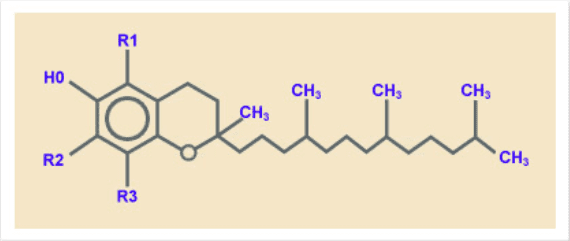
1. Vitamin E is actually a complex of 8 different compounds, which include 4 tocopherols and 4 tocotrienols , each of which can be further divided into alpha, beta, gamma, and delta forms. While tocopherols have been the focus of most research, tocotrienols have not received as much attention. Consequently, many vitamin E supplements available in the market predominantly feature tocopherols, leaving the full potential benefits of tocotrienols yet to be explored.
2.Many Vitamin E supplements on the market primarily contain tocopherol as their main ingredient, which means that their full benefits for the body are not realized. Recent research has shown that tocotrienols are powerful antioxidants with various health benefits. They possess neuroprotective properties, help reduce cholesterol levels, promote skin and hair growth, protect the liver, prevent strokes, and may even help prevent sterility. Additionally, tocotrienols are known to combat inflammation.

3.Actually, tocotrienols help significantly in the body to lower inflammation. Studies have shown that tocotrienols are five times more potent than tocopherols in reducing inflammation. Research has shown that tocotrienols are available in different forms: Delta tocotrienols and gamma tocotrienols, of which delta tocotrienols have five times more potency than tocopherols to fight inflammation in the body. In fact, tocotrienols are far more potent than tocopherols in the prevention of oxidative stress.

4. The widespread benefits of tocotrienols can be summed up as :

• Powerful antioxidant.

• Powerful antimicrobial

• Neuro-protective.

• Anti-cholesterol effect.

• Anti-tumour, anti-cancer,

• Prevents stroke

• Anti-inflammatory, prevents autoimmune diseases.

• Protective to the cardiovascular system, hepato-protective, and promotes hair growth.

• Promotes bone health, especially for menopausal women.

Palm fruits

5. Extensive studies have been carried out on the neuroprotective role of tocotrienols, which have shown very positive results on people with stroke, nerve disorders and neurodegenerative diseases. Studies have revealed that astrocytes play an important role in restoring neuronal cells and protect neurons against oxidative stress. Tocotrienols help in preventing glutamate-induced injury and prevent the death of astrocytes. Therefore, tocotrienols are crucial in minimizing neurodegenerative diseases and stroke.

Annatto

6. There are several studies and clinical trials showing evidence of anti-inflammatory effects of tocotrienols by controlling the inflammatory mediators. Research suggested that tocotrienols block the activation of nuclear factor kappa-light-chain-enhancer of activated B cells (NF-kB), one of the main regulators of inflammatory response. Supplementation of tocotrienols is found to reduce tumour necrosis factor alpha (TNF-alpha), interleukin-1 and phorbol ester. It is a potential agent with significant anti-inflammatory effects in atherosclerosis, thyroid diseases, and autoimmune diseases.

7. Research shows that tocotrienols are usually safe for healthy individuals at a minimum dosage. But they do have anti-coagulant properties, so people with blood disorders should avoid taking them. Some contraindications:

• Individuals allergic to any compound of Vitamin E should strictly avoid it.

• As mentioned already, people with bleeding disorders, or anyone who will undergo surgery, should avoid it as it may slow blood clotting.

• Tocotrienols may interact with medicines like anticoagulants and antiplatelets and increase the risk of bleeding.

• Overdosing should be avoided as it may cause physical symptoms like headache, fatigue and GI symptoms.

•High doses of tocopherol can interfere with the efficacy and absorption of tocotrienols.

8.Tocotrienols are generally safe when taken by mouth. There is no standard medical recommendation for dosage. However, under medical supervision, the typical dose of tocotrienols in adults is 100mg – 200mg per day. Dosage can vary depending on the specific health requirement. Supplements are mainly derived from palm and annatto derivatives. They are fat- soluble and best absorbed along with a meal.

Edible oils

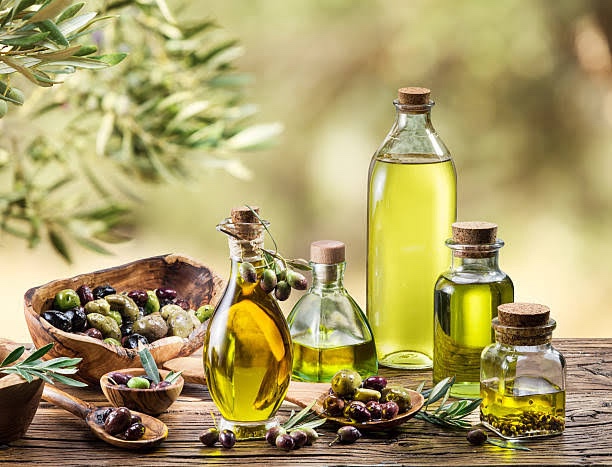
9. Food sources: Generally, tocotrienols are rarely found in nature. Even if some food sources are available, they are available in very low quantities. Palm oil has the most concentrated and natural source of tocotrienols, but at a very low level, which is not sufficient for potential health benefits. Other food sources are annatto ,edible oils like rice bran oil, grape seed oil, castor oil, coconut oil, peanut oil, linseed oil, cod liver oil, hazelnuts, oats, olive oil, maize, wheat germ, nuts and barley. Fish like salmon, trout, fruit like avocado, mango, vegetables like red pepper, greens, turnip, and squash are rich in vitamin E and its compounds.

10. Takeaway is that tocotrienols are the least known compound of the Vitamin E family, yet they are the most potent antioxidant and have strong evidence of widespread health benefits. Newest studies show that this compound has senolytic properties, a strong immune response, and apoptosis. They can slow down the process of ageing, reduce oxidative stress, and lower malignant potential. Though in small quantities, regular intake of natural sources of tocotrienols is sufficient for a healthy individual. Supplementation is required when medically prescribed.

Thanks for reading.

Peace and love 🙏

10 facts: Desquamation or Skin peeling, is it a sign of skin healing ? 🙌

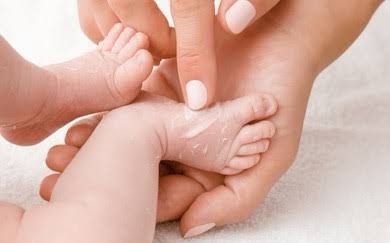
1. Skin peeling is the shedding of the outer layer of the skin called the epidermis. It is a natural process of the body to shed the outer skin that has been damaged due to various causes and replace it with new skin. Skin peeling is a healing process of the skin from damage caused by allergies, skin infections, environmental pollutants, diseases, and treatments like cancer therapy. The medical term for the same is desquamation.

2. As already mentioned, the outer layer of the skin is important as it protects the body from germs and external elements. This epidermis is the thinnest layer and is also responsible for the new skin cells that replace the older and peeled skin. Peeling skin appears scaly, inflamed, red, and even irritated and itching. So, picking may further irritate or infect the new skin that is about to grow.

3. Causes of skin peeling can be many:

• Sunburns

• Burn: A superficial burn causes the skin to peel as the epidermis is burnt and damaged.

• Allergies, rashes, contact dermatitis

• Psoriasis, eczema, Pemphigus

• Acne

• Anti-ageing treatments like chemical peeling, cosmetic creams with harsh chemicals, lotions

• Cancer treatments like chemotherapy and radiation therapy.

4. Some of the medical causes which can cause skin peeling that need to be known :

• Eczema is a skin condition whose common symptom is skin peeling. This condition can be treatable and controlled but cannot be cured.

• Scarlet fever can cause skin peeling and rashes which is contagious.

• Scalded Skin syndrome (SSS) or Ritter’s disease can cause skin peeling, rashes and large blisters in children under 5 years of age and also in adults with weak immunity. It is caused by a toxin produced by staphylococcal bacteria.

• Toxic shock syndrome is a rare and serious condition which might cause skin peeling too. It is usually associated with women due to tampon use.

• Kawasaki disease in children can cause skin peeling too along with other symptoms like fever and swollen lymph nodes.

5. Whenever skin peeling happens, the process is slow and should let it shed naturally without interference. However, we can take some steps which will facilitate the process naturally. *Having fluids to keep the skin hydrated. *Apply a hypoallergenic moisturizing cream or a lotion to keep the skin moist and hydrated. *Protect from sun damage by wearing protective clothing.

*Using a humidifier to keep the air hydrated.

6. There is not much concern about skin peeling than its complications which surely need medical attention. Skin peeling is slow and sloughing off takes time. Dehydration of the skin can cause irritation, itching and pain. If there is picking or any complications like bacterial infections, swelling, hives, fever, redness, headache, flu-like sensations, it has to be treated with urgency under medical supervision otherwise it will worsen.

7. Research indicates that the process of desquamation is both natural and essential for maintaining healthy skin. This process, which can be influenced by both natural and medical factors, occurs slowly and serves as a protective mechanism for the skin. It helps remove surface microorganisms, damaged skin cells (corneocytes), and potentially harmful agents, replacing them with fresh, healthy skin.

8.Treatment for skin peeling is generally unnecessary unless there are underlying conditions. The appropriate medication will depend on the specific causes, which may include:

-Antibiotics- Anti-inflammatory medications

– Allergy medications

– Corticosteroids

– Antifungals

– Antihistamines

In cases where no underlying condition is present, using a good petroleum jelly or a non-allergenic moisturizer, along with proper hydration, is usually sufficient to aid in the healing process.

9.Studies show that the process of epidermal desquamation is a healing process with therapeutic relevance. Non-inflammatory skin peeling is typically non-problematic and has a good prognosis. In contrast, inflammatory skin peeling can be associated with atopy and requires medical intervention. Epithelial desquamation involves the shedding of old, dead cells and their replacement with new skin, while keratinization refers to the maturation of skin cells. Both processes are interconnected and essential for maintaining skin integrity.

10. In a nutshell, desquamation is a common process and is not something to be overly concerned about, as it is a natural occurrence. Symptoms such as scaling, dryness, and itching are typical and gradually resolve as the skin is replaced with a new surface. However, it can become a concern in the presence of conditions such as contact dermatitis, eczema, psoriasis, sunburn, ichthyosis, or bacterial infections, which require medical attention.

Thanks for reading.

Peace and love 🙏
10 facts to know about blackheads 🙌

  1. Blackheads are a type of acne that is common regardless of age group. They are tiny bumps formed on the skin due to clogging of hair follicles, either due to dirt or excess oil deposition on pores. The sebaceous (oil) glands are located all over our body, and they release oil to keep the skin hydrated and prevent drying. Blackheads are formed when these glands are blocked due to excess oil, dirt, pollutants, or the buildup of dead cells.
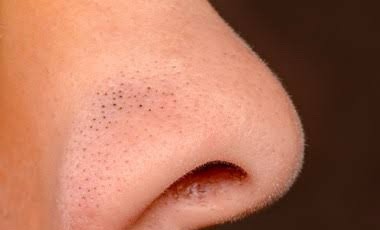
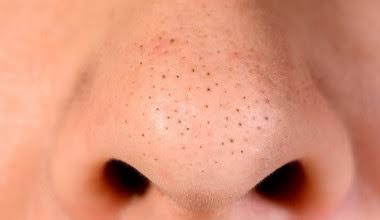
  2. Blackheads appear as black or dark spots in the skin and can be easily identified. They can appear all over the body but are most commonly seen on the face, nose, cheek, chin, neck, and back. Studies show that blackheads can appear at any age but are found to appear commonly during adolescence, menstruation, stress, or a positive family history of acne.
  3. Studies show clearly that acne and blackheads appear when there is an overproduction of sebum or oil from the sebaceous glands. These sebaceous glands are on the surface of the skin, all over the body. When the pores of the skin surface are blocked due to deposits of dead cells, dirt and excess oil, the pores appear as comedones. When the comedones are opened and the clogged plug becomes oxidised, they appear black or grey in colour hence the name blackheads.

4.Research shows that there are various factors responsible for blackheads as such:

  • Hormonal changes during adolescent years, during menstruation, pregnancy, and taking birth
    control pills.
  • Certain drugs like corticosteroids, lithium, androgens.
  • Production of excess oil or sebum in the body.
  • Improper skin hygiene causes a build-up of bacteria and dirt on the skin.
  • Low levels of vitamin B and vitamin D can cause acne and blackheads.
  • Abnormal formation of keratin, the protein that is present in skin, hair and nails.
  • Genetic predisposition.

5.Blackheads and Sebaceous filaments might look similar on the skin but they are completely different. Sebaceous filaments are normal appendages on the surface of the skin through which sebum travels from the sebaceous glands to the skin surface. They keep the skin hydrated. Whereas blackheads look dark or grey spots on the skin which has plugs on the surface. They are open, dark bumps due to dirt and oil deposits.

6.Whenever blackheads or pimples appear, what people commonly do is that they squeeze them which is completely a wrong idea. This may have the risk of:

  • Infection.
  • Painful acne.
  • Redness and inflammation.
  • Leaving a permanent scar.

7.Blackheads can be effectively prevented, and you can achieve clear skin with the right approach Some of the common ways which can be done to prevent acne and blackheads are:

  • Double cleansing method: First, remove the dirt, oil, and makeup from the skin with an oil-based cleanser. Followed by washing the face with a water-based cleanser or mild facewash.
  • Use facial scrubs regularly to exfoliate the skin and remove the dead cells: A gentle brush, fruit scrubs, and sodium tetraborate decahydrate granules are some less abrasive scrubs which
    can be used.
  • Oatmeal scrubs are effective exfoliative and anti-inflammatory agents suitable for the skin.
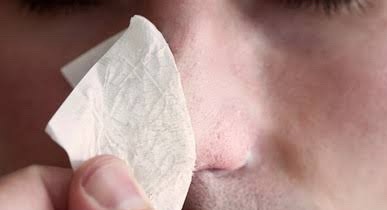
  • Pore strips are adhesive strips that are put on the skin and pulled away removing the dirt and excess oil. But, they should be used once or twice a week.
Pore strips

8.Common treatments which can be applied to treat blackheads are:

  • Firstly, squeezing or using some self-removal methods should be completely avoided. These methods are more harmful and worsen the skin condition, leaving a permanent scar.
  • Over-the-counter topical lotion or cleanser can be used: Salicylic acid, Azelaic acid (wheat, barley, other grains naturally contain azelaic acid), Benzoyl peroxide and Retinoids.
  • Tea tree oil is an effective topical agent.

9.If blackheads are persistent or there is skin irritation and inflammation, Dermatologist treatments are necessary. Oral antibiotics, prescription-strength topical agents, chemical peels, microdermabrasion and laser therapy can be used depending on the skin condition.

10. Blackheads, as such are not a serious condition and usually go on their own with routine skin hygiene. Yes, some people suffer from blackheads throughout life. Routinely washing the face with mild face wash, cleansing and moisturizing are necessary. Daily removal of make-up and cosmetic agents at the end of each day is mandatory before following the routine skin cleansing methods. An important tip of the day is keeping your hands away from your face always.

Thanks for sharing.

Peace and love 🙏

5 facts to know about goosebumps 😨

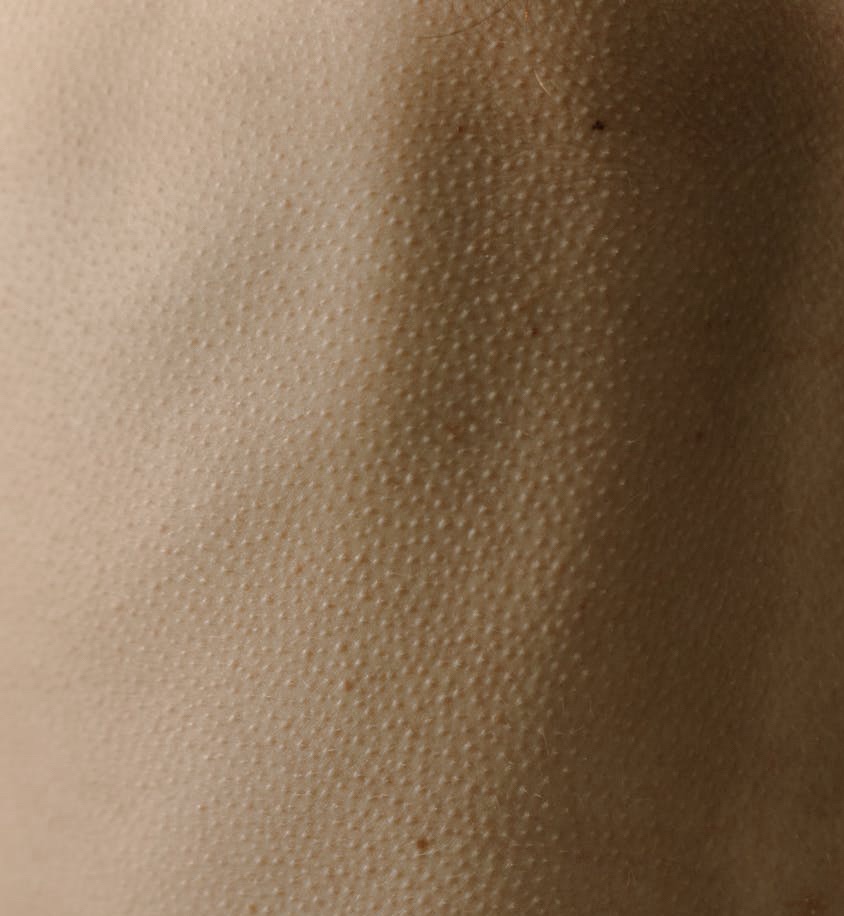
  1. What are goosebumps? It may sound weird as though it is related to geese. But there is nothing to do with geese. Actually, it is a sympathetic nervous system reaction where the tiny muscles (arrector pilli muscles) flex the skin causing the hair follicles to stand. In medical terms, it is called horripilation or piloreaction. It is a fight or flight response to the body’s reaction to the state of fear or excitement. It is a physiological response of the body and not, usually a medical issue.
  2. The arrector pilli muscles (APM) are tiny muscles that connect the hair follicles with the skin. Goosebumps occur when these muscles flex and pull the hair follicles upright. Normally in an individual, when goosebumps appear, it can be either in response to cold temperature, fear or a strong emotional reaction. Sometimes, it can be related to medical issues like brain disorders, epilepsy, and keratosis pilloris, a skin disorder.

3.Goosebumps are associated with other symptoms in different situations and medical-related conditions.
For the case of :
*Hypothermia, Cold temperature, along with goosebumps, you may experience shivers, pale skin and the urge to be in a warm place.


*Strong emotional responses like fear, nervousness, excitement, sexual desire, and thrilling response: The body reacts with goosebumps, fasting heart rate, fast breathing, tears, and chill.

*In case of an epileptic seizure, along with goosebumps, there can be other symptoms like a confused state, lips smacking, swallowing, and finger motions. In the case of skin conditions like keratosis pilloris, there may be skin patches.


4.Adrenaline: It is this hormone which the body releases from adrenal glands during a fight or flight response which causes goosebumps. Intense emotional responses cause the body to release adrenaline which in turn stimulates the flexing of the tiny muscles of the hair follicles and causes the skin hair to erect. Often people get goosebumps while watching a horror movie, in nervousness, experiencing stressful events.
Dopamine, another chemical which the brain releases while experiencing pleasurable experiences like listening to a good piece of music, receiving rewards, surprises or awe moments, can cause goosebumps too.


5.Rigor mortis: When a person dies, the ATP, adenosine triphosphate which provides energy to muscles and cells suddenly stops, so the cells die and muscles are stiffened causing rigor mortis. As a result, the arrector pili muscles of the dermis are stiffened too, causing the skin to trigger goosebumps.

Thanks for reading.

Peace and love 🙏

10 facts about Cheilitis or chapped lips 👄

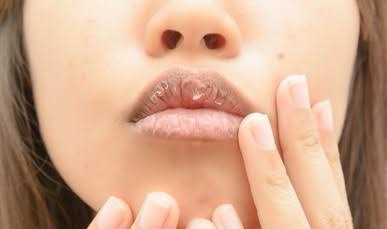
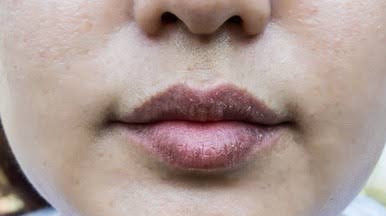
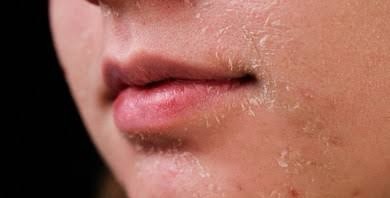
  1. Chapped lips are common and can happen any time of the year irrespective of season. When lips are dried, cracked and feel tight, they are called chapped lips or Cheilitis. As the skin on the lips contains no oil glands, they are thinner and more sensitive, hence chapped lips are common. Most of the time, it is common in dry winter, or excessive sun exposure, dehydration or excessive licking.
  2. Cheilitis or chapped lips is inflammation of the lips and can be of different types depending on the sources.
    Due to allergic reaction called contact cheilitis.
    For sun exposure called actinic chelitis.
    Reaction to certain drugs like retinoids causes drug induced cheilitis. Fungal infection of the mouth causes angular cheilitis.
    Herpes infection causes infective cheilitis.
    Persistent painless swelling of the lips causes granulomatous cheilitis. Frequent licking of the lips causes exfoliative cheilitis.

3.Certain risk factors which can cause cheilitis are nutritional deficiency of vitamin B12 and iron, certain medical conditions like thyroid disease, autoimmune conditions like Lupus erythematosus, Sarcoidosis, Crohn’s disease, dermatitis and allergic reaction to cosmetics. Metabolic diseases like diabetes, certain irritants, climatic effects and oral candidiasis can cause cheilitis.

4.Diagnosis: Chapped lips are common and temporary. When lips are cracked, swollen, or tight, then, they are called chapped lips or cheilitis which can be easily diagnosed visually. A long-term occurrence of chapped lips may be required for medical attention. Usually, an allergy test, blood work and sometimes a biopsy are required for a proper diagnosis. Bleeding is common from cracked lips which can be easily managed by a lip balm or ointment. If bleeding is frequent, then medical attention is necessary for the diagnosis of the underlying cause.

5.Treatment:Whenever chapped lips appear, it is important to apply lip balm immediately, so that it will heal faster and leave no scope for infection. Wearing lip balm regularly will heal the lips faster within a week. When bleeding occurs from cracks, cuts, or sores from the lips, there is pain and irritation. In that case too, continuously applying lip balm, ointments like petroleum jelly, glycerin or mineral oils like castor oil can be used for healing which may take longer. Lip balm needs to be hypoallergenic, moisturizing and with sunscreen SPF preferably.

6.Crevices: People with more skin creases, either anatomically or due to ageing, are more prone to developing cheilitis. This is because saliva from the mouth can accumulate in the lip crevices, leading to inflammation and cheilitis. Elderly individuals, smokers, those with sensitive skin, and ill- fitted dentures, and people who drool during sleep are also prone to cheilitis. Additionally, individuals with Down syndrome have a higher likelihood of developing cheilitis.

7.Symptoms of cheilitis of any type can have common characteristics like: *Dryness
*Cracked or fissures
*Peeling
*Itching *Redness *Bleeding
*Pain or irritation

8.Medication: Apart from lip balm, vaseline, petroleum jelly and glycerine, there are certain medication options for different types of cheilitis.
*For contact cheilitis, topical corticosteroids and emollients like Vaseline can be used.
*For angular cheilitis, topical antifungal and antiseptic ointments are used. *For Drug induced cheilitis, firstly discontinuing the use of the drug and applying emollients can be useful.
*For actinic cheilitis, applying topical corticosteroids is useful.

9.Prevention:
Preventing frequent licking of lips.
The routine habit of applying either petroleum jelly, lip balm, beeswax, or lip products with SPF (zinc oxide).
Staying hydrated in hot summer and using a humidifier in cold dry climates.
Avoid irritants like fragrance, allergens, and food that can irritate.
Breathing through the nose rather than the mouth.
Covering face and lips in dry windy weather.

10.Products: Since the market is flooded with various lip products, many people are allergic or sensitive to certain products. While trying a new lip balm, if there is burning or tingling, it is important to stop using the product immediately. Common irritants used in lip products are flavouring agents, fragrances, menthol, camphor, lanolin and many more. The best product for chapped lips has been the age-old petroleum jelly or the glycerine.

Thanks for reading 😊

Peace and love 🙏

10 facts to know about warts 🙌

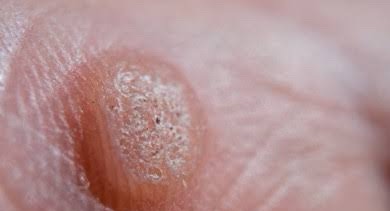
  1. Warts are painless growths that are bumpy in nature and can grow on various parts of the body, such as the hands, knees, face, extremities, and even genitals. They are caused by various strains of the Human Papilloma Virus (HPV). Warts are contagious and can spread from one part of the body to another through contact, and person-to-person transmission is possible through skin contact and sexual contact.
  2. Different types of warts can occur depending on the location of the body: – Common warts can appear on the fingers, feet, and toes. They are usually not serious and not painful. Plantar warts appear on the sole of the feet. Filiform warts grow on the face, chin, around the mouth, or nose. Genital warts grow in and around the genitals and are caused by specific strains of HPV. They are usually serious, and warts in the cervix can potentially lead to cervical cancer.
  3. Warts are usually not dangerous and are quite common. Common warts that grow on the face, hands, and feet are painless and harmless. If they become uncomfortable, they can be treated by using salicylic acid cream, cryotherapy, laser therapy, or surgical removal. Home remedies such as using apple cider vinegar and duct tape can also be effective. Recurrence is common, so treatment should only be done if necessary.

4.Warts can be dangerous and require medical attention if they appear on the genital regions, inside the mouth, or nostrils. Warning signs for needing medical consultation include bleeding, a change in the color of the warts, or if they become painful. Individuals with immunodeficiency conditions such as HIV infection, AIDS, or diabetes should seek medical attention if they develop warts.

5.Genital warts are commonly sexually transmitted infections. Some particular strains of HPV are responsible for genital warts. They are skin-coloured bumps usually grown on moist areas of genital regions. They are common in both males and females. It can also be transmitted in the mouth and throat regions through oral sex with an infected person. Such conditions require immediate medical attention.

6.Around 40 strains of HPV causes genital warts. People who are at risk to get infected are those who have a weak immune system, people with diabetes, people who are sexually active with a partner who have a past history of infection, not getting HPV vaccine, unprotected sex and multiple sexual partners.
Genital warts can lead to complications like cervical cancer, or cancer of other genital region. PAP smear tests in females are important to those who are at higher risk of HPV infection.

7.Difference between common warts and genital warts are common warts are harmless, benign, painless and self limiting. Whereas genital warts are a type of STD, sexually transmitted disease and are potentially dangerous. Genital warts require medical attention. Both types of warts resolve spontaneously but can reoccur mostly. Both of them are caused by different strains of HPV. Treatment are topical cream, cryotherapy, electrocautery and laser therapy.

8.It is important to know the symptoms of warts so as to indentify whenever appear in the body. Normally, they appear as bumpy small swelling on the hands, fingers, toes, knees, face and eyelid. Rough to touch, usually painless, and can bleed while friction with clothes or while scratching. Warts might have black dots beneath the top layers as these are clotted blood vessels.

9.Recurrence of common warts as well as genital warts require the attention of Dermatologist. Persistence of common warts in face, eyelid, fingers, toes may make require special treatment like laser therapy, cryotherapy or surgical removal. In case of genital warts’ recurrence, biopsy may be necessary to rule out cancer.

10.Understanding preventive measures can help to prevent and get rid of warts. Some ways:

*Prevent sharing of towels, clothing and personal items like nail cutter, razors of another person who has warts.
*Prevent touching of another person’s warts.
*HPV can enter through cut or broken skin. So, preventing dry, cracked skin by using moisturizer.

*Taking precautions like using condoms to prevent genital warts.
*Always wearing shoes, sandels, flip flops while using public toilet, locker room, pool area and showers.

Thanks for reading 🙏

Peace and love 💐

10 facts to know why cold pressed oil is a healthier option 🙌

Hi everyone !

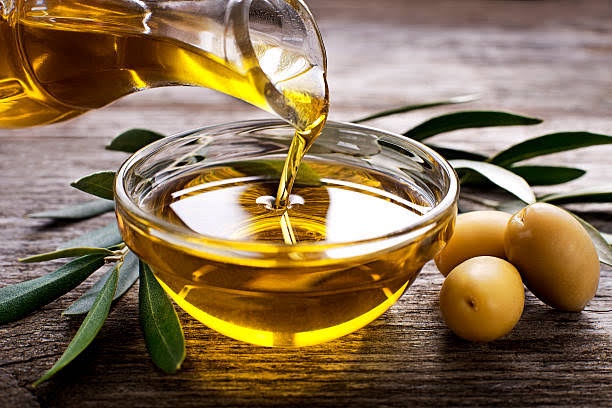
  1. Any edible oil is cold-pressed oil when it is produced by precipitation, by pressing the seeds at room temperature without using heat for extraction. Unlike refined oil, the process of extraction of cold-pressed oil and filtration is done without using any harmful chemicals and heat. It is produced by the natural method of extraction from seeds by pressing at room temperature so found to be more natural and nutrient-dense.
  2. How the cold-pressed oil is different from other oils? Refined oil extraction involves machinery with different steps of refining, by using chemicals, heat and sometimes bleaching agents so the oil has a high smoking point. Hot-pressed oil involves applying heat during extraction but no chemicals. Vegetable oils are usually hot-pressed oil. Virgin oil involves the extraction of oil from fresh fruits or seeds like virgin olive oil or virgin coconut oil. In some cases, it may differ from cold- pressed oil as the oil is extracted from the fruits or seeds from drying them earlier so the oil retains its nutrients and antioxidants.

3.From a health point of view, out of all cooking oils, cold-pressed oil and virgin oil have the maximum benefits. Both the oil extraction and filtration processes have been made to preserve the maximum nutrients, antioxidants and healthy fats. Even after extraction, these oils are rich in healthy fats like omega 3 and 6, vitamins, and minerals like zinc, magnesium and potassium. These nutrients are very essential for health as anti-inflammatory, and anti-cancer properties and are good for the cardiovascular system.

4.The cold-pressed oil of any variety, restores the natural flavour and physical characteristics of the oil like colour, taste and smell. Apart from having immense health benefits, the oil is light and good for cooking depending on the variety of oil used as per taste buds. Extra virgin olive oil is considered the healthiest as it is extracted from the freshest olives by cold pressed method.

5.Depending on the cooking culture and taste buds, there are a wide variety of cold pressed oil types in the Supermarket like olive oil, soybean, canola, cottonseed, palm, peanut, coconut, sesame, mustard, sunflower and avocado oil. Out of them all, olive oil and coconut oil are among the healthiest varieties as a cooking medium. Extra virgin olive oil, avocado oil and walnut oil varieties have been used as dressing for salads.

6.The reason of the disadvantage of cold-pressed oil is due to its low yielding while extraction and short shelf life of 3-4 months. To increase the volume of the cold-pressed oil, the raw material has to be crushed several times. The method of extraction is usually manual or simple mechanical tool of crushings used at room temperature. Then, the oil is filtered to remove precipitates or any toxins. Due to low production, the cost is usually high.

7.Nowadays, cold-pressed oil is preferred for its environmentally friendly method of extraction. Moreover, the oil is nutrient-rich with tremendous health benefit properties of lowering the risk of heart disease by reducing bad cholesterol, anti-cancer properties and anti-ageing benefits. These oils are rich in polyunsaturated fatty acids which are necessary for brain function and heart health.

8.Another important benefit of cold-pressed oil is that it can aid in the weight loss process. Since it has a high metabolic rate it can facilitate in burning of fat. It is also easier to digest due to its low cholesterol content. But, using excess oil while cooking may overshadow these benefits.

9.Some variety of cold-pressed oil has some special benefits in particular. Like groundnut oil, olive oil improves insulin sensitivity and helps in better control of blood sugar. Lignan is a powerful antioxidant found in cold-pressed sesame oil which helps in lipid peroxidation and thereby lowers blood pressure. There is strong evidence that shows that consumption of olive oil lowers the risk of cancers like breast and GI tracts cancers.

10.It is very essential to switch to a healthy type of cooking medium like cold pressed oil and use them in moderate quantities for cooking daily to lower the health risk. Nutrient-dense, high-calorie- rich oil helps make you feel fuller after eating and reduce your hunger. Together with everyday exercise and considerable hours of fasting between meals can help to maintain overall well-being.

Thanks for reading.

Peace and love 🙏

10 facts to know about your gut flora 🙌

Hello everyone 🤗

  1. The gut flora is mainly composed of trillions of gut microbiomes which are mainly bacteria, fungi, viruses and archaea. This is unique to every individual and develops in his/her lifetime, as distinctive as the fingerprint. Initially, the intestinal tract of a newborn at birth is sterile. The newborn’s gut is first colonised by the mother’s bacteria during the process of vaginal delivery. Environmental bacteria also start colonising in the baby’s gut as soon as it is exposed after birth. Then, slowly the child’s gut starts developing into a unique microbiome flora depending upon the different food intake and environmental exposures with time.
  2. The gut starts having both good and bad bacteria with different kinds of food and environmental exposures. Good bacteria mainly help in the digestion and absorption of the food and nutrients. They strengthen the immune system and produce several beneficial amino acids and vitamins. The more, the good bacteria population, the healthier the person and the stronger the immunity, in his lifetime. They are simply the protectors of our health and well-being.

3. There are bad bacteria also in our intestinal gut flora. As long as they are low in level, they remain harmless. But then, when we take antibiotics or develop unhealthy food choices and habits, smoking, drinking alcohol and so on, the good bacterial flora is at risk and starts eliminating. In such cases, bad bacterial flora starts flourishing causing havoc in the immune system leading to various diseased states. Chronic inflammation starts progressing leading to autoimmune diseases, cancers, and inflammatory bowel diseases.

4. As research has progressed, studies have found links between bacterial species in the gut to certain types of diseases. Metabolic diseases like obesity and type 2 diabetes are found to be linked with the presence of certain bacterial species of Lactobacillus.
New studies have shown strong evidence of gut kidney connection. Certain species of bacteria in the gut microbiome result in uremic toxins while digesting protein which may be a factor in developing chronic kidney diseases. Several studies have shown a link of depression to the gut microbiome. Various bacterial species like Eggerthella and Sellimonas are found at high levels in individuals with depressive symptoms.

5.The gut-brain connection plays an important role in a person’s well-being. That is why the gut is known as the “second brain”. The gut nervous system can be called the Enteric Nervous System, which has around 100 million nerve cells from the oesophagus to the anal opening. The main functions of this system are digestion, absorption of nutrients, and release of enzymes for food breakdown. Studies show that irritation in the GI tract may trigger the central nervous system to change moods. The gut microbiome also produces hormones like serotonin, and norepinephrine which are important for mood changes. Therefore, there is a strong connection between depression and anxiety in people who deal with gut issues like irritable bowel diseases, stomach upset, pain, and constipation.

6.The signs of a healthy gut are the regular pooping habit, which may be 2-3 times a day to 3-4 times a week, the range can vary with every individual. There is no pain, no bloating after eating, and no discomfort during bowel movement. Symptoms like bloating, diarrhoea, stomach pain, feeling of fullness after eating or malnutrition can be the signs of an unhealthy gut or tigger for slowly increase in bad bacteria. In such cases, clinical attention is required to investigate and diagnose any bowel issues.

Sugar rich foods

7.The common triggers which may lead to an unhealthy gut can be too much stress, constant fatigue, sleep disturbances, ultra-processed food, a sugar-rich diet, and too little intake of fluids. The frequent use of antibiotics has a link to an unhealthy gut. Therefore, these lifestyle habits need to be avoided as practically as possible. Skin conditions like psoriasis do have a link to an unhealthy gut too.

Natural foods

8. The common ways that we can take care of our gut health and improve the good bacteria count are by having a fibre-rich diet with plenty of vegetables and fresh fruits. A diet rich in whole grains, legumes, pulses, nuts and sea fishes. Lowering the sugar-rich foods, limiting the everyday stress, and remaining hydrated as possible. Intermittent fasting is beneficial too for gut health and flora.

Fermented foods

9. Another important food for our gut health is fermented food as they are rich in probiotics. Plain yogurt, buttermilk, kimchi, sauerkraut and kombucha to name in the list. There can be other varieties of fermented food too which can be local or region-specific around the globe. Any food which is fermented or sprouting can be excellent for gut health as it increases the lactobacilli and keeps the growth of bad bacteria checked.

Walking in nature
Gratitude journal

10. So, the simple tips to take care of gut health are to have more and more fibres and probiotics daily, curtail sugar as much as possible, stay hydrated, keep out of stress, meditate to calming mind like walking in nature or listening to music, exercising, mild to moderate ways, practising gratitude journal every day increases happy hormones and trying to maintain a sleep routine. Ultimately, the best way to live a longer and healthier life is to live in harmony with nature.

Thanks for reading.

Peace and love 🙏
10 hard facts about Alopecia Areata 🙌

  1. What is Alopecia areata? About 150 million people around the globe suffer from this autoimmune disorder presently. Alopecia Areata is characterized by smaller to wider patches of hair loss in the scalp irrespective of race, gender, or age. Though the exact aetiology is unknown, it tends to be hereditary.
  2. Research believes, most of the cases appear to have a positive family history of this disorder. Families with a positive history of vitiligo, thyroiditis, lupus or other autoimmune disorders have this disorder of alopecia. The exact cause is still not known why the body’s immune system starts attacking the hair follicles causing these patches of baldness. Studies initially showed that all races are equally affected. However, recent studies show that females are more affected than males and African Americans, and Hispanics are more affected than Asians.
  3. Usually, the hair loss patches are involved in smaller areas of the scalp region. But may also include the entire scalp known as alopecia totalis. It may sometimes involve the entire body known as alopecia universalis. Sometimes, the hair loss is prominent in the bottom back of the scalp known as ophiasis alopecia areata.

4. The course of the disorder starts with the sudden loss of small patches of hair on the scalp, beard, eyebrows or any part of the body. There is sudden thinning of the hair, followed by broken hair and finally hair falls off in patches. In some cases, the hair regrows. But in most cases, the patches extend and widen affecting bigger areas. Rarely, the progression is a complete loss of hair in the body.

5.The diagnosis is usually by physical examination. However, to confirm the diagnosis, blood tests, and a biopsy of the scalp, and hair for lab analysis. The family history and medical history of autoimmune disorders are to be considered. Once diagnosed, the disorder has no cure but needs to be managed.

6.Various treatment options are available depending upon the progression and uniqueness. Oral and intravenous corticosteroids are used. Phototherapy and immunotherapy are used in more severe cases. Sometimes, platelet-rich plasma is used to replace the blood from the body to stimulate fresh hair growth. Herbal remedies should be used under expert supervision. Treatment may or may not respond depending upon the severity.

7.Whenever you have noticed such symptoms, it is important to confirm the disorder by health care provider. Though the disorder has no cure, it can be managed or in some cases reduced or controlled by various treatment options. Cosmetic techniques are available too to manage hair loss patches.

8.When you have alopecia areata, you should avoid stress as symptoms may aggravate. Sun protection is required as hair naturally protects our skin and eye guard/sunglasses should be used due to lack of eyelashes. Considerable amounts of vitamins and mineral supplements should be taken under physician supervision to minimize hair loss. A well-balanced diet is essential.

Release stress

9.All hair loss doesn’t mean that you are affected by alopecia. Emotional stress or physical stress regularly for prolonged periods leads to hair loss. Menopausal, ageing and poor diet can also lead to hair loss. In most of these cases, the hair loss is temporary.

10.When you have alopecia or hair loss, gentle hair products with no parabens, or silicons should be used. Tightly tied hair or too much hair styling should be avoided. The use of harsh chemicals, hot oil hair treatments, rollers, curlers etc should be avoided. It is also better to avoid smoking as some studies do suggest it.

Thanks for reading.

Peace and love 🙏
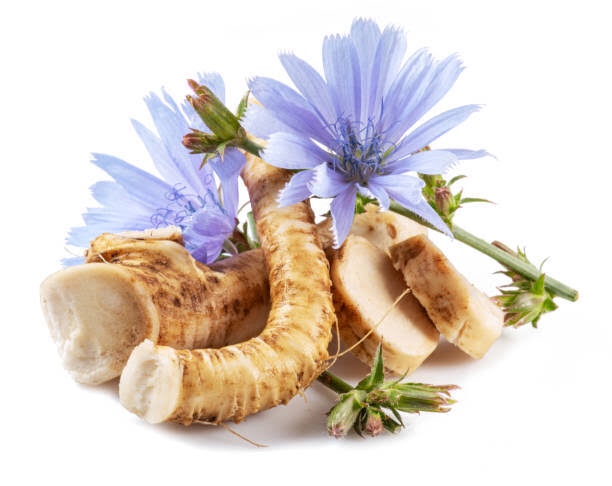
10 facts of Chicory roots 🪵

Hello everyone ✋


1. Chicory is a tuberous herbeceous root, usually grown in winter. Though it is a native herb from Europe and Asia, but nowadays it widely grown in many areas for its health benefits and as a herbal remedy.

2. Chicory roots are a good source of carbs, minerals, and phytochemicals, including flavonoids. It has been utilized as herbal medicine for generations due to its high nutritional value. Research have shown that it has anti-inflammatory, antibacterial, and antioxidant properties.

3. In modern days, many of its benefits has been scientifically proven. Chicory root is rich in inulin which is a fructose rich fiber and acts as a prebiotic. It promotes growth of healthy bacteria in the gut. Since, it is undigested in the gut when consumed, so it can act as a laxative and relieves constipation.

4. Studies have shown that chicory can contribute to lower blood sugar and helps in insulin resistance. Therefore, it can be an aid in the treatment of diabetes.

5. Other list of benefits of chicory roots are it can promote the weight loss process, improves liver health, boost kidney function by its diuretic properties and may help in treating candida and eczema.

Chicory coffee

6. Since chicory roots are naturally caffeine free, so they have widely been used as a coffee alternative to reduce the intake of caffeine. Repeated consumption of coffee may lead to excess caffeine intake which in turn can cause issues like increasing the level of cortisol and stress.

7. Extensively used method of including chicory in diet is by blending with coffee as chicory coffee, or as herbal tea. It is also integrated in cereals, protein bars and other food items.

8. Like any other food, Chicory roots also have it’s share of side effects like over consumption can lead to allergic reactions, skin rashes, GI symptoms like discomfort, diarrhoea and gall stone.It is contraindicated during pregnancy and lactation.

9. As there is no specific doses of daily consumption of chicory, generally having around 5 gram of inulin in 500ml of chicory coffee in regular diet may not lead to any adverse effects. However, a Physician’s or an expert advice is recommended.

10. Chicory roots have been in ancient cultures for ages as a herbal medicine. History says that it has been in use as a healthy beverage for many centuries for its health benefits.

Thanks for reading.

Peace and love 🙏