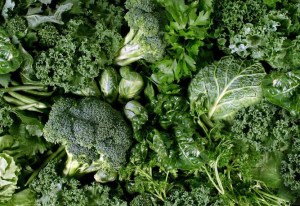

10 facts to know about warts 🙌

  1. Warts are painless growths that are bumpy in nature and can grow on various parts of the body, such as the hands, knees, face, extremities, and even genitals. They are caused by various strains of the Human Papilloma Virus (HPV). Warts are contagious and can spread from one part of the body to another through contact, and person-to-person transmission is possible through skin contact and sexual contact.
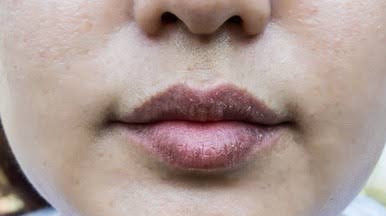
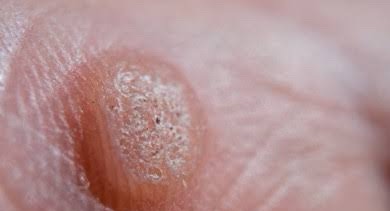
  2. Different types of warts can occur depending on the location of the body: – Common warts can appear on the fingers, feet, and toes. They are usually not serious and not painful. Plantar warts appear on the sole of the feet. Filiform warts grow on the face, chin, around the mouth, or nose. Genital warts grow in and around the genitals and are caused by specific strains of HPV. They are usually serious, and warts in the cervix can potentially lead to cervical cancer.
  3. Warts are usually not dangerous and are quite common. Common warts that grow on the face, hands, and feet are painless and harmless. If they become uncomfortable, they can be treated by using salicylic acid cream, cryotherapy, laser therapy, or surgical removal. Home remedies such as using apple cider vinegar and duct tape can also be effective. Recurrence is common, so treatment should only be done if necessary.

4.Warts can be dangerous and require medical attention if they appear on the genital regions, inside the mouth, or nostrils. Warning signs for needing medical consultation include bleeding, a change in the color of the warts, or if they become painful. Individuals with immunodeficiency conditions such as HIV infection, AIDS, or diabetes should seek medical attention if they develop warts.

5.Genital warts are commonly sexually transmitted infections. Some particular strains of HPV are responsible for genital warts. They are skin-coloured bumps usually grown on moist areas of genital regions. They are common in both males and females. It can also be transmitted in the mouth and throat regions through oral sex with an infected person. Such conditions require immediate medical attention.

6.Around 40 strains of HPV causes genital warts. People who are at risk to get infected are those who have a weak immune system, people with diabetes, people who are sexually active with a partner who have a past history of infection, not getting HPV vaccine, unprotected sex and multiple sexual partners.
Genital warts can lead to complications like cervical cancer, or cancer of other genital region. PAP smear tests in females are important to those who are at higher risk of HPV infection.

7.Difference between common warts and genital warts are common warts are harmless, benign, painless and self limiting. Whereas genital warts are a type of STD, sexually transmitted disease and are potentially dangerous. Genital warts require medical attention. Both types of warts resolve spontaneously but can reoccur mostly. Both of them are caused by different strains of HPV. Treatment are topical cream, cryotherapy, electrocautery and laser therapy.

8.It is important to know the symptoms of warts so as to indentify whenever appear in the body. Normally, they appear as bumpy small swelling on the hands, fingers, toes, knees, face and eyelid. Rough to touch, usually painless, and can bleed while friction with clothes or while scratching. Warts might have black dots beneath the top layers as these are clotted blood vessels.

9.Recurrence of common warts as well as genital warts require the attention of Dermatologist. Persistence of common warts in face, eyelid, fingers, toes may make require special treatment like laser therapy, cryotherapy or surgical removal. In case of genital warts’ recurrence, biopsy may be necessary to rule out cancer.

10.Understanding preventive measures can help to prevent and get rid of warts. Some ways:

*Prevent sharing of towels, clothing and personal items like nail cutter, razors of another person who has warts.
*Prevent touching of another person’s warts.
*HPV can enter through cut or broken skin. So, preventing dry, cracked skin by using moisturizer.

*Taking precautions like using condoms to prevent genital warts.
*Always wearing shoes, sandels, flip flops while using public toilet, locker room, pool area and showers.

Thanks for reading 🙏

Peace and love 💐

10 facts to know why cold pressed oil is a healthier option 🙌

Hi everyone !

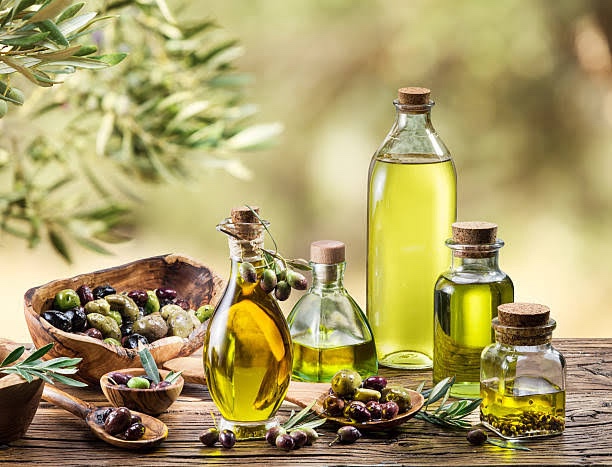
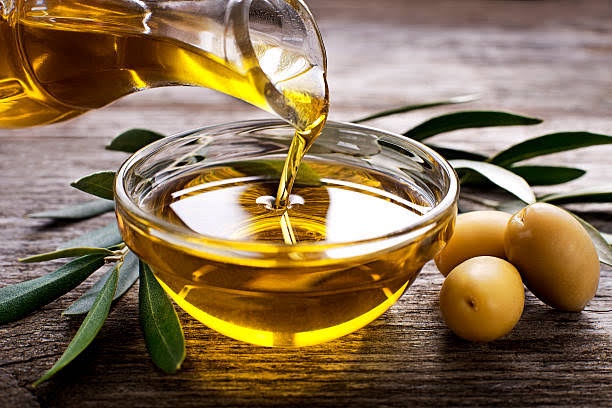
  1. Any edible oil is cold-pressed oil when it is produced by precipitation, by pressing the seeds at room temperature without using heat for extraction. Unlike refined oil, the process of extraction of cold-pressed oil and filtration is done without using any harmful chemicals and heat. It is produced by the natural method of extraction from seeds by pressing at room temperature so found to be more natural and nutrient-dense.
  2. How the cold-pressed oil is different from other oils? Refined oil extraction involves machinery with different steps of refining, by using chemicals, heat and sometimes bleaching agents so the oil has a high smoking point. Hot-pressed oil involves applying heat during extraction but no chemicals. Vegetable oils are usually hot-pressed oil. Virgin oil involves the extraction of oil from fresh fruits or seeds like virgin olive oil or virgin coconut oil. In some cases, it may differ from cold- pressed oil as the oil is extracted from the fruits or seeds from drying them earlier so the oil retains its nutrients and antioxidants.

3.From a health point of view, out of all cooking oils, cold-pressed oil and virgin oil have the maximum benefits. Both the oil extraction and filtration processes have been made to preserve the maximum nutrients, antioxidants and healthy fats. Even after extraction, these oils are rich in healthy fats like omega 3 and 6, vitamins, and minerals like zinc, magnesium and potassium. These nutrients are very essential for health as anti-inflammatory, and anti-cancer properties and are good for the cardiovascular system.

4.The cold-pressed oil of any variety, restores the natural flavour and physical characteristics of the oil like colour, taste and smell. Apart from having immense health benefits, the oil is light and good for cooking depending on the variety of oil used as per taste buds. Extra virgin olive oil is considered the healthiest as it is extracted from the freshest olives by cold pressed method.

5.Depending on the cooking culture and taste buds, there are a wide variety of cold pressed oil types in the Supermarket like olive oil, soybean, canola, cottonseed, palm, peanut, coconut, sesame, mustard, sunflower and avocado oil. Out of them all, olive oil and coconut oil are among the healthiest varieties as a cooking medium. Extra virgin olive oil, avocado oil and walnut oil varieties have been used as dressing for salads.

6.The reason of the disadvantage of cold-pressed oil is due to its low yielding while extraction and short shelf life of 3-4 months. To increase the volume of the cold-pressed oil, the raw material has to be crushed several times. The method of extraction is usually manual or simple mechanical tool of crushings used at room temperature. Then, the oil is filtered to remove precipitates or any toxins. Due to low production, the cost is usually high.

7.Nowadays, cold-pressed oil is preferred for its environmentally friendly method of extraction. Moreover, the oil is nutrient-rich with tremendous health benefit properties of lowering the risk of heart disease by reducing bad cholesterol, anti-cancer properties and anti-ageing benefits. These oils are rich in polyunsaturated fatty acids which are necessary for brain function and heart health.

8.Another important benefit of cold-pressed oil is that it can aid in the weight loss process. Since it has a high metabolic rate it can facilitate in burning of fat. It is also easier to digest due to its low cholesterol content. But, using excess oil while cooking may overshadow these benefits.

9.Some variety of cold-pressed oil has some special benefits in particular. Like groundnut oil, olive oil improves insulin sensitivity and helps in better control of blood sugar. Lignan is a powerful antioxidant found in cold-pressed sesame oil which helps in lipid peroxidation and thereby lowers blood pressure. There is strong evidence that shows that consumption of olive oil lowers the risk of cancers like breast and GI tracts cancers.

10.It is very essential to switch to a healthy type of cooking medium like cold pressed oil and use them in moderate quantities for cooking daily to lower the health risk. Nutrient-dense, high-calorie- rich oil helps make you feel fuller after eating and reduce your hunger. Together with everyday exercise and considerable hours of fasting between meals can help to maintain overall well-being.

Thanks for reading.

Peace and love 🙏

10 facts to know about your gut flora 🙌

Hello everyone 🤗

  1. The gut flora is mainly composed of trillions of gut microbiomes which are mainly bacteria, fungi, viruses and archaea. This is unique to every individual and develops in his/her lifetime, as distinctive as the fingerprint. Initially, the intestinal tract of a newborn at birth is sterile. The newborn’s gut is first colonised by the mother’s bacteria during the process of vaginal delivery. Environmental bacteria also start colonising in the baby’s gut as soon as it is exposed after birth. Then, slowly the child’s gut starts developing into a unique microbiome flora depending upon the different food intake and environmental exposures with time.
  2. The gut starts having both good and bad bacteria with different kinds of food and environmental exposures. Good bacteria mainly help in the digestion and absorption of the food and nutrients. They strengthen the immune system and produce several beneficial amino acids and vitamins. The more, the good bacteria population, the healthier the person and the stronger the immunity, in his lifetime. They are simply the protectors of our health and well-being.

3. There are bad bacteria also in our intestinal gut flora. As long as they are low in level, they remain harmless. But then, when we take antibiotics or develop unhealthy food choices and habits, smoking, drinking alcohol and so on, the good bacterial flora is at risk and starts eliminating. In such cases, bad bacterial flora starts flourishing causing havoc in the immune system leading to various diseased states. Chronic inflammation starts progressing leading to autoimmune diseases, cancers, and inflammatory bowel diseases.

4. As research has progressed, studies have found links between bacterial species in the gut to certain types of diseases. Metabolic diseases like obesity and type 2 diabetes are found to be linked with the presence of certain bacterial species of Lactobacillus.
New studies have shown strong evidence of gut kidney connection. Certain species of bacteria in the gut microbiome result in uremic toxins while digesting protein which may be a factor in developing chronic kidney diseases. Several studies have shown a link of depression to the gut microbiome. Various bacterial species like Eggerthella and Sellimonas are found at high levels in individuals with depressive symptoms.

5.The gut-brain connection plays an important role in a person’s well-being. That is why the gut is known as the “second brain”. The gut nervous system can be called the Enteric Nervous System, which has around 100 million nerve cells from the oesophagus to the anal opening. The main functions of this system are digestion, absorption of nutrients, and release of enzymes for food breakdown. Studies show that irritation in the GI tract may trigger the central nervous system to change moods. The gut microbiome also produces hormones like serotonin, and norepinephrine which are important for mood changes. Therefore, there is a strong connection between depression and anxiety in people who deal with gut issues like irritable bowel diseases, stomach upset, pain, and constipation.

6.The signs of a healthy gut are the regular pooping habit, which may be 2-3 times a day to 3-4 times a week, the range can vary with every individual. There is no pain, no bloating after eating, and no discomfort during bowel movement. Symptoms like bloating, diarrhoea, stomach pain, feeling of fullness after eating or malnutrition can be the signs of an unhealthy gut or tigger for slowly increase in bad bacteria. In such cases, clinical attention is required to investigate and diagnose any bowel issues.

Sugar rich foods

7.The common triggers which may lead to an unhealthy gut can be too much stress, constant fatigue, sleep disturbances, ultra-processed food, a sugar-rich diet, and too little intake of fluids. The frequent use of antibiotics has a link to an unhealthy gut. Therefore, these lifestyle habits need to be avoided as practically as possible. Skin conditions like psoriasis do have a link to an unhealthy gut too.

Natural foods

8. The common ways that we can take care of our gut health and improve the good bacteria count are by having a fibre-rich diet with plenty of vegetables and fresh fruits. A diet rich in whole grains, legumes, pulses, nuts and sea fishes. Lowering the sugar-rich foods, limiting the everyday stress, and remaining hydrated as possible. Intermittent fasting is beneficial too for gut health and flora.

Fermented foods

9. Another important food for our gut health is fermented food as they are rich in probiotics. Plain yogurt, buttermilk, kimchi, sauerkraut and kombucha to name in the list. There can be other varieties of fermented food too which can be local or region-specific around the globe. Any food which is fermented or sprouting can be excellent for gut health as it increases the lactobacilli and keeps the growth of bad bacteria checked.

Walking in nature
Gratitude journal

10. So, the simple tips to take care of gut health are to have more and more fibres and probiotics daily, curtail sugar as much as possible, stay hydrated, keep out of stress, meditate to calming mind like walking in nature or listening to music, exercising, mild to moderate ways, practising gratitude journal every day increases happy hormones and trying to maintain a sleep routine. Ultimately, the best way to live a longer and healthier life is to live in harmony with nature.

Thanks for reading.

Peace and love 🙏
10 hard facts about Alopecia Areata 🙌

  1. What is Alopecia areata? About 150 million people around the globe suffer from this autoimmune disorder presently. Alopecia Areata is characterized by smaller to wider patches of hair loss in the scalp irrespective of race, gender, or age. Though the exact aetiology is unknown, it tends to be hereditary.
  2. Research believes, most of the cases appear to have a positive family history of this disorder. Families with a positive history of vitiligo, thyroiditis, lupus or other autoimmune disorders have this disorder of alopecia. The exact cause is still not known why the body’s immune system starts attacking the hair follicles causing these patches of baldness. Studies initially showed that all races are equally affected. However, recent studies show that females are more affected than males and African Americans, and Hispanics are more affected than Asians.
  3. Usually, the hair loss patches are involved in smaller areas of the scalp region. But may also include the entire scalp known as alopecia totalis. It may sometimes involve the entire body known as alopecia universalis. Sometimes, the hair loss is prominent in the bottom back of the scalp known as ophiasis alopecia areata.

4. The course of the disorder starts with the sudden loss of small patches of hair on the scalp, beard, eyebrows or any part of the body. There is sudden thinning of the hair, followed by broken hair and finally hair falls off in patches. In some cases, the hair regrows. But in most cases, the patches extend and widen affecting bigger areas. Rarely, the progression is a complete loss of hair in the body.

5.The diagnosis is usually by physical examination. However, to confirm the diagnosis, blood tests, and a biopsy of the scalp, and hair for lab analysis. The family history and medical history of autoimmune disorders are to be considered. Once diagnosed, the disorder has no cure but needs to be managed.

6.Various treatment options are available depending upon the progression and uniqueness. Oral and intravenous corticosteroids are used. Phototherapy and immunotherapy are used in more severe cases. Sometimes, platelet-rich plasma is used to replace the blood from the body to stimulate fresh hair growth. Herbal remedies should be used under expert supervision. Treatment may or may not respond depending upon the severity.

7.Whenever you have noticed such symptoms, it is important to confirm the disorder by health care provider. Though the disorder has no cure, it can be managed or in some cases reduced or controlled by various treatment options. Cosmetic techniques are available too to manage hair loss patches.

8.When you have alopecia areata, you should avoid stress as symptoms may aggravate. Sun protection is required as hair naturally protects our skin and eye guard/sunglasses should be used due to lack of eyelashes. Considerable amounts of vitamins and mineral supplements should be taken under physician supervision to minimize hair loss. A well-balanced diet is essential.

Release stress

9.All hair loss doesn’t mean that you are affected by alopecia. Emotional stress or physical stress regularly for prolonged periods leads to hair loss. Menopausal, ageing and poor diet can also lead to hair loss. In most of these cases, the hair loss is temporary.

10.When you have alopecia or hair loss, gentle hair products with no parabens, or silicons should be used. Tightly tied hair or too much hair styling should be avoided. The use of harsh chemicals, hot oil hair treatments, rollers, curlers etc should be avoided. It is also better to avoid smoking as some studies do suggest it.

Thanks for reading.

Peace and love 🙏

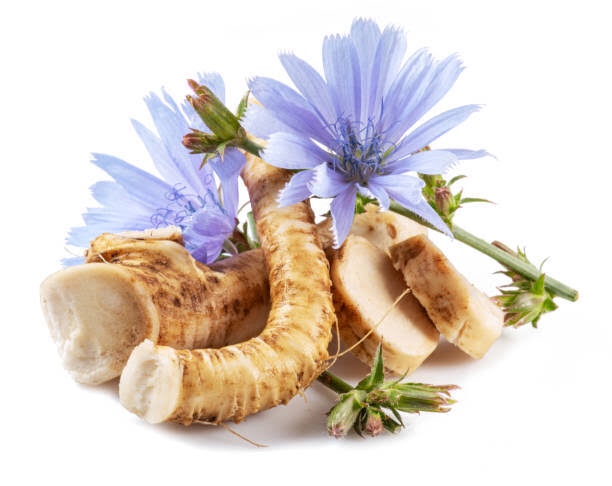
10 facts of Chicory roots 🪵

Hello everyone ✋


1. Chicory is a tuberous herbeceous root, usually grown in winter. Though it is a native herb from Europe and Asia, but nowadays it widely grown in many areas for its health benefits and as a herbal remedy.

2. Chicory roots are a good source of carbs, minerals, and phytochemicals, including flavonoids. It has been utilized as herbal medicine for generations due to its high nutritional value. Research have shown that it has anti-inflammatory, antibacterial, and antioxidant properties.

3. In modern days, many of its benefits has been scientifically proven. Chicory root is rich in inulin which is a fructose rich fiber and acts as a prebiotic. It promotes growth of healthy bacteria in the gut. Since, it is undigested in the gut when consumed, so it can act as a laxative and relieves constipation.

4. Studies have shown that chicory can contribute to lower blood sugar and helps in insulin resistance. Therefore, it can be an aid in the treatment of diabetes.

5. Other list of benefits of chicory roots are it can promote the weight loss process, improves liver health, boost kidney function by its diuretic properties and may help in treating candida and eczema.

Chicory coffee

6. Since chicory roots are naturally caffeine free, so they have widely been used as a coffee alternative to reduce the intake of caffeine. Repeated consumption of coffee may lead to excess caffeine intake which in turn can cause issues like increasing the level of cortisol and stress.

7. Extensively used method of including chicory in diet is by blending with coffee as chicory coffee, or as herbal tea. It is also integrated in cereals, protein bars and other food items.

8. Like any other food, Chicory roots also have it’s share of side effects like over consumption can lead to allergic reactions, skin rashes, GI symptoms like discomfort, diarrhoea and gall stone.It is contraindicated during pregnancy and lactation.

9. As there is no specific doses of daily consumption of chicory, generally having around 5 gram of inulin in 500ml of chicory coffee in regular diet may not lead to any adverse effects. However, a Physician’s or an expert advice is recommended.

10. Chicory roots have been in ancient cultures for ages as a herbal medicine. History says that it has been in use as a healthy beverage for many centuries for its health benefits.

Thanks for reading.

Peace and love 🙏

10 quick facts of ginger🫚

Ginger is an ingredient common to our cuisine for centuries. It is widely used in most of the culinary dishes. Besides adding the zing in our taste buds, it has immense medicinal and health benefits.

  1. Ginger contains gingerol that imparts its unique taste and flavour to cooking. This compound gingerol is a natural antioxidant and anti-inflammatory. Hence, ginger helps to cure common cold, flu, seasonal rhinitis and fungal infections.
  2. Previous studies have shown that ginger has played an important role in controlling blood sugar levels in people with type 2 diabetes. Researches also show that regular intake of ginger helps to reduce the levels of LDL cholesterol and triglycerides, thereby reducing the risk factors of cardiovascular diseases. It is also effective in weight loss.
  3. Ginger is highly effective against swelling, itchiness and minor skin allergies such as hives. Having ginger juice along with jaggary powder can be consumed to reduce skin allergies and itching.
  4. Ginger is an effective pain reliever. Consuming ginger slices or ginger juice can help to reduce joint pain, body ache and earache.
  5. Consuming ginger or raw ginger juice has helped in improving many digestive issues. Eating raw ginger slices before a meal will help to stimulate digestion and improves the appetite. A person having indigestion, belching, bloating will be relieved after having ginger juice along with lemon juice or ginger slices. Problems like nausea, vomiting, diarrhea can all be relieved after consuming ginger. So, it can be used during Morning sickness. People taking chemotherapy may use ginger to alleviate post-drug side effects.
  6. Ginger is very effective when used freshly, but also beneficial when consumed as a powder for juices or tea. A common spice used in various cuisines.
  7. Ginger is effective against degenerative diseases like multiple sclerosis, Parkinson’s disease, Alzheimer’s disease due to the presence of compounds like 6-gingerol and 6- shogoal.
  8. Ginger is grown especially in tropical areas. Ginger roots are mainly used for cooking and healing purpose. It can be stored in dried or powdered form for a long time. Ginger supplements are available in capsules or liquid extracts. Ginger oil as essential oil is used in beauty products.
  9. Ginger is rich in dietary fibre and in vitamins like B3, B6 and C. It is rich in folate, magnesium, phosphorus and zinc.
  10. Ginger is usually safe, but it must be used in moderation as part of a healthy diet. Too much consumption or concentrated higher doses may lead to heartburn, stomach upset or loose motion.

Thanks for reading.

Peace and love 🙏

Self renewal: 10 hard facts 🙌

Hello everyone 🖖

1. The human body in which each of us lives is made up of around 37 trillion cells, to be precise. And every day, about 1-2 percent of the cells are renewing. So, exactly after 90–100 days, a new “me” appears. We remain so busy with our routine lives that we hardly acknowledge this fact, and many of us are not even aware of it. So, ‘change’ is the constant tune, not just within the universe but also within us.

2. Now that we understand that our bodies undergo transformation on a daily basis, So, the question is: how does this self-renewal occur? Let’s go back to our past a little bit. The human body develops from the human embryo, which is fertilized by an oocyte and a sperm cell. This embryo is made up of stem cells. The stem cells are the basic cells (undifferenciated cells) of the human body, which, through the process of mutation and transformation grow into different cells like nerve cells, bone cells, muscle cells, blood cells and so on. Throughout our lifespan, these stem cells undergo cell division and keep replicating; that’s how self-renewal happens.

3. Under normal physiological self-renewal processes, different cells in the body have differing rates of cell division. So, the replication process of various tissues, organs, and blood cells in the body has a different time frame, like the skin epidermal cells, which can take around 10–30 days, whereas a bone cell takes 3 months, or a hair grows about 1 cm in one month, and so on.

4. Though our body is constantly changing due to the continuous self-renewal process through different cell cycles like shedding the old skin cells, renewal of intestinal cell lining, and growing hair or nails on a routine basis, this isn’t a simpler process. The human body is still very complicated and has exceptions. Some cells, such as those in the brain (cerebral cortex), eyes (such as lenses), and heart, do not change from birth to death.

5. But then, why is self-renewal important and must be maintained? Under normal physiological conditions, stem cells have two functions: proliferation and differentiation. Though stem cells have a natural proliferative capacity throughout our lives, disease conditions can affect their physiological self-renewal ability and behavior due to factors such as damage or an unhealthy lifestyle (obesity, lack of physical activity, smoking, or a poor diet).

6. A lack of an appropriate environment within the body or poor maintenance of the human body might eventually lead to the exhaustion of the capacity of stem cell proliferation, which causes premature aging or tissue atrophy. With aging, stem cell activity, tissue regenerative and haemeostasis is significantly declined.

7. Sometime, due to the unhealthy environment within the body, mutations lead to aggressive stem cell division without going through the natural cell differentiation process. This can lead to abnormal tissue growth or cancer in the body. Therefore, the physiological process of stem cell division and the natural stem cell behavior can be affected by four disease conditions, like degenerative, metabolic, cardiovascular, and inflammatory conditions.

8. Regenerative medicine and therapies have arisen as a result of the discovery that defective self-renewal mechanisms in the body are the root cause of malignancies and abnormal cell proliferation. Many disorders are being treated with regenerative medicines based on stem cells. Recent years have seen a significant increase in the use of stem cell treatment to treat a variety of diseases like cancer and disorders including type 1 diabetes, heart disease, stroke, Parkinson’s, burns, osteoarthritis, by regenerating cells, repairing tissues, and transplanting organs.

9. The fact about regenerative medicine is that, though it has helped many patients around the world, the cost of treatment is quite high as the procedure is complicated and the failure rate is high. Human stem cell treatment requires culturing human stem cells in a laboratory setting for a longer period of time, which is quite difficult.

10. The market is flooded with products that promote cell regeneration, anti-aging, and longevity. The lofty claims made by these items are still quite dubious. But it is true that some supplements do work to improve health, lower inflammation, and increase immunity. But in the end, having a healthy diet, getting enough sleep, a calm mind, and exercising regularly is all that’s necessary for good health.

Thanks for reading.

Peace and love 🙏
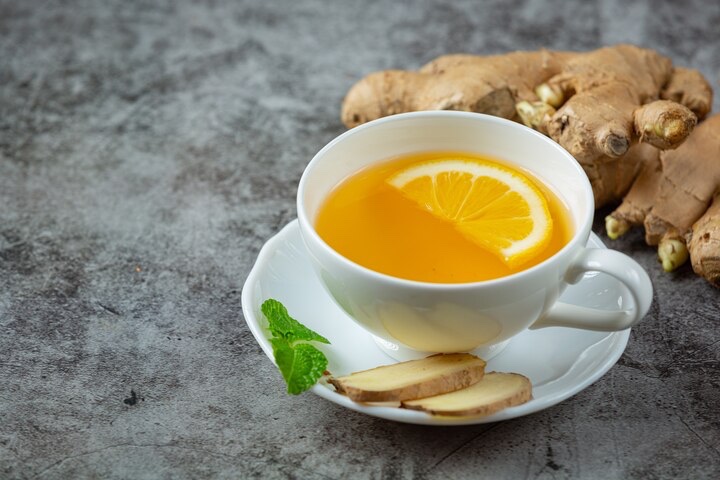
5 important facts about Candida 🙌

Hello everyone ! Have a wonderful and safe day 🙋🏻

Important facts about Candida :

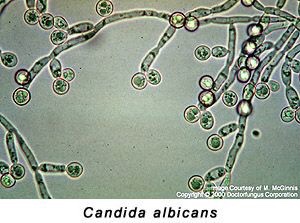
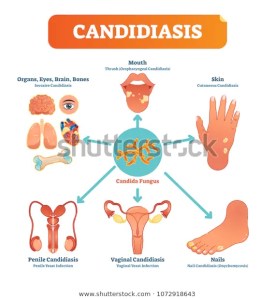
1.Candida is a group of yeast/fungi, comprising of many types. Out of which, 20% of them cause infection in the human population. The most common type is Candida Albicans. Candida typically resides in the human body, mainly in the gastrointestinal tract, genitourinary tract, respiratory tract and the skin. They do not cause any harm when the host’s (human body’s) defence mechanism is resistant enough. Specific health issues, poor nutrition or lifestyle changes can lower the immunity status, leading to this candida infection or Candidiasis.

2. When the host defence mechanism is weak, Candida, proliferates the mucous membrane of the GI tract, respiratory tract, genitourinary tract or the skin. It is usually prevalent, in about 80% of people, causing annoying infections or skin rashes. In about 15% of the cases, Candida can penetrate deeper tissue in the gut mucosa, causing severe health issues like Leaky gut syndrome. To know more about Leaky Gut syndrome, click the link https://atomic-temporary-162723897.wpcomstaging.com/wp-admin/post.php?post=3865&action=edit 

On rare occasions, Candida can spread systemically through the bloodstream and lymphatic tissue. Focal Candidiasis can be transmitted to the vital organs like brain, heart, kidney and can cause life-threatening conditions.

3. Different causes of Candidiasis can be:
a.Chronic health issues like diabetes, thyroid issues, cancers, AIDS and STDs.
b. In a weak immune system like in chemotherapy, radiotherapy.
c. High level of stress
d. Sleep deprivation
e. Individuals with drugs like antibiotics, steroid, birth control pills
f. Nutritional deficiency of vitamins, zinc, selenium.
g. Dietary causes like intake of sugary foods, processed food, alcohol, too much gluten (grains intake), lactose intake.
h. Environmental causes like heavy metal poisoning (mercury, lead), pesticides, cleaning agents, petroleum-based solvents.
i. Poor hygiene and wearing tight fitted clothing.

4. The symptoms are organ-specific can be single or multiple depending upon the severity.
a. Oral thrush, frequent sore throat, bleeding gums.
b. Skin rashes.
c. Nail infections.
d. Vulvovaginal candidiasis in females and Balanitis in males.
e. Systemic Candidiasis with a complicated, life-threatening situation in a small number of cases.
f. Gut issues like Leaky Gut syndrome.

5.The most crucial remedy is detoxifying the toxins from the body by making lifestyle changes, and dietary changes. Some of the treatments are:
a. Cleaning the gut from unfavourable foods like cutting down sugar and processed foods, low gluten (grain) intake, low dairy, no alcohol. b.Consuming more alkalizing food to avoid the acidic ph of the stomach.

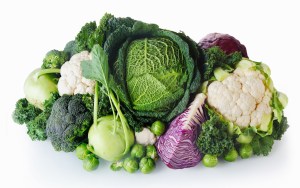
c. Food preferences like green leafy vegetables like kale, broccoli, Brussel sprouts, arugula.
d.Low sugar fruits like coconut, citrus fruits like lime, lemon, Apple cider vinegar, and herbs and spices like garlic, ginger, oregano, cinnamon, cloves.
c. Supplements like Probiotics and vitamin C.
d. Antifungal drugs like Triazole /Imidazole as prescribed by a Physician.


f. Localized treatments like salt water or hydrogen peroxide mouth rinsing in case of oral thrush. Local application of coconut oil, oregano oil in case of skin infections.

g. Wearing loose fitting clothes preferably cotton in warm, moist weather.

Thanks for reading.

Blessings and much love to all 💐


Hair health 🙌

Hello everyone ! Have a great and safe Sunday ☀️🙋🏻

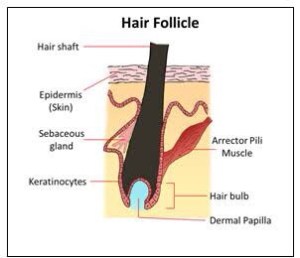
Our hair is the crown, we never take off. So, hair is a significant part of our physical appearance; hence it is crucial. Structurally, hair consist of a protein called keratin. A hair follicle supports each hair shaft. The root of each hair follicle lies the hair bulb. It is in this hair bulb; new cells develop and grow and give rise to the latest hair follicle. The hair bulb contains the blood vessels which nourishes and supply necessary nutrients to the cells to grow and develop. The colour of the hair depends upon pigment cells called melanin. The structure and texture of the hair are related to genetic predisposition.
Each hair grows through a cycle of 3 phases:

Growth phase: In this phase, the hair is growing in prominence.
Transitional phase: When the hair stops growing, matures and the hair follicle start to shrink.
Resting phase: When the old hair fall, cells die, and new cells start to develop and grow.

Typically with ageing, the hair pigment cells die, and hair begins to turn grey and fall. But, in the recent decade, due to environmental pollution, harmful UV rays, unhealthy lifestyle, unhealthy hair treatment, hair thinning, hair greying and hair fall has become very common even in the young age group.

Some common causes of hair thinning and hair fall:

1.Poor nutrition: Unhealthy eating habits like eating junk food, processed food, artificial sweeteners, cola, juices does not provide any nutritional value but instead add to empty calories to the body. Again, some people go on a crash diet, leaving behind necessary nutrient-dense food like healthy fat has to suffer hair fall. When the body does not get enough nutrient-dense food, it transports the remaining nutrients to the vital organs. It is the hair which is left neglected. Hence hair fall, hair thinning and low growth.

2.Poor Blood circulation: Sometimes, even if you have a well balanced nutritious diet, yet you may face hair issues. Hair problems happen because the blood nutrients are unable to reach the cells in the hair bulb. So, massaging the scalp is essential to stimulate the blood circulation and enrich the hair bulb with the necessary nutrition. Even physical exercise is critical. Daily routine exercise, causes proper movement in the body which ensures efficient blood circulation in every part of the body, including the scalp. Women suffering from hormonal imbalance and thyroid issues, suffering from hair fall, exercise is highly recommended.


3.Excessive stress: This is important because, in a chronic state of stress, the body tends to remain in the sympathetic mode, which blocks the body’s normal functioning of growth and renewal mechanism.


4.Heat and chemicals: Heat is very harmful to hair. Hot water baths, use of excessive hair styling methods like hair drying, hair straightening, hair curling are all harmful. Tying hair too tightly all the time may affect the hair root. Avoiding too many hair products, colouring agents, and toxic chemicals like sulphate can cause hair damage. Fragrance hair products may contain alcohol which is harmful also.

Measures to protect and keep hair healthy:

1.Nourishment: It is vital to keep the scalp healthy and clean to have healthy hair. So, cleaning the scalp 2-3 times a week with a mild shampoo is essential to remove pollutants and impurities. Massaging the scalp gently 5-10 mins, 3-4 times a week will improve the blood circulation drastically. Natural oil like coconut, almond or jojoba oil is nourishing and can be used for hair massage.

2.Exercise: Regular exercise is essential to ensure proper blood circulation to provide necessary nutrients to the body, including the scalp.


3.Drinking water is overall healthy and good for hair too.
4. Five Superfoods for hair:


Eggs: They are in rich in protein and biotin. Keratin which is protein is present in each hair strand, so protein intake is crucial for hair. Biotin gives strength to hair and promotes hair growth.


Green leafy vegetables: Dark green leafy vegetables and spinach are rich sources of iron, vitamin A and C. Adequate iron is required to produce haemoglobin in the blood. Haemoglobin is essential to transport oxygen to cells, and hence, it is suitable for scalp and hair growth. Other rich sources of iron are beans, pulses, soya, seeds, nuts, broccoli and cabbage.

Vitamin B12: It helps in hair growth and texture. The sources are meat, fish, salmon, milk, dairy products, eggs.


Fat-soluble vitamins: Vitamin D, E, A, K are all essential for hair health. Consuming healthy fat of omega-three fatty acid is not only good for hair health but also help in the absorption of fat-soluble vitamins. Vitamin A helps in the production of sebum which nourishes the hair. Sources are sweet potatoes, carrots, seeds and nuts.
Vitamin C and E are potent antioxidants and prevent free radical damage. Therefore, they are protective of hair.
Sources are Lemon, berries, almonds, avocados, spinach, guavas.


Zinc: Zinc promotes hair growth and repair and prevents hair loss. Sources are meat, shellfish, sprouts, pumpkin seeds and sesame seeds.

Thanks for reading.

Blessings and much love to all 💐


15 Alkaline Foods 🙌

Hello everyone ! Have a wonderful and safe day 🙋🏻

The body requires and functions at an optimal level when in an alkaline ph environment. But unfortunately, due to eating unhealthy foods like junk foods, fried food, processed foods and foods with high sugar content, the body turns acidic and disturb the ph balance. This state of imbalance can lead to several diseased conditions like heart diseases, cancers, skin disorders, autoimmune conditions, allergies, and the list can go on and on. The simple solution to this problem is avoiding the unhealthy food items and daily intake of alkaline food in our diet, which can correct the imbalance and maintain an alkaline environment.

15 foods that can be included in our daily diet to maintain an alkaline ph :

1.Bananas: High in potassium content and helps to maintain an alkaline ph.
2.Cucumber: They can neutralize acids and facilitate digestion. It is loaded with vitamins and minerals and is anti-inflammatory. It is also high in water content and keeps our body hydrated.


3.Lemon: Lemon contains citric acid, which is usually acidic. But when metabolized, helps to alkalinize the ph in the body. They are high in calcium, irons, minerals, vitamins mainly B complex. It is antibacterial, antiviral, immune boosters and good for skin health.


4. Watermelon: It is packed with nutrients which can be extraordinarily alkaline and improves the overall health.


5. Blueberries: Berries are high in antioxidants, high alkaline foods and are proven to have health benefits for heart, brain, and anti-ageing.


6.Kale: Among the green leafy veggies, kale is one of the healthiest options. They are highly alkaline, rich in flavonoids which have anti-inflammatory and anti-cancer properties.
7.Garlic: Allicin, the compound in garlic is an antibacterial, antifungal, antiviral, antioxidant. Also loaded with vitamins and minerals, garlic acts as a detoxifying agent by increasing the glutathione that helps to filter toxins. It also helps to maintain an alkaline ph in the body.


8.Avocado: Rich in healthy fats, dietary fibres, minerals, vitamins, they flush out the acidic toxins and waste and maintain an alkaline environment.


9.Almond: Most nuts are healthy, but almonds are the most nutritious option which has high calcium and iron content. It is an excellent alkalizer.


10. Apricots: Both raw and dried apricots are high alkaline food and nutrient-dense.
11. Cayenne Pepper and Jalapeno: They are high in alkaline content which is anti-inflammatory, and antioxidant properties which help to fight toxins. Thye also increases endorphins in the body.
12. Tofu: They are rich in proteins and isoflavonoids and helps to maintain an alkaline balance.
13.Sea vegetables: All varieties have a different range of benefits, but all are excellent alkaline foods. They are also rich in iodine.
14. Beet greens: They are one of the richest alkaline food. Beets greens can be added to salads and smoothies.


15. Green beans are considered alkaline food besides their high nutritional value.

Thanks for reading.

Blessings and much love to all 💐