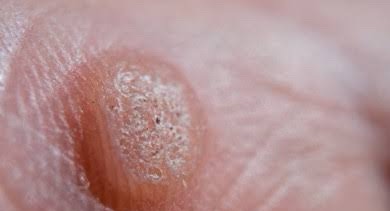

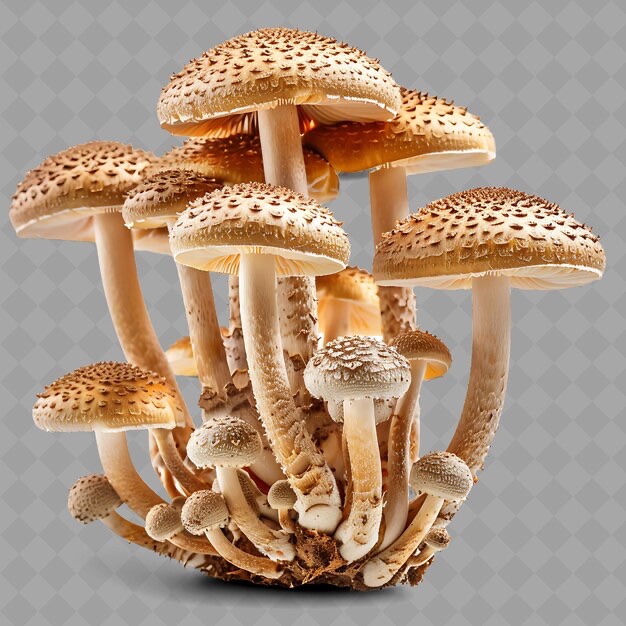
1. AHCC (active hexose correlated compound) has been used as a nutritional support, initially used in Japan and other Asian countries and now widely used by the rest of the world as well, as a potential immune booster. AHCC is a product derived from a group of fungi, like mushrooms of different varieties, found to have strong immune support benefits and anti-cancer effects. Research studies have found that it has strong immune potential benefits of fighting against the human papilloma virus (HPV), though it is still not regarded as a medical treatment.
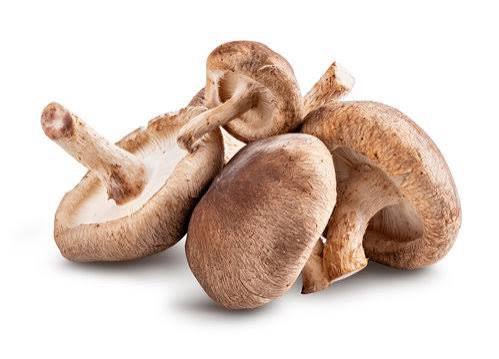
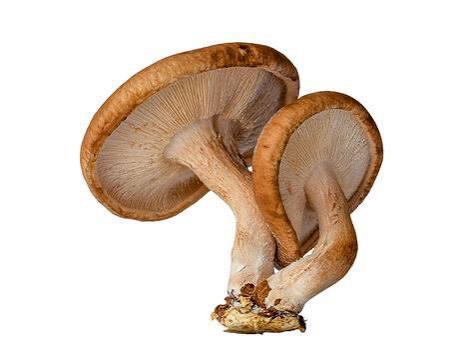
2. AHCC is a polysaccharide, enriched in alpha-glucan and beta-glucan compounds, derived from a long-term culturing process of mushrooms like Shiitake. Studies show that glucans stimulate an immune-boosting response in the human body. Initially, it was used in Japan as a complementary supplement used by cancer patients along with the protocol treatment. Now, it has been widely used by the rest of the world too, as a general health and wellbeing and treating various chronic diseases as a supportive nutritional supplement.
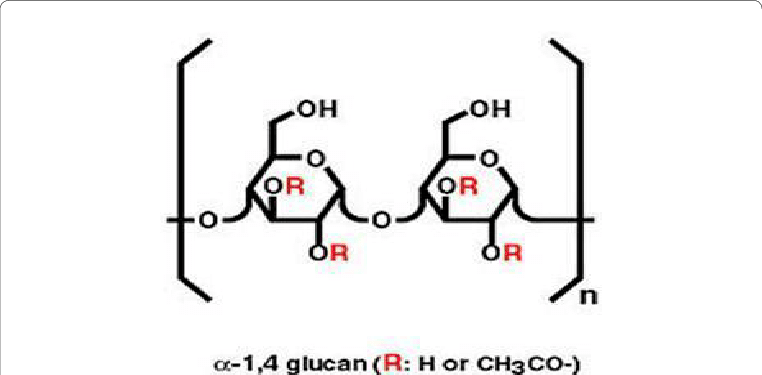
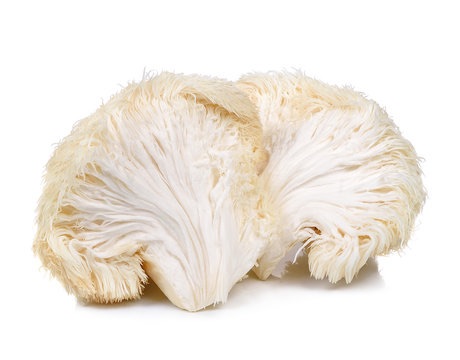
3. For centuries, in traditional medicines, mushrooms have been widely used in many countries, such as Japan and China, for their strong beneficial effects on the human immune system. AHCC was first launched in Japan in the 1980s, after extensive research and clinical trials were found to have a direct effect on enhancing the non-specific immune functions of the human body. It is a blend of polysaccharides, large sugar polymers mainly derived from the cells of shiitake, lion’s mane and mistake mushroom mycelia. Studies show that these polysaccharides stimulate the human immune cell receptors of the gut that recognise pathogens like bacteria and viruses.
4. AHCC has been widely used as an immunomodulatory supplement to stimulate the receptors of the human immune cells, like Natural killer cells, T-cells and cytokines. Some of the known benefits are:
• HPV infections: Daily intake of AHCC can help to clear high-risk, persistent HPV infections.
• AHCC significantly improve the activity and elevates the numbers of human immune cells like Natural killer cells, T-cells, dendritic cells and boosts the human defence mechanism against pathogens.
• Support cancer therapy: AHCC helps to support the immune system, delay tumour surveillance, improve prognosis, and lower the side effects of chemotherapy, which is otherwise quite harsh on the individual.
• It has anti-inflammatory effects, reduces oxidative stress and has hepatoprotective effects.
5. Liver Protection: Research has shown that AHCC have hepatoprotective properties as it has a powerful response to fight inflammatory reactions. Some of the hepatoprotective responses of AHCC include:
• Increases anti-inflammatory cytokines.
• Suppresses inflammatory biomarkers in case of liver injury.
• Promote liver regeneration.
• Elevates anti-apoptotic factors.
6. AHCC is a nutritional supplement, not a replacement for medical treatment. Indications of such a supplement should be under a physician’s guidance rather than self-therapy. Individuals indicated for AHCC are generally :
• Individuals seeking immune support for those who are undergoing chemotherapy and the path of recovery, and a better prognosis.
• A woman with a high risk of HPV infections.
• Individuals with chronic illnesses need immune support and resilience.
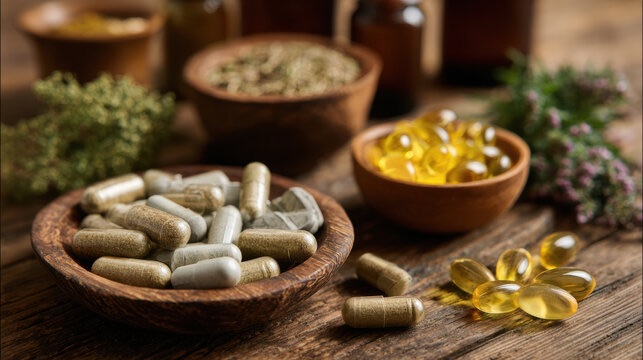
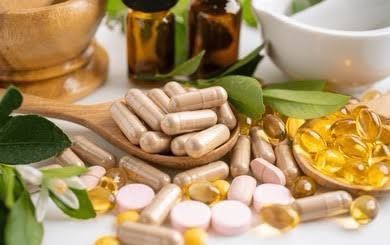
7. Side effects: There are no data on severe adverse effects except mild symptoms like nausea, vomiting or bloating. AHCC are available in capsule and powdered form. For safety issues, it should be consumed under a physician’s supervision. Since it is available widely, poor, low-quality products should not be used, as they will not yield any result. High-standard brand products like verified tested potency, transparent labelling, and GMP-certified manufacturing products should be used to get results. AHCC does not give immediate results; the effects are gradual, lasting change in the immune system.
8. Precautions: While there is no data on severe side effects of AHCC, safety precautions before using the supplements are mandatory. Generally, it should be used under health care supervision. Dosage is usually around 3 grams daily, in divided doses. Precautions and safety measures are important to individuals, such as:
• Individuals with autoimmune diseases like Lupus and rheumatoid arthritis.
• Breastfeeding or Pregnant women and young children.
• An individual with chronic illnesses on regular medication, such as blood thinners, diabetic drugs, and immunosuppressive drugs.
9. Aid to cancer treatment: Though AHCC is promoted as an aid to cancer therapy, evidence-based studies are still very limited. The effect is very preliminary and only supportive as a dietary supplement. Some of the proposed uses of AHCC are advocated as :
• Reduces chemotherapy side effects.
• Aid in inflammatory bowel disease.
• Reduces the risk of cancers like liver cancer.
• Aid in alcohol related liver disease.
• Lowers the risk of HPV infections.
10. Takeaway: The use of food as a dietary supplement for general wellbeing and aid to treatment of chronic illnesses has been widely recognised, as much research has established promising outcomes in modern medicine. AHCC, through different studies, has shown strong evidence of enhancing the immune system, increasing Natural killer cells and dendritic cells. It has shown potential benefit in lowering HPV infections. Therefore, the choice of AHCC to be used as a supplement should be made under your Physician’s guidance, knowing and evaluating your health circumstances.
Thanks for reading.
Peace and love 🙏