
Are popcorns 🍿 healthy ? 9 facts 🙌

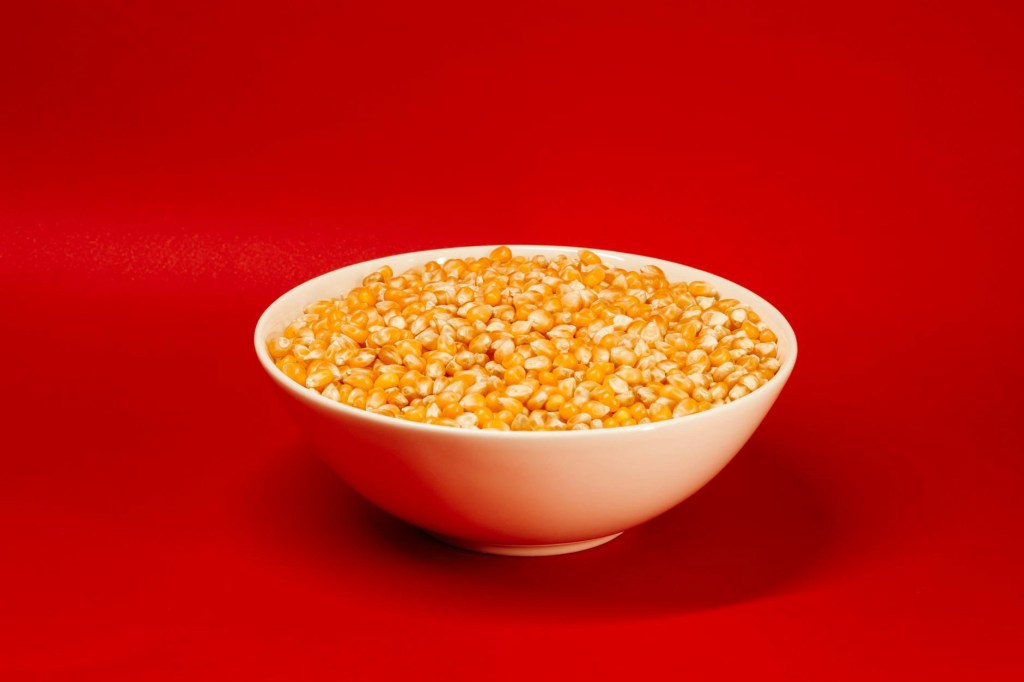
  1. Popcorns are corn kernels which get popped when heated. Today, across the world, this has become the most popular snack amongst all age groups. Corn is the oldest grain which has been consumed for over 5000 years. It has been popular due to its easy availability and low cost. As far as health point of view is considered, it is a whole grain food, rich in fibre, low in calories and dense in nutrients.
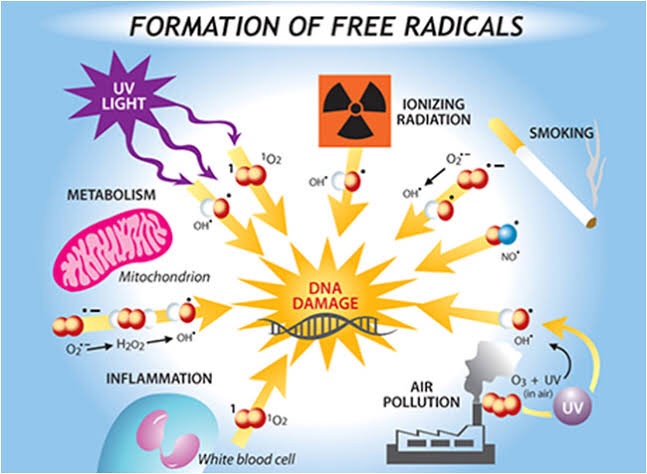
  2. Studies show that popcorn is high in fibre and contains many vitamins and minerals. Important nutrients in popcorn are vitamins B1, B3, B6, iron, potassium, manganese, zinc, copper and phosphorus. Many studies also show that it is rich in polyphenols which are potent antioxidants. Polyphenols reduce the risk of damage by free radicals, diabetes, and heart disease and improve gut health. Popcorn is gluten-free so it can be a healthy option for people with gut issues.

3.Since, it is high in fibre and low in calories, it can help in weight loss. Eating a cup of popcorn which is around 30 calories can relatively be more beneficial in terms of fibre and nutrient content than any other popular snack. Also, it can give the feeling of fullness and curb your hunger for quite some time. Therefore, eating in moderation of popcorn can be very useful in the process of weight loss in an overweight individual.

4.Popcorn contains antioxidants Zeaxanthin, beta carotene and lutein which are very essential to eye health. These antioxidants can slow the age-related macular degeneration of the eyes, lower the damage caused by blue light and overall improve the eyesight.


5.Other health benefits of yellow popcorn are :
*Boost the metabolism and energy production due to the presence of vitamins B, B3, B6 and folate.
*Popcorn contains niacin which helps to reduce depression naturally.
*Phosphorus, and manganese present in popcorn help to support bone health.
*Popcorn can combat tumour cells due to the presence of ferulic acid.
*It can reduce the level of bad cholesterol and prevent the risk of heart disease.
*It can slow down the process of ageing as it helps in free radical damage.
*It can add iron (28 gm of popcorn containing 0.9mg of iron) to the diet and reduce anaemia. *It can control blood sugar as it has a low glycaemic index and helps in diabetics.

6.Air-popped popcorn is healthiest. Unsalted popcorn, unflavoured is healthier than those with an excess of oil, butter, sugar, caramel, and salt. Microwave popcorn bags which are pre-packed contain the chemical perfluorooctanoic acid (PFOA) and sometimes, trans fat which are harmful to health.


7.Popcorn added to diet in moderation can prove to be safe and beneficial to health. But it may have side effects on certain individuals. Some individuals can have allergic reactions to popcorn like swollen face, and breathing difficulty which may require urgent medical attention. People with digestive diseases and inflammatory bowel disorders can have flaring-up symptoms when consuming popcorn.


8.Popcorn is the ideal choice for adding to your diet in moderation. You can definitely enjoy popcorn daily, as long as you stick to one cup per day without any butter, salt, sugar, or artificial flavors. This will provide a healthy dose of whole fiber content, making it the most nutritious snack option for your diet.

9. Yellow corn which is organically grown, non-GMO, is best for regular consumption. Popcorn which is popped from such type of high-quality corn, air popped with no added flavours is ideal and provides immense health benefits. Rich in phytonutrients, vitamins, and minerals, whole grain fibres can help to reduce the risk of chronic illnesses, obesity, diabetes and many malignancies.

Thanks for reading.

Peace and love 🙏

10 facts about nutty Nutmeg 🙌

Hello everyone ✋


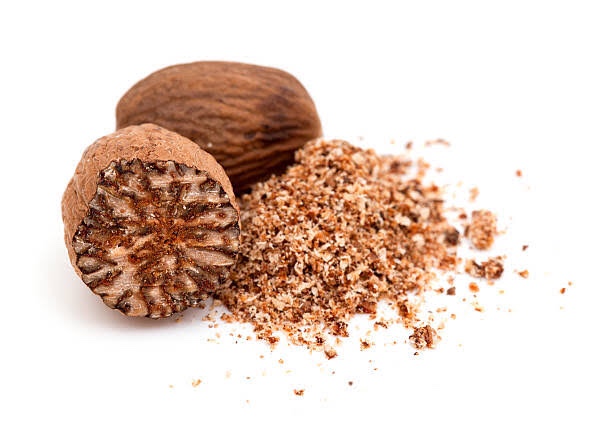
1.Nutmeg is an oval shaped spice seed commonly found in our kitchen. A native spice of Indonesia but is now popular in many cuisines used in both sweet and savoury dishes. It is available as a whole spice and as well as powdered.

2.Anti inflammatory: Studies have shown that nutmeg is rich in anti-inflammatory compounds which help by inhibiting the enzymes that promotes the inflammation process.

3.Antioxidants: It contains powerful antioxidants which reduces oxidative stress and keep the free radical damage under control. Therefore, it’s consumption can help in controlling the progress of certain chronic conditions like neuro degerative diseases, some cancers and heart ailments.

4.Indigestion: Nutmeg has been found to be beneficial when consumed during indigestion, abdominal discomfort and flatulence.

5.Antibacterial: Because of it’s antibacterial properties, it is effective against acne when applied in powdered form along with cinnamon and honey. It is also very helpful in cases of dental cavities, bad breath and gum inflammation.

6.Insomnia: Studies have shown that this spice helps in aiding sleep by improving both the duration and quality. Adding a pinch of nutmeg in a glass of milk before bedtime can do the trick. Research have shown that it can boost libido in men and is also a potential anti-depressant. But further studies are needed in these aspects.


7.Common cold: Since it is rich in anti bacterial properties, it is useful in cases of rhinitis and common cold.

8.Nutrition: It is a source of wide variety of vitamins and minerals like Vitamin A,C,E and minerals like maganese, magnesium, zinc and iron.

9.Toxicity: Small amount of consumption as less than 2 grams is quite safe. But consumption of larger quantity can lead to serious toxicity or even death. Cases of nutmeg toxicity has been reported in the past when used in larger quantity for recreational purposes or due to ignorance.

10.Uses: Nutmeg is a common ingredient used in various European, Indian, Asian cooking, baking dishes, curries etc. Also, we can sprinkle it in our breakfast cereal, coffee, milk, or fruit salad to add the nutty flavor.

Thanks for reading.

Peace and love 🙏

Tuesday musings 🌻

‘Don’t think what went wrong in the past, don’t plan too much for the future, just think and act at present’ ….

Thanks for reading 🙏

Peace and love 🍃

10 hard facts about Taurine 🙌

Hello everyone ,

1. Amino Acid :Taurine is found naturally in our body. Chemically, it’s an amino acid or more precisely amino sulphonic acid. Since it is naturally available in the body, it plays a significant part in different bodily functions like metabolism, immunity, nervous system, electrolyte balance, biliary system.

2. Nervous system :Taurine as an abundant amino acid support building up the nervous system, helps in storing memory. As ageing progresses, it’s bodily reserve reduces with age. Due to its decreased levels can be responsible for neurodegenerative diseases like Alzheimers’ or memory deficits.

3. Liver :The liver is supported by taurine mainly to break down cholesterol into bile salts. Bile salts play a crucial role in the digestion and metabolism of fat in the body.

4. Lifespan: Researches show that high taurine levels do have anti-aging effects. From its lower levels contribute to inflammation, diabetes, obesity, hypertension, so, with improved levels of taurine, these risk factors are significantly reduced. Food supplementation of taurine and exercise do contribute to the lifespan.

5. Cell protective agent: Taurine plays a vital role in regulating cell volume, calcium homeostasis, sweeping free radicals and stabilizing the cell membrane.

6. Heart : Studies show that taurine reduces the risk of heart failure by lowering the progression of atherosclerosis. It has a potential vasodilating effect. Taurine supplement in people who have a history of heart failure shows lower levels of cholesterol. Low Taurine levels may be a significant factor in the development of cardiomyopathy.

7. Eye :Studies have shown that taurine is abundant in the retina of the eye. Reduced levels of taurine is linked to eye disorders like glaucoma, retinal degeneration like diabetic retinopathy.

8. Muscle :Studies show that taurine helps to improve muscle power and strength. Taurine appears to help restore muscle injuries, damage, pain and reduce progress in people with muscular dystrophy.

9. Food : Taurine is found in dairy and high sources are mainly meat, chicken and fishes. As for plant based diet, seaweed is a good source of taurine.

10. Dosage : Taurine supplementation is not usually recommended as it is naturally available in the body and in our diet. If prescribed clinically, evidence shows that consumption of 3 gms per day works well without the risk of side effects. Taurine has also been an essential component in energy drinks in case of physical performance. Some infant formulas contain taurine because it is not naturally found in babies as it is in adults.

Thanks for reading.

Peace and love 🙏

Self renewal: 10 hard facts 🙌

Hello everyone 🖖

1. The human body in which each of us lives is made up of around 37 trillion cells, to be precise. And every day, about 1-2 percent of the cells are renewing. So, exactly after 90–100 days, a new “me” appears. We remain so busy with our routine lives that we hardly acknowledge this fact, and many of us are not even aware of it. So, ‘change’ is the constant tune, not just within the universe but also within us.

2. Now that we understand that our bodies undergo transformation on a daily basis, So, the question is: how does this self-renewal occur? Let’s go back to our past a little bit. The human body develops from the human embryo, which is fertilized by an oocyte and a sperm cell. This embryo is made up of stem cells. The stem cells are the basic cells (undifferenciated cells) of the human body, which, through the process of mutation and transformation grow into different cells like nerve cells, bone cells, muscle cells, blood cells and so on. Throughout our lifespan, these stem cells undergo cell division and keep replicating; that’s how self-renewal happens.

3. Under normal physiological self-renewal processes, different cells in the body have differing rates of cell division. So, the replication process of various tissues, organs, and blood cells in the body has a different time frame, like the skin epidermal cells, which can take around 10–30 days, whereas a bone cell takes 3 months, or a hair grows about 1 cm in one month, and so on.

4. Though our body is constantly changing due to the continuous self-renewal process through different cell cycles like shedding the old skin cells, renewal of intestinal cell lining, and growing hair or nails on a routine basis, this isn’t a simpler process. The human body is still very complicated and has exceptions. Some cells, such as those in the brain (cerebral cortex), eyes (such as lenses), and heart, do not change from birth to death.

5. But then, why is self-renewal important and must be maintained? Under normal physiological conditions, stem cells have two functions: proliferation and differentiation. Though stem cells have a natural proliferative capacity throughout our lives, disease conditions can affect their physiological self-renewal ability and behavior due to factors such as damage or an unhealthy lifestyle (obesity, lack of physical activity, smoking, or a poor diet).

6. A lack of an appropriate environment within the body or poor maintenance of the human body might eventually lead to the exhaustion of the capacity of stem cell proliferation, which causes premature aging or tissue atrophy. With aging, stem cell activity, tissue regenerative and haemeostasis is significantly declined.

7. Sometime, due to the unhealthy environment within the body, mutations lead to aggressive stem cell division without going through the natural cell differentiation process. This can lead to abnormal tissue growth or cancer in the body. Therefore, the physiological process of stem cell division and the natural stem cell behavior can be affected by four disease conditions, like degenerative, metabolic, cardiovascular, and inflammatory conditions.

8. Regenerative medicine and therapies have arisen as a result of the discovery that defective self-renewal mechanisms in the body are the root cause of malignancies and abnormal cell proliferation. Many disorders are being treated with regenerative medicines based on stem cells. Recent years have seen a significant increase in the use of stem cell treatment to treat a variety of diseases like cancer and disorders including type 1 diabetes, heart disease, stroke, Parkinson’s, burns, osteoarthritis, by regenerating cells, repairing tissues, and transplanting organs.

9. The fact about regenerative medicine is that, though it has helped many patients around the world, the cost of treatment is quite high as the procedure is complicated and the failure rate is high. Human stem cell treatment requires culturing human stem cells in a laboratory setting for a longer period of time, which is quite difficult.

10. The market is flooded with products that promote cell regeneration, anti-aging, and longevity. The lofty claims made by these items are still quite dubious. But it is true that some supplements do work to improve health, lower inflammation, and increase immunity. But in the end, having a healthy diet, getting enough sleep, a calm mind, and exercising regularly is all that’s necessary for good health.

Thanks for reading.

Peace and love 🙏

8 Benefits of Nose Breathing 👃

Hello everyone ! Have a wonderful and safe day 🙋🏻

Anatomically, the nose is an organ in the human body, specially designed for breathing. When we are born, we, only breath through our nose for several months until our respiratory tract is fully developed. Then, we, also breath through our mouth as when required in certain situations maybe during nasal blockage or in an anxious state or when in air hunger after a massive task. But, fundamentally, we are designed to breathe only through our nose, which is not just necessary but also very beneficial.

The importance of nasal breathing are :

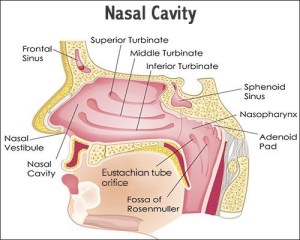
1.Filtration: Nasal breathing causes the air to filter through the nasal passage by the cilia and mucus present so that the purified air goes to the lungs. The air gets filtered from the harmful air bourne particles and potential dangers of virus and bacteria before reaching the lungs.
2.Regulates the temperature of air: Nasal breathing can also regulate the air temperature, we breathe in before reaching the lungs. As soon as we breathe, if the air is cold, it gets warmed up before reaching the lungs. And the opposite can occur, we live in a hot climate.
3.Conditioning: Nasal breathing causes the air to humidify in the nasal cavity so that the inhaled air becomes moist and humid. And the oxygen can be easily absorbed by the tissues after reaching the lungs. The air gets conditioned with negative ions so that they can get attached to positively charged ion particles, neutralizes free radicals, enhance the immune system and balance the autonomic nervous system.
4.Reduces stress: Nasal breathing is deep and relaxing as it stimulates the parasympathetic nervous system and relaxes the muscles of the diaphragm and belly.
5. Efficient oxygen use: Nasal breathing optimizes the oxygen uptake by the lung tissues during inhalation as the breathing is deep and relaxing and expels the carbon dioxide during the exhalation. The ratio and balance of oxygen and carbon dioxide are efficiently maintained.
6. Probiotics: Our nose is a host of probiotic colonies which usually attack the invading bacteria, viruses and fungi before they can enter the rest of the respiratory passage and lungs.
7.Nitric Oxide: When we breathe through the nose, it creates Nitric oxide. Nitric oxide is a natural vasodilator. So, when present in the inhaled air, Nitric oxide reaches the body tissues causes increase blood flow to the organs and lower the blood pressure.
8.Promotes oral hygiene: Nasal breathing does not interfere with the normal functioning of the oral cavity. When there is mouth breathing, the mouth gets dried up from the saliva which otherwise cleans up the oral cavity by washing away from bacteria, oral microbiome, maintain the hygiene of the teeth and gums. So, individual breathing through mouth suffers from dental issues and halitosis (bad breath).

So the benefits are tremendous with Nose breathing. Mouth breathing is devoid of these fantastic benefits as it is primarily not designed for breathing.

After a heavy workout or during running, or while sleeping like in Sleep apnoea, the body tries to compensate with mouth breathing to let out the excess blood carbon dioxide level which has gone up. Mouth breathing is shallow and fast, which stimulate the sympathetic system and causes more stress. Mouth breathing causes snoring while sleeping, so some people are advised clinically to use mouth tape to avoid it.


There are different techniques and exercises about how to clear out our nasal passage and facilitate this standard mechanism of nasal breathing. Some popular methods are the Buteyko method and the Yogic breathing, which is alternate nostril breathing or Pranayama.
A method of restoring nasal breathing by Patrick McKeown, of Buteyko clinic:

Anxiety: Understanding the fact 🙌

Hello everyone ! Have a wonderful and safe day 🙋🏻

img_1159

“The best use of imagination is creativity, the worst use of imagination is anxiety”. Deepak Chopra.

Humans are the only species since evolution, who have the most evolved mind. They can undoubtedly imagine both constructively and destructively. So, it’s our thoughts alone which can make or break us.
Being anxious is having an uninvited guest into your house, which you are trying to avoid, but still, he refuses to leave.

img_1165
Anxiety is a state of mind, not a disease. Every day, we generate about 70,000 thoughts, out of which majority of them are negative and repetitive thoughts which do not serve any purpose. Thoughts are the main stimulator of our state of wellbeing. Whether you are physically healthy or not, thoughts are only instrumental which determines our state of wellbeing. It’s the day to day thoughts that creates our perceptual reality which we believe our real world. Hence, this is the hard truth that needs to be acknowledged by us.
It’s essential to educate ourselves that thoughts typically creates our reality. So, if we modify our thinking pattern or start creating empowering thoughts and beliefs, we can easily change the world around us.
Therefore, thoughts are so powerful that they can push you to the peak of physical and mental wellbeing or dumped you in the pit of depression and anxiety.

hand presses the button on white background

So, how does anxiety builds up?
Out of 60,000 to 70,000 thoughts generated, every day, about 90% of them are just repetitive and negative thoughts. There is overthinking and rumination of the same type of thoughts. As the cycle continues, there is an alteration in the chemical makeup of the brain. Dopamine and serotonin, the mood regulators get depleted in the brain. The production of BDNF (brain-derived neurotrophic factor) gets consumed, and slowly there is shrinkage in the size of the brain. When the cycle becomes vicious, and anxiety state becomes chronic. It started to interfere with daily activities. Such a state is regarded as an Anxiety disorder. As chronic stress get elevated and reaches the threshold, there are significant changes taking place in the brain.

Dr Joseph LeDoux New York University neuroscience.16ef.indd
Some noticeable changes are :
1. The more the brain is engaged in anxious thoughts, the more the ‘anxious neural pathways’ are strengthened.
2. The brain is stuck in the state of ‘high alert’, becomes more reactive to the stress receptors for possible threats which are mostly imaginary.
3. The fear centre in the brain becomes more prominent and more significant.
4.Not just the chemistry, but changes start appearing up to the DNA level in the brain.
5. Brain ageing process also fastens.
6. The circadian rhythm is disturbed, and the sleep cycle gets disrupted.

img_1166

Simple ways to get rid of the anxiety state :
1. Firstly, it is better to face the anxiety. More avoidance will lead to more exaggeration. So, visit your fears, and start being an observer. Being an observer of your mental state, create a sense of indifference, feels like you are different from your state of mind. You understand that the mind and body have created a false association to any external object or stimulant as the triggering factor.

img_1163
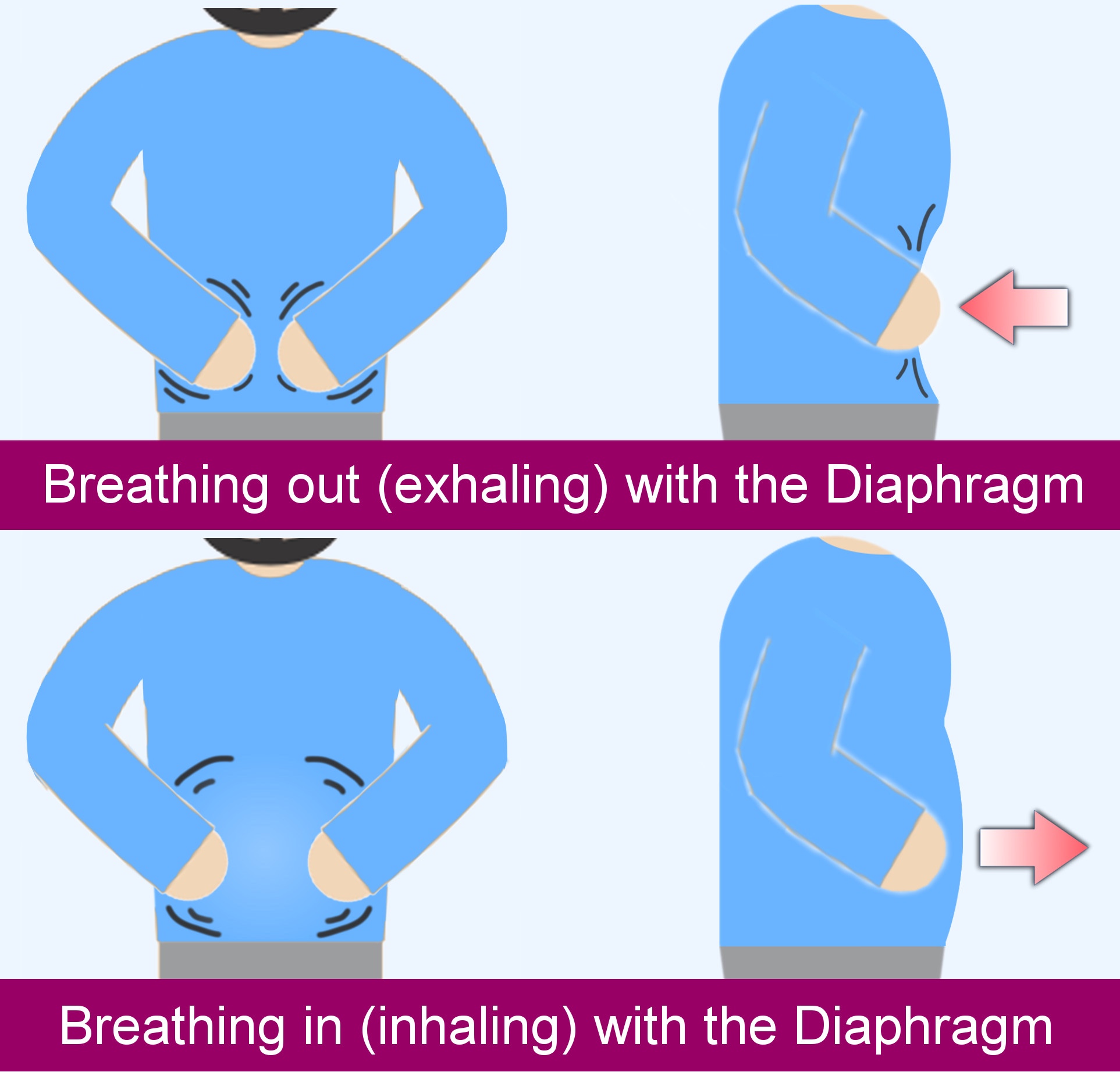
2. Diaphragmatic breathing: Long bouts of inhalations followed by long rounds of exhalation. The deep breathing technique: Like taking a prolonged deep breath of inhalation by counting 1-4, then, a pause of 1-4, followed by an exhalation of 1-4, then another break of 1-4, and the sequence continues. That is why this technique is known as four-square breathing. This slow and deep breathing causes the oxygen to reach your brain, and the parasympathetic nervous system gets activated. It can be an instant stress reliever.
3. Naming your anxiety is as expressing your state of mind to another person. Putting words, and explanation of your anxious thoughts will stimulate the frontal cortex. Your brain will be more attentive in the frontal cortex and deviated from the fear centre, which is responsible for the anxious state.

img_1164
4. Mindful and relaxation techniques like mindfulness, meditation, yoga, which all goes to help stimulate the parasympathetic system, which is for relaxation.

img_1167
5. Plant-based food is known to have a calming effect on the human mind.

Thanks for reading.

Blessings and much love to all 💐

Post : Do I use my whole brain ?🙇🏻‍♀️

Hello everyone! Have a great week ahead 🙋🏻

BBD74394-A8DC-4DA7-A555-BD5BC51B77A3

The human brain is unique and is marvelling. It has unlimited potential and can solve incredible mysteries and puzzles when used properly. It has around 100 billion neurons which can hold hundreds of information. It can perform way better than the supercomputers or can learn an endless number of languages. It’s simply fascinating. But the problem is that most of us are unaware of this immense potential. From childhood to adulthood, we do whatever we are told to do. We, actually don’t think or question. We study from school to college to university, get the qualifications, do a job, earn our living, raise a family, get older and die soon. There is nothing new in life. There is a complete waste of our creative potential. We don’t even utilize the actual credibility of our brain. We are not even aware that it can perform way better than we use it.

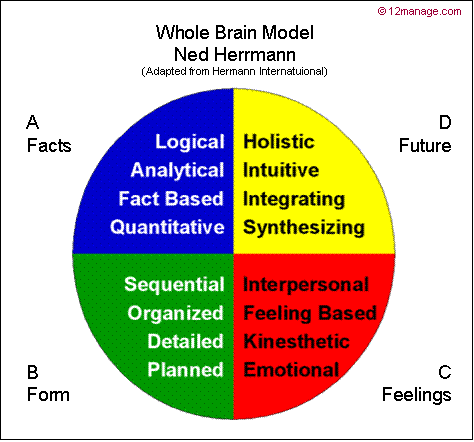
Our human brain is divided into right and left quadrant. Each of them functions completely different from one another. Both sides are connected through Copus Collasum, a thick band of nerve fibres. The left side is very organized, logical, fact-based and controls the right side of the body whereas the right side seems to be instinctive, intuitive, creative, chaotic, emotional and control the left side of the body. To understand better, let’s take the whole brain model of Ned Hermann :
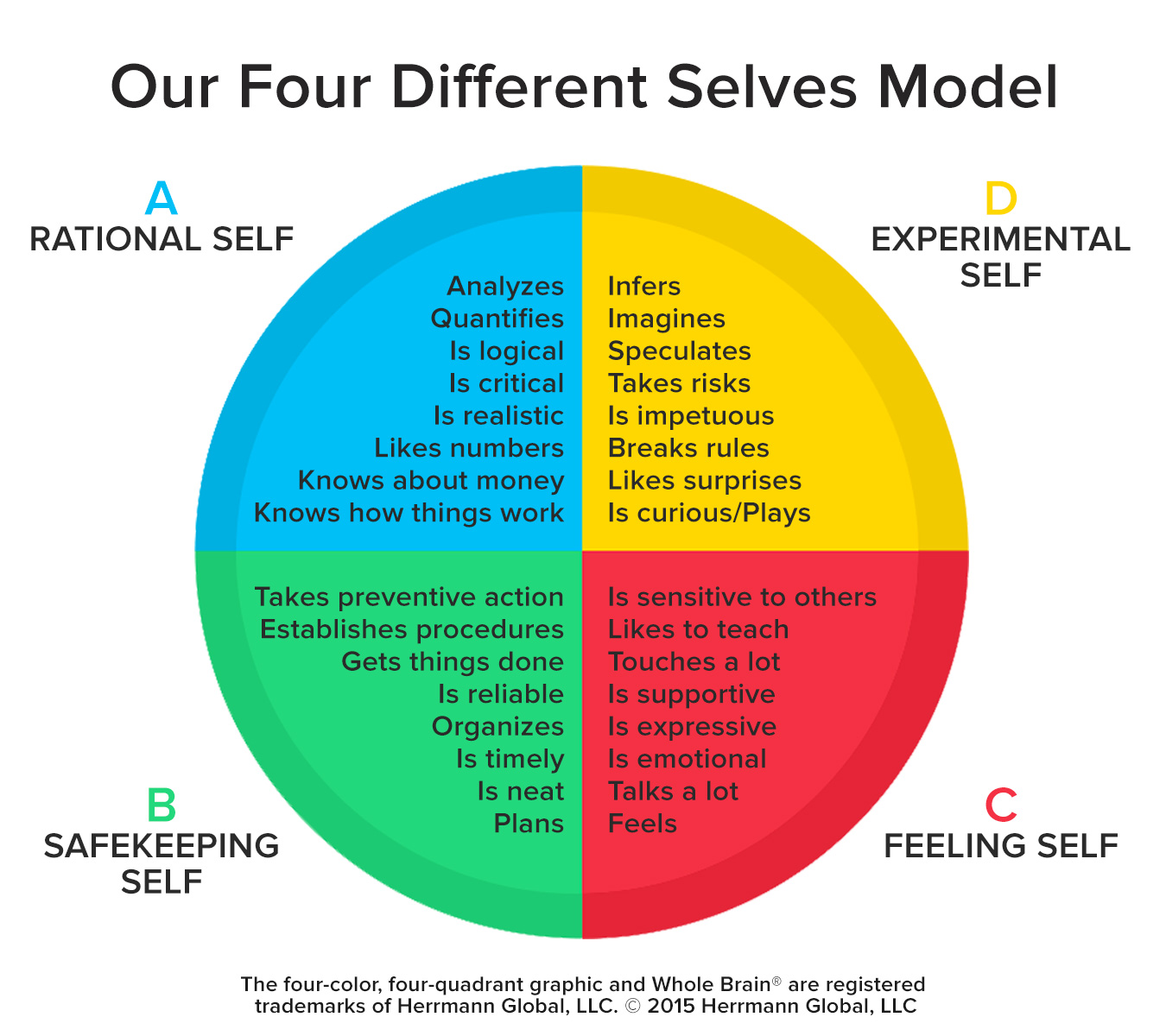
So, each of the 4 quadrants has it’s own specific purpose.

947B06A8-7A43-4D69-BE4A-0782591234ED

Rarely, people utilize the whole brain state in their whole lifetime. According to genetical inclination and also the social upbringing, a person is habituated to use whichever half, he is inclined to use more. Most of us end up using one part of the brain more often than the other. This can be indicated from the progress or the outcomes we get from the decisions, we make in life. As a result, some people end up being a left-brain bias while some as right-brain bias. Depending on the right and left brain qualities scale, each of us can be measured how bias we are, in using which half of the brain we prefer or habituated more to use. Researches show the majority of the people fall in the left brain dominance than the right brain. As the person grows older and older, in the half he uses more, the neuronal pathways become stronger and stronger, and the other half remain untapped and wasted. We start living in patterns and specific patterned thinking which we have adopted over the years. We are unaware of our default thinking pattern. We fail to realise and understand that using the two halves together or rather the whole brain, makes us wiser, help us to make better decisions, perform better, more productive and lead a happier life. The benefits are immense. Our awareness comes very late when we face difficulties, failures, make wrong decisions or end up being unsuccessful in many aspects of life. So, my curiosity is can I rebalance my brain and change my thinking pattern? How do I try to balance both the halves and perform better in life? How do I learn my brain synchronization?

BBD1634D-6CA7-4224-9CDB-4EA53ECA9A40

Yes, we can rebalance our brain. But, then it’s not possible overnight. Just as a habit takes time to develop so also it takes time to change too. But let’s understand what whole-brain thinking is all about. You have access to all the two halves or the four quadrants of the brain equally at the same time. Instead of your usual thinking preferences, being able to adapt to learn thinking from different aspects (from different quadrants) and come to a better decision which would improve your performance and outcome of a particular task in hand. This means capable of leveraging the different thinking aspects available for that particular task and come to a better decision which may yield a better outcome.
Therefore, different mental processes, courses, exercises are programmed and developed to improve our whole-brain thinking. Some of the easiest ways are :

Seated young man with crossed arms gesture

1. Crossed Position: Normally, the left half of the brain controls the right side of the body and so is the right half controls the left side of the body. Depending upon the thinking brain biases, we shift from left side thinking to the right side thinking throughout the day. We fail to keep the brain in sync during thinking because of the patterned thinking behaviour that we have adopted over the years. When you stand or sit cross-legged and arms crossed, the control and co-ordination of either side cross the midline of the brain therefore both the halves of the brain is accessible at the same moment, that is the brain is synchronized. When the brain is in sync, we can access this super learning and thinking capabilities. There are various exercises and movements where either side crosses the midline and help brain synchronization like mind squat, cross crawl.

C24F3301-1EAC-485D-B901-FAFA389EAE90
2. Meditations and Binaural beats: Deep meditation has a powerful effect on brain synchronization. Using binaural beats introduces 2 frequencies of different tone at the same time which helps the brain goes into a meditative state and brain synchronization. However, these are practices which need to be done regularly to yield results.
3. Alternate Nostril Breathing.
4. Learning a musical instrument.
5. Yoga: Postures like Vrikrasana (tree pose), Garudasana (Eagle pose)

FE8A1A58-E049-40D4-B7AB-7B6C1C5E76E9

FA88BDE0-1DC5-4AAE-83A4-02201F621DF0

Thanks for reading.

Blessings and much love to all 💐

Post: Daily Emotional Fitness Scheme❤️: Mine and can be yours too.

Hello everyone. Have a great Monday 🙋🏻

art-beverage-breakfast-2332894

Physical fitness is not enough. A state when you are physically light and look fit but emotionally drained and heavy. This is not a healthy state of affair. Therefore, give yourself another chance every day to grow, build and improve yourself and present the world with the best version of yourself.

beach-clouds-daytime-994605.jpg

7 ways of Daily emotional fitness program :

1. Attitude: Take life as it is. Take each experience at each moment like it. Analysing and overthinking makes it good or bad.
2. Breathing: It is important to do deep breathing ( around 10 times) both morning and evening. Deep breathing calms down the brain and relieves us from tension and stress.

3. Creativity: Every day, learn, create, understand new things, new ideas. This way, we create new neural pathways. Memorizing new things, old lessons do refreshes the memory too.

4. Laugh: Laugh as much as you can. Laughing not only lighten up the mood but also releases happy hormones and keep stress in check.

5. Forgive yourself and another: Forgiving yourself often is important because it reduces the emotional baggage that you carry for something or the other. Forgiving others is equally important because we don’t know what the other person is going through.

6.Maximum Nourishment: Try eating healthy every day. Eating healthy not only influences your physical health but also your mental wellbeing.

7: Be grateful: Last but not least, being grateful for everything you have. Being grateful for every moment and every breath, I live. Being surrounded by people whom I love. And, there are a lot more reasons to be grateful for. Acknowledge them.

Thanks for reading.

Blessings and much love to all💐

Post : Are genes linked to stress ? 4 points of clarifications.

Some 50 – 80 years ago, people rarely used the word “stress”. Maybe the word was just another word in the dictionary whose meaning had the least relevance in their lives. But, today, it is the most common widely used word in every individual’s life.

Today, everywhere, you go, stress can follow you. At home, at the office, stuck in traffic, getting late and the list goes on. Therefore, the most common causes of stress in people’s lives nowadays.

Relationship stress.
Financial stress.
Workplace stress.
Health concerns.
Daily chorus stress.

4 points of clarifications as to how genes are linked to stress.

1.Genetical predisposition: Often seen, some people tend to battle more with day to day stress than some other people. So, how are genes related to our body’s psychological response? Genes produce proteins which influences our body’s reactions to different psychological responses and, stress being one of them. Single nucleotide polymorphism (SNP), are tiny differences in the genes which affect the release of hormones and proteins in the body and determine the psychological responses. This is a reason, different people react differently and have a different level of stress for the same particular situation.

2.COMT gene: Catechol – Omethyltransferase is an enzyme which causes the body to break the stress hormones like epinephrine, norepinephrine and dopamine. Epinephrine and epinephrine are hormones produces during extreme stress, under fight and flight response whereas dopamine is feel good (reward) hormone which also function as a neurotransmitter. So depending on which version of the COMT gene you have, your genotype can be a :

Warrior gene: Those who perform well under stress or under pressure.

Strategic gene: Those whose performance suffers during stress but performs well in calm situations.
Combination of both: Those who are quite in between.

3.BDNF ( brain-derived neurotrophic factor): BDNF normally function as protecting and creating new neurons, strengthening the signals between neurons. As far as stress is concerned, this protein acts as a resilience factor. This helps you to tolerate and resist the stressful situation and can still act and make you perform without affecting your health and wellbeing.

4.Managing stress level: This is the most important part of this topic. So how do we manage stress level? Depending upon, genetic predisposition, you may be the either high or low level of stress resilience. So, easy steps to handle routine stress are:
Breathing/relaxation: Deep breathing is a simple step that can be effective to control stress. Because, when you breathe deep, this makes the brain to relax and calm down.
Exercise: When you exercise, your body releases endorphins, your body enters the feel-good phase. 2 types of endorphins: Anandamide and serotonin.

Exercise increases your level of anandamide which helps the body to produce BDNF which in turn helps to regulate stress.
Serotonin is a feel-good chemical which makes you happy, motivated which can be boosted by exercise, walking, running or any physical activity which you enjoy doing. When serotonin is level is maintained, stress is less likely to occur.